2027 Online Electrical Engineering Bachelor's Degree Programs That Accept Transfer Credits

Co-Founder and Chief Data Scientist
If you already have college credits, the most important question is not simply whether an online electrical engineering bachelor's degree is available. It is whether the program will count your prior coursework in a way that actually shortens your path to graduation. Transfer policies can affect your total cost, course load, graduation timeline, and eligibility for advanced engineering coursework.
This guide is for students who have attended community college, started a bachelor's degree elsewhere, completed military or technical training, earned AP or IB credit, or paused school and now want to finish online. It explains how transfer credits work in online electrical engineering programs, what types of credits are most likely to count, how many credits schools may accept, and how to compare programs before you enroll.
Because electrical engineering is a highly sequenced field, transfer credit decisions are more complex than in many majors. Calculus, physics, circuits, programming, and lab-based courses often need to match specific degree requirements. A generous transfer maximum is useful only if your credits apply to required courses rather than open electives. The goal is to help you ask better questions, avoid repeated coursework, and choose a program that gives fair credit for what you have already completed.
Key Benefits of Online Electrical Engineering Bachelor's Degree Programs That Accept Transfer Credits
- Accepting transfer credits significantly reduces time to degree completion, allowing students to graduate faster and enter the workforce sooner in a field expecting 7% job growth through 2031.
- Transfer credits lower overall tuition costs by minimizing required coursework, a vital benefit amid rising college expenses averaging $35,000 annually for engineering programs.
- These programs offer flexibility for students balancing work or family commitments, enabling tailored course loads and faster progress based on prior academic achievements.
Who Should Consider an Online Electrical Engineering Bachelor's Degree With Transfer Credits?
An online electrical engineering bachelor's degree with transfer credits is best suited for students who have already completed college-level work and want that work to count toward a degree. Nearly 39% of college students in the U.S. transfer credits at some stage of their education, which makes transfer planning a central part of the undergraduate experience rather than an unusual exception.
These programs can be a strong fit for several types of learners:
- Students with prior college credits: If you have completed general education, math, physics, programming, or introductory engineering courses, transfer credit may help you avoid starting over. The biggest benefit comes when those credits apply directly to degree requirements, not just electives.
- Community college students: Students who began with lower-division coursework often use transfer-friendly programs to move into upper-division electrical engineering classes. This route can work well when the receiving school has clear equivalency guides or articulation agreements.
- Working professionals: Online delivery can make it easier to continue working while finishing a degree. Transfer credits may reduce the number of terms you need to balance employment, labs, projects, exams, and family responsibilities.
- Adult learners returning to school: If you left college years ago, a transfer evaluation can show which credits still apply and which technical courses may need to be repeated because of age limits or curriculum changes.
- Military personnel and veterans: Military coursework, technical training, and prior college credits may be evaluated for transfer. Acceptance varies by school, so documentation and early advising are especially important.
- Students who cannot relocate: Online programs can give students outside a campus area access to electrical engineering coursework while still allowing them to use eligible credits earned elsewhere.
This pathway is less ideal for students with very few prior credits, credits from non-accredited institutions, or coursework that does not align with engineering prerequisites. If you are still comparing academic options, review flexible online degrees carefully and focus on accreditation, transfer policy, lab requirements, and the fit between your previous courses and the electrical engineering curriculum.
How Many Credits Can I Transfer Into an Online Electrical Engineering Bachelor's Degree?
Most online electrical engineering bachelor programs accept transfer credits ranging from 30 to 90 semester credits. In practical terms, that can represent roughly one to three years of completed college coursework. However, the transfer maximum is not the same as the number of credits that will apply to your degree. A school may accept credits in general, but only some may satisfy electrical engineering major, lab, math, science, or general education requirements.
Many institutions also require students to complete at least 30 to 40 percent of their degree at the school that awards the credential. This residency requirement helps the institution ensure that graduates complete a meaningful portion of the program through its curriculum. For transfer students, it means that even a very strong transcript will not usually eliminate the need to complete upper-division engineering courses at the new school.
What affects the number of credits accepted?
- Accreditation of the sending institution: Credits from regionally accredited institutions are generally more likely to be considered. Credits from non-accredited schools may be denied or reviewed under stricter rules.
- Course match: Electrical engineering programs are structured around prerequisites. Courses such as calculus, physics, circuits, digital logic, programming, and differential equations often must match both content and credit hours.
- Grade earned: Schools commonly require a minimum grade before a course can transfer. A course may appear relevant but still be rejected if it does not meet the program's grade threshold.
- Age of technical coursework: Some programs place time limits on engineering, computing, or technology-related credits to ensure that students have current knowledge.
- Degree requirements: A course may transfer as credit but count only as an elective. The most valuable transfer credits are those that replace required courses in the degree plan.
Before enrolling, ask for a written transfer evaluation or degree audit. It should show not only how many credits are accepted, but where each credit applies. Students considering later graduate study can also compare policies for cheap online master's programs, but bachelor's transfer planning should come first if the immediate goal is degree completion.
What Types of Credits Transfer to an Online Electrical Engineering Bachelor's Degree?
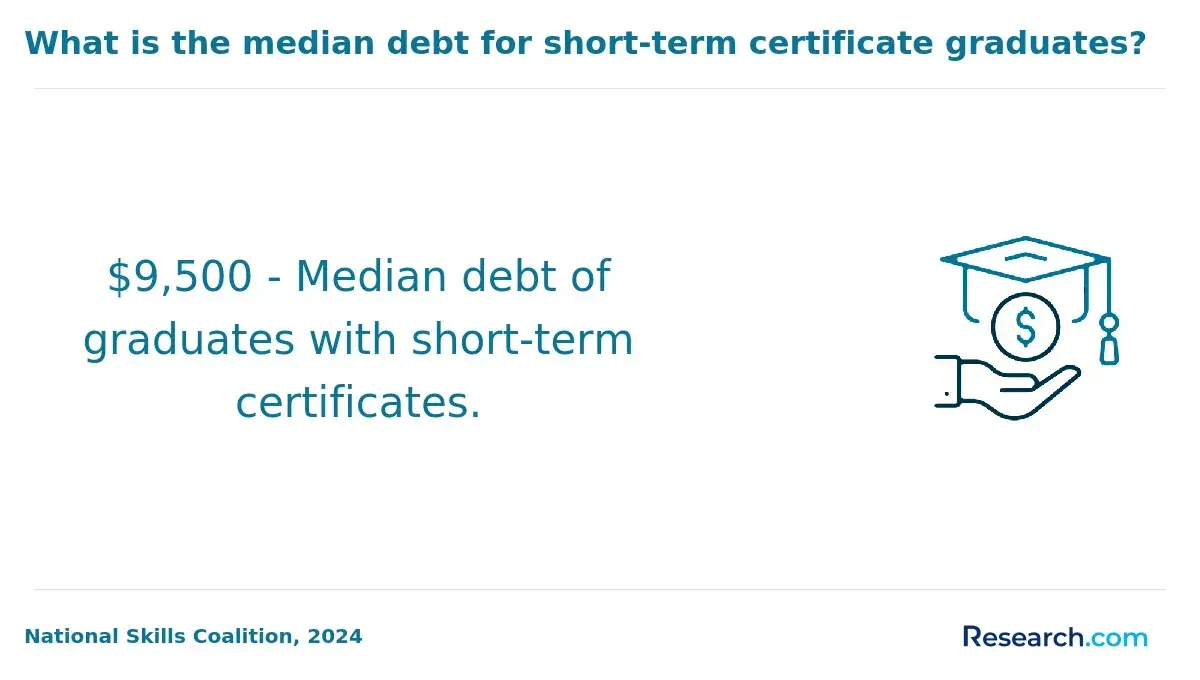
Transferable credits usually fall into two categories: courses that satisfy broad undergraduate requirements and courses that match specific electrical engineering requirements. Research shows roughly 35% of online STEM students use transfer credits, which makes credit evaluation especially important for students entering technical fields.
The following types of credits are commonly reviewed by online electrical engineering programs:
- Community college courses: Lower-division courses in calculus, physics, chemistry, programming, composition, and general education often transfer well when they come from an accredited institution and match the receiving school's requirements. Engineering-specific courses may require closer review.
- AP and IB exam credits: High scores on Advanced Placement and International Baccalaureate exams may satisfy entry-level college requirements. These credits are most useful when the program accepts them for required math, science, or general education courses rather than unrestricted electives.
- Professional training: Some schools review certifications, employer training, or technical education in electronics, computing, networking, or related areas. These credits are not guaranteed and may be limited to electives unless the training has been formally evaluated.
- Military education: Veterans and active-duty students may submit military transcripts and training records. Technical military coursework may be considered for credit, but the receiving school determines whether it matches academic requirements.
- Prior four-year institution credits: Students transferring from another bachelor's program may be able to apply credits from completed courses. Courses are more likely to transfer when they come from an accredited institution and align closely with the new program's curriculum.
Credits that often need extra review
Lab-based engineering courses, upper-division electrical engineering courses, and older technology courses may receive additional scrutiny. A syllabus, catalog description, lab outline, textbook list, or course project description can help evaluators decide whether the prior course is equivalent.
A graduate of an online electrical engineering program shared that navigating credit transfer was initially overwhelming. He explained, "I had credits from community college, a military technical school, and some industry certifications. It took extra effort to gather documentation and speak with advisors, but once everything was reviewed, it saved me months of coursework." He appreciated that the university provided clear guidelines but noted the importance of persistence and patience throughout the process.
What Are the Rules for Transferring Credits to an Online Electrical Engineering Bachelor's Degree?
Transfer rules exist to confirm that previous coursework is academically comparable to the receiving program's requirements. Nationwide, about 60% of colleges allow some transfer credits toward engineering degrees, but each institution sets its own standards. Electrical engineering programs can be stricter than some other majors because later courses depend heavily on earlier math, science, and engineering foundations.
Most transfer evaluations consider the following rules:
- Accreditation requirements: Credits generally need to come from recognized, accredited colleges or universities. Accreditation helps the receiving school judge whether the prior coursework met acceptable academic standards.
- Course equivalency: The course must be similar in content, level, credit value, and learning outcomes. A general physics course, for example, may not automatically satisfy a calculus-based physics requirement for engineering majors.
- Minimum grade standards: Programs often require a satisfactory grade, typically a C or better, before a course can transfer. Some major or prerequisite courses may be reviewed more carefully than general education courses.
- Credit limits: Schools frequently cap the number of transfer credits that can count toward the degree. They may also limit how many credits can apply to the major, upper-division requirements, or nontraditional learning.
- Time restrictions: Technical fields change. Some programs limit how old engineering, computer science, or technology credits can be, especially when course content affects readiness for advanced work.
- Residency requirements: Even when credits transfer, students usually must complete a required portion of the degree through the awarding institution.
- Documentation requirements: Official transcripts are standard. For technical courses, schools may also request syllabi, lab descriptions, textbooks, assignments, or learning outcomes.
Students who may pursue professional engineering licensure should also ask whether the program's accreditation and transfer policies meet the education expectations of the relevant state licensing board. If you are comparing applied technical fields, an online building construction degree may have different transfer standards because the curriculum and professional requirements are not the same.
Which Colleges Are Transfer-Friendly for an Online Electrical Engineering Bachelor's Degree?
Transfer-friendly colleges are not defined only by how many credits they accept. The best programs provide clear policies, timely evaluations, helpful advising, and degree plans that show exactly how prior credits apply. Nearly 40% of undergraduate students in the U.S. transfer between institutions, so strong transfer support can make a major difference in whether students graduate efficiently.
Several types of institutions are often more supportive of transfer students:
- Public universities: Public institutions often have established transfer pathways with community colleges and other accredited schools. These pathways can make lower-division course planning more predictable.
- Online-focused schools: Institutions built around online learning may have admissions and advising teams that routinely work with adult learners, returning students, military students, and students with mixed academic histories.
- Adult-friendly programs: Programs designed for working adults may offer flexible scheduling, prior-credit evaluations, and advising that focuses on completion planning rather than only first-year enrollment.
- Regional universities: Regional schools may maintain transfer relationships with nearby colleges and may be familiar with common course equivalencies in the area.
Signs a program is truly transfer-friendly
- The school offers a preliminary transfer review before or early in the admissions process.
- Advisors explain which credits apply to general education, prerequisites, major requirements, and electives.
- The program publishes transfer guides, course equivalency tools, or articulation agreements.
- Students receive a degree plan showing remaining courses before they commit to enrollment.
- The admissions team can explain lab, residency, and upper-division requirements clearly.
When discussing which colleges are transfer-friendly for an online electrical engineering degree, a recent graduate shared her experience. She recalled initial uncertainty navigating different credit acceptance rules but appreciated having advisors who clearly outlined transfer options. "It wasn't just about the number of credits; it was about how they matched my degree requirements," she explained. This guidance helped her avoid repeating courses and made her feel supported throughout the process. Her journey illustrates that advising quality can matter as much as the written transfer policy.
Which Online Electrical Engineering Bachelor's Degree Programs Accept the Most Transfer Credits?
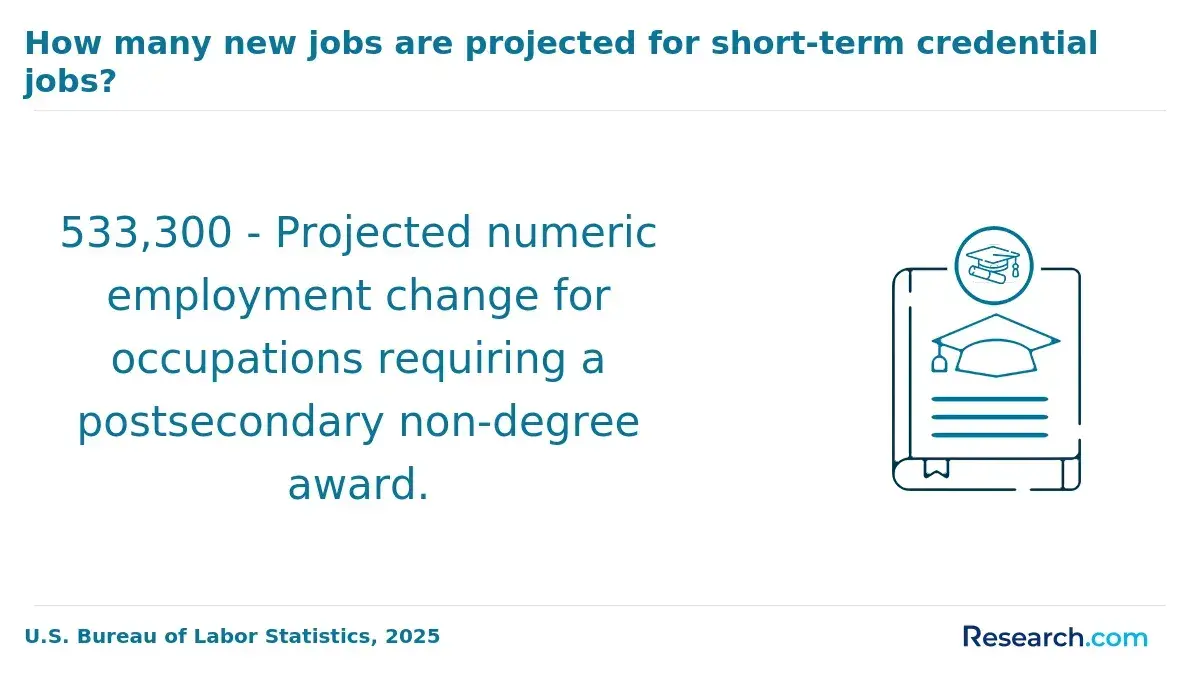
Programs that accept the most transfer credits often allow students to apply more than two-thirds of the required credits from previous coursework. Still, the highest transfer cap is not automatically the best choice. A program that accepts many credits as electives may not save as much time as a program that accepts fewer credits but applies them directly to required engineering courses.
Look for programs with the following features:
- Flexible curricula: Programs with multiple elective areas, clear prerequisite structures, and well-defined general education requirements may make it easier to apply previous coursework toward the degree.
- Competency-based learning: Some programs assess what students know and can do, which may help students with prior technical learning. This model is not universal in electrical engineering, so students should confirm how credit is awarded and whether it satisfies degree requirements.
- Adult-focused structures: Programs designed for working learners may be more experienced in evaluating credits from multiple institutions and building efficient completion plans.
- Articulation agreements: Formal agreements with community colleges or partner institutions can reduce uncertainty because course equivalencies are established in advance.
- Transfer credit advisors: Dedicated advisors can help students identify missing documents, appeal unclear decisions, and understand how accepted credits affect graduation timelines.
How to compare high-transfer programs
| What to compare | Why it matters |
| Maximum transfer credits | Shows the upper limit, but not how credits apply to the degree. |
| Major-course equivalency | Determines whether prior engineering, math, and science courses replace required courses. |
| Residency requirement | Shows how much coursework must be completed at the awarding school. |
| Lab and project requirements | Clarifies whether online students must complete specific hands-on components through the institution. |
| Written degree audit | Helps you estimate remaining time and cost before committing. |
The strongest choice is usually the program that gives you the shortest realistic path to completion while maintaining the accreditation, academic rigor, and engineering preparation you need for your goals.
How Do I Transfer Credits to an Online Electrical Engineering Bachelor's Degree?
Transferring credits is a formal process. According to the National Student Clearinghouse Research Center, more than one-third of college students transfer at least once during their academic careers, so schools are used to reviewing prior coursework. The key is to start early and request details in writing.
Use the following steps to manage the process:
- Identify target programs: Compare online electrical engineering programs based on accreditation, transfer maximums, lab expectations, cost, scheduling, and student support. Do not rely only on marketing language about flexibility.
- Collect official transcripts: Request official transcripts from every college or university you attended. Omitting a transcript can delay admission or create problems later.
- Gather course documentation: For engineering, math, science, computing, and lab courses, save syllabi, course descriptions, textbooks, and major assignments when possible. These materials can help evaluators determine equivalency.
- Submit materials for evaluation: The admissions office, registrar, academic department, or transfer specialist will review your coursework. Technical courses may require faculty review.
- Review the credit decision carefully: Confirm which credits were accepted, which were denied, and which degree requirements they satisfy. Pay close attention to credits that transfer only as electives.
- Ask about appeals: If a course is denied and you believe it matches a requirement, ask whether you can submit a syllabus or additional documentation for reconsideration.
- Create an academic plan: Work with an advisor to map remaining courses in sequence. Electrical engineering prerequisites can affect when you can take upper-division courses.
- Confirm deadlines and policies: Transfer evaluations, transcript submission, financial aid packaging, registration, and orientation may all have separate deadlines.
A good transfer process should end with a clear degree plan, not just a credit total. Before enrolling, make sure you understand your remaining courses, expected timeline, out-of-pocket cost, and any in-person or proctored requirements.
How Do Transfer Credits Speed Up an Online Electrical Engineering Bachelor's Degree?
Transfer credits can speed up an online electrical engineering bachelor's degree by reducing the number of courses you still need to complete. Data shows that students often transfer between 30 to 60 credits, which can save one to two years of study time. The actual time saved depends on whether those credits satisfy required courses and whether the remaining courses are available in the sequence you need.
Transfer credits can accelerate a degree in several ways:
- Reduced coursework: Accepted credits may eliminate general education, lower-division math, science, or introductory technical courses. This lets students move more quickly into advanced engineering topics.
- Skipped prerequisites: Electrical engineering courses build on earlier subjects such as calculus, physics, and computer science. If those prerequisites transfer, students may avoid waiting additional terms before starting major coursework.
- More flexible scheduling: Students with fewer remaining credits may be able to take a lighter course load while still progressing toward graduation. This can be especially helpful for working adults.
- Lower risk of overload: Engineering courses can be demanding. Transfer credits may allow students to focus on fewer high-intensity technical courses at a time instead of combining them with unrelated requirements.
- Cost savings: Fewer required courses can reduce tuition and course-related expenses, though the amount saved depends on the program's tuition structure and fees.
Students should be cautious about assuming that credits automatically shorten the timeline. If key prerequisites do not transfer, or if advanced courses are offered in a limited sequence, the degree may still take longer than expected. Efficient planning matters in other education routes as well, including 12 month certificate programs that pay well, but engineering degrees require special attention to course sequencing.
Can Transfer Credits Reduce the Cost of an Online Electrical Engineering Bachelor's Degree?
Yes. Transfer credits can reduce the cost of an online electrical engineering bachelor's degree when they lower the number of credits you must complete at the new school. According to the National Student Clearinghouse Research Center, transfer students save on average 20% to 30% on total degree costs compared to those starting fresh. The savings are strongest when accepted credits replace required courses rather than adding unused elective credit.
Transfer credits may reduce costs in several ways:
- Reduced tuition fees: Fewer required courses generally mean fewer tuition charges. This is the clearest financial benefit of successful transfer credit.
- Lower textbook and materials costs: Each course can bring books, software, lab kits, or other materials. Completing fewer courses can reduce these expenses.
- Faster degree completion: A shorter program timeline can reduce costs associated with prolonged enrollment, including fees and indirect expenses.
- Earlier workforce advancement: Finishing sooner may allow students to qualify earlier for technical roles, promotions, or additional responsibilities, depending on employer requirements.
- Reduced repeat-course risk: A strong transfer evaluation can help students avoid paying again for coursework they have already mastered.
Cost questions to ask before enrolling
- How many credits will I still need to complete after transfer?
- Which accepted credits apply to required courses?
- Are there fees for transfer evaluation, labs, online courses, proctoring, or graduation?
- Will financial aid eligibility change if I transfer many credits?
- Can I receive a written cost estimate based on my remaining degree plan?
Students with strong math, science, or computing credits may also compare related pathways, such as a 2-year computer science degree online, before committing to electrical engineering. The right choice depends on career goals, accreditation needs, course fit, and how much prior credit applies.
How Can I Maximize Transfer Credits for an Online Electrical Engineering Bachelor's Degree?
Students transferring into an online electrical engineering bachelor's program can often apply a substantial portion of previous coursework, with studies showing about 70% of transfer applicants successfully doing so. To maximize accepted credits, you need to plan before enrollment and document your prior learning thoroughly.
Use these strategies:
- Review transfer policies before applying: Compare accreditation rules, credit limits, grade requirements, age limits, residency requirements, and policies for AP, IB, military, and professional training credits.
- Prioritize course alignment: Credits are most valuable when they match required courses. Focus on equivalencies for calculus, physics, programming, circuits, electronics, engineering fundamentals, and general education requirements.
- Request an early credit evaluation: Whenever possible, ask for a pre-admission or early-admission evaluation. Do not wait until after enrollment to discover that key courses will not count.
- Submit detailed documentation: Provide syllabi, catalog descriptions, lab details, textbooks, and learning outcomes for technical courses. More complete documentation can improve the chance of a fair review.
- Ask how each credit applies: A credit that transfers as an elective may not shorten your program. Ask for a degree audit showing how credits satisfy specific requirements.
- Use articulation agreements when available: If you are still attending community college or another institution, choose courses that are already approved for transfer to your target program.
- Appeal when appropriate: If a course is denied and you have evidence that it matches the required content, ask about the appeal or re-evaluation process.
- Check licensure and accreditation considerations: If your career plans may involve professional engineering licensure, confirm that transferred credits and the degree program meet the relevant education requirements.
The most common mistake is choosing a program based only on the headline number of transferable credits. A better approach is to compare the remaining degree plan, total cost, time to completion, and whether the program supports your long-term engineering goals.
What Graduates Say About Online Electrical Engineering Bachelor's Degree Programs That Accept Transfer Credits
- Ramon: "Choosing to transfer my credits into an online electrical engineering bachelor's program was driven by my need for flexibility while juggling work and family. The affordable credit transfer fees made the transition smooth without breaking the bank, which was a huge relief. This path has truly accelerated my career, allowing me to land a more technical role in my company faster than I expected."
- Marcos: "Reflecting on my decision to move to an online electrical engineering program, I realize it was the perfect blend of convenience and value. I appreciated how much previous coursework was recognized, which kept costs down and reduced time to graduation. This transfer experience has given me the confidence and credentials to pursue advanced projects and leadership opportunities at work."
- Silas: "Transferring into an online electrical engineering bachelor's program was a strategic choice to enhance my knowledge without interrupting my professional life. The program's credit acceptance policies meant I didn't have to retake classes unnecessarily, saving both time and money. As a result, I've seen a tangible impact in my job with clients recognizing my expanded expertise and commitment to growth."
Other Things You Should Know About Electrical Engineering Degrees
Most online electrical engineering bachelor’s programs require transfer courses to be completed with a grade of C or better, and some set the minimum at C- for technical electives. Schools also review course content, lab hours, and regional accreditation before accepting credits, and they may reject outdated engineering science courses.
Yes, many online electrical engineering programs in 2027 generally have time limits on previously earned credits, often ranging from 5 to 10 years. This ensures that credits reflect current practices and technologies in the rapidly-evolving field of electrical engineering.
References
- How to Get a Bachelor's Degree Faster https://www.snhu.edu/about-us/newsroom/education/how-to-get-a-bachelors-degree-faster
- Transfer Credits https://www.citadel.edu/electrical-computer/degree-completion/bs-electrical-engineering/electrical-credits/
- Transferring Credits https://www.boisestate.edu/coen-ece/advising/transfers/
- 7 Online Bachelor's in Electrical Engineering with Career-Ready Capstone Projects - Practical Training Without Campus Time https://www.euroeducation.net/articles/7-online-bachelors-in-electrical-engineering-with-career-ready-capstone-projects-practical-training-without-campus-time.htm
- Electrical Engineering AAS-EET to BSEE Transfer Plan https://www.msoe.edu/academics/undergraduate-degrees/engineering/electrical-engineering/electrical-engineering-aas-eet-to-bsee-transfer-plan/
- Electrical and Electronic Engineering (Top-up) (Online) BEng Tech (Hons) https://www.tees.ac.uk/undergraduate_courses/engineering_&_construction/beng_tech_(hons)_electrical_and_electronic_engineering_(top-up)_(online).cfm
- How BTech Credit Transfer Can Help You Complete Your Degree Faster https://principleinstitute.org/how-btech-credit-transfer-can-help-you-complete-your-degree-faster/
- Online Electrical Engineering Degrees https://www.affordablecollegesonline.org/degrees/engineering-programs/electrical-engineering/