2027 Counseling vs. Therapy vs. Psychology: Guide to Their Differences and Similarities

Co-Founder and Chief Data Scientist
Choosing between becoming a counselor, therapist, or psychologist is not just a question of job title. The decision affects how long you will be in school, what license you will need, which clients you can serve, where you can work, and how much clinical responsibility you may carry. It also matters because demand for mental health services remains high: according to the latest Substance Abuse and Mental Health Services Administration report, around 61.5 million adults aged 18 or older had any mental illness in the past year, and 14.6 million had a serious mental illness.
This guide explains the practical differences between counselors, therapists, and psychologists for students, career changers, and psychology master’s degree completers comparing mental health career options. You will learn how these roles differ in education, licensure, patient care, salary outlook, work settings, specialization options, and long-term career fit.
Counselor vs Therapist vs Psychologist Table of Contents
- Counselor, therapist, and psychologist: the core differences
- Which path offers the stronger salary and job outlook?
- When are counseling, therapy, and psychology used?
- How do I know which mental health career fits me?
- How can I begin a counseling or therapy career efficiently?
- What degree is required to become a therapist?
- Which specializations should future mental health professionals compare?
- Can accelerated training programs shorten the path into mental health work?
- Are low-cost online counseling degrees worth considering?
- Does substance abuse counseling specialization improve advancement options?
- Why do licensure pathways matter for career mobility?
- How does work-life balance compare across the three roles?
- What skills do counselors, therapists, and psychologists need?
- Which ethical and legal standards shape these professions?
- How can mental health professionals increase earning potential?
- What emotional demands come with counseling, therapy, and psychology careers?
Quick Answer: Counselor vs Therapist vs Psychologist
A counselor usually helps clients address specific life, emotional, behavioral, academic, relationship, or substance-use concerns through structured support and coping strategies. A therapist is a broader term that may include licensed counselors, marriage and family therapists, clinical social workers, psychologists, and other professionals who provide psychotherapy. A psychologist typically has doctoral-level training and may provide diagnosis, psychological testing, evidence-based therapy, research, consultation, and specialized clinical services.
| Role | Typical education | Common focus | Best fit for students who want to... |
| Counselor | Usually a master’s degree plus supervised clinical experience and state licensure | Support clients through life challenges, mental health concerns, school issues, career questions, grief, addiction, or adjustment problems | Work directly with individuals, families, students, or communities in practical, support-oriented settings |
| Therapist | Usually a master’s or doctoral degree in a mental health-related field, depending on license type | Provide psychotherapy, relationship therapy, family therapy, trauma-informed care, or longer-term treatment | Use clinical techniques to help clients understand patterns, improve functioning, and make sustained changes |
| Psychologist | Typically a doctorate in psychology, supervised clinical experience, and licensure | Assessment, diagnosis, therapy, research, testing, consultation, and specialized psychological services | Pursue advanced clinical practice, assessment, research, academia, or specialized psychology roles |
Counselor vs Therapist vs Psychologist: Key Differences
A counselor is a trained professional who helps individuals or groups manage personal, social, emotional, academic, behavioral, or mental health challenges. A psychologist is a mental health professional with specialized training in human behavior, emotions, cognition, assessment, and treatment. A therapist is not always a single license category; it is an umbrella term often used for professionals who provide psychotherapy, including counselors, psychologists, marriage and family therapists, and clinical social workers.
The overlap can be confusing because all three may sit with clients, discuss emotional distress, and use evidence-based methods. The difference is usually found in the professional’s license, scope of practice, training depth, assessment authority, treatment model, and work setting. Counselors often focus on guidance, support, coping skills, and targeted interventions. Psychologists often have broader preparation in testing, diagnosis, research, and complex clinical cases. Therapists may provide individual, couples, family, or group therapy depending on their credentials.
According to the U.S. Bureau of Labor Statistics (BLS), there were approximately 483,500 mental health counselors, 204,300 psychologists, and 77,800 marriage and family therapists employed in the U.S. To compare counselor vs therapist vs psychologist accurately, you need to look at education, training hours, licensure exams, client populations, clinical responsibilities, and advancement paths.
Education and Training
Most counseling, therapy, and psychology careers begin with a bachelor’s degree, but independent clinical practice usually requires graduate education and licensure. Students may begin with an online undergraduate or graduate option, including location-specific options such as psychology programs in Texas, but those who want to provide clinical services should plan for graduate study, supervised practice, and state licensing requirements.
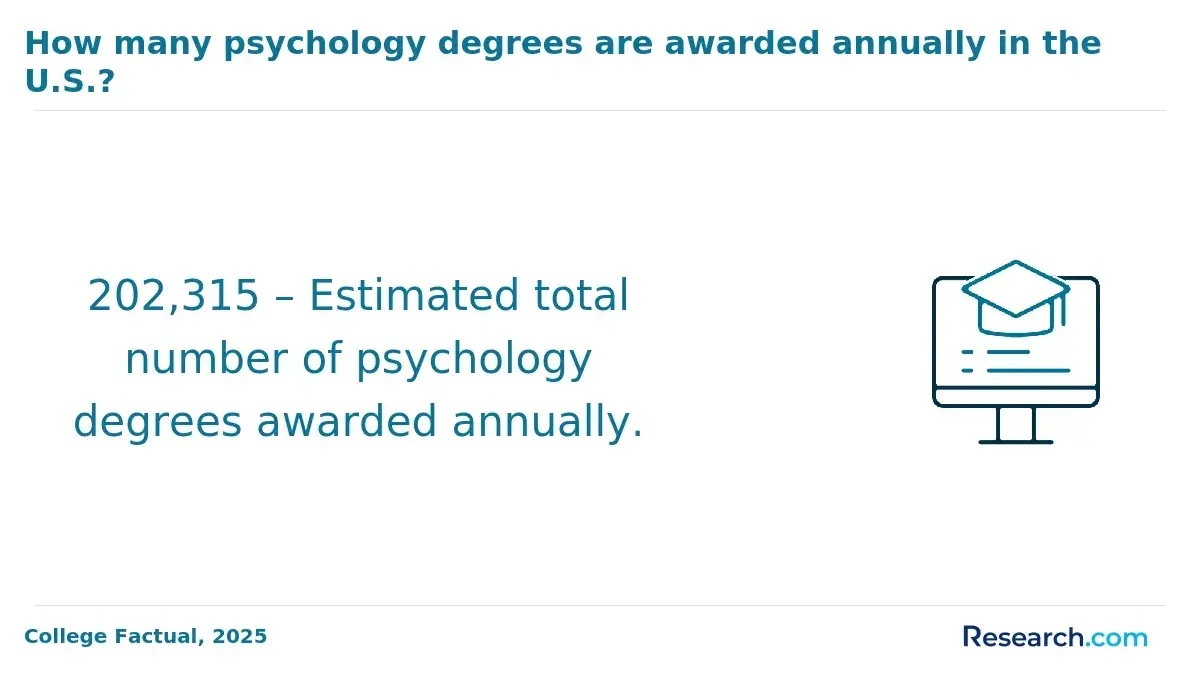
Psychologists generally complete a doctorate in psychology, which requires five to seven years of graduate study, supervised clinical experience, and a licensure exam. Their training commonly includes psychological assessment, diagnosis, research methods, ethics, treatment planning, and evidence-based intervention. The latest report from the American Psychological Association (APA) shows that there were 143,144 graduates with bachelor’s, 38,896 with master’s, and 7,503 with a doctorate in psychology.
Counselors typically need a master’s degree, which generally requires two to three years of graduate study. Because many counseling roles involve clinical care, students also complete supervised fieldwork before seeking licensure. Counselor preparation commonly covers human development, counseling theories, group counseling, multicultural practice, ethics, assessment basics, and clinical skills.
Therapists may hold a master’s or doctoral degree, depending on the license and specialty. A therapist could be trained in counseling, marriage and family therapy, social work, psychology, or another mental health field. Many complete coursework and supervised practice in psychotherapy approaches such as cognitive-behavioral therapy, psychodynamic therapy, humanistic therapy, family systems therapy, or trauma-focused models.
| Path | Graduate education | Supervised experience | Common licensure exam mentioned |
| Counselor | Master’s degree; counselor training programs typically take two years to complete | Usually between 2,000-4,000 hours, depending on state rules | National Counselor Examination (NCE) |
| Therapist | Master’s or doctoral degree; training programs typically take two to five years to complete | 2,000-4,000 supervised clinical hours, depending on state requirements | National Clinical Mental Health Counseling Examination (NCMHCE) or Examination for Professional Practice in Psychology (EPPP), depending on credential |
| Psychologist | Doctoral degree; training programs usually take five to seven years to complete | Between 1,500-2,000 hours after the doctoral degree | Examination for Professional Practice in Psychology (EPPP) |
Skill Sets
The skill boundaries between counselor, therapist, and psychologist are not always sharp in daily practice. Among the 21.4 million adults aged 18 or older who had a major depressive episode (MDE), 64.4% (or 13.8 million people) received treatment for depression in the previous year from these types of mental health professionals (SAMHSA, 2025).
Counselors need strong listening skills, empathy, structure, cultural awareness, practical problem-solving ability, and the judgment to recognize when a client may need a higher level of care. They may use talk therapy, cognitive-behavioral strategies, mindfulness-based interventions, relapse-prevention planning, academic or career guidance, and crisis referral procedures.
Psychologists need many of the same interpersonal skills, but their work often requires deeper training in research, assessment, diagnosis, clinical formulation, psychometrics, and evidence-based treatment selection. Some psychologists also publish research, teach, consult with organizations, or design interventions for specific populations.
Therapists need the ability to create a safe therapeutic relationship, observe verbal and nonverbal cues, manage emotionally intense sessions, apply appropriate treatment techniques, and track client progress over time. Depending on their license, they may work with individuals, couples, families, or groups.
Patient Care
From 2024 to 2025, the Clinician Index of Client Concerns (CICC) of the Center for Collegiate Mental Health (CCMH) listed anxiety (64.9%), depression (48.5%), and stress (39%) as the top three concurrent reasons why college students set appointments with school counselors (CCMH, 2025). This illustrates why mental health professionals often serve clients whose needs range from short-term stress management to complex clinical treatment.
Psychologists are more likely to be involved when cases require comprehensive psychological assessment, diagnostic evaluation, specialized testing, or treatment for complex conditions such as severe anxiety disorders, psychotic disorders, or personality disorders. Their work may include formal reports, clinical interviews, treatment plans, and collaboration with physicians, schools, courts, or agencies.
Counselors commonly work with mild to moderate mental health concerns, adjustment issues, academic or career stress, relationship problems, substance use concerns, grief, and life transitions. They may use structured assessments, but their clinical process is often more focused on counseling goals, skill-building, client strengths, and practical change.
Therapists may provide a broader range of psychotherapy services than the term counselor suggests in everyday use. For example, a therapist may offer individual psychotherapy, couples therapy, family therapy, or group therapy. The treatment may continue over weeks, months, or longer when clients are working through trauma, recurring relational patterns, long-standing emotional distress, or chronic mental health concerns.
Requirements and Certifications
Counselors, therapists, and psychologists typically need graduate education, supervised clinical training, and state licensure before they can practice independently. Optional certifications may help professionals demonstrate specialized competence, but they usually do not replace state licensing.
Counselor preparation commonly includes a graduate counseling program, supervised clinical hours, and a licensing examination. The National Counselor Examination (NCE) is a common exam for counselors. Professionals may also pursue specialty credentials through organizations such as the National Board for Certified Counselors, which describes its role and credentials on the NBCC website.
Therapist requirements depend on the license type. Marriage and family therapists, professional counselors, clinical social workers, and psychologists may all be called therapists, but each pathway has distinct coursework, supervised hours, exams, and state board rules. Students should never assume that one state’s license requirements automatically apply in another state.
Psychologists must meet doctoral education and supervised practice standards and pass the Examination for Professional Practice in Psychology (EPPP). Some psychologists also pursue specialty training in areas such as neuropsychology, forensic psychology, clinical child psychology, health psychology, or industrial-organizational psychology.
Career Opportunities
Counselors are often employed in schools, colleges, community agencies, nonprofit organizations, rehabilitation programs, mental health clinics, government programs, and private practices. They may support children, adolescents, adults, couples, families, students, and clients with substance use or career concerns. In education settings, counselors are important because students that have concerns about mental health often need timely, accessible support.
Psychologists can work in private practice, hospitals, mental health clinics, universities, research institutions, government agencies, corporations, correctional settings, and consulting roles. Clinical psychologists provide assessment, diagnosis, and therapy. Other psychologists may focus on research, teaching, evaluation, workplace behavior, human factors, or legal questions.
Psychology includes many subfields. In addition to clinical psychologists, professionals may become neuropsychologists, forensic psychologists, or industrial-organizational (IO) psychologists. The BLS reports that there were about 76,300 clinical and counseling psychologists and 5,600 IO psychologists in the U.S.
Therapists may work independently or in group practices, hospitals, outpatient clinics, community mental health centers, residential treatment programs, universities, telehealth platforms, or family-service agencies. Their work setting often depends on license type, specialty, state rules, and whether they prefer employee-based work or private practice.
Which career has a better salary outlook?
Psychologists generally show higher median pay than mental health counselors and marriage and family therapists, but salary should not be the only factor. Psychologists usually spend more time in school and training, while counselors and therapists may enter the workforce sooner. Students comparing earnings should review role-specific wage data, local demand, licensure requirements, debt, and whether they want private practice, agency work, school-based employment, or research roles. For context, this guide to master’s in psychology salary outcomes can help clarify what graduate-level psychology training may lead to.
The median annual wage for mental health counselors and marriage and family therapists was $59,190, while the median annual wage for clinical psychologists was $95,830. The BLS projects that employment changes for mental health counselors and marriage and family therapists are expected to grow by 16.8% and 12.6% respectively through 2034, which is much faster than the average for all occupations. This growth is tied to continued demand for mental health services, especially as more individuals seek support for behavioral health conditions.
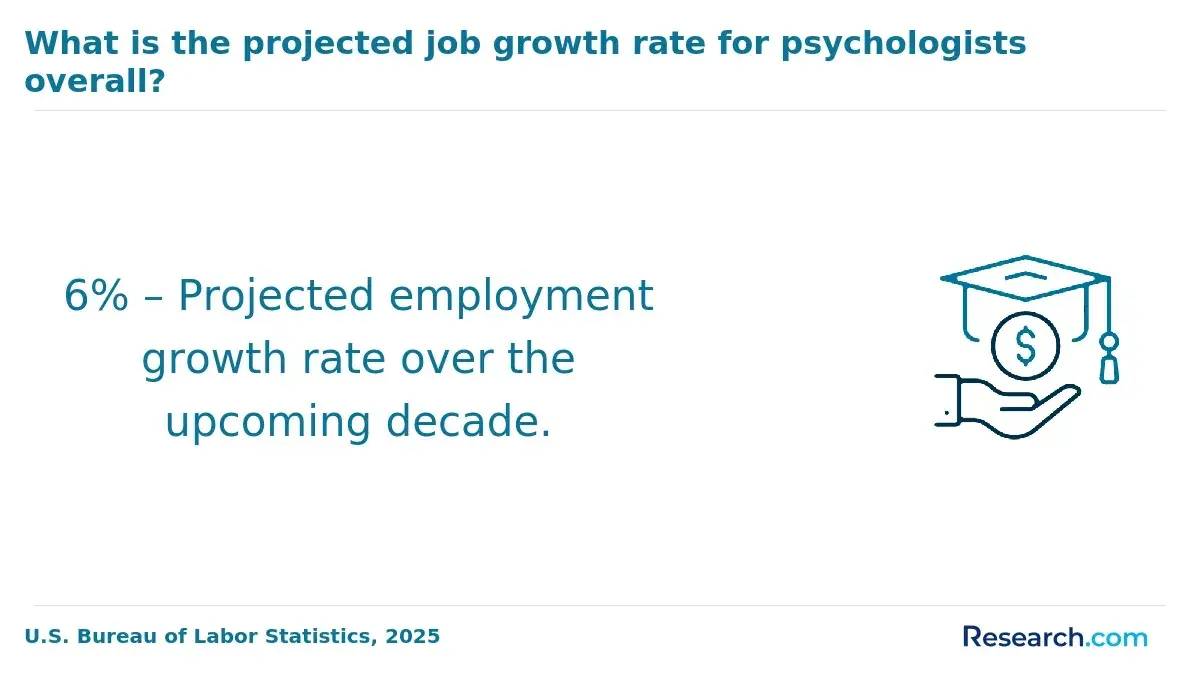
For psychologists, employment is expected to grow by 6%, which is faster than the average for all occupations. Job prospects may be stronger for candidates with doctoral preparation, supervised clinical experience, specialty credentials, or expertise in high-need areas. Psychologists may also find opportunities outside traditional therapy settings. For example, psychological research skills and knowledge of human behavior can transfer into areas such as human-centered design and user experience design. Based on BLS data, all other psychologists have an average median salary of $117,580 and are poised to grow by 4.3% through 2034, not far off from an industrial organizational psychology salary.
| Career group | Median annual wage | Projected employment change through 2034 | Decision note |
| Mental health counselors | $59,190 | 16.8% | May be attractive for students who want a shorter graduate path and direct client-service work |
| Marriage and family therapists | $59,190 | 12.6% | Often suits students interested in couples, families, relational dynamics, and systems-based therapy |
| Clinical psychologists | $95,830 | 6% | Requires more education but may support advanced assessment, diagnosis, and specialized clinical roles |
| All other psychologists | $117,580 | 4.3% | May include specialized nontraditional, applied, or consulting-oriented psychology roles |
When comparing psychologist vs counselor vs therapist salary, calculate the full career equation: tuition, years out of the workforce, supervised hours, licensing costs, geographic demand, insurance reimbursement, private-practice feasibility, specialization, and burnout risk. A higher salary can be offset by longer training or higher graduate debt, while a lower-cost pathway may produce a stronger return if it leads to stable employment and manageable loan repayment.
What are the applications of therapy vs counseling vs psychology?
Which is better for dealing with mental health issues?
Counseling is often a good fit when a client needs help with a defined concern: stress, grief, academic pressure, relationship conflict, career uncertainty, substance use recovery, or a life transition. The work may emphasize coping strategies, goal-setting, behavioral change, communication skills, and short- to medium-term support.
Therapy and psychology may be more appropriate when concerns are persistent, complex, diagnostic, trauma-related, or tied to long-standing emotional and behavioral patterns. Longer-term approaches such as psychodynamic therapy and cognitive-behavioral therapy can help some clients address deeper patterns and build durable coping skills. However, not every person needs long-term therapy; treatment length should depend on symptoms, goals, risk level, access, and clinical judgment.
Help-seeking barriers remain a serious issue. In a review of 53 studies by Radez et al. (2020), titled “Why do children and adolescents (not) seek and access professional help for their mental health problems? A systematic review of quantitative and qualitative studies,” the authors found that “The main reasons for (not) seeking and accessing professional help given by young people are those related to mental health stigma and embarrassment, a lack of mental health knowledge and negative perceptions of help-seeking.”
Published in the European Child & Adolescent Psychiatry, the study suggested, “Widespread dissemination of evidence-based interventions delivered in schools targeting perceived public stigma and young people’s mental health knowledge is needed. Mental health professionals should also offer young people different ways to access help on their own, including using digital tools, which have the potential to facilitate help-seeking behavior and promote young people’s agency.”
Which role is better as a preventive measure?
Counseling, therapy, and psychology can all support prevention, but they do so in different ways. Counselors may help clients manage stress early, build coping strategies, improve relationships, and address risky behaviors before they escalate. This can be especially useful in schools, colleges, community programs, and primary-care referral networks.
Severe mental health disorders may sometimes be reduced in impact when people receive help early. The National Alliance on Mental Illness reports that one in five adults experienced mental illness. The most common illnesses were anxiety disorders (19.1%), major depressive disorders (15.5%), and co-occurring substance abuse disorder and mental illness (8.1%). The right level of care depends on symptoms, functioning, risk, diagnosis, and available support.
Psychologists may support prevention by identifying risk factors, conducting evaluations, designing evidence-based interventions, and helping clients or organizations reduce the likelihood of future problems. For example, a psychologist may help a person with a family history of depression develop stress-management and self-care routines.
Therapy can also be preventive when it helps clients understand recurring patterns, improve emotional regulation, strengthen relationships, and increase resilience. For some people, therapy prevents symptoms from worsening by addressing root causes rather than only immediate stressors.
The safest approach is to work with a qualified mental health professional who can match the service to the person’s needs, risk level, and goals.
Role of therapy vs counseling vs psychology in the academe
In academic environments, counseling, therapy, and psychology often operate as part of a broader student-support system. Counseling centers may provide short-term counseling, crisis support, referrals, workshops, and prevention programs. More intensive therapy may be offered on campus or through external referrals when students or faculty need ongoing clinical care.
Academic counseling can also include advising, career planning, conflict management, and support for stress, motivation, or adjustment. Campus mental health needs are not limited to severe illness; many students seek help for practical and developmental concerns. Among college students who sought an appointment, they cited that their main concerns were relationship problems (8%), academic performance (3%), and self-confidence (2.5%) (CCMHI, 2025). Higher education leaders and student affairs teams continue to examine personal counseling to help students access appropriate support.
Institutional leaders, including professionals who have completed a masters degree in leadership online, increasingly recognize that counseling and psychological services influence retention, student well-being, crisis response, and campus climate. The best model depends on student needs, staffing, scope of services, funding, referral partnerships, and ethical limits.
Would being a counselor, therapist, or psychologist be better for me?
The best choice depends on how much education you are willing to complete, what kind of client work you want, whether you enjoy assessment or research, and what work setting fits your temperament. Use the following decision points before choosing a program.
| If you are drawn to... | Consider this path | Why it may fit |
| Helping clients solve specific life, school, career, relationship, grief, or substance-use concerns | Counseling | Counseling emphasizes support, coping skills, goals, and practical change across community and school settings |
| Longer-term psychotherapy, couples or family work, trauma-informed care, or emotional pattern change | Therapy | Therapist roles can allow deeper clinical work depending on license type and specialization |
| Testing, diagnosis, research, complex clinical cases, academia, or high-level consultation | Psychology | Psychologists receive doctoral-level preparation in assessment, research, and specialized psychological practice |
| Business leadership, management, or nonclinical organizational work instead of client care | Another field | If direct mental health service does not fit your goals, options such as business degrees online may be more aligned |
- Personal strengths. These careers require empathy, emotional maturity, patience, strong boundaries, and careful listening. If you prefer structured business operations over unpredictable client needs, compare the field with alternatives such as cheap online MBA programs.
- Education tolerance. Counselors and many therapists usually need master’s-level education, while psychologists typically need doctoral preparation. Before enrolling, confirm whether the program meets the educational requirements for licensure in the state where you want to practice.
- Client population. Think about whether you want to work with children, college students, adults, couples, families, people with addiction concerns, trauma survivors, or organizations. Your preferred population may point you toward a specific license.
- Work environment. Schools, hospitals, private practices, community agencies, universities, and telehealth settings feel very different. Shadowing or interviewing professionals can help you avoid choosing based on job title alone.
- Long-term growth. If you want broader psychology roles, research, or advanced clinical specialization, postgraduate training such as postgraduate online psychology degrees and counseling degrees may support your next step.
Questions to ask before choosing a path
- Do I want to provide therapy, assessment, research, prevention, or guidance?
- How many years can I realistically spend in graduate school and supervised training?
- Does the program meet licensure requirements in my state?
- What populations and issues do I want to work with most often?
- Am I comfortable with documentation, ethics, mandated reporting, and emotionally intense work?
- How much graduate debt can I manage based on realistic salary expectations?
- Do I want employment stability, private-practice autonomy, academic work, or consulting opportunities?
What are the most effective ways to get started in a counseling or therapy career?
The most efficient way to enter counseling or therapy is to choose the correct license goal first, then select an accredited or appropriately recognized program that meets your state’s requirements. Many students lose time by enrolling in a degree that is interesting but not license-aligned. If speed matters, review structured guidance on the fastest way to become a counselor, but remember that “fastest” should never mean bypassing licensure, supervised practice, or clinical readiness.
- Choose the license you want. Compare LPC, LMFT, LCSW, psychologist, school counselor, addiction counselor, or related credentials in your state.
- Check state board requirements. Confirm required degree type, coursework, practicum hours, internship hours, exams, background checks, and post-degree supervision.
- Select a program that matches the license. Ask the school for written confirmation that the curriculum is designed for your intended state and credential.
- Build experience early. Seek volunteer, paraprofessional, crisis-line, case management, research, or campus mental health experience when appropriate.
- Find mentors. Talk with licensed professionals in your preferred setting before committing to a specialization.
- Track supervised hours carefully. Licensing boards may require specific documentation, supervisor credentials, and client-contact categories.
- Keep learning after graduation. Continuing education is a normal part of ethical practice and license maintenance.
What degree do you need to be a therapist?
Most therapists need a master’s degree in a mental health-related field such as counseling, marriage and family therapy, social work, or psychology. Some therapists, especially psychologists, complete doctoral degrees. The required degree depends on the license you plan to pursue and the state where you want to practice. A helpful starting point is this guide on what degree do you need to be a therapist, which explains common therapist pathways and academic expectations.
Before choosing a program, verify accreditation, practicum requirements, internship placement support, exam preparation, faculty qualifications, and whether graduates are eligible for the license you want. Online programs can be legitimate options, but clinical fieldwork and state authorization rules still matter.
Exploring Specializations: A Broader Perspective on Career Choices
Specialization can shape the clients you serve, the settings where you work, and the expertise employers or clients associate with your name. It can also help you avoid a generic career plan. Instead of asking only “Should I become a therapist?” ask “Which population, issue, or method do I want to build competence in?”
Counselors may specialize in school counseling, clinical mental health counseling, addiction counseling, grief counseling, career counseling, rehabilitation counseling, or college counseling. These paths can lead to different day-to-day work, even when the degree title looks similar.
Therapists may focus on family therapy, couples therapy, trauma treatment, child and adolescent therapy, art or music therapy, group therapy, or evidence-based modalities for specific conditions. The right specialization should match both your interests and the needs of the community you plan to serve.
Psychologists can specialize in clinical psychology, neuropsychology, forensic psychology, health psychology, school psychology, research, organizational psychology, or behavioral interventions. Students interested in developmental or behavioral services may also explore the path to becoming a board certified behavior analyst.
| Specialization | Often fits professionals who want to... | Common settings |
| School counseling | Support student development, academic planning, social-emotional needs, and crisis response | K-12 schools, districts, education agencies |
| Marriage and family therapy | Work with couples, families, relationship systems, and communication patterns | Private practice, family service agencies, clinics |
| Substance abuse counseling | Help clients address addiction, recovery, relapse prevention, and co-occurring concerns | Rehabilitation centers, community health programs, private practice |
| Forensic psychology | Apply psychological knowledge in legal or correctional contexts | Courts, correctional facilities, government agencies, consulting roles |
| Industrial-organizational psychology | Study workplace behavior, selection, performance, leadership, and employee well-being | Corporations, consulting firms, government agencies, research organizations |
Can accelerated training programs fast-track mental health careers?
Accelerated programs can reduce time to completion, but only if they still satisfy clinical training, accreditation, and state licensure requirements. A shorter schedule may help students who can handle intensive coursework and fieldwork, but it may not be ideal for those balancing full-time work, caregiving, or limited access to approved placement sites.
Students considering accelerated marriage and family therapy programs should ask whether the program includes enough supervised clinical experience, whether placements are available in their area, and whether graduates are eligible for the intended license. A fast program that does not lead to licensure can become more expensive in the long run.
Are affordable online counseling degrees a smart investment?
Affordable online counseling programs can be a strong investment when they meet three conditions: they are academically credible, they align with licensure requirements, and they lower total cost without weakening clinical preparation. Flexibility can be valuable for working adults, but students should look beyond tuition and calculate fees, books, travel to residencies, technology costs, unpaid internship hours, and supervision expenses.
Comparing the cheapest masters in counseling online can be useful, but price should not be the only filter. Ask about state authorization, practicum support, graduation rates, licensing exam preparation, faculty clinical experience, and whether online students receive the same placement assistance as campus students.
How important is specialization in substance abuse counseling for career advancement?
Substance abuse counseling specialization can strengthen a professional profile for roles in rehabilitation centers, community health programs, integrated behavioral health settings, corrections, and private practice. It may be especially valuable for professionals who want to work with addiction, relapse prevention, recovery systems, families affected by substance use, or co-occurring mental health concerns.
Focused training can help clinicians understand screening, motivational interviewing, treatment planning, ethics, recovery support, and referral coordination. Students seeking flexible training options can compare the most affordable substance abuse counseling degree online, but they should still verify whether the degree or certificate meets state credentialing requirements for substance abuse counseling.
How do licensure pathways affect career prospects?
Licensure determines what services you may provide, whether you can practice independently, what settings may hire you, and how easily you can move across state lines. Two degrees that sound similar may lead to different scopes of practice. For example, a professional counseling path, clinical social work path, marriage and family therapy path, and psychology path may all involve therapy, but they are regulated by different boards and may emphasize different clinical frameworks.
Students comparing credentials should review guides such as Is LCSW better than LPC? to understand how training models, supervision rules, and practice privileges differ. The best license is not universal; it depends on your preferred clients, mobility needs, reimbursement plans, and career goals.
How does the work-life balance differ among counselors, therapists, and psychologists?
Work-life balance depends more on setting than title. A counselor in a school may have a more predictable calendar than a counselor in crisis services. A therapist in private practice may control their schedule but spend unpaid time on billing, notes, marketing, and insurance administration. A psychologist in academia may have flexibility but face pressure from teaching, research, publishing, grant work, and service responsibilities.
- Counselors: School and career counselors may benefit from academic calendars and structured daytime schedules. Counselors in private practice or community mental health may need evenings, crisis coverage, or high caseload management depending on employer and client needs.
- Therapists: Private-practice therapists often have more control over appointment times, but client availability may push sessions into evenings or weekends. Therapists in hospitals, clinics, or agencies may have less autonomy and more documentation or productivity requirements.
- Psychologists: Clinical psychologists may manage complex cases, assessments, emergencies, and reports. Academic and research psychologists may have more control over their weekly schedules, but workload can increase around grant deadlines, publication expectations, tenure review, or teaching responsibilities.
What skills are necessary for success in counseling and therapy careers?
Strong mental health professionals combine clinical knowledge with interpersonal discipline. They must care deeply without becoming overinvolved, listen closely without making assumptions, and follow ethical rules even when clients are in distress.
- Empathy and compassion: Clients need to feel understood, respected, and taken seriously. Empathy helps build trust, while compassion supports consistent care.
- Active listening: Effective professionals listen for meaning, emotion, patterns, contradictions, and nonverbal signals. They ask clarifying questions rather than rushing to advice.
- Clear communication: Counselors, therapists, and psychologists must explain treatment plans, boundaries, confidentiality, risk, referrals, and therapeutic concepts in language clients can understand.
- Clinical judgment: Professionals must know when a concern can be addressed in routine counseling and when it requires crisis intervention, medical evaluation, psychological testing, or a higher level of care.
- Problem-solving: Mental health work often involves complex barriers such as family conflict, financial stress, trauma history, co-occurring conditions, or limited access to resources.
- Emotional stability and self-awareness: Practitioners need to manage their reactions, recognize bias, seek supervision, and avoid projecting personal experiences onto clients.
- Cultural competency: Effective care requires respect for culture, identity, language, religion, disability, socioeconomic background, and lived experience.
- Patience and perseverance: Progress is not always linear. Clients may relapse, resist change, miss appointments, or need repeated support before improvement is visible.
- Confidentiality and ethical integrity: Trust depends on protecting client privacy, documenting appropriately, understanding mandated reporting, and maintaining professional boundaries.
Students interested in the intersection of psychology and the legal system may also compare forensic psychology master's programs online, especially if they want to apply behavioral science in courts, corrections, victim services, or investigative contexts.
The Emotional and Psychological Impact of Counseling, Therapy, and Psychology Careers
These careers can be meaningful, but they are not emotionally light. Mental health professionals regularly hear about grief, trauma, violence, addiction, self-harm, family conflict, discrimination, and severe distress. Without support, this exposure can contribute to burnout, compassion fatigue, secondary trauma, cynicism, or emotional exhaustion.
The professionals who last in the field usually treat self-care as part of professional responsibility rather than a personal luxury. They use supervision, consultation, peer support, reasonable caseload limits, continuing education, personal therapy when needed, and clear boundaries around availability.
Fulfillment is also real. Many counselors, therapists, and psychologists find purpose in helping clients regain stability, improve relationships, manage symptoms, and make life changes. If you want a broader view of possible settings and responsibilities, review careers in counseling before choosing a degree path.
What are the ethical and legal standards guiding these professions?
Ethics and law shape every part of mental health practice. Counselors, therapists, and psychologists must understand confidentiality, informed consent, professional boundaries, documentation, diagnosis, telehealth rules, mandated reporting, duty to warn or protect, supervision requirements, and scope of practice. These standards protect clients and reduce professional risk.
Requirements vary by state and license, so students should learn the rules early rather than waiting until graduation. Questions about malpractice insurance, electronic records, data protection, cross-state telehealth, supervision, and continuing education can affect whether a career plan is realistic. If you are still mapping the route, this guide on how to become a licensed therapist can help clarify the licensing sequence.
How can mental health professionals maximize their earning potential?
Mental health professionals can improve earning potential through specialization, licensure mobility, private-practice skills, supervision credentials, telehealth competence, leadership roles, assessment expertise, consulting, and continuing education. Earnings also depend on location, payer mix, work setting, years of experience, caseload, and whether the professional is an employee or self-employed.
Advanced training should be chosen strategically. A certification that deepens your clinical niche or expands your reimbursable services may be more useful than a credential that looks impressive but does not change your scope or job options. For a focused discussion of income growth, review how much do therapists make.
Common Mistakes to Avoid When Choosing a Counseling, Therapy, or Psychology Path
| Mistake | Why it creates problems | Better approach |
| Choosing a degree before choosing a license | The program may not meet state licensure requirements | Start with the license board, then work backward to the degree |
| Looking only at tuition | Fees, internships, supervision, exam costs, and lost work hours can change total cost | Calculate full program cost and realistic post-graduation income |
| Assuming all online programs qualify for licensure | State authorization and clinical placement rules may vary | Ask for written licensure alignment information for your state |
| Ignoring supervised-hour requirements | Licensure may be delayed if hours are not documented correctly | Learn supervision rules before practicum or internship begins |
| Choosing based only on salary | Higher-paying paths may require more years of training and higher debt | Compare return on investment, burnout risk, job fit, and training length |
| Relying only on rankings | A highly ranked program may not fit your state, schedule, specialization, or budget | Use rankings as one input, not the whole decision |
| Assuming salary outcomes are guaranteed | Pay varies by state, setting, license, payer mix, and experience | Review local job postings and speak with practicing professionals |
Choose Your Career Path: Counselor vs Therapist vs Psychologist
The right path depends on the kind of help you want to provide. Choose counseling if you want a master’s-level route focused on support, coping strategies, guidance, and direct client services across schools, agencies, clinics, or community settings. Choose a therapist pathway if you want to provide psychotherapy and may be interested in couples, families, trauma, or long-term emotional change. Choose psychology if you want doctoral-level preparation in assessment, diagnosis, research, specialized clinical practice, consulting, or academic work.
Do not decide from job titles alone. Compare licensure requirements, program accreditation, supervised hours, cost, salary outlook, work settings, emotional demands, and the populations you most want to serve. If you are still weighing nonclinical options, reviewing the best bachelor’s degree choices may help you compare mental health careers with other professional routes.
Key Insights
- Counselor, therapist, and psychologist are related but not identical roles. Counselors often focus on targeted support and coping strategies; therapists provide psychotherapy under several possible licenses; psychologists typically have doctoral training and may conduct assessment, diagnosis, research, and specialized treatment.
- Training length is a major decision factor. Counselors usually need a master’s degree and supervised clinical experience. Therapists may need a master’s or doctoral degree depending on license type. Psychologists generally need a doctorate, supervised clinical hours, and the EPPP.
- Salary differs, but so does the investment required. The median annual wage for mental health counselors and marriage and family therapists was $59,190, while the median annual wage for clinical psychologists was $95,830. Longer psychology training may support higher pay, but it can also mean more years in school.
- Job outlook is favorable across the field. Employment changes for mental health counselors and marriage and family therapists are expected to grow by 16.8% and 12.6% respectively through 2034. For psychologists, employment is expected to grow by 6%.
- Licensure should guide your school choice. Before enrolling, confirm that the degree, coursework, practicum, internship, and supervised-hour structure align with the state where you want to practice.
- Specialization can improve career clarity. School counseling, substance abuse counseling, marriage and family therapy, forensic psychology, neuropsychology, and industrial-organizational psychology lead to very different work settings and client populations.
- The best career fit is personal and practical. Consider your tolerance for graduate school, interest in research or assessment, preferred clients, desired schedule, financial goals, and emotional resilience before choosing among counseling, therapy, and psychology.
References:
- American Psychological Association. (n.d.). Retrieved March 2026, from CWS Data Tool Degrees in Psychology
- Center for Collegiate Mental Health. (2025). 2025 Annual Report
- National Alliance on Mental Health Illness. (n.d.) Retrieved March 2026, from Mental Health by the Numbers
- Radez, J., Reardon, T., Creswell, C., Lawrence, P.J., Evdoka-Burton, G., and Waite, P. (2021) Why do children and adolescents (not) seek and access professional help for their mental health problems? A systematic review of quantitative and qualitative studies. European Child Adolescent Psychiatry. https://doi.org/10.1007/s00787-019-01469-4
- Substance Abuse and Mental Health Services Administration. (2025). Key Substance Use and Mental Health Indicators in the United States: Results from the 2024 National Survey on Drug Use and Health
- Substance Abuse and Mental Health Services Administration. Archived NSDUH report. 2021 NSDUH report
- U.S. Bureau of Labor Statistics. (2025). Occupational projections, 2024–2034, and worker characteristics, 2024. Retrieved March 2026, from BLS
Other Things You Should Know About Counseling, Therapy and Psychology
Counselors often use person-centered or solution-focused approaches. Therapists may apply cognitive-behavioral therapy (CBT) or psychodynamic modalities. Psychologists commonly employ advanced methods like dialectical behavior therapy (DBT) and neuropsychological assessments. Each approach is tailored to fit their professional training and client needs in 2027.
In 2027, counselors typically need a master’s degree in counseling or a related field, therapists often hold a master’s in social work or marriage and family therapy, while psychologists generally require a doctoral degree in psychology, such as a Ph.D. or Psy.D.
Counselors work in schools, community organizations, non-profits, mental health clinics, and career counseling centers. Therapists can work in private practice, community mental health centers, hospitals, and medical centers. Psychologists work in academic and research settings, private practices, hospitals, mental health clinics, and organizational settings.
Counselors focus on specific issues and coping strategies, using techniques like talk therapy and cognitive-behavioral therapy. Therapists provide a broader range of services, including psychotherapy, couples therapy, family therapy, and group therapy. Psychologists handle more severe or complex mental health concerns, using clinical and diagnostic processes such as psychological assessments and diagnostic evaluations.
Counselors must pass the National Counselor Examination (NCE) and complete supervised clinical hours. Therapists may need to pass the National Clinical Mental Health Counseling Examination (NCMHCE) or the Examination for Professional Practice in Psychology (EPPP) and complete supervised clinical hours. Psychologists must pass the EPPP and complete supervised clinical training hours.
A psychologist with a doctoral degree and state licensure can diagnose mental disorders, and some licensed counselors and therapists can diagnose only if their state license explicitly authorizes it. State boards set the rules, and psychologists typically meet APA-accredited training plus supervised internship requirements.
Counselors can work in schools, community organizations, mental health clinics, and career counseling centers. Therapists can work in private practice, community mental health centers, hospitals, and medical centers. Psychologists can work in academic and research settings, private practices, hospitals, mental health clinics, and organizational settings.