
2027 How to Become a Nurse Practitioner in Kentucky

Co-Founder and Chief Data Scientist
Becoming a nurse practitioner in Kentucky is a multi-step decision: you must choose the right nursing pathway, complete graduate-level preparation, earn national certification, apply through the Kentucky Board of Nursing, and keep up with renewal rules after licensure. The process is manageable, but mistakes such as choosing the wrong specialty track, overlooking clinical-hour requirements, or misunderstanding prescribing rules can delay your career.
This guide explains how to become a nurse practitioner in Kentucky in 2026, including degree options, licensing requirements, costs, timelines, scope of practice, specialties, salary expectations, job outlook, and practical ways to choose a program. It is written for registered nurses planning an MSN or DNP, career changers comparing nursing routes, and current NPs who want to understand Kentucky-specific requirements.
Quick Answer: How to Become a Nurse Practitioner in Kentucky
To become a nurse practitioner in Kentucky, you generally need an active RN license, a graduate nursing degree such as an MSN or DNP, national certification in your NP specialty, and approval from the Kentucky Board of Nursing. Kentucky NPs must also meet continuing education and renewal requirements. The state offers a relatively favorable cost environment, with a cost of living 8% below the national average, and 82% of NPs employed in the state have reported satisfaction with their profession.
Key Things You Should Know About Becoming a Nurse Practitioner in Kentucky
- You need at least a Master of Science in Nursing (MSN) to become a nurse practitioner in Kentucky. Some nurses choose a Doctor of Nursing Practice (DNP), especially if they want deeper clinical preparation, leadership roles, or a stronger academic credential.
- You must hold a valid Kentucky registered nurse license before entering advanced practice. Most candidates complete a BSN first, although bridge and accelerated pathways may be available depending on prior education.
- After graduate school, you must pass a national certification exam in your population focus or specialty, such as family practice, pediatrics, adult-gerontology, or psychiatric-mental health. Common certifying organizations include the American Academy of Nurse Practitioners and the American Nurses Credentialing Center.
- Salary figures vary by source and year. One estimate places the average Kentucky NP salary at around $103,000 per year as of 2023, while another salary section in this guide cites an average of $110,370 annually, or $53.06 per hour.
- The U.S. Bureau of Labor Statistics projects 46% employment growth for nurse practitioners from 2023 to 2033, much faster than the average for all occupations.
- Do not assume all NP duties are unrestricted. Kentucky NPs can assess patients, diagnose conditions, order and interpret tests, and manage treatment, but prescribing and certain practice activities may involve state-specific requirements and collaborative arrangements.
- How do you become a nurse practitioner in Kentucky?
- What degree do you need to become a nurse practitioner in Kentucky?
- What are the licensing requirements for nurse practitioners in Kentucky?
- What are the continuing education requirements for nurse practitioners in Kentucky?
- How long does it take to complete a nurse practitioner program in Kentucky?
- What are the costs associated with a nurse practitioner program in Kentucky?
- What is the scope of practice for nurse practitioners in Kentucky?
- What are the different specializations for nurse practitioners in Kentucky?
- How can professional networking and mentorship improve my nurse practitioner career in Kentucky?
- What are the job prospects for nurse practitioners in different specialties in Kentucky?
- How Can Nurse Practitioners Expand Their Role by Integrating Nutritional Expertise in Kentucky?
- Are accelerated BSN pathways a viable option for aspiring nurse practitioners in Kentucky?
- What is the return on investment for a Nurse Practitioner degree compared to other nursing pathways in Kentucky?
- How can nurse practitioners maintain an optimal work-life balance in Kentucky?
- What legal and malpractice considerations should nurse practitioners address in Kentucky?
- How can nurse practitioners effectively use telehealth in Kentucky?
- What additional certifications can boost my nurse practitioner career in Kentucky?
- Can Nurse Practitioners Enhance Their Practice by Incorporating Nurse Midwifery?
- What are the salary expectations for nurse practitioners in Kentucky?
- What other healthcare careers are available in Kentucky?
- Which nurse practitioner specialties offer the highest salary potential in Kentucky?
- How Can Nurse Practitioners Stay Informed on Regulatory Changes in Kentucky?
- What are the best educational pathways for aspiring nurse practitioners in Kentucky?
How do you become a nurse practitioner in Kentucky?
The standard Kentucky NP pathway starts with registered nursing preparation, advances through graduate education, and ends with state recognition as an advanced practice provider. The process is not difficult to understand, but it does require careful sequencing because you cannot skip the RN license, graduate degree, certification exam, or Kentucky Board of Nursing application.
- Earn nursing preparation that leads to RN licensure. Many future NPs complete a Bachelor of Science in Nursing, although some begin with another RN-qualifying route and later complete a BSN or bridge program.
- Obtain and maintain a Kentucky RN license. Your RN license is the foundation for advanced practice eligibility.
- Complete an accredited MSN or DNP nurse practitioner program. Programs usually take 2-4 years, depending on degree level, enrollment pace, specialty, and whether you study full time or part time.
- Choose a population focus or specialty. Common tracks include Family Nurse Practitioner, Psychiatric Mental Health Nurse Practitioner, Pediatric Nurse Practitioner, and Adult-Gerontology Nurse Practitioner.
- Pass a national certification exam. Your exam must match your graduate preparation and intended practice area.
- Apply to the Kentucky Board of Nursing. You submit required education records, certification documentation, application materials, and background-check information.
- Meet renewal and continuing education rules. Kentucky NPs renew every two years and must maintain required continuing education and certification obligations.
Most candidates should begin by mapping the whole timeline before applying to schools. The best program is not simply the fastest or cheapest one; it must match Kentucky licensure expectations, your specialty goal, your clinical placement needs, and your schedule.
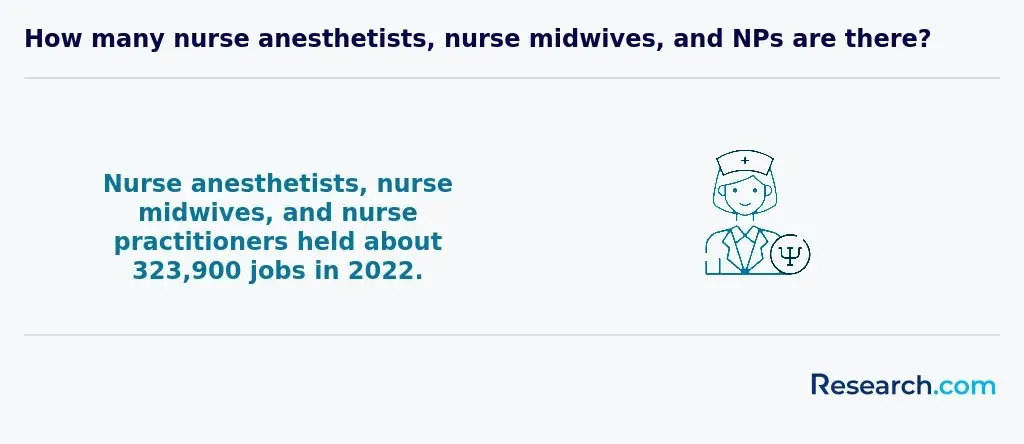
A large share of nurse practitioners and nurse midwives in the United States hold graduate degrees, as reflected in the chart below.
What degree do you need to become a nurse practitioner in Kentucky?
Kentucky nurse practitioners need graduate-level nursing education. In practice, that means earning either a Master of Science in Nursing or a Doctor of Nursing Practice with an NP population focus. These programs go beyond registered nursing preparation by adding advanced assessment, pathophysiology, pharmacology, diagnosis, treatment planning, clinical decision-making, and specialty practice.
| Education option | Best for | Key considerations |
| BSN to MSN-NP | RNs with a BSN who want the most direct graduate route into NP practice | Often faster than a doctorate and focused on clinical advanced practice preparation |
| BSN to DNP-NP | RNs who want doctoral preparation, leadership training, and a stronger terminal-practice credential | Usually longer and may cost more, but can support advanced clinical and leadership goals |
| Post-master’s NP certificate | Nurses who already have a graduate nursing degree and want a new NP population focus | Can be efficient, but applicants must confirm prerequisites, clinical-hour expectations, and certification eligibility |
| Accelerated or bridge route | Career changers or RNs whose prior education does not follow the traditional BSN-to-MSN path | Requires careful review of admissions rules, accreditation, RN licensure sequence, and clinical placement support |
Kentucky has several institutions with graduate nursing options, including the University of Kentucky, Bellarmine University, and the University of Louisville. When comparing programs, look beyond reputation. Confirm that the school prepares students for the exact certification exam and role you want.
What are the licensing requirements for nurse practitioners in Kentucky?
To become licensed or recognized as a nurse practitioner in Kentucky, you need graduate nursing education, national certification, an active RN foundation, and approval through the Kentucky Board of Nursing. Applicants should check the Board directly before applying because fees, forms, and procedural requirements can change.
| Requirement | What Kentucky NP candidates should prepare | Why it matters |
| Graduate nursing degree | An MSN or DNP from an accredited nurse practitioner program | Graduate education establishes eligibility for advanced practice and national certification |
| National certification | A passing score from the certifying body for your specialty, such as AANP or ANCC | Certification verifies that your training matches a recognized NP population focus |
| Kentucky Board of Nursing application | Completed application, transcripts, certification proof, and required documentation | The Board reviews whether you meet state requirements to practice as an NP |
| Background check | Criminal background check and fingerprints | Kentucky uses this step to evaluate applicant eligibility and public-safety considerations |
| Fees | About $50 for the application, plus a separate background-check fee that can vary | Budgeting early prevents delays when you are ready to submit materials |
| Clinical experience | At least 1,000 hours of supervised clinical practice before independent practice | Clinical hours demonstrate readiness for advanced patient care responsibilities |
Professional groups such as the Kentucky Coalition of Nurse Practitioners and Nurse Midwives can also be useful because they help NPs follow regulatory updates, connect with peers, and understand how state rules affect day-to-day practice.
What are the continuing education requirements for nurse practitioners in Kentucky?
Kentucky nurse practitioners must complete 30 hours of continuing education every two years for license renewal. At least 15 of those hours must be in pharmacology or clinical practice. NPs also need at least 1,000 hours of clinical practice within the past five years and must maintain national certification in their specialty area when required.
The renewal process is handled through the Kentucky Board of Nursing. Before the renewal deadline, NPs should confirm that their continuing education records, certification status, practice hours, and application information are current.
| Renewal item | Kentucky requirement stated in this guide | Practical tip |
| Renewal cycle | Every two years | Track renewal dates well before the deadline to avoid last-minute compliance problems |
| Continuing education | 30 hours every two years | Keep certificates and transcripts organized in case of audit or verification |
| Clinical or pharmacology content | At least 15 hours in pharmacology or clinical practice | Select CE that supports your patient population and prescribing responsibilities |
| Practice hours | At least 1,000 hours in the past five years | Maintain employment or practice records that document qualifying clinical work |
- : "“I thought the continuing education requirement would be the hardest part of renewal, but it became easier once I planned it across the full cycle. A local workshop also helped me meet other NPs and sharpen skills I use every week.”"
How long does it take to complete a nurse practitioner program in Kentucky?
Most nurse practitioner programs in Kentucky take about two to four years. Your exact timeline depends on whether you enroll full time or part time, whether you choose an MSN or DNP, how quickly you can complete clinical placements, and which specialty you pursue.
| NP specialization | Typical completion time stated in this guide | Who it may suit |
| Family Nurse Practitioner | 2-3 years | Nurses who want broad primary care preparation across the lifespan |
| Psychiatric Mental Health Nurse Practitioner | 3-4 years | Nurses interested in mental health assessment, therapy-informed care, and medication management |
| Pediatric Nurse Practitioner | 2-3 years | Nurses who want to focus on infants, children, adolescents, and family-centered pediatric care |
| Adult-Gerontology Nurse Practitioner | 2-3 years | Nurses interested in adult and older-adult care, chronic disease, and complex health management |
Students who continue working while enrolled should plan for a longer and more demanding schedule. Clinical rotations, exam preparation, and certification paperwork often require more time than new graduate students expect.
- : "“Working while finishing my FNP program took discipline. It took me three years, and there were weeks when school, clinicals, and family responsibilities all collided. Graduation felt meaningful because I knew exactly what I had worked through.”"
What are the costs associated with a nurse practitioner program in Kentucky?
Nurse practitioner education in Kentucky can require a significant financial investment. Tuition alone can range from $20,000 to $50,000, depending on the institution and whether the program is public or private. Students should also budget for application fees, often around $40, along with background checks, drug screenings, textbooks, supplies, clinical fees, certification exams, and licensing expenses.
| Cost category | What to expect | How to evaluate it |
| Tuition | $20,000 to $50,000 | Compare total program cost, not just cost per credit |
| Application fees | Typically around $40 | Apply selectively to programs that truly fit your goals |
| Clinical-related expenses | Background checks, drug screening, clinical fees, travel, and supplies | Ask whether clinical placement support is included or student-arranged |
| Books and supplies | Hundreds of dollars each semester | Check whether digital resources, lab kits, or exam tools are required |
| Licensure and certification | Application, exam, renewal, and background-check costs | Set aside funds before graduation so paperwork does not delay practice |
Cost should be weighed against program quality, certification pass preparation, clinical access, and flexibility. A lower tuition rate can become less attractive if the program does not help students secure appropriate clinical experiences or if it extends completion time.
Nurses who want more mobility in their work may also compare NP practice with travel nursing. If you are exploring that option, review Research.com’s guide to how much travel nurses make and how pay can vary by state and assignment.
What is the scope of practice for nurse practitioners in Kentucky?
Kentucky nurse practitioners provide advanced clinical care, including patient assessment, diagnosis, care planning, chronic disease management, and treatment evaluation. However, scope of practice is not only about what a clinician is trained to do; it also depends on state law, Board guidance, prescribing rules, and facility policy.
Kentucky has been described as a reduced-practice environment for NPs. In practical terms, NPs have meaningful independence in patient care but may need collaborative arrangements with physicians for prescribing medications and certain practice decisions. NPs can prescribe many medications, including controlled substances, but the rules may require a collaborative agreement. Schedule II prescribing can be limited to short-term use unless certain educational criteria are met.
Kentucky NPs also have specific signature authority. They can sign death certificates and disabled person placard forms, but may be restricted from signing certain medical orders, including the MOST form. Because these details can affect daily practice, NPs should review current Kentucky Board of Nursing guidance and employer policies before accepting a role.
| Practice area | What Kentucky NPs may do | Important limitation to check |
| Patient care | Assess, diagnose, order or interpret tests, and manage treatment plans | Facility protocols may shape how responsibilities are implemented |
| Prescribing | Prescribe medications, including controlled substances under applicable rules | Collaborative agreements and Schedule II limits may apply |
| Documentation and signatures | Sign certain documents such as death certificates and disabled person placard forms | Some medical orders may not be within NP signature authority |
| Independent practice | Provide advanced clinical services within the NP role | Confirm state and employer requirements before assuming full autonomy |
Advocacy continues around expanding NP authority, particularly because broader NP practice can affect access to care in underserved Kentucky communities. Nurses who already hold a graduate degree and want a faster family practice route can compare short online post-master’s FNP certificate options that may help them change or add a population focus.
What are the different specializations for nurse practitioners in Kentucky?
Choosing a specialty is one of the most important decisions in the Kentucky NP pathway because it affects your graduate coursework, clinical placements, certification exam, employer options, and long-term scope of care.
| Specialization | Primary focus | When it makes sense |
| Family Nurse Practitioner | Primary care across the lifespan, health promotion, chronic disease management, and preventive care | Choose this if you want the broadest primary care role and flexibility across patient age groups |
| Pediatric Nurse Practitioner | Care for infants, children, adolescents, and pediatric chronic conditions | Choose this if you want to specialize in child health and family-centered care |
| Psychiatric Mental Health Nurse Practitioner | Mental health assessment, diagnosis, therapy-informed support, and medication management | Choose this if you are drawn to behavioral health and psychiatric care needs |
| Adult-Gerontology Nurse Practitioner | Adult and older-adult care, complex chronic illness, and aging-related health concerns | Choose this if you want to work with adult populations in primary or acute care settings |
| Oncology Nurse Practitioner | Cancer care, treatment support, patient education, symptom management, and emotional support | Choose this if you want a specialized role supporting patients through cancer diagnosis and treatment |
The Family Nurse Practitioner track is often popular because it supports broad primary care practice. Candidates deciding between family certification options should compare FNP-BC and FNP-C certification requirements before choosing an exam route.
Kentucky’s rural and underserved areas can create strong need for primary care, pediatric access, mental health services, and chronic disease management. The right specialty should match both workforce demand and the type of patient care you want to provide every day.
- : "“Pediatric nurse practitioner training was demanding, especially during clinical rotations. But helping a child recover and watching a family feel supported confirmed that I had chosen the right specialty.”"
Family Nurse Practitioner is the most common NP specialization in the United States, as shown in the chart below.
How can professional networking and mentorship improve my nurse practitioner career in Kentucky?
Networking and mentorship can make the transition from RN to NP smoother, especially in a state where scope-of-practice details, clinical placement access, and employer expectations may vary by region. A mentor can help you interpret job offers, prepare for certification, build confidence in prescribing, and understand how Kentucky practice rules affect daily patient care.
Useful networking options include state NP organizations, alumni networks, clinical preceptors, local hospital committees, rural health groups, and specialty associations. These connections can lead to clinical placement leads, job referrals, leadership opportunities, and practical advice that is difficult to get from coursework alone.
If you are still at the beginning of your nursing journey, start with Research.com’s overview of how to become a nurse in Kentucky before planning the advanced practice stage.
What are the job prospects for nurse practitioners in different specialties in Kentucky?
The job outlook for nurse practitioners is strong nationally and favorable for Kentucky candidates who choose in-demand specialties. The U.S. Bureau of Labor Statistics projects 46% employment growth for nurse practitioners from 2023 to 2033, compared with about 4% for all occupations. Kentucky’s demand is influenced by primary care access needs, aging patients, chronic disease management, mental health demand, and rural healthcare gaps.
| Employer type | Typical NP opportunities | Best-fit specialties |
| Hospitals and health systems | Acute care, specialty clinics, inpatient support, discharge planning, and chronic care management | Adult-Gerontology, Acute Care, Oncology, Psychiatric Mental Health |
| Private practices and outpatient clinics | Primary care, preventive visits, medication management, and follow-up care | Family, Pediatric, Adult-Gerontology |
| Retail health clinics | Walk-in care, minor illness treatment, screenings, vaccinations, and patient education | Family, Adult-Gerontology |
| Community health organizations | Care for underserved populations, preventive services, chronic disease care, and public health coordination | Family, Psychiatric Mental Health, Pediatric |
| Telehealth providers | Virtual visits, remote monitoring, triage, follow-up care, and medication management where allowed | Family, Psychiatric Mental Health, Adult-Gerontology |
Nurses interested in broader population health roles may also compare NP education with public health graduate study. Research.com’s list of affordable online MPH programs can help nurses evaluate lower-cost public health options.
How Can Nurse Practitioners Expand Their Role by Integrating Nutritional Expertise in Kentucky?
Nutrition knowledge can strengthen an NP’s ability to manage chronic disease, support preventive care, and guide patients through realistic lifestyle changes. This is especially relevant for NPs working in primary care, pediatrics, women’s health, obesity care, diabetes management, cardiovascular care, and community health.
Nutritional expertise does not replace registered dietitian services, but it can improve screening, counseling, referral decisions, and patient follow-through. NPs who want deeper preparation can explore complementary training and review Research.com’s guide on how to become a nutritionist in Kentucky.
Are accelerated BSN pathways a viable option for aspiring nurse practitioners in Kentucky?
Accelerated BSN programs can be a viable starting point for aspiring Kentucky nurse practitioners who already hold a bachelor’s degree in another field and want to move into nursing. These programs condense core nursing coursework and clinical training so graduates can become eligible for RN licensure more quickly than through a second traditional bachelor’s degree.
An accelerated BSN is not an NP program. It is a pathway into registered nursing, after which you still need graduate NP education and certification. Before enrolling, confirm accreditation, NCLEX preparation, clinical placement quality, transfer-credit rules, and whether the program positions you well for later MSN or DNP admission. To compare possible entry routes, review Research.com’s guide to accelerated BSN programs.
What is the return on investment for a Nurse Practitioner degree compared to other nursing pathways in Kentucky?
The ROI of an NP degree depends on more than salary. You should compare total tuition, fees, lost work time, loan interest, clinical placement costs, certification expenses, expected pay, job availability, schedule demands, and the level of responsibility you want. NP education may offer stronger long-term earning potential and broader clinical authority than some lower-cost nursing routes, but it also requires more schooling and a larger upfront commitment.
| Pathway | Upfront investment | Career trade-off |
| LPN | Often lower than advanced nursing routes | Faster workforce entry, but more limited scope and advancement ceiling |
| RN | Moderate, depending on ADN or BSN route | Strong clinical foundation and broad employment options, but not advanced practice authority |
| NP | Higher because it requires graduate education and certification | Greater clinical responsibility, advanced practice roles, and stronger salary potential |
For a lower-cost entry comparison, review the cost of LPN programs and schools. This can help you decide whether you want the fastest entry into nursing or a longer route toward advanced practice.
How can nurse practitioners maintain an optimal work-life balance in Kentucky?
Nurse practitioner work can be rewarding, but the role also brings patient volume, documentation, call schedules, emotional strain, and regulatory responsibility. Work-life balance is often easier to protect when you evaluate employers carefully before accepting a position.
- Ask about patient load, appointment length, documentation expectations, call coverage, and weekend requirements.
- Compare rural, urban, hospital, outpatient, retail, and telehealth schedules because the daily pace can differ sharply.
- Use mentorship and peer groups to identify employers with sustainable workloads.
- Negotiate administrative time, clinical support, and onboarding expectations when possible.
- Track burnout signs early rather than waiting until performance or health is affected.
Some nurses compare NP work with other healthcare careers that have different stress profiles and training requirements. For example, Research.com’s guide to the medical billing and coding career path in Kentucky can help readers understand a less clinical healthcare option.
What legal and malpractice considerations should nurse practitioners address in Kentucky?
Kentucky NPs should treat legal compliance as part of professional practice. This includes following scope-of-practice rules, maintaining documentation standards, meeting prescribing requirements, keeping collaborative agreements current when applicable, and staying within employer protocols.
Professional liability insurance is also important. Even when an employer provides coverage, NPs should understand policy limits, whether coverage follows them across settings, and whether it protects them during telehealth, volunteer work, moonlighting, or contract practice.
- Confirm your authority before prescribing controlled substances.
- Document clinical reasoning, patient education, informed consent, and follow-up plans.
- Know which forms and orders Kentucky NPs can and cannot sign.
- Review Board updates regularly instead of relying on informal workplace assumptions.
- Seek legal or compliance guidance when changing roles, specialties, or practice settings.
Nurses who want to understand another Kentucky nursing route can also read Research.com’s guide on how to become an LPN in Kentucky.
How can nurse practitioners effectively use telehealth in Kentucky?
Telehealth can help Kentucky NPs reach patients who face transportation barriers, rural access issues, scheduling challenges, or limited local specialty care. Effective telehealth requires more than video visits. NPs must use secure platforms, verify patient identity and location, document care appropriately, follow prescribing rules, and know when an in-person assessment is clinically necessary.
| Telehealth skill | Why it matters | What to ask a program or employer |
| Virtual assessment | NPs must know what can be safely evaluated remotely and what requires in-person care | Do students practice telehealth scenarios or simulated remote visits? |
| Digital documentation | Accurate records support continuity of care and legal compliance | What EHR training is provided? |
| Remote patient monitoring | Data from devices can support chronic disease management | Are students trained to interpret home-monitoring data? |
| Privacy and compliance | Virtual care must protect patient information | What policies govern platform use, consent, and documentation? |
Students who want digital health training should compare curriculum features when reviewing the best nursing schools in Kentucky.
What additional certifications can boost my nurse practitioner career in Kentucky?
Additional certifications can help Kentucky NPs deepen expertise, improve confidence in specialized care, and stand out for certain roles. The most useful credential depends on your specialty, employer, and patient population.
- Advanced cardiac life support: Useful for urgent care, emergency, acute care, and hospital-based roles.
- Diabetes management: Valuable for primary care and chronic disease clinics.
- Wound care: Helpful for geriatrics, long-term care, diabetes care, and post-acute settings.
- Pain management: Relevant for primary care, orthopedics, oncology, and chronic illness practice.
- Specialty-specific credentials: May support oncology, pediatrics, psychiatric care, or women’s health roles.
Before investing in a certification, ask whether employers in your area recognize it, whether it supports your scope of practice, and whether it requires renewal fees or continuing education. Nurses seeking flexible academic options can compare the best online nursing programs in Kentucky.
Can Nurse Practitioners Enhance Their Practice by Incorporating Nurse Midwifery?
Nurse practitioners interested in maternal health may consider how nurse midwifery training could expand their ability to support prenatal, birth, postpartum, reproductive, and women’s health services. This path is especially relevant for clinicians who want to serve communities with limited access to maternity care.
However, nurse midwifery is not simply an add-on skill. It involves its own educational and certification pathway, and practice rules can differ from other NP roles. Before pursuing this direction, compare curriculum requirements, clinical placements, certification eligibility, and state practice rules. Research.com’s guide on how to become a nurse midwife in Kentucky explains the pathway in more detail.
What are the salary expectations for nurse practitioners in Kentucky?
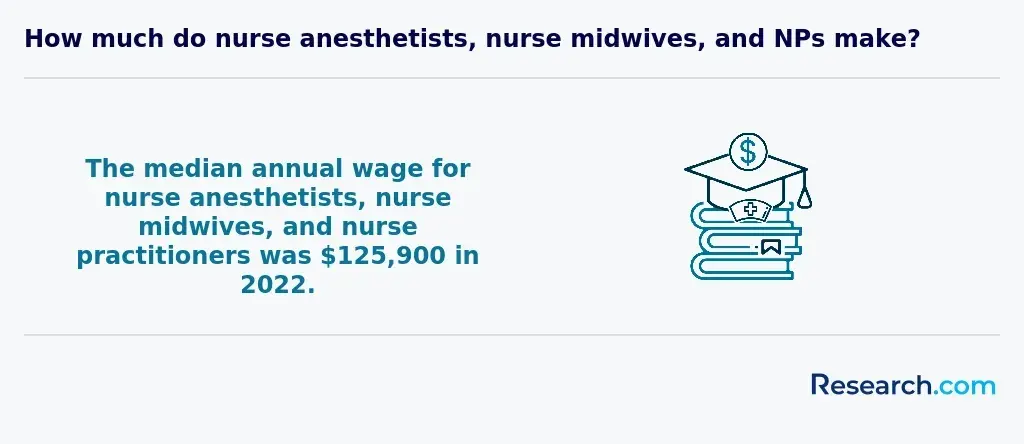
Nurse practitioners in Kentucky earn an average of about $110,370 per year, or $53.06 per hour. Reported pay commonly ranges from $77,530 to $134,220 per year, depending on experience, employer type, location, specialty, and job responsibilities. Urban markets such as Louisville and Lexington may offer stronger compensation packages than some rural areas, although rural roles may provide different benefits, loan support, or practice opportunities.
Salary should not be evaluated in isolation. A higher offer may come with more patients per day, heavier documentation, call duties, weekend coverage, or less support. A lower offer may be worthwhile if it includes mentorship, manageable volume, tuition assistance, strong benefits, or a specialty you want.
| Factor | How it can affect NP pay |
| Specialty | High-acuity and hard-to-fill roles may pay more than general primary care positions |
| Location | Louisville and Lexington may offer higher compensation than some rural settings |
| Experience | New graduates often start lower than NPs with years of specialty experience |
| Employer type | Hospitals, specialty groups, clinics, telehealth firms, and community health organizations may structure pay differently |
| Schedule | Evenings, weekends, call, and high-volume settings can influence total compensation |
If your immediate goal is to enter nursing quickly before pursuing graduate study, compare fast registered nurse degree programs and how they may shorten the route to RN licensure.
What other healthcare careers are available in Kentucky?
Not every healthcare student should become a nurse practitioner. Some people prefer medication science, administration, allied health, public health, or nonclinical work. Pharmacist training, for example, may appeal to students interested in medications, patient counseling, and drug therapy management. To compare that route, review Research.com’s guide on how to become a pharmacist in Kentucky.
Which nurse practitioner specialties offer the highest salary potential in Kentucky?
NP specialties with higher salary potential often involve advanced decision-making, high patient acuity, hard-to-fill roles, or specialized procedural and diagnostic knowledge. Acute care, emergency medicine, surgical specialty roles, psychiatric-mental health, and certain specialty clinics may provide stronger earning potential than some generalist roles, although compensation varies by employer and location.
Do not choose a specialty based only on salary. A high-paying role may involve nights, call, critical care stress, complex documentation, or limited geographic availability. Compare earning potential with your clinical interests, tolerance for acuity, desired schedule, and long-term career goals. For a broader specialty comparison, see Research.com’s guide to the highest-paid nurse practitioner specialties.
How Can Nurse Practitioners Stay Informed on Regulatory Changes in Kentucky?
Kentucky NP regulations can affect prescribing, collaboration, documentation, renewal, and the types of forms NPs may sign. The safest approach is to monitor official sources and professional organizations rather than relying only on workplace habits or advice from classmates.
- Review Kentucky Board of Nursing updates before license renewal and when changing jobs.
- Track changes to scope-of-practice and prescribing rules.
- Keep copies of collaborative agreements, CE records, certification documentation, and practice-hour records.
- Attend professional briefings or webinars when rules change.
- Use employer compliance teams, legal counsel, or Board resources when a rule is unclear.
Research.com’s overview of Kentucky nursing license requirements can help nurses understand the broader licensure environment.
What are the best educational pathways for aspiring nurse practitioners in Kentucky?
The best pathway depends on where you are starting. A high school graduate, an ADN-prepared RN, a BSN-prepared RN, a career changer, and a master’s-prepared nurse may all need different routes. The right choice should satisfy Kentucky licensure expectations while fitting your timeline, finances, clinical goals, and preferred learning format.
| Your starting point | Possible pathway | Decision advice |
| No nursing license yet | Complete RN-qualifying education, earn RN licensure, then pursue MSN or DNP preparation | Focus first on accredited nursing education and NCLEX readiness |
| RN without BSN | RN-to-BSN, bridge program, or another approved route into graduate nursing | Confirm that the pathway leads to NP program eligibility |
| BSN-prepared RN | BSN-to-MSN-NP or BSN-to-DNP-NP | Compare program length, cost, specialty fit, and clinical placement support |
| Graduate-prepared nurse | Post-master’s NP certificate or DNP option | Make sure the program qualifies you for the certification exam you need |
| Career changer with a bachelor’s degree | Accelerated BSN followed by graduate NP education | Confirm accreditation and understand that the ABSN is only the first stage |
Online and hybrid options can be useful for working nurses, especially when they allow local clinical rotations. However, students should ask detailed questions about clinical placement responsibility, on-campus intensives, faculty availability, technology requirements, and certification pass preparation.
To compare schools and formats, review Research.com’s ranking of the best nurse practitioner programs in Kentucky.
Common Mistakes to Avoid When Becoming a Nurse Practitioner in Kentucky
| Mistake | Why it can hurt you | Better approach |
| Choosing a program without checking accreditation | It can affect certification eligibility, licensure, transfer options, and employer acceptance | Verify accreditation and Kentucky Board alignment before applying |
| Picking a specialty too quickly | Your specialty determines your coursework, clinicals, certification exam, and job market | Shadow NPs, compare roles, and review job postings before committing |
| Looking only at tuition | Fees, books, clinical travel, certification, and lost work time can change total cost | Calculate full cost of attendance and completion timeline |
| Assuming online means fully remote | Most NP programs still require clinical hours, possible campus visits, and supervised practice | Ask exactly what must be completed in person |
| Ignoring clinical placement support | Weak placement support can delay graduation and certification eligibility | Ask who secures preceptors and what happens if a placement falls through |
| Assuming salary outcomes are guaranteed | Pay varies by specialty, region, employer, schedule, and experience | Compare local job postings and total compensation, not only averages |
| Misunderstanding scope of practice | Prescribing, signatures, and collaboration rules can affect job duties | Review current Kentucky Board of Nursing guidance before practice changes |
Questions to Ask Before Choosing a Kentucky Nurse Practitioner Program
- Is the program accredited and designed to meet Kentucky NP licensure expectations?
- Which national certification exam does the program prepare graduates to take?
- Does the school help secure clinical placements, or must students find their own preceptors?
- How many clinical hours are required, and where can they be completed?
- What are the total tuition, fees, books, travel, exam, and licensure costs?
- Are courses online, hybrid, or campus-based, and are any intensives required?
- What support is available for working nurses?
- What are recent certification pass rates and graduate employment outcomes?
- Can credits transfer if you later pursue a DNP or another specialty?
- How does the program support students in rural or underserved Kentucky communities?
Here’s What Graduates Have to Say About Becoming a Nurse Practitioner in Kentucky
- : "“Completing my Kentucky NP program online gave me the flexibility to keep working and stay present for my family. The clinical hours in my own community helped me connect my coursework to real patient needs, especially in areas where access to care is limited.” - Sydney"
- : "“The program was demanding, but the faculty support made a major difference. I finished feeling prepared to manage complex patient concerns and confident enough to enter practice as a new provider.” - Charlotte"
- : "“Kentucky’s focus on community and rural health shaped how I think about advanced practice. The online format helped me learn from classmates serving different patient populations, and that perspective strengthened my commitment to local care.” - Lucia"
Related Articles for Nearby States
- 2027 How to Become a Nurse Practitioner in Indiana
- 2027 How to Become a Nurse Practitioner in Ohio
- 2027 How to Become a Nurse Practitioner in Tennessee
- 2027 How to Become a Nurse Practitioner in West Virginia
- 2027 How to Become a Nurse Practitioner in Virginia
- 2027 How to Become a Nurse Practitioner in Illinois
- 2027 How to Become a Nurse Practitioner in Missouri
- 2027 How to Become a Nurse Practitioner in North Carolina
- 2027 How to Become a Nurse Practitioner in Georgia
- 2027 How to Become a Nurse Practitioner in Mississippi
Key Insights
- Becoming a nurse practitioner in Kentucky requires an RN foundation, graduate NP education, national certification, Kentucky Board of Nursing approval, and ongoing renewal compliance.
- An MSN is the common minimum graduate degree for NP practice, while a DNP may be worth considering for nurses who want doctoral-level clinical preparation or leadership opportunities.
- Kentucky NP programs usually take 2-4 years, with timelines shaped by specialty, degree level, enrollment pace, and clinical placement availability.
- Tuition can range from $20,000 to $50,000, but students should also budget for application fees, background checks, books, clinical costs, certification exams, and licensing expenses.
- Kentucky NPs have advanced clinical responsibilities, but prescribing, collaborative agreements, and signature authority must be checked carefully under current state rules.
- Family practice, psychiatric-mental health, pediatrics, adult-gerontology, and oncology are major NP specialty options, and the best choice depends on the patients you want to serve.
- The BLS projects 46% growth for nurse practitioners from 2023 to 2033, making NP preparation a strong healthcare career path, but salary and job quality still vary by specialty, employer, and location.
- The smartest next step is to compare accredited Kentucky NP programs by specialty fit, clinical placement support, total cost, certification preparation, and flexibility for working nurses.
References:
- BLS (2024, April 3). 29-1171 Nurse Practitioners. BLS
- BLS (2024, August 29). Nurse Anesthetists, Nurse Midwives, and Nurse Practitioners. BLS
- Casetext (2024, October 1). 201 Ky. Admin. Regs. 20:057. Casetext
- Eastern Kentucky University. Nurse Practitioners Career Outlook. Eastern Kentucky University
- Health Resources, & Services Administration (2022). NCHWA Nursing Workforce Dashboard. Health Resources & Services Administration
- Kentucky Board of Nursing. Advanced Practice Registered Nurse. Kentucky Board of Nursing
- Murray State University. Family Nurse Practitioner. Murray State University
- RentCafe (2024, September). Cost of Living in Kentucky. RentCafe
- Sin, D. (2024, May 28). NP Scope of Practice Series: Kentucky. Barton Associates
- University of Kentucky. Financial Resources. University of Kentucky
- University of Louisville. Tuition & Fees. University of Louisville and University of Kentucky financial resources
Other Things You Should Know About Becoming a Nurse Practitioner in Kentucky
The Kentucky Board of Nursing regulates nurse practitioner licensure and prescriptive authority. NPs must hold an active Kentucky RN license, complete graduate NP preparation, and file the state APRN application before practicing. Controlled-substance prescribing also requires federal DEA registration and compliance with Kentucky Board of Nursing rules.
In 2027, nurse practitioners in Kentucky must complete 14 contact hours of continuing education annually, including 5 hours in pharmacology. These requirements are mandated by the Kentucky Board of Nursing to ensure ongoing competency and adherence to current medical practices.


