
2027 How to Become a Licensed Pharmacist in Kentucky

Co-Founder and Chief Data Scientist
Becoming a licensed pharmacist in Kentucky is a long but structured process: you must complete pharmacy education, meet supervised experience expectations, pass national and state law exams, clear the application and background-check process, and keep your license active after approval. This guide is for prospective pharmacy students, out-of-state or foreign graduates, pharmacy technicians considering advancement, and licensed healthcare professionals comparing Kentucky healthcare career paths. It explains the steps, timeline, costs, degree options, licensure requirements, job duties, salary expectations, renewal issues, and career growth choices so you can decide whether pharmacy is the right investment for your goals.
Quick Answer: How Do You Become a Licensed Pharmacist in Kentucky?
To become a licensed pharmacist in Kentucky, you generally need to earn a Doctor of Pharmacy (Pharm.D.) degree from an accredited pharmacy school, complete required intern or experiential training, pass the North American Pharmacist Licensure Examination (NAPLEX), pass the Multistate Pharmacy Jurisprudence Examination (MPJE), submit an application to the Kentucky Board of Pharmacy, complete fingerprinting and a background check, and pay the required fees. After licensure, you must complete continuing education and renew your license on schedule.
Key Things to Know Before You Start
- A Pharm.D. is the core credential: Kentucky pharmacist licensure is built around completing a professional pharmacy degree from an accredited institution.
- Two major exams are required: The NAPLEX evaluates pharmacy knowledge and patient-care readiness, while the MPJE tests pharmacy law and Kentucky-specific regulatory knowledge.
- The Board application matters: You must apply through the Kentucky Board of Pharmacy and submit the required education, examination, internship, identity, and fee documentation.
- Foreign graduates have extra steps: If your pharmacy education was completed outside the U.S., review Kentucky Board of Pharmacy instructions carefully before applying.
- Background screening is part of licensure: Expect fingerprinting and a criminal background check before approval.
- Costs go beyond tuition: Budget for tuition, books, clinical expenses, exam fees, application charges, background checks, and renewal fees.
- Licensure is not a one-time task: Pharmacists must maintain continuing education and renew their licenses by the required deadline.
- Inactive status limits practice: If you step away from pharmacy work, inactive status may be available, but you cannot practice while inactive and fees may still apply.
- What does a licensed pharmacist do?
- How long does it take to become a licensed pharmacist in Kentucky?
- How do you earn a pharmacy degree in Kentucky?
- What are Kentucky pharmacist licensure requirements?
- How much does it cost to become a pharmacist in Kentucky?
- Can you complete Kentucky pharmacist licensure online?
- What is the job description of a Kentucky pharmacist?
- What should you do if your Kentucky pharmacist license expires?
- What challenges and opportunities do licensed pharmacists in Kentucky face?
- What additional training opportunities can accelerate my career in Kentucky?
- What opportunities exist for interdisciplinary collaboration with substance abuse counseling?
- Can an online pharmacy school program enhance my career prospects?
- How much do licensed pharmacists in Kentucky make?
- Can acquiring a certification in medical billing and coding elevate a pharmacist’s career?
- Can licensed pharmacists expand their clinical roles by becoming nurse practitioners?
- How can pharmacists collaborate with nursing professionals to optimize patient care?
- How do pharmacist licensure requirements compare to Kentucky nursing licensure requirements?
- What is the job outlook for licensed pharmacists in Kentucky?
- How can pharmacists in Kentucky expand their career opportunities?
- What career alternatives are available to licensed pharmacists in Kentucky?
- Can licensed pharmacists benefit from interdisciplinary healthcare roles?
- What additional healthcare certifications can strengthen a pharmacist’s career in Kentucky?
- What does a pharmacist career path look like in Kentucky?
What does a licensed pharmacist do?
A licensed pharmacist is a healthcare professional legally authorized to prepare, dispense, review, and counsel patients on medications. In Kentucky, pharmacists work in community pharmacies, hospitals, clinics, long-term care settings, specialty pharmacies, managed care organizations, academic programs, and public health roles. Their work is no longer limited to handing out prescriptions; many pharmacists also support medication therapy management, vaccination services, chronic disease monitoring, patient education, and collaboration with physicians, nurses, and other clinicians.
The central requirement is a Doctor of Pharmacy degree. If you are comparing flexible pharmacy education options, Research.com’s guide to the best online PharmD programs can help you understand how hybrid and online-supported pharmacy programs are structured.
After completing the Pharm.D., graduates must pass the North American Pharmacist Licensure Examination (NAPLEX) and the Multistate Pharmacy Jurisprudence Examination (MPJE). The NAPLEX focuses on pharmacy practice knowledge, while the MPJE covers pharmacy law, including the rules that apply to Kentucky practice. Understanding these requirements early helps you plan prerequisite courses, internship hours, exam preparation, and application deadlines.
Once the exams and documentation are complete, candidates submit a licensure application to the Kentucky Board of Pharmacy. The application typically requires proof of education, exam results, internship verification, background-check materials, and required fees. After approval, pharmacists must remain compliant with continuing education and renewal rules to keep practicing.
| Step | What You Need to Do | Why It Matters |
| Complete pharmacy education | Earn a Pharm.D. from an accredited pharmacy school. | This is the academic foundation for licensure and professional practice. |
| Meet experience requirements | Document required intern or experiential training. | Kentucky requires evidence that you have practiced under approved supervision. |
| Pass licensing exams | Pass the NAPLEX and MPJE. | These exams test pharmacy competence and legal readiness. |
| Apply to the Board | Submit application materials and fees to the Kentucky Board of Pharmacy. | The Board determines whether you meet state licensure standards. |
| Maintain the license | Complete continuing education and renew on time. | You cannot practice legally if your license becomes inactive or expires. |
How long does it take to become a licensed pharmacist in Kentucky?
The path to Kentucky pharmacist licensure commonly requires a multi-year commitment. The pharmacist academic requirements can take anywhere from four to six years, depending on how much undergraduate coursework you complete before entering a Pharm.D. program and whether you study full time or need additional prerequisite work.
The Pharm.D. is the required professional degree. Many students complete prerequisite or bachelor’s-level coursework first, then enter a four-year Pharm.D. program. Your timeline may be shorter or longer depending on transfer credits, admissions timing, prerequisite completion, and whether you repeat or delay any required courses.
After graduation, you must complete the Kentucky Board of Pharmacy licensure process. Key application requirements include the following:
- Notarized application: You must complete the Board’s application and have it notarized when required.
- Graduation documentation: You need official proof that you completed the Pharm.D. degree.
- Intern-hour verification: You must document approved intern hours or experiential training completed through an accredited pharmacy school.
The application fee is $175. Candidates must also complete a criminal background check, which can add time to the process. Build in extra time for transcript processing, Board review, fingerprinting, background screening, and exam scheduling.
You must also pass the NAPLEX and MPJE. Each exam has eligibility rules, and candidates have a total of five attempts to pass each exam. If you do not pass within those attempts, additional coursework or continuing education may be required before another attempt is allowed.
| Stage | Typical Time or Limit Mentioned | Decision Point |
| Pre-pharmacy or bachelor’s-level preparation | Varies by student | Choose courses carefully so you do not delay Pharm.D. admission. |
| Pharm.D. program | Typically about four years | Confirm accreditation and experiential training opportunities. |
| Application and background check | Varies | Submit documents early to avoid delaying your start date. |
| NAPLEX and MPJE | Five attempts for each exam | Use a structured study plan before testing. |
How do you earn a pharmacy degree in Kentucky?
To qualify for pharmacist licensure, you need to complete a Pharm.D. program that meets accreditation standards. In Kentucky, the University of Kentucky College of Pharmacy is a major option for students seeking a state-based pharmacy pathway. Sullivan University College of Pharmacy and Health Sciences also offers a Pharm.D. program with a focus that includes community pharmacy practice.
If you are preparing for pharmacy school in Kentucky, the process typically includes these steps:
- Finish pre-pharmacy coursework: The University of Kentucky College of Pharmacy requires at least 70 semester credit hours of pre-pharmacy coursework. These courses commonly include biology, chemistry, anatomy, and statistics. A grade of C or better is required; grades below C do not meet the requirement.
- Confirm testing requirements: The University of Kentucky College of Pharmacy does not require the Pharmacy College Admission Test (PCAT), which can simplify the admissions process for applicants.
- Apply early: Students typically apply to the Pharm.D. program about 12 to 13 months before their intended start term. You may still be completing pre-pharmacy coursework while your application is under review.
- Use academic planning tools: The University of Kentucky College of Pharmacy encourages students to create a Student Development Plan to track progress, set goals, and prepare for pharmacy school expectations.
When comparing pharmacy schools, look beyond name recognition. Ask about accreditation, pass-rate support, clinical placement access, faculty advising, residency preparation, transfer policies, and total cost of attendance. If you are deciding whether to begin as a pharmacy technician before pursuing a Pharm.D., Research.com’s overview of pharmacy technician earnings can help you compare short-term healthcare work with the longer pharmacist pathway.
| Question to Ask a Pharmacy School | Why It Matters |
| Is the program accredited by the appropriate pharmacy accreditor? | Accreditation is essential for licensure eligibility. |
| How are clinical rotations arranged? | Experiential training affects your readiness for practice and licensure documentation. |
| What prerequisite grades are accepted? | Some programs will not accept grades below C. |
| Does the program require the PCAT? | Admissions requirements vary by school. |
| What student support exists for the NAPLEX and MPJE? | Exam preparation can affect the speed of licensure. |
What are Kentucky pharmacist licensure requirements?
Kentucky pharmacist licensure requires more than completing a degree. You must satisfy education, examination, experience, application, background-check, fee, and ongoing renewal requirements. The Kentucky Board of Pharmacy is the authority responsible for regulating pharmacist licensure and pharmacy practice in the state.
For initial licensure, candidates generally need to complete the following:
- Graduate from an accredited Pharm.D. program: Your pharmacy education must meet professional standards accepted for licensure.
- Complete required intern experience: Kentucky requires documentation of qualifying intern hours or experiential training.
- Pass the NAPLEX: This exam assesses pharmacy practice knowledge and competency.
- Pass the MPJE: This exam focuses on pharmacy law, including state-specific rules.
- Submit the Board application: The application includes personal information, education records, exam results, and other required documentation.
- Complete fingerprinting and a background check: Criminal background screening is part of the licensure process.
- Pay all required fees: Application, exam, background-check, and renewal expenses should be included in your budget.
After receiving a license, pharmacists must keep it active. The original licensing information referenced here includes renewal obligations, continuing education, fees, and deadlines. It also notes annual renewal reminders and describes renewal every two years, so applicants should confirm the current renewal cycle directly with the Kentucky Board of Pharmacy before relying on any deadline.
- Renewal obligations: Kentucky pharmacists must renew their licenses on the required schedule and avoid practicing with an expired license.
- Continuing education: Required continuing education helps pharmacists stay current on medications, patient safety, laws, and changing standards of care.
- Renewal application and fee: Pharmacists must submit renewal paperwork and pay the applicable fee before the deadline.
Maintaining an active license is a career necessity. If your license lapses, you cannot legally practice, which may affect employment, income, credentialing, and professional standing. For students comparing pharmacy with other healthcare routes, reviewing quick healthcare certifications that pay well can help clarify whether you want a shorter credential or the longer pharmacist pathway.
How much does it cost to become a pharmacist in Kentucky?
The full cost of becoming a licensed pharmacist in Kentucky can exceed $100,000 once tuition, fees, books, supplies, living expenses, exams, background checks, and licensing costs are included. The largest cost is pharmacy school, but smaller licensing expenses can still affect your budget.
Pharm.D. tuition varies widely by public or private institution, residency status, and financial aid package. The stated tuition range is $20,000 to $60,000 per year. Over four years, that creates a total tuition range of $80,000 to $240,000 before books, supplies, housing, transportation, and other costs are added.
Licensing-related expenses include the following:
- Initial application: The application fee is around $100 in the cost estimate provided, while another section identifies the Kentucky application fee as $175. Confirm the current amount with the Kentucky Board of Pharmacy before applying.
- NAPLEX and MPJE: Each required exam costs about $200 in the figures provided.
- Criminal background check: Background screening can add $50 to $100.
- License renewal: The renewal fee is typically around $50 every two years in the cost estimate provided.
| Cost Category | Amount Stated | Planning Tip |
| Annual tuition | $20,000 to $60,000 per year | Compare total cost of attendance, not tuition alone. |
| Four-year tuition estimate | $80,000 to $240,000 | Ask schools about scholarships, assistantships, and loan counseling. |
| Application fee | Around $100; also stated as $175 | Verify the current Kentucky Board fee before submitting payment. |
| NAPLEX | About $200 | Budget for preparation materials as well as the exam fee. |
| MPJE | About $200 | Study Kentucky pharmacy law before testing. |
| Background check | $50 to $100 | Complete fingerprinting and screening early when possible. |
| Renewal fee | Typically around $50 every two years | Track renewal deadlines to avoid late issues. |
Can you complete Kentucky pharmacist licensure online?
You may be able to complete some pharmacy coursework or administrative steps online, but becoming a licensed pharmacist in Kentucky cannot be completed entirely online. Pharmacy education requires hands-on clinical experiences, and licensure requires approved exams, identity verification, background screening, and Board review.
When evaluating online or hybrid pharmacy programs, use these criteria:
- Accreditation: Confirm that the program is accredited by the Accreditation Council for Pharmacy Education (ACPE). Accreditation is a critical licensure factor.
- Format: Some programs combine online didactic coursework with required in-person labs, simulations, assessments, and rotations.
- Clinical placement access: Make sure the program can support practical training in pharmacies, hospitals, clinics, or other approved healthcare settings.
- Licensure alignment: Ask whether the program’s curriculum and experiential requirements meet Kentucky Board expectations.
- Student support: Look for advising, exam preparation, preceptor coordination, and clear communication about state licensure steps.
The University of Kentucky offers a Doctor of Pharmacy program that combines classroom instruction with clinical rotations. Online-supported coursework can improve flexibility, but the clinical portion remains essential because pharmacists must demonstrate practical patient-care and medication-safety skills.
After completing your degree, you still need to pass the required exams and apply through the Kentucky Board of Pharmacy. Some forms and instructions may be available online, but you should follow Board directions exactly and keep copies of every document you submit.
-
: "
A Kentucky pharmacist who completed pharmacy training at the University of Kentucky described the value of combining medication science coursework with practical rotations. He said the clinical experience helped him apply concepts such as drug interactions, counseling, and patient care in real pharmacy settings before entering full-time practice.
"
What is the job description of a Kentucky pharmacist?
Licensed pharmacists in Kentucky are responsible for safe medication use, patient counseling, regulatory compliance, and collaboration with other healthcare professionals. Their work can differ by setting: a retail pharmacist may spend more time dispensing and counseling, while a hospital pharmacist may focus on medication reconciliation, dosing, rounds, and coordination with clinical teams.
- Dispensing prescriptions: Pharmacists review prescriptions for accuracy, verify dosing, identify potential interactions, and ensure patients receive the correct medication and instructions.
- Counseling patients: They explain how to take medications, what side effects to watch for, why adherence matters, and when to contact a clinician.
- Providing health services: Many pharmacists support screenings for conditions such as high blood pressure and diabetes and may administer vaccines when appropriately trained and authorized.
- Managing medication therapy: Pharmacists collaborate with prescribers to review medication regimens, improve safety, reduce duplications, and support better outcomes.
- Maintaining legal compliance: They secure controlled substances, maintain accurate records, follow state and federal pharmacy laws, and stay current with regulatory updates.
- Continuing professional development: Continuing education keeps pharmacists informed about new drugs, treatment guidelines, technology, and patient-safety practices.
The number of pharmacists in the US has increased over several decades, supported by factors such as an aging population, broader healthcare access, and advances in medical technology. In Kentucky, pharmacists remain important members of the healthcare workforce because medication use is central to chronic disease management, acute care, prevention, and public health.
How can pharmacists in Kentucky expand their career opportunities?
Kentucky pharmacists can grow their careers by building specialized clinical expertise, earning recognized certifications, pursuing residency or fellowship training, developing leadership skills, and moving into settings beyond traditional dispensing. Specialties such as oncology pharmacy, geriatric pharmacy, nuclear pharmacy, infectious diseases, ambulatory care, and managed care can help pharmacists qualify for more focused roles.
Certifications from organizations such as the Board of Pharmacy Specialties (BPS) can signal advanced competence in a specialty area. These credentials may support roles in hospitals, clinics, academic programs, specialty pharmacies, and healthcare systems, although salary increases and promotions are never guaranteed.
Professional networking also matters. Participating in groups such as the Kentucky Pharmacists Association (KPhA) can help pharmacists find mentorship, advocacy updates, continuing education, and career leads. Pharmacists who want to move into broader behavioral health or patient-support work may also explore adjacent careers, including how to become a mental health counselor in Kentucky.
Technology is another career driver. Pharmacy automation, healthcare analytics, electronic health records, medication synchronization tools, telepharmacy workflows, and clinical decision-support systems are changing how pharmacists work. Pharmacists who can combine medication expertise with data literacy, patient communication, and interprofessional teamwork may have stronger long-term flexibility.
What should you do if your Kentucky pharmacist license expires?
If your Kentucky pharmacist license expires, do not continue practicing until you understand your status and complete the required renewal or reinstatement process. Practicing without an active license can lead to fines, disciplinary action, employment problems, and potential reporting consequences.
Your first step should be to contact or review instructions from the Kentucky Board of Pharmacy. The Board is the official source for renewal, reinstatement, continuing education, fee, and documentation requirements.
- Complete the required form: Submit the renewal or reinstatement application requested by the Board.
- Verify continuing education: Make sure you have completed the continuing education required for the relevant licensing period.
- Pay required fees: Renewal or reinstatement fees are typically non-refundable, so confirm the correct amount before submitting payment.
- Act quickly: Starting early reduces the risk of being unable to work while your application is pending.
- Keep records: Save copies of applications, continuing education certificates, payment confirmations, and Board correspondence.
-
: "
One Kentucky pharmacist discovered that her license was close to expiration and immediately checked the Kentucky Board of Pharmacy website, gathered her continuing education documentation, completed the renewal paperwork, and submitted the required fee. Her experience highlights the importance of tracking deadlines before they affect your ability to work.
"
What challenges and opportunities do licensed pharmacists in Kentucky face?
Kentucky pharmacists work in a healthcare environment shaped by changing regulations, medication-safety expectations, staffing pressures, technology adoption, and expanding patient-care needs. These changes can create stress, but they also create opportunities for pharmacists who build skills in clinical services, chronic disease support, vaccination programs, behavioral health collaboration, and medication therapy management.
Burnout, workflow demands, reimbursement complexity, and compliance responsibilities are real challenges. At the same time, pharmacists who pursue targeted certifications, residency training, leadership roles, or interdisciplinary practice may be better positioned to move into specialized or nontraditional positions. Pharmacists considering a career shift that still uses healthcare communication skills may also review how to become a marriage and family therapist in Kentucky.
What additional training opportunities can accelerate my career in Kentucky?
Postgraduate training can help pharmacists move from general practice into advanced clinical, academic, leadership, or research roles. Residency programs, fellowships, specialty certificates, and board certifications may be especially useful for pharmacists interested in oncology, geriatrics, infectious diseases, ambulatory care, hospital practice, or management.
Before committing to additional training, consider the time, cost, employer value, and career outcome. Some roles may strongly prefer residency training, while others may value experience, leadership, or specialty certification more. If you are comparing timelines, Research.com’s guide to How long does it take to become a pharmacist? explains how education and training length can vary.
What opportunities exist for interdisciplinary collaboration with substance abuse counseling?
Pharmacists in Kentucky can play an important role in substance-use care through medication safety, patient education, naloxone access, medication-assisted treatment support, adherence counseling, and communication with prescribers and behavioral health professionals. Collaboration with substance abuse counselors can help connect medication management with counseling, recovery planning, and community resources.
Pharmacists interested in this area may benefit from training in motivational interviewing, controlled-substance regulations, opioid-use disorder treatment basics, harm reduction, and referral pathways. To understand the counseling side of this work, review Research.com’s guide on how to become a substance abuse counselor in Kentucky.
Can an online pharmacy school program enhance my career prospects?
An online or hybrid pharmacy program can support career advancement if it is properly accredited, accepted for licensure, and designed with strong experiential training. Flexibility can be valuable for students balancing work, family, or relocation constraints, but pharmacy remains a hands-on healthcare field. Clinical rotations, patient-care experiences, and skills assessments are still essential.
If you are comparing flexible programs, a guide to an online pharmacy school can help you evaluate affordability, format, and program structure. The best choice is not simply the cheapest or most convenient program; it is the one that meets licensure requirements, supports clinical placement, prepares you for the NAPLEX and MPJE, and fits your long-term career plans.
How much do licensed pharmacists in Kentucky make?
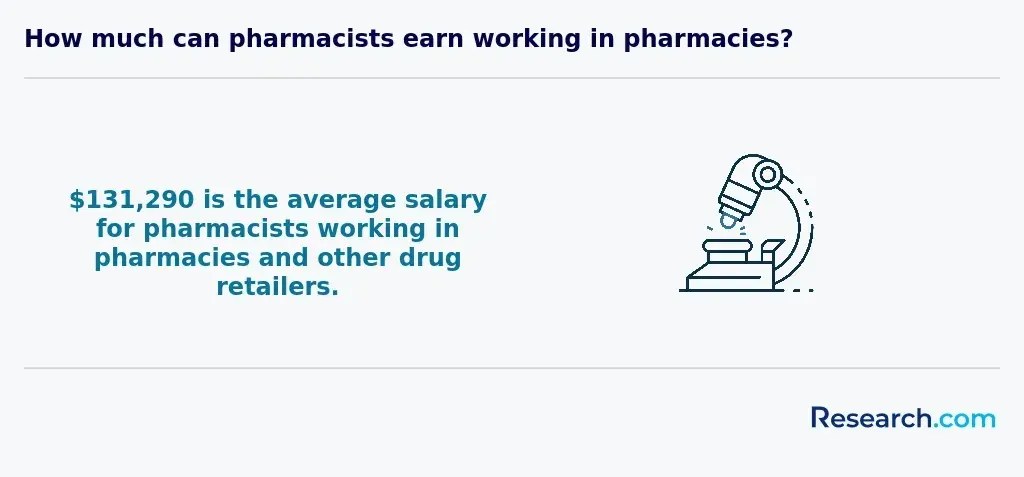
Licensed pharmacists in Kentucky have strong earning potential, but salary varies by setting, experience, specialization, location, schedule, and employer. The average annual income for pharmacists in the state is about $126,000. The national median cited here is around $136,030.
- Higher earners: Some Kentucky pharmacists earn more than $168,650 per year, especially when they bring specialized expertise or work in high-demand roles.
- Entry-level pharmacists: New pharmacists can expect earnings around $89,980 annually based on the figures provided.
To improve earning potential, pharmacists can consider several strategies:
- Specialize intentionally: Areas such as oncology, pediatrics, geriatrics, nuclear pharmacy, or ambulatory care may support higher-responsibility roles.
- Build experience: Years of practice, leadership responsibilities, and strong performance can influence compensation.
- Compare locations: Larger cities or states with strong healthcare demand may offer different pay levels. For broader context, see this overview of better-paying opportunities in bigger cities and salary differences by state.
- Continue learning: Continuing education, specialty credentials, residency training, or leadership development may improve competitiveness for promotions or specialized positions.
| Salary Point | Amount Stated | What Can Affect It |
| Kentucky average annual income | About $126,000 | Employer, location, experience, and practice setting |
| National median cited | Around $136,030 | National labor market and industry mix |
| Higher earners in Kentucky | Over $168,650 | Specialization, demand, leadership, and location |
| Entry-level earnings | Around $89,980 | First role, work setting, and geographic area |
Can acquiring a certification in medical billing and coding elevate a pharmacist’s career?
A medical billing and coding credential will not replace pharmacy licensure, but it can strengthen a pharmacist’s understanding of reimbursement, documentation, claims processes, and healthcare operations. This can be useful for pharmacists working in managed care, administration, specialty pharmacy, compliance, revenue-cycle support, or practice management.
If you are interested in administrative healthcare roles, learning about medical billing and coding in Kentucky can help you decide whether this complementary credential fits your career direction. It is most useful when paired with a clear goal, such as moving into operations, quality improvement, payer relations, or healthcare data workflows.
Can licensed pharmacists expand their clinical roles by becoming nurse practitioners?
A pharmacist who wants broader diagnostic and treatment authority may consider becoming a nurse practitioner, but this is a separate professional pathway. It requires nursing education, clinical training, licensure, and advanced practice certification. Pharmacy experience can provide a strong medication foundation, but it does not substitute for nurse practitioner requirements.
This route may make sense for pharmacists who want to perform assessments, diagnose conditions, manage treatment plans, and provide direct primary or specialty care under the nurse practitioner scope of practice. To compare the steps, review how to become a nurse practitioner in Kentucky.
How can pharmacists collaborate with nursing professionals to optimize patient care?
Pharmacists and nurses often work together on medication reconciliation, discharge education, chronic disease management, adverse-event monitoring, vaccination workflows, and patient adherence. This collaboration can reduce medication errors, improve communication, and help patients understand treatment plans more clearly.
Joint training, shared protocols, and interprofessional case reviews can improve teamwork between pharmacy and nursing staff. Pharmacists who want to better understand nursing education and clinical preparation can explore top nursing schools in Kentucky to see how nursing programs prepare professionals for patient-care collaboration.
How do pharmacist licensure requirements compare to Kentucky nursing licensure requirements?
Pharmacist and nursing licensure both protect patients by requiring education, examination, and ongoing professional accountability. The main difference is scope of practice. Pharmacists focus on medications, drug safety, therapeutic monitoring, dispensing, counseling, and pharmacy law. Nursing licensure focuses on broader patient care, assessment, care coordination, clinical procedures, and nursing judgment.
Pharmacists must complete a Pharm.D., pass exams such as the NAPLEX and MPJE, and meet pharmacy-specific continuing education expectations. Nurses follow separate academic pathways, clinical preparation standards, examinations, and renewal rules. For details on the nursing route, see Research.com’s guide to Kentucky nursing licensure requirements.
What is the job outlook for licensed pharmacists in Kentucky?
The pharmacist job outlook reflects both national healthcare trends and Kentucky’s local needs. Pharmacists continue to be important in medication management, patient education, chronic disease care, vaccination access, and safe prescribing support.
- Projected growth: Employment of pharmacists is expected to grow by around 5% over the next decade, which aligns with the average growth rate for all occupations in the information provided.
- National openings: The cited outlook includes about 18,300 new pharmacist positions and around 14,200 openings each year due to retirements and career changes.
- Kentucky demand factors: An aging population, expanded healthcare services, and continued medication use support demand in hospitals, retail pharmacies, clinics, and long-term care settings.
- Stability: Pharmacists are central to safe medication use, which supports continued need across healthcare settings.
- Salary context: The 2023 median annual salary for pharmacists was around $136,030 according to the figures provided.
- Work environments: Pharmacists may work in community pharmacies, hospitals, clinics, specialty pharmacies, managed care, and healthcare institutions, including settings with extended or 24/7 operations.
Kentucky is described as among the top states with the highest number of job postings for licensed pharmacists. Still, job availability can vary by region, employer type, shift preference, specialization, and willingness to work in underserved communities.
What career alternatives are available to licensed pharmacists in Kentucky?
Pharmacists who want to use their healthcare background outside traditional pharmacy can consider roles in healthcare management, medical research, public health, pharmaceutical industry, regulatory affairs, clinical education, informatics, medication safety, or counseling-related fields. The best alternative depends on whether you want more patient counseling, more administrative responsibility, more research, or less dispensing-focused work.
For pharmacists drawn to behavioral health and long-term patient support, Research.com’s guide on how to become a therapist in Kentucky can help compare counseling requirements with the pharmacy pathway.
Can licensed pharmacists benefit from interdisciplinary healthcare roles?
Yes. Pharmacists often become more valuable when they understand how other healthcare disciplines approach patient assessment, care planning, communication, and follow-up. Interdisciplinary training can improve collaboration with nurses, dietitians, counselors, physicians, social workers, and public health teams.
Additional healthcare credentials are most helpful when they support a clear role. For example, a pharmacist interested in care coordination, bedside care, or broader clinical responsibilities may want to understand nursing pathways by reviewing how to become a registered nurse in Kentucky.
What additional healthcare certifications can strengthen a pharmacist’s career in Kentucky?
Pharmacists can strengthen their practice through credentials in areas such as nutrition, informatics, public health, diabetes education, immunization, medication therapy management, or healthcare administration. The right choice depends on the patients you serve and the setting where you work.
Nutrition knowledge can be especially useful in medication counseling, chronic disease management, preventive care, and interdisciplinary practice. Pharmacists interested in combining medication expertise with dietary counseling can explore how to become a registered dietician in Kentucky to understand a related credential path.
What does a pharmacist career path look like in Kentucky?
A Kentucky pharmacist career path usually begins with prerequisite coursework, continues through the Pharm.D., moves into licensure exams and Board approval, and then develops through experience, continuing education, and optional specialization.
- Prepare academically: Complete the prerequisite science and general education coursework required by your target Pharm.D. program.
- Earn the Pharm.D.: Graduate from an accredited pharmacy school and complete the required experiential training.
- Pass the licensing exams: Take and pass the NAPLEX and MPJE to demonstrate pharmacy competence and legal knowledge.
- Apply for Kentucky licensure: Submit the required application, documentation, background-check materials, and fees to the Kentucky Board of Pharmacy.
- Start in an entry-level pharmacist role: Many new pharmacists begin in community pharmacies, hospitals, clinics, or long-term care settings.
- Maintain continuing education: Kentucky pharmacists must complete continuing education to keep their licenses active. New pharmacists are noted as receiving an exemption from CE requirements for the first year.
- Choose a growth direction: Options include specialty certification, residency training, opioid antagonist certification, preceptor work, pharmacy management, clinical practice, academia, public health, or healthcare technology.
| Career Stage | Typical Focus | Good Next Move |
| Pre-pharmacy student | Prerequisites, grades, admissions planning | Confirm required courses and accreditation. |
| Pharm.D. student | Medication science, clinical rotations, patient counseling | Build experience through rotations and mentoring. |
| Licensure candidate | NAPLEX, MPJE, Board application, background check | Create an exam and paperwork checklist. |
| New pharmacist | Safe dispensing, counseling, workflow, compliance | Develop confidence and complete renewal requirements. |
| Experienced pharmacist | Specialization, leadership, precepting, advanced practice | Pursue credentials that match your target role. |
Common Mistakes to Avoid When Pursuing Kentucky Pharmacist Licensure
- Choosing a program without checking accreditation: Accreditation is essential for licensure eligibility, so verify it before enrolling.
- Looking only at tuition: Total cost includes fees, books, supplies, living expenses, exams, background checks, and renewals.
- Assuming online means fully remote: Pharmacy programs require hands-on clinical training even when coursework has online components.
- Waiting too long to prepare for the MPJE: Kentucky pharmacy law is specific, and legal knowledge is tested separately from clinical knowledge.
- Missing application details: Notarization, transcripts, intern-hour verification, fingerprints, and fees can delay approval if incomplete.
- Ignoring renewal deadlines: An expired license can interrupt employment and create disciplinary risk.
- Assuming salary outcomes are guaranteed: Pay depends on employer, location, experience, schedule, specialization, and market conditions.
- Relying only on rankings: Program fit, accreditation, clinical placement quality, support services, and cost should matter as much as reputation.
Here’s What Pharmacists Have to Say About Becoming Licensed in Kentucky
Earning my Kentucky pharmacist license changed the way I saw patient care. The training was demanding, and the internships gave me the confidence to handle real pharmacy situations. Mentors helped me understand pharmacy law, medication safety, and patient communication. The support from classmates made the process more manageable, and I now feel proud to serve patients in my community. Marlene
The Kentucky licensure process required discipline, but it was worth it. Practical experience helped me build clinical judgment before I entered practice. Passing the board exams felt like the result of years of preparation. Today, I value the chance to help patients use their medications safely and understand their treatment plans. Earl
My Kentucky pharmacy license created career options I had not expected. The state’s healthcare settings gave me room to explore specialized interests, and the professional network helped me keep growing. I feel better prepared to advocate for patients and contribute to public health work. Carmen
Related Articles for Nearby States
- 2027 How to Become a Licensed Pharmacist in Indiana
- 2027 How to Become a Licensed Pharmacist in Ohio
- 2027 How to Become a Licensed Pharmacist in Tennessee
- 2027 How to Become a Licensed Pharmacist in West Virginia
- 2027 How to Become a Licensed Pharmacist in Virginia
- 2027 How to Become a Licensed Pharmacist in Illinois
- 2027 How to Become a Licensed Pharmacist in Missouri
- 2027 How to Become a Licensed Pharmacist in North Carolina
- 2027 How to Become a Licensed Pharmacist in Georgia
- 2027 How to Become a Licensed Pharmacist in Mississippi
Key Insights
- The Pharm.D. is the essential starting point: Kentucky pharmacist licensure requires professional pharmacy education from an accredited program.
- Licensure is a checklist-driven process: Plan for intern-hour verification, NAPLEX, MPJE, Board application, fingerprinting, background screening, and fees.
- The timeline is substantial: The academic route can take anywhere from four to six years, depending on prerequisites and program structure.
- Costs require careful planning: Tuition alone may range from $80,000 to $240,000 over four years, before living costs and licensing expenses.
- Online options can help, but not replace clinical training: Hybrid pharmacy education may offer flexibility, but hands-on rotations remain required.
- Renewal compliance protects your career: Continuing education, fees, and deadline tracking are necessary to keep practicing legally.
- Career growth depends on specialization and adaptability: Certifications, residency training, interprofessional collaboration, and technology skills can expand options beyond traditional dispensing roles.
- Verify current rules with the Kentucky Board of Pharmacy: Fees, renewal cycles, documentation requirements, and application procedures can change, so use the Board as the final authority.
References:
- pharmacy.ky.gov (2024). Board of Pharmacy. pharmacy.ky.gov.
Other Things You Should Know About Becoming a Licensed Pharmacist in Kentucky
To become a licensed pharmacist in Kentucky, complete a Doctor of Pharmacy (Pharm.D.) program, pass the North American Pharmacist Licensure Exam (NAPLEX), and the Multistate Pharmacy Jurisprudence Exam (MPJE). Finally, apply for a license with the Kentucky Board of Pharmacy.
To become a pharmacist in Kentucky in 2027, you need to earn a Doctor of Pharmacy (Pharm.D.) degree from an accredited pharmacy school. Additionally, prerequisites often include completing undergraduate coursework in biology, chemistry, and other sciences.


