
2027 Kentucky Nursing License Requirements

Co-Founder and Chief Data Scientist
Kentucky nursing licensure is the legal checkpoint between finishing a nursing program and practicing as a nurse in the state. Whether you are preparing for the NCLEX, moving to Kentucky with an out-of-state license, comparing LPN and RN pathways, or planning an online nursing degree, the process has several steps you do not want to miss. Kentucky continues to need qualified nurses: as of 2023, the state was 5,391 short of the RNs and LPNs needed to serve residents efficiently (Kentucky Hospital Association, 2023). This guide explains the Kentucky nursing license requirements, how the application and renewal processes work, what compact licensure means, and how to choose the right education path for your goals.
Quick answer: How do you get a Kentucky nursing license?
To become licensed as a nurse in Kentucky, you must complete an approved nursing program, apply through the Kentucky Board of Nursing, pass the appropriate NCLEX exam, complete the Kentucky Jurisprudence Exam, and clear the required state and federal criminal background check. RN candidates take the NCLEX-RN, while LPN candidates take the NCLEX-PN. Nurses already licensed in another state may qualify through endorsement or, if eligible, practice in Kentucky through the Nurse Licensure Compact.
Key facts about Kentucky nursing licenses
- Regulating agency: The Kentucky Board of Nursing (KBN) manages nursing licensure and enforces state nursing practice rules.
- Required exam: New nurse applicants must pass the National Council Licensure Examination, either the NCLEX-RN or NCLEX-PN.
- Education requirement: Applicants need to graduate from an approved nursing program, such as an ADN, BSN, or practical nursing program, depending on the license sought.
- Application documents: Applicants typically need to submit proof of education, exam eligibility or results, and criminal background check documentation.
- Renewal cycle: Kentucky nursing licenses must be renewed every 2 years, and nurses must meet continuing education expectations to remain in good standing.
- What is a Kentucky nursing license and why does it matter?
- Which nursing licenses can you pursue in Kentucky?
- What are the main Kentucky nursing license requirements?
- How do you apply for a nursing license in Kentucky?
- How does Kentucky nursing license renewal work?
- Can a compact nurse practice in Kentucky?
- What professional development options help Kentucky nurses advance?
- How can out-of-state nurses obtain Kentucky licensure?
- Where can newly licensed nurses work in Kentucky?
- How can you prepare for the Kentucky nursing licensing exams?
- Can dual licensure expand healthcare career options in Kentucky?
- What liability issues should Kentucky nurses consider?
- Do supplemental certifications improve Kentucky nursing career prospects?
- What are the advantages of online nursing programs in Kentucky?
- How should you choose nursing schools in Kentucky?
- Which advanced education pathways can speed up nursing career growth?
- When does an online LPN to BSN pathway make sense?
- What opportunities are available for nurse midwives in Kentucky?
- What should you know about LVN and LPN pathways in Kentucky?
- What financial factors should Kentucky nursing students plan for?
What is a Kentucky nursing license and why does it matter?
A Kentucky nursing license is the state authorization that allows a qualified person to practice nursing legally in Kentucky. It protects patients by confirming that a nurse has completed the required education, passed the appropriate licensing exam, and met the state’s professional and legal standards.
The Kentucky Board of Nursing is responsible for issuing licenses, reviewing applications, enforcing nursing laws, and setting expectations for safe nursing practice. The board’s role matters because nursing is a regulated profession. A graduate may have completed school, clinical hours, and exam preparation, but they cannot independently practice as an RN or LPN in Kentucky until the licensing requirements are satisfied.
For students and career changers, licensure affects nearly every major decision: which school to attend, whether to choose an LPN or RN program, whether an online program can meet Kentucky requirements, how to plan for background checks, and how to stay compliant after graduation.
| Licensure issue | Why it matters for Kentucky nursing candidates |
| State approval and accreditation | Your program must prepare you for Kentucky licensing expectations and the NCLEX. |
| Scope of practice | RNs, LPNs, and APRNs have different responsibilities and legal boundaries. |
| Background checks | Criminal history review is part of the application process and should be addressed early. |
| Continuing education | Licensure is not a one-time task; Kentucky nurses must renew and maintain competency. |
| Compact licensure | Eligible nurses may practice across compact states, which can expand employment flexibility. |
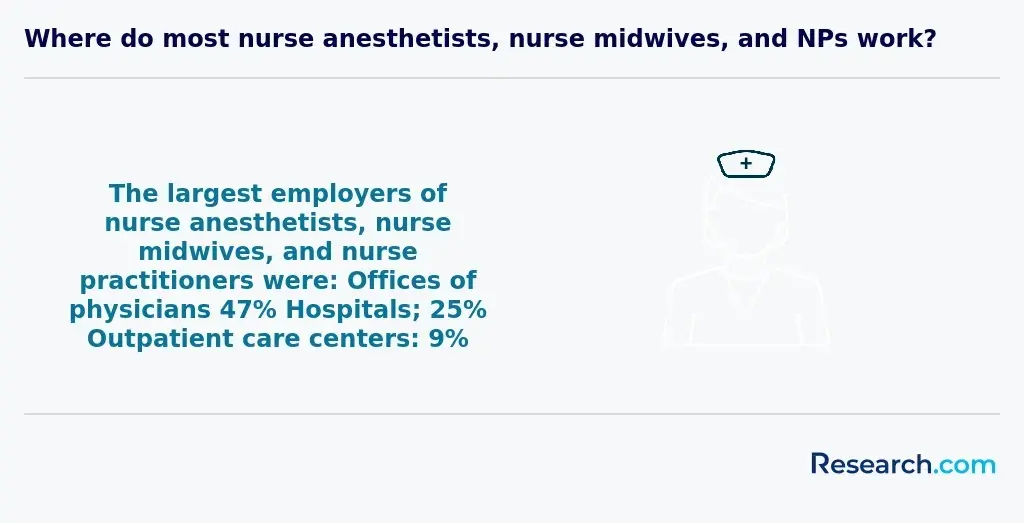
Demand for qualified nursing professionals remains significant. Employment for nurse anesthetists, nurse midwives, and nurse practitioners is projected to grow by 38% from 2022 to 2032 (US Bureau of Labor Statistics, 2024). For nurses interested in specialized practice and income potential, it can also be useful to review career-specific pay guides, such as how much aesthetic and cosmetic nurses make.
Which nursing licenses can you pursue in Kentucky?
Kentucky’s main entry-level nursing licenses are the Registered Nurse license and the Licensed Practical Nurse license. Both require formal nursing education and NCLEX testing, but they differ in program length, scope of practice, career mobility, and long-term advancement options.
| License type | Typical education route | Required exam | Best fit for |
| Registered Nurse | Associate Degree in Nursing or Bachelor of Science in Nursing | NCLEX-RN | Students who want broader clinical responsibilities, hospital roles, leadership potential, or a pathway to graduate nursing education. |
| Licensed Practical Nurse | Practical nursing program, usually lasting around 1 year | NCLEX-PN | Students who want a faster route into direct patient care and may later bridge into RN or BSN study. |
RNs commonly assess patients, administer medications, coordinate care plans, educate patients and families, and collaborate with physicians and other clinicians. LPNs provide essential bedside care under the supervision of RNs or physicians, including monitoring patient status, assisting with daily activities, documenting observations, and administering medications within their permitted scope.
Kentucky also participates in the Nurse Licensure Compact, which can allow eligible RNs and LPNs to practice in multiple compact states with one multistate license when Kentucky is their primary state of residence. APRN licenses are not currently part of the compact in the same way, so advanced practice nurses should verify Kentucky-specific requirements before assuming compact privileges apply.
If your long-term goal is advanced practice, compare entry routes carefully. An LPN program may help you enter the workforce sooner, while an RN program can position you more directly for BSN, MSN, and nurse practitioner study. Candidates planning advanced clinical practice may also compare options such as the fastest FNP program online after they understand the licensure and experience requirements involved.
What are the main Kentucky nursing license requirements?
Kentucky nursing license requirements are built around four core areas: approved education, clinical preparation, licensing exams, and background screening. The exact process depends on whether you are applying as an RN, LPN, endorsement applicant, or internationally educated nurse.
- Approved nursing education: RN applicants must complete an approved nursing program, commonly an ADN or BSN. LPN applicants must complete an approved practical nursing program.
- Clinical training: Nursing programs include supervised clinical experiences that help students apply classroom knowledge in real patient-care settings.
- NCLEX exam: RN applicants take the NCLEX-RN, and LPN applicants take the NCLEX-PN. Passing the appropriate exam is required for initial licensure.
- Kentucky Jurisprudence Exam: Applicants must complete the exam covering Kentucky nursing laws and regulations.
- Criminal background check: Kentucky requires state and federal background screening as part of the licensure process.
| Requirement | RN applicant | LPN applicant |
| Nursing education | Approved ADN or BSN program | Approved practical nursing program |
| Licensing exam | NCLEX-RN | NCLEX-PN |
| Kentucky law exam | Jurisprudence Exam required | Jurisprudence Exam required |
| Background screening | State and federal check required | State and federal check required |
| Long-term mobility | Can lead to BSN, MSN, APRN, leadership, and specialty roles | Can lead to LPN-to-RN or LPN-to-BSN bridge pathways |
Labor market planning should be part of your licensure strategy. Demand for LPNs and licensed vocational nurses is projected to increase by 5% from 2022 to 2032 (US Bureau of Labor Statistics, 2024). Nurses who later want advanced roles can compare graduate options, including the fastest online MSN programs, once they meet the appropriate academic and licensing prerequisites.
Before choosing a program, ask whether graduates are eligible for Kentucky licensure, whether clinical placements are arranged or student-secured, how NCLEX preparation is built into the curriculum, and whether the program supports students who need guidance on background check disclosures.
How do you apply for a nursing license in Kentucky?
The Kentucky nursing license application process is handled through the Kentucky Board of Nursing. Applicants should treat the process as a checklist rather than a single form because missing documents, incomplete background checks, or delayed exam registration can slow down licensure.
- Complete the online application. The application remains valid for 1 year. If you do not complete all requirements within that period, you must restart the process. A non-refundable application fee applies, and additional fees are required for applicants who choose a paper application.
- Take the Kentucky Jurisprudence Exam. Applicants must pass with a minimum score of 80%. The exam measures knowledge of Kentucky nursing laws and rules.
- Complete the background check. Kentucky requires state and federal criminal background screening through IdentoGO®.
- Register for the NCLEX. RN candidates register for the NCLEX-RN, while LPN candidates register for the NCLEX-PN.
- Submit required education records. Applicants educated outside Kentucky may need an official transcript sent directly to the KBN.
- Disclose required legal history honestly. Applicants must report criminal convictions as required, excluding minor traffic offenses.
| Application step | Common mistake | Better approach |
| Program completion | Assuming any nursing program automatically qualifies for Kentucky licensure | Verify state approval and licensure eligibility before enrolling. |
| Jurisprudence Exam | Waiting until the end of the process to study Kentucky nursing law | Review KBN rules early and treat the exam as a required licensing milestone. |
| Background check | Underestimating how long fingerprinting and review can take | Schedule promptly and follow KBN instructions closely. |
| NCLEX registration | Confusing school graduation with exam authorization | Track both KBN application requirements and NCLEX registration requirements. |
| Transcript submission | Sending unofficial records when official documents are required | Confirm whether records must come directly from the school. |
Applicants concerned about the cost of future graduate study should separate initial licensure costs from advanced education costs. For example, nurses planning advanced practice may eventually compare affordable graduate pathways such as the cheapest online nurse practitioner programs, but the first priority is completing Kentucky’s initial RN or LPN licensure steps accurately.
How does Kentucky nursing license renewal work?
Kentucky nursing licenses must be renewed every 2 years. Renewal confirms that a nurse remains legally authorized to practice and has continued meeting professional requirements after initial licensure.
- Continuing education: Nurses must complete required continuing education to support current, safe practice.
- Online renewal: The renewal process is generally completed online through the appropriate KBN system.
- Renewal fee: Nurses should budget for renewal fees, which vary by license type.
- Practice impact: Missing renewal deadlines can interrupt legal practice and create employment problems.
Renewal is different from initial licensing. New applicants must prove entry-level eligibility through education, examination, and background checks. Renewing nurses must show that they have maintained professional standing and continuing education compliance.
This matters in a workforce environment where retention is a major concern. Kentucky had 48,710 RNs employed locally (US Bureau of Labor Statistics, 2024), and the RN turnover rate in the Bluegrass State was 22% (Kentucky Hospital Association, 2023). Nurses who plan ahead for renewal, continuing education, and advancement are less likely to face avoidable interruptions in employment.
For RNs who want to meet professional growth goals while remaining employed, RN-to-BSN programs may be worth comparing. Cost-conscious nurses can start with guides to the cheapest online RN to BSN programs.

Can a compact nurse practice in Kentucky?
Yes. Kentucky participates in the Nurse Licensure Compact, so eligible nurses with a valid multistate license may practice in Kentucky without applying for a separate Kentucky single-state license. The NLC was released in 1999 and includes 40 states as of August 2024.
To use compact privileges, a nurse generally must hold a valid multistate license from their primary state of legal residence and meet compact requirements, including education, examination, and criminal background check standards. The compact is especially useful for nurses who travel, relocate, provide care across state lines, or work for employers operating in multiple states.
| Situation | What to check before practicing in Kentucky |
| You live in another compact state and hold a multistate license | Confirm your multistate privilege is active and your home-state license is in good standing. |
| You move your primary residence to Kentucky | Review KBN instructions for changing your primary state of residence and applying appropriately. |
| You are an APRN | Do not assume compact RN or LPN privileges cover advanced practice authority; verify Kentucky APRN requirements. |
| You have discipline or criminal history concerns | Check compact eligibility and KBN reporting expectations before accepting a Kentucky role. |
What professional development options help Kentucky nurses advance?
Licensure allows you to practice, but professional development determines how your career grows. Kentucky nurses can strengthen their qualifications through continuing education, specialty certification, leadership training, bridge programs, and graduate study. The right option depends on whether you want to deepen bedside expertise, move into management, qualify for advanced practice, or shift toward education, informatics, public health, or administration.
Nurses interested in advanced clinical roles can compare accredited nurse practitioner programs in Kentucky. Before enrolling, confirm admission requirements, clinical placement support, certification preparation, and whether the program’s curriculum aligns with Kentucky practice expectations.
How can out-of-state nurses obtain Kentucky licensure?
Nurses licensed outside Kentucky may be able to practice through compact privileges or apply for Kentucky licensure by endorsement. Endorsement is used when a nurse already holds a license in another jurisdiction and seeks Kentucky authorization without retaking the NCLEX.
- Confirm your current license status. You must hold an active nursing license and provide verification as required.
- Submit an endorsement application. Apply to the Kentucky Board of Nursing and pay the required fee.
- Complete the background check. Fingerprinting and criminal background review are required.
- Follow KBN instructions for Kentucky-specific requirements. This may include the Jurisprudence Exam and other documentation.
Foreign-educated nurses should expect additional review. Kentucky may require a credential evaluation to determine whether the applicant’s nursing education meets state standards. Non-native English speakers may also need to demonstrate English proficiency through standardized testing, such as the TOEFL.
The best pathway depends on your situation. If you hold a compact multistate license and are not changing your primary residence, compact practice may be enough. If you are relocating to Kentucky, seeking a Kentucky license, or do not hold compact privileges, endorsement is likely the more relevant route.
Where can newly licensed nurses work in Kentucky?
Newly licensed Kentucky nurses can pursue entry-level roles in hospitals, long-term care facilities, rehabilitation centers, physician offices, public health settings, behavioral health facilities, outpatient clinics, and home health organizations. The best first role is not always the one with the highest starting pay. It should also offer strong supervision, realistic orientation, safe staffing practices, and opportunities to build core clinical judgment.
| Work setting | Why it may appeal to new nurses | Questions to ask before accepting a job |
| Hospitals | Broad exposure to acute care, interdisciplinary teams, and specialty units | How long is orientation? Are new graduates placed in residency or preceptor programs? |
| Long-term care | Experience with chronic conditions, medication administration, and continuity of care | What is the nurse-to-patient workload? What support is available on nights and weekends? |
| Clinics and outpatient centers | Predictable schedules and patient education opportunities | Will the role develop assessment skills, care coordination, and documentation competence? |
| Home health | Autonomy and one-on-one patient care | Is this appropriate for a new nurse, and what backup support is available in the field? |
| Behavioral health | Experience with therapeutic communication and mental health care | What safety training and crisis response support are provided? |
New nurses should build a job-search plan before licensure is finalized. Prepare a resume highlighting clinical rotations, certifications, patient-care experience, and any work history that demonstrates reliability. For a broader career roadmap, review how to become a nurse in Kentucky.
How can you prepare for the Kentucky nursing licensing exams?
Preparing for licensure in Kentucky means preparing for both the NCLEX and the Kentucky Jurisprudence Exam. The NCLEX tests entry-level nursing judgment, while the Jurisprudence Exam focuses on state laws and professional responsibilities.
- Start with the Kentucky Board of Nursing website. Use it to confirm current application steps, exam rules, forms, background check instructions, and renewal expectations.
- Use NCLEX resources from the National Council of State Boards of Nursing. Practice questions and exam-format resources can help you understand how clinical judgment is tested.
- Build a structured study calendar. Divide review time across pharmacology, safety, prioritization, delegation, maternal-child care, mental health, adult health, and fundamentals.
- Practice with timed questions. Content review matters, but pacing and question interpretation are also critical.
- Study Kentucky nursing law separately. Do not assume NCLEX preparation covers state-specific legal rules.
- Consider a study group. Peer review can help with accountability, but choose a group that stays focused and uses reliable materials.
- Connect with professional organizations. Groups such as the Kentucky Nurses Association can offer networking, education, and local professional context.
| Exam preparation mistake | Why it hurts | Better strategy |
| Memorizing facts without practicing application questions | The NCLEX emphasizes judgment, prioritization, and safe decision-making. | Pair content review with scenario-based practice questions. |
| Ignoring weak areas | Repeated gaps can lower readiness and confidence. | Track missed questions by topic and revisit the underlying concept. |
| Leaving the Jurisprudence Exam until the last minute | Kentucky law is a separate requirement and can delay licensing if overlooked. | Schedule time for state law review early in the application timeline. |
| Using too many study resources | Too many materials can create confusion and inconsistent methods. | Choose a limited set of reputable resources and use them consistently. |
Can dual licensure expand healthcare career options in Kentucky?
Dual licensure can make sense for some healthcare professionals, but it should be pursued for a clear career reason rather than as a general resume booster. A nurse who wants to move into medication management, clinical leadership, healthcare operations, or interdisciplinary care may benefit from understanding another regulated healthcare field. However, each license brings its own education requirements, exams, fees, continuing education obligations, and liability exposure.
If you are exploring a broader healthcare career beyond nursing, compare the time, cost, and scope of practice before committing. One example is learning how to become a licensed pharmacist in Kentucky, which can help you understand whether pharmacy licensure aligns with your long-term goals.
What liability issues should Kentucky nurses consider?
Kentucky nurses practice within legal, ethical, and employer-specific rules. Professional liability risk can arise from medication errors, documentation gaps, failure to follow policy, unclear delegation, boundary violations, and communication breakdowns. Employer coverage may not always address every situation in the way an individual nurse expects, so nurses should understand what protection they have and whether separate professional liability insurance is appropriate.
- Review employer coverage. Ask what is covered, when coverage applies, and whether legal representation is included.
- Document carefully. Accurate, timely documentation is one of the strongest risk-management habits in nursing.
- Stay within scope. Do not perform tasks outside your license, training, employer policy, or supervision requirements.
- Keep up with Kentucky rules. Licensure compliance includes understanding state nursing law and professional standards.
- Report concerns appropriately. Follow policy when patient safety, impairment, abuse, or unsafe practice concerns arise.
LPN candidates should pay close attention to scope and supervision rules from the beginning. For a focused overview, review what the requirements are to become an LPN in Kentucky.
Do supplemental certifications improve Kentucky nursing career prospects?
Supplemental certifications can help when they match your target role. For clinical nurses, specialty credentials may support advancement in critical care, emergency nursing, oncology, maternal-child health, case management, informatics, or quality improvement. For nurses interested in the business side of healthcare, administrative credentials may strengthen knowledge of documentation, billing, coding, compliance, and revenue cycle operations.
A certification is most valuable when employers recognize it and when it solves a real skill gap. For example, understanding medical billing and coding certification in Kentucky may be useful for nurses moving toward care coordination, utilization review, compliance, or healthcare administration roles.
| Career goal | Certification or training focus to consider | Decision tip |
| Improve bedside specialty expertise | Clinical specialty certification aligned with your unit | Ask whether your employer rewards or requires the credential. |
| Move into leadership | Charge nurse training, management courses, quality improvement education | Pair credentials with measurable workplace leadership experience. |
| Enter administration | Billing, coding, compliance, informatics, or healthcare operations | Choose training tied to a specific job description, not a vague career idea. |
| Prepare for graduate school | BSN completion, research literacy, specialty experience | Prioritize prerequisites and GPA before optional credentials. |
What are the advantages of online nursing programs in Kentucky?
Online nursing programs can be a practical option for Kentucky students who need flexibility, especially working adults, parents, rural students, and licensed nurses returning for bridge programs. However, online does not mean entirely remote in every case. Prelicensure nursing programs still require clinical training, and students must confirm how placements are handled.
| Online nursing program benefit | What to verify before enrolling |
| Flexible coursework | Are classes asynchronous, synchronous, or a mix of both? |
| Ability to keep working | Can you realistically manage clinical hours, exams, and work shifts? |
| Access from outside major metro areas | Are clinical placements available near your location? |
| Bridge-program convenience | Does the program accept prior nursing credits and active licensure? |
| Licensure preparation | Does the program meet Kentucky licensure requirements and prepare graduates for the NCLEX, if applicable? |
Students should avoid choosing a program based only on convenience. Confirm approval, accreditation, clinical support, NCLEX outcomes when available, faculty access, technology requirements, and total cost. To compare options, review the top online nursing programs in Kentucky.
What challenges do aspiring registered nurses face in Kentucky?
Prospective RNs in Kentucky often underestimate how many separate hurdles exist between admission and licensure. Planning for these challenges early can reduce delays and stress.
- Competitive admissions: Nursing programs, especially BSN programs, may use grades, prerequisites, entrance exams, interviews, and healthcare experience to select applicants.
- Demanding coursework: Anatomy, physiology, pharmacology, pathophysiology, health assessment, and clinical decision-making require consistent study habits.
- Clinical scheduling: Clinical placements may involve early mornings, evenings, weekends, travel, and strict attendance rules.
- Cost pressure: Tuition is only part of the expense. Students should also budget for books, uniforms, supplies, testing, background checks, exam fees, and licensure fees.
- Work-school balance: Many students work while enrolled, but nursing courses and clinicals can make full-time employment difficult.
- Licensure timing: Graduation, NCLEX authorization, background check processing, and KBN review do not always happen at the same pace.
The best preparation is practical: complete prerequisites early, meet with advisors before applying, build an emergency budget, keep copies of important records, and avoid overloading your schedule during clinical semesters.
How should you choose nursing schools in Kentucky?
The right nursing school is the one that matches your license goal, budget, learning style, location, and long-term career plan. Rankings can be useful, but they should not replace due diligence. A highly visible program is not automatically the best choice if it lacks clinical placement support, does not fit your schedule, or costs more than you can reasonably repay.
Start by reviewing the best nursing schools in Kentucky, then compare programs using practical criteria.
| Question to ask | Why it matters |
| Is the program approved for Kentucky licensure? | Licensure eligibility is the first requirement, not an optional feature. |
| What are the admission requirements? | Prerequisites, GPA standards, testing, and deadlines affect your timeline. |
| How are clinical placements arranged? | Students need reliable access to supervised patient-care experiences. |
| What support is available for NCLEX preparation? | Structured review, practice testing, and remediation can support exam readiness. |
| What is the full cost of attendance? | Tuition alone does not show the real financial commitment. |
| Can credits transfer into future programs? | Transfer and bridge policies matter if you plan to move from LPN to RN or RN to BSN. |
| Does the schedule fit your life? | Even strong programs can be unrealistic if clinicals conflict with work or caregiving. |
Which advanced education pathways can speed up nursing career growth?
Advanced education can open doors to leadership, advanced clinical practice, teaching, informatics, public health, and specialized care. The most common academic stepping stone for RNs is the BSN, especially for nurses who entered through an ADN program and want broader advancement options.
Fast-track and bridge programs can shorten the route, but speed should not be the only factor. Evaluate accreditation, course intensity, clinical expectations, faculty support, transfer credit policy, and whether the schedule is realistic. Nurses comparing flexible BSN completion routes can explore fast-track RN to BSN online programs.
| Pathway | Best for | Key caution |
| RN to BSN | Licensed RNs seeking broader career mobility and preparation for graduate study | Confirm transfer credit rules and total completion cost. |
| MSN | Nurses targeting advanced practice, education, leadership, or specialty roles | Admission may require specific experience, GPA, and clinical planning. |
| Specialty certification | Nurses who want to validate expertise in a focused practice area | Some certifications require practice hours before eligibility. |
| Leadership training | Nurses pursuing charge nurse, supervisor, quality, or management roles | Training should be paired with real leadership responsibility. |
When does an online LPN to BSN pathway make sense?
An online LPN to BSN pathway can be a strong option for licensed practical nurses who want to become RNs while building toward a bachelor’s degree. It may be especially useful for working LPNs who need flexible coursework and want to avoid completing separate LPN-to-RN and RN-to-BSN programs.
This route is not automatically the best fit for everyone. It can be intensive, may require in-person labs or clinical placements, and may take longer than expected if prerequisites are missing. Before enrolling, ask whether the program accepts your LPN coursework, how clinical placements are managed in Kentucky, whether graduates are eligible for the NCLEX-RN, and what support is available for working students.
To compare flexible bridge options, review LPN to BSN online programs.
What opportunities are available for nurse midwives in Kentucky?
Nurse midwifery can appeal to nurses who want advanced practice focused on reproductive health, pregnancy, birth, postpartum care, and newborn support. In Kentucky, nurse midwives may work in hospitals, birth centers, clinics, community health settings, and underserved areas where maternal health access is a concern.
This is an advanced practice path, so candidates should plan beyond RN licensure. They typically need graduate-level education, national certification, and Kentucky-specific advanced practice authorization. If this career fits your goals, review the educational requirements for a nurse midwife in Kentucky before choosing a graduate program.
What should you know about LVN and LPN pathways in Kentucky?
Kentucky commonly uses the term Licensed Practical Nurse rather than Licensed Vocational Nurse, though LVN is used in some states and career resources. If you are researching LVN roles while planning to work in Kentucky, make sure you are comparing requirements that align with Kentucky’s LPN licensure process.
The practical nursing pathway generally includes completing an approved practical nursing program, gaining supervised clinical experience, applying through the Kentucky Board of Nursing, passing the NCLEX-PN, completing the Jurisprudence Exam, and meeting background check requirements. For a step-by-step overview, see how to become an LVN in Kentucky.
What financial factors should Kentucky nursing students plan for?
The cost of becoming a nurse in Kentucky includes more than tuition. Students should build a full budget before enrolling so they are not surprised by program fees, transportation costs, clinical expenses, testing charges, and licensing requirements.
- Tuition and fees: Compare the full program price, not just the per-credit rate.
- Books and learning materials: Nursing textbooks, online platforms, and exam-prep tools can add up.
- Clinical costs: Uniforms, shoes, health screenings, immunizations, CPR certification, travel, and supplies may be required.
- Testing and licensure: Budget for NCLEX-related expenses, Kentucky application fees, background checks, and renewal costs.
- Lost income: Clinical schedules may limit how much you can work while enrolled.
- Future education: If you plan to become a nurse practitioner, nurse midwife, educator, or leader, include graduate school in your long-term financial plan.
Advanced specialization adds another layer of cost because graduate tuition, certification exams, clinical requirements, and licensure expenses may apply. Nurses considering advanced practice can review how much it costs to become a nurse practitioner in Kentucky for a more focused planning guide.
To reduce costs, compare public and private schools, ask about transfer credits, apply for scholarships early, review employer tuition reimbursement policies, complete prerequisites affordably when appropriate, and avoid borrowing more than needed for living expenses. Financial aid, scholarships, and grants can help, but students should still evaluate repayment risk based on realistic career plans rather than guaranteed salary assumptions.
Related Articles for Nearby States
- 2027 Indiana Nursing License Requirements
- 2027 Ohio Nursing License Requirements
- 2027 Tennessee Nursing License Requirements
- 2027 West Virginia Nursing License Requirements
- 2027 Virginia Nursing License Requirements
- 2027 Illinois Nursing License Requirements
- 2027 Missouri Nursing License Requirements
- 2027 North Carolina Nursing License Requirements
- 2027 Georgia Nursing License Requirements
- 2027 Mississippi Nursing License Requirements
References:
- Kentucky Board of Nursing. (n.d.). Welcome. https://kbn.ky.gov/Pages/index.aspx
- Kentucky Hospital Association. (2023). Kentucky’s Nursing Workforce Crisis. https://www.kyha.com/advocacy/policy-issues/workforce-challenges/kentuckys-nursing-workforce-crisis
- US Bureau of Labor Statistics. (2024, April 17). Licensed Practical and Licensed Vocational Nurses. Occupational Outlook Handbook. https://www.bls.gov/ooh/healthcare/licensed-practical-and-licensed-vocational-nurses.htm
- US Bureau of Labor Statistics. (2024, April 3). May 2023 State Occupational Employment and Wage Estimates, Kentucky. Occupational Employment and Wage Statistics. https://www.bls.gov/oes/2023/may/oes_ky.htm
- US Bureau of Labor Statistics. (2024, April 17). Nurse anesthetists, Nurse Midwives, and Nurse Practitioners. Occupational Outlook Handbook. https://www.bls.gov/ooh/healthcare/nurse-anesthetists-nurse-midwives-and-nurse-practitioners.htm
- US Bureau of Labor Statistics. (2024, April 3). Occupational Employment and Wages, May 2023, 29-1141 Registered Nurses. Occupational Employment and Wage Statistics. https://www.bls.gov/oes/current/oes291141.htm
Key Insights
- Kentucky licensure is mandatory before practice. Graduation alone is not enough; applicants must complete KBN requirements, pass the NCLEX, complete the Jurisprudence Exam, and clear the background check.
- Choose your license pathway based on timing and goals. LPN programs can offer a faster entry into nursing, while RN programs provide broader clinical responsibilities and stronger pathways to BSN, MSN, and advanced practice roles.
- Compact licensure can add flexibility, but it has limits. Kentucky participates in the Nurse Licensure Compact for eligible RNs and LPNs, but APRN authority and relocation situations require separate review.
- Program selection affects licensure success. Before enrolling, confirm Kentucky approval, clinical placement support, NCLEX preparation, accreditation, transfer policy, and total cost.
- Renewal is part of the career, not an administrative afterthought. Kentucky licenses renew every 2 years, and missed renewal or continuing education requirements can disrupt employment.
- Financial planning should include hidden costs. Budget for supplies, clinical requirements, background checks, exam fees, licensure fees, travel, and reduced work hours during demanding semesters.
- Advancement should be strategic. Certifications, RN-to-BSN programs, graduate degrees, and bridge pathways are most valuable when they match a specific role, employer expectation, or long-term career plan.
Other Things You Should Know about Nursing Licenses in Kentucky
To become a registered nurse in Kentucky in 2027, you must complete an approved nursing program (ADN or BSN) and pass the NCLEX-RN exam. You will also need to apply for licensure through the Kentucky Board of Nursing.
Aspiring RNs in Kentucky must complete specific educational requirements. The state mandates that aspiring RNs earn either an Associate Degree in Nursing (ADN) or a Bachelor of Science in Nursing (BSN).
- An ADN typically takes 2 to 3 years to complete and is offered at community colleges.
- A BSN, which is increasingly preferred by employers, usually requires 4 years of study at a university.
Both programs include clinical training and must be accredited by the Accreditation Commission for Education in Nursing (ACEN) or the Commission on Collegiate Nursing Education (CCNE). After completing the educational requirements, candidates must pass the NCLEX-RN exam to obtain licensure in Kentucky.
To legally practice as an RN in Kentucky in 2027, you must graduate from a state-approved nursing program, pass the NCLEX-RN exam, and obtain a license from the Kentucky Board of Nursing. Ensure to renew your license biennially and meet continuing education requirements.


