
2027 How to Become a Licensed Counselor (LPC) in Pennsylvania

Co-Founder and Chief Data Scientist
Becoming a Licensed Professional Counselor (LPC) in Pennsylvania is a multi-year process that requires graduate education, supervised clinical practice, an approved exam, and ongoing continuing education. It is a serious commitment, but it can lead to work in mental health agencies, schools, hospitals, rehabilitation programs, addiction treatment centers, private practice, and community organizations. In 2025, there were approximately 36,840 counselors in Pennsylvania, according to data projections derived from the Bureau of Labor Statistics (BLS), which reflects the size and importance of the behavioral health workforce in the state.
This guide explains how to become a counselor in Pennsylvania, what education you need, how LPC licensure works, which counseling specialties are growing, how salaries compare, and how to choose a program that supports your long-term goals. It is designed for students comparing graduate programs, career changers entering mental health, and current helping professionals considering Pennsylvania counseling licensure.
Quick Answer: How Do You Become an LPC in Pennsylvania?
To become an LPC in Pennsylvania, you generally need a master's or doctoral degree in counseling or a closely related field from a board-approved school, a passing score on an approved examination such as the National Counselor Examination for Licensure and Certification (NCE) or the Certified Rehabilitation Counselor (CRC) exam, supervised clinical experience, child abuse recognition and reporting training, and approval from the Pennsylvania licensing board.
| Requirement | Pennsylvania LPC Standard |
| Graduate degree | Master's or doctoral degree in counseling or a related field from a board-approved school |
| Exam | Approved exam such as the NCE or CRC examination |
| Supervised experience | 3,000 hours with a master’s degree or 2,400 hours with a doctoral degree |
| First-license training | 3 hours of training on recognizing and reporting child abuse |
| Renewal education | 30 hours of continuing education every two years |
| Fees | $100.00 initial licensing fee and $95.00 renewal fee every two years |
| Endorsement option | Available for qualifying out-of-state licensees who meet Pennsylvania standards and have relevant experience |
Key Things You Should Know About Becoming a Licensed Counselor in Pennsylvania
- You need a master's or doctoral degree in counseling or a closely related field from a school that meets Pennsylvania board standards.
- You must pass an approved licensing examination, such as the National Counselor Examination for Licensure and Certification (NCE), the Certified Rehabilitation Counselor (CRC) examination, or another accepted exam for your counseling area.
- Supervised clinical experience is required after graduate study: 3,000 hours if your qualifying degree is a master’s degree or 2,400 hours if your qualifying degree is doctoral-level.
- Your first license requires 3 hours of child abuse recognition and reporting training, and renewal requires 30 hours of continuing education every two years.
- The initial application fee is $100.00, while the biennial renewal fee is $95.00. Counselors licensed in another state may pursue licensure by endorsement if they satisfy Pennsylvania’s requirements and have the required work background.
- Steps to become a licensed counselor in Pennsylvania
- Pennsylvania LPC education requirements
- Types of counseling and mental health licenses in Pennsylvania
- Pennsylvania counseling workforce and industry trends
- In-demand counseling specializations in Pennsylvania
- Counselor job outlook in Pennsylvania
- Counselor salaries in Pennsylvania
- Where counselors work in Pennsylvania
- What counselors do day to day
- Top Counselor Programs in PA for 2027
- Substance abuse counseling career options in Pennsylvania
- How LPC pay compares with other mental health careers
- Dual licensure as a counselor and psychologist in Pennsylvania
- Ways to finance counseling education in Pennsylvania
- Why accredited counseling programs matter in Pennsylvania
- Is counseling in Pennsylvania worth it?
- Using behavior analysis in counseling practice
- Challenges Pennsylvania LPCs face and how to manage them
- Combining school counseling with LPC expertise
- Telehealth and technology in Pennsylvania counseling
- Benefits of specializing as a Pennsylvania LPC
- Moving into specialized counseling fields in Pennsylvania
- First steps for future Pennsylvania counselors
- Legal and ethical duties for counselors in Pennsylvania
- How Pennsylvania LPCs can build professional networks
What are the steps on how to become a licensed counselor in PA?
The Pennsylvania State Board of Social Workers, Marriage and Family Therapists, and Professional Counselors sets the requirements for professional counselor licensure. The process is not difficult to understand, but it does require planning because your degree, practicum, exam, supervision, and continuing education must line up with board expectations.
- Earn the right graduate degree. Complete a master's or doctoral degree in counseling or a closely related field from a board-approved institution. If you need a flexible route, an online counseling psychology degree may be worth comparing, as long as it satisfies Pennsylvania requirements.
- Complete required coursework and clinical training. Your program should cover the counseling foundations Pennsylvania expects, including human development, helping relationships, ethics, assessment, research, group work, and supervised clinical instruction.
- Pass an approved examination. Pennsylvania accepts required examinations such as the NCE, the CRC examination, and other approved exams depending on the counseling area.
- Finish supervised clinical experience. Master’s-level applicants must complete 3,000 hours of supervised experience within 2 to 6 years. Doctoral-level applicants must complete 2,400 hours, including at least 1,200 hours after the doctoral degree.
- Complete child abuse recognition and reporting training. First-time license applicants need 3 hours of approved training in recognizing and reporting child abuse.
- Submit the licensure application and fee. The initial license fee is $100.00. Renewal is required every two years and costs $95.00.
- Maintain your license. Pennsylvania LPCs must complete 30 hours of continuing education every two years, including required training in ethics and child abuse reporting.
- Use endorsement if you are licensed elsewhere. If you already hold a counseling license in another state, you may apply by endorsement. You must document your license, meet Pennsylvania standards, and show that you worked as a counselor for 5 of the past seven years.
| Stage | What to Do | Decision Point |
| Before graduate school | Compare counseling, psychology, social work, and marriage and family therapy paths | Choose the license that matches the clients and settings you want |
| During graduate school | Complete required coursework, practicum, and internship experiences | Confirm that your program aligns with Pennsylvania LPC rules before enrolling |
| After graduation | Pass an approved exam and begin supervised clinical experience | Select supervisors who understand Pennsylvania documentation requirements |
| Licensure application | Submit education, exam, supervision, training, and fee documentation | Review every form carefully to avoid delays |
| Licensed practice | Renew every two years and complete continuing education | Track CE hours throughout the renewal cycle instead of waiting until the deadline |
What Graduates Often Say About Working as Licensed Counselors in Pennsylvania
- Many new counselors describe the work as meaningful because they support people during grief, anxiety, family stress, addiction recovery, and major life transitions. -Joyce
- Graduates who completed flexible or online coursework often value the ability to study while managing work and personal responsibilities, then apply those skills in supervised practice. -Rene
- Experienced counselors often point to client resilience as one of the most rewarding parts of the profession, even when the clinical work is emotionally demanding. -Allie
What are the educational requirements for PA counseling licensure?
Pennsylvania LPC licensure begins with graduate-level preparation. A bachelor’s degree alone is not enough for independent professional counselor licensure. The qualifying degree must be at the master's or doctoral level and must include counseling-focused coursework and clinical training that prepares you for supervised practice.
- Degree level: You need a master's or doctoral degree in counseling or a closely related field from an accredited institution.
- Credit hours and content: The program should include at least 60 semester hours and cover human growth and development, social and cultural foundations, helping relationships, group work, career and lifestyle development, appraisal, research and program evaluation, professional orientation and ethics, and clinical instruction.
- Examination: You must pass an approved exam, such as the NCE or the CRC examination.
- Supervised experience: Pennsylvania requires 2,400 to 3,000 hours of supervised clinical experience, depending on whether your qualifying degree is doctoral-level or master’s-level.
- Ongoing education: License renewal requires continuing education, including ethics and child abuse reporting. Working counselors who need flexible study options may compare the most affordable psychology programs online for continuing credit if the credits meet their professional requirements.
Accreditation deserves special attention. As shown in the image below, Pennsylvania had 64 programs accredited by the Council for Accreditation of Counseling and Related Educational Programs (CACREP) in 2025. CACREP accreditation can make it easier to verify that a program follows widely recognized counseling education standards, although applicants should still confirm Pennsylvania-specific licensure fit before enrolling.
What are the types of counselor licenses issued in PA?
Pennsylvania has several mental health licenses that may look similar from the outside but lead to different scopes of practice, training requirements, and career settings. Before choosing a graduate program, make sure the degree aligns with the license you actually want.
| License | Best Fit For | Typical Focus |
| Licensed Professional Counselor (LPC) | Students who want to provide counseling services across mental health, addiction, trauma, rehabilitation, career, or community settings | Assessment, counseling interventions, treatment planning, ethics, diagnosis-related work where allowed, and supervised clinical practice |
| Licensed Clinical Social Worker (LCSW) | Students who want a social work framework with clinical practice options | Clinical social work, systems-based services, case management, advocacy, and therapy |
| Licensed Marriage and Family Therapist (LMFT) | Students focused on couples, families, and relationship systems | Family systems, relational patterns, couples therapy, and family-centered interventions |
The LPC is the primary professional counseling license. It requires approved education, examination, supervised experience, and continuing education. The LCSW and LMFT are separate paths with distinct coursework and practice expectations. If you are still deciding among helping professions, the best online psychology degrees with specialized counselor courses can help you explore foundational study areas before selecting a graduate license track.
What is the state of the counseling industry in PA?
Pennsylvania has a large counseling workforce. In 2025, Pennsylvania had 37,180 professional counselors, as shown in the image below. Many serve clients dealing with substance use, behavioral disorders, mental health conditions, family stress, trauma, disability, academic concerns, and career decisions.
Substance use treatment remains especially important in the state. Pennsylvania continues to address drug-related harms, including issues involving heroin and opioids. As of August 2025, drug overdoses caused an estimated 73,000 deaths in the 12-month period, representing a 21% decline from the previous year. Even with improvement, the need for prevention, treatment, recovery support, and mental health care remains substantial.
The counseling field is also changing. Employers increasingly expect counselors to understand trauma-informed care, integrated behavioral health, telehealth platforms, cultural responsiveness, and evidence-based treatment planning. These trends do not replace licensure requirements, but they do affect which skills make candidates more competitive.
What counseling specializations are in demand in PA?
Demand varies by region, employer, and funding source, but several counseling specialties are especially relevant in Pennsylvania because they address persistent public health, school, family, and aging-related needs.
- Addiction counseling: Counselors who understand substance use disorders, relapse prevention, recovery planning, co-occurring conditions, and community treatment systems are important in Pennsylvania’s response to opioid and other substance-related challenges.
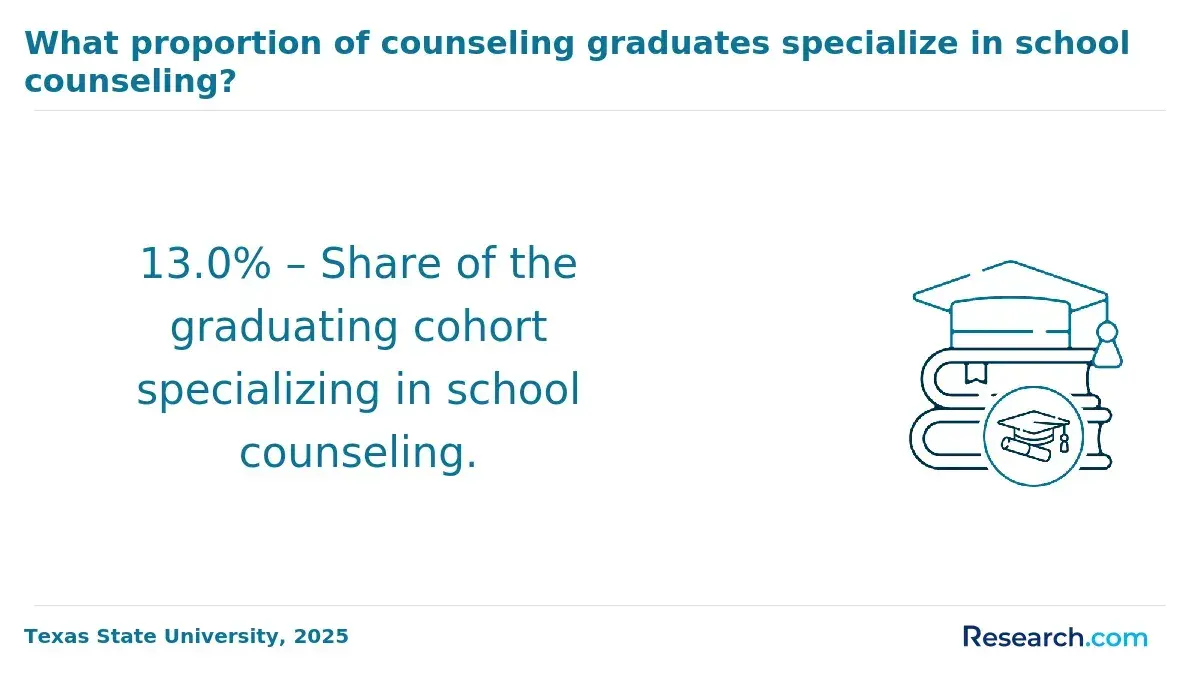
- School counseling: Schools continue to need professionals who can support students’ academic planning, emotional development, social skills, crisis response, and college or career readiness.
- Marriage and family therapy: Relationship strain, parenting stress, divorce, family transitions, and communication problems create steady need for professionals trained in couples and family systems.
- Trauma counseling: Trauma-focused skills are valuable in work with veterans, survivors of violence, children, first responders, and clients with complex stress histories.
- Geriatric counseling: Older adults may need support with grief, isolation, depression, anxiety, caregiving transitions, cognitive changes, and adjustment to aging.
| Specialization | Common Work Settings | Good Fit If You Want To |
| Addiction counseling | Rehabilitation programs, outpatient treatment centers, hospitals, community agencies | Support recovery, relapse prevention, and co-occurring mental health care |
| School counseling | Elementary schools, secondary schools, colleges, student support programs | Work with students, families, teachers, and academic planning systems |
| Marriage and family therapy | Private practice, family service agencies, community clinics | Focus on couples, parenting, communication, and family relationships |
| Trauma counseling | Hospitals, crisis programs, veterans services, private practice, nonprofits | Help clients process traumatic experiences and build coping strategies |
| Geriatric counseling | Aging services, healthcare systems, long-term care settings, community programs | Support older adults and families through aging-related transitions |
What is the job outlook for counselors in PA?
The counselor job outlook in Pennsylvania is favorable, particularly for mental health and substance use roles. As of 2025, job growth for counselors, social workers, and other community service specialists is much higher than the average for all jobs. Projections Central expects substance abuse, behavioral disorder, and mental health counselor jobs in Pennsylvania to grow by 18.8% by 2030.
Educational, guidance, school, and vocational counselor roles are also projected to grow, with an expected 5.0% increase in jobs by 2033. Nationally, this field is expected to generate about 24,700 new jobs each year. These figures point to broad demand, but job availability still depends on your location, specialty, licensure status, clinical experience, and willingness to work in high-need settings.
How much do counselors in PA make?
Counselor earnings in Pennsylvania depend on license level, specialty, city, employer, years of experience, caseload, and whether the counselor works in private practice or an employed role. In 2025, licensed professional counselors (LPCs) in Philadelphia reported an average yearly income of $78,150. The highest-paying city would be Doylestown.
Another salary figure used in this guide is $72,400 per year for counselors in Pennsylvania, which is described as consistent with the national average. Pennsylvania’s cost of living is slightly lower by about 2%, although utilities, food, and transportation are somewhat higher than in some other areas. Salary should be considered alongside loan debt, supervision costs, benefits, commute, clinical workload, and long-term advancement opportunities.
If you want to compare counseling roles, specialties, and work environments, Research.com’s guide to careers in counseling can help you see how different counseling paths fit different goals.
Where can I work as a counselor in PA?
Licensed counselors in Pennsylvania can work in many settings. Your options depend on your license, supervision status, specialty training, and the population you want to serve.
| Counselor Type | Common Pennsylvania Workplaces | Typical Clients or Services |
| Substance abuse, behavioral disorder, and mental health counselors | Outpatient care centers, individual and family services, residential facilities, disability and mental health programs | Clients with addiction, depression, anxiety, co-occurring disorders, stress, and behavioral health needs |
| Educational, guidance, school, and vocational counselors | Elementary schools, middle schools, high schools, colleges, career centers | Students needing academic planning, emotional support, college guidance, and career direction |
| Rehabilitation counselors | Disability service organizations, rehabilitation centers, community programs, public agencies | People with disabilities seeking independence, employment support, adjustment counseling, and advocacy |
| Private practice counselors | Solo or group practices, telehealth platforms, specialty clinics | Clients seeking therapy for mental health, relationships, trauma, grief, stress, or life transitions |
Philadelphia and Pittsburgh may offer a larger number of clinical opportunities because of their healthcare systems and population size, while smaller communities and rural areas may have unmet need for mental health and rehabilitation services.
What do counselors do?
Counselors help clients understand problems, build coping strategies, make decisions, improve relationships, and work toward mental, emotional, educational, or career goals. The exact duties depend on the setting and specialty, but most counseling roles combine assessment, goal setting, intervention, documentation, ethical decision-making, and collaboration with other professionals.
- Mental health counselors: Support clients dealing with anxiety, depression, trauma, stress, grief, adjustment problems, and other behavioral health concerns.
- Substance use counselors: Help clients address drug or alcohol misuse, develop relapse-prevention plans, connect with recovery resources, and manage co-occurring mental health needs.
- Educational and school counselors: Help students build academic, social, and career-readiness skills while supporting a healthier school environment.
- Career counselors and advisors: Help clients identify strengths, interests, values, and practical steps toward employment or career change.
- Rehabilitation counselors: Work with individuals with disabilities to support independence, adjustment, employment, and access to services.
If you are just starting your research on how to become a licensed counselor in PA, focus first on the license type, then choose the degree, exam, and supervised experience route that supports that license.
Top Counselor Programs in PA for 2027
Selecting a counseling graduate program is one of the most important decisions in the LPC process. A program should be affordable enough to complete, academically aligned with Pennsylvania licensure, clinically strong, and realistic for your schedule. Counselors in Pennsylvania make about $72,400 a year, the same as most places in the country, so comparing tuition, credits, accreditation, and location matters for return on investment.
How do we rank schools?
Research.com evaluates schools using multiple data sources and a structured review process. For details, review our methodology section. Data sources include:
- IPEDS database
- Peterson’s database
- Distance Learning Licensed Data Set, College Scorecard database
- National Center for Education Statistics
| School | Program | Length | Credits | Cost | Accreditation |
| Thomas Jefferson University | MS with Trauma, Addictions, and Recovery focus | 2 years | 66 | $1,238 per credit | CACREP |
| University of Scranton | MS in Clinical Rehabilitation Counseling | ~2 years (6 years max) | 60 | $965 per credit | CACREP |
| Duquesne University | MS in Education, Clinical Mental Health Counseling | 2 years | 60 | $1,458 per credit | CACREP |
| Immaculata University | MA in Clinical Mental Health Counseling | 3 years | 60 | $710 per credit | CACREP |
| Pennsylvania State University | MEd in Clinical Mental Health Counseling | 2 years | 60 | $24,956 (in-state); $43,266 (out-of-state) | CACREP |
1. Thomas Jefferson University
Thomas Jefferson University offers an on-campus Master of Science with a Trauma, Addictions, and Recovery concentration. The program is designed for students who want focused preparation in trauma-informed and addiction-related counseling. Its CACREP accreditation, clinical emphasis, and 66-credit structure can support students preparing for Pennsylvania LPC requirements.
- Program Length: 2 years
- Required Credits to Graduate: 66
- Cost per Credit: $1,238
- Accreditation: CACREP
2. University of Scranton
The University of Scranton provides an MS in Clinical Rehabilitation Counseling. This option is a strong fit for students interested in disability services, rehabilitation systems, inclusion, and evidence-based support for clients seeking greater independence and quality of life.
- Program Length: ~2 years (6 years max)
- Required Credits to Graduate: 60
- Cost per Credit: $965
- Accreditation: CACREP
3. Duquesne University
Duquesne University offers an MS in Education with a Clinical Mental Health Counseling specialization. The curriculum emphasizes ethical practice, experiential learning, and preparation for counseling diverse communities, making it a relevant choice for students pursuing Pennsylvania LPC eligibility.
- Program Length: 2 years
- Required Credits to Graduate: 60
- Cost per Credit: $1,458
- Accreditation: CACREP
4. Immaculata University
Immaculata University offers a Master of Arts in Clinical Mental Health Counseling. The program combines counseling theory, evidence-based practice, and applied clinical learning for students preparing to serve clients with mental health needs in Pennsylvania.
- Program Length: 3 years
- Required Credits to Graduate: 60
- Cost per Credit: $710
- Accreditation: CACREP
5. Pennsylvania State University
Pennsylvania State University offers a Master of Education in Clinical Mental Health Counseling with a schools and communities emphasis. The program is built around rigorous academic preparation, practical training, ethical practice, and service to diverse populations. The university is also recognized for its effective school counselor certification program in Pennsylvania.
- Program Length: 2 years
- Required Credits to Graduate: 60
- Tuition Cost: $24,956 (in-state); $43,266 (out-of-state)
- Accreditation: CACREP
What are the career opportunities in substance abuse counseling in Pennsylvania?
Substance abuse counseling is one of the most practical counseling specialties to consider in Pennsylvania because treatment programs, hospitals, community agencies, and rehabilitation facilities need professionals who can support clients through addiction recovery and co-occurring mental health concerns. The work may include assessment, individual counseling, group counseling, relapse-prevention planning, family education, crisis support, and referrals to community resources.
This path can be a strong fit if you want direct client contact, structured treatment environments, and work connected to public health. It can also be emotionally demanding because clients may experience relapse, legal problems, housing instability, trauma, and medical complications. Specialized addiction training and supervised clinical experience are important for advancement. For a role-specific guide, read how to become a substance abuse counselor in Pennsylvania.
How do LPC salaries compare to those of other mental health professionals in Pennsylvania?
LPC salaries can be competitive, but compensation differs across mental health professions because each credential has its own education model, scope of practice, employer base, and reimbursement environment. Social workers, psychologists, marriage and family therapists, addiction counselors, and school counselors may work with similar clients but follow different licensure rules and career ladders.
When comparing pay, look beyond the annual salary number. Consider the cost and length of training, whether paid supervision is available, whether the role offers benefits, whether private practice is realistic, and whether the license is portable to the type of setting you want. To compare counseling with an adjacent mental health field, review How much do social workers make?.
Can I pursue dual licensure as both a counselor and a psychologist in Pennsylvania?
Dual licensure may be possible, but it is not simply an add-on to an LPC credential. Psychology licensure has separate academic, supervised experience, examination, and board requirements. A counselor who wants to become a psychologist should expect additional graduate-level preparation and a separate application process.
This route may make sense for professionals who want expanded assessment responsibilities, psychology-specific practice authority, research or teaching opportunities, or a different clinical scope. It may not be efficient if your primary goal is counseling practice and you already have a viable LPC career plan. Before committing, compare both pathways carefully through how to become a psychologist in Pennsylvania.
How can I finance your counseling education in Pennsylvania?
Graduate counseling education can be expensive, so financing should be part of your school selection process from the beginning. Do not compare programs only by advertised tuition. Look at total credits, fees, practicum costs, commuting, technology requirements, unpaid internship expectations, and whether the program format allows you to keep working.
- Complete financial aid forms early. Federal and state aid options often depend on deadlines and enrollment status.
- Ask each school about counseling-specific scholarships. Some departments have awards for mental health, rehabilitation, school counseling, or addiction-related study.
- Compare online and campus costs carefully. A flexible counseling degree online may reduce travel or relocation costs, but you still need approved clinical placements.
- Check employer support. Some behavioral health agencies, schools, hospitals, and public service employers may offer tuition assistance or professional development funds.
- Plan for post-graduation supervision. Supervision may affect income and scheduling before independent licensure.
How do accredited counseling programs influence career outcomes in PA?
Accredited counseling programs can improve licensure readiness by offering structured coursework, supervised clinical experiences, faculty oversight, and curricula aligned with professional expectations. CACREP accreditation is especially relevant in counseling because it signals that a program has been reviewed against counseling-specific educational standards.
Accreditation does not guarantee a job, a license, or a salary. It does, however, reduce avoidable risk when you are investing in a graduate degree. Before enrolling, verify that the program’s credits, clinical hours, course titles, and practicum or internship structure fit Pennsylvania LPC requirements. If you are still comparing psychology and counseling pathways, Research.com’s overview of good colleges for psychology in Pennsylvania may help you evaluate academic options in the state.
Is a career in counseling in PA worth it?
A counseling career in Pennsylvania can be worth it if you want a profession centered on mental health, client support, and long-term relationship-based work. The field offers meaningful service opportunities and projected demand in several specialties. Counselors in PA earn a competitive average salary of $72,400 per year, consistent with the national average, and substance abuse, behavioral disorder, and mental health counseling roles are projected to grow by 18.8% by 2030.
That said, the path is not ideal for everyone. Graduate school, unpaid or lower-paid clinical training, licensing documentation, emotional labor, and continuing education can be demanding. The career tends to be most worthwhile for people who are comfortable with structured ethical obligations, client documentation, supervision, and continuous skill development. If you are comparing this path with broader therapy routes, review how to become a licensed therapist.
| Choose Counseling in Pennsylvania If | Consider Another Path If |
| You want direct clinical work with individuals, groups, families, or students | You primarily want research, testing, or academic psychology roles |
| You are prepared for graduate study and supervised clinical hours | You need a faster path that does not require a master’s degree |
| You value long-term professional development and continuing education | You do not want ongoing licensure or renewal obligations |
| You can manage emotionally complex work with appropriate boundaries | You prefer a role with less exposure to trauma, crisis, or distress |
How can behavior analysis complement my counseling practice in PA?
Behavior analysis can strengthen counseling practice by adding structured observation, measurable goals, and behavior-change strategies. This can be useful in schools, disability services, addiction treatment, community programs, and private practice, especially when clients need help identifying patterns and practicing new behaviors.
Behavior analysis does not replace counseling licensure, but it can complement treatment planning when used within your scope of practice and training. Counselors interested in this specialty can review how to become a behavior analyst in Pennsylvania.
What challenges do LPCs face in Pennsylvania and how can they overcome them?
Pennsylvania LPCs may face high caseloads, documentation demands, insurance or reimbursement complexity, regulatory changes, burnout risk, difficult clinical presentations, and shortages of supervisors in some areas. New counselors may also struggle to balance exam preparation, supervised hours, employment, and personal finances.
| Common Challenge | Better Strategy |
| Starting a program without checking licensure fit | Ask the school to map its curriculum to Pennsylvania LPC requirements before you enroll |
| Waiting too long to find supervision | Identify approved supervisors and documentation expectations before graduation |
| Taking the lowest-tuition option without reviewing total cost | Compare tuition, fees, credits, travel, internship requirements, and supervision costs |
| Ignoring burnout signs | Use supervision, peer consultation, manageable caseload planning, and firm boundaries |
| Assuming online programs automatically satisfy Pennsylvania rules | Confirm accreditation, coursework, clinical placement support, and state approval directly |
If your goal is to move through the process efficiently, Research.com’s guide to the fastest way to become a counselor in Pennsylvania can help you avoid unnecessary delays.
How can school counseling complement my LPC expertise in Pennsylvania?
School counseling experience can broaden an LPC’s understanding of child and adolescent development, family systems, academic pressure, crisis response, and collaboration with teachers and administrators. It can also open additional referral relationships and deepen your ability to serve young clients and families.
This combination is especially useful for counselors interested in youth mental health, college readiness, bullying prevention, behavioral intervention, grief support, and school-based crisis care. If this setting matches your goals, explore the process for becoming a school counselor in Pennsylvania.
How can technology and telehealth enhance my counseling practice in Pennsylvania?
Telehealth can help Pennsylvania counselors reach clients who face transportation barriers, rural access issues, schedule constraints, or mobility limitations. Digital scheduling, secure video platforms, electronic records, and online screening tools can also make practice management more efficient.
Technology adds responsibilities, too. Counselors must protect confidentiality, use appropriate platforms, obtain informed consent, maintain records, understand emergency protocols, and comply with applicable state rules. For licensure-specific guidance, review Pennsylvania LPC license requirements.
What are the benefits of specializing as an LPC in Pennsylvania?
Specialization can help Pennsylvania LPCs serve clearly defined client needs and stand out in a competitive job market. It can also guide your continuing education, supervision choices, referrals, and private practice focus.
- More focused job opportunities: Employers may value counselors with deeper preparation in trauma, addiction, family counseling, school-based services, or rehabilitation.
- Stronger clinical identity: A specialty helps you communicate what clients you serve and what problems you are trained to address.
- Better continuing education choices: Instead of taking random CE courses, you can build expertise around a coherent practice area.
- Potential for niche practice development: Some counselors build specialized services in areas such as trauma recovery, addiction support, family counseling, or faith-integrated counseling. Students interested in faith-based preparation may compare masters in Christian counseling.
How can I transition into specialized counseling fields in Pennsylvania?
Moving from general counseling into a specialty requires more than choosing a new label. You need targeted coursework, supervised experience, continuing education, consultation, and a clear understanding of whether the specialty has a separate license or certification pathway.
- Define the client population. Decide whether you want to work with couples, children, veterans, older adults, people with substance use disorders, clients with trauma histories, or another group.
- Review Pennsylvania credential rules. Some specialties fit within LPC practice, while others may require a separate credential, such as marriage and family therapy.
- Choose focused training. Look for graduate electives, certificates, workshops, or supervised placements that match the specialty.
- Build supervised experience. Seek agencies, clinics, schools, hospitals, or private practices where you can work with the population you hope to serve.
- Develop referral relationships. Connect with professionals who already serve your target clients, including physicians, schools, social workers, psychologists, addiction programs, and community organizations.
If marriage and family therapy is your target specialty, read how to become a marriage and family therapist in Pennsylvania to understand the education, supervised experience, and licensure requirements for that separate path.
What are the initial steps to become a counselor in Pennsylvania?
The first step is to decide which counseling role you want. “Counselor” can refer to mental health counseling, school counseling, addiction counseling, rehabilitation counseling, career counseling, or family-focused practice. Your target role determines the degree, license, supervision, and exam you should pursue.
If your goal is clinical mental health counseling, begin by comparing graduate programs, checking accreditation, confirming Pennsylvania LPC alignment, and understanding supervised hour requirements. Students focused specifically on mental health practice can use this guide to how to become a licensed mental health counselor in Pennsylvania as a starting point.
What are the legal and ethical considerations for counseling practice in Pennsylvania?
Counselors in Pennsylvania must practice within legal, ethical, and professional standards. Core responsibilities include confidentiality, informed consent, accurate documentation, mandated reporting, appropriate boundaries, supervision when required, competence within the counselor’s training, and compliance with applicable privacy rules.
Mandatory reporting is especially important. Pennsylvania requires training in recognizing and reporting child abuse, and counselors must understand when confidentiality gives way to legal reporting obligations. Counselors who work in interdisciplinary settings may also benefit from understanding how related professions approach regulation, such as the requirements explained in how to become a social worker in Pennsylvania.
How to network and build professional relationships as an LPC in PA?
Networking matters in counseling because many opportunities come through supervision, referrals, agency relationships, conferences, consultation groups, and professional associations. For new Pennsylvania counselors, a strong network can help with clinical supervision, first jobs, continuing education, ethical consultation, and eventual private practice referrals.
1. Join Professional Organizations and Associations
Professional associations help counselors stay connected to policy updates, continuing education, conferences, and peers. Pennsylvania counselors may consider organizations such as:
- The Pennsylvania Counseling Association (PCA): A state-level organization that offers professional development, events, and opportunities to connect with other counselors.
- The American Counseling Association (ACA): A national counseling organization with professional resources, communities, and continuing education opportunities.
- The National Board for Certified Counselors (NBCC): A credentialing organization that can support professional development and national certification pathways.
2. Attend Conferences, Workshops, and Seminars
Conferences and workshops allow counselors to earn continuing education while meeting supervisors, employers, referral partners, and clinicians with similar interests. Events focused on mental health and addictions can be especially useful for counselors serving high-need Pennsylvania communities.
3. Seek Out Mentorship Opportunities
Mentorship can help new counselors navigate ethical dilemmas, documentation habits, career choices, specialty training, and burnout prevention. A good mentor does not replace formal supervision when supervision is required, but the right relationship can help you grow faster and make better professional decisions.
4. Use Online Communities Carefully
LinkedIn groups, professional forums, and therapist directories can help counselors learn about jobs, supervision, referral patterns, and practice trends. Use these spaces professionally. Avoid sharing identifiable client information, and treat online conversations as extensions of your ethical responsibilities.
5. Build Relationships with Other Healthcare Providers
LPCs often collaborate with psychologists, psychiatrists, physicians, social workers, school personnel, case managers, and addiction specialists. These relationships improve client care and may lead to referrals. Collaboration is especially important when clients need medication evaluation, crisis support, disability services, family intervention, or school-based accommodations.
Networking for Career Growth
Networking is not just about finding a job. It helps counselors stay clinically sharp, reduce isolation, find consultation, and identify advanced training opportunities. If you want to expand into educational settings, comparing online school counseling programs may be a logical next step.
Common Mistakes to Avoid When Becoming a Counselor in Pennsylvania
| Mistake | Why It Matters | What to Do Instead |
| Choosing a program without verifying accreditation and licensure alignment | A degree that does not meet Pennsylvania requirements can delay or block licensure | Ask the program and board-related resources to confirm coursework and clinical fit |
| Focusing only on tuition per credit | Total cost also depends on credits, fees, commuting, textbooks, internship demands, and time away from work | Calculate total program cost and compare it with expected career outcomes |
| Assuming all online programs work for Pennsylvania LPC licensure | Online delivery does not automatically mean the program satisfies state requirements | Confirm state eligibility, practicum support, and supervision expectations before enrolling |
| Waiting until graduation to understand supervised hours | Poor planning can slow the transition from degree completion to independent practice | Identify supervision rules, documentation procedures, and qualified supervisors early |
| Relying only on rankings | A highly ranked program may still be the wrong fit for your budget, schedule, specialty, or licensure plan | Use rankings as one factor alongside accreditation, cost, clinical placement quality, and outcomes |
| Assuming salary outcomes are guaranteed | Pay varies by city, employer, license level, specialty, experience, and work setting | Compare salary data with local job postings, cost of living, and debt obligations |
Questions to Ask Before Choosing a Pennsylvania Counseling Program
- Does this program meet Pennsylvania LPC education requirements?
- Is the program CACREP-accredited or otherwise clearly aligned with board expectations?
- How many credits are required, and what is the full cost to graduate?
- Does the school help students secure practicum and internship placements in Pennsylvania?
- What exam preparation support is available for the NCE, CRC examination, or other approved exams?
- Can working students complete the program part-time or online without delaying clinical placement?
- What are the program’s outcomes for graduation, licensure preparation, and employment?
- How does the program support students interested in addiction, trauma, school counseling, rehabilitation, family counseling, or private practice?
- What supervision documentation will I need after graduation?
- How much debt will I take on, and how does that compare with realistic entry-level earnings?
Key Insights
- Becoming an LPC in Pennsylvania requires graduate education, an approved exam, supervised clinical experience, child abuse reporting training, and ongoing continuing education.
- Master’s-level applicants need 3,000 supervised hours, while doctoral-level applicants need 2,400 supervised hours, including at least 1,200 hours after the degree.
- Program choice is one of the biggest risk points. Confirm accreditation, 60 semester hours, required coursework, clinical placement support, and Pennsylvania licensure alignment before enrolling.
- Substance abuse, behavioral disorder, and mental health counseling roles are projected to grow by 18.8% by 2030, making addiction and mental health training especially relevant in Pennsylvania.
- Salary can be attractive, with figures such as $72,400 per year for counselors in Pennsylvania and $78,150 for LPCs in Philadelphia in 2025, but actual earnings depend on specialty, location, employer, experience, and practice model.
- Specialization can strengthen your career, but it should be chosen strategically based on client demand, supervision opportunities, training quality, and whether a separate license is required.
- The best next step is to choose your target license, compare eligible graduate programs, calculate total cost, and plan your supervised experience before you graduate.
Related Articles for Nearby States
- 2027 How to Become a Licensed Counselor (LPC) in New Jersey
- 2027 How to Become a Licensed Counselor (LPC) in Delaware
- 2027 How to Become a Licensed Counselor (LPC) in Maryland
- 2027 How to Become a Licensed Counselor (LPC) in New York
- 2027 How to Become a Licensed Counselor (LPC) in West Virginia
- 2027 How to Become a Licensed Counselor (LPC) in Ohio
- 2027 How to Become a Licensed Counselor (LPC) in Virginia
- 2027 How to Become a Licensed Counselor (LPC) in Connecticut
- 2027 How to Become a Licensed Counselor (LPC) in Rhode Island
- 2027 How to Become a Licensed Counselor (LPC) in Massachusetts
References:
- Commonwealth of Pennsylvania, Department of State. (2026). Social Workers, Marriage & Family Therapists, and Professional Counselors Board overview. https://www.pa.gov/agencies/dos/department-and-offices/bpoa/boards-commissions/social-workers-marriage-family-therapists-professional-counselors/
- Commonwealth of Pennsylvania, Department of State. (2026). Renewal information for professional counselor licenses. https://www.pa.gov/agencies/dos/department-and-offices/bpoa/boards-commissions/social-workers-marriage-family-therapists-professional-counselors/renewal-information/
- Council for Accreditation of Counseling and Related Educational Programs. (2025). Find a Program. https://www.cacrep.org/directory/
- Economic Research Institute (2025). Licensed professional counselor salary in Philadelphia, Pennsylvania. https://www.erieri.com/salary/job/licensed-professional-counselor/united-states/pennsylvania/philadelphia
- Health Resources and Services Administration. (2026). Behavioral health workforce projections. https://bhw.hrsa.gov
- Indeed. (2026). Licensed Professional Counselor salary data in Pennsylvania. https://www.indeed.com/career/licensed-professional-counselor/salaries/PA
- Pennsylvania Department of State, Bureau of Professional and Occupational Affairs. (2026). Professional counselor licensure guide. https://www.pa.gov/agencies/dos/department-and-offices/bpoa/boards-commissions/social-workers-marriage-family-therapists-professional-counselors/
- Pennsylvania Department of State, Bureau of Professional and Occupational Affairs. (2026). Professional counselor licensure guide. https://www.pa.gov/agencies/dos/department-and-offices/bpoa/boards-commissions/social-workers-marriage-family-therapists-professional-counselors/
- Psychology.org. (2025). Counseling license requirements in Pennsylvania. https://www.psychology.org/counseling/licensure/pennsylvania/
- Salary.com. (2026). Licensed Professional Counselor salary in Pennsylvania. https://www.salary.com/research/salary/benchmark/licensed-professional-counselor-lcpc-salary/pa
- U.S. Bureau of Labor Statistics. (2025). Occupational Employment and Wage Statistics: Pennsylvania. https://www.bls.gov/oes/current/oes_pa.htm
Other Things You Should Know About How to Become a Licensed Counselor in PA
Pennsylvania LPC candidates must pass the National Counselor Examination (NCE) for licensure. The exam is administered through the Pennsylvania State Board of Social Workers, Marriage and Family Therapists and Professional Counselors, and applicants usually sit for it after meeting graduate education and supervised experience requirements.
LPCs in Pennsylvania in 2027 must complete 30 hours of continuing education every two years to maintain their license. These hours must include at least three hours related to ethical issues, approved by the State Board of Social Workers, Marriage and Family Therapists, and Professional Counselors.
The Pennsylvania State Board of Social Workers, Marriage and Family Therapists, and Professional Counselors oversees the LPC licensure process. They establish requirements and evaluate applications to ensure compliance with Pennsylvania's standards for licensed professional counselors.
In 2027, candidates must complete 3,000 hours of supervised clinical experience. This must be completed under the supervision of a qualified professional and spread over at least two years. Hours must be documented and meet the state's specific criteria for acceptance.


