
2027 How to Become a Mental Health Counselor in Detroit, MI: Education Requirements & Certification

Co-Founder and Chief Data Scientist
If you want to become a mental health counselor in Detroit, your main decision is not whether the work matters—it does—but whether you understand the education, supervised experience, exam, licensing, cost, and career trade-offs before you commit. Detroit’s need for behavioral health professionals is shaped by trauma exposure, school-based mental health concerns, substance use, access gaps, and the city’s diverse communities. That creates meaningful opportunities, but it also requires strong clinical preparation and realistic expectations.
This guide explains how to become a licensed mental health counselor in Detroit, MI, from degree planning to Michigan licensure. It also covers financial aid options, common specializations, salary expectations, workplace settings, reciprocity, and practical questions to ask before choosing a counseling program.
Quick Answer: Becoming a Mental Health Counselor in Detroit, MI
To become a mental health counselor in Detroit, you generally need a bachelor’s degree, a qualifying master’s degree in counseling or a closely related field, supervised clinical training, a Limited License Professional Counselor credential, post-degree supervised hours, the National Clinical Mental Health Counseling Examination, and final approval for Licensed Professional Counselor status in Michigan.
- Education requirement: A master’s degree with at least 48 semester hours in counseling or a related area is typically required.
- Clinical training: Counseling programs must include at least 600 hours of supervised practicum and internship experience.
- Licensure path: Graduates first practice under the Limited License Professional Counselor credential before qualifying for full Licensed Professional Counselor status.
- Supervised experience: Master’s graduates need 3,000 supervised hours over at least two years; doctoral graduates need 1,500 hours over one year.
- Salary context: Reported salary figures vary by source and role, with Detroit mental health counselor pay cited at $68,977 annually and Michigan mental health counselor pay cited at $61,960.
- Best-fit candidates: This path is strongest for people prepared for graduate school, supervised clinical work, documentation, ethics, cultural humility, and emotionally demanding client care.
- Academic requirements for mental health counselors in Detroit
- Financial aid options for counseling students in Detroit
- Michigan licensure process for Detroit counselors
- License endorsement and reciprocity rules
- Counseling licenses and credentials available in Detroit
- In-demand counseling specializations in Detroit
- Mental health counselor salary in Detroit
- Demand for mental health counselors in Detroit
- Local policies and community mental health initiatives
- Substance abuse counseling as an added practice area
- Marriage and family therapy compared with mental health counseling
- Common workplaces for Detroit mental health counselors
- How difficult the path is and how to prepare
What are the academic requirements to become a mental health counselor in Detroit, MI?
The academic route to counseling licensure in Detroit starts with undergraduate preparation and continues through a graduate counseling program that meets Michigan’s requirements. The most important decision is choosing a program that fits the state’s coursework, clinical hour, and accreditation expectations before you enroll.
- Bachelor’s degree: Most future counselors major in psychology, social work, human services, sociology, or a related behavioral science field. The undergraduate degree does not usually qualify you for independent counseling practice, but it prepares you for graduate admissions.
- Master’s degree: Michigan’s professional counseling path generally requires a graduate degree in counseling or a closely related field with at least 48 semester hours. Coursework commonly covers counseling theories, assessment, ethics, research, group counseling, career counseling, and human development.
- Practicum and internship: A qualifying graduate program must include at least 600 hours of supervised clinical experience. These hours are where students begin applying counseling skills with clients under faculty and site supervision.
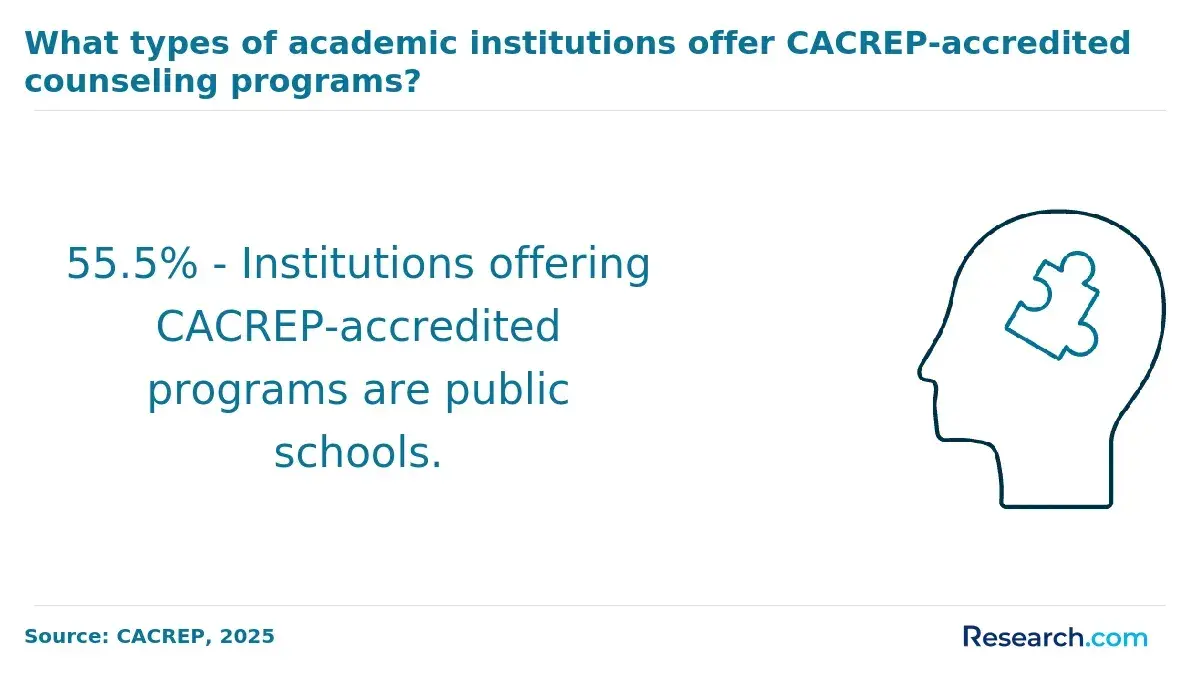
- Accreditation: CACREP accreditation is often preferred because it signals that the counseling curriculum follows recognized professional standards. Students in non-CACREP programs should confirm that the program still satisfies Michigan’s required coursework and clinical experience rules.
- Optional doctoral degree: A doctorate is not required for most counseling roles, but it can support advanced clinical leadership, teaching, research, or supervision goals. If used for licensing advantages, the doctoral program must also meet CACREP-related expectations.
- First license after graduation: After completing the degree, graduates apply for the Limited License Professional Counselor credential, which allows supervised counseling practice in Michigan.
- Typical timeline: The full path from undergraduate study through full licensure often takes six to eight years, depending on enrollment pace, internship timing, and supervised-hour completion.
- Salary context: As of 2025, mental health counselors in Michigan are reported to earn an average of $61,960, but actual pay depends on licensure level, employer, specialty, setting, and experience.
| Stage | What You Complete | Why It Matters |
| Bachelor’s degree | General education plus psychology, social work, or behavioral science preparation | Builds the academic foundation for graduate counseling admission |
| Master’s degree | At least 48 semester hours in counseling or a closely related field | Meets the core education requirement for Michigan counseling licensure |
| Practicum and internship | At least 600 hours of supervised clinical experience | Develops direct client-care skills before post-degree supervised practice |
| LLPC | Limited License Professional Counselor credential | Allows supervised practice after graduation |
| LPC | Full Licensed Professional Counselor credential after supervised experience and exam requirements | Permits independent professional counseling practice in Michigan |
Before choosing a program, ask whether graduates are eligible for Michigan LLPC licensure, whether clinical placements are available in or near Detroit, and whether online students receive the same field-placement support as campus students.
Are there financial aid programs for mental health counselors in Detroit, MI?
Yes. Students preparing for counseling careers in Detroit can look for scholarships, fellowships, graduate awards, work-study roles, assistantships, employer tuition support, and federal aid. The key is to search beyond general scholarships and focus on awards connected to behavioral health, child and adolescent mental health, underserved communities, and Michigan-based service commitments.
Examples of funding options mentioned for counseling and behavioral health students in Michigan and Detroit include:
- Behavioral Health Scholarship from The Children’s Foundation: This one-time $5,000 award supports Michigan public university students pursuing doctoral study related to child and adolescent mental health and includes a local service commitment after graduation.
- CUSP-CAY Fellowship at the University of Detroit Mercy: This initiative includes forty two-year fellowships with specialized training and stipends for counseling students preparing to serve underserved communities in southeastern Michigan.
- Wayne State University graduate scholarships: Awards such as the Gerald Rosenbaum Endowed Graduate Training Scholarship and the Norine G. Johnson Clinical Psychology Scholarship provide partial support for advanced students with strong academic and service records.
- Michigan Education Association Scholarship: This scholarship is designed for undergraduate students who are dependents of MEA members, with award amounts varying based on academic performance and community involvement.
| Cost Strategy | How It Helps | Question to Ask |
| Apply for multiple scholarships | Reduces reliance on loans and spreads funding across several sources | Does the award require Michigan service after graduation? |
| Compare online, hybrid, and campus formats | May affect tuition, commuting, fees, and work flexibility | Are clinical placements available in Detroit or nearby communities? |
| Ask about paid internships or assistantships | Can offset expenses while building relevant experience | Are paid clinical placements allowed or common in the program? |
| Use employer tuition support | Helpful for students already working in human services or healthcare | Does the employer require continued employment after funding? |
| Check transfer and prerequisite policies | Prevents paying for repeated coursework | Which credits will count before I enroll? |
Students should contact each university’s financial aid office, counseling department, and graduate admissions team before enrolling. Ask for a written estimate that includes tuition, fees, clinical-placement costs, books, exam fees, background checks, and licensing costs. If you are still mapping the overall path, this guide on how to become a licensed mental health counselor can help you understand the broader steps before you commit to a program.
What is the licensure process for mental health counselors in Detroit, MI?
Detroit counselors follow Michigan’s professional counselor licensing process. The sequence matters: you complete the required graduate education, apply for limited licensure, earn supervised post-degree hours, pass the required examination, complete background requirements, and then apply for full LPC status.
- Complete a qualifying graduate degree. Earn a master’s or doctoral degree from an accredited counseling program or a program that satisfies Michigan’s required coursework and clinical training standards.
- Apply for LLPC status. The Limited License Professional Counselor credential allows you to practice only under supervision while you work toward full licensure.
- Accumulate supervised experience. Master’s graduates must complete 3,000 supervised counseling hours over at least two years, including at least 100 hours of direct supervision. Doctoral graduates must complete 1,500 hours over one year, including 50 supervised hours.
- Pass the required exam. Michigan requires candidates to pass the National Clinical Mental Health Counseling Examination.
- Submit the full LPC application. After supervised hours and exam requirements are complete, candidates apply for Licensed Professional Counselor status.
- Complete the background check. A state-required criminal background check is part of the licensing process.
- Renew the credential on schedule. LLPCs renew annually, while LPCs renew every three years. The cited fees include an $86.45 application fee and a $198.45 renewal fee every three years.
Only supervised hours completed after receiving the LLPC credential count toward the full LPC requirement. That is one of the most common planning mistakes. Graduates who begin working in counseling-related roles before the limited license is issued should verify whether those hours are eligible before assuming they will count.
If you need a flexible route into the required graduate education, compare online counseling degree programs carefully, especially for Michigan licensure alignment, field-placement support, and CACREP status.
Is there license reciprocity for mental health counselors in Detroit, MI?
Michigan does not treat out-of-state counseling licensure as an automatic transfer. Counselors moving to Detroit generally pursue licensure by endorsement, which means the Michigan Board of Counseling reviews the applicant’s license history, education, supervised experience, exam record, and background check materials.
Applicants are expected to show at least five years of licensed counseling experience in another jurisdiction. The prior licensing board must verify the license and disclose any disciplinary history. Michigan also requires fingerprinting and a criminal background check.
Education and training still matter for endorsement. Applicants need documented practicum and clinical internship experience totaling no less than 600 hours from accredited institutions. Michigan also requires specialized training in implicit bias and human trafficking victim identification, reflecting state expectations for ethical and culturally responsive care.
Out-of-state counselors should not resign from a current role or open a Detroit practice until Michigan confirms eligibility. A safer approach is to request written guidance, gather syllabi and supervision documentation early, and verify whether the National Clinical Mental Health Counseling Examination requirement has already been met.
What counseling certifications can you get in Detroit, MI?
Counseling credentials in Detroit are tied to the setting, client population, and scope of practice you want. Some credentials allow independent clinical practice, while others prepare you for schools or demonstrate that your graduate education meets recognized counseling standards.
| Credential or Path | Best For | Core Requirements Mentioned |
| Licensed Professional Counselor | Independent counseling practice in clinics, hospitals, private practices, schools, and community agencies | Master’s degree in counseling, 3,000 supervised hours over at least two years, and passing the National Clinical Mental Health Counseling Examination |
| Limited License Professional Counselor | Recent graduates gaining supervised post-degree experience | Qualifying graduate degree and approved supervised practice arrangement |
| School Counselor License | K-12 academic, career, social, and emotional student support | Master’s degree in school counseling or a comparable pathway; current teachers may add an NT endorsement |
| CACREP-accredited program completion | Students who want a curriculum aligned with recognized counseling education standards | Completion of a CACREP-accredited counseling program with at least 600 supervised clinical hours |
- LPC: The Licensed Professional Counselor credential is the central license for independent counseling practice in Michigan. Candidates usually move from LLPC to LPC after completing supervised experience and exam requirements.
- School Counselor License: This route is designed for professionals who want to work with K-12 students on academic planning, career development, emotional health, and family-school support. The license lasts five years and requires ongoing professional development for renewal.
- CACREP-aligned education: Completing a CACREP-accredited program, such as Davenport University’s Master of Arts in Mental Health Counseling, can simplify the process of showing that your coursework and clinical training meet professional standards. Demand for counselors in Michigan is expected to rise over 10% in the next decade.
What types of counseling specializations are in demand in Detroit, MI?
Detroit employers often need counselors who can work with co-occurring concerns, community stressors, trauma histories, youth mental health needs, and substance use. Specialization can help you stand out, but it should match both your clinical interests and the populations you are prepared to serve.
- Addiction counseling: Substance use and opioid-related concerns create a need for counselors trained in assessment, relapse prevention, motivational interviewing, recovery planning, and coordination with medical and community supports.
- Trauma-informed counseling: Many clients need care that recognizes the effects of violence, housing instability, poverty, grief, discrimination, and chronic stress. Trauma-informed practice emphasizes safety, trust, choice, collaboration, and empowerment.
- Clinical mental health counseling: Counselors in this area assess and treat conditions such as anxiety, depression, stress-related disorders, and adjustment concerns. Detroit’s access gaps and socioeconomic pressures make culturally responsive clinical care especially important.
- School counseling: School counselors support students’ academic progress, emotional regulation, career planning, crisis response, and family referrals. Detroit schools may also need counselors who can connect students with outside mental health and social service resources.
| Specialization | When It Makes Sense | Skills to Build |
| Addiction counseling | You want to work in recovery programs, community agencies, integrated care, or dual-diagnosis settings | Substance use assessment, relapse prevention, treatment planning, referral coordination |
| Trauma-informed counseling | You want to serve clients affected by violence, grief, instability, or chronic adversity | Stabilization, grounding techniques, crisis response, culturally responsive care |
| Clinical mental health counseling | You want broad practice options with individuals, groups, and families | Diagnosis, psychotherapy, ethics, documentation, evidence-based interventions |
| School counseling | You want to work in K-12 education and student support systems | Academic advising, family engagement, crisis intervention, referral navigation |
Advanced credentials are not necessary for every counseling job, but they can support supervisory, academic, or specialized clinical goals. If doctoral study is part of your long-term plan, compare the most affordable online PhD in counseling programs with attention to accreditation, research fit, residency requirements, and whether the degree supports your intended role.
How much do mental health counselors typically earn in Detroit, MI?
Mental health counselor salary in Detroit depends on licensure level, employer type, caseload, specialization, experience, and whether the counselor works in community care, hospitals, schools, private practice, or integrated behavioral health. Reported figures also vary depending on which job title is used.
The cited average annual salary for a mental health counselor in Detroit is $68,977, or about $33.16 per hour. Entry-level counselors are reported to start near $53,500, while experienced professionals may earn above the average.
Related titles show different pay levels. Mental health therapists in Detroit are reported to earn an average of $64,983 per year. General therapists, whose roles may not require the same specialized licensure, are reported at about $20 per hour, or approximately $41,600 annually.
| Role or Pay Level | Reported Pay | What to Consider |
| Mental health counselor in Detroit | $68,977 annually, about $33.16 per hour | May reflect licensed or specialized counseling roles depending on source definitions |
| Entry-level mental health counselor | Near $53,500 annually | Often tied to early-career roles, limited licensure, or supervised practice |
| Mental health therapist in Detroit | $64,983 annually | Job duties and licensing expectations may differ by employer |
| General therapist | About $20 per hour, approximately $41,600 annually | May include roles with different credentials or less specialized licensing requirements |
| Mental health counselors in Michigan | $61,960 annually | Statewide figure may not match Detroit-specific employer demand or cost conditions |
Salary should not be evaluated in isolation. Compare debt, time to licensure, supervision costs, benefits, caseload expectations, documentation workload, and opportunities for advancement. If you want a program that may align well with licensure expectations, review affordable CACREP-accredited online counseling programs and confirm Michigan eligibility before enrolling.
Are mental health counselors in demand in Detroit, MI?
Yes, Detroit shows meaningful demand for mental health counselors, especially in community agencies, schools, hospitals, substance use treatment, crisis services, youth programs, and private or group practice settings. The demand is driven by broader awareness of mental health needs, access gaps, and the need for culturally responsive care.
Across Michigan, employment for mental health and substance abuse counselors is projected to grow strongly over the next decade, and Detroit job listings have been cited at more than a thousand. The field is also connected to several high-need specialties, including trauma-informed care, addiction counseling, and school counseling.
Still, demand does not mean every job is equally strong. New counselors should compare supervision quality, client volume, pay, benefits, safety protocols, documentation expectations, and advancement opportunities. Some jobs provide excellent clinical learning but heavy caseloads; others offer better pay but require more independent experience.
-
: "
“Finding a position wasn’t just about having credentials. It required persistence, networking, and adapting to different environments.”
"
That perspective reflects a practical reality for Detroit counselors: credentials open the door, but cultural competence, professional relationships, flexibility, and the ability to work with complex cases often determine long-term success.
How do local policies and community initiatives impact mental health counseling in Detroit, MI?
Local policy decisions, public funding, school mental health initiatives, nonprofit partnerships, and community-based programs influence where Detroit counselors work and how services are delivered. These factors can affect referral pathways, reimbursement practices, crisis response models, school-based services, and the types of populations receiving priority support.
For counselors, this means clinical skills are only part of the job. You may also need to understand community resources, Medicaid-related systems, school district partnerships, public health programs, and nonprofit service networks. Counselors who know how to coordinate care across agencies are often better prepared for Detroit’s complex behavioral health landscape.
If your goal is to practice locally, it can help to review the broader pathway for becoming a therapist in Detroit and compare how different therapy and counseling credentials fit local employer expectations.
Can integrating substance abuse counseling enhance my mental health practice in Detroit, MI?
Yes. Adding substance abuse counseling knowledge can make a mental health practice more useful in Detroit because many clients experience overlapping concerns such as depression, trauma, anxiety, housing instability, family stress, and substance use. A counselor who understands co-occurring disorders can provide better screening, referrals, treatment planning, and collaboration with recovery programs.
This does not mean every mental health counselor should become a substance abuse specialist. It makes the most sense if you plan to work in community behavioral health, integrated care, recovery organizations, correctional reentry programs, hospitals, or crisis services. It may be less central if your preferred practice focuses narrowly on career counseling, academic counseling, or nonclinical wellness coaching.
Professionals considering this expansion can compare credential requirements and career steps in this guide on how to become a substance abuse counselor in Detroit.
What distinguishes Marriage and Family Therapy from traditional mental health counseling in Detroit, MI?
Mental health counseling and marriage and family therapy both support emotional well-being, but they are built around different clinical lenses. Mental health counselors often focus on individual mental health assessment, coping skills, treatment planning, and personal functioning. Marriage and family therapists focus more directly on relational systems, family patterns, couple dynamics, communication, and how relationships affect symptoms and behavior.
In Detroit, either path can be valuable. Choose mental health counseling if you want broad clinical roles across agencies, hospitals, schools, private practice, and community mental health. Consider marriage and family therapy if you are most interested in couples, families, parenting concerns, intergenerational conflict, and relational trauma.
The licensing pathway is also different. If family systems work is your preferred direction, review MFT license requirements in Detroit before choosing a graduate program, because the coursework and supervised experience requirements are not identical to LPC preparation.
Where do mental health counselors typically work in Detroit, MI?
Mental health counselors in Detroit work across clinical, educational, nonprofit, government, and healthcare environments. The best setting depends on your preferred population, supervision needs, schedule, tolerance for crisis work, and long-term career goals.
- Pediatric clinics: Counselors may work with children, adolescents, and families, including young clients with autism spectrum-related needs, anxiety, behavioral concerns, or adjustment challenges.
- Community organizations: Agencies such as the Detroit Recovery Project may serve clients with mental health and substance use concerns, often combining therapy, recovery support, case management, and community referrals.
- Healthcare systems: Large medical employers, including the US Veterans Health Administration near Detroit, may use counselors as part of interdisciplinary treatment teams focused on evidence-based care, goal setting, and whole-person wellness.
- Schools and youth programs: Counselors support students’ academic, emotional, and social development while helping families connect with community services.
- Private practice and group practice: Fully licensed counselors may provide individual, group, couple, or family counseling, although private practice also requires business planning, billing knowledge, referrals, and risk management.
| Work Setting | Typical Client Needs | Good Fit If You Want |
| Community mental health | Complex needs, access barriers, trauma, substance use, crisis support | Broad clinical exposure and community impact |
| Schools | Academic stress, family issues, emotional regulation, career planning | Youth development and education-based support |
| Hospitals and healthcare systems | Integrated behavioral health, chronic illness, veterans’ needs, crisis care | Team-based care and medical collaboration |
| Private practice | Individual therapy, couples, families, specialized treatment areas | More autonomy after full licensure |
| Substance use treatment programs | Recovery support, relapse prevention, co-occurring disorders | Addiction counseling and structured treatment work |
Is it challenging to become a mental health counselor in Detroit, MI?
Yes. The path is achievable, but it is demanding. The challenge comes from graduate-level coursework, a required 600-hour internship, limited licensure rules, years of supervised post-degree practice, exam preparation, renewal requirements, and emotionally intense client work.
After earning the master’s degree, graduates typically apply for the LLPC credential. That allows supervised practice, but it does not yet permit fully independent counseling. Master’s-level candidates must complete 3,000 hours of supervised counseling over at least two years before qualifying for LPC status. Passing the licensing exam is another major milestone.
The work itself can also be difficult in Detroit. Counselors may support clients facing trauma, poverty, substance abuse, family disruption, violence exposure, grief, and limited access to care. The cited Michigan average salary of about $61,960 annually may also affect how graduates weigh student debt, workload, and long-term retention.
| Common Mistake | Why It Causes Problems | Better Approach |
| Choosing a program without checking Michigan licensure alignment | You may graduate without required coursework or clinical hours | Ask the program to confirm LLPC eligibility in writing |
| Assuming all online programs meet state requirements | Online format does not guarantee Michigan approval | Verify accreditation, practicum rules, and placement support |
| Counting hours before LLPC approval | Hours earned too early may not count toward full LPC licensure | Wait for credential approval and document supervision carefully |
| Looking only at tuition | Fees, books, travel, exams, supervision, and licensing costs add up | Request a full program cost estimate before enrolling |
| Ignoring supervisor quality | Poor supervision can weaken clinical growth and delay progress | Ask about supervisor credentials, availability, and documentation processes |
| Assuming salary outcomes are guaranteed | Pay varies by employer, credential, experience, and specialty | Compare job postings, benefits, caseload expectations, and advancement paths |
If affordability and flexibility are major concerns, review a list of affordable online master’s in substance abuse counseling degrees, but confirm whether the degree supports your intended Michigan counseling license before applying.
What Mental Health Counselors in Detroit, MI Say About Their Careers
- Detroit has given me steady and meaningful counseling work. The need for services is clear, and the pay can support a stable life when you choose the right employer and manage your career carefully. - Lisa
- The city’s complexity has made me a stronger clinician. I work with clients from many backgrounds, and the cases often require patience, cultural humility, and a willingness to keep learning. - Marcus
- Professional growth has been one of the best parts of practicing here. University partnerships, workshops, and local training opportunities have helped me sharpen my skills and stay connected to the field. - Fatima
Questions to Ask Before Choosing a Counseling Program in Detroit
- Does the program meet Michigan’s LLPC education requirements?
- Is the counseling program CACREP-accredited, and if not, how does it document Michigan-required coursework?
- Does the program include at least 600 hours of supervised practicum and internship experience?
- Will the school help you secure clinical placements in Detroit or southeastern Michigan?
- What percentage of students complete the program on time?
- What are the total costs, including fees, books, background checks, exam expenses, and licensing fees?
- Can you attend part time while working?
- Are faculty members licensed counselors with Detroit-area clinical experience?
- How does the program prepare students for the National Clinical Mental Health Counseling Examination?
- What support is available for students seeking scholarships, fellowships, or assistantships?
Key Insights
- Detroit counselors follow Michigan’s licensing path: graduate degree, LLPC, supervised post-degree hours, National Clinical Mental Health Counseling Examination, background check, and LPC approval.
- A qualifying counseling master’s degree generally includes at least 48 semester hours and at least 600 supervised clinical hours. CACREP accreditation is preferred because it can make licensure alignment easier to verify.
- Master’s graduates need 3,000 supervised hours over at least two years before full LPC licensure; doctoral graduates need 1,500 hours over one year.
- Salary figures vary by role and source. Detroit mental health counselor pay is cited at $68,977 annually, while Michigan mental health counselor pay is cited at $61,960.
- Demand is strongest for counselors prepared to work with trauma, substance use, youth mental health, community-based care, and culturally diverse populations.
- Financial aid can make the path more manageable. Examples include the $5,000 Behavioral Health Scholarship, CUSP-CAY Fellowships at the University of Detroit Mercy, and graduate awards through Wayne State University.
- The biggest risks are choosing a program without verifying licensure eligibility, underestimating total costs, assuming online programs automatically qualify, and failing to document supervised hours correctly.
Related Articles for Nearby Cities
- 2027 How to Become a Mental Health Counselor in Toledo, OH: Education Requirements & Certification
- 2027 How to Become a Mental Health Counselor in Cleveland, OH: Education Requirements & Certification
- 2027 How to Become a Mental Health Counselor in Fort Wayne, IN: Education Requirements & Certification
- 2027 How to Become a Mental Health Counselor in Columbus, OH: Education Requirements & Certification
- 2027 How to Become a Mental Health Counselor in Pittsburgh, PA: Education Requirements & Certification
- 2027 How to Become a Mental Health Counselor in Buffalo, NY: Education Requirements & Certification
- 2027 How to Become a Mental Health Counselor in Cincinnati, OH: Education Requirements & Certification
- 2027 How to Become a Mental Health Counselor in Chicago, IL: Education Requirements & Certification
- 2027 How to Become a Mental Health Counselor in Indianapolis, IN: Education Requirements & Certification
- 2027 How to Become a Mental Health Counselor in Milwaukee, WI: Education Requirements & Certification
References:
- Chalkbeat. (2023, September 5). Detroit student mental health reporting.
- Citizens Research Council of Michigan. (n.d.). Michigan mental health service access analysis.
- CNS Healthcare. (n.d.). Mental health case management and recovery support.
- Detroit Regional Chamber. (n.d.). Mental health access disparities in Detroit.
- MentalHealth.com. (n.d.). Detroit mental health therapist information.
- Nava Therapy. (n.d.). Detroit therapy services overview.
- OnlineCounselingPrograms.com. (n.d.). Michigan LPC licensure overview.
- OnlineCounselingPrograms.com. (n.d.). Michigan counseling license pathway.
- PublicHealthOnline.org. (n.d.). Michigan counseling licensure requirements.
- University of Detroit Mercy. (n.d.). University of Detroit Mercy counseling graduate programs.
- Wayne State University, College of Education. (n.d.). Wayne State University Master of Arts in Counseling.
Other Things To Know About Becoming a Mental Health Counselor in Detroit, MI
In 2027, mental health counselors in Detroit, MI are required to complete 30 continuing education credits every two years to maintain their licensure. This includes mandatory courses on ethics, pain and symptom management, and human trafficking.
To become a licensed mental health counselor in Detroit, MI in 2027, you must obtain a Limited Licensed Professional Counselor (LLPC) license. This requires completing a master's degree in counseling, followed by supervised clinical experience. After that, you can apply for the full Licensed Professional Counselor (LPC) license.
In 2027, to become a mental health counselor in Detroit, MI, you need a master’s degree in counseling or a related field. This education equips you with necessary skills and complies with Michigan's licensing requirements, essential for practicing as a licensed counselor.





