2027 Mississippi MFT Licensing, Certifications, Careers, and Requirements

Co-Founder and Chief Data Scientist
Becoming a licensed marriage and family therapist in Mississippi requires more than earning a counseling-related degree. You must choose the right graduate program, complete supervised clinical training, pass the required national exam, document your hours correctly, and keep your license active through renewal. Missing one requirement can delay licensure, especially if your degree, supervision, or paperwork does not meet Mississippi Board expectations.
This guide explains how Mississippi MFT licensure works in practical terms. It is designed for prospective graduate students, current counseling or family therapy students, associate-level clinicians, and career changers comparing mental health careers in Mississippi. You will learn what an MFT license allows you to do, which education and supervision requirements matter most, how long the process can take, what costs to expect, where MFTs work, and how to avoid common licensing mistakes.
Quick answer: How do you become an MFT in Mississippi?
To become an MFT in Mississippi, you generally need a master’s or doctoral degree in marriage and family therapy or a closely related field, complete at least 3,000 hours of supervised clinical experience, pass the Marital and Family Therapy Examination administered by the Association of Marital and Family Therapy Regulatory Boards, and apply through the Mississippi Board of Examiners for Social Workers and Marriage and Family Therapists. Licensees must also renew their credentials and complete continuing education to remain in good standing.
| Step | What you need to do | Why it matters |
| 1. Choose a qualifying graduate program | Earn a master’s or doctoral degree in marriage and family therapy or a closely related field from an accredited institution. | Your degree must satisfy Mississippi’s education standards before you can move toward licensure. |
| 2. Complete supervised clinical experience | Accrue 3,000 hours of supervised postgraduate clinical work, including required direct client contact and supervision. | Supervised practice shows that you can apply therapy skills safely and ethically with real clients. |
| 3. Pass the national MFT exam | Take the Marital and Family Therapy Examination administered by the AMFTRB. | The exam verifies core knowledge needed for competent MFT practice. |
| 4. Submit your application | Provide documentation, fees, exam results, and supervision records to the Mississippi Board. | Incomplete or inconsistent records are a common reason for delays. |
| 5. Maintain your license | Complete renewal requirements, including continuing education and ethics training. | Renewal keeps your license active and demonstrates ongoing professional competence. |
Key things to know about Mississippi MFT licensing
- The U.S. Bureau of Labor Statistics estimated a 22% increase in employment opportunities for MFTs nationwide from 2021 to 2031, and Mississippi’s need for mental health providers is especially visible in rural communities.
- As of 2023, the average annual salary for MFTs in Mississippi is approximately $56,000, compared with a national average of around $61,000.
- Mississippi has a limited supply of licensed mental health professionals per capita, which can create opportunities for newly licensed MFTs in community agencies, clinics, schools, hospitals, and private practice settings.
- The Mississippi Department of Mental Health has emphasized integrating mental health services into primary care settings, a trend that can increase the need for therapists who understand family systems, relationships, and coordinated care.
- Mississippi requires a qualifying graduate degree and a minimum of 3,000 hours of supervised clinical experience before full MFT licensure.
- According to the Mississippi Board, as of 2023, there are approximately 1,200 licensed MFTs in the state, making license renewal and professional standards important parts of workforce quality.
- What is an MFT license in Mississippi?
- What education do you need for Mississippi MFT licensure?
- What are the licensing requirements to become an MFT in Mississippi?
- How do you renew an MFT license in Mississippi?
- How long does Mississippi MFT licensure take?
- What supervised experience is required for MFT licensure in Mississippi?
- How much does it cost to become licensed as an MFT in Mississippi?
- What career paths are available for MFTs in Mississippi?
- How can you choose an affordable MFT-related graduate program?
- What is the job outlook for MFTs in Mississippi?
- How can MFTs maintain ethical standards while advancing professionally?
- Can BCBA certification strengthen an MFT career in Mississippi?
- How should MFTs handle insurance billing and practice management?
- Is there a faster way to complete the Mississippi MFT licensing process?
- Can school psychology knowledge help MFTs?
- Can an MFT move into school counseling in Mississippi?
- Can you pursue other therapy licenses in Mississippi?
- Can additional credentials expand an MFT practice in Mississippi?
- What can MFTs earn in Mississippi?
- How can you avoid licensing mistakes in Mississippi?
What is an MFT license in Mississippi?
An MFT license in Mississippi authorizes a qualified professional to provide therapy that addresses relationships, family systems, emotional health, communication patterns, and behavioral concerns. Licensed marriage and family therapists work with individuals, couples, families, and groups, but their training is especially focused on how personal problems connect to relationships and social systems.
In practice, Mississippi MFTs often help clients with marital conflict, parenting challenges, divorce adjustment, grief, trauma, anxiety, depression, family transitions, child and adolescent behavioral concerns, and communication problems. Their work may occur in private practices, community mental health agencies, hospitals, schools, residential programs, and integrated healthcare settings.
| MFT responsibility | What it looks like in practice |
| Therapy sessions | Meeting with individuals, couples, families, or groups to address emotional and relational concerns. |
| Assessment | Identifying client needs, risks, relationship patterns, symptoms, and strengths. |
| Treatment planning | Creating goals and interventions tailored to the client’s situation and clinical needs. |
| Family communication work | Helping clients improve conflict resolution, boundaries, parenting approaches, and emotional expression. |
| Care coordination | Collaborating with physicians, social workers, school personnel, or other behavioral health providers when appropriate. |
The license matters because marriage and family therapy is a regulated profession. Without meeting Mississippi’s licensing standards, a graduate may not be able to independently provide services using the full protected professional scope of an LMFT.
What are the educational requirements for an MFT license in Mississippi?
Mississippi requires MFT applicants to hold a master’s or doctoral degree in marriage and family therapy or a closely related field. The degree should come from a program accredited by the Commission on Accreditation for Marriage and Therapy Education or from a regionally accredited institution that provides appropriate training for MFT practice.
When comparing programs, do not assume that every counseling, psychology, human development, or family studies degree automatically satisfies MFT licensing requirements. The safest approach is to compare the curriculum, clinical practicum structure, faculty qualifications, and accreditation status against Mississippi Board expectations before enrolling.
Examples of Mississippi-based options mentioned for aspiring MFTs include the University of Southern Mississippi, which offers a Master of Science in Marriage and Family Therapy; Mississippi State University, which offers a Master of Science in Human Development and Family Studies with a focus on marriage and family therapy; and Delta State University, which offers a Master of Science in Clinical Mental Health Counseling with coursework relevant to MFT practice.
| Program factor | What to check before enrolling | Why it affects licensure |
| Accreditation | Confirm whether the program is COAMFTE-accredited or housed at a regionally accredited institution. | Accreditation is one of the first screens licensing boards use to evaluate academic eligibility. |
| Curriculum fit | Look for marriage and family therapy, family systems, ethics, assessment, diagnosis, research, and clinical practice coursework. | A related degree may still need to demonstrate sufficient MFT preparation. |
| Practicum and internship | Ask how students are placed, supervised, evaluated, and prepared for post-graduate clinical work. | Strong clinical training can make the supervised licensure period smoother. |
| Faculty experience | Review whether faculty have MFT, counseling, family therapy, or clinical supervision backgrounds. | Faculty expertise can shape the quality of systemic therapy training. |
| Licensure support | Ask whether the program tracks Mississippi requirements and helps students prepare documentation. | Good advising can prevent avoidable licensing delays. |
Professional associations can also help students and early-career clinicians stay connected. The Mississippi Association for Marriage and Family Therapy offers state-level networking, continuing education, and advocacy, while the American Association for Marriage and Family Therapy provides national resources, research, and professional development information.
Students comparing mental health training routes can also review broader counselor education requirements to understand how MFT preparation differs from other counseling careers.
Many MFTs are master's degree holders, as shown in the figures below.
What are the licensing requirements to become an MFT in Mississippi?
The Mississippi MFT licensing path combines graduate education, supervised clinical experience, examination, and Board review. Each requirement serves a different purpose: education builds foundational knowledge, supervised work develops clinical judgment, the exam tests professional competence, and the application process verifies eligibility.
| Requirement | Mississippi expectation | Decision point for applicants |
| Graduate degree | A master’s or doctoral degree in marriage and family therapy or a closely related field from an accredited institution. | Verify degree fit before enrolling, especially if the program is not explicitly labeled MFT. |
| Supervised experience | At least 3,000 hours of supervised clinical experience. | Choose supervisors who meet Mississippi requirements and document every hour carefully. |
| Clinical duration | The 3,000 hours must be accrued over at least two years. | Plan finances and employment around a multi-year post-graduate training period. |
| Exam | Pass the Marital and Family Therapy Examination administered by the AMFTRB. | Build exam preparation time into your licensing timeline. |
| Board application | Submit required forms, documentation, fees, and supporting materials to the Mississippi Board of Examiners for Social Workers and Marriage and Family Therapists. | Review all instructions before submitting, because missing records can slow approval. |
Mississippi does not require a separate state-specific MFT exam. Candidates must pass the national Marital and Family Therapy Examination administered by the Association of Marital and Family Therapy Regulatory Boards. The exam focuses on knowledge and decision-making skills expected of entry-level marriage and family therapists.
Licensure is overseen by the Mississippi Board of Examiners for Social Workers and Marriage and Family Therapists. Applicants should use Board guidance as the controlling source when questions arise about coursework, supervised hours, approved supervisors, forms, deadlines, and renewal standards.
Professional organizations such as the Mississippi Association for Marriage and Family Therapy can support candidates through continuing education, professional networking, and advocacy. These resources do not replace Board requirements, but they can help candidates understand expectations and build a professional community.
What are the requirements for MFT license renewal in Mississippi?
Mississippi MFTs must renew their licenses to remain authorized to practice. Renewal is not only an administrative step; it confirms that the therapist is continuing professional development and staying current with ethical expectations.
- Continuing education: Licensees must complete at least 20 hours of continuing education every two years, including at least 3 hours in ethics.
- Online renewal application: Renewal applications are submitted online through the Mississippi Board’s official process.
- Renewal fee: The renewal fee is typically around $100.
- Background check: A criminal background check may be required, particularly if the licensee’s legal status has changed since the prior renewal.
Renewal checklist for Mississippi MFTs
- Track continuing education throughout the renewal cycle instead of waiting until the deadline approaches.
- Confirm that your ethics hours meet the Board’s requirements.
- Keep certificates, transcripts, or attendance records in a dedicated file.
- Complete the online renewal application accurately.
- Pay the required fee using the Board’s approved payment method.
- Submit any additional documentation requested by the Board.
| Common renewal issue | Better approach |
| Waiting until the final weeks to find continuing education courses | Schedule ethics and clinical training early in the renewal cycle. |
| Assuming every training counts | Confirm that the activity meets Board standards before relying on it. |
| Losing documentation | Save digital and physical copies of completion certificates. |
| Ignoring Board notices | Monitor official communication and update your contact information when needed. |
One Mississippi educator who completed a renewal cycle described the process as stressful at first because continuing education had to fit around work. After organizing course records and completing the online application, she said the process felt more manageable and gave her confidence that her license remained compliant.

How long does it take to get an MFT license in Mississippi?
The full Mississippi MFT licensing timeline depends on your starting point. A student beginning graduate school should expect a longer path than someone who already has a qualifying degree and is completing supervised experience. In general, the process includes graduate education, post-graduate supervised hours, exam preparation, exam completion, and Board application review.
| Stage | Typical time involved | What can affect the timeline |
| Graduate degree | Usually two to three years for a master’s or doctoral degree in marriage and family therapy or a related field. | Full-time versus part-time enrollment, transfer credits, program format, and practicum availability. |
| Supervised clinical experience | Often around 3,000 hours, completed over at least two years. | Client volume, work setting, supervisor availability, and whether hours are documented correctly. |
| Exam preparation and scheduling | Several weeks may be needed to prepare for and schedule the national exam. | Testing windows, readiness, study plan, and retake needs if applicable. |
| Application processing | Several weeks may be required for Board review after submission. | Completeness of application, accuracy of supervision records, and Board processing volume. |
A realistic plan starts before graduation. Students should ask their program how practicum documentation works, when they can begin counting post-graduate hours, what forms supervisors must sign, and how the program prepares graduates for the national MFT exam.
If you are comparing healthcare careers outside therapy, salary and mobility may be part of your decision. For example, you can review how much does a traveling nurse make to compare a very different healthcare path.
What are the supervision requirements for MFT licensure in Mississippi?
Supervision is one of the most important parts of the Mississippi MFT licensing process. It gives new clinicians structured feedback while they learn to assess clients, plan treatment, manage risk, apply ethical standards, and use systemic interventions with individuals, couples, and families.
- Total supervised clinical work: Candidates must complete 3,000 hours of supervised postgraduate clinical work.
- Direct client contact: At least 1,500 of the 3,000 hours must involve direct work with clients.
- Supervision hours: Candidates need at least 200 hours of direct supervision.
- Individual supervision: At least 100 of the required supervision hours should be individual supervision.
- Group supervision: Remaining supervision hours may be completed in approved group formats.
- Qualified supervisors: Supervisors must hold an active MFT license or another approved mental health credential and meet Mississippi’s supervision standards.
| Supervision item | Minimum requirement stated | Practical documentation tip |
| Total supervised hours | 3,000 hours | Maintain a running log with dates, setting, client-contact category, and supervisor verification. |
| Direct client contact | 1,500 hours | Separate direct service from administrative work, training, meetings, or case preparation. |
| Direct supervision | 200 hours | Record whether each supervision session was individual or group. |
| Individual supervision | 100 hours | Confirm the Board’s format requirements before counting tele-supervision or mixed-format meetings. |
Documentation should be treated as part of clinical professionalism. Do not wait until the end of supervision to reconstruct hours from memory. If your supervisor changes jobs, retires, or becomes unavailable, incomplete records can become a serious barrier.
Candidates comparing closely related Mississippi mental health roles can also review the pathway for mental health counselor credentials in Mississippi.
How much does it cost to get an MFT license in Mississippi?
The cost of becoming an MFT in Mississippi includes more than the Board application fee. Candidates should budget for graduate tuition, books, practicum-related expenses, exam preparation, exam fees, supervision, application costs, and later renewal expenses. Exact costs vary by school, supervisor, and employment arrangement.
| Cost category | Stated cost range or amount | What to consider |
| Initial application fee | Typically ranges from $100 to $200 | This fee is generally required to process the application and may be non-refundable. |
| Licensing examination fee | Can cost between $200 and $300 | Budget for exam preparation materials as well if you plan to use them. |
| Supervision costs | Supervisor rates may range from $50 to $150 per hour | Some employers provide supervision, while others require candidates to pay independently. |
| Renewal fees | Can range from $100 to $200 | Renewal is an ongoing professional cost after licensure. |
| Total licensing-related costs | Anywhere from $500 to over $1,000 when factoring in application, exam, supervision, and renewal fees | This estimate does not include graduate tuition or living expenses. |
Supervision is often the most unpredictable cost. Before accepting a post-graduate position, ask whether supervision is included, how frequently supervision occurs, who signs off on hours, and whether the employer’s documentation process matches Board expectations.
One Mississippi professional recalled that application and exam costs were easier to plan for than supervision expenses. Her experience reflects a common budgeting issue: candidates often focus on tuition but underestimate the cost of the supervised licensure period.
If you are comparing counselor licensure models in other states, the licensed counselor career path Illinois offers a useful contrast.
What are the different career paths for MFTs in Mississippi?
Mississippi MFTs can work in several clinical and adjacent roles. The best path depends on whether you prefer direct therapy, crisis work, child and adolescent services, healthcare settings, education, leadership, private practice, or specialized consulting.
| Career path | Typical focus | Best fit for |
| Licensed Marriage and Family Therapist | Therapy for individuals, couples, and families dealing with relational and emotional concerns. | Clinicians who want to use systemic therapy as their primary professional identity. |
| Licensed Professional Clinical Counselor | Mental health and substance abuse concerns in clinical, school, nonprofit, or private settings. | Professionals interested in a broader counseling scope or dual-credential planning. |
| Child and Adolescent Therapist | Behavioral, emotional, family, and developmental concerns affecting children and teens. | MFTs who enjoy working with schools, parents, caregivers, and younger clients. |
| Emergency Assessment Counselor | Immediate evaluation and referral during urgent mental health situations. | Clinicians who can make careful decisions under pressure. |
| Clinical Director | Program oversight, staff supervision, quality assurance, and treatment model development. | Experienced therapists interested in management and systems-level impact. |
| Executive Coach | Performance, communication, leadership, and organizational effectiveness. | MFTs who want to apply relational expertise outside traditional therapy settings. |
| Academic Advisor or Counselor | Student support, educational planning, and emotional or adjustment guidance. | Professionals drawn to educational environments and student development. |
MFTs who want to broaden their work beyond family therapy may consider related credentials or training in counseling, substance use, school-based services, or behavioral analysis. However, each role can have separate licensing, certification, or employer requirements, so it is important to verify the rules before changing direction.
This table shows how much MFTs spend practicing in the education setting.
How can I choose an affordable, quality educational program to meet MFT licensure requirements in Mississippi?
A good MFT-related graduate program should be affordable enough to support long-term career goals while still meeting licensure expectations. The lowest tuition option is not always the best value if the curriculum does not fit Mississippi requirements, practicum support is weak, or graduates struggle to secure qualified supervision.
| Question to ask | Why it matters |
| Is the program COAMFTE-accredited or offered by a regionally accredited institution? | Accreditation affects whether the Board accepts your academic preparation. |
| Does the curriculum clearly cover marriage and family therapy concepts? | Closely related degrees may need enough MFT-specific content to qualify. |
| How does the program place students in practicum or internship sites? | Clinical placement quality can influence readiness for supervised postgraduate work. |
| What is the total cost, including fees, books, travel, technology, and clinical requirements? | Tuition alone does not show the full price of attendance. |
| Does the school offer scholarships, assistantships, employer partnerships, or payment plans? | Financial support can reduce borrowing and improve return on investment. |
| Are online courses available, and do they satisfy Mississippi licensure expectations? | Online flexibility is valuable, but licensure alignment must come first. |
Students comparing counseling-related programs can review CACREP accredited programs, especially if they are deciding between MFT, counseling, or other mental health degree pathways. CACREP accreditation is not the same as COAMFTE accreditation, so use it as a comparison point rather than assuming it automatically satisfies MFT licensure requirements.
What are the job outlook and demand for MFTs in Mississippi?
The employment outlook for marriage and family therapists is strong nationally. Employment of MFTs is expected to increase by 16% from 2023 to 2033, which is much faster than the average for all occupations. Mississippi’s need is shaped by mental health workforce shortages, rural access challenges, and growing awareness of family-centered behavioral healthcare.
Mississippi MFTs may find opportunities in several settings:
- Mental health clinics
- Private practices
- Hospitals
- Schools
- Community service organizations
- Integrated primary care settings
Nationally, projected annual openings for MFTs are expected to be around 7,500. These openings come from both job growth and replacement needs as workers retire or move into other occupations. In Mississippi, the practical demand may be especially noticeable in communities where families have limited access to licensed behavioral health providers.
One Mississippi teacher described seeing families struggle to find timely mental health support, especially when children, parents, and caregivers all needed coordinated help. Her observation reflects why MFTs can play an important role in communities where relational stress, limited access, and family needs overlap.
If you are still comparing helping professions, reviewing career path in social work vs. counseling can clarify how MFT work differs from social work, professional counseling, and related mental health roles.
How Do I Uphold Ethical Standards While Advancing My MFT Career?
Ethical practice is central to long-term success as an MFT. Mississippi therapists must protect client confidentiality, maintain appropriate boundaries, document services accurately, practice within their competence, manage conflicts of interest, and seek consultation when clinical situations become complex.
Ethics should not be treated as a renewal checkbox. MFTs working with couples and families often face complicated confidentiality questions, divided client loyalties, safety concerns, mandated reporting issues, and documentation challenges. Ongoing ethics training, supervision, peer consultation, and membership in professional organizations can help clinicians make better decisions.
| Ethical risk area | Practical safeguard |
| Couples and family confidentiality | Use clear informed consent documents explaining who the client is and how secrets are handled. |
| Scope of competence | Refer or seek training when a case involves issues outside your preparation. |
| Documentation | Write timely, accurate notes that support treatment decisions and continuity of care. |
| Dual relationships | Be especially cautious in small or rural communities where overlapping relationships are common. |
| Clinical risk | Consult, document, and follow legal and ethical duties when safety concerns arise. |
For a broader view of professional expectations in counseling-related roles, review this counselor job description.
Can BCBA Certification Enhance My MFT Career in Mississippi?
BCBA certification can complement MFT training for clinicians who work with behavior change, autism spectrum disorders, developmental concerns, school collaboration, or parent coaching. It is not a substitute for MFT licensure, but it may expand the types of evidence-based interventions a clinician can understand and coordinate.
This path makes the most sense for MFTs who frequently work with children, adolescents, caregivers, or educational teams. It may be less relevant for therapists whose practice focuses mainly on adult couples, divorce adjustment, or general relational counseling.
Before pursuing the credential, compare the education, supervised experience, and exam requirements with your existing license and career goals. For Mississippi-specific information, review BCBA certification requirements in Mississippi.
How Can I Effectively Navigate Insurance Billing and Practice Management as an MFT in Mississippi?
Clinical skill alone does not make a practice financially sustainable. MFTs in Mississippi who work in private practice or small group practices need to understand documentation, billing codes, payer contracts, claim submission, reimbursement timelines, client payment policies, and compliance responsibilities.
| Practice management area | What MFTs should clarify |
| Insurance credentialing | Which insurers accept MFTs, what documents are required, and how long approval may take. |
| Billing and coding | Which service codes apply to individual, couple, family, assessment, and telehealth sessions. |
| Documentation | What payers require in progress notes, treatment plans, diagnosis, and medical necessity records. |
| Cash-pay policies | How fees, missed appointments, sliding scale options, and payment collection are handled. |
| Business expenses | Costs for rent, software, insurance, supervision, consultation, continuing education, and taxes. |
MFTs moving into private practice should consider training in practice operations, not just therapy methods. Related behavioral health career guides, such as social worker education requirements in Mississippi, can also help clinicians compare how different mental health professions interact with agencies, healthcare systems, and reimbursement structures.
Is There a Fast-Track Path to Accelerate My MFT Licensing Process in Mississippi?
There is no shortcut around Mississippi’s core licensure requirements. Candidates still need qualifying education, supervised clinical experience, examination, and Board approval. However, you may be able to avoid unnecessary delays by planning strategically.
- Choose a graduate program that clearly aligns with Mississippi MFT requirements.
- Start learning documentation rules before beginning supervised postgraduate hours.
- Secure an approved supervisor early.
- Work in a setting with enough client contact to build hours steadily.
- Prepare for the national exam before you are ready to apply, not after all other requirements are complete.
- Submit complete, organized paperwork the first time.
Some candidates with related professional experience may move more efficiently through parts of the process, but prior work does not automatically replace Mississippi’s required MFT training or supervised hours. If you are comparing accelerated counseling routes more broadly, review the fastest way to become a counselor in Mississippi.
Can MFTs Benefit from School Psychology Insights?
MFTs who serve children, adolescents, and families can benefit from understanding school psychology concepts. School-based assessment, behavior supports, special education processes, classroom interventions, and family-school collaboration can all improve treatment planning when a child’s concerns show up both at home and at school.
This knowledge is especially useful for MFTs working in community mental health, school-linked services, child therapy, family therapy, or parent coaching. It does not replace school psychologist licensure, but it can improve communication with school teams and help families navigate educational systems.
For a closer look at that field, review Mississippi school psychologist certification requirements.
Can an MFT Transition to a School Counseling Role in Mississippi?
An MFT may be well prepared to support students emotionally, but school counseling is a distinct role with separate education, certification, and employment requirements. Clinical therapy skills can transfer well to student support, crisis response, family engagement, and behavioral intervention, but candidates must confirm Mississippi’s school counseling rules before assuming eligibility.
This transition may make sense for MFTs who want a school-year schedule, enjoy working with children and adolescents, and prefer prevention, academic support, and student development alongside mental health support. It may not fit therapists who want long-term clinical treatment as their primary work.
To compare requirements, review school counselor requirements in Mississippi.
Can I Pursue Other Therapy Licenses in Mississippi?
Yes, some MFTs consider additional or alternative therapy licenses in Mississippi, especially if they want to expand their scope, work in different settings, or qualify for roles that prefer another credential. Professional counseling, substance abuse counseling, social work, school counseling, and behavior analysis are common adjacent areas to compare.
Additional licensure is not always necessary. It can require more coursework, supervised hours, exams, fees, and renewal obligations. Before pursuing another credential, ask whether it will genuinely improve your employment options, reimbursement access, clinical competence, or long-term practice goals.
For a related Mississippi pathway, review how to become a therapist in Mississippi.
Can I Expand My Practice with Additional Credentials in Mississippi?
Additional credentials can help MFTs serve more specialized client needs, but they should be chosen carefully. A credential is most valuable when it matches your client population, referral network, employment setting, and clinical interests.
| Additional focus area | When it may help |
| Substance abuse counseling | Useful for MFTs working with families affected by addiction, recovery, relapse, or co-occurring mental health concerns. |
| Behavior analysis | Helpful for clinicians working with autism spectrum disorders, developmental needs, and behavior intervention plans. |
| School-based credentials | Relevant for therapists who want to work directly in educational systems. |
| Clinical supervision training | Valuable for experienced MFTs who want to supervise emerging clinicians. |
For one specialization option, review the path to becoming a substance abuse counselor in Mississippi.
What are the salary prospects for MFTs in Mississippi?
The average annual salary for MFTs in Mississippi is $56,000. Actual earnings can differ based on experience, setting, location, caseload, credentials, supervision responsibilities, and whether the therapist is employed by an agency or operates a private practice.
| Factor | How it can affect earnings |
| Experience level | Entry-level clinicians may earn less than experienced LMFTs with established specialties or supervisory responsibilities. |
| Location | Urban areas such as Jackson may offer different opportunities than rural communities because of demand, payer mix, and employer type. |
| Work setting | Hospitals, clinics, schools, community agencies, and private practices may use different compensation models. |
| Private practice | Therapists may have higher earning potential, but they also take on business expenses, billing risk, marketing, rent, software, taxes, and administrative work. |
| Additional services | Consulting, supervision, training, or specialized treatment areas may create supplemental income opportunities. |
Salary should be evaluated alongside cost of living, student debt, supervision expenses, benefits, job stability, and preferred work environment. A higher income in private practice may not always mean higher net earnings once business costs are included.
Students interested in expanding their therapy-related qualifications may also explore a substance abuse counseling degree online, especially if they want to work with addiction, recovery, and family systems.
How can I avoid common pitfalls during the MFT licensing process in Mississippi?
Most licensing problems are preventable. The biggest risks are choosing a program without confirming licensure fit, miscounting supervised hours, working with an unapproved supervisor, submitting incomplete paperwork, underpreparing for the exam, or missing renewal requirements after licensure.
| Mistake | Why it causes problems | Better strategy |
| Choosing a graduate program based only on price or convenience | The program may not meet Mississippi’s academic expectations for MFT licensure. | Verify accreditation, coursework, practicum, and Board alignment before enrolling. |
| Assuming all related counseling degrees qualify | A related field may still lack enough MFT-specific preparation. | Ask the Board or program for written guidance when in doubt. |
| Poor supervision records | Hours may be rejected or delayed if they cannot be verified. | Track hours weekly and obtain supervisor signatures according to Board rules. |
| Using an unqualified supervisor | Supervised experience may not count toward licensure. | Confirm supervisor approval before starting hours. |
| Waiting too long to study for the exam | Exam delays can extend the overall licensing timeline. | Create a study plan while completing supervised experience. |
| Submitting an incomplete application | Missing documents can lead to processing delays. | Use a checklist and keep copies of everything submitted. |
| Ignoring renewal requirements | Failure to complete continuing education can jeopardize license status. | Track continuing education and ethics hours throughout the renewal period. |
For a step-by-step overview of the full process, see this guide on how to become a marriage and family therapist in Mississippi.
Here’s What Graduates Have to Say About Mississippi MFT Licensing
- "Earning my MFT license in Mississippi changed the direction of my career. The process required careful planning, but local professional support helped me understand how to serve families in my community. I value the state’s focus on mental health access and feel that MFTs have an important role to play." — Sally
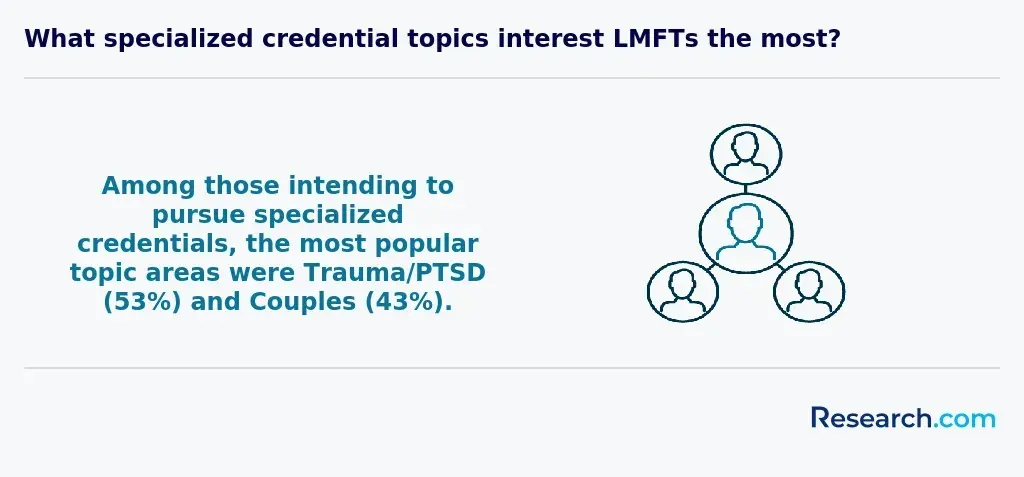
- "After graduating, I found that Mississippi’s licensing expectations were clear as long as I stayed organized. Practicing in a rural area has brought real challenges, but it has also allowed me to build strong relationships with clients who need consistent support." — Josh
- "The Mississippi MFT licensing path was demanding, but it prepared me to work with family systems in a meaningful way. My training helped me build a practice focused not only on individuals, but also on the relationships that shape their well-being." — Ed
Related Articles for Nearby States
- 2027 Louisiana MFT Licensing, Certifications, Careers and Requirements
- 2027 Alabama MFT Licensing, Certifications, Careers and Requirements
- 2027 Arkansas MFT Licensing, Certifications, Careers and Requirements
- 2027 Tennessee MFT Licensing, Certifications, Careers and Requirements
- 2027 Florida MFT Licensing, Certifications, Careers and Requirements
- 2027 Missouri MFT Licensing, Certifications, Careers and Requirements
- 2027 Georgia MFT Licensing, Certifications, Careers and Requirements
- 2027 Kentucky MFT Licensing, Certifications, Careers and Requirements
- 2027 Texas MFT Licensing, Certifications, Careers and Requirements
- 2027 Indiana MFT Licensing, Certifications, Careers and Requirements
Key Insights
- Mississippi MFT licensure requires a qualifying graduate degree, 3,000 supervised clinical hours, passage of the national MFT exam, and Board approval.
- Program choice is one of the most important decisions. Confirm accreditation, curriculum, practicum structure, and licensure alignment before enrolling.
- Supervision must be documented carefully. At least 1,500 of the 3,000 hours must be direct client contact, and candidates need at least 200 hours of direct supervision.
- Licensure costs can include application, exam, supervision, and renewal fees, with total licensing-related expenses ranging from $500 to over $1,000 before considering tuition.
- The average annual salary for MFTs in Mississippi is $56,000, but earnings vary by experience, setting, location, and whether the therapist works in private practice.
- National demand for MFTs is strong, and Mississippi’s rural mental health access needs can create meaningful opportunities for therapists who want community impact.
- Renewal matters. Mississippi MFTs must complete at least 20 hours of continuing education every two years, including at least 3 hours in ethics.
- The best way to avoid delays is to verify requirements early, keep clean supervision records, prepare for the exam strategically, and rely on official Board guidance when requirements are unclear.
References:
- American Association for Marriage and Family Therapy. (n.d). Mississippi State Resources. AAMFT.
- bls.gov. (29 Aug 2024). Marriage and Family Therapists. bls.gov.
- gsep.pepperdine.edu. (n.d.). MA in Clinical Psychology with MFT (Evening Format). gsep.pepperdine.edu.
- swmft.ms.gov. (n.d.). Mississippi Board of Examiners for Social Workers and Marriage and Family Therapists. swmft.ms.gov.
Other Things You Should Know About Mississippi MFT Licensing
To become a licensed MFT in Mississippi in 2027, candidates must possess a master's or doctoral degree in Marriage and Family Therapy or a related field, complete 2 years of post-graduate supervised clinical experience, and pass the national Exam in Marital and Family Therapy.
The Mississippi State Board of Examiners for Licensed Professional Counselors issues marriage and family therapist licenses in Mississippi. Applicants submit education, supervision, and exam documentation to this board, which also handles renewal and disciplinary actions under state licensing rules.