
2027 How to Become a Licensed Counselor (LPC) in Illinois

Co-Founder and Chief Data Scientist
Becoming a Licensed Professional Counselor (LPC) in Illinois is a multi-step decision: you need the right graduate degree, supervised clinical preparation, an approved exam pathway, and a plan for renewing and growing your license. The choice matters because Illinois has a large counseling workforce, with approximately 36,410 Licensed Professional Counselors according to 2025 data, and program selection can affect your licensure timeline, costs, clinical training options, and future specialization.
This guide is for prospective counseling students, psychology graduates, career changers, and current counselors comparing Illinois LPC programs and licensure routes. It explains what degree you need, how the Illinois application process works, whether online programs qualify, how long licensure may take, what costs to expect, and how to choose a program that supports your career goals rather than simply checking an admissions box.
Quick Answer: How Do You Become an LPC in Illinois?
To become an LPC in Illinois, you generally need a qualifying master’s or doctoral degree in counseling or a related field, supervised practicum or internship experience, approval from the Illinois Department of Financial and Professional Regulation, and a passing score on the National Counselor Examination or another approved licensing exam. Many candidates complete the process in approximately four to six years, including graduate study and supervised experience, although the exact timeline depends on enrollment pace, program structure, and exam timing.
| Requirement | What Illinois LPC Candidates Should Check |
| Graduate education | A counseling or closely related master’s or doctoral program from an appropriately accredited institution |
| Program length | At least two academic years with at least 48 semester hours or 72 quarter hours |
| Residency | One year of residency, defined as 24 semester hours completed through the institution within the program of study |
| Clinical training | Practicum, internship, or supervised fieldwork that meets program and state expectations |
| Exam | National Counselor Examination or another approved exam pathway |
| Renewal | Renewal every two years, with 30 hours of continuing education before renewal |
Key Benefits of Becoming an LPC in Illinois
- Illinois has 41 CACREP-accredited LPC programs in 2026, giving students multiple in-state options for licensure-focused counseling education.
- Students who need remote study options can compare many online counseling programs, with 164 programs accredited by CACREP in 2025.
- Counseling salaries in Illinois differ by specialty, and genetic counselors report the highest average salary listed here at $92,800 per year.
- Educational, guidance, and career counselors in Illinois earn an average annual salary of $65,480, showing that counseling careers extend beyond clinical mental health roles.
- Illinois LPCs renew licensure on a biennial cycle, so continuing education is part of long-term professional practice rather than a one-time requirement.
- 2027 Top LPC Programs in Illinois
- What are the educational requirements for licensed counselors in Illinois?
- What is the licensure application and renewal process for LPCs in Illinois?
- How long does it take to become an LPC in Illinois?
- Are online counseling programs accepted for LPC licensure in Illinois?
- How does an online counseling program compare to an on-campus program in Illinois?
- What is the average cost of LPC programs in Illinois?
- How to choose the best LPC program in Illinois?
- What are the different specializations available within counseling in Illinois?
- How can you transition from LPC to other counseling specializations in Illinois?
- How can I specialize in substance abuse counseling in Illinois?
- Can integrating genetic counseling expertise enhance my counseling practice in Illinois?
- How can I effectively prepare for the LPC licensure exam in Illinois?
- What professional associations and networking opportunities can enhance my LPC career in Illinois?
- How can I secure quality practicum and internship placements in Illinois?
- What are the key considerations for setting up a private practice as an LPC in Illinois?
- Can behavior analysis complement counseling practice in Illinois?
- What are the ethical guidelines for LPCs in Illinois?
- Can I transition from LPC to school counseling in Illinois?
- What are the core components of Illinois LPC license requirements?
- What is the job market for licensed counselors in Illinois?
- How do I find affordable education options for LPC licensure in Illinois?
- What are the next steps after becoming an LPC in Illinois?
- Is there an accelerated pathway to LPC licensure in Illinois?
- Emerging Trends in the Counseling Profession in Illinois
2027 Top LPC Programs in Illinois
The programs below are included to help prospective students compare Illinois counseling education options by credential level, credits, cost details, fieldwork expectations, and accreditation. Program data was reviewed using public and institutional sources, including the IPEDS database, Peterson's database, the Distance Learning Licensed Data Set, the College Scorecard database, and the National Center for Education Statistics. For more detail on how Research.com evaluates education data, see our methodology page.
| Program | Credential | Credits | Best Fit |
| National Louis University | Master of Science in Counseling | 60-67 | Students comparing concentrations such as addictions, school counseling, and clinical mental health counseling |
| Northeastern Illinois University | Master of Arts in Clinical Mental Health Counseling | 60 | Students seeking a CACREP-accredited clinical mental health counseling curriculum with documented field experience |
| University of Illinois Urbana-Champaign | Master of Science in Mental Health Counseling | 61 | Students who want an on-campus program emphasizing psychological science and cultural diversity |
| Illinois Institute of Technology | Ph.D. in Rehabilitation Counseling Education | 78 | Advanced students interested in rehabilitation counseling education, research, and doctoral-level preparation |
| Loyola University Chicago | Ph.D. in Counseling Psychology | 69 beyond a master’s degree | Students pursuing doctoral psychology training with research, dissertation, and internship requirements |
1. National Louis University Master of Science in Counseling
National Louis University offers an Illinois MS in Counseling that prepares students for counseling work in settings such as schools, community agencies, and mental health clinics. The program requires 60 to 67 semester hours and includes a 100-hour Counseling Practicum plus a 600-hour internship, giving students structured exposure to applied counseling practice. Coursework covers areas such as human growth and development, counseling theories, and treatment approaches. Students may shape their preparation through concentrations in addictions, school counseling, or clinical mental health counseling.
- Program length: ~2 to 4 years
- Required credits to graduate: 60-67
- Cost per credit: $790
- Accreditation: Council for Accreditation of Counseling and Related Educational Programs (CACREP)
2. Northeastern Illinois University Master of Arts in Clinical Mental Health Counseling
Northeastern Illinois University provides a 60-credit MA in Clinical Mental Health Counseling made up of 20 courses. Students study core counseling foundations, including theories and techniques, along with clinical mental health topics such as psychopharmacology and trauma and crisis counseling. The program includes practicum and internship requirements totaling 700 documented field-related hours, including 280 hours of face-to-face counseling. Students can complete the program in three years.
- Program length: ~2 to 4 years
- Required credits to graduate: 60
- Cost per credit: $463.53
- Accreditation: Council for Accreditation of Counseling and Related Educational Programs (CACREP)
3. University of Illinois Urbana-Champaign Master of Science in Mental Health Counseling
The University of Illinois Urbana-Champaign offers a two-year, 61-credit Master of Science in Mental Health Counseling. This on-campus program emphasizes psychological science, lifespan development, and cultural diversity in counseling. Graduates of the mental health counseling and career counseling tracks are eligible for Illinois LCP licensure. Students select from three areas for practicum experience: Mental Health Counseling, Career Counseling, and Counseling and Developmental Sciences.
- Program length: ~2 to 4 years
- Required credits to graduate: 61
- Tuition (semester): $6,888
- Accreditation: Council for Accreditation of Counseling and Related Educational Programs (CACREP)
4. Illinois Institute of Technology Ph.D. in Rehabilitation Counseling Education
The Illinois Institute of Technology offers a CACREP-accredited PhD in Rehabilitation Counseling Education. The program requires at least 78 credit hours and includes a qualifying exam, comprehensive exam, dissertation, and oral defense. It typically includes the equivalent of two years, or four semesters, of full-time coursework and supervised experience, followed by completion of dissertation research.
- Program length: ~2 to 4 years
- Required credits to graduate: 78
- Tuition (annual): $50,636
- Accreditation: Council for Accreditation of Counseling and Related Educational Programs (CACREP)
5. Loyola University Chicago — PhD in Counseling Psychology
Loyola University Chicago offers a Ph.D. in Counseling Psychology requiring 69 semester hours beyond a master’s degree, with the possibility of transferring some credits. Students complete written and oral comprehensive examinations, conduct dissertation research, and defend the dissertation orally. The program also expects students to build research expertise through faculty research involvement. A 2,000-hour predoctoral internship is required, and the typical timeline is four to five years, including the full-time predoctoral internship, with six years allowed for degree completion.
- Program length: ~2 to 4 years
- Required credits to graduate: 69
- Tuition (annual): $50,636
- Accreditation: American Psychological Association (APA)
What Graduates Say About Working as an LPC in Illinois
Earning the LPC created professional options I had not expected. The work is meaningful because I support people through difficult periods, and I also see how counseling strengthens the broader community. The professional support among Illinois counselors has also made the career feel less isolating. - Jordan
Becoming an LPC in Illinois helped me turn my interest in psychology into a practical career. Continuing education, consultation, and collaboration with other counselors have helped me improve my skills over time. Seeing clients build resilience continues to reinforce why I chose counseling. - Frances
My counseling career allows me to connect my passion for psychology with work that feels purposeful. Ongoing development and peer collaboration keep me growing professionally, and watching clients make progress remains one of the most rewarding parts of the job. - Neil
What are the educational requirements to become an LPC in Illinois?
Illinois LPC candidates must meet education standards set out in the state’s administrative code. The most important point is that the degree must be appropriate for counselor preparation, not simply related to psychology in a broad sense. Students comparing counseling and online graduate psychology programs should verify whether the curriculum is designed to meet Illinois LPC requirements before enrolling.
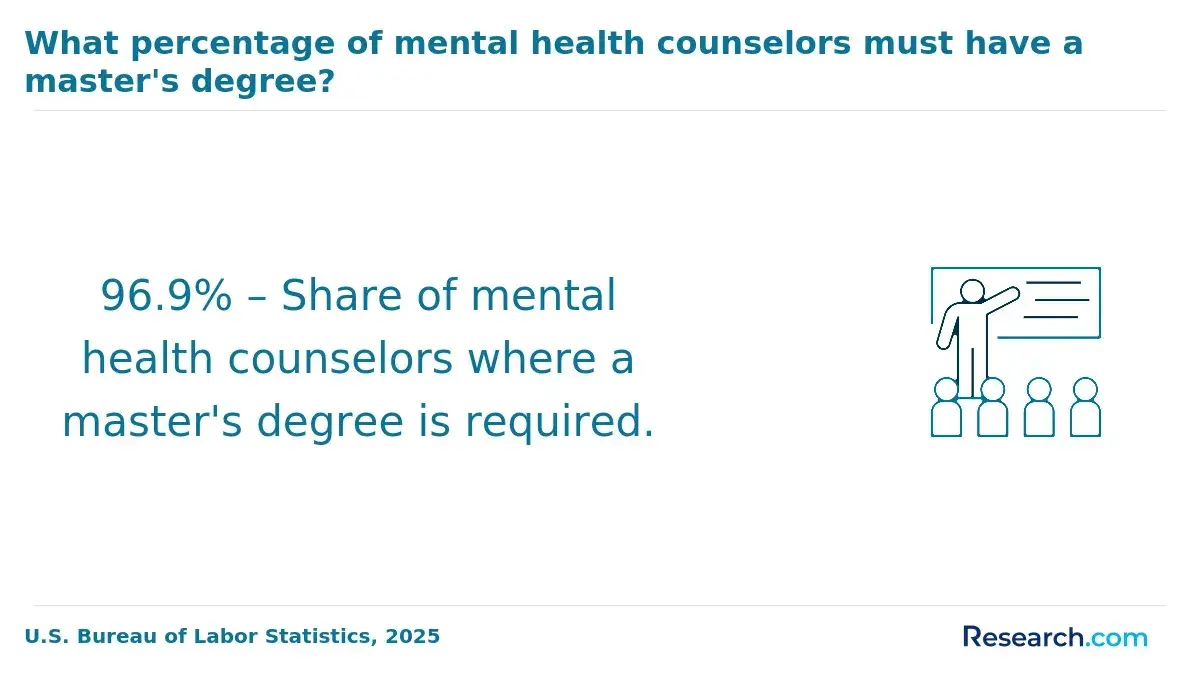
- Institutional accreditation: Applicants must hold a master’s degree in counseling or a related program, or a doctoral degree, from a college, university, or school accredited by a regional accrediting body recognized by the U.S. Department of Education. The program should be clearly identified as counseling, rehabilitation counseling, psychology, or a similar degree program and should state in official materials that it prepares and trains counselors.
- Minimum program length: The program must span at least two academic years and include at least 48 semester hours or 72 quarter hours. Required study areas include Human Growth and Development, Counseling Theory, Counseling Techniques, and supervised experience.
- Residency requirement: Candidates must complete one year of residency that involves meaningful interaction with faculty and other students. Illinois defines one year of residency as 24 semester hours completed full time or part time through the institution within the program’s period of study.
- Program accreditation: Qualifying programs may be accredited by the Council for Accreditation of Counseling and Related Educational Programs (CACREP), the Council on Rehabilitation Education (CORE), or, for doctoral psychology programs, approved by the American Psychological Association and the Council for the National Registry of Health Service Providers.
| If Your Background Is... | What to Verify Before Applying for LPC Licensure |
| Master’s in counseling | Confirm credit hours, required counseling coursework, practicum or internship, residency, and accreditation status |
| Master’s in psychology | Check whether the program is explicitly designed to train counselors and satisfies Illinois content requirements |
| Rehabilitation counseling degree | Confirm the program’s counseling preparation, accreditation, and supervised experience structure |
| Doctoral psychology degree | Verify the applicable approval status and whether coursework aligns with Illinois counselor licensing rules |
| Online graduate degree | Confirm accreditation, state authorization, supervised placement support, and Illinois licensure alignment |
What is the licensure application and renewal process for LPCs in Illinois?
Illinois uses different LPC application routes depending on whether you are applying for the first time, already passed the required exam, hold an active license elsewhere, or need to restore an inactive or expired license. The Illinois Department of Financial and Professional Regulation is the agency applicants should use for current forms, instructions, and fee details.
LPC Licensure via Examination
This route applies to first-time candidates who meet the education requirements but still need approval to take the National Counselor Examination, which is the required exam for the Illinois LPC pathway described here.
- File the application for examination approval. Submit the application to the Illinois Department of Financial and Professional Regulation and/or the Illinois Professional Counselor Licensing and Disciplinary Board. The form is available through the IDFPR website, and applicants should indicate that they have not taken the NCE.
- Include required documentation. Supporting materials may include official final transcripts, course descriptions, proof of program accreditation, and other required forms. IDFPR also provides forms such as Convicted of Criminal Acts (CCA) and ED forms.
- Pay the application fee. The Illinois counselor licensing application fee is $150 and is paid by check or money order to IDFPR.
LPC Licensure via Acceptance of Examination
This path is for applicants who already passed the NCE through a counseling program or an organization such as the National Board for Certified Counselors or the Commission on Rehabilitation Counselor Certification.
- Submit the LPC application. Use the same application form used for the examination route, but include NCE score information. If you took the NCE more than once, report all prior scores, including unsuccessful attempts.
- Attach the required records. Provide the same types of supporting documents required for licensure via examination, including transcripts and any program documentation requested by IDFPR.
- Submit the fee. The application fee for this pathway is also $150, paid by check or money order to IDFPR.
Licensure via Endorsement
Endorsement is designed for counselors who already hold an active LPC license in another state or jurisdiction and want to practice in Illinois. In addition to the application, candidates must arrange for a Certification of Licensure to be sent directly to IDFPR by the licensing board or agency in the jurisdiction where they are licensed. Applicants must also provide an official, original NCE score report.
License Renewal
Illinois LPC licenses are renewed every two years and expire on March 31 of odd-numbered years. Before renewal, licensees must complete 30 hours of continuing education. The renewal fee is calculated at $60 per year.
Licensure Restoration
Restoration applies to Illinois LPCs whose license has been inactive or not renewed for at least five years.
- Request the restoration forms. The license restoration or RS form is not available online, so applicants must contact IDFPR directly for the forms, instructions, and current fee information.
- Pay the restoration costs. Restoring an inactive license requires a $50 fee plus outstanding renewal fees, up to a total of $300.
- Document continuing education. Applicants must satisfy continuing education requirements and provide proof, such as certificates of attendance.
How long does it take to become an LPC in Illinois?
For students asking what can you do with a psychology degree, counseling is one possible graduate-level path, but it requires additional professional preparation. A master’s degree in counseling or a related field usually takes about two to three years of full-time study.
After the degree, candidates typically complete supervised clinical experience, often around 3,000 hours, through internship, practicum, or post-degree supervised work depending on the licensure route and program structure.
Candidates must also pass the National Counselor Examination or another licensing exam approved by the Illinois Department of Financial and Professional Regulation. Taken together, graduate school, supervised experience, and examination requirements commonly place the overall LPC timeline at approximately four to six years.
The most important early decision is selecting a program that supports Illinois licensure. Students should review CACREP status and confirm requirements directly with the program and state licensing authority before enrolling.
| Stage | Typical Time Consideration | Decision Point |
| Graduate program search | Before enrollment | Confirm accreditation, credit hours, residency, clinical training, and Illinois licensure alignment |
| Master’s study | About two to three years full time | Choose full-time, part-time, online, or campus format based on schedule and field placement needs |
| Clinical preparation | Often around 3,000 hours | Select placements that match your intended population or specialty |
| Licensing exam | Timing depends on eligibility and application approval | Plan exam preparation around final coursework and supervised experience |
| Application and renewal | Ongoing after licensure | Track continuing education and renewal deadlines |
Are online counseling programs accepted for LPC licensure in Illinois?
Yes. An online counseling degree can support LPC licensure in Illinois if the program satisfies the state’s education, accreditation, coursework, residency, and supervised experience expectations. The delivery format alone does not determine eligibility; the program’s licensure alignment does.
Online programs can be practical for working adults, rural students, caregivers, and career changers who need flexibility. However, students should confirm that the program is accredited by the Council for Accreditation of Counseling and Related Educational Programs when applicable and that it can support Illinois-based practicum and internship requirements. A well-chosen online program can support counseling career paths, but a poorly matched program can delay licensure.
How does an online counseling program compare to an on-campus program in Illinois?
Online and on-campus counseling programs can both prepare students for Illinois licensure, but they differ in how students interact with faculty, complete coursework, build professional networks, and secure field placements. The better format depends on your schedule, learning style, location, and need for in-person support.
| Factor | Online Counseling Program | On-Campus Counseling Program |
| Scheduling | Usually better for students balancing employment, caregiving, or distance from campus | Better for students who can attend classes at set times and want campus-based structure |
| Faculty and peer interaction | May rely on virtual meetings, discussion boards, and remote advising | Offers more routine face-to-face interaction and campus community |
| Clinical placement | Students must verify local practicum and internship support before enrolling | May offer established relationships with nearby agencies, schools, or clinics |
| Learning environment | Works best for self-directed students with strong time management skills | Works best for students who prefer in-person discussion and immediate classroom interaction |
| Licensure risk | Requires careful review of accreditation, state authorization, and Illinois fieldwork compatibility | Still requires licensure review, but local programs may be more familiar with Illinois requirements |
Choose online if flexibility is your main constraint and the program clearly supports Illinois licensure. Choose campus-based study if you want in-person mentoring, easier access to local training sites, and a more traditional graduate school experience.
What is the average cost of LPC programs in Illinois?
Based on the figures provided here, students can expect an average of approximately $690 per credit hour, with total program tuition around $52,130. These estimates are rounded to the nearest $10s and do not necessarily include textbooks, institutional fees, transportation, technology, background checks, liability insurance, exam costs, or living expenses.
Tuition is only one part of affordability. A lower-cost program may become expensive if it offers weak placement support, requires travel, limits transfer credit, or does not match Illinois licensing rules. Students should calculate the full cost of attendance and compare it against program quality, completion timeline, and supervised experience support.
| Cost Item | Why It Matters |
| Tuition per credit | Determines the largest direct academic cost for most students |
| Program fees | Can add recurring costs beyond tuition |
| Books and materials | May vary by course and counseling specialty |
| Clinical placement expenses | May include transportation, background checks, documentation, and liability coverage |
| Exam and licensing fees | Should be included in the final licensure budget |
| Time away from work | Internship and practicum hours can affect income and scheduling |
How to choose the best LPC program in Illinois?
The best LPC program is not simply the one with the lowest tuition or the most recognizable name. It is the program that meets Illinois licensure requirements, fits your schedule, provides strong supervised training, and supports your intended counseling population.
- Verify accreditation first. Confirm whether the program is accredited by CACREP or another recognized accrediting body accepted by the Illinois Department of Financial and Professional Regulation. Do this before comparing tuition or admissions requirements.
- Review the curriculum line by line. Look for required study in counseling theory, techniques, ethics, assessment, human development, multicultural counseling, and supervised practice.
- Evaluate faculty expertise. Strong programs have faculty with counseling experience, research activity, clinical supervision background, and availability for mentoring.
- Ask about clinical placements. Find out where students complete practicum and internship, how placements are approved, and whether the school helps students secure sites.
- Compare student support. Advising, exam preparation, career services, alumni networks, and licensure guidance can make the path smoother.
- Check fit with your specialty. A student interested in school counseling, addictions, trauma, rehabilitation, or career counseling should choose a program with relevant coursework and field sites.
Questions to Ask Before Enrolling
- Does this program meet Illinois LPC education requirements?
- Is the program CACREP-accredited or otherwise accepted for the license route I plan to use?
- How many practicum and internship hours are required, and where do students complete them?
- Will the school help me find Illinois-approved clinical placements?
- What is the total cost after tuition, fees, books, travel, and clinical requirements?
- What percentage of students complete the program on time?
- How does the program prepare students for the NCE?
- Can I attend part time without disrupting course sequencing or fieldwork?
- Does the program support the counseling specialization I want?
- Who advises students on licensure paperwork and state requirements?
What are the different specializations available within counseling in Illinois?
Illinois counselors can serve different populations and settings depending on graduate training, supervised experience, additional credentials, and employer requirements. A student who wants to become a Christian counselor, for example, may look for programs or electives that integrate faith-based counseling with professional ethics and licensure requirements.
| Specialization | Typical Focus | Who It May Fit |
| Mental Health Counseling | Assessment and counseling for concerns such as anxiety, depression, trauma, and emotional distress | Students who want to become mental health counselors in clinical or community settings |
| School Counseling | Academic, social, emotional, and career development support for students | Counselors interested in K–12 education environments |
| Substance Abuse Counseling | Addiction, recovery support, relapse prevention, and family impact of substance use | Students drawn to treatment centers, community agencies, or behavioral health programs |
| Marriage and Family Therapy | Relationship patterns, family systems, and conflict resolution | Counselors who want to work with couples and families |
| Career Counseling | Career exploration, decision-making, employment transitions, and goal planning | Professionals interested in schools, colleges, workforce programs, or private practice |
| Rehabilitation Counseling | Support for people with disabilities or chronic health conditions pursuing independence and employment | Students interested in disability services, vocational rehabilitation, or healthcare-adjacent counseling |
| Child and Adolescent Counseling | Behavioral, developmental, academic, and family-related concerns affecting young clients | Counselors who want to work with children, teens, and families |
Specialization should be chosen deliberately. Employers may look for related coursework, internship experience, certification, and supervision history, not just a general interest in a topic.
How can you transition from LPC to other counseling specializations in Illinois?
An Illinois LPC can move into a more focused counseling area by adding targeted coursework, supervised experience, continuing education, and, where required, a separate credential or license. For example, an LPC interested in family systems may explore the Marriage and Family Therapist pathway, which typically requires additional study and supervised clinical hours focused on couples, families, and relational dynamics.
The safest transition strategy is to compare three items before investing time or money: the scope of practice for the new specialty, the credentialing requirements, and the types of supervised experience employers expect.
How can I specialize in substance abuse counseling in Illinois?
Substance abuse counseling requires focused preparation in addiction theory, screening, assessment, intervention methods, relapse prevention, co-occurring concerns, and ethical issues in treatment. Students and current LPCs should look for coursework and clinical placements in addiction treatment settings so their training matches the client population they plan to serve. State-specific certifications and continuing education can also strengthen employability. For a focused pathway, review how to become a substance abuse counselor in Illinois.
Can integrating genetic counseling expertise enhance my counseling practice in Illinois?
Genetic counseling knowledge can help LPCs collaborate more effectively with healthcare professionals when clients are navigating hereditary risk, family health history, or emotionally complex medical information. It does not replace genetic counselor training, but interdisciplinary exposure may improve referral decisions, psychoeducation, and support for clients processing health-related uncertainty. Counselors interested in this area can explore genetic counseling programs to understand how genetic counseling education differs from professional counseling.
How can I effectively prepare for the LPC licensure exam in Illinois?
Start exam preparation by reviewing the content areas associated with the National Counselor Examination and any guidance issued through the Illinois Department of Financial and Professional Regulation. Focus your study on counseling theories, human development, assessment, helping relationships, ethics, crisis intervention, group work, and professional practice. Practice exams, structured review schedules, and study groups can help you identify weak areas before test day. If you are comparing broader behavioral health licensure options, you may also find it useful to review how to become a psychologist in Illinois.
What professional associations and networking opportunities can enhance my LPC career in Illinois?
Professional associations can help LPCs stay current on continuing education, ethical issues, advocacy, supervision, and changes in practice expectations. Illinois counselors may benefit from local and national organizations that provide mentorship, conferences, specialty divisions, and networking with employers or supervisors. Networking is especially valuable when looking for practicum sites, internships, private practice referrals, or specialty supervision. For a broader career roadmap, see how to become a licensed mental health counselor.
How can I secure quality practicum and internship placements in Illinois?
Strong field placements do more than satisfy hours; they shape your confidence, supervision quality, resume, and post-graduation opportunities. Before choosing a program, ask where recent students trained, how placements are approved, and what happens if a site falls through. Students should work closely with faculty advisors, career services, and local counseling organizations to identify placements in mental health centers, schools, hospitals, rehabilitation programs, or community agencies. Reviewing good colleges for psychology in Illinois can also help students identify institutions with broader behavioral health networks.
What are the key considerations for setting up a private practice as an LPC in Illinois?
Private practice requires clinical competence and business readiness. Illinois LPCs considering this route should understand professional liability insurance, recordkeeping, informed consent, billing systems, referral relationships, client privacy, crisis policies, and state practice rules. A sustainable practice also depends on a clear service niche, ethical marketing, and a realistic plan for administrative work. Counselors interested in related human services roles may also compare how to become a social worker in Illinois to understand adjacent practice settings and service models.
Can behavior analysis complement counseling practice in Illinois?
Behavior analysis can add structure to counseling when clients benefit from measurable goals, observable behavior tracking, reinforcement strategies, and data-informed intervention planning. It can be especially useful in settings where behavior change, skill-building, and progress monitoring are central. LPCs should stay within their scope of competence and pursue formal training when using specialized methods. Those interested in this complementary field can review how to become a behavior analyst in Illinois.
What are the ethical guidelines for LPCs in Illinois?
Ethical practice is central to counseling because clients often disclose sensitive information, seek support during vulnerable periods, and rely on counselors to maintain professional judgment. Illinois LPCs must understand confidentiality, informed consent, boundaries, cultural responsiveness, competence, documentation, and legal reporting obligations.
- Confidentiality: Counselors must protect client information and should not disclose case details without proper consent unless the law requires disclosure, such as when safety is at risk.
- Informed consent: Clients should receive clear information about counseling goals, methods, potential risks, fees, confidentiality limits, and their rights before and during services.
- Professional boundaries: LPCs must avoid dual relationships, conflicts of interest, and interactions that could exploit or harm clients.
- Cultural competence: Counselors should consider how culture, identity, language, socioeconomic background, and lived experience influence a client’s view of mental health and treatment.
- Competence and continuing education: LPCs should work within their training and seek additional education, consultation, or supervision when serving new populations or using unfamiliar interventions.
Can I transition from LPC to school counseling in Illinois?
Illinois LPCs may be able to move toward school counseling, but K–12 roles often involve additional education, certification, or state-specific requirements tied to school systems. Clinical counseling experience can be valuable, but school counseling also requires knowledge of student development, academic planning, school policy, family-school collaboration, and educational ethics. For step-by-step information, review becoming a school counselor in Illinois.
What are the core components of Illinois LPC license requirements?
Illinois LPC licensure rests on several linked requirements: an eligible graduate degree, required counseling coursework, supervised experience, an approved exam, ethical compliance, application documentation, and continuing education for renewal. Missing one component can delay approval even if the rest of your preparation is strong. For a detailed requirement breakdown, see Illinois LPC license requirements.
What is the job market for licensed counselors in Illinois?
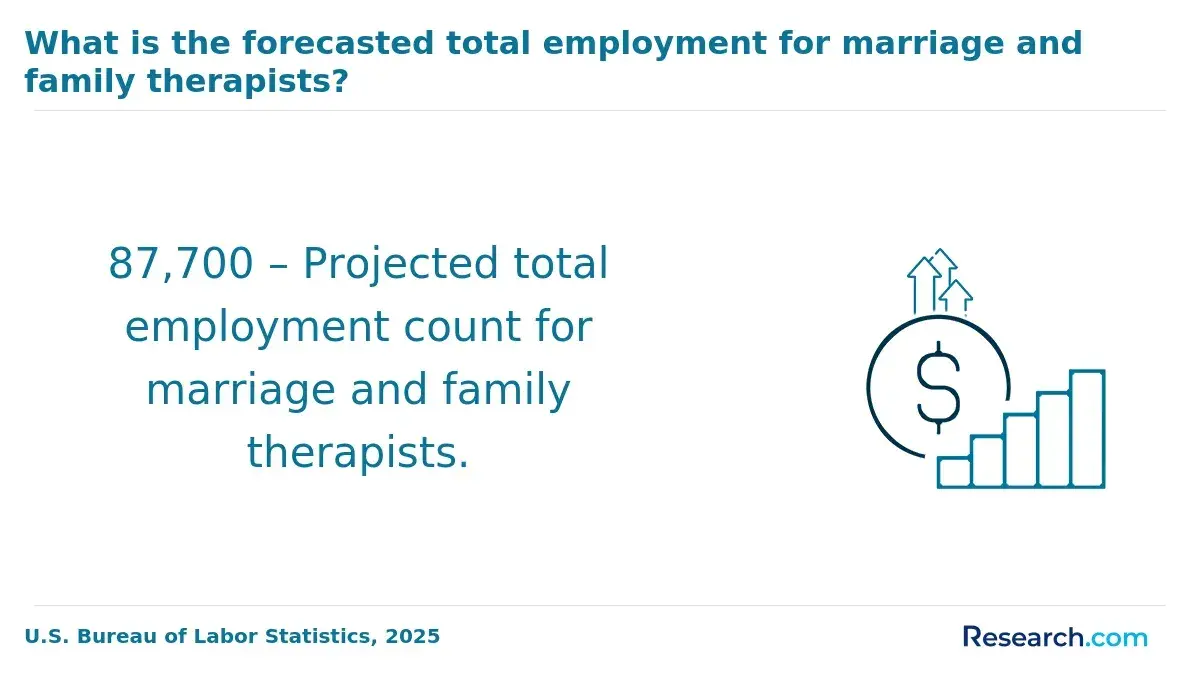
Illinois counseling employment is supported by demand for mental health, substance abuse, school, career, rehabilitation, and community counseling services. The field is projected to grow by 17.8% through 2030, with approximately 1,480 annual job openings. Demand is influenced by broader recognition of mental health needs and the importance of timely support.
As of 2025, Illinois had an estimated 15,140 professional counselors working in substance abuse, behavioral disorder, and mental health counseling.
For people researching becoming a counselor in Illinois, salary can be part of the decision, but it should not be treated as guaranteed. Earnings vary by location, employer, specialization, experience, license level, and work setting. LPCs in the state earned approximately $65,879 on average per year, according to the data reflected here.
How do I find affordable education options for LPC licensure in Illinois?
Affordable LPC preparation starts with finding a program that is both cost-conscious and licensure-aligned. A low tuition rate is not a good deal if the program does not meet Illinois requirements or leaves you without field placement support. Online study can reduce commuting and scheduling costs for some students, and students comparing school counseling options can review the most affordable online school counseling degrees.
- Prioritize accredited programs. Confirm accreditation and licensure alignment before focusing on price.
- Compare total cost, not only tuition. Include fees, books, technology, practicum expenses, licensing fees, and exam costs.
- Ask about scholarships and aid. Counseling departments may offer scholarships, assistantships, grants, or payment plans for eligible students.
- Review in-state tuition policies. Some programs may offer lower rates for Illinois residents, including certain online options.
- Consider part-time pacing carefully. Part-time study may reduce semester costs but can extend the time before full professional earnings.
- Use transfer credits wisely. Ask whether prior graduate credits can apply, but confirm they will not weaken licensure eligibility.
What are the next steps after becoming an LPC in Illinois?
After licensure, counselors should build a plan for supervision, continuing education, specialty development, and long-term career direction. Some LPCs pursue clinical mental health roles, while others move into schools, substance abuse treatment, career services, rehabilitation counseling, agency leadership, or private practice. Reviewing how to become a licensed mental health counselor in Illinois can help professionals compare the next stage of clinical career growth.
- Track continuing education well before the renewal deadline.
- Seek supervision or consultation in your chosen specialty.
- Build referral relationships with ethical, scope-appropriate partners.
- Document training, credentials, and clinical experience carefully.
- Consider certifications only when they support your actual client population or employer goals.
Is there an accelerated pathway to LPC licensure in Illinois?
Some accredited programs use accelerated formats that combine intensive coursework with planned clinical training, which may shorten the education timeline. Acceleration should not mean skipping requirements. Students should compare schedule intensity, practicum timing, internship support, cost, and whether the pace is realistic alongside work or caregiving responsibilities. For additional planning guidance, review the fastest way to become a counselor in Illinois.
Common Mistakes to Avoid When Pursuing Illinois LPC Licensure
| Mistake | Why It Can Hurt You | Better Approach |
| Choosing a program before checking accreditation | You may complete credits that do not support the licensure route you want | Verify accreditation and Illinois requirements before applying |
| Looking only at tuition | Fees, travel, clinical expenses, and delayed licensure can change the true cost | Calculate total cost of attendance and licensure-related expenses |
| Assuming every online program qualifies | Online format does not automatically mean Illinois licensure alignment | Ask the program directly about Illinois LPC preparation and field placement support |
| Waiting too long to plan practicum and internship | Weak placement planning can delay graduation or reduce career readiness | Ask about placement sites before enrollment and network early |
| Ignoring renewal requirements | Missing continuing education or renewal deadlines can jeopardize active practice | Track 30 hours of continuing education and the biennial renewal cycle |
| Assuming salary outcomes are guaranteed | Earnings vary by employer, specialization, geography, and experience | Compare local job postings and specialty demand before choosing a career path |
| Relying only on rankings | A highly ranked program may not fit your schedule, budget, or specialty goals | Use rankings as one input alongside licensure fit, cost, and clinical training quality |
Emerging Trends in the Counseling Profession in Illinois
Counseling practice in Illinois continues to evolve as client needs, technology, employer expectations, and healthcare delivery models change. Students choosing programs now should think beyond initial licensure and consider how their training will prepare them for future practice environments.
- Telehealth counseling: Virtual counseling has become a common service model, especially after the COVID-19 pandemic. Counselors need comfort with secure platforms, virtual rapport-building, emergency planning, documentation, and telehealth compliance.
- Culturally competent counseling: Illinois counselors serve clients from many cultural, linguistic, ethnic, and socioeconomic backgrounds. Training in cultural humility, bias awareness, and responsive treatment planning is increasingly important across schools, clinics, and community agencies.
- Trauma-informed care: Many counseling settings now expect practitioners to understand how trauma affects behavior, relationships, emotional regulation, and engagement in treatment. Trauma-informed practice emphasizes safety, empowerment, collaboration, and avoiding re-traumatization.
- Workplace wellness programs: Employers are paying more attention to stress, burnout, conflict, and mental well-being. LPCs with skills in career counseling, stress management, and organizational consultation may find opportunities connected to employee support services.
- Integrative counseling approaches: Some counselors incorporate methods such as mindfulness, art therapy, or music therapy alongside traditional counseling approaches. Additional training is important so these methods are used ethically and within professional competence.
- Technology and AI awareness: Counselors may encounter AI-assisted scheduling, documentation tools, client self-help apps, and digital screening tools. These technologies do not replace clinical judgment, but they increase the need for privacy awareness, ethical decision-making, and careful documentation.
These changes make specialization and continuing education more important. Students comparing types of counselors should look at both licensure requirements and the environments where they want to work.
Related Articles for Nearby States
- 2027 How to Become a Licensed Counselor (LPC) in Indiana
- 2027 How to Become a Licensed Counselor (LPC) in Wisconsin
- 2027 How to Become a Licensed Counselor (LPC) in Iowa
- 2027 How to Become a Licensed Counselor (LPC) in Missouri
- 2027 How to Become a Licensed Counselor (LPC) in Kentucky
- 2027 How to Become a Licensed Counselor (LPC) in Michigan
- 2027 How to Become a Licensed Counselor (LPC) in Minnesota
- 2027 How to Become a Licensed Counselor (LPC) in Ohio
- 2027 How to Become a Licensed Counselor (LPC) in Tennessee
- 2027 How to Become a Licensed Counselor (LPC) in Arkansas
References:
- American Counseling Association. (2025). State licensure requirements for professional counselors. https://www.counseling.org/knowledge-center/licensure-requirements
- American Mental Health Counselors Association. (2025). Becoming a licensed mental health counselor. https://www.amhca.org/becoming-a-counselor
- CareerOneStop. (2026). Licensed professional counselors: Illinois profile. https://www.careeronestop.org/Toolkit/Careers/Occupations/occupation-profile.aspx?keyword=counselors
- Council for Accreditation of Counseling and Related Educational Programs. (2025). Find a Program. https://www.cacrep.org/directory/
- Council for Accreditation of Counseling and Related Educational Programs. (2025). Directory of accredited programs. https://www.cacrep.org/directory/
- Illinois Department of Financial and Professional Regulation. (2025). Application for licensure as a professional counselor. https://idfpr.illinois.gov/forms/dpr/lpc.pdf
- Illinois General Assembly. (2025). Professional Counselor and Clinical Professional Counselor Licensing and Practice Act. https://www.ilga.gov/legislation/ilcs/ilcs3.asp?ActID=1318
- National Alliance on Mental Illness. (2025). Mental health workforce demand in Illinois. https://www.nami.org/Support-Education/Publications-Reports
- O*NET OnLine. (2025). Mental health counselors occupation summary. https://www.onetonline.org/link/summary/21-1014.00
- U.S. Bureau of Labor Statistics. (2025). Occupational Employment and Wage Statistics: Substance Abuse, Behavioral Disorder, and Mental Health Counselors. https://www.bls.gov/oes/current/oes211018.htm
- U.S. Bureau of Labor Statistics. (2025). Occupational Employment and Wage Statistics: Substance abuse, behavioral disorder, and mental health counselors. https://www.bls.gov/oes/current/oes211018.htm
Key Insights
- Illinois LPC licensure begins with the right graduate program. Confirm accreditation, credit hours, residency, coursework, and supervised experience before you enroll.
- Online counseling programs can qualify for Illinois LPC preparation, but only if they meet state requirements and support appropriate practicum and internship placements.
- The LPC pathway commonly takes approximately four to six years, including graduate education, supervised experience, and exam preparation.
- Cost comparisons should include more than tuition. Fees, books, clinical placement costs, licensing fees, exam costs, and reduced work hours can affect total affordability.
- Specialization should be tied to training and supervised experience. Mental health, school counseling, substance abuse, career counseling, rehabilitation counseling, and child and adolescent counseling require different preparation choices.
- Illinois LPCs must renew every two years, complete 30 hours of continuing education, and maintain ethical, competent practice throughout their careers.
- The strongest program choice is the one that aligns with Illinois licensure rules, your preferred client population, your budget, and your ability to complete fieldwork successfully.
Other Things You Should Know About How to Become a Counselor (LPC) in Illinois
The Illinois Department of Financial and Professional Regulation (IDFPR) issues LPC licenses. Applicants must submit the required education, exam, and application materials to IDFPR, which reviews qualifications under the Illinois Professional Counselor and Clinical Professional Counselor Licensing and Practice Act.
To become a Licensed Professional Counselor (LPC) in Illinois in 2027, you need to pass the National Counselor Examination (NCE) or the National Clinical Mental Health Counseling Examination (NCMHCE), which are administered by the National Board for Certified Counselors (NBCC).


