2027 Fastest Way to Become a Counselor in Oregon

Co-Founder and Chief Data Scientist
If you want to become a counselor in Oregon as quickly as possible, the main challenge is not finding a shortcut; it is avoiding delays. Oregon requires graduate education, supervised clinical experience, exams, registration, and board review before you can practice independently as a licensed counselor. Missing one document, choosing the wrong degree format, or waiting too long to apply for associate registration can add months to your timeline.
This guide explains the fastest realistic path to counselor licensure in Oregon, including what can and cannot be accelerated. It is designed for prospective graduate students, career changers, bachelor’s degree holders, and counseling students who want a clear plan for entering Oregon’s mental health workforce without sacrificing licensure eligibility or clinical preparation.
Quick answer: the fastest realistic path in Oregon
The fastest way to become a licensed counselor in Oregon is to complete a qualifying 60-credit graduate counseling program, apply for Registered Associate or Professional Counselor Associate status as soon as you are eligible, begin supervised clinical work promptly, complete the required 36 months of supervised experience with at least 1,900 hours of direct client contact, and pass the required exams without application errors or documentation gaps.
Online, hybrid, evening, or cohort-based programs may help you finish coursework with fewer scheduling conflicts, but they do not remove Oregon’s supervised experience requirement. A “fast-track” route is worthwhile only if the program meets Oregon standards, supports practicum placement, and prepares you for licensure rather than simply promising a shorter academic calendar.
Why becoming a counselor in Oregon can be a strong career move
- Oregon’s counseling job market is projected to grow 14% from 2022 to 2032, which signals continued need for mental health services across the state.
- The average annual salary for counselors in Oregon is approximately $52,000, slightly above the national median, giving new professionals a competitive starting point.
- Oregon has multiple accredited graduate counseling options and a defined licensure process, which can help organized applicants move through the pathway more efficiently.
- Fastest pathway to counselor licensure in Oregon
- Bachelor’s-level counseling-related jobs in Oregon
- Accelerated counseling degrees available to Oregon students
- Online versus campus counseling programs in Oregon
- Risks and challenges of fast-track counseling programs
- How Oregon employers evaluate fast-track counseling graduates
- Cost comparison for online and accelerated counseling programs
- Substance abuse counseling as a faster entry route
- Specialized counseling certifications in Oregon
- Step-by-step LPC requirements in Oregon
- Counselor versus social worker pathways in Oregon
- Counselor demand in Oregon
- Counselor salary expectations in Oregon
- Whether the fast route is worth it
What is the fastest way to become a licensed counselor in Oregon?
The fastest licensure path in Oregon is the one that satisfies every state requirement in the correct order with no preventable pauses. Oregon does not offer a true shortcut around graduate education or supervised clinical practice, so speed depends on choosing an eligible program, registering at the right time, documenting hours carefully, and submitting complete materials to the board.
Oregon counselor licensure requirements generally begin with a master’s degree in counseling or a closely related field. After the degree requirement is met, candidates complete at least three years (36 months) of supervised clinical counseling experience. That supervised period must include a minimum of 1,900 hours of direct client contact, so candidates should plan for both the calendar requirement and the client-contact requirement.
| Stage | What to do | How to avoid delays |
| Graduate education | Complete a qualifying counseling or related master’s program that aligns with Oregon standards. | Confirm program eligibility before enrolling, especially if the program is online or based outside Oregon. |
| Associate registration | Apply for Registered Associate or Professional Counselor Associate status when eligible. | Do not wait until after graduation to research forms, fees, transcripts, and background check requirements. |
| Supervised practice | Complete at least three years (36 months) of supervised clinical counseling experience. | Use a tracking system from the first week of supervised work and keep supervisor verification current. |
| Direct client contact | Accumulate a minimum of 1,900 hours of direct client contact. | Choose roles with enough client-facing work rather than positions heavy in administration only. |
| Exams and final review | Pass the national competency exam and Oregon law and rules exam, then complete final board review. | Study early, respond quickly to board requests, and check your Applicant Portal regularly. |
Practical ways to move through the Oregon counseling pathway faster include:
- Apply for associate status as soon as you are eligible. This is the key step that allows you to begin accumulating supervised clinical hours without unnecessary waiting.
- Keep precise supervision records. Track dates, client-contact hours, supervisor signatures, settings, and duties so you are not reconstructing records later.
- Submit complete board materials the first time. Missing fees, background check information, transcripts, or forms can move your file out of review and slow the process.
- Prepare for both exams before the deadline feels urgent. Use official Oregon Board of Licensed Professional Counselors and Therapists exam information, national exam materials, and workshops such as those offered by George Fox University when relevant.
- Monitor your board status online. The OBLPCT Applicant Portal can help you identify problems early rather than discovering them after weeks of inactivity.
Students who want a broader view of professional options can compare Oregon licensure planning with long-term counseling psychology career paths.
What counseling careers can you pursue in Oregon with only a bachelor’s degree?
A bachelor’s degree alone does not qualify you for independent professional counselor licensure in Oregon. However, it can help you enter behavioral health work sooner, build direct service experience, and decide whether graduate counseling training is the right next step.
Bachelor’s-level roles are often found in community mental health agencies, addiction treatment programs, rehabilitation providers, residential facilities, schools, and nonprofit organizations. These jobs may involve client support, case coordination, behavior monitoring, crisis response assistance, documentation, and collaboration with licensed clinicians.
| Role | Typical duties | How it supports a future counseling career |
| Substance Abuse or Addiction Counselor | May appear under titles such as “Addictions Specialist 1” and often involves supporting clients through treatment and recovery planning. | Builds experience in assessment support, relapse prevention, recovery systems, and client motivation. |
| Behavioral Health Technician or Mental Health Associate | Assists in clinical or residential settings by helping implement treatment plans and observing client progress. | Provides exposure to multidisciplinary care, crisis response, documentation, and treatment-team communication. |
| Case Manager or Caseworker | Coordinates services, referrals, benefits, housing support, and individualized care plans. | Develops skills in client advocacy, resource navigation, ethics, and community-based care. |
Many Oregon employers require or prefer Qualified Mental Health Associate (QMHA) preparation for bachelor’s-level behavioral health positions. A behavioral science bachelor’s degree and additional supervised experience are commonly associated with this credential. Requirements can vary by employer and setting, so applicants should verify the credential expectations for each job posting.
If your goal is eventual licensure, use bachelor’s-level work strategically. Choose roles with supervised client interaction, ask whether licensed counselors are available for mentorship, and look for employers that support graduate study. Students who need a flexible academic pathway can begin comparing online counseling degree options before committing to a program.
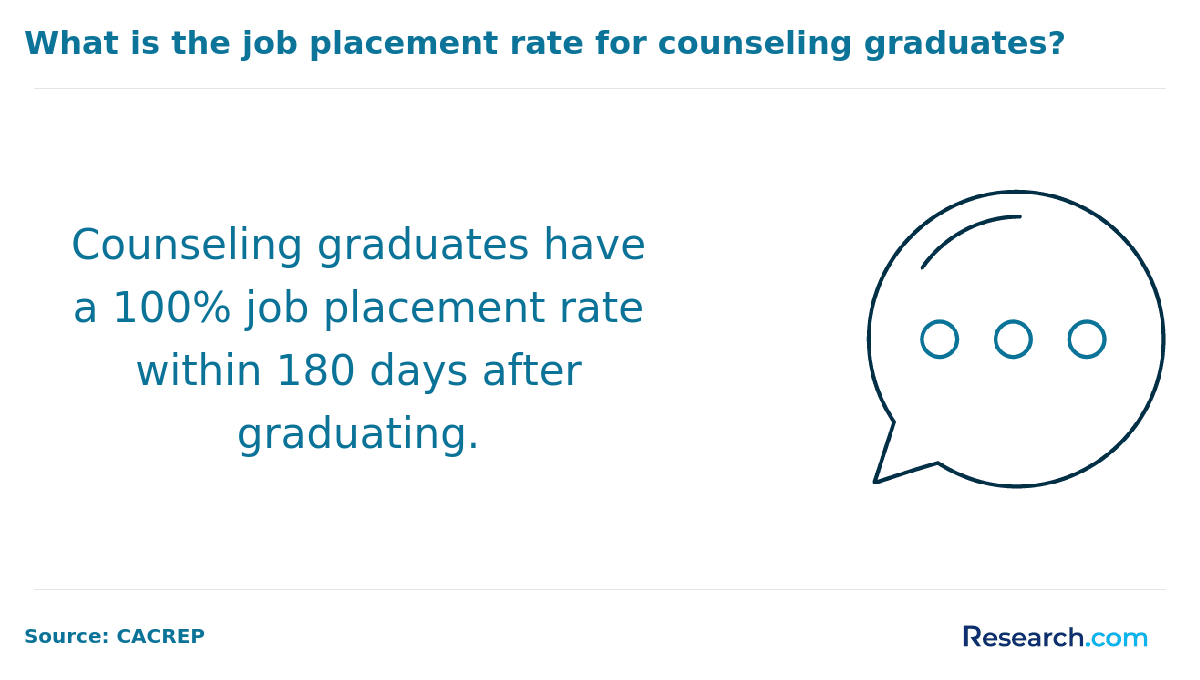
Are there accelerated counseling degree programs in Oregon?
Accelerated counseling programs in Oregon are limited because licensure-focused graduate programs must still meet state education and clinical training expectations. In most cases, “faster” means flexible scheduling, year-round coursework, heavier course loads, or hybrid delivery rather than a dramatically shorter degree.
Oregon licensure standards require a minimum of 60 credit hours, which usually means at least two years of graduate study. Prospective students should be cautious with any program marketed as 12 to 18 months if it does not clearly meet Oregon’s education, practicum, and internship expectations.
| School or program | Format and notable details | Fast-track considerations |
| Oregon State University | Offers a CACREP-accredited Master of Counseling in Clinical Mental Health (M.C.-CMH) in a hybrid, part-time format with online coursework and in-person sessions in Corvallis. | The program is not described as accelerated, but its cohort model and flexible structure may help some students progress efficiently. |
| George Fox University | Offers a CACREP-accredited Master of Arts in Counseling in a hybrid format with online coursework and Portland-based classes. Tuition is $693 per credit hour. | Students may complete the program within 2 to 3 years, but the curriculum still includes licensure-focused areas such as ethics, assessment, and practicum experience. |
| Southern Oregon University | Offers an in-person Master of Arts in Counseling in Ashland with in-state tuition around $14,553 annually. | A heavier course load may shorten the academic timeline for some students, but the program is not presented as a formal accelerated track. |
Out-of-state online programs may be an option for Oregon residents, but they require extra scrutiny. Before enrolling, ask the program to confirm in writing how its curriculum maps to Oregon standards. You can also compare requirements using a state-by-state overview of counseling licensure rules.
Are online counseling programs in Oregon faster than traditional ones?
Online counseling programs can be faster for some Oregon students, but they are not automatically shorter. Their main advantage is scheduling flexibility. Students who work full time, live far from campus, or need evening coursework may be able to maintain steady enrollment instead of pausing because of commuting or rigid class schedules.
| Program format | Potential advantage | Potential drawback | Best fit |
| Fully online | May reduce commuting, relocation, and schedule conflicts. | Students must verify practicum placement support and Oregon licensure alignment. | Working adults, rural students, and students who need maximum flexibility. |
| Hybrid | Combines online coursework with limited in-person learning and clinical skill development. | Campus visits may still be required, which can affect travel and scheduling. | Students who want flexibility but also value face-to-face instruction. |
| Traditional campus-based | Offers direct access to faculty, peers, campus resources, and local placement networks. | Fixed schedules and commuting can slow progress for students with work or family obligations. | Students who learn best in person and can attend classes on a set schedule. |
Several factors can make online or hybrid study more efficient:
- Flexible scheduling: Asynchronous or evening coursework can help students keep moving through the curriculum while working.
- Less travel time: Removing daily commuting can free time for readings, assignments, and exam preparation.
- Hybrid delivery: Programs that limit campus attendance while preserving clinical skill training can reduce logistical barriers.
Bushnell University’s 60-credit clinical mental health counseling program can be completed in as few as 28 months through evening and online classes. That timeline may appeal to students who cannot attend a traditional daytime program, but applicants should still ask about practicum placement, supervision expectations, and licensure exam preparation.
What challenges do fast-track counseling students face?
Fast-track counseling students often gain time by accepting more pressure. Condensed coursework, field placement demands, and licensure preparation can overlap in ways that affect learning, finances, and personal well-being. Before choosing an accelerated pathway, students should be honest about how much time and emotional capacity they have available.
| Challenge | Why it matters | Better planning strategy |
| Compressed academic schedule | Students may have limited time to master ethics, counseling theories, assessment, diagnosis, and clinical methods. | Review syllabi before enrolling and avoid stacking the most demanding clinical courses with major work obligations. |
| Limited supervised clinical opportunities | Oregon’s high counselor-to-student ratio (1:461) can make individualized mentorship and practicum access harder to secure. | Ask programs how they help students find placements and whether they maintain Oregon clinical partnerships. |
| Burnout risk | Heavy coursework combined with workforce shortages can contribute to emotional exhaustion. | Build recovery time into the weekly schedule and use supervision to discuss workload, boundaries, and self-care. |
| Uneven student support | Only 26% of Oregon higher education institutions provide full mental health services, and fewer than 20% conduct regular screenings. | Ask about counseling services, emergency support, academic coaching, and faculty availability before enrolling. |
| Work-life imbalance | Coursework, practicum, employment, and family duties can compete for the same hours. | Plan finances and work hours before starting clinical semesters, not after the workload increases. |
| Fewer networking opportunities | Accelerated formats can leave less time to build relationships with faculty, peers, supervisors, and employers. | Attend professional events, request informational interviews, and stay engaged with cohort activities. |
Financial pressure can also affect new counselors after graduation, especially when student debt limits job flexibility or delays personal goals. The chart below shows how student debt affects counseling graduates.
How do employers in Oregon view fast-track counselors?
Oregon employers generally care less about whether a program was labeled “fast-track” and more about whether the candidate is clinically prepared, eligible for licensure, and able to work safely with clients. Accelerated graduates can be competitive, but only when their training includes strong supervision, practicum quality, ethical decision-making, and evidence-based counseling skills.
Oregon Health Authority data indicates that employers place substantial weight on core competencies and may expect up to 36 months of supervised clinical experience before a counselor is fully ready for complex independent work. That expectation aligns with the state’s licensure structure and reinforces why supervised practice cannot be treated as a formality.
Fast-track graduates may have advantages when they can show discipline, adaptability, and prior experience in fields such as education, healthcare, social services, crisis work, or community programs. These backgrounds can be especially valuable in integrated care and community-based settings where counselors work with diverse populations and multiple service systems.
The strongest candidates usually present a clear portfolio of readiness: eligible degree, documented clinical hours, strong supervisor references, exam progress, experience with relevant populations, and comfort with documentation and ethical standards.
Are fast-track and online counseling programs in Oregon more affordable?
Online and fast-track counseling programs can reduce some costs, but they are not always cheaper overall. The true cost depends on tuition, fees, books, technology, travel, practicum expenses, lost income, financial aid, and the number of semesters required. Students should compare total program cost, not just per-credit tuition.
Some accredited online counseling programs may cost approximately $9,500 to $20,000. However, Eastern Oregon University’s online M.S. in Clinical Mental Health Counseling estimates total tuition near $50,265, excluding additional fees and supplies. This wide range makes careful cost comparison essential.
| Cost factor | How online or fast-track formats may help | What to verify |
| Tuition | Shorter or more efficient scheduling may reduce the number of semesters enrolled. | Ask for total program tuition, not only the per-credit amount. |
| Employment while enrolled | Part-time or evening formats may allow students to keep working over about three years. | Confirm whether clinical semesters can realistically be managed with your work schedule. |
| Commuting and relocation | Online coursework may reduce transportation, housing, and relocation costs. | Ask about required residencies, campus intensives, and placement travel. |
| Financial aid | Many online students use aid, scholarships, or employer support; up to 92% of online students benefit from financial aid or scholarships. | Compare net cost after grants, scholarships, and loan obligations. |
| Course pacing | Condensed semesters can shorten time in school. | Make sure faster pacing does not reduce practicum quality or exam preparation. |
A counselor who moved from teaching into online study described the financial value of staying employed, avoiding relocation, and using state scholarships that cut tuition by nearly half. That example shows why affordability is personal: the best-value program is the one that fits your work life, licensure goals, and total budget.
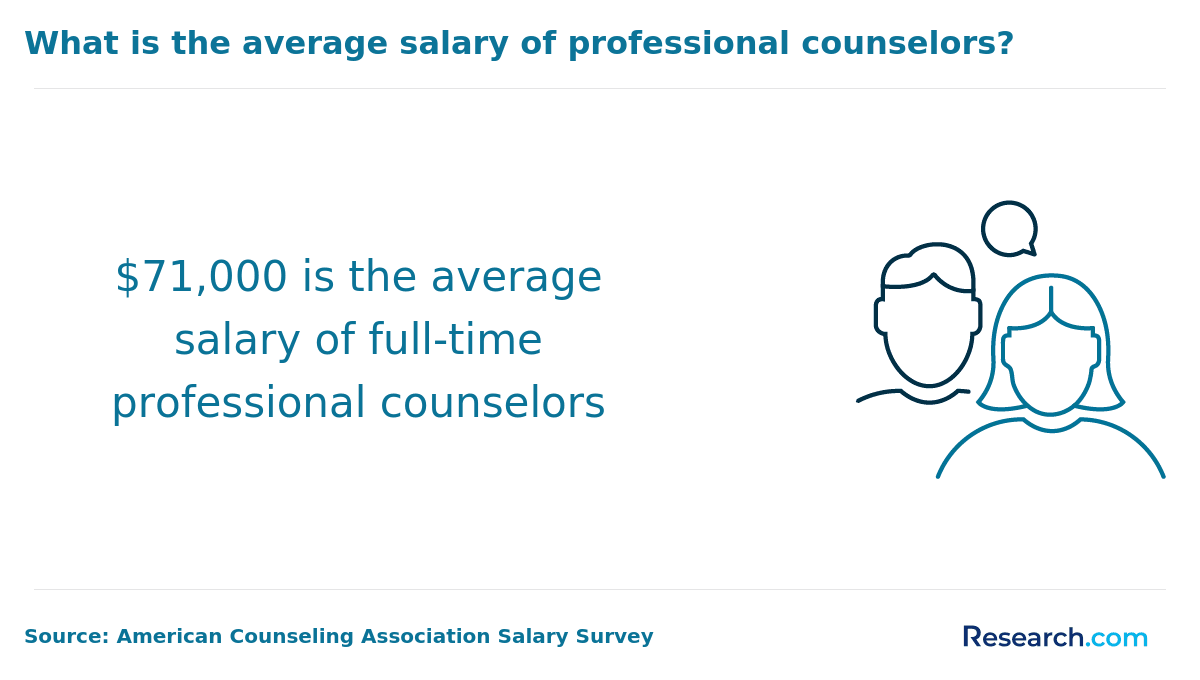
To put program cost into context, review the salary information below showing average counselor pay in the U.S.
Is substance abuse counseling a viable fast-track option in Oregon?
Substance abuse counseling can be one of the more practical ways to enter Oregon’s behavioral health field sooner, especially for people who want direct client work before or during graduate study. Addiction-focused roles may be available at different credential levels, and they often place a high value on recovery knowledge, crisis response, motivational interviewing, case coordination, and supervised field experience.
This route should not be confused with independent LPC licensure. Substance abuse counseling has its own training and credential expectations, and candidates should confirm the exact requirements for the job setting, population, and employer. For a dedicated breakdown of the pathway, review this guide to becoming a substance abuse counselor in Oregon.
What specialized certifications can enhance my counseling career in Oregon?
Specialized credentials can help counselors move into focused roles, serve specific populations, and demonstrate advanced preparation to employers. In Oregon, specialization may be especially useful in schools, addiction treatment, marriage and family services, rural mental health, crisis care, and integrated behavioral health settings.
School counseling is one example of a specialization with distinct training and professional expectations. Counselors interested in education settings should review how school-based requirements differ from clinical mental health licensure. A focused guide on how to become a school counselor in Oregon can help clarify the next steps.
What Specific Steps Are Required for an LPC License in Oregon?
The Oregon LPC pathway follows a structured sequence: complete a qualifying graduate degree, apply for associate registration when eligible, complete supervised clinical experience, pass required examinations, satisfy background and ethics-related requirements, and submit final documentation for board review. The order matters because supervised hours generally must be completed under the proper registration and supervision conditions.
Applicants should treat licensure as a documentation project as much as an education project. Keep copies of transcripts, syllabi when needed, supervision agreements, hour logs, exam results, background check materials, and board correspondence. For a more detailed procedural overview, see the dedicated guide to LPC license requirements in Oregon.
How do counselor and social worker licensure pathways differ in Oregon?
Counseling and social work both support mental health and community well-being, but the training models are different. Counseling programs usually emphasize therapeutic techniques, counseling theories, clinical assessment, ethics, and direct client intervention. Social work programs often combine clinical practice with social systems, policy, case management, advocacy, and community-level intervention.
Neither pathway is automatically better. Counseling may fit students who want a therapy-centered professional identity, while social work may fit those drawn to clinical services combined with broader systems and resource coordination. If you are comparing these options, review the degree requirements for Oregon social workers alongside counseling licensure requirements before choosing a program.
Is there a demand for counselors in Oregon?
Oregon has strong demand for counselors, especially in underserved communities, addiction treatment, school settings, family services, and rural or frontier areas. The need is shaped by provider shortages, rising behavioral health needs, turnover, and difficulty filling open roles.
- Provider shortages are widespread: Many rural and frontier counties in Oregon report fewer than one mental health provider per 1,000 residents.
- Growth projections are strong: Employment for substance use, behavioral disorder, and mental health counselors is expected to grow by 27% from 2022 to 2032.
- Vacancies remain significant: Nearly 37% of mental health counselor roles remain unfilled, while only about 73% of addiction counselor positions are currently staffed.
- Burnout affects workforce supply: Over 75% of addiction and behavioral health professionals report plans to leave their roles.
- High-need groups require specialized support: Children, families, rural residents, and people seeking substance use treatment are among the populations increasing demand for qualified professionals.
This demand can create meaningful opportunities for well-prepared counselors, but it does not eliminate the need for licensure, strong clinical skills, and resilience. Students weighing graduate school should compare demand with cost, timeline, and role fit. A broader discussion of whether graduate counseling education pays off is available in this guide to jobs with a master’s in counseling.
How much do counselors get paid in Oregon?
Counselor pay in Oregon varies by license level, specialty, setting, geography, and years of experience. As of mid-2025, general counselors in Oregon earn an average annual salary of about $63,752. Entry-level roles start near $47,146, while experienced professionals or specialists may earn up to $86,532. This average is roughly 3% lower than the national median for counselors.
| Counseling category | Reported pay information | What can affect earnings |
| General counselors in Oregon | Average annual salary of about $63,752, with entry-level roles near $47,146 and higher-end roles up to $86,532. | Experience, work setting, location, supervision status, and specialization. |
| School counselors | Median earnings around $61,000. | School district, contract structure, years of service, and additional credentials. |
| Substance abuse and mental health counselors | Often start at lower salaries but may earn more with specialized clinical or telehealth experience. | Addiction credentials, clinical license level, crisis experience, and employer type. |
| Marriage and family therapists | Median wages near $50,000. | Licensure status, client population, private practice opportunities, and location. |
| LPCs in Oregon | Annual income ranges from approximately $76,035 to $109,914, with some urban or specialized roles offering salaries up to $128,000. | Advanced licensure, specialization, private practice, urban demand, and years of practice. |
Urban clinical settings and private practices often pay more than rural or nonprofit roles, but higher-paying jobs may also require more experience, productivity expectations, or specialized credentials. Applicants should compare salary with benefits, supervision quality, caseload expectations, loan repayment options, and advancement potential.
To explore how different degree paths connect to job options, review this guide on what you can do with a counseling degree.
Is taking the fast route to become a counselor in Oregon worth it?
The fast route can be worth it if it helps you start supervised practice earlier, reduce avoidable gaps, and enter Oregon’s behavioral health workforce with strong preparation. It is not worth it if the program is poorly aligned with Oregon licensure, offers weak practicum support, or leaves you underprepared for complex client care.
Early registration as a Professional Counselor Associate can help candidates move into paid supervised roles sooner and begin working toward the required 1,900 hours of supervised client contact. This can shorten the time between graduation and full licensure while also helping candidates build real clinical confidence.
The best candidates for a faster pathway are organized, emotionally prepared for intensive training, financially realistic, and proactive about supervision. They also understand that speed should never come at the expense of ethical readiness, client safety, or licensure eligibility.
| A fast route may make sense if... | A slower or traditional route may be better if... |
| You already have behavioral health, education, healthcare, or social service experience. | You are new to helping professions and need more time to build foundational skills. |
| You can manage coursework, practicum, work, and personal responsibilities without excessive strain. | You are working full time in an inflexible job or have limited time for clinical placement. |
| The program clearly meets Oregon licensure standards. | The program cannot explain how it supports Oregon licensure or practicum requirements. |
| You have a plan for supervision, documentation, exams, and finances. | You are choosing speed mainly because of marketing claims or pressure to finish quickly. |
What Counselors in Oregon Say About Their Careers
-
: "
I chose a faster counseling pathway because I wanted to begin supervised work as soon as I could. Oregon’s need for mental health professionals made the decision feel practical, but the real value came from getting into client-facing work and building confidence under supervision. – George
"
-
: "
Working in Oregon has shown me how different counseling can look from one community to another. Rural areas, families, and clients with limited access to care all need thoughtful support. Moving quickly through my preparation helped me start contributing sooner, but strong supervision was what made the transition possible. – Kelly
"
-
: "
The professional development options in Oregon have helped me keep improving after graduation. Workshops, peer networks, and state-supported training have been important, especially because the work can be demanding. Finishing quickly mattered, but staying connected has mattered just as much. – Max
"
Related Articles for Nearby States
- 2027 Fastest Way To Become a Counselor in Washington
- 2027 Fastest Way To Become a Counselor in California
- 2027 Fastest Way To Become a Counselor in Idaho
- 2027 Fastest Way To Become a Counselor in Nevada
- 2027 Fastest Way To Become a Counselor in Montana
- 2027 Fastest Way To Become a Counselor in Utah
- 2027 Fastest Way To Become a Counselor in Wyoming
- 2027 Fastest Way To Become a Counselor in Arizona
- 2027 Fastest Way To Become a Counselor in Colorado
- 2027 Fastest Way To Become a Counselor in New Mexico
References and source materials reviewed
- American Counseling Association. Workforce survey summary and counseling workforce information. ACA source
- Counseling Degree Guide. Oregon counseling licensure overview. Counseling Degree Guide source
- Counseling Psychology. Oregon counseling school information. Counseling Psychology source
- Counseling Schools. Oregon counseling degree and license information. Counseling Schools source
- George Fox University. Oregon LPC preparation and licensure guidance. George Fox University source
- MSW Degrees. Oregon LPC requirements overview. MSW Degrees source
- Online Counseling Programs with edX. Oregon counselor career and licensure guide. Online Counseling Programs source
- Oregon State University College of Education. Clinical Mental Health Master of Counseling program details. Oregon State University source
- Public Health Online. Oregon mental health counseling license information. Public Health Online source
- U.S. Bureau of Labor Statistics. Occupational outlook information for school and career counselors and advisors. U.S. BLS source
Common mistakes to avoid when choosing a fast counseling pathway in Oregon
| Mistake | Why it can delay you | Better approach |
| Choosing a program because it is advertised as fast | A short timeline is not useful if the degree does not meet Oregon licensure expectations. | Confirm curriculum, practicum, internship, accreditation, and Oregon eligibility before enrolling. |
| Looking only at tuition | Fees, travel, technology, books, lost income, and practicum costs can change the real price. | Compare total cost of attendance and likely net cost after aid. |
| Waiting to understand associate registration | Delays in registration can postpone the start of supervised hour accumulation. | Review board requirements before your final graduate term. |
| Assuming online always means easier | Online counseling programs still require rigorous coursework and supervised clinical training. | Ask about placement support, faculty access, exam preparation, and student support services. |
| Ignoring supervision quality | Poor supervision can slow skill development and weaken employment readiness. | Choose roles and programs with experienced supervisors and clear feedback systems. |
| Expecting salary outcomes to be guaranteed | Pay varies by license, specialty, region, employer, and experience. | Compare job postings in your target Oregon region before committing to a program cost. |
Key Insights
- The fastest legitimate route to becoming a licensed counselor in Oregon still requires graduate education, associate registration, supervised experience, exams, and board approval.
- Oregon requires at least three years (36 months) of supervised clinical counseling experience and a minimum of 1,900 hours of direct client contact, so supervised practice is the main timeline driver.
- Online and hybrid programs can make completion more manageable, especially for working adults, but they must still meet Oregon licensure expectations.
- Bachelor’s-level roles such as addiction support, behavioral health technician, mental health associate, and case management can help you enter the field sooner, but they do not replace LPC requirements.
- Fast-track programs are most valuable when they combine flexible scheduling with strong practicum placement support, licensure alignment, exam preparation, and quality supervision.
- Demand for counselors in Oregon is strong, but employers still prioritize clinical competence, documented supervised experience, ethical judgment, and readiness for complex client care.
- Before enrolling, compare total cost, accreditation, Oregon eligibility, placement support, student services, transfer policies, and realistic workload rather than relying on speed or tuition alone.
Other Things You Need to Know About the Fastest Way to Become a Counselor in Oregon
Oregon counseling applicants must pass the National Counselor Examination (NCE) or the National Clinical Mental Health Counseling Examination (NCMHCE), depending on the license route. The Oregon Board of Licensed Professional Counselors and Therapists requires exam approval before testing, and passing is one of the final licensure steps.
To quickly accumulate the required 2,400 supervised hours for an Oregon counseling license, seek out intensive internship placements post-graduation. Many schools offer programs that integrate supervision, allowing faster completion within 12 to 18 months.