2027 Online MBA Career Paths & Best Industries to Enter

Co-Founder and Chief Data Scientist
An Online MBA is often chosen by working professionals who want a management credential without leaving their jobs. The key question is not simply whether the degree is flexible, but whether it can help you move into a better role, change industries, increase earning potential, or build the business skills needed to lead an organization.
This guide explains the main career paths available to Online MBA graduates, the industries that commonly hire them, and the roles where the degree can offer the strongest return. It also highlights practical differences among finance, marketing, consulting, technology, human resources, and entrepreneurship paths so you can match your program choice and career strategy to your goals.
Key Benefits of Learning About Online MBA Career Paths & Best Industries to Enter
- Understanding Online MBA career paths helps you identify high-demand roles, from management and consulting to finance, marketing, and technology, so you can target positions that match your skills and goals.
- Knowing the best industries to enter allows you to focus on sectors with strong growth and earning potential, with median salaries for MBA professionals often exceeding six figures in fields like consulting, finance, and tech.
- Exploring career paths and industries highlights opportunities for career advancement and leadership, helping you plan a strategic path for promotions or industry transitions.
- Learning about the benefits of earning an Online MBA shows how flexibility, networking, and practical, real-world learning can accelerate your career while allowing you to continue working full-time.
What career paths are available for Online MBA graduates?
Online MBA graduates can pursue roles across general management, finance, marketing, consulting, technology, operations, human resources, and entrepreneurship. The best path depends on your prior experience, chosen concentration, industry network, and ability to show measurable business impact—not on the online format alone.
Common career paths include:
- Management and leadership roles: Operations Manager, Business Development Manager, General Manager, and Chief Operating Officer roles suit graduates who want to lead teams, manage budgets, improve processes, and make cross-functional decisions.
- Finance and accounting: Financial Analyst, Investment Banker, Corporate Finance Manager, and Chief Financial Officer positions draw on coursework in financial strategy, risk, budgeting, valuation, and performance analysis.
- Marketing and sales: Marketing Manager, Brand Manager, Sales Director, and Digital Marketing Strategist roles combine customer insight, revenue strategy, analytics, and campaign leadership.
- Consulting: Management and strategy consultants help organizations solve problems involving growth, cost reduction, operations, market entry, organizational design, and competitive positioning.
- Entrepreneurship: Graduates may use MBA training to launch a company, buy or scale a small business, develop a business plan, evaluate funding options, or improve an existing venture.
- Technology and data analytics: Product Manager, Business Analyst, and data-driven strategy roles are strong fits for graduates who can connect business objectives with technology, user needs, and analytics.
- Human resources and organizational development: HR Managers, Talent Development Specialists, and organizational leaders focus on workforce planning, leadership development, compensation strategy, employee engagement, and change management.
For career changers, the degree is usually most effective when paired with targeted experience: internships, consulting projects, internal stretch assignments, certifications, or a portfolio of business results. For experienced managers, the Online MBA can help formalize leadership skills and support advancement into director, vice president, or executive-level roles.
Which industries hire the most Online MBA graduates?
Industries that hire Online MBA graduates tend to value professionals who can manage people, interpret data, improve operations, and make financially sound decisions. Hiring is strongest where business problems are complex, growth targets are aggressive, or organizations need leaders who understand both strategy and execution.
- Finance and banking: Investment banks, commercial banks, asset management firms, and corporate finance teams hire MBA graduates for financial analysis, finance management, risk, planning, and senior finance roles.
- Technology and IT: Tech companies, software firms, fintech startups, and digital platforms hire MBAs for product management, business development, operations, partnerships, data analytics, and go-to-market strategy.
- Healthcare and biotech: Hospitals, healthcare networks, pharmaceutical companies, and biotech firms need business-trained leaders for operations, revenue strategy, compliance-aware management, strategic planning, and healthcare administration.
- Consulting: Management, strategy, and operations consulting firms value MBA graduates for structured problem-solving, client communication, financial modeling, and change leadership.
- Consumer goods and retail: Retail, e-commerce, and consumer products companies hire MBAs for brand management, merchandising strategy, marketing, supply chain, and operations leadership.
- Energy and sustainability: Renewable energy, oil and gas, and sustainability-focused organizations hire MBAs for project management, corporate strategy, operations, finance, and market development roles.
- Government and nonprofits: Public agencies and nonprofit organizations recruit MBA graduates for program management, budgeting, policy analysis, operations improvement, and organizational leadership.
When comparing industries, look beyond job titles. Finance and consulting may offer faster compensation growth but can involve demanding hours. Healthcare and government roles may be mission-driven but require comfort with regulation and complex stakeholders. Technology can reward adaptability, product thinking, and comfort with ambiguity.
What is the average salary for Online MBA graduates by industry?
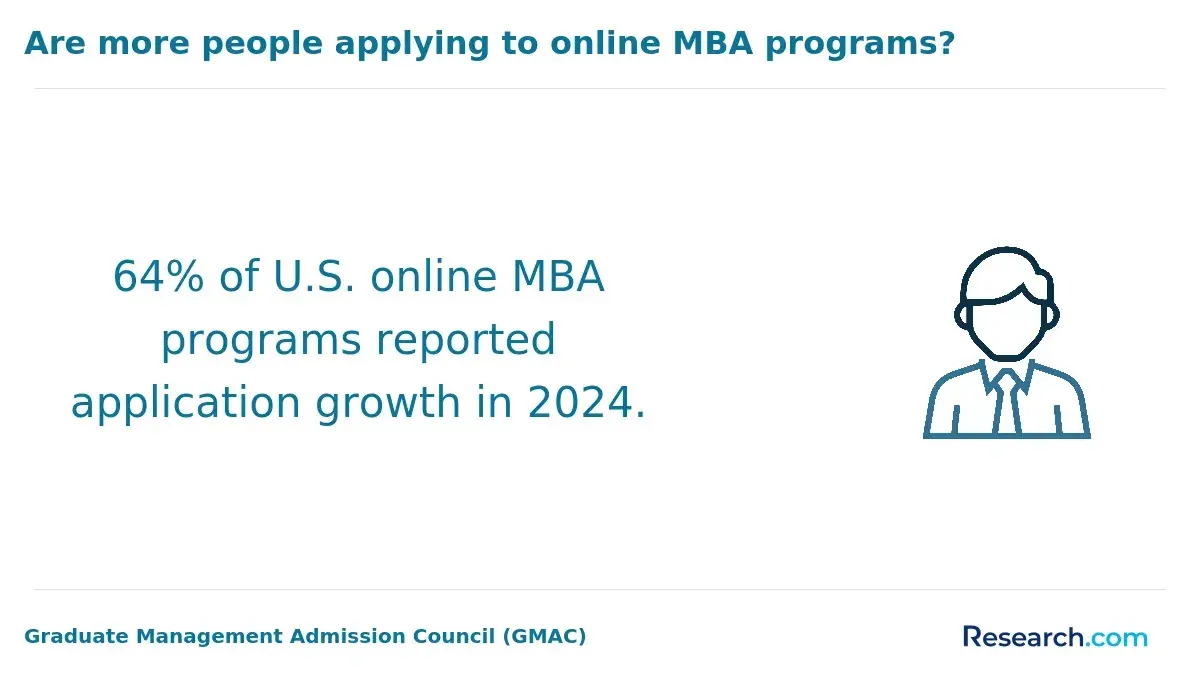
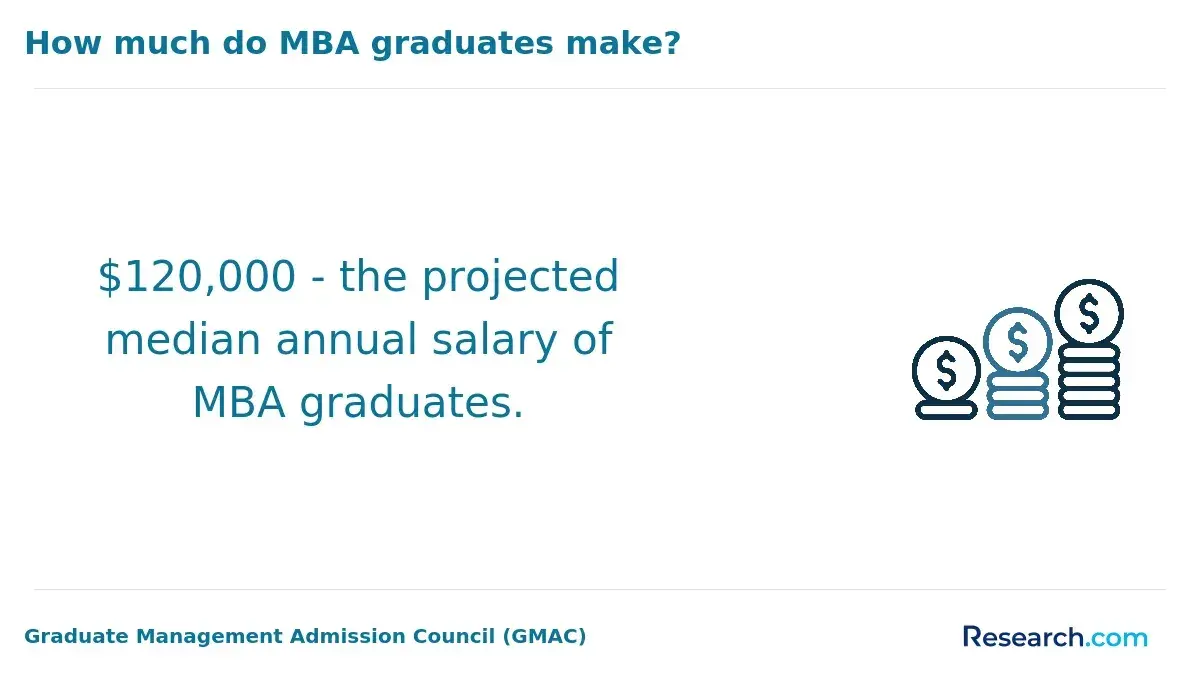
Salary outcomes for Online MBA graduates vary by industry, employer, geography, work experience, prior function, and school reputation. Recent reports for online MBA programs show that average base salaries tend to run between ~$120,000 to $160,000 depending on industry, experience, and school. For example, one online MBA program reported an average salary of about $137,000 for its Class of 2023/24.
The University of Minnesota Carlson School reported the following salary figures for its Online MBA Class of 2024:
| Industry | Average salary |
| Healthcare | $160,563 |
| Technology | $163,600 |
| Manufacturing | $128,889 |
| Financial Services | $126,000 |
These figures suggest that healthcare and technology can be especially strong salary markets for Online MBA graduates, while manufacturing and financial services still show six-figure outcomes in this example. However, averages should not be treated as guarantees. A graduate entering an MBA with several years of management experience, technical expertise, or a strong internal promotion path may see very different results from someone making a complete career pivot.
For prospective students exploring the best online MBA without GMAT options, salary data can help frame potential value, but it should be considered alongside tuition, employer reimbursement, program quality, accreditation, career services, alumni network, and time to completion.
An Online MBA can support finance careers in corporate finance, investment services, banking, risk management, treasury, and executive finance leadership. The strongest candidates usually combine MBA coursework with quantitative ability, financial modeling skills, industry knowledge, and experience explaining financial decisions to non-finance leaders.
- Financial Analyst: Evaluates financial performance, forecasts results, analyzes investment opportunities, and supports business decisions with data and financial models.
- Investment Banker: Advises companies on mergers, acquisitions, capital raising, and corporate finance transactions, typically in a high-pressure, client-facing environment.
- Corporate Finance Manager: Oversees budgeting, forecasting, internal financial planning, capital allocation, and performance management within an organization.
- Chief Financial Officer (CFO): Leads financial strategy, reporting, risk management, investment decisions, capital structure, and long-term financial planning.
- Portfolio Manager or Asset Manager: Manages investment portfolios for clients or institutions while balancing risk, return, market conditions, and client objectives.
- Risk Manager: Identifies financial, market, credit, operational, and compliance risks and develops strategies to reduce exposure.
- Treasury Manager: Manages liquidity, cash flow, debt, banking relationships, and capital structure to support day-to-day operations and growth.
- Financial Consultant / Advisor: Provides strategic financial guidance to organizations or clients on investment, budgeting, growth planning, or financial restructuring.
Students targeting finance should look for programs with finance concentrations, accounting and analytics coursework, case-based valuation projects, and access to finance-focused alumni or employer networks. If your goal involves regulated advisory work, confirm whether additional licensing, exams, or credentials may be required for your specific role.
Marketing roles are a strong fit for Online MBA graduates who can combine customer insight, analytics, brand strategy, revenue goals, and team leadership. The degree can be especially useful for professionals moving from execution-focused roles into strategy, budget ownership, product positioning, or senior marketing management.
For experienced professionals considering affordable EMBA programs, marketing leadership roles can offer a practical advancement path because they reward both executive judgment and market-focused decision-making.
- Marketing Manager: Develops campaigns, manages budgets, coordinates teams, measures performance, and aligns marketing activity with revenue and growth targets.
- Brand Manager: Owns brand positioning, messaging, customer perception, product performance, and competitive differentiation.
- Digital Marketing Manager: Leads online channels such as SEO, paid media, social media, email, content, and digital advertising while using data to improve conversion and retention.
- Product Marketing Manager: Builds go-to-market plans, defines target customers, analyzes competitors, supports launches, and translates product value into market messaging.
- Sales and Marketing Director: Connects demand generation, customer acquisition, sales strategy, revenue forecasting, and team performance.
- Marketing Analyst: Uses market research, customer data, campaign results, and analytics tools to guide marketing strategy and spending decisions.
- Chief Marketing Officer (CMO): Leads the organization’s overall marketing strategy, brand direction, customer growth, market intelligence, and marketing team structure.
For the best results, choose electives or projects in analytics, consumer behavior, pricing, digital strategy, and product management. Employers often want evidence that you can turn marketing activity into measurable business outcomes, not just creative campaigns.
Online MBA graduates can move into consulting roles that require structured problem-solving, executive communication, financial analysis, project management, and industry insight. Consulting can be a strong option for graduates who like diagnosing business problems, working with varied clients, and producing recommendations that senior leaders can act on.
For students enrolled in affordable online MBA programs, consulting may offer a strong return on investment when the program provides case-based learning, applied projects, employer access, and a credible business school network.
- Management Consultant: Advises organizations on business performance, operating models, organizational structure, and strategic priorities.
- Strategy Consultant: Focuses on market entry, growth strategy, competitive analysis, mergers, pricing, and long-term planning.
- Financial Consultant: Helps organizations improve budgeting, investments, risk management, forecasting, and financial planning.
- Human Resources / Organizational Development Consultant: Supports workforce planning, talent strategy, leadership development, change management, and culture improvement.
- Technology / IT Consultant: Advises on digital transformation, software implementation, cybersecurity, systems strategy, and technology-enabled operations.
- Operations Consultant: Improves supply chains, production systems, logistics, workflow design, cost control, and process efficiency.
- Marketing or Brand Consultant: Helps organizations refine brand positioning, customer strategy, marketing operations, market research, and engagement plans.
Consulting hiring is competitive. A strong MBA transcript helps, but employers also look for case interview preparation, analytical rigor, polished presentations, industry expertise, and examples of measurable results from prior work.
Yes. An Online MBA can help aspiring entrepreneurs build the planning, finance, marketing, operations, and leadership skills needed to start or grow a business. It is not a substitute for market demand, capital, execution, or resilience, but it can reduce avoidable mistakes and give founders a clearer framework for making business decisions.
For aspiring entrepreneurs exploring affordable MBA programs, the degree can be a cost-conscious way to study business fundamentals while continuing to work, test an idea, or build a venture gradually.
An Online MBA may help entrepreneurs by strengthening their ability to:
- Evaluate markets, competitors, customer segments, and revenue potential.
- Build realistic business plans, budgets, forecasts, and funding strategies.
- Understand pricing, cash flow, margins, and financial risk.
- Create marketing strategies that connect product value with customer demand.
- Manage hiring, operations, vendors, teams, and performance.
- Use peer, alumni, faculty, and mentor networks to find advisors, partners, customers, or investors.
Many Online MBA programs offer specialized courses or concentrations in entrepreneurship, innovation, and small business management. When comparing programs, look for applied projects, venture labs, pitch opportunities, alumni founders, and faculty with practical business experience.
An Online MBA can lead to tech roles by helping graduates translate business strategy into product, operations, growth, and data-driven decisions. Many technology employers need leaders who can work across engineering, sales, finance, marketing, customer success, and executive teams—even if those leaders are not software engineers.
Common tech-facing roles for Online MBA graduates include Product Manager, Business Analyst, Operations Manager, Business Development Manager, Strategy Manager, Customer Success Leader, and roles in fintech, software, platforms, and digital transformation.
Relevant MBA coursework may include digital transformation, data analytics, technology management, innovation, operations, entrepreneurship, and strategy. These subjects help graduates understand tech-driven markets, customer adoption, platform economics, product launches, and the business implications of emerging tools.
To compete for technology roles, Online MBA students should build evidence of tech fluency. Useful steps include completing analytics or product projects, learning the language of software development teams, earning relevant certifications where appropriate, networking with alumni in tech, and targeting companies where prior industry experience can be an advantage.
Online MBA graduates can pursue HR and organizational leadership roles that connect people strategy with business performance. These careers are especially relevant for professionals who want to influence workforce planning, leadership development, compensation strategy, culture, and organizational change.
- HR Manager: Oversees recruitment, employee relations, performance management, HR policies, and day-to-day people operations.
- Talent Acquisition Specialist / Recruitment Manager: Leads hiring strategy, employer branding, workforce pipelines, and retention-focused recruiting practices.
- Compensation and Benefits Manager: Designs and manages pay structures, incentives, benefits programs, and compensation policies.
- Organizational Development Manager: Focuses on workforce planning, leadership development, change management, employee engagement, and organizational effectiveness.
- HR Director / VP of HR: Leads the HR function at a senior level and aligns people strategy with company goals, culture, and growth plans.
- Training and Development Manager: Designs learning programs, leadership training, upskilling initiatives, and performance improvement plans.
- Employee Relations Manager: Handles workplace concerns, supports compliance with labor laws, manages conflict, and promotes a productive work environment.
For HR-focused students, an MBA can be most valuable when paired with coursework in organizational behavior, analytics, employment law, compensation, negotiations, and change management. In some HR roles, additional professional credentials may strengthen competitiveness, depending on the employer and career level.
Which career paths provide the highest ROI for Online MBA graduates?
The highest ROI career paths for Online MBA graduates are typically those where the degree helps unlock higher compensation, faster promotion, broader leadership responsibility, or a successful industry pivot. Consulting, finance, and technology often rank highly because they combine strong demand with roles that reward strategy, analytics, communication, and leadership.
Management consulting positions, for instance, offer salaries often exceeding $150,000 in the first few years, along with performance bonuses and accelerated promotion tracks. Finance roles such as investment banking, corporate finance, or private equity may also deliver strong ROI because compensation can include high base salaries and incentives.
Technology and product management roles can also provide strong ROI, especially in software, AI, and fintech companies. Online MBA graduates entering these sectors often start with competitive salaries ($130,000–$160,000) and gain exposure to strategic decision-making, leadership, and innovation.
Other high-ROI paths include executive leadership positions such as Chief Financial Officer (CFO) or Chief Marketing Officer (CMO), as well as entrepreneurial ventures where the MBA’s strategic, financial, and operational training can directly support business growth.
To judge ROI realistically, compare expected salary growth with tuition, fees, time commitment, employer reimbursement, opportunity cost, and the program’s career support. The best return usually comes when your MBA concentration, prior experience, target industry, and networking strategy all point toward the same career outcome.
Other Things You Should Know About Online MBA Career Paths & Best Industries to Enter
Employers value data analysis, financial modeling, project management, and strategic communication most. Many roles also expect Excel, Tableau, SQL, and familiarity with ERP tools such as SAP or Oracle, especially in consulting, healthcare, technology, and operations positions.
In 2027, the highest-paying industries for Online MBA graduates include technology, healthcare management, and finance. These sectors offer competitive salaries and growth opportunities, especially in areas like data analytics, digital transformation, and financial consulting, driven by ongoing technological advancements and global economic shifts.
- Bureau of Labor Statistics. (2024). Occupational Outlook Handbook: Management occupations. U.S. Department of Labor.
- Graduate Management Admission Council (GMAC). (2024). Corporate Recruiters Survey 2024.
- Poets & Quants. (2024). What can you do with an MBA? Career options and salaries.
- U.S. News & World Report. (2024). Best online MBA programs and career outcomes.
- Fortune Education. (2024). Top industries hiring MBA graduates.