2027 What You Learn in Online MBA Analytics Courses

Co-Founder and Chief Data Scientist
Professionals from diverse fields often face challenges when aiming to transition into data-driven business roles due to a lack of specialized analytical skills. Without formal training, interpreting complex datasets or making strategic decisions rooted in analytics can be daunting. Online MBA analytics courses address this gap by equipping students with essential tools to analyze trends, optimize operations, and drive informed decisions.
This article explores the core competencies taught in these programs, detailing how they prepare graduates to tackle real-world business problems effectively and accelerate career shifts into analytics-focused leadership positions.
Key Things You Should Know
- Online MBA analytics courses in 2026 focus on data-driven decision-making, teaching statistical analysis, predictive modeling, and data visualization tools essential for business strategy.
- These courses integrate real-world datasets and software like Python and Tableau, reflecting a 27% job growth projection in data analytics roles through 2030, according to the U.S. Bureau of Labor Statistics.
- Students gain skills in big data management and AI applications, preparing them for leadership positions that demand advanced analytical competencies across industries.
What is an online MBA analytics course and what topics does it cover?
An online MBA analytics course curriculum equips students with the skills to analyze complex business data and support strategic decision-making. These programs combine core MBA principles with advanced data analysis techniques, preparing graduates for roles in data-driven management. Subjects typically include statistics, data mining, predictive analytics, financial analysis, and marketing analytics.
Key topics covered in online MBA analytics programs often focus on practical tools such as SQL, Python, R, and Tableau, enabling students to manipulate large datasets and generate actionable insights. Case studies in areas like supply chain optimization, customer segmentation, and risk management help apply theory to real business challenges.
The curriculum commonly emphasizes data visualization and storytelling, machine learning fundamentals, big data and cloud platforms, optimization techniques, and ethical data privacy considerations:
- Data visualization and storytelling for business
- Machine learning fundamentals for predictive modeling
- Big data management and cloud analytics platforms
- Optimization techniques and decision science
- Ethical considerations and data privacy in analytics
Growing demand for analytics roles is reflected in projections by the U.S. Bureau of Labor Statistics, showing 23% growth through 2033. Prospective students should consider programs integrating analytics with leadership training and industry-relevant projects to prepare for challenges like interpreting ambiguous data and managing cross-functional teams.
Those seeking affordable options may explore MBA online cheap programs that cover these essential analytics skills while balancing cost and quality.
What skills and competencies will you develop in an online MBA analytics program?
In an online MBA analytics program, students build advanced skills that support data-driven decision making skills for online MBA analytics programs. Key competencies include statistical analysis, predictive modeling, and data mining, enabling graduates to extract insights from complex data. Mastery of data visualization tools such as Tableau and Power BI enhances communication of findings to stakeholders. Notably, the 2025 Data Science Salary Report by Anaconda shows professionals skilled in data visualization earn a median salary of $112,000-18% higher than general business analysts-highlighting the strong market demand for these capabilities.
Courses also emphasize machine learning fundamentals and programming in Python and R, supporting automation and advanced analytics. Proficiency in database management and data warehousing is developed to manage diverse data sets efficiently. Advanced business intelligence competencies in MBA analytics courses prepare students to design data-driven strategies, optimize processes, and evaluate risks through quantitative methods.
Hands-on experience with SAS, SQL, and cloud analytics platforms is integral, alongside training in ethical issues like privacy, bias mitigation, and compliance. Strong business acumen and communication skills are cultivated through case studies and projects, preparing graduates to translate complex analytics into actionable recommendations for varied audiences.
Many students seeking affordability and quality explore programs such as the accelerated online MBA AACSB, which balances cost and academic rigor effectively.
What are the admission requirements for online MBA analytics programs?
Admission requirements for online MBA analytics programs typically include a bachelor's degree from an accredited university, with many institutions favoring backgrounds in business, economics, engineering, or related fields. However, some programs accept candidates with non-traditional degrees if they have relevant work experience. Official transcripts and a minimum undergraduate GPA of around 3.0 are commonly required, though more competitive programs may set higher standards.
Standardized test scores like the GMAT or GRE are often requested, but many schools waive these exams for applicants with substantial professional experience, usually five years or more. Professional experience is vital; online MBA analytics admission criteria generally expect two to five years in roles involving data analysis, management, or similar responsibilities, reflecting the complex quantitative skills needed.
Applicants must also submit letters of recommendation from supervisors or academic mentors and provide a personal statement outlining career goals in analytics. Some programs include interviews to evaluate communication and program fit. Increasingly, requirements for MBA analytics program enrollment emphasize technical proficiency, including familiarity with statistics, programming languages such as Python or R, and data visualization tools. This aligns with growing industry demands, as predictive analytics reportedly boosted organizational ROI by 25% in 2025.
For those exploring options, reviewing affordable executive MBA online programs can be a practical starting point to balance costs and career advancement.
An online MBA analytics program duration typically ranges from 18 months to 3 years. Full-time students usually complete the degree in about 18 to 24 months, whereas part-time learners, particularly working professionals, may take up to 3 years. This variation depends on the course load, school requirements, and inclusion of capstone or practicum projects. Many programs offer accelerated tracks enabling completion in as little as 12 months, but these demand a heavier course schedule and commitment.
Flexible pacing allows students to balance work and study, which can extend the time required to complete MBA analytics degree but makes it more accessible. For instance, a working professional taking two courses per semester could graduate in 2.5 to 3 years. Programs centered on big data analytics and management often incorporate hands-on projects and data visualization labs, influencing the program length. Some institutions also require foundational statistics or programming prerequisites, potentially extending the timeframe.
According to the Graduate Management Admission Council's Corporate Recruiters Survey 2025, 87% of MBA graduates with big data analytics training reported career advancement within one year of graduation. Prospective students should review credit requirements-generally 36 to 54 credits-and transfer policies to plan realistically. Those interested may explore online MBA programs no GMAT required to find flexible and affordable options.
Considering these variables ensures students set practical expectations about how long earning an online MBA analytics degree will take.
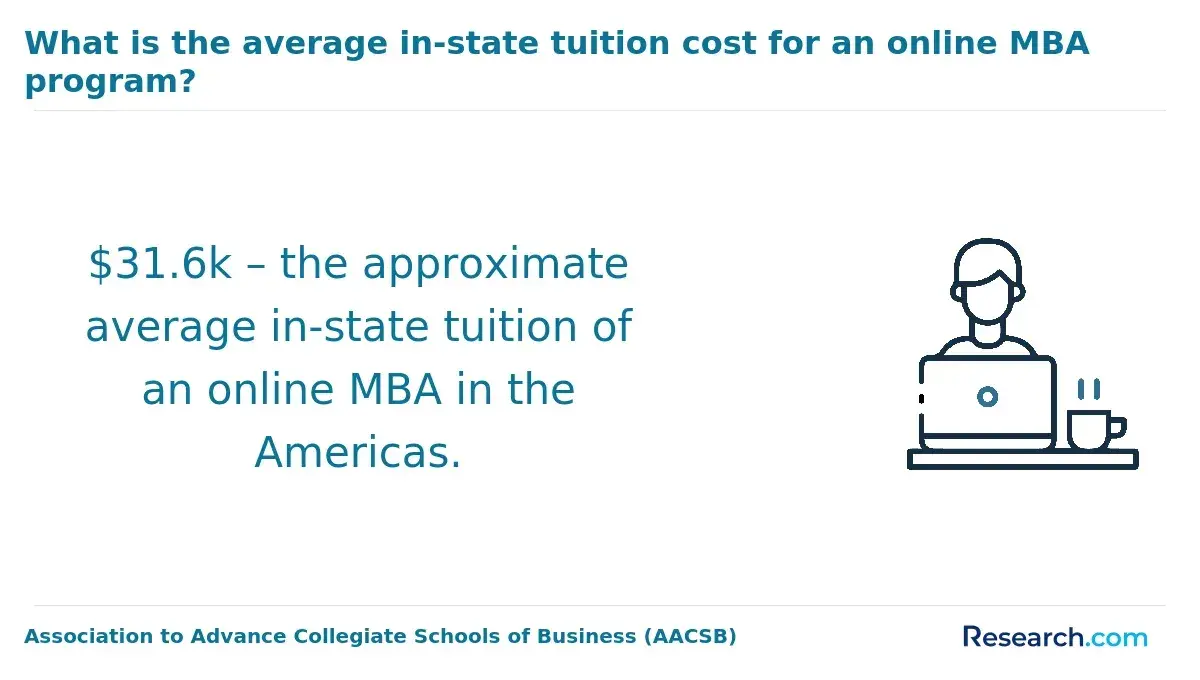
Tuition for online MBA programs varies widely, typically ranging from $20,000 to over $100,000 based on factors like institution prestige, program length, and curriculum. Public universities offer more affordable options, usually between $20,000 and $50,000 total, while private and top-tier schools may charge more than $80,000. Students should also consider the cost per credit hour, which can be between $500 and $1,800, plus additional fees for course materials, technology, and graduation.
Financial aid options are plentiful but differ by school. Eligible U.S. citizens and permanent residents can access federal aid such as Pell Grants and student loans, which often cover significant portions of tuition. Many programs also provide scholarships based on academic merit or leadership. Employer tuition assistance programs are common for working professionals, helping reduce expenses. Some institutions offer income-share agreements or deferred payment plans to make financing easier.
Applying early through FAFSA and researching school-specific scholarships can maximize aid opportunities. Several programs tailor financial assistance for online learners balancing work and study.
Programs that emphasize analytics align with industry demands. McKinsey's 2025 AI in Business report found that machine learning improved decision-making accuracy by 40% in supply chain roles. Investing in an online MBA with strong analytics can therefore be a strategic career move.
Online MBA analytics programs provide a curriculum comparable in depth to campus-based MBA programs, covering core areas such as data mining, predictive modeling, visualization, and decision analytics. The primary difference lies in delivery and networking opportunities. Campus programs offer face-to-face engagement, fostering peer collaboration and immediate feedback via in-person case discussions and group projects. Conversely, online MBAs offer flexibility with asynchronous or hybrid learning models alongside virtual forums and live sessions to maintain student interaction.
Technology is central in both formats. While campus programs benefit from on-site labs and specialized software, online options increasingly utilize cloud-based platforms and real-time data analysis tools mimicking traditional resources. This allows working professionals to directly apply analytics skills on the job, enhancing learning and career growth.
Graduates with strong statistical training typically earn starting salaries about 15% higher than standard MBA averages, reaching $135,000, regardless of whether they attend online or campus programs. This highlights the importance of mastering statistical foundations for advancement in analytics roles.
When selecting a program, consider networking preferences, learning styles, and schedule flexibility. Campus MBAs are ideal for those seeking immersive environments, while online MBA analytics programs suit students needing flexible pacing without compromising academic rigor.
When selecting an online MBA program, verifying accreditation from U.S. agencies such as the Association to Advance Collegiate Schools of Business (AACSB), Accreditation Council for Business Schools and Programs (ACBSP), or the International Accreditation Council for Business Education (IACBE) is crucial. These accreditations ensure programs meet high academic and professional standards essential for analytics education.
Accredited programs not only enhance degree recognition by employers but also determine eligibility for federal financial aid. AACSB accreditation is often seen as the gold standard, reflecting rigorous faculty qualifications and curriculum quality. Meanwhile, ACBSP and IACBE accreditations typically emphasize specialized or career-focused coursework while maintaining credible education standards.
Programs should include updated content aligned with market needs, particularly skills in analytics programming languages like R and Python. Professionals experienced with Python for analytics earned a 28% salary premium in 2025, with a median salary of $148,000, according to the KDnuggets Software and Data Salary Survey. Thus, MBA analytics curricula must combine programming expertise with strong analytical methods.
Prospective students should also confirm that a program holds state authorization for online delivery and offers robust career support services. Without proper accreditation or authorization, degrees may lack employer recognition or fail to meet certification requirements.
Prioritizing accredited MBA programs with relevant analytics content and compliance with online education standards is key to advancing your career.
MBA analytics graduates often hold diverse roles that capitalize on their skills in data-driven decision-making and business intelligence. Common positions include Business Intelligence Analyst, Data Analytics Manager, Strategic Consultant, and Operations Analyst. These roles typically focus on improving organizational performance through data interpretation and predictive modeling.
Other key roles involve Product Manager, Marketing Analyst, and Financial Analyst, where analytics drive revenue growth, customer insights, and risk management. Senior leadership positions such as Director of Analytics or Chief Data Officer are also common, managing analytics strategies across departments.
Proficiency in tools like Tableau, Power BI, and SQL is essential. Gartner's Magic Quadrant for Analytics and BI Platforms highlights that companies using these tools achieve faster reporting and improved decision accuracy, underscoring the value MBA analytics holders bring to business insights.
Critical skills include statistical analysis, machine learning, and data visualization. These are particularly important for roles like Data Scientist and Advanced Analytics Consultant. Effective cross-functional collaboration enhances strategy development and execution.
Salary potential is strong, especially in technology, finance, healthcare, and consulting sectors, with many roles offering six-figure earnings. The ability to translate complex data into actionable strategies remains a key differentiator.
Professionals with an MBA in analytics enjoy strong salary potential due to growing demand for data-driven expertise. Data analytics managers earn a median salary near $130,000 annually, with senior roles exceeding $180,000. Entry to mid-level positions typically range from $85,000 to $120,000, varying by industry and location. Key sectors offering competitive compensation include technology, finance, healthcare, and consulting.
The job outlook for MBA analytics graduates is robust, with a projected 22% growth in data-related roles from 2020 to 2030, faster than average for all occupations. This growth is fueled by analytics' expanding role in business strategy and decision-making. Notably, Deloitte's 2025 Data Ethics Survey reports that 65% of executives see data privacy as a primary barrier to analytics expansion, driving a 22% rise in demand for ethics-trained analysts. This creates new opportunities in responsible data use, compliance, and governance.
Successful MBA programs integrate ethics, privacy laws, and compliance alongside technical analytics training. Career paths include analytics consulting, business intelligence, data governance, and risk management-all with strong advancement potential. Practical experience addressing real-world ethical challenges is increasingly valued, helping candidates stand out in a competitive field.
How do you choose between accredited online MBA analytics programs?
Selecting an accredited online MBA analytics program ensures recognition by employers and quality education. Look for regional accreditation or approval by organizations like AACSB or ACBSP, which confirm rigorous academic standards and affect credit transferability, financial aid, and graduate credibility.
Focus on curriculum relevance by examining courses in data analysis, predictive modeling, and business intelligence. Programs offering capstone projects using real-world data provide valuable hands-on experience. According to Poets&Quants 2025 MBA Outcomes Analysis, employers hiring MBA analytics capstone completers saw 35% better project results, with alumni ROI reaching 250% in three years, highlighting the benefit of applied learning.
Evaluate program flexibility and delivery formats that suit your schedule, including asynchronous, live virtual, or hybrid models. Also, compare career services like mentorship, internships, and networking opportunities that support post-graduate employment.
Consider faculty expertise and industry connections, as instructors actively engaged in analytics maintain curriculum relevance and provide access to trends. Transparency in graduate employment rates and salary outcomes further aids decision-making.
Assess total costs-including tuition, fees, and technology expenses-against potential ROI. Investigate scholarships and employer tuition assistance options. Reading student and alumni reviews helps gauge program satisfaction and support quality.
Other Things You Should Know About MBA
Yes, an online MBA analytics degree from an accredited institution is widely recognized by employers. Many reputable business schools offer online MBA programs that meet the same academic standards as their on-campus equivalents, ensuring graduates possess valid credentials. Employers increasingly value the practical skills and flexibility demonstrated by students who complete online programs.
Online MBA analytics programs often incorporate hands-on projects involving real-world data sets and business scenarios. Students typically work on case studies, data modeling, and strategic decision-making exercises. Some programs also require capstone projects or internships to provide practical experience and application of analytical techniques in business contexts.
Yes, many MBA analytics programs are designed to accommodate professionals from various disciplines, including those without prior technical expertise. Foundations in statistics and data analysis are often included early in the curriculum to build necessary skills. However, some programs may recommend or require familiarity with basic quantitative concepts to succeed.
- Online MBA with Data Analytics, Business Intelligence https://online.abertay.ac.uk/programmes/mba-with-data-analytics/
- Online MBA in Business Analytics - Fees, Eligibility & Syllabus - Chandigarh University https://www.onlinecu.in/online-mba/business-analytics.php
- Online MBA Data Analytics: Leadership in Data | Walbrook https://www.walbrook.ac.uk/degrees/postgraduate/mba-data-analytics/
- Career Options, Salaries & Growth After MBA in Business Analytics https://www.edept.co/blogs/mba-business-analytics-career-options-salary-growth
- How to Choose the Best Online MBA Program for Your Career https://www.dypatilonline.com/blogs/how-to-choose-online-mba-program-for-career-growth
- How To Pay For Your Online MBA https://poetsandquants.com/2020/12/18/how-to-pay-for-your-online-mba/
- Online MBA vs Campus MBA Program - Which one to choose https://rcu.education/online-mba-vs-campus-mba-programs/
- How to Choose the Right Online MBA Program: A Step-by-Step Guide https://www.universalai.in/how-to-choose-the-right-online-mba-program-a-step-by-step-guide/
- How Long Does It Take to Get an MBA? Full Timeline https://www.scu.edu/business/blog/mba/how-long-does-it-take-to-get-an-mba/