2027 First-Generation Student Guide to Online MBA Programs

Co-Founder and Chief Data Scientist
Many first-generation college graduates face uncertainty when considering how to balance work, family, and the pursuit of an MBA. Accessing a program that offers flexibility and recognized accreditation often seems daunting, especially without a direct network or prior experience in business studies. Questions about affordability, program quality, and career support further complicate the decision.
This guide addresses these challenges by outlining practical steps and key factors to evaluate when selecting an online MBA program. It aims to equip readers with clear insights to make informed choices aligned with their professional goals and personal circumstances.
Key Things You Should Know
- First-generation students represent nearly 40% of online mba enrollees in 2025, highlighting the growing accessibility of digital business education.
- Flexible schedules and lower costs for online mba programs aid first-generation learners balancing work, family, and studies.
- Peer networks and targeted support services improve retention and graduation rates for first-generation online mba students by up to 15%.
What Are Online MBA Programs for First-Generation Students?
Online MBA programs tailored for first-generation students offer accessible, flexible graduate business education that fits diverse life situations. These programs enable learners without family history in higher education to advance their careers without relocating or quitting jobs. In fall 2023, 58% of all MBA students enrolled in online programs, reflecting growing acceptance of online education as a leading option.
Support and resources for first-generation online MBA learners often include asynchronous classes for flexible study, virtual advising, career counseling, and peer networks. Many programs also provide foundational courses to build essential business skills and offer part-time tracks to help balance work and family. Scholarships and mentorship tailored to first-generation professionals further enhance access and success.
Practical benefits include lowered commuting costs and sustained income during study. Specializations enable students to align learning with career goals in fields such as finance or entrepreneurship. Applicants should confirm program accreditation and review how schools foster remote learner engagement and job placement.
Common concerns among first-generation applicants involve academic preparedness, networking, and tuition management. Online formats address these through orientation modules, virtual events, and flexible payment plans. Those seeking affordable options can explore the cheapest accredited online MBA programs to find the best fit.
What Benefits Do Online MBAs Offer First-Gen Students?
Flexible online MBA programs for first-generation professionals provide critical advantages by accommodating busy schedules and reducing financial burdens such as commuting and housing costs. These programs allow students to maintain employment and family responsibilities without the need to relocate or pause their careers.
First-generation students often lack access to traditional campus networks, but online MBA programs expand virtual networking through forums, group projects, and live sessions. This helps build mentorship and peer support systems that are essential for students without familial business experience.
Tailored resources like career services, academic advising, and technical support are offered remotely in online MBA programs, often with asynchronous content to help students learn at their own pace while balancing other commitments.
Research reveals that first-generation students place high value on online and in-person graduate business degrees, underscoring the perceived career impact of these programs. These students use an online MBA as a strategic tool for upward mobility and skill development.
Career advancement is strengthened through specialized curricula and accredited program reputations, which often include experiential learning such as capstone projects or internships. Employers increasingly recognize online MBA credentials, helping first-generation graduates compete for leadership roles.
For those interested in cost-effective options, the cheapest AACSB accredited online MBA no GMAT could be an excellent starting point for advancing their education and careers.
How Do Online vs. Campus MBA Programs Compare?
Online MBA programs vs campus MBA programs reveal distinct advantages in structure and engagement. Online MBA programs offer flexibility, allowing students to balance their studies with work or family responsibilities. In contrast, campus programs provide immersive environments with face-to-face networking, direct access to professors, and on-site resources, which often enhance peer relationships and leadership development.
Enrollment trends show growth in online options, with a 32% increase in programs from 2018 to 2023, now totaling 732, but average enrollments per program dropped to 182 due to oversupply. This saturation may affect cohort diversity and faculty availability in online settings. These differences between online and traditional MBA programs can influence a student's experience significantly.
Cost is another factor. Online programs typically reduce expenses by eliminating housing and commuting costs, while some campus programs offer scholarships or employer partnerships that offset higher tuition fees. It's important to consider accreditation and reputation, as top-tier campus and online programs often share comparable curricula but differ in delivery methods and alumni networks.
Prospective students should ask:
- Does the program offer flexible pacing or fixed schedules?
- What support services are available remotely or on campus?
- How active and accessible is the alumni network?
- Can I leverage the program's location for internships or job placement?
Those seeking flexibility may explore options like the executive online MBA to align studies with career demands and personal commitments.
First-generation students pursuing an online MBA should prioritize programs accredited by recognized agencies to ensure both educational quality and employer acceptance. The most reputable accreditation in the U.S. is from the Association to Advance Collegiate Schools of Business (AACSB), which reflects rigorous standards in curriculum, faculty qualifications, and learning outcomes. Employers often prefer degrees from AACSB-accredited schools, significantly boosting graduates' career prospects.
Other legitimate accreditation bodies include the Accreditation Council for Business Schools and Programs (ACBSP) and the International Accreditation Council for Business Education (IACBE). Although these accreditations are less prestigious than AACSB, they still provide credible quality assurance and can be important based on career goals. First-gen students should avoid online MBA programs lacking any of these regional accreditation for first-generation online MBA students, as unaccredited degrees may not be widely recognized by employers or other institutions.
Accreditation influences eligibility for federal financial aid, credit transfers, and eligibility for certifications like CFA or PMP. It also affects curriculum updates and student services quality. With the average cost of an online MBA falling to about $31,500, verifying accreditation ensures savings do not compromise program legitimacy or career outcomes.
Students exploring affordable options may consider an online MBA with no GMAT, which broadens accessibility without lowering accreditation standards.
Admission requirements for online MBA programs typically include a bachelor's degree from an accredited institution, a competitive GPA often above 3.0, and relevant professional experience, usually between two and five years. Some programs waive the work experience requirement for recent graduates with strong academic records. Applicants must submit official transcripts, a resume or CV, and a statement of purpose outlining their career goals and motivation for pursuing an MBA.
Standardized tests like the GMAT or GRE are required by many schools, though an increasing number offer waivers based on academic performance or work experience. For example, applicants with a GPA over 3.5 or at least five years of management experience may bypass these tests.
Letters of recommendation provide valuable insight into leadership potential and work ethic. Most programs request at least two references, often specifying professional or academic recommenders such as supervisors or professors. For international students whose native language is not English, proof of proficiency through TOEFL or IELTS is mandatory.
The growing popularity of online MBA programs is reflected in enrollment trends, with master's enrollment at AACSB-accredited schools exceeding 660,000, a 30% increase over the past decade. This growth is fueled by more flexible online options and diversified admissions criteria that accommodate a broader range of applicants, including first-generation students balancing work and study.
An online MBA curriculum covers essential business disciplines that build leadership, analytical, and strategic decision-making skills. Core subjects include finance, marketing, operations management, organizational behavior, accounting, and economics. Programs emphasize quantitative analysis such as statistics and data interpretation to prepare students for complex business environments.
Students typically explore business ethics, corporate strategy, and law to understand regulatory and social responsibility issues. Many programs also integrate technology management and information systems, addressing digital transformation trends in modern industries. Electives allow for specialization in areas like entrepreneurship, international business, or supply chain management.
Practical learning through case studies, team projects, and simulations offers hands-on experience with real-world challenges. For instance, finance courses may require portfolio analysis, while marketing classes might focus on creating digital campaign plans.
Flexible delivery formats include asynchronous lectures, live webinars, and interactive discussions, accommodating working professionals' schedules. Programs generally require 30 to 60 credits, completed within one to three years.
First-generation student representation is growing significantly in accredited MBAs. Virginia Darden leads with 21% first-generation enrollees, closely followed by Haas Berkeley at 20% (Magoosh Rankings). This reflects accessible curriculum designs and strong support services catering to diverse student needs.
Prospective students should carefully evaluate course offerings and verify faculty expertise and alumni success to ensure program quality and career alignment.
Online MBA programs generally take 18 months to 3 years to finish, depending on format and student pace. Accelerated tracks can be completed in 12 to 15 months, ideal for those able to focus full-time on studies. Part-time and flexible schedules extend the timeline but help working professionals and individuals with family commitments balance responsibilities.
Tuition varies widely, often between $20,000 and over $100,000 for the full program. Public universities tend to charge $30,000 to $60,000, while private and elite business schools may demand $80,000 to $120,000 or more. Some institutions have flat tuition regardless of credits, others charge $800 to $2,000 per credit hour. Additional costs may include technology fees, course materials, and residency requirements, which add to the total investment.
Key considerations when evaluating duration and cost include:
- Accelerated options shorten completion time but increase workload intensity.
- Part-time study extends duration but improves work-life balance and budgeting.
- Financial aid, scholarships, and employer sponsorships help reduce tuition burden.
- Asynchronous lectures provide flexibility to speed up or slow down coursework.
By 2031, 72% of U.S. jobs will require postsecondary education or training, highlighting the potential return on investment of an online MBA for first-generation professionals. Selecting a program aligned with your schedule and financial goals is crucial for maximizing career advancement over time.
An online MBA opens diverse career paths in industries like finance, consulting, marketing, operations, and technology management. Graduates often move into leadership roles such as product manager, financial analyst, business development manager, or supply chain director. Specialized MBA tracks, including healthcare, entrepreneurship, or data analytics, help tailor career opportunities to specific sectors.
Key positions available after an online MBA include corporate strategist, project manager, and management consultant-roles emphasizing cross-functional leadership and strategic decision-making. Mid-level professionals frequently use an MBA to advance into director or VP-level management positions.
Many pursue an MBA to transition careers. It enables professionals from technical or non-business backgrounds to enter business roles without direct experience. For example, engineers may shift to product management or business analytics, and marketing pros can expand into brand management or digital strategy.
Online MBAs also support entrepreneurial goals. Graduates gain financial and operational skills valuable for launching or scaling startups, while networking in online programs fosters partnerships and investor connections.
Admissions are competitive. Over recent years, master's program applications increased by nearly half, with a matching rise in offers, yet MBA acceptance rates have remained steady around 36-39% (AACSB). This reflects ongoing demand and selectivity.
Salary growth is a major benefit; MBA holders often see 20-50% increases within five years. Flexible online formats help professionals balance career advancement with continuing employment.
The median base salary for MBA graduates in the U.S. is around $115,000, with top-tier earners reaching $150,000 within their first two years. Salary levels vary by industry, job function, location, and previous experience. Key sectors like consulting, finance, and technology offer median starting salaries between $110,000 and $130,000, while marketing, operations, and human resources roles typically range from $85,000 to $100,000.
Mid-career professionals with an MBA often see salary increases of 15% to 25% compared to those holding only a bachelor's degree. Job growth for management roles is projected at 7% from 2024 to 2034, outpacing average occupational growth. Fields such as healthcare management, data analytics, and supply chain leadership are especially promising.
- Online and hybrid MBA formats have grown to match traditional in-person programs, reflecting a trend toward flexible education without sacrificing career outcomes.
- Employers increasingly value online MBA credentials, particularly when paired with relevant work experience.
- Target roles like product manager, financial analyst, consultant, and operations manager to boost salary and career trajectory.
- Networking, internships, and professional certifications alongside an MBA significantly enhance job placement and earning potential.
How to Choose the Best Online MBA Program?
Selecting an online MBA program demands careful consideration of accreditation, curriculum, and career alignment. Ensure the program holds credentials from reputable agencies such as AACSB, ACBSP, or IACBE to guarantee educational quality and employer recognition. Flexible scheduling formats like part-time, accelerated, or self-paced options can help balance studies with work and personal obligations.
Specializations should match your career goals; options in financial analysis, investment management, leadership development, or entrepreneurship can enhance your professional trajectory. Many programs now waive standardized tests such as the GMAT or GRE, contributing to a projected 3.2% annual growth in MBA enrollments through 2030 (Validated Insights Inc., cited in Poets&Quants, January 2025).
Investigate faculty qualifications and their industry experience, as this often reflects teaching quality and networking potential. Also, review the technology platforms used to ensure they support interactive and dependable remote learning.
Career services play a crucial role-look for mentorship opportunities, active alumni networks, and strong employer connections that facilitate job placements. Compare total costs carefully, including tuition transparency and financial aid options. Online formats typically reduce expenses related to campus fees and commuting, but clear pricing remains vital to avoid surprises.
- Is the program accredited by a recognized agency?
- Can you balance the program schedule with your work-life commitments?
- Does the curriculum align with your professional objectives?
- Are test waivers available?
- What career support is offered post-graduation?
- Is the total cost affordable considering available aid?
Other Things You Should Know About MBA
Yes, first-generation students are eligible for various forms of financial aid when pursuing an online MBA. This includes federal student loans, grants, scholarships specifically aimed at underrepresented or first-generation learners, and employer tuition assistance programs. It is important to complete the FAFSA early to maximize aid opportunities.
In 2027, online MBA programs offer a range of support services tailored for first-generation students, including dedicated mentorship programs, virtual workshops on navigating graduate studies, and access to academic and career advisors. These resources aim to enhance their educational experience and career prospects.
Although online MBA programs don't have traditional face-to-face networking, they provide virtual platforms for student interaction, alumni engagement, and group projects. Many schools organize live webinars, online discussion forums, and networking events through digital channels to help students build professional connections. Active participation can lead to meaningful relationships despite the remote format.
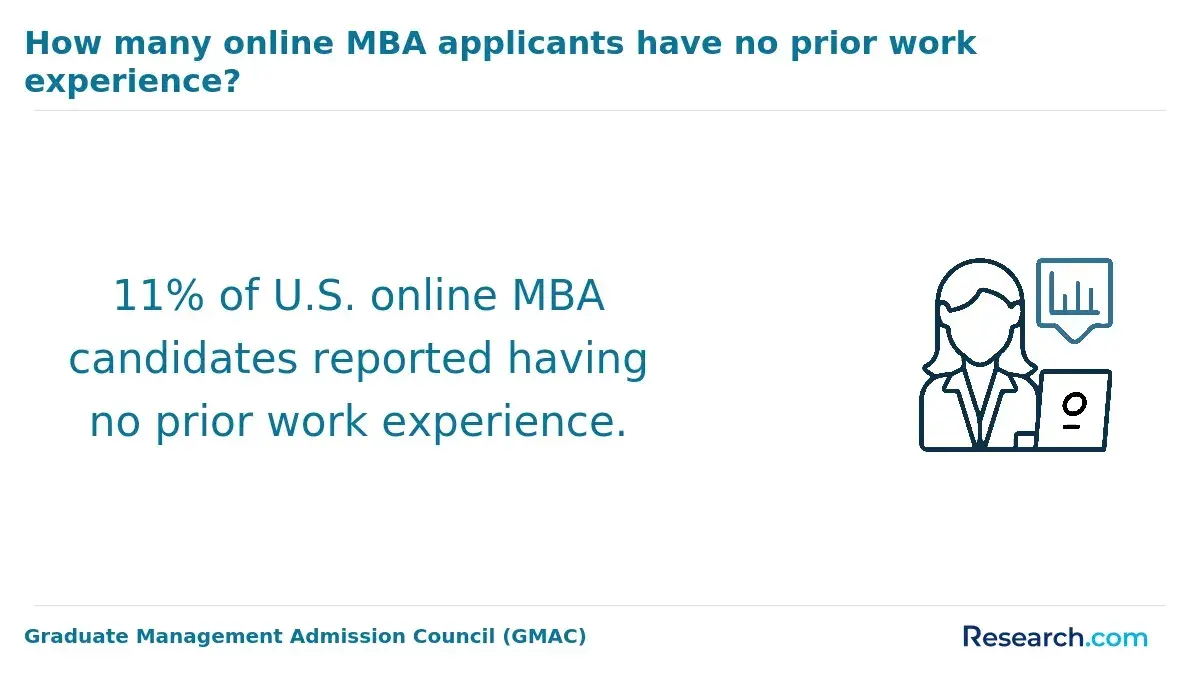
Most online MBA programs require applicants to have some prior work experience, typically ranging from two to five years. This experience helps students contextualize the coursework and contribute to class discussions. However, a few programs do accept recent graduates or those with less experience, often offering foundational courses to build essential business skills.
- First Generation College Student: Qualifications and Stats https://www.ivycoach.com/the-ivy-coach-blog/college-admissions/who-qualifies-first-generation-college-student/
- Online vs. In-Person MBA: Benefits and Differences https://freemannews.tulane.edu/2025/11/04/online-vs-in-person-mba-benefits-and-differences
- First-Gen and MBA Bound: Tips for Standing Out in Your MBA Applications | Stratus Admissions Counseling Blog | Admissions Blog https://www.stratusadmissionscounseling.com/blog/first-gen-and-mba-bound-tips-for-standing-out-in-your-mba-applications/
- Online MBA vs On-Campus MBA https://www.princetonreview.com/business-school-advice/online-mba-vs-on-campus-mba
- Selecting the Best University for Online MBA in 2025 https://onlinevgu.com/blog/best-university-for-online-mba/
- What Are Career Prospects Post Online MBA | ChitkaraU Online https://onlinechitkarau.com/our-blogs/career-prospects-post-online-mba-what-to-expect/
- Initial Accreditation Eligibility - ACCSC https://www.accsc.org/seeking-accreditation/initial-accreditation-eligibility/
- How Does an Online MBA Work? Benefits, Career & Growth - Chandigarh https://www.onlinecu.in/blog/cu/how-does-an-online-mba-work.php
- Are Online MBAs Worth It? | Comparing Value, Networking, and Career Impact https://www.edx.org/resources/is-an-online-mba-worth-it
- MBA Salary by Industry: Jobs, Careers & Earning Potential https://online.uwa.edu/news/average-mba-salary-expectations-what-you-can-earn-by-industry/