2027 Can You Get Into a Machine Learning Degree Master's Program with a Low GPA? Admission Chances & Workarounds

Co-Founder and Chief Data Scientist
Consider a prospective student with a below-average GPA who aspires to enter a machine learning master's program. The field's competitive nature makes admission challenging, as many programs report acceptance rates under 15%. Employers increasingly demand proven technical skills alongside academic achievements, intensifying pressure on applicants with weaker transcripts. Yet, admission committees sometimes prioritize research experience, coding proficiency, or relevant internships over GPA alone.
This article explores realistic admission chances for applicants with low GPAs and outlines strategic workarounds, such as skill-building and application strengthening, to improve acceptance odds in machine learning graduate education.
Key Things to Know About Getting Into a Machine Learning Master's Program with a Low GPA
- Admissions committees assess applicants holistically, valuing strong recommendation letters and relevant research or work experience to offset a low GPA in machine learning programs.
- Completing advanced coursework or certifications in machine learning-related topics demonstrates preparedness and can improve admission chances despite previous academic shortcomings.
- Networking with faculty and engaging in meaningful projects within machine learning fields often influences admissions positively, as 40% of programs report considering demonstrated passion and initiative.
What Is the Minimum GPA for Machine Learning Master's Programs?
Minimum GPA requirements for machine learning master's programs in the US vary widely depending on the institution and the competitiveness of each program. While some schools set a baseline, others have stricter standards due to a higher volume of applicants or prestigious reputations. The most commonly cited minimum GPA for U.S. graduate programs focused on machine learning or related areas such as computer science and data science is typically around 3.0 on a 4.0 scale. This figure represents a basic threshold for eligibility but does not reflect the GPA needed to be a strong candidate.
In practice, the average undergraduate GPA needed for admission to top machine learning graduate degrees tends to be significantly higher, often closer to 3.5 or above. This reflects the competitive nature of these programs, where many applicants surpass the minimum requirements, pushing the admission bar upward. For prospective students with below-average undergraduate GPAs, exploring pathways such as cheap mba online programs can provide alternative options while preparing to meet these standards.
How Do Graduate Schools Evaluate a Low Undergraduate GPA?
Undergraduate GPA remains a critical component in graduate admissions decisions, often reflecting an applicant's academic ability and readiness for advanced study. However, a low undergraduate GPA does not necessarily preclude admission, especially in competitive fields like machine learning master's programs, where schools take a holistic approach. Admissions committees consider various factors that provide a broader picture of a candidate's potential. The following elements are particularly important:
- Academic Performance Trends: Graduate schools examine whether there is an upward trajectory in grades over time, which can indicate increasing mastery and intellectual growth despite early academic challenges.
- Professional Experience: Relevant work experience or certifications can demonstrate practical skills and a commitment to the field, often strengthening candidates' profiles when undergraduate grades are below average.
- Letters of Recommendation: Detailed endorsements from faculty or professional supervisors help validate an applicant's strengths, work ethic, and capacity for graduate-level study.
- Standardized Test Scores: High GRE or other standardized test scores can provide additional evidence of academic aptitude that offsets a lower GPA.
This balanced evaluation allows graduate programs to identify promising individuals who might otherwise be overlooked due to GPA alone. For those seeking pathways into a machine learning master's admission with a low GPA, demonstrating significant professional experience and relevant certifications can be especially impactful.
Additionally, prospective students exploring affordable options may find value in reviewing the most affordable doctoral programs, which can serve as a guide to cost-effective graduate education routes aligned with their career goals.
Can Work Experience Compensate for a Low GPA in Machine Learning Graduate Programs?
Graduate admissions committees frequently use a holistic review process that weighs professional experience alongside academic records. While GPA remains a factor, meaningful work experience can significantly enhance an application. Research indicates that approximately 30% of applicants with GPAs under 3.0 gained acceptance by showcasing substantial relevant job history. The following points illustrate how such experience can strengthen a machine learning application.
- Technical Skills: Real-world experience with machine learning frameworks and coding languages demonstrates practical ability that goes beyond test scores and transcripts.
- Project Management: Leading or participating in projects illustrates capacity to apply theoretical knowledge in tangible settings, a valuable trait for graduate studies.
- Problem-Solving: Handling complex situations in a professional context reflects critical thinking and flexibility, compensating for weaker academic records.
- Industry Insight: Awareness of current trends and datasets positions candidates as ready to engage with relevant challenges in machine learning research and applications.
- Strong Recommendations: Endorsements from supervisors can attest to a candidate's skills and maturity, helping offset lower GPA concerns.
A graduate of a machine learning master's program shared that despite having a GPA below 3.0, his professional background was essential to his acceptance. He explained, "I was initially worried my GPA would close doors, but I made sure to highlight the complex projects I'd led at work and the innovative solutions I helped develop." He also noted the importance of selecting recommenders familiar with his technical contributions rather than academic advisors. "The application process was nerve-wracking, but emphasizing my hands-on achievements really helped the admissions team see my true potential," he reflected. His experience confirms that practical expertise can indeed bridge the gap caused by less-than-ideal grades.
Certifications can indeed enhance admission prospects for applicants with low GPAs in machine learning master's programs, though they are generally seen as supplementary rather than primary qualifications. Studies reveal that about 40% of graduate admissions officers view professional certifications favorably, especially for candidates whose undergraduate records may not be strong. These certifications can help offset weaker academic metrics by showcasing additional qualifications and readiness for advanced study. For those seeking to improve chances through qualifications outside traditional paths, certifications to boost admission chances for low GPA in machine learning programs play a meaningful role.
Admissions committees typically regard certifications as indicators of specialized knowledge, hands-on skills, and ongoing professional development. While they cannot fully replace a strong GPA, certifications offer proof of practical expertise and commitment to the field that may not be apparent through grades alone. Candidates can use them to demonstrate mastery of relevant technologies and concepts, which adds value alongside other elements like letters of recommendation and work experience. Exploring options such as online universities can provide accessible paths for earning recognized credentials that bolster application strength in a competitive process.
Applicants with below-average GPAs often take additional undergraduate courses to improve their academic records and boost admission chances for a machine learning master's program. According to the National Association of Graduate Admissions Professionals, students completing relevant extra coursework typically raise their GPA by 0.3 to 0.5 points on average, which strengthens their applications. Several important factors influence how these courses impact admission decisions.
- Grade Replacement Impact: Some institutions permit recent course grades to replace or supplement earlier lower grades, directly improving overall GPA calculations and enhancing application competitiveness.
- Upper-Level Coursework: Admissions committees place greater value on advanced classes, as they better demonstrate the capability to succeed in graduate-level machine learning material.
- Subject Relevance: Taking courses closely related to computer science, statistics, and particularly machine learning highlights focused preparation and commitment to the field.
- Recent Academic Performance: Strong results in recent coursework signal academic growth and readiness, often having more influence than outdated GPA deficiencies.
These factors illustrate the benefits of additional undergraduate courses for machine learning admission, especially when addressing a low GPA. Such extra coursework shows motivation and academic development, qualities valued by admissions panels beyond just raw grade numbers.
Prospective students concerned about their GPA might also explore combined strategies, such as pairing extra classes with relevant online degrees from accredited programs. For example, exploring options like a psychology masters online could provide useful interdisciplinary insights and strengthen analytical skills applicable in machine learning contexts.
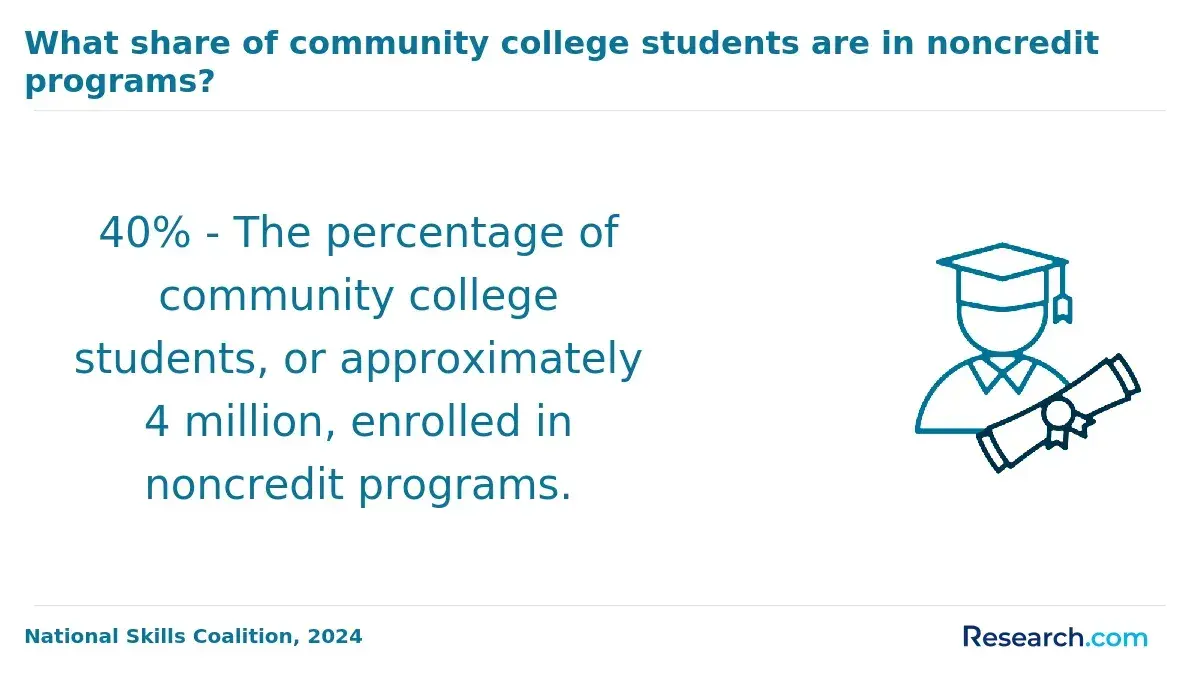
Conditional admission offers a pathway for applicants to machine learning master's programs whose academic history may not fully satisfy standard requirements but who demonstrate promise. Nearly one-third to two-fifths of graduate programs extend some type of provisional enrollment to help candidates bridge gaps in their qualifications. The following points highlight essential facets of this approach:
- Academic Performance Requirements: Students must reach and uphold a minimum GPA-commonly around 3.0-during their initial period in the program to remain enrolled.
- Course Completion Conditions: Candidates often need to complete specific prerequisite or foundational classes within a designated timeframe, proving proficiency in vital subject areas.
- Time Limits: Conditional status usually spans one or two semesters, after which evaluations decide if full admission is granted or if dismissal occurs.
- Progress Evaluation: Faculty or admission committees periodically assess academic achievements to confirm students meet necessary benchmarks and show adequate advancement.
This system enables students to showcase their capabilities despite earlier academic shortcomings, opening doors to competitive machine learning programs that might otherwise remain inaccessible.
Admission to online machine learning master's programs varies significantly depending on the institution's standards, accreditation, and the program's competitiveness. On average, acceptance rates for online graduate technology programs range between 40% and 60%, often surpassing the 30% to 50% rates typical for on-campus equivalents. Several factors influence how accessible these programs are for applicants with lower GPAs. Consider the following:
- Admission Standards: Some programs emphasize professional experience or prerequisite courses over undergraduate GPA, offering alternative evaluation paths for candidates with weaker academic records.
- Program Selectivity: Top-tier or highly competitive online programs maintain rigorous GPA requirements similar to traditional programs, making acceptance more challenging.
- Applicant Pool Size: Larger applicant populations for online programs can heighten competition, which sometimes offsets the advantage of higher acceptance rates.
- Experience Requirements: Practical experience in data science, software engineering, or analytics can compensate for a lower GPA by demonstrating relevant skills and commitment.
A professional who gained admission to an online machine learning master's program despite a low undergraduate GPA shared insights from her journey. She emphasized that the process was both daunting and eye-opening. With a transcript she feared might limit her options, she focused on highlighting her years of hands-on experience and the additional courses she completed independently. "It wasn't just about numbers," she said, "but showing my genuine passion and readiness to tackle advanced material." She also noted that preparing a strong personal statement and securing supportive recommendations made a significant difference. Reflecting on her experience, she advises prospective students not to be discouraged by GPA alone but to strengthen their overall application profile thoughtfully.
A strong GRE score can partially compensate for a below-average undergraduate GPA when applying to master's programs in machine learning, though it does not guarantee admission. Standardized test results serve as an additional metric to demonstrate academic ability, especially important when GPA raises concerns. Recent admissions data shows that the average GRE quantitative score for admitted machine learning master's candidates often exceeds 160 out of 170, highlighting the emphasis on solid numerical and analytical skills. The following factors are critical in how GRE scores can help balance a low GPA.
- Quantitative Scores: These are the most heavily weighted as they measure mathematical reasoning fundamental to machine learning. A high quantitative score reassures admissions committees of a candidate's aptitude despite weaker undergraduate grades.
- Verbal Scores: Strong verbal scores reflect comprehension and communication abilities, which support engagement with complex research literature and collaborative work.
- Analytical Writing: This section reveals critical thinking and clarity in expressing ideas, skills essential for graduate-level research proposals and academic writing.
- Overall Test Performance: Demonstrating a balanced and strong GRE result illustrates discipline and cognitive readiness, helping offset concerns linked to a low GPA.
Post-baccalaureate programs are designed to help students who have already earned an undergraduate degree but need to improve their academic records to enhance their chances of graduate admission. These programs provide a structured path for low-GPA students aiming for a master's degree in machine learning by demonstrating current academic capability. Key features of these programs include:
- Academic Enhancement: Students can retake or complete advanced coursework, proving their ability to handle challenging graduate-level material despite earlier academic setbacks.
- Prerequisite Completion: These programs enable fulfillment of essential course requirements that might have been missed during undergraduate studies, aligning with graduate program criteria.
- Research Opportunities: Some programs incorporate research projects or internships to offer practical experience, which strengthens applications through relevant resume additions and personal statements.
- Graduate Preparation: Workshops on GRE preparation, application writing, and related skills equip applicants with tools for successful admission processes.
Enhancing graduate school admission chances with post-baccalaureate courses is particularly valuable for candidates whose undergraduate GPA does not reflect their true potential. Completing such a program provides admissions committees concrete proof of academic growth, increasing confidence in the applicant's success prospects within demanding machine learning master's programs.
For individuals also weighing financial factors, understanding typical accounting degree online cost may offer useful budgeting insights when planning graduate education expenses.
Undergraduate GPA can influence starting salary after earning a master's degree in machine learning, but its effect usually lessens compared to other elements. Employers may view GPA as a sign of academic diligence and capability during entry-level hiring. For example, graduates with GPAs over 3.5 often start with salaries about 10-15% higher than those whose GPAs are below 3.0. However, this difference decreases when the graduate degree and relevant experience are taken into account. Several key factors help explain this trend:
- Employer Emphasis: Many organizations focus more on technical skills and completed projects than on undergraduate GPA, especially for specialized roles.
- Field Of Study: A master's in machine learning signals advanced knowledge that can overshadow earlier academic performance in hiring decisions.
- Professional Experience: Internship, research involvement, and hands-on job experience can strongly boost starting salaries, even for applicants with lower GPAs.
- Graduate Degree Credentials: The master's qualification itself reflects higher competencies, often compensating for less impressive undergraduate scores.
What Graduates Say About Getting Into a Machine Learning Degree Master's With a Low GPA
- Aubrey: "Getting into a machine learning master's program with a low GPA felt daunting at first, especially considering the cost of such specialized degrees. However, the affordable tuition options and assistantships made it accessible, allowing me to focus on practical skills rather than just my past academic performance. This degree truly opened doors to innovative projects and better job opportunities in AI research."
- Oscar: "Reflecting on my journey, having a low GPA initially seemed like a barrier to pursuing a master's in machine learning. Yet, I found that programs valued my work experience and passion for the field more than just my grades. The flexibility in admissions and supportive faculty turned out to be key in helping me succeed both academically and professionally. "
- Lucas: "From a professional standpoint, earning a machine learning master's degree significantly transformed my career trajectory, despite my underwhelming GPA during undergrad. The rigor of the curriculum and exposure to cutting-edge tools gave me confidence and credibility in the tech industry. I strongly believe employers now recognize the value of my advanced degree beyond mere numbers on a transcript."
Other Things You Should Know About Machine Learning Degrees
A GRE Quantitative score in the 160s can help offset a low GPA at some universities, and scores near 165+ are stronger for quantitative applicants. Many machine learning master's programs still treat the GRE as optional, but a high score can support a waiver request or strengthen a conditional review.
Yes, gaining relevant work experience can enhance admission chances for low GPA applicants. Admissions committees often value practical industry experience, especially in data-driven roles, as it demonstrates capability beyond academic scores. It reflects a candidate's real-world skills and commitment to the field of machine learning.
Strong performance on standardized tests, like the GRE, can significantly enhance your application in 2027. A high score may offset a low GPA by demonstrating your quantitative and analytical skills, which are crucial for a machine learning degree.
Recommendation letters can significantly bolster an application by highlighting an applicant's strengths and potential beyond their GPA. Endorsements from well-respected professionals can validate an applicant's skills and readiness for graduate-level work, potentially offsetting the impact of a lower GPA.
- Conditional Admission-Prerequisites https://vancouver.nyit.edu/academics/degrees/master-of-cybersecurity-ms/admission-requirements/conditional-admission-prerequisites/
- Most Affordable Online Master's in AI for 2026 https://aidegreeprograms.org/rankings/affordable-online-ai-masters/
- Artificial Intelligence MSc | PGDip | PGCert - Online Course https://online.liverpool.ac.uk/programmes/msc-artificial-intelligence/
- Earn a Master’s in Artificial Intelligence in One Year - MastersInAI.org https://www.mastersinai.org/degrees/one-year-masters-in-ai/
- Can CFA offset bad GPA? | Wall Street Oasis https://www.wallstreetoasis.com/forum/asset-management/can-cfa-offset-bad-gpa
- How To Get into Grad School With a Low GPA https://www.princetonreview.com/grad-school-advice/how-to-get-into-grad-school-with-low-gpa
- Can strong research experience and recommendations offset low GPA for Master's application in Germany? https://academia.stackexchange.com/questions/210392/can-strong-research-experience-and-recommendations-offset-low-gpa-for-masters-a
- Application and admission - Master Artificial Intelligence https://www.uva.nl/shared-content/programmas/en/masters/artificial-intelligence/application-and-admission/dutch-prior-education/dutch-prior-education-foldout-menu.html
- Master of science in computer science: artificial intelligence (online) https://engineering.wayne.edu/computer-science/academics/online-ms-computer-science
- Master Programme in Applied AI | Luleå University of Technology https://www.ltu.se/en/education/programme/tmdia-master-programme-in-applied-ai