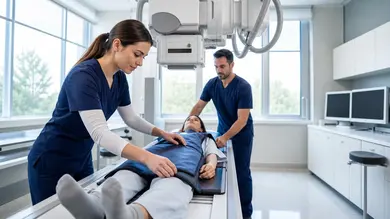
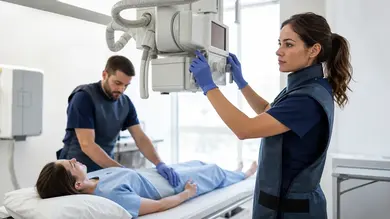
2027 Online Radiology Technician Degree Programs for Veterans: GI Bill Benefits, Costs & Top Considerations

Co-Founder and Chief Data Scientist
Many veterans face challenges navigating online radiology technician degree programs that align with their GI Bill benefits while managing costs and career goals. Approximately 45% of veterans using the GI Bill pursue healthcare-related fields, yet only a fraction enroll in radiology technician tracks due to unclear guidance on tuition coverage and housing allowances.
Post-graduation employment rates for veterans in radiology technician positions exceed 80%, underscoring strong career potential. This article clarifies how GI Bill benefits apply, compares program costs, and highlights key considerations to help veterans select the best online radiology technician programs for their needs and maximize their educational investment.
Key Benefits of Online Radiology Technician Degree Programs for Veterans
- The GI Bill covers tuition and fees for many online radiology technician degree programs, with 90% of veteran students utilizing benefits to reduce education costs.
- Online programs offer flexible scheduling, enabling veterans to balance coursework with family or employment commitments while transitioning to civilian careers.
- Military-connected students often access dedicated career support services, including counseling and job placement, resulting in a 78% employment rate within six months post-graduation.
Who Qualifies as a Veteran for Online Radiology Technician Degree Programs?
Veteran eligibility is a crucial factor for applicants utilizing GI Bill benefits when pursuing online radiology technician degree programs, as these benefits can substantially reduce tuition costs and provide housing allowances. Nearly 700,000 veterans accessed education benefits in recent years, highlighting the importance of understanding eligibility for these programs.
The following categories commonly define who qualifies for these benefits:
- Service Status: Veterans who served on active duty and received an honorable discharge typically qualify for GI Bill benefits applicable to online radiology technician degrees, enabling significant financial support.
- Discharge Classifications: Eligibility is generally limited to those with honorable or under certain conditions, general discharges. Veterans with dishonorable discharges are usually excluded from receiving these educational benefits.
- Reservists and National Guard: Members meeting specific active duty service requirements or who have completed required training periods may also qualify for GI Bill benefits when enrolling in online radiology technician degree programs.
- Dependent Benefits: Some GI Bill programs extend education benefits to dependents of veterans, which can support eligible family members pursuing radiology technician degrees online.
Clarifying veteran status during the application process helps maximize available GI Bill support, covering tuition and monthly housing stipends to reduce out-of-pocket expenses in online radiology technician degree programs. Veterans seeking streamlined online health degrees might also explore options like the shortest DNP program online for additional educational pathways.
Do Online Radiology Technician Degree Programs Accept Military Training for College Credit?
Transfer and prior learning credits play a vital role for veterans and active-duty service members pursuing online radiology technician degree programs, as these credits can significantly reduce the time and cost required to earn a degree. According to the Council for Adult and Experiential Learning, 81% of colleges grant some form of credit for military training or prior learning assessment, making these options especially valuable for maximizing GI Bill benefits.
Here are common methods used by programs to evaluate military training for credit transfer:
- Joint Services Transcripts: These transcripts provide detailed records of military coursework and training, allowing institutions to assess academic equivalencies and award applicable credits toward the radiology technician degree.
- Credit Recommendations: The American Council on Education (ACE) evaluates military experiences and provides credit recommendations that colleges commonly use to translate service training into academic credits.
- Competency-Based Assessments: Some programs offer assessments that test practical skills and knowledge gained in the military, providing an additional avenue to earn credits without repeating content.
- Policy Limits: Institutions often set caps on the number of transferable credits, balancing military training with program requirements to maintain academic integrity.
Veterans should carefully consider how to transfer military training credits to radiology technician degree programs to make the most of their GI Bill tuition and housing allowances. For those seeking accelerated paths, exploring the fastest medical assistant program options may also be beneficial in complementing their healthcare training efficiently.
How Do Online Radiology Technician Degree Programs Work for Veterans?
Online radiology technician degree programs often offer flexible structures that help veterans balance schooling with work, family, or military duties. These programs use various features to accommodate differing schedules and needs.
Consider the following aspects:
- Course Delivery: Most coursework is offered asynchronously, allowing veterans to complete lessons and assignments at their convenience. Some programs include live sessions or virtual labs to boost engagement and hands-on experience.
- Pacing Options: Students can choose from part-time, full-time, or accelerated tracks, enabling progress tailored to individual life demands and responsibilities.
- Academic Support: Dedicated veteran advisors, specialized tutoring, and technical help are commonly available to support learners navigating online education.
- Benefit Utilization: GI Bill tuition coverage generally applies directly to program fees, while monthly housing allowances depend on the program's location or the student's zip code. Schools often assist with VA certification and related paperwork.
- Veteran Resources: Many programs provide peer networks, military-friendly orientations, and other veteran-specific services to foster community and comfort.
When asked about his experience, a veteran enrolled in one of these programs shared that managing coursework alongside family and part-time employment was initially overwhelming. "It was tough coordinating my study time with unpredictable work shifts," he explained.
However, he appreciated having access to a veteran advisor who helped clarify benefits and paperwork, making the financial side less stressful. He also valued the peer support groups, which offered motivation during demanding periods.
Overall, he found that these flexible structures and resources made completing an online radiology technician degree a practical goal despite his busy life.
Accreditation plays a critical role for veterans pursuing online radiology technician degree programs, particularly when using GI Bill benefits. Programs can hold institutional accreditation, which evaluates the overall college or university quality, or programmatic accreditation, which specifically measures the standards of radiology technician curricula.
Veterans must ensure their chosen program is approved by the U.S. Department of Veterans Affairs (VA) to access tuition assistance and housing allowances under the GI Bill. Without proper accreditation, credits may not transfer to other institutions, limiting educational flexibility and future opportunities.
Beyond financial aid considerations, accreditation significantly impacts career prospects. Employers favor graduates from accredited programs, with over 80% of employers preferring certified radiology technicians who completed such programs.
Moreover, professional licensure and certification boards commonly require graduation from an accredited program to qualify for exams, affecting job placement and income potential. Veterans should look for recognition from accrediting agencies like the Joint Review Committee on Education in Radiologic Technology (JRCERT) to maximize the value of their education and benefits while ensuring long-term professional success.
Veterans considering online radiology technician degree programs need to carefully evaluate total costs to maximize their GI Bill benefits. On average, veterans pay about $7,200 annually in tuition and fees for online programs.
Below are key cost factors to consider when comparing programs and GI Bill coverage for online radiology technician training.
- Tuition Per Credit: Rates typically range from $200 to $600 per credit hour, affecting overall program expense based on required credits.
- Total Program Cost: Complete tuition can range from $10,000 to $30,000, depending on program length and credit requirements, important for budgeting beyond GI Bill limits.
- Mandatory Fees: Additional costs such as lab or technology fees may add several hundred to a few thousand dollars, increasing total expenses.
- Housing Allowance Impact: GI Bill Monthly Housing Allowance may be reduced or unavailable for fully online courses, which can affect living expense support for veterans.
- Out-of-Pocket Expenses: Veterans may face costs for course materials, certification exams, and possible on-site clinical training even after military benefits are applied.
For veterans seeking affordable program options aligned with military benefits, exploring affordable medical billing and coding certification can offer alternative pathways in medical fields. Veterans are encouraged to consider all these financial aspects to ensure their investment in training aligns with their goals and benefit entitlements.
Veterans exploring online radiology technician degree programs benefit from knowing how GI Bill assistance applies to their education funding. In 2022, more than 600,000 veterans accessed GI Bill benefits for educational pursuits, demonstrating the value of these provisions.
Below is an overview of key GI Bill features relevant to online study.
- Post-9/11 GI Bill Coverage: This benefit directly pays eligible schools for tuition and fees, making enrollment in accredited online radiology technician programs more affordable without large upfront costs.
- Tuition and Fees: Most tuition and mandated fees are fully covered under the GI Bill. Veterans should verify their program's accreditation to ensure benefits apply fully.
- Housing Allowance: Unlike in-person education, veterans taking fully online courses generally receive a monthly housing stipend at half the national average, which may require adjusting living budgets during study.
- Book and Supply Stipend: An annual allowance, up to $1,000, helps cover textbooks and necessary materials, easing additional educational expenses.
- Eligibility Considerations: Qualification depends on length and character of service, so veterans must confirm their benefit status to maximize available support.
When asked about her experience, a veteran who completed an online radiology technician degree reflected on navigating these benefits. She recalled feeling initially overwhelmed by paperwork but found that the direct tuition payments simplified financial planning considerably.
"The housing allowance was less than I expected for remote study, so I budgeted carefully," she said. She also appreciated the book stipend, which covered expensive digital resources she needed.
Overall, she emphasized that understanding the specific GI Bill provisions helped her focus on learning without constant financial stress, making the online program a practical pathway to a career in healthcare.
Veterans pursuing online radiology technician degrees benefit significantly from dedicated support services tailored to their unique experiences and needs. Studies show that veterans who engage with veteran-specific support services have retention rates approximately 15% higher than those who do not.
Below are key support areas designed to help veteran students succeed in these programs.
- Academic Advising: Advisors familiar with military training and transcripts help veterans align their prior experience with degree requirements. This guidance simplifies course selection and ensures efficient progress toward completion.
- Benefits Counseling: Experts assist veterans in maximizing their GI Bill benefits, including tuition coverage and housing stipends. They provide clarity on how to optimize these financial resources for education-related expenses.
- Mental Health Resources: Confidential counseling and peer-led support groups address challenges such as stress, anxiety, and PTSD. These services are accessible online, fostering mental wellness during academic transitions.
- Career Services: Tailored job placement assistance connects veterans with employers familiar with military backgrounds. Services include resume development and interview preparation focused on healthcare and radiology-related roles.
- Peer Support: Veteran-centered communities offer a platform to share experiences and resources, enhancing engagement and persistence within the program.
Veterans planning to pursue an online radiology technician degree need to carefully consider program duration to balance education with work, family, and military commitments. Several factors influence how long it will take to complete a program.
Below are key aspects affecting completion time:
- Enrollment Status: Full-time students commonly finish within 18 to 24 months, while part-time study offers greater flexibility but extends the timeframe.
- Credit Transfer: Programs often accept prior college credits and military training, accelerating progress for those with relevant experience.
- Prior Military Training: Veterans can sometimes apply military medical and technical training toward degree requirements, shortening the path to completion.
- Scheduling Flexibility: Fully online courses allow veterans to adapt their studies around personal and professional responsibilities, which may influence program length.
- Program Variations: Different institutions offer diverse curriculum structures, including accelerated tracks designed to meet the needs of adult learners and veterans.
For veterans using GI Bill benefits, understanding these timelines is crucial to making the most of tuition coverage and housing allowances without prematurely exhausting benefits. This knowledge supports sound financial planning while meeting educational goals.
Veterans should also explore cheapest FNP programs online as a reference point for affordable healthcare education pathways that may complement radiology technician training.
By factoring in enrollment options, credit transfer, course flexibility, and program design, veterans can select the most suitable online radiology technician degree program and utilize their veterans gi bill benefits for online radiology technician programs effectively.
Understanding potential career paths helps veterans translate military experience into civilian healthcare roles. Nearly 15% of veterans employed in healthcare work in imaging and diagnostic services, reflecting strong veteran radiology technician job opportunities.
The following are common career options for veterans with online radiology technician degrees:
- Radiologic Technologist: Veterans operate X-ray equipment to produce images for diagnosing injuries or diseases. This role suits veterans who thrive in detail-oriented, high-pressure environments.
- MRI Technologist: Specializing in magnetic resonance imaging, veterans manage complex machines requiring precision and technical skill. Their military discipline often translates well to adhering to strict procedural protocols.
- CT Scan Technologist: In this role, veterans perform computed tomography scans to aid in accurate diagnosis. Familiarity with technology and teamwork enhances effectiveness in clinical settings.
- Healthcare Settings: Many veterans find employment in hospitals, outpatient care centers, diagnostic labs, or specialized clinics. These environments value veterans' transferable skills such as problem-solving, teamwork, and procedural compliance.
- Career Growth and Stability: The healthcare industry is projected to expand steadily, offering stable employment and advancement opportunities for veterans who pursue an online radiology technician degree. GI Bill benefits help reduce tuition costs, and housing allowances support financial needs during study, increasing program value.
Veterans exploring options for affordable education should consider the cheapest RN to BSN programs as a potential pathway to broaden healthcare credentials and improve employment prospects.
Evaluating potential earnings after completing an online radiology technician degree is crucial for veterans making informed decisions about using their GI Bill benefits. The U.S. Bureau of Labor Statistics reported a median annual wage of about $63,710 for radiologic technologists in May 2022.
Several factors play a role in shaping these salary outcomes:
- Industry: Pay varies across healthcare settings, including hospitals, outpatient centers, and diagnostic labs, affecting overall salary levels.
- Role and Certification: Obtaining specialized certifications or advancing into technical roles often results in higher compensation.
- Location: Urban and high-demand areas typically offer greater salary opportunities compared to rural regions.
- Experience: Veterans with military medical or technical backgrounds may command better salaries due to their relevant skills.
- Military Skills: Leadership, discipline, and technical abilities acquired during service enhance employability and can boost income potential.
Choosing accredited programs aligned with career goals and regional demand helps veterans maximize the value of their education and GI Bill benefits, improving long-term financial stability in the radiology technician field.
What Graduates Say About Their Online Radiology Technician Degree for Veterans
- Yolanda: "Choosing an online radiology technician degree program was one of the best decisions I made after leaving the military. It allowed me to study on my schedule and manage my responsibilities at home, which was crucial during my transition to civilian life. The average cost of attendance was reasonable, and the hands-on training prepared me to excel quickly in my new healthcare career. "
- Julian: "The online radiology technician program gave me the flexibility to adapt my studies around family life and job searching, which was a comfort after years of active duty. Beyond the affordable tuition, the comprehensive curriculum made me confident in my skills and ready to join the workforce as a professional. This degree truly helped bridge the gap between service and a fulfilling civilian profession. "
- Marco: "Transitioning out of the military, I needed a practical and efficient way to establish a new career path. An online radiology technician degree offered that, with quality instruction and a cost-effective tuition model averaging around what I expected. Completing this program enhanced my professional credentials significantly and opened doors in the medical imaging field where I continue to advance. "
Other Things You Should Know About Radiology Technician Degrees
In 2027, most online radiology technician programs require some level of clinical or hands-on training to ensure students gain practical experience. While theoretical components can be completed online, students typically need to arrange supervised clinical hours at medical facilities to fulfill program and certification requirements.
Many online radiology technician programs allow veterans to transfer credits from prior college courses or military training, particularly if the coursework is relevant to healthcare or radiologic sciences. However, transfer policies vary by institution, so veterans should check with admissions offices to understand credit applicability and evaluate their existing transcripts accordingly.
Veterans should verify that the program is accredited by the Joint Review Committee on Education in Radiologic Technology, or JRCERT. Most state licensing boards and employers require JRCERT-accredited study to qualify for ARRT certification eligibility, which is the main national credential for radiologic technologists.
- GI Bill - RSTI Training https://rsti-training.com/military/gi-bill/
- Military https://www.clovis.edu/military/index.aspx
- Careers for Veterans: Benefits of a Radiology Profession https://roshalimaging.com/blog/careers-for-veterans-benefits-of-a-radiology-profession
- Radiologic Technologists & Technicians at My Next Move for Veterans https://www.mynextmove.org/vets/profile/summary/29-2034.00
- College Credit for Military Training & Experiences https://www.dantes.mil/credit4training/
- VA Education Benefits - College of Biomedical Equipment Technology https://cbet.edu/va-education-benefits-2/
- Top 10 Online Radiology Tech Programs 2025 https://nurse.org/healthcare/radiology-technician-programs/
- Veterans Affairs https://www.smhsomi.edu/veterans-affairs
- Veterans Can Use their GI Bill to Enroll in X-ray Tech School https://mtschool.edu/enroll-in-x-ray-tech-school/