2027 Easiest Organizational Leadership Degree Programs

Co-Founder and Chief Data Scientist
Choosing an organizational leadership degree is usually not about finding the “easiest” major in the sense of doing less work. For most students, it means finding a program with flexible scheduling, clear admissions requirements, transfer-friendly policies, practical coursework, and a format that fits work and family responsibilities. That distinction matters because organizational leadership programs can lead to management, human resources, operations, nonprofit, healthcare, government, education, and consulting roles—but only if the degree is credible, affordable, and aligned with the student’s career goals.
This guide explains how to evaluate the easiest organizational leadership degree programs for 2027 without sacrificing quality. You will learn what these programs cover, how long they take, what they cost, how online and campus options compare, which programs are listed here, what employers may expect, and how to avoid common mistakes when comparing schools.
Quick Answer: What Makes an Organizational Leadership Degree Program Easier to Complete?
The easiest organizational leadership degree programs are typically flexible, transfer-friendly, and career-focused. Many are available online or in hybrid formats, offer accelerated schedules, accept prior college credits, and emphasize applied leadership skills such as communication, conflict resolution, team management, ethical decision-making, and organizational change. Completion time can range from 18 months in accelerated pathways to four years for a standard bachelor’s program, depending on degree level, course load, and previously earned credits.
Key Things You Need to Know About the Easiest Organizational Leadership Degree Programs for 2027
- Program accessibility matters. Many organizational leadership programs are designed for working adults, transfer students, military learners, and professionals moving into management. The “easiest” option is usually the one with flexible delivery, straightforward admissions, and strong academic support.
- Completion time varies widely. A bachelor’s degree commonly takes two to four years depending on transfer credits and enrollment intensity, while some accelerated programs may be completed in as little as 18 months. Graduate programs often take one to two years.
- Online programs can reduce logistical barriers. Online and hybrid formats can help students avoid commuting, housing, and relocation costs. A 2023 survey found that 69% of students prefer online or hybrid learning options for convenience, although campus programs may offer more face-to-face networking.
- Costs depend heavily on institution type and residency. Organizational leadership degree costs may range between $10,000 and $30,000 annually depending on the school, format, and tuition structure. Students should compare total cost, not tuition alone.
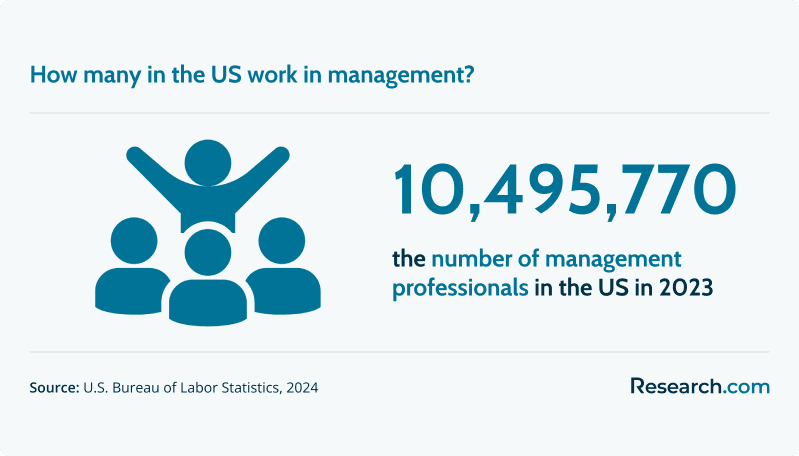
- Career outcomes depend on experience and role. Graduates often pursue management, HR, operations, nonprofit, education, healthcare, and consulting paths. According to the Bureau of Labor Statistics, the median annual wage for management occupations is $102,450, but individual earnings vary by industry, location, experience, and job title.
What are the benefits of enrolling in the easiest organizational leadership degree programs?
The main benefit of an accessible organizational leadership program is that it can help students build management-ready skills without requiring a highly specialized undergraduate background. These degrees often combine leadership theory with practical assignments, making them useful for people who already work in business, government, healthcare, education, nonprofits, military environments, or community organizations.
- Flexible study options. Online, hybrid, evening, and accelerated formats can make the degree more realistic for working adults.
- Broad career relevance. Leadership, communication, conflict management, and decision-making skills transfer across many industries.
- Applied coursework. Many programs use projects, case studies, capstones, simulations, or workplace-based assignments instead of relying only on exams.
- Potential advancement value. The degree may support promotion into supervisory, management, HR, operations, or administrative roles, especially when paired with relevant experience.
What can I expect from the easiest organizational leadership degree programs?
Students should expect a practical curriculum focused on how organizations function and how leaders guide people through goals, conflict, change, and performance challenges. Common topics include organizational behavior, leadership ethics, strategic planning, team dynamics, communication, diversity, human resources, project management, and change management.
Even flexible programs still require consistent reading, writing, discussion participation, group work, and applied projects. A program may feel “easy” to complete because it is well organized and flexible, not because it lacks academic expectations.
Where can I work after graduating from the easiest organizational leadership degree programs?
Organizational leadership graduates can work in corporate offices, healthcare organizations, schools and universities, nonprofit agencies, government departments, military-related organizations, consulting firms, and small businesses. Common career directions include human resources, operations, project coordination, training and development, nonprofit administration, program management, employee relations, and organizational development.
How much can I make with a degree from the easiest organizational leadership degree programs?
Pay depends on the position, employer, industry, location, prior experience, and degree level. The US Bureau of Labor Statistics reported that management occupations earned a median annual wage of $102,450 as of 2023. Entry-level administrative or coordinator roles may pay less, while experienced managers, directors, and specialized leaders may earn more. A degree can support advancement, but it does not guarantee a specific salary.
- Easiest Organizational Leadership Degree Programs for 2027
- How long does it take to complete the easiest organizational leadership degree program?
- How does an online organizational leadership degree program compare to an on-campus program?
- What is the average cost of the easiest organizational leadership degree program?
- What are the financial aid options for students enrolling in the easiest organizational leadership degree programs?
- What are the prerequisites for enrolling in the easiest organizational leadership degree programs?
- What courses are typically in the easiest organizational leadership degree programs?
- What types of specializations are available in the easiest organizational leadership degree programs?
- Should I pursue an advanced degree to complement my organizational leadership credentials?
- What accreditation and quality standards should I consider?
- What is the fastest way to complete an organizational leadership degree?
- How to choose the best easiest organizational leadership degree program?
- What skills do employers value most in organizational leadership graduates?
- How do these programs adapt to emerging industry trends?
- What is the return on investment for an organizational leadership degree?
- What career paths are available for graduates of the easiest organizational leadership degree programs?
- How do organizational leadership programs support professional networking and career advancement?
- What is the job market for graduates with the easiest organizational leadership degree?
Easiest Organizational Leadership Degree Programs for 2027
How do we rank schools?
To identify organizational leadership programs that may be easier for students to access and complete, the Research.com team reviewed accredited institutions offering relevant degrees and considered factors such as delivery format, program length, credit requirements, cost details, and accreditation. Data sources used in the review include the IPEDS database, Peterson’s database, the College Scorecard, and the National Center for Education Statistics.
This list should be used as a starting point, not a final answer. Students should confirm current tuition, admissions requirements, transfer policies, and program outcomes directly with each institution before applying.
| Program | Degree Level | Format or Flexibility | Best Fit |
| National University | Bachelor’s | Online and in-person options | Working adults seeking an accelerated, applied leadership pathway |
| University of South Carolina Upstate | Bachelor’s | Hybrid format | Students who want a mix of online study and in-person engagement |
| Oakland University | Master’s | Online and hybrid options | Professionals with work experience seeking a short graduate pathway |
| University of Colorado Boulder | Master’s | Fully online and asynchronous | Working professionals who need schedule control and concentration choices |
| Penn State World Campus | Bachelor’s | Online | Adult learners seeking a recognized online bachelor’s program |
1. National University - Bachelor of Science in Organizational Leadership
National University offers a Bachelor of Science in Organizational Leadership in flexible online and in-person formats. The program focuses on leadership strategy, ethical judgment, organizational innovation, and applied problem-solving. Students develop workplace-ready skills through assignments such as capstone work or applied research, which can be useful for adults balancing school with professional responsibilities.
Program Length: up to 4 years
Credits: 180 quarter units
Cost per Credit: $370
Tracks/Concentrations: N/A
Accreditation: WASC Senior College and University Commission (WSCUC)
2. University of South Carolina Upstate - Bachelor of Arts in Organizational Leadership
USC Upstate offers a Bachelor of Arts in Organizational Leadership that connects leadership concepts with applied management, communication, ethics, and critical thinking. Its hybrid structure may appeal to students who want some in-person interaction while still keeping part of their schedule online.
Program Length: up to 4 years
Credits: 180 quarter units
Cost per Credit: $370
Tracks/Concentrations: N/A
Accreditation: WASC Senior College and University Commission (WSCUC)
3. Oakland University - Master of Organizational Leadership
The Oakland University Master of Organizational Leadership is a 12-month, 32-credit graduate program for students preparing for leadership roles in varied organizational settings. The online and hybrid delivery options are designed for working professionals. Applicants must have at least one year of professional work experience and provide a formal statement of purpose, three letters of recommendation, and official transcripts.
Program Length: 12 months
Credits: 32 credits
Cost per Credit: $915
Tracks/Concentrations: N/A
Accreditation: Higher Learning Commission
4. University of Colorado Boulder - Master of Science in Organizational Leadership
The University of Colorado Boulder offers a fully online, asynchronous Master of Science in Organizational Leadership for professionals who need flexibility. The curriculum emphasizes strategic thinking, communication, decision-making, innovation, and organizational effectiveness. Because the coursework is asynchronous, students can often better coordinate study time with work and personal responsibilities.
Program Length: 19+ months
Credits: 30 credits
Cost per Credit: $772 (in-state); $844 (out-of-state)
Tracks/Concentrations: Human Resources, Strategic Leadership, Leading Innovation, Organizational Communication, Organizational Leadership
Accreditation: Higher Learning Commission
5. Pennsylvania State University Global Campus (Penn State World Campus) - Bachelor of Science in Organizational Leadership
Penn State World Campus offers an online Bachelor of Science in Organizational Leadership that emphasizes leadership communication, conflict resolution, organizational change, and practical management skills. The online format is aimed at learners who need flexibility while pursuing a full bachelor’s degree.
Program Length: 4 years
Credits: 120 credits
Cost per Credit: $632-$678
Tracks/Concentrations: N/A
Accreditation: Middle States Commission on Higher Education (MSCHE)
6. Arizona State University - Associate of Arts in Organizational Leadership
The Arizona State University Associate of Arts in Organizational Leadership is offered through the United States Naval Community College (USNCC). It is designed for Sailors, Marines, and Coast Guardsmen who want to strengthen enlisted leadership skills. The asynchronous online format allows students to complete coursework with more scheduling flexibility. The curriculum includes Naval Studies, general education, and a professional certificate in Organizational Leadership.
Program Length: 2 years
Credits: 60 credits
Cost per Credit: Fully funded by the USNCC
Tracks/Concentrations: N/A
Accreditation: Higher Learning Commission
7. University of Cincinnati - Bachelor of Science in Organizational Leadership
University of Cincinnati offers a Bachelor of Science in Organizational Leadership for online learners who want to build skills in communication, teamwork, organizational change, diversity, ethics, and data-informed decision-making. The co-op option may be valuable for students seeking structured work-based learning.
Program Length: 4 years
Credits: 120 credits
Cost per Credit: $566-$591 (in-state); $1,205 (out-of-state)
Tracks/Concentrations: Co-op Option
Accreditation: Higher Learning Commission
8. Walsh University - Bachelor of Arts in Organizational Development and Leadership
Walsh University offers a fully online Bachelor of Arts in Organizational Development and Leadership for adult learners. Coursework addresses leadership strategy, organizational culture, ethical decision-making, case analysis, and hands-on projects that connect course concepts to workplace challenges.
Program Length: up to 4 years
Credits: 120 credits
Cost per Credit: $510
Tracks/Concentrations: Organizational Promotion, Resource Development, Corporate Communications, Computer Science
Accreditation: Higher Learning Commission
9. University of La Verne - Doctor of Education in Organizational Leadership
The University of La Verne offers a hybrid Doctor of Education in Organizational Leadership for experienced professionals preparing for senior leadership, research-informed practice, and organizational change work. Students complete advanced coursework and a dissertation, making this pathway more intensive than bachelor’s or master’s options.
Program Length: 3 years
Credits: 54 units
Cost per Credit: $1,270 per unit
Tracks/Concentrations: N/A
Accreditation: Senior College Commission of the Western Association of Schools and Colleges (WASC)
10. Johns Hopkins University - Master of Science in Organizational Leadership
Johns Hopkins University offers a Master of Science in Organizational Leadership designed for students who want to lead in complex organizations. The curriculum centers on ethical leadership, change management, organizational strategy, and experiential learning that connects theory to workplace practice.
Program Length: 2 years
Credits: 10 courses
Cost per Credit: $4,500 per course
Tracks/Concentrations: N/A
Accreditation: Senior College Commission of the Western Association of Schools and Colleges (WASC)
How long does it take to complete the easiest organizational leadership degree program?
Completion time depends on degree level, credit requirements, course load, transfer credits, and whether the program uses standard, accelerated, or self-paced scheduling. A bachelor’s degree often takes two to four years, while an accelerated online option may take as little as 18 months for students with sufficient transfer credits. A master’s degree commonly takes one to two years. Doctoral programs usually require more time because they include advanced research, applied leadership study, and often a dissertation or capstone.
| Degree Type | Typical Time Frame Mentioned | What Can Shorten the Timeline? | What Can Extend the Timeline? |
| Associate degree | 2 years | Full-time study, transfer credit, military-supported pathways | Part-time enrollment or course availability limits |
| Bachelor’s degree | 2 to 4 years | Prior credits, accelerated terms, year-round enrollment | Changing majors, limited transfer acceptance, part-time study |
| Master’s degree | 1 to 2 years | Condensed terms, online scheduling, focused curriculum | Workload conflicts or prerequisite gaps |
| Doctoral degree | 3 years in the listed EdD example | Structured dissertation support and cohort pacing | Dissertation delays or reduced course loads |
Students interested in leadership roles connected to environmental impact may also compare organizational leadership programs with a sustainability degree, especially if they want to work in corporate social responsibility, environmental policy, or mission-driven organizations.
How does an online organizational leadership degree program compare to an on-campus program?
Online organizational leadership programs are often easier to fit into a busy life because students can study without relocating or commuting. Campus programs may be better for students who want face-to-face discussion, local employer connections, and a more structured weekly routine.
| Factor | Online Organizational Leadership Program | On-Campus Organizational Leadership Program |
| Schedule | Often better for working adults, parents, military learners, and students with irregular work hours | Often better for students who prefer fixed class times and in-person accountability |
| Cost considerations | May reduce commuting, relocation, housing, and some campus-related expenses | May include additional transportation, housing, or campus costs |
| Networking | Depends on virtual events, group projects, alumni platforms, and career services | Can provide easier access to in-person events, faculty conversations, and local networks |
| Learning style | Best for self-directed students who can manage deadlines independently | Best for students who learn through live discussion and immediate interaction |
| Technology expectations | Requires comfort with learning platforms, video meetings, digital collaboration tools, and online research | Still uses technology but may rely more on classroom participation |
- Flexibility. Online coursework can be easier to schedule around work and family responsibilities. Apollo Technical (2025) reported that 67% of companies describe leadership programs as ineffective, which underscores the need for practical, accessible development options that fit professional schedules.
- Cost-effectiveness. Online programs can reduce non-tuition expenses. Many students comparing formats ask, is it cheaper to do college online; in some cases, online study lowers total attendance costs by reducing transportation, housing, and certain campus-based expenses.
- Learning environment. Online classes may require more self-motivation, while campus programs can make it easier to build informal relationships. However, many online programs now use discussion boards, video collaboration, group projects, and virtual career events to support interaction.
Students should choose the format that best matches their learning habits, support needs, and career goals. Current leadership training trends show growing interest in flexible learning models, especially for professionals who cannot pause their careers to study full time on campus.
What is the average cost of the easiest organizational leadership degree program?
The cost of an organizational leadership degree depends on whether the school is public or private, whether the student qualifies for in-state tuition, the number of credits required, fees, books, technology costs, and whether the program is online or campus-based.
- Public universities. According to Data USA, the median cost for in-state tuition at public universities is $7,488.
- Private universities. The median cost for out-of-state tuition at private universities is $31,020.
These figures are useful benchmarks, but students should calculate the full cost of attendance for each program. Tuition per credit can be misleading if one program requires more credits, charges higher fees, or accepts fewer transfer credits.
| Cost Item | Why It Matters | Question to Ask |
| Tuition per credit or course | This is usually the largest direct academic cost | How many credits or courses are required to graduate? |
| Transfer credit policy | Accepted credits can reduce both time and cost | How many previous credits will apply to this specific degree? |
| Fees | Technology, online learning, graduation, and student service fees can add up | What fees are required each term? |
| Books and materials | Some courses require paid texts, platforms, or simulations | Are digital resources included in tuition? |
| Travel or housing | Campus or hybrid programs may involve additional expenses | Are any residencies, campus visits, or intensives required? |
Students considering advanced study can compare online doctoral pricing with affordable doctorate in organizational leadership online options, some of which start at $20,000 per year.
If you are still comparing broad academic paths, reviewing the easiest tech degree programs or the easiest physical education programs may help you understand how organizational leadership compares with other accessible degree options in terms of workload, career focus, and delivery format.
What are the financial aid options for students enrolling in the easiest organizational leadership degree programs?
Financial aid can make an organizational leadership degree more affordable, but the best aid package depends on degree level, enrollment status, school eligibility, income, employer benefits, and scholarship availability. Students should complete financial aid steps early because some aid is deadline-based.
Federal Aid
- Pell Grants. These need-based grants are available to eligible undergraduate students with limited financial resources.
- Federal Work-Study. This program provides part-time employment, often through campus or community service roles, for eligible students.
- Direct Loans. Federal student loans may include subsidized loans for qualifying undergraduate students with financial need and unsubsidized loans for undergraduate and graduate students.
Scholarships
- Merit-based scholarships. These awards may consider academic achievement, leadership involvement, service, or other accomplishments.
- Need-based scholarships. These scholarships are awarded based on financial need.
- University-specific scholarships. Some schools provide awards for students in leadership, business, public service, adult completion, or transfer pathways.
Employer Assistance
- Tuition reimbursement. Some employers help pay for degree programs that support employee development or advancement.
- Professional development funds. Employers may also cover leadership workshops, conferences, or certificates that complement the degree.
Students should contact financial aid offices before enrolling and compare net cost after grants, scholarships, tuition discounts, and employer support. NCES data reported by NASFAA shows that many undergraduates use financial aid; in the 2019-20 academic year, nearly three-quarters (72%) of all undergraduates received some type of financial aid. This makes it important to review undergraduate financial aid use and understand what aid may apply to your situation.
What are the prerequisites for enrolling in the easiest organizational leadership degree programs?
Admissions requirements vary, but organizational leadership programs are often designed to welcome students from different academic and professional backgrounds. The requirements become more selective at the graduate and doctoral levels.
| Degree Level | Common Requirement | What Applicants Should Prepare |
| Associate or bachelor’s | High school diploma or GED | Official transcripts, application form, and any transfer college records |
| Bachelor’s completion program | Previous college credits may be expected or preferred | Transfer evaluation, prior learning documentation, and advisor review |
| Master’s | Bachelor’s degree, often with a minimum GPA | Resume, statement of purpose, transcripts, and possible recommendations |
| Doctoral | Graduate-level preparation or significant professional background may be expected | Research goals, leadership experience, writing sample, recommendations, and transcripts |
- Educational background. Undergraduate programs generally require a high school diploma or GED. Master’s and doctoral programs typically require a bachelor’s degree, and some may prefer a related academic or professional background.
- Minimum GPA. Many programs list minimum GPA expectations, often ranging from 2.5 to 3.0.
- Work experience. Some graduate programs prefer or require professional experience, especially for leadership-focused degrees.
- Recommendation letters. Schools may request academic or professional references who can speak to your readiness.
- Statement of purpose. Applicants may need to explain their leadership goals, career plans, and reasons for choosing the program.
- Resume or CV. Graduate programs often review work history, leadership responsibilities, and professional achievements.
Before applying, ask for a preliminary transcript review if you have prior credits. Transfer acceptance can make the difference between an affordable, fast program and one that requires significantly more coursework.
What courses are typically in the easiest organizational leadership degree programs?
Organizational leadership degrees usually combine leadership theory, management fundamentals, communication, human behavior, and applied organizational problem-solving. The exact course list depends on degree level and specialization.
Core Leadership Principles
- Leadership foundations. Students examine leadership models such as transformational, servant, and authentic leadership, then apply those ideas to workplace situations.
- Organizational behavior. Coursework explores how individuals and teams act inside organizations, including motivation, communication, conflict, power, culture, and group dynamics.
Management Fundamentals
- Human resource management. Students study recruitment, training, performance, employee relations, compensation, and workforce planning.
- Financial management. Courses introduce budgeting, financial reporting, resource allocation, and basic decision-making tools leaders use when managing organizational resources.
Strategic Planning and Organizational Change
- Strategic planning. Students learn how organizations set priorities, analyze strengths and weaknesses, and build action plans.
- Organizational change management. Coursework covers how leaders guide teams through transition, address resistance, and implement new processes or structures.
Interdisciplinary and Applied Skills
- Communication and interpersonal skills. Students practice presenting, listening, writing, negotiating, and communicating with varied audiences.
- Critical thinking and problem-solving. Courses teach students to analyze complex situations, identify root causes, and choose practical responses.
- Intercultural communication. Students examine cultural differences and learn how to communicate across diverse teams and global settings.
Many programs embed effective ways to develop leadership skills through projects, case studies, peer collaboration, and workplace-based assignments rather than teaching leadership only as theory.
What types of specializations are available in the easiest organizational leadership degree programs?
Specializations help students connect a general leadership degree to a specific field or function. Choosing a concentration can make the degree more relevant to employers, but students should avoid selecting one only because it sounds impressive. The best specialization matches the jobs you plan to pursue.
| Specialization | What It Emphasizes | Potential Career Direction |
| Human Resources | Talent acquisition, employee relations, training, benefits, performance, and workplace culture | HR manager, recruiter, training specialist, employee relations specialist |
| Nonprofit Leadership | Fundraising, grant writing, program management, community engagement, and mission-based leadership | Executive director, development director, program manager, nonprofit administrator |
| Healthcare Management | Healthcare systems, quality improvement, policy, ethics, and organizational operations | Healthcare administrator, consultant, public health administrator |
| Executive Leadership | Strategy, senior-level decision-making, change, crisis response, and organizational performance | Director, senior manager, executive-track leader |
| Educational Leadership | School, college, training, and curriculum-related leadership contexts | School administrator, higher education leader, curriculum or training manager |
| Sustainability Leadership | Environmental responsibility, social impact, sustainable operations, and corporate responsibility | Sustainability coordinator, nonprofit leader, CSR-related role |
Human Resources
A human resources specialization focuses on people systems inside organizations, including hiring, onboarding, learning and development, employee relations, compensation, benefits, labor relations, performance management, engagement, and diversity and inclusion initiatives.
Graduates may pursue HR manager, recruiter, training and development specialist, compensation and benefits analyst, or employee relations roles.
Nonprofit Leadership
A nonprofit leadership specialization prepares students to lead mission-driven organizations. Topics may include nonprofit governance, fundraising, grant writing, advocacy, program design, volunteer coordination, community partnerships, and board relations.
Graduates may work in charities, social service agencies, educational nonprofits, healthcare nonprofits, advocacy groups, and community organizations.
Healthcare Management
A healthcare management specialization applies leadership principles to hospitals, clinics, public health organizations, healthcare systems, and related agencies. Students may study healthcare policy, operations, quality improvement, ethics, compliance, and service delivery.
Graduates may pursue healthcare administration, consulting, hospital management support, or public health administration roles.
Other Specializations
- Executive Leadership. This path emphasizes senior decision-making, strategy, organizational transformation, crisis leadership, and enterprise-level planning.
- Educational Leadership. This option focuses on leadership in schools, colleges, training departments, and educational organizations.
- Sustainability Leadership. This specialization links leadership with environmental responsibility, sustainable business practices, and corporate social responsibility.
Students comparing specialization value may also review leadership training statistics to understand how organizations approach leadership development and skill-building.
Should I pursue an advanced degree to complement my organizational leadership credentials?
An advanced degree can make sense if your target roles require graduate preparation, research skills, specialized expertise, or senior-level credibility. A master’s degree may be enough for many management, HR, nonprofit, healthcare, and operations roles. A doctoral degree is more appropriate for students interested in executive leadership, consulting, higher education, research-informed practice, or advanced organizational change work.
Some professionals pair organizational leadership with adjacent disciplines. For example, an online doctorate in psychology may be relevant for students interested in human behavior, organizational culture, motivation, and change dynamics. However, students should compare cost, time, admissions requirements, and career necessity before adding another degree.
What accreditation and quality standards should I consider?
Accreditation is one of the most important quality checks when choosing an organizational leadership degree. Students should verify that the institution is accredited by a recognized accrediting agency and that the program’s credentials will be accepted by employers, graduate schools, and professional organizations relevant to their goals.
- Institutional accreditation. Confirm the school is accredited by a recognized regional or national accreditor.
- Program reputation. Review graduation rates, student support, faculty background, and employer recognition.
- Faculty qualifications. Look for instructors with a mix of academic credentials and leadership or industry experience.
- Student services. Strong advising, tutoring, writing support, library access, technical help, and career services can make completion easier.
- Outcome transparency. Ask for available data on completion, employment support, alumni roles, and graduate school pathways.
Students comparing graduate options can use guides to online masters in organizational leadership programs to understand how credible programs describe accreditation, curriculum structure, and career support.
What is the fastest way to complete an organizational leadership degree?
The fastest route is usually a transfer-friendly online or accelerated program that accepts previous credits, offers multiple start dates, allows year-round enrollment, and provides clear advising from the start. Students should not choose speed at the expense of accreditation or employer recognition.
- Request a transfer credit evaluation before enrolling. Ask exactly which credits count toward the degree, not just how many credits the school accepts in general.
- Choose a program with accelerated terms if you can handle the pace. Shorter courses can reduce calendar time but may increase weekly workload.
- Use prior learning or military credit when available. Some schools award credit for documented training, certifications, or professional experience.
- Enroll year-round if financially and personally realistic. Summer or additional sessions can shorten the timeline.
- Avoid unnecessary electives. Follow the degree plan closely so every course moves you toward graduation.
Students considering doctoral leadership routes can also compare accelerated options such as the fastest EdD program, but they should confirm dissertation expectations, residency requirements, and completion support.
How to choose the best easiest organizational leadership degree program?
The best program is not simply the one with the shortest application or the lowest tuition. It is the program that you can complete, afford, and use for your intended career. Use the following factors to compare options.
- Accreditation. Verify that the school has recognized accreditation. Depending on the program and business focus, students may also consider quality signals such as AACSB International or WASC Senior College and University Commission (WSCUC), where applicable.
- Program format. Decide whether online, hybrid, or campus study fits your schedule and learning style. The importance of accessible leadership education is reinforced by reports that 82% of organizations recognize leadership as significant and 88% of workers agree on its importance.
- Faculty expertise. Review instructor qualifications, professional experience, research areas, and teaching approach.
- Career services. Look for resume support, interview preparation, internships, employer connections, alumni access, and career coaching.
- Program outcomes. Ask about graduation rates, job placement support, student satisfaction, alumni roles, and available salary information. Treat any salary figures as context, not promises.
- Specialization options. Choose a concentration that matches your intended field, such as HR, healthcare, nonprofit, education, sustainability, or executive leadership.
- Total cost and financial aid. Compare tuition, fees, books, transfer credits, aid, employer reimbursement, and time away from work.
Questions to Ask Before You Apply
| Question | Why It Matters |
| Is the institution accredited? | Accreditation affects credibility, transferability, financial aid eligibility, and employer acceptance. |
| How many of my credits will transfer into this exact program? | Transfer credit can sharply reduce cost and completion time. |
| Are courses asynchronous, synchronous, hybrid, or campus-based? | The schedule must match your work and family obligations. |
| What student support is available online? | Advising, tutoring, library access, and tech support can improve completion chances. |
| What career services do leadership students actually use? | Career support should be specific, not just a general promise. |
| Are there capstones, internships, or applied projects? | Applied experience can help you demonstrate skills to employers. |
| What is the full cost after fees and expected aid? | Total cost matters more than advertised tuition. |
If possible, speak with an admissions counselor, financial aid advisor, faculty member, current student, or graduate before committing. Campus visits can help for on-campus programs, while online students should ask to preview the learning platform or sample course structure.
What skills do employers value most in organizational leadership graduates?
Employers generally look for leadership graduates who can communicate clearly, manage people respectfully, solve problems, adapt to change, and make decisions using sound judgment. Technical knowledge helps, but organizational leadership is especially valuable when graduates can apply it to real teams, budgets, projects, and workplace challenges.
- Communication. Leaders must write, speak, listen, present, and translate complex ideas for different audiences.
- Conflict resolution. Employers value people who can address disagreement without escalating tension.
- Team leadership. Graduates should understand motivation, delegation, accountability, and collaboration.
- Ethical decision-making. Leadership roles often involve competing priorities and consequences for employees, clients, and communities.
- Change management. Organizations need leaders who can guide teams through new systems, restructuring, growth, and uncertainty.
- Data-informed judgment. Many roles require using evidence, performance metrics, and organizational data rather than relying only on instinct.
- Digital collaboration. Remote and hybrid teams depend on comfort with digital tools and virtual communication.
Students who want to strengthen communication-heavy leadership roles may also consider complementary writing-focused study, such as the cheapest online creative writing degree, if it aligns with their career direction.
How do these programs adapt to emerging industry trends?
Organizational leadership programs are increasingly expected to address remote work, digital collaboration, data-informed management, ethical decision-making, diversity and inclusion, organizational resilience, and technology-driven change. Students should look for programs that update coursework regularly and include applied projects that reflect current workplace realities.
- Remote and hybrid work. Leaders now need to manage distributed teams, virtual communication, and online collaboration.
- AI and automation. Managers increasingly need to understand how technology affects workflows, roles, employee training, and ethical decisions.
- Data-based leadership. Employers expect leaders to interpret performance data, not just rely on personal experience.
- Workforce engagement. Leadership programs may address motivation, retention, burnout, and organizational culture.
- Global and civic context. Some students strengthen strategic thinking through adjacent fields, including an affordable online degree political science, when public policy, governance, or international issues are relevant to their goals.
What is the return on investment for an organizational leadership degree?
The ROI of an organizational leadership degree depends on total cost, time to completion, current income, expected career advancement, employer tuition support, and whether the degree helps you qualify for roles you could not reasonably access otherwise. A low-cost program with weak support may not be a good value, while a higher-cost program may be worthwhile if it offers strong transfer credit, career services, and employer recognition.
| ROI Factor | Why It Affects Value | How to Evaluate It |
| Total program cost | Higher debt can reduce financial benefit after graduation | Calculate tuition, fees, books, technology, travel, and interest if borrowing |
| Time to completion | Longer programs may increase opportunity cost | Compare accelerated, part-time, and transfer-friendly pathways |
| Career alignment | The degree should connect to specific job goals | Review job postings for your target roles and required qualifications |
| Employer support | Tuition reimbursement can improve ROI | Ask your employer about reimbursement, promotion policies, and approved schools |
| Program outcomes | Graduation support and career services can affect completion and job search success | Ask for available outcome data and alumni examples |
Students comparing affordability across fields can also review related program cost discussions, including the program offered by University of South Florida, to understand how online graduate pricing and value considerations differ by discipline.
What career paths are available for graduates of easiest organizational leadership degree programs?
Organizational leadership degrees can support many career paths because the curriculum focuses on transferable management and people-centered skills. However, some roles may require industry experience, a specialized degree, licensure, or technical knowledge in addition to leadership training.
Corporate Roles
- Management positions. Graduates may pursue team leader, project manager, department manager, operations manager, or administrative manager roles.
- Human resources. Common paths include HR generalist, recruiter, training and development specialist, employee relations specialist, or HR manager.
- Consulting. Experienced graduates may advise organizations on leadership development, change management, process improvement, or strategy.
Public Sector
- Government positions. Graduates may work as program managers, policy analysts, administrators, or public agency supervisors.
- Nonprofit organizations. Leadership graduates can work in healthcare, education, social services, community development, environmental organizations, or advocacy groups.
Entrepreneurship
Entrepreneurs can use organizational leadership training to hire and manage teams, build culture, communicate strategy, solve operational problems, and lead through growth or change.
Students interested in schools, colleges, or training organizations may also explore educational leadership careers. The DDI Global Leadership Forecast 2023 reported that 79% of organizations link leadership to business success, which reinforces why leadership skills remain relevant across sectors.
How do organizational leadership programs support professional networking and career advancement?
Strong organizational leadership programs support career growth through more than coursework. They may provide alumni communities, employer events, group projects, faculty mentorship, career coaching, internship support, capstone projects, and access to professional networks.
- Career advising. Advisors can help students connect coursework to roles, industries, and promotion goals.
- Resume and interview support. Career centers may help students explain leadership projects and transferable skills to employers.
- Alumni networks. Graduates can provide insight into hiring expectations, industry changes, and career paths.
- Applied projects. Capstones and workplace assignments can become portfolio evidence for job searches.
- Professional development. Students may gain access to events, workshops, webinars, or employer panels.
Some professionals broaden their leadership credentials with education-focused graduate study, such as cheap masters in education options, when their goals involve training, teaching, school leadership, or instructional roles.
What is the job market for graduates with the easiest organizational leadership degree?
The U.S. Bureau of Labor Statistics Occupational Outlook Handbook projects overall growth of 8% in management occupations from 2023 to 2033, which is above the average growth rate for all occupations. The BLS states that this represents roughly 1.2 million new jobs over the decade.
Some management roles that align with organizational leadership skills have especially strong projections:
- Medical and Health Services Managers. The BLS projects 29% job growth from 2023 to 2033, much faster than the average for all occupations. Demand is connected to healthcare needs and an aging population.
- Computer and Information Systems Managers. The BLS projects 17% job growth from 2023 to 2033. Demand is tied to technology operations, cybersecurity, digital transformation, and IT leadership needs.
These projections suggest favorable demand for management talent, but students should be realistic: an organizational leadership degree does not automatically qualify graduates for every management job. Employers may still expect industry knowledge, supervisory experience, technical expertise, certifications, or graduate education depending on the role.
Students should review job postings in their target location and industry, speak with professionals, and compare degree requirements before enrolling. A broader organizational leadership degree guide can also help students map degree levels to specific roles and advancement paths.
Common Mistakes to Avoid When Choosing an Organizational Leadership Degree
| Mistake | Why It Can Hurt You | Better Approach |
| Choosing only the shortest program | A fast program may not be the best value if it lacks support or credibility | Balance speed with accreditation, career services, and transfer credit acceptance |
| Looking only at tuition | Fees, books, lost transfer credits, and longer timelines can raise the real cost | Compare full cost of attendance and net cost after aid |
| Ignoring accreditation | Unaccredited or poorly recognized programs can limit transfer, aid, and employer acceptance | Verify institutional accreditation before applying |
| Assuming online means easier | Online programs often require strong self-discipline and time management | Ask about workload, weekly deadlines, and student support |
| Selecting a specialization without a career plan | A concentration may not help if it does not match target jobs | Compare specialization courses with job postings and employer expectations |
| Relying only on rankings | Rankings may not reflect your transfer credits, budget, schedule, or career goals | Use rankings as a starting point, then verify fit personally |
| Assuming salary outcomes are guaranteed | Pay varies by experience, industry, geography, and role | Use BLS data and local job postings as context, not promises |
Here's What Graduates Have to Say About The Easiest Organizational Leadership Degree Programs
"My organizational leadership coursework gave me a clearer framework for managing teams, making decisions, and communicating with confidence. Because the program was flexible, I could keep working while applying what I learned directly to my job." – Jessica
"The program helped me build leadership skills in a practical way. The assignments were manageable, the concepts were relevant, and I became more prepared to step into roles where I needed to guide people through workplace challenges." – Oswald
"Studying organizational leadership gave me a stronger foundation in how organizations work and how leaders influence culture, performance, and change. The structure made the degree approachable while still helping me grow professionally." – Sam
Key Insights
- The easiest program is the one you can realistically finish. Look for flexible scheduling, transfer credit, clear advising, strong support, and accredited status—not just a low workload.
- Online programs can improve access but require discipline. They may reduce commuting and housing costs, but students still need time management and consistent participation.
- Transfer credits can be a major time and cost advantage. Always request a program-specific credit evaluation before enrolling.
- Accreditation should be non-negotiable. It affects credibility, financial aid eligibility, transferability, and employer confidence.
- Career value depends on alignment. Choose courses and specializations that match target roles in HR, operations, healthcare, nonprofit leadership, education, government, consulting, or corporate management.
- Management demand is favorable but not automatic. BLS projections show growth in management occupations, but graduates still need relevant experience, industry knowledge, and strong job-search strategy.
- ROI requires a full-cost calculation. Compare tuition, fees, aid, employer reimbursement, time to completion, and realistic advancement opportunities before committing.
References:
- National Center for Education Statistics. (2024). Fast facts: Tuition costs of colleges and universities (76). nces.ed.gov
- US Bureau of Labor Statistics. (29 Aug 2024). Architectural and engineering managers. bls.gov
- US Bureau of Labor Statistics. (29 Aug 2024). Advertising, promotions, and marketing managers. bls.govbls.gov
- US Bureau of Labor Statistics. (29 Aug 2024). Computer and information systems managers. bls.gov
- US Bureau of Labor Statistics. (29 Aug 2024). Financial managers. bls.gov
- US Bureau of Labor Statistics. (29 Aug 2024). Natural sciences managers. bls.gov
- US Bureau of Labor Statistics. (29 Aug 2024). Management occupations. bls.gov
- US Bureau of Labor Statistics. (29 Aug 2024). Medical and health services managers. bls.gov
Other Things You Should Know About the Easiest Organizational Leadership Degree Programs
Most require a capstone project, and some online programs also require an internship or practicum. A common capstone is 3 to 6 credit hours, usually completed in the final term. Programs that waive internships often use a portfolio, case study, or leadership project instead.
In 2027, several universities offer organizational leadership programs renowned for their flexibility and supportive learning environments. Schools like Arizona State University and Southern New Hampshire University are frequently noted for providing accessible online programs that simplify balancing work, life, and study.
Admission requirements typically include a high school diploma or GED, completion of application forms, and official transcripts. Some programs might also require a personal statement or letters of recommendation. It's crucial to check specific requirements for each program in 2027.