
2027 Kentucky Psychology Licensure Requirements – How to Become a Psychologist in Kentucky

Co-Founder and Chief Data Scientist
Kentucky students who want to become psychologists face two connected decisions: how to choose the right psychology program and how to meet the state’s licensure rules without wasting time or money. The need is not abstract. Research from the Asclepius Initiative reports that 37.4% of adults in Kentucky have shown symptoms of anxiety or depression, compared with 32.3% across the United States. That gap helps explain why mental health careers remain important in the Bluegrass State.
This guide explains how Kentucky psychology licensure works, what degree path is required, how supervised experience and exams fit into the process, and how to compare psychology programs in the state. It is written for undergraduates planning ahead, graduate students preparing for licensure, career changers comparing counseling and psychology pathways, and professionals deciding whether a doctorate is worth the investment. If you are still comparing graduate options, an online masters degree in psychology may be useful preparation, but Kentucky psychologist licensure requires doctoral-level training.
You will also find salary and job market data, program examples, alternative mental health licenses, financial aid considerations, common mistakes to avoid, and practical questions to ask before enrolling.
Quick Answer: How Do You Become a Licensed Psychologist in Kentucky?
To become a licensed psychologist in Kentucky, you generally need to earn a bachelor’s degree, complete an accredited doctoral program in psychology, finish two years of approved supervised professional experience, pass the Examination for Professional Practice in Psychology (EPPP), pass Kentucky’s jurisprudence and competency examinations, and submit the required application materials to the Kentucky Board of Examiners of Psychology. The full pathway commonly takes about nine years, including five to seven years of study and two years of supervised practice.
| Step | What Kentucky Candidates Need to Do | Why It Matters |
| 1. Complete undergraduate study | Earn a bachelor’s degree from an accredited institution, preferably in psychology or a closely related field. | Builds the academic foundation needed for graduate-level psychology coursework and research. |
| 2. Earn a doctorate | Complete a qualifying Ph.D. or PsyD from an accredited institution with at least 60 credit hours. | Doctoral education is a core Kentucky psychology licensure requirement. |
| 3. Finish supervised experience | Complete at least two years of approved supervised professional experience, including a required internship year. | Demonstrates readiness for independent professional practice. |
| 4. Pass required exams | Pass the EPPP with a score of at least 500, plus Kentucky’s jurisprudence and competency examinations. | Confirms knowledge of psychology practice, ethics, and Kentucky mental health law. |
| 5. Maintain licensure | Renew every three years and document at least 39 continuing education hours. | Keeps psychologists current with legal, ethical, and clinical expectations. |
Kentucky Psychology Licensure Requirements Table of Contents
- Psychology Careers and Mental Health Demand in Kentucky
- Education Needed for Kentucky Psychology Licensure
- Application, Exams, Renewal, and Continuing Education
- Top Psychology Programs in Kentucky for 2027
- Becoming a Substance Abuse Counselor in Kentucky
- Using Accelerated PsyD Programs to Shorten the Doctoral Timeline
- Why Mental Health Careers Matter in Kentucky
- Using a Master’s in Forensic Psychology in Kentucky
- Becoming a Licensed Professional Counselor in Kentucky
- Considering Social Work as an Alternative Mental Health Career
- Becoming a School Psychologist in Kentucky
- Becoming a Criminal Psychologist in Kentucky
- Using Mentorship and Networking to Build a Psychology Career
- Key LPC Licensure Steps in Kentucky
- Financial Aid for Kentucky Psychology Students
- Career Options for Licensed Psychologists in Kentucky
- Exploring BCBA Certification in Kentucky
Overview of the Psychology Industry in Kentucky
Kentucky’s mental health workforce serves a state with significant behavioral health needs. The state has 813,000 people with mental health conditions, and demand reaches hospitals, schools, community clinics, private practices, correctional settings, and rural care networks. From 2024 to 2034, psychologist employment in Kentucky is projected to grow by 6%, which is higher than the collective average of all US jobs at 3% during the same period.
Workforce data from the United States Bureau of Labor Statistics show that Kentucky employs 510 school psychologists, 490 clinical and counseling psychologists, 380 psychology instructors, and 210 psychologists classified as all other. Openings also appear across job boards; Indeed.com lists 754 open jobs for psychologists. Job postings change frequently, so candidates should use them as a snapshot of demand rather than a guarantee of employment.
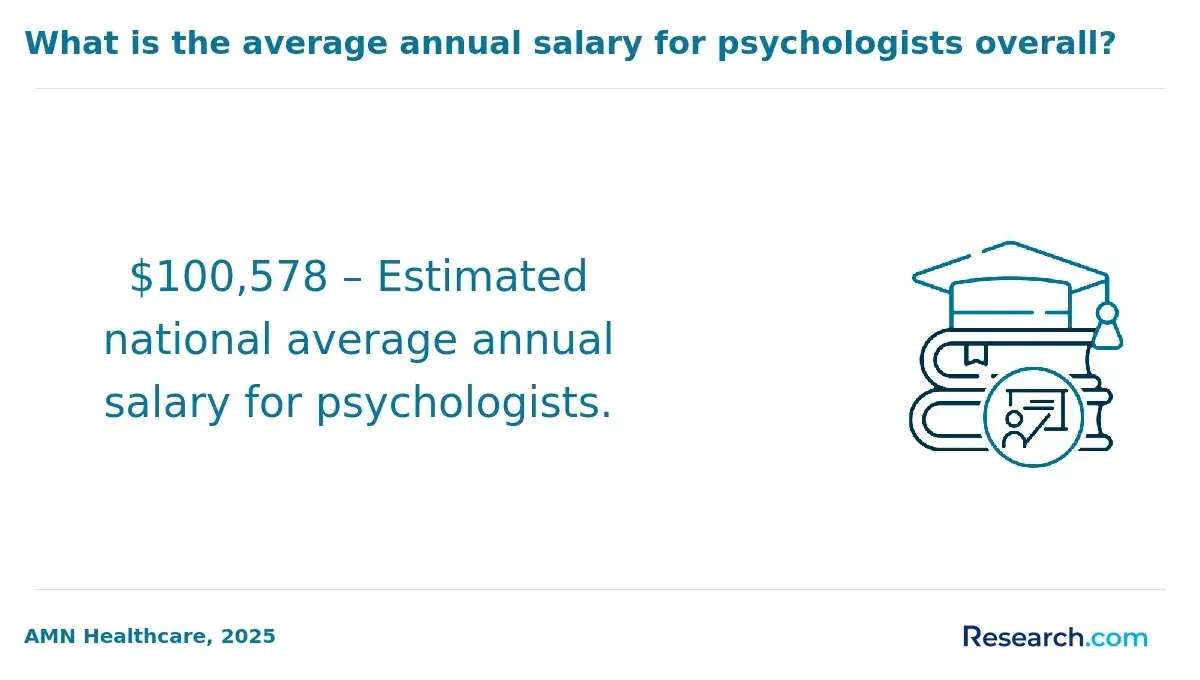
Psychologist salary Kentucky data also helps candidates evaluate the return on a long education path. According to BLS figures, psychologists classified as all other earn an average annual salary of $104,190 in Kentucky. Clinical and counseling psychologists average $95,610, school psychologists average $68,810, and psychology instructors average $64,050. For comparison, the national median annual salary for psychologists is $85,330 (BLS, 2023b). Some Kentucky roles therefore exceed the national median, although pay varies by employer, specialization, location, experience, and licensure status. Students comparing long-term earning potential can also review the top-paying psychology professions.
| Kentucky Psychology Role | Employment in Kentucky | Average Annual Salary | Typical Work Settings |
| School psychologists | 510 | $68,810 | K-12 schools, districts, student support teams, assessment services |
| Clinical and counseling psychologists | 490 | $95,610 | Hospitals, clinics, private practice, community mental health agencies |
| Psychology instructors | 380 | $64,050 | Colleges, universities, community colleges, research programs |
| Psychologists, all other | 210 | $104,190 | Specialized clinical, consulting, research, government, and organizational roles |
Kentucky Psychology Licensure Requirements: Educational Requirements
Kentucky requires licensure for professionals who want to practice as psychologists. The academic pathway is longer than many counseling or social services careers because psychologist licensure is built around doctoral education, supervised practice, and examination. A typical candidate spends five to seven years in college and graduate study, then completes two years of supervised professional experience, bringing the total preparation timeline to about nine years.
Bachelor’s Degree
The first step is an undergraduate degree from an accredited institution. A psychology major is the most direct preparation because it introduces research methods, human development, statistics, abnormal psychology, cognition, social behavior, and ethics. However, students can enter psychology graduate study from related majors if they complete prerequisite coursework and can show strong academic readiness.
Zippia reports that 44% of psychologists were psychology majors, 22% studied clinical psychology, 12% studied counseling psychology, 2% majored in school counseling, and 20% completed other majors. The practical lesson is simple: major matters, but graduate admissions committees also evaluate research experience, recommendations, GPA, fit with faculty, writing ability, and clinical or human services exposure.
Graduate Degree
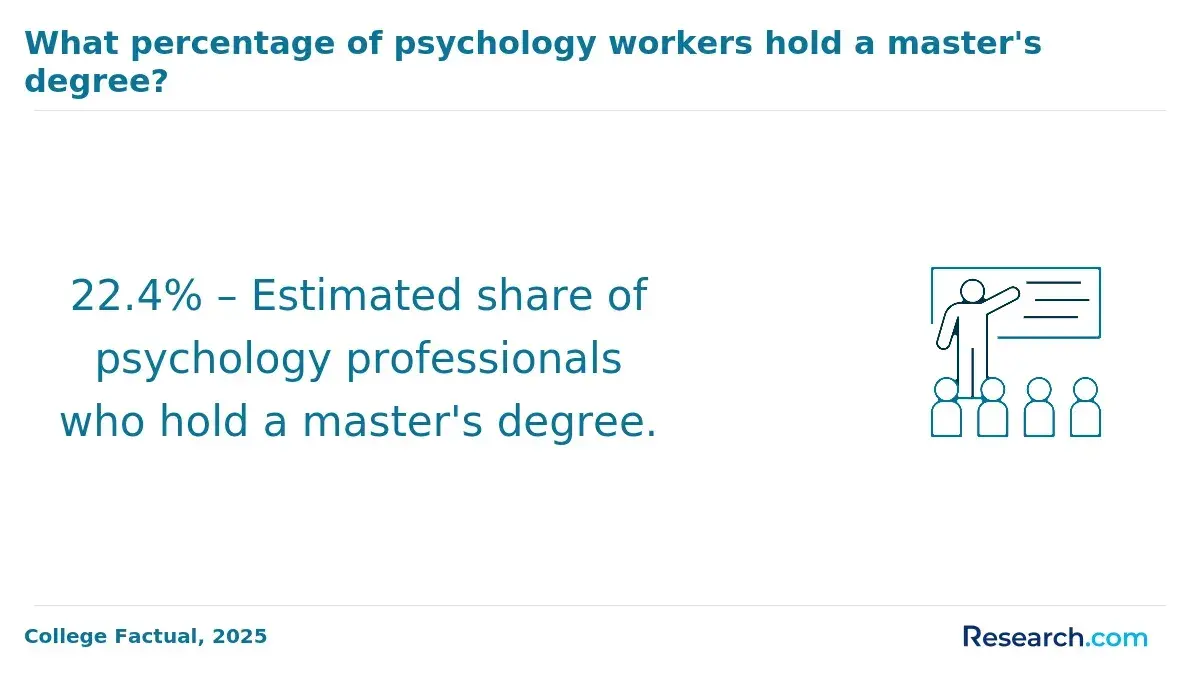
Psychology students often encounter two graduate options: the master’s degree and the doctorate. A master’s degree can strengthen research, assessment, counseling, and applied psychology skills. It may also support careers in related fields. However, a master’s degree alone is not the primary credential for Kentucky psychologist licensure.
The Kentucky Board of Examiners of Psychology requires licensure candidates to complete a doctorate from an accredited institution worth at least 60 credit hours. A Doctor of Philosophy (Ph.D.) in Psychology and a Doctor of Psychology (PsyD) can both qualify when the program meets accreditation expectations. Accepted accreditation sources listed for this pathway include:
- American Psychological Association (APA)
- Council for Accreditation of Counseling & Related Educational Programs (CACREP)
- Psychological Clinical Science Accreditation System (PCSAS)
- Southern Association of Colleges and Schools Commission on Colleges (SACSCOC)
- North Central Association of Colleges and Schools Commission on Higher Education (NCACCHE)
Program specialization should match the work you want to do after licensure. Common practice areas include clinical psychology, counseling psychology, school psychology, health psychology, forensic psychology, neuropsychology, behavioral psychology, and research-focused psychology. Based on the percentage of US psychologists practicing them, the most common specialties include clinical psychology at 44%, clinical child and adolescent psychology at 11%, behavioral and cognitive psychology at 10%, counseling psychology at 10%, and clinical health psychology. Students interested in law, courts, victim services, corrections, or offender assessment can explore what you can do with a forensic psychology degree.
| Degree Level | Role in the Licensure Path | Best For | Important Caution |
| Bachelor’s degree | Entry point for graduate preparation | Students building foundational psychology knowledge and research skills | Does not qualify someone to practice independently as a psychologist |
| Master’s degree | Optional step for psychologist licensure, but useful for some related careers | Students strengthening their graduate application or pursuing counseling, research, or applied roles | Do not assume a master’s automatically leads to psychologist licensure |
| Ph.D. in Psychology | Qualifying doctoral route when properly accredited | Students interested in research, teaching, clinical science, or scientist-practitioner training | Admissions can be highly competitive and research fit matters |
| PsyD | Qualifying doctoral route when properly accredited | Students focused on clinical practice and applied psychological services | Compare cost, internship match support, and supervised training quality carefully |
Supervised Experience
Kentucky requires at least two years of approved supervised professional experience. One year is designated as an internship year. The requirement includes 1,800 hours of predoctoral internship, at least 100 hours of supervisory sessions, and 1,800 additional hours of postdoctoral, predoctoral, or combined postdoctoral and predoctoral supervised experience. The supervising licensed psychologist must be approved by the board and must provide one hour of individual supervision each week.
Students should not treat supervision as a paperwork formality. It is where candidates learn risk assessment, treatment planning, documentation, ethical decision-making, assessment interpretation, crisis response, consultation, and professional boundaries under direct oversight.
Kentucky Psychology Licensure Requirements: Application and Renewal Process
Applying for a License
After completing the required supervised experience, candidates must submit the Kentucky psychology licensure application package to the board. Required materials include an application form, a fee not exceeding $300, official transcripts, three reference forms, a cover letter, a letter requesting a temporary license, and supervisory goals and plans signed by both the candidate and supervisor.
If the board approves the application materials, candidates are authorized to sit for the Examination for Professional Practice in Psychology (EPPP). Kentucky candidates must earn at least 500 to pass. Candidates are allowed three attempts. After a third unsuccessful attempt, the candidate remains under the title “Psychological Associate" and must apply to be credentialed, submit a remediation plan, pay a fee, and wait for board review and approval.
Kentucky also requires a jurisprudence examination covering state mental health laws and a competency examination focused on professional practice and ethical principles. Candidates must score 80% on the jurisprudence examination and 100% on the competency examination. Once the board approves the application and examination results, the candidate receives a psychology license valid for three years.
| Requirement | Kentucky Standard | Planning Tip |
| Application fee | Fee not exceeding $300 | Confirm the current fee before submitting because boards can update forms and policies. |
| EPPP score | At least 500 | Build exam preparation into the supervised experience period instead of waiting until the end. |
| Jurisprudence exam | 80% passing score | Study Kentucky-specific statutes, regulations, reporting duties, and professional rules. |
| Competency exam | 100% passing score | Review ethics, scope of practice, supervision, documentation, and professional standards closely. |
| License period | Valid for three years | Track continuing education early to avoid renewal problems. |
Maintaining the License
Kentucky psychologists must document at least 39 continuing education hours every three years. The continuing education requirement includes at least three hours in ethics or risk management, six hours in suicide assessment, treatment, and management within the first year of licensure and every six years after that, and three hours in supervision theory or techniques for supervisors.
Continuing education protects both clients and practitioners. It helps psychologists stay current with clinical standards, legal responsibilities, suicide prevention practices, supervision expectations, and ethical risk management. Failure to meet continuing education requirements can lead to license consequences, including revocation.
Renewing a License
To renew a Kentucky psychology license, psychologists submit an application for renewal, pay a fee of $625, and verify completion of 39 continuing education hours. The board may ask for additional documentation. After review and approval, the board issues a renewed license.
Common Licensure Mistakes to Avoid
| Mistake | Why It Can Hurt You | Better Approach |
| Choosing a doctoral program without checking accreditation | A nonqualifying program can delay or block licensure. | Verify accreditation and Kentucky board acceptability before enrolling. |
| Assuming every psychology master’s degree leads to psychologist licensure | Kentucky psychologist licensure requires a doctorate. | Use a master’s strategically, but plan for doctoral study if your goal is psychologist licensure. |
| Waiting too long to plan supervised hours | Internship and supervision rules are detailed and must meet board expectations. | Ask programs how they support internship placement, supervision documentation, and licensure preparation. |
| Focusing only on tuition | Fees, living costs, travel, internship placement, and time out of the workforce affect total cost. | Compare total program cost, funding, assistantships, internship support, and completion timeline. |
| Ignoring renewal requirements | Missing continuing education can create licensing problems. | Track CE hours throughout the three-year license period. |
List of Top Psychology Programs in Kentucky for 2027
Kentucky offers psychology programs at undergraduate and doctoral levels, including research-oriented Ph.D. options, practice-focused PsyD training, bachelor’s programs, minors, and specialized concentrations. Students should choose based on career goal, accreditation, clinical training opportunities, faculty expertise, cost, funding, location, and whether the program supports eventual Kentucky licensure. If you are comparing graduate-level outcomes, it can also help to review what you can do with a masters in clinical psychology.
Research.com reviewed psychology programs in Kentucky using academic ratings, graduation rates, affordability, and other key metrics. The following five programs are among the top options identified.
| School and Program | Program Length | Tracks or Concentrations | Cost per Credit | Accreditation |
| University of Kentucky Doctorate Degree in Psychology | 5 years | Clinical Psychology; Cognitive Neuroscience; Developmental, Social, and Health | $783.50 in-state; $1,957 out-of-state | American Psychological Association |
| University of Louisville Ph.D. in Psychology | 5 to 6 years | Clinical Psychology; Experimental Psychology | $631.6 in-state; $1,448.9 out-of-state | American Psychological Association |
| University of the Cumberlands Bachelor’s Degree in Psychology | 4 years | None | $335 | Southern Association of Colleges and Schools Commission on Colleges |
| Northern Kentucky University Psychology Sciences Major | 4 years | None | $438 in-state; $879 out-of-state | Southern Association of Colleges and Schools Commission on Colleges |
| Western Kentucky University PsyD in Applied Psychology | 4 years | Clinical Psychology (BA/BS to PsyD); Clinical Psychology (MA to PsyD); School Psychology | $607 in-state; $917 out-of-state; $953 international | Southern Association of Colleges and Schools Commission on Colleges |
1. University of Kentucky Doctorate Degree in Psychology
The University of Kentucky offers a Doctorate Degree in Psychology with three specialization options: Clinical Psychology, Cognitive Neuroscience, and Developmental, Social, and Health. The program emphasizes the connection between psychological science and professional practice. Students are expected to contribute original research while developing advanced expertise in their chosen area. Equity, inclusion, and diversity are also emphasized in training. The university also offers Psychology Major and Minor programs for undergraduates.
- Program Length: 5 years
- Tracks/concentrations: Clinical Psychology, Cognitive Neuroscience, Developmental, Social, and Health
- Cost per Credit: $783.50 (in-state); $1,957 (out-of-state)
- Required Credits to Graduate: Not available
- Accreditation: American Psychological Association
2. University of Louisville Ph.D. in Psychology
The University of Louisville provides a Ph.D. in Psychology with Clinical and Experimental Psychology specializations. The Clinical Psychology option is organized around research training, clinical training, and academic training. The Experimental Psychology option includes four concentrations: Cognition, Development, Neuroscience, and Vision and Hearing. The program also highlights diversity, equity, and inclusion. At the undergraduate level, the university offers a BA in Psychology, a BS in Psychology, and an online program combining both degrees.
- Program Length: 5 to 6 years
- Tracks/concentrations: Clinical Psychology, Experimental Psychology
- Cost per Credit: $631.6 (in-state); $1,448.9 (out-of-state)
- Required Credits to Graduate: 60 to 69
- Accreditation: American Psychological Association
3. University of the Cumberlands Bachelor’s Degree in Psychology
The University of the Cumberlands offers a Bachelor’s Degree in Psychology that introduces students to multiple areas of the field. Learners may choose either a BS or a BA pathway. The curriculum is designed to prepare students for graduate study, professional roles, and further specialization. Students also have 24 credit hours of electives, allowing them to shape the degree around their interests. The university also offers an associate degree and a psychology minor.
- Program Length: 4 years
- Tracks/concentrations: None
- Cost per Credit: $335
- Required Credits to Graduate: Not available
- Accreditation: Southern Association of Colleges and Schools Commission on Colleges
4. Northern Kentucky University Psychology Sciences Major
Northern Kentucky University offers a Psychology Sciences Major with BA and BS options. Students work with faculty mentors while learning research methods and the application of psychological science in practical settings. The program also offers internship opportunities and a psychology club that supports networking, study groups, and student engagement. NKU also offers a Minor in Psychology and a master’s program in Industrial-Organizational Psychology.
- Program Length: 4 years
- Tracks/concentrations: None
- Cost per Credit: $438 (in-state); $879 (out-of-state)
- Required Credits to Graduate: 120
- Accreditation: Southern Association of Colleges and Schools Commission on Colleges
5. Western Kentucky University PsyD in Applied Psychology
Western Kentucky University offers a Doctor of Applied Psychology with three concentrations: Clinical Psychology (BA/BS to PsyD), Clinical Psychology (MA to PsyD), and School Psychology. The program builds advanced preparation in interventions and evidence-based practice. It also includes research opportunities and activities aligned with service to the Commonwealth of Kentucky. WKU also offers a Bachelor of Arts in Psychology with special concentrations in Forensic and Sports Psychology.
- Program Length: 4 years
- Tracks/concentrations: Clinical Psychology (BA/BS to PsyD), Clinical Psychology (MA to PsyD), School Psychology
- Cost per Credit: $607 (in-state); $917 (out-of-state); $953 (international)
- Required Credits to Graduate: 49
- Accreditation: Southern Association of Colleges and Schools Commission on Colleges
Questions to Ask Before Choosing a Kentucky Psychology Program
- Does the program meet Kentucky licensure expectations? Ask specifically about accreditation, internship support, and supervised experience documentation.
- What percentage of students complete the program? A strong program should be transparent about student progress and completion.
- How does the program support EPPP preparation? Ask about exam advising, pass-rate support, and when students typically sit for the exam.
- Are assistantships, fellowships, or tuition support available? Doctoral training is lengthy, so funding can strongly affect ROI.
- Does the specialization match your intended career? Clinical, school, forensic, health, and research careers require different preparation.
- Where do students complete internships and practica? Training site quality can shape your clinical competence and employment network.
What emerging areas in psychology are shaping the future of the field in Kentucky?
Psychology practice in Kentucky is changing as access needs, technology, legal systems, healthcare integration, and population health challenges evolve. Students choosing a specialization should consider not only current openings but also where services are expanding.
- Telepsychology: Remote mental health services can improve access for people in rural communities and areas with fewer in-person providers. Future psychologists should learn telehealth ethics, privacy requirements, crisis planning, and documentation standards.
- Forensic Psychology: Courts, corrections, law enforcement agencies, and victim services increasingly need professionals who understand both psychological assessment and legal contexts.
- Integrated Health Psychology: Psychologists working in medical settings may collaborate with physicians, nurses, social workers, and other providers to support patients managing chronic illness, pain, trauma, and behavioral health needs.
- Neuropsychology: As awareness of brain-behavior relationships grows, neuropsychologists may support assessment and treatment planning for cognitive impairment, neurological conditions, and aging-related concerns.
These areas can expand career options, but each has different training expectations. Students should ask programs whether faculty, practica, research labs, or supervised placements are available in the specialty they want to pursue.
How can I pursue a career as a substance abuse counselor in Kentucky?
Substance use disorders remain a major public health concern in Kentucky, and not every professional who wants to work in addiction services needs to become a licensed psychologist. Substance abuse counselors focus on assessment, treatment planning, relapse prevention, group counseling, recovery support, and coordination with community resources. Candidates should review Kentucky-specific certification rules, choose accredited training when required, and seek supervised experience in addiction treatment settings. For a focused pathway, see Research.com’s guide on how to become a substance abuse counselor in Kentucky.
How can accelerated PsyD programs streamline the pathway to licensure in Kentucky?
Accelerated PsyD programs may appeal to students who want a more compressed practice-oriented doctoral route. These programs typically combine intensive coursework with clinical training and may help motivated students progress faster than traditional timelines. However, speed should not be the only deciding factor. Kentucky candidates still need to satisfy doctoral education, supervised experience, exam, and board requirements. Before enrolling, compare accreditation, internship support, total cost, faculty supervision, clinical placement quality, and whether the program aligns with Kentucky licensure expectations. To compare condensed doctoral options, review Research.com’s guide to accelerated PsyD programs.
What is the importance of mental health in Kentucky?
Mental health is a practical workforce and public health issue in Kentucky. The state’s anxiety, depression, substance use, rural access, school-based mental health, and community care needs create demand for trained psychologists, counselors, social workers, school psychologists, and behavioral health specialists.
- Rural communities: Many Kentucky residents live in areas where mental health providers and specialty services can be harder to access.
- Opioid crisis: Addiction, trauma, grief, family disruption, and co-occurring mental health conditions increase the need for qualified behavioral health professionals.
- High rates of mental health disorders: Depression and anxiety symptoms affect many Kentucky adults, increasing demand for assessment, therapy, crisis response, and prevention services.
- School systems: Student mental health, bullying, stress, behavioral concerns, learning needs, and family challenges make school psychologists and related professionals important in educational settings.
Students can begin with a masters in psychology online or proceed toward doctoral study, depending on the role they want. The key is to choose a program that matches the license or credential required for the intended career.
How can a master's in forensic psychology enhance my career trajectory in Kentucky?
A master’s in forensic psychology can help students move toward roles that connect behavioral science with legal, correctional, investigative, or victim-support settings. In Kentucky, this preparation may be relevant to criminal investigations, correctional rehabilitation, victim advocacy, court-related assessment support, and justice-focused program development. It is important to separate career enhancement from psychologist licensure: a master’s degree can open applied opportunities, but independent psychologist practice requires meeting Kentucky’s doctoral licensure pathway. To explore options, read What can I do with masters in forensic psychology?.
How can I become a Licensed Professional Counselor in Kentucky?
Licensed Professional Counselor licensure is a separate pathway from psychologist licensure. Kentucky LPC candidates typically complete a master’s degree in counseling or a closely related field, meet supervised clinical practice requirements, pass a national counseling examination, complete a state jurisprudence exam, and satisfy continuing education rules after licensure. This route may be a better fit for students who want to provide counseling services without completing a psychology doctorate. For a detailed process, review how to become an LPC in Kentucky.
Is Social Work a Viable Career Path in Kentucky?
Social work is a strong alternative for students who want to address mental health, family needs, poverty, housing instability, addiction, child welfare, healthcare coordination, and community systems. Unlike psychology, social work emphasizes case management, advocacy, resource navigation, policy awareness, and person-in-environment assessment. It can lead to direct service, clinical, nonprofit, healthcare, school, and government roles depending on education and licensure. To compare the academic route, see What degree do you need to be a social worker in Kentucky?.
How can I become a school psychologist in Kentucky?
School psychology is designed for professionals who want to support children, adolescents, educators, and families in educational settings. Candidates usually complete graduate training focused on child and adolescent development, psychological and educational assessment, learning interventions, behavioral supports, consultation, and school systems. They also need state-approved supervised experience and must meet Kentucky endorsement or credentialing expectations for school practice. For step-by-step guidance, consult how to become a school psychologist in Kentucky.
How can I become a criminal psychologist in Kentucky?
Criminal psychology focuses on behavior related to crime, offending, victimization, assessment, risk, rehabilitation, and justice-system decision-making. Students interested in this field should seek advanced coursework in forensic assessment, abnormal psychology, trauma, criminal behavior, ethics, and research methods. Internships or supervised placements in correctional, court, forensic hospital, law enforcement, or rehabilitation settings can help build relevant experience. For a Kentucky-specific career pathway, review how to become a criminal psychologist in Kentucky.
How can mentorship and professional networking accelerate my psychology career in Kentucky?
Mentorship can shorten the learning curve for psychology students and early-career professionals. A strong mentor can help you choose a specialization, understand board expectations, prepare for internship applications, avoid documentation errors, build ethical judgment, and identify realistic career paths. Networking through local associations, university events, conferences, practicum sites, and supervisors can also lead to research opportunities, referrals, internships, postdoctoral placements, and job leads. If your goal is counseling rather than psychologist licensure, you can also compare the shortest path to become a counselor in Kentucky.
What are the essential steps to achieve LPC licensure in Kentucky?
Kentucky LPC candidates should first confirm that their counseling program meets state educational standards. They then need to complete the required supervised counseling experience, pass required examinations, submit documentation to the appropriate board, and complete continuing education after licensure. Because counseling and psychology are regulated separately, students should not assume the same degree will qualify for both pathways. For details, see Kentucky LPC license requirements.
What financial aid options are available for students pursuing psychology degrees in Kentucky?
Psychology education can be expensive, especially for students pursuing doctoral training. The best financial aid strategy is to compare total cost, funding availability, assistantships, transfer policies, residency status, fees, and time to completion rather than looking only at tuition per credit.
- Scholarships and fellowships: Kentucky universities may offer merit-based, departmental, or graduate scholarships for psychology students. Institutions such as the University of Kentucky and the University of Louisville provide departmental scholarship opportunities. National and state professional organizations, including the American Psychological Association (APA) and Kentucky Psychological Association (KPA), may also offer fellowships or scholarships. Students interested in applied behavioral work can also compare a behavioral psychology degree online.
- Federal financial aid: Eligible students can complete the Free Application for Federal Student Aid (FAFSA) to be considered for Pell Grants, federal student loans, and work-study opportunities.
- State-specific programs: Kentucky residents may qualify for state-funded higher education programs. The Kentucky Educational Excellence Scholarship (KEES) provides aid based on high school academic performance and can be applied to undergraduate psychology degrees. Graduate students can also investigate state-sponsored loan forgiveness programs connected to high-need areas such as mental health and psychology in Kentucky.
- Institutional aid: Graduate psychology students may be able to secure teaching assistantships or research assistantships. These opportunities can reduce cost while building teaching, research, and professional experience.
How to Reduce the Cost of a Psychology Degree
- Complete lower-division general education credits affordably before transferring, if the target school accepts them.
- Ask doctoral programs whether funding, stipends, tuition waivers, or assistantships are available.
- Compare in-state and out-of-state tuition carefully, especially for public universities.
- Look at completion timelines because an extra year can increase both direct costs and opportunity costs.
- Choose a program that clearly supports licensure to avoid paying for coursework that does not move you toward your goal.
Career Opportunities for Licensed Psychologists in Kentucky
Licensed psychologists in Kentucky can work in healthcare, education, private practice, government, community mental health, research, correctional settings, nonprofit organizations, and higher education. Clinical and counseling psychologists often assess and treat mental health conditions, provide therapy, conduct psychological testing, consult with care teams, and support crisis or trauma services. School psychologists focus on student assessment, intervention, behavioral support, consultation, and learning-related needs. Psychology instructors teach, mentor students, conduct research, and contribute to academic programs.
Healthcare settings such as hospitals and clinics may employ psychologists who work with patients dealing with trauma, chronic illness, pain, behavioral disorders, addiction, and co-occurring mental health concerns. Community mental health centers often serve underserved populations and may provide opportunities for psychologists who want high-impact public service work.
Other specialties can also be relevant. Industrial-organizational psychology applies psychological science to hiring, workplace behavior, leadership, employee well-being, performance, and organizational systems. Forensic and criminal psychology connect psychology with the legal system. Health psychology and neuropsychology may involve interdisciplinary work with medical teams.
If you are deciding where to study, review programs for licensure alignment, faculty expertise, supervised training opportunities, and career outcomes. Research.com’s list of the best colleges for psychology in Kentucky can help you compare institutions that support different psychology goals.
| Career Direction | Best-Fit Training | Good Fit If You Want To... |
| Clinical or counseling psychologist | Accredited doctoral training, supervised clinical experience, Kentucky psychologist licensure | Provide therapy, assessment, diagnosis, consultation, and evidence-based treatment |
| School psychologist | Graduate school psychology preparation and state-required school credentialing | Support students, families, teachers, and school systems |
| Psychology instructor | Graduate or doctoral training depending on institution and role | Teach psychology, mentor students, and conduct academic work |
| Forensic or criminal psychology professional | Forensic coursework, supervised justice-system experience, and possibly doctoral licensure depending on role | Work at the intersection of psychology, courts, corrections, and public safety |
| LPC, social worker, MFT, or BCBA | Separate licensure or certification pathway | Provide mental health, family, behavioral, or community-based services without pursuing psychologist licensure |
What other licensing options are available for mental health professionals in Kentucky?
Psychologist licensure is not the only route into mental health work. Kentucky also has separate pathways for counseling, social work, marriage and family therapy, school psychology, substance abuse counseling, and behavior analysis. For example, an MFT license in Kentucky prepares professionals to provide counseling services to individuals, couples, and families. Students should compare scope of practice, education length, supervised hours, exam requirements, salary goals, and client population before choosing a credential.
How can I explore BCBA certification in Kentucky?
Board Certified Behavior Analyst certification may be a strong option for professionals interested in behavior assessment, intervention planning, autism services, educational support, clinical behavior programs, or organizational behavior change. BCBA preparation usually involves approved coursework, supervised fieldwork, and examination. It is not the same as psychologist licensure, but it can complement psychology, education, counseling, or human services training. For Kentucky-focused guidance, read how to become a BCBA in Kentucky.
Is getting a Kentucky psychology license worth it?
For candidates who want to practice independently as psychologists, a Kentucky psychology license is not optional; it is the credential that allows full professional practice within the state. The pathway requires years of education, supervised experience, exam preparation, application fees, renewal fees, and continuing education, so students should evaluate it carefully. If you are still weighing the broader value of the field, consider Research.com’s guide asking, Is earning a psychology degree worth the money and effort?
The license can be worth it for people committed to psychological assessment, diagnosis, therapy, supervision, consultation, research-informed practice, and advanced behavioral health roles. Without completing Kentucky psychology licensure requirements, candidates may remain limited to the Psychological Associate title, which can restrict the services they provide and the jobs they can pursue. The main trade-offs are time, cost, competitive admissions, and the pressure of supervised practice and exams. The best candidates enter the pathway with a clear specialization, a realistic budget, and a program that directly supports Kentucky licensure.
Key Insights
- Kentucky has substantial mental health needs: 37.4% of adults in the state have shown symptoms of anxiety or depression, compared with 32.3% nationally.
- Psychologist licensure requires a doctorate: A bachelor’s degree starts the pathway, and a master’s can help, but Kentucky psychologist licensure requires a qualifying Ph.D. or PsyD.
- Supervised experience is a major requirement: Candidates need two years of approved supervised professional experience, including 1,800 hours of predoctoral internship and additional supervised hours.
- Exams matter: Kentucky candidates must earn at least 500 on the EPPP, pass the jurisprudence exam with 80%, and pass the competency exam with 100%.
- Salary can support the investment, but outcomes vary: Kentucky clinical and counseling psychologists average $95,610 annually, while psychologists classified as all other average $104,190.
- Program choice affects licensure readiness: Accreditation, internship support, supervision preparation, faculty expertise, and cost should matter more than name recognition alone.
- Alternative mental health careers may be faster: LPC, social work, MFT, substance abuse counseling, school psychology, and BCBA pathways may fit students who want to serve clients without completing a psychology doctorate.
Related Articles for Nearby States
- 2027 Indiana Psychology Licensure Requirements – How to Become a Psychologist in Indiana
- 2027 Ohio Psychology Licensure Requirements – How to Become a Psychologist in Ohio
- 2027 Tennessee Psychology Licensure Requirements – How to Become a Psychologist in Tennessee
- 2027 West Virginia Psychology Licensure Requirements – How to Become a Psychologist in West Virginia
- 2027 Virginia Psychology Licensure Requirements – How to Become a Psychologist in Virginia
- 2027 Illinois Psychology Licensure Requirements – How to Become a Psychologist in Illinois
- 2027 Missouri Psychology Licensure Requirements – How to Become a Psychologist in Missouri
- 2027 North Carolina Psychology Licensure Requirements – How to Become a Psychologist in North Carolina
- 2027 Georgia Psychology Licensure Requirements – How to Become a Psychologist in Georgia
- 2027 Mississippi Psychology Licensure Requirements – How to Become a Psychologist in Mississippi
References:
- American Psychological Association (2026, January). CWS Data Tool: Degrees in Psychology. American Psychological Association
- BLS (2024). Occupational Employment and Wage Statistics Kentucky. BLS
- BLS (2025, August 28). Psychologists. BLS
- Gyfted (n.d.). How to become a clinical psychologist in Kentucky, KY. Gyfted
- Kentucky General Assembly (2026, February 6). Title 201 | Chapter 026 | Regulation 230. Kentucky General Assembly
- NAMI (2025, March). Mental Health in Kentucky. NAMI
- The Asclepius Initiative (2025). Suicide and Access to Mental Health Services in Kentucky. The Asclepius Initiative
- Zippia (2025, January 8). BEST COLLEGES AND MAJORS FOR PSYCHOLOGISTS. Zippia
Other Things You Should Know About The Kentucky Psychology Licensure Requirements
The Kentucky Board of Examiners of Psychology regulates psychologist licensure in Kentucky. It reviews applications, sets training standards, approves supervision, and issues licenses under Kentucky law. Applicants must meet the board’s education, examination, and supervised experience requirements before practicing as a licensed psychologist.
Yes, candidates must complete specific coursework in areas such as ethics, research methods, and statistics as part of a psychology doctoral program recognized by Kentucky's licensure board. Ensuring these courses align with licensure requirements is crucial before applying in 2027.
To obtain a psychology license in Kentucky in 2027, candidates must pass the Examination for Professional Practice in Psychology (EPPP). Additionally, they must also pass the Kentucky jurisprudence exam, which assesses knowledge of state laws and regulations governing psychological practice.


