2027 How to Become a Criminal Psychologist in Minnesota

Co-Founder and Chief Data Scientist
Becoming a criminal psychologist in Minnesota usually means preparing for licensed practice as a psychologist, then building forensic, correctional, court, or law enforcement experience. The path is demanding: you will need graduate-level clinical training, supervised professional experience, state licensure, and a clear understanding of how psychology is applied in legal settings.
This matters because mental health needs inside the justice system remain substantial. Nearly 60% of people with a history of mental illness go untreated while incarcerated in state and federal prisons (NAMI, n.d.). In Minnesota, limited mental health staffing, long waits for care or facility placement, and funding pressures make qualified professionals especially important in correctional facilities, courts, forensic hospitals, community programs, and public safety agencies.
This guide explains how to become a criminal psychologist in Minnesota, including the degrees you need, undergraduate majors to consider, licensure steps, internships, salary expectations, work settings, advanced roles, continuing education, ethical issues, and practical ways to choose the right program and career path.
Quick Answer: How to Become a Criminal Psychologist in Minnesota
To work as a criminal psychologist in Minnesota, you generally need a bachelor’s degree, a doctoral degree in psychology, supervised professional experience, and licensure through the Minnesota Board of Psychology. Many students strengthen their preparation through forensic psychology coursework, correctional internships, research experience, or clinical placements involving justice-involved populations.
- Education path: Start with psychology, criminal justice, social work, criminology, or a related undergraduate major, then complete a doctoral psychology program.
- Licensure: Minnesota requires an application through the Minnesota Board of Psychology, a $500 application fee, a background check, 3,600 supervised professional experience hours, the EPPP, and the state Professional Responsibility Examination.
- Job outlook: Minnesota projects 10% growth for clinical psychologists and 5% growth for all other psychologists from 2022 to 2032, according to the Minnesota Department of Employment and Economic Development.
- Pay: BLS wage categories show clinical psychologists in Minnesota earning $95,100 annually and all other psychologists earning $84,670 annually, though individual forensic or criminal psychology roles vary by employer, experience, location, and specialization.
- Good-fit schools and settings: Students often look at programs connected to the University of Minnesota, Saint Mary’s University of Minnesota, correctional systems, forensic mental health programs, courts, hospitals, and community mental health agencies.
- What education do you need to become a criminal psychologist in Minnesota?
- Which undergraduate majors are best for future criminal psychologists?
- How should you compare criminal psychology programs in Minnesota?
- What are the Minnesota psychologist licensure steps?
- Where can students find internships and field experience?
- What is the job outlook for criminal psychologists in Minnesota?
- How much do criminal psychologists in Minnesota earn?
- Where do criminal psychologists work in Minnesota?
- How can interdisciplinary collaboration improve practice?
- Can criminal psychologists move into industrial-organizational work?
- How can forensic science training strengthen criminal psychology practice?
- Do additional certifications help criminal psychologists?
- Which complementary credentials may support career growth?
- How does social work connect with criminal psychology?
- What are Minnesota continuing education and renewal requirements?
- How do criminal psychologists address substance use and mental health together?
- How can mental health counselors support offender rehabilitation?
- How can school psychology knowledge help in juvenile justice work?
- What advanced criminal psychology roles are available?
- What professional resources are available in Minnesota?
- What ethical and legal challenges should criminal psychologists expect?
What education do you need to become a criminal psychologist in Minnesota?
Criminal psychology is not usually a separate state license. In Minnesota, professionals who evaluate, diagnose, treat, or provide psychological opinions in forensic or correctional settings generally prepare for licensure as psychologists, then focus their training and experience on criminal behavior, forensic assessment, risk evaluation, rehabilitation, trauma, substance use, competency, or legal decision-making.
The typical academic route includes several stages:
- Bachelor’s degree: A bachelor’s program in psychology or a closely related field gives you the foundation for graduate study. Strong preparation includes research methods, statistics, abnormal psychology, developmental psychology, neuroscience, ethics, and courses related to law or criminal behavior.
- Master’s-level study: A master’s degree is not always the final credential for independent psychologist licensure, but graduate work in forensic psychology, clinical psychology, counseling psychology, or a related area can help students build assessment, interviewing, research, and intervention skills.
- Doctoral degree: A PhD or PsyD in psychology is the core academic requirement for becoming a licensed psychologist. Students interested in criminal psychology should look for doctoral programs with forensic coursework, clinical training, assessment experience, research opportunities, and placements involving courts, corrections, forensic hospitals, or justice-involved clients.
- Supervised clinical and forensic experience: Doctoral training normally includes practicum work and an internship. Minnesota licensure also requires supervised professional experience, so students should plan early for placements that match their long-term goals.
| Stage | What to focus on | Why it matters for criminal psychology |
| Bachelor’s degree | Psychology, research, statistics, criminal justice, human development, ethics | Builds the academic base needed for competitive graduate admission |
| Graduate preparation | Clinical skills, forensic assessment, psychopathology, intervention methods | Connects psychological science with legal and correctional practice |
| Doctoral degree | PhD or PsyD training, practicum, internship, dissertation or applied project | Provides the credential generally needed for psychologist licensure |
| Supervised experience | Predoctoral internship and postdoctoral practice | Develops competence before independent professional practice |
| Licensure and specialization | EPPP, state exam, continuing education, forensic training | Allows legal practice as a psychologist and supports specialization |
The American Psychological Association reported that Minnesota institutions awarded 2,957 bachelor’s degrees in psychology in 2023, along with 2,776 master’s degrees and 463 doctorates. Those figures show that the state has a substantial psychology education pipeline for students who want to pursue specialized work in criminal or forensic settings.
-
: "
“Studying criminal psychology in Minnesota has been an incredible journey. I began with a psychology major in undergrad, where research opportunities and supportive professors laid a solid foundation for my future. Grad school was tough, especially juggling my thesis on juvenile criminal behavior with part-time work, but those years shaped me both academically and personally. Completing my doctorate felt like climbing a mountain—demanding yet immensely rewarding. If you're pursuing this field, embrace the challenges. They’re what make your achievements meaningful.”
"
Which undergraduate majors are best for future criminal psychologists in Minnesota?
The best undergraduate major is usually the one that prepares you for doctoral psychology admission while also helping you understand crime, behavior, trauma, systems, and evidence. Psychology is the most direct option, but it is not the only useful path.
- Psychology: This is the most common starting point because it covers behavior, cognition, mental disorders, development, assessment basics, and research design. Students should prioritize courses in abnormal psychology, developmental psychology, statistics, personality, trauma, and psychological testing when available.
- Criminal justice: This major helps students understand courts, policing, corrections, law, sentencing, and offender rehabilitation. It can be especially useful when paired with psychology electives and research experience. Minnesota State University, Mankato is noted for a broad criminal justice curriculum.
- Social work: Social work builds practical skills in advocacy, case management, crisis response, ethics, family systems, and community support. It can be valuable for students interested in rehabilitation, victim services, juvenile justice, reentry, or treatment planning.
- Criminology or sociology: These majors help students examine crime patterns, inequality, institutions, social policy, and community risk factors. They work best for criminal psychology preparation when paired with psychology prerequisites.
- Forensic science: This route may interest students who want stronger exposure to evidence, investigation, and scientific procedures. It is most relevant for those who want to collaborate closely with investigative or forensic teams.
| Major | Best for students who want to... | Potential gap to address |
| Psychology | Apply to clinical or counseling psychology doctoral programs | Add criminal justice, forensic, or legal studies electives |
| Criminal justice | Work in courts, corrections, probation, law enforcement, or policy | Complete psychology, statistics, and research prerequisites |
| Social work | Focus on rehabilitation, advocacy, case management, or community care | Build stronger testing, assessment, and research preparation |
| Criminology or sociology | Study crime patterns, institutions, and social risk factors | Take enough psychology coursework for graduate admissions |
| Forensic science | Understand evidence, investigation, and lab-informed casework | Develop clinical psychology and behavioral assessment depth |
APA data discussed by Page et al. (2024) show that approximately 7% of psychologists are board-certified in forensic psychology, while 3% name forensic psychology as their main specialty. Because the specialty is relatively focused, students should use the undergraduate years to build a strong record: research experience, strong grades, statistics competence, writing skills, volunteer work, and exposure to mental health or justice settings.
-
: "
“My journey began with a degree in criminology, where I was captivated by courses on deviant behavior and the justice system. The program sharpened my critical thinking and gave me insights into the intersection of psychology and law. Balancing coursework with part-time jobs was challenging, but I found support through study groups and mentorship from professors. Those early struggles taught me resilience, and today, I’m proud to contribute to my field.”
"
How should you choose a criminal psychology program in Minnesota?
A strong program should do more than include the word “forensic” in a course title. It should help you meet licensure requirements, gain supervised experience, understand legal systems, and develop the assessment and treatment skills used in real forensic and correctional environments.
- Accreditation: Check institutional accreditation through the Higher Learning Commission and, for doctoral psychology training, whether APA accreditation is relevant to your licensure and internship goals. Accreditation affects transferability, financial aid, internship competitiveness, and licensure planning.
- Total cost, not just tuition: Minnesota tuition can range from $10,000 to $40,000 or more per year. Compare tuition, fees, books, insurance, commuting, technology, internship relocation costs, and the opportunity cost of full-time study.
- Forensic or correctional training: Look for coursework in forensic assessment, risk assessment, criminal behavior, trauma, substance use, ethics, juvenile justice, and psychological testing.
- Practicum and internship access: Prioritize programs with relationships in courts, correctional facilities, forensic hospitals, community mental health clinics, law enforcement agencies, or public health systems.
- Faculty fit: Faculty who publish, consult, or practice in forensic psychology can support research, recommendation letters, dissertation topics, and field connections.
- Licensure alignment: Ask whether the curriculum, internship structure, and supervised experience planning align with Minnesota Board of Psychology requirements.
- Student support: Strong advising, EPPP preparation, writing support, placement coordination, and mentorship can matter as much as the course catalog.
| Question to ask before enrolling | Why it matters |
| Is the institution accredited, and is the doctoral psychology program APA-accredited if needed for my goals? | Accreditation can affect licensure, internship options, and employer confidence. |
| Where have recent students completed forensic, clinical, or correctional placements? | Placement history shows whether the program has real field connections. |
| Does the program prepare students for Minnesota licensure requirements? | Licensure rules determine whether your education leads to practice eligibility. |
| What is the full annual cost after fees and living expenses? | Sticker tuition rarely shows the actual cost of attendance. |
| Are faculty members active in forensic, correctional, legal, or trauma-related work? | Faculty expertise influences mentorship, research opportunities, and training quality. |
| What support is available for internship applications and the EPPP? | These milestones are important for entering professional practice. |
Students comparing programs should also consider whether they want a psychology-centered path, a criminal justice path, or a forensic science path. If your interests are more evidence-based than clinical, reviewing forensic science program options can help you compare a different but related route.
-
: "
“When selecting my degree program, I looked for institutions that offered a combination of strong academic foundations and opportunities for hands-on fieldwork. Access to internships and connections with local law enforcement and mental health organizations were essential to me. Additionally, I prioritized programs with strong support services, knowing that having guidance and mentorship would be invaluable during my academic journey. For anyone pursuing this career path, my advice is simple: choose a program that balances academic challenges with opportunities to gain experience in the field. It sets you up for long-term success.”
"
What are the steps for obtaining licensure as a criminal psychologist in Minnesota?
Minnesota licenses psychologists through the Minnesota Board of Psychology. If your goal is criminal psychology practice, the license gives you the legal authority to practice psychology; your forensic or criminal specialization is then developed through coursework, supervised experience, employment, continuing education, and possibly board certification.
- Complete the required education. Plan for a doctoral psychology degree that supports licensure and provides relevant clinical and forensic preparation.
- Apply through the Minnesota Board of Psychology. Candidates submit the application through the board’s online portal and pay the $500 application fee.
- Complete the background check. Minnesota requires state and national screenings, including fingerprinting.
- Document supervised professional experience. Candidates must complete at least 3,600 hours of supervised professional experience, including predoctoral internship and postdoctoral experience.
- Pass required examinations. Applicants must pass the Examination for Professional Practice in Psychology (EPPP) and Minnesota’s Professional Responsibility Examination (PRE).
- Maintain the license. After licensure, psychologists must follow renewal rules, continuing education standards, professional ethics, and state regulations.
| Licensure component | Minnesota requirement stated in the source material | Planning tip |
| Application | Online application through the Minnesota Board of Psychology and $500 application fee | Start collecting documentation before you apply. |
| Background check | State and national screenings with fingerprinting | Follow board instructions carefully to avoid processing delays. |
| Supervised experience | Minimum of 3,600 hours including predoctoral internship and postdoctoral experience | Choose supervisors and placements that match forensic or correctional goals when possible. |
| Examinations | EPPP and Professional Responsibility Examination | Build study time into your postdoctoral timeline. |
Licensure is one of the highest-stakes parts of this career path. Do not assume that every online or out-of-state program automatically satisfies Minnesota requirements. Review the board’s current rules and, if needed, compare them with the broader Minnesota psychology license requirements before committing to a program.
This chart reveals the highest-paying employers of psychologists.
Where can aspiring criminal psychologists find internships in Minnesota?
Internships, practica, and supervised field placements help students turn classroom knowledge into professional judgment. For criminal psychology, the best experiences often involve assessment, crisis response, treatment planning, multidisciplinary teamwork, documentation, ethics, and exposure to legal or correctional systems.
- Minnesota Department of Corrections: Students may find opportunities connected to mental health programs, correctional treatment, sex offender treatment, rehabilitation, reentry, and offender services. These settings can be valuable for understanding risk, institutional behavior, treatment barriers, and public safety concerns.
- Forensic Services in St. Peter, MN: The Forensic Mental Health Program offers direct exposure to evaluations, treatment, crisis intervention, and multidisciplinary work involving individuals in the forensic mental health system.
- Hennepin Healthcare: Students interested in forensic mental health, crisis care, psychological assessment, and integrated medical-legal collaboration may find relevant clinical training opportunities in this type of setting.
- Fraser: Work with children and families can be useful for students interested in developmental risk factors, trauma, behavioral concerns, juvenile justice, and early intervention.
Students should not wait until graduate school to seek experience. Undergraduate volunteer work in victim services, crisis lines, residential programs, community mental health, probation-related programs, or research labs can help clarify your interests and strengthen graduate applications. If you are considering a science-focused route alongside psychology, a forensic science bachelor’s online may be worth comparing with psychology-based options.
| Experience type | Skills you can build | Best fit for |
| Correctional placement | Risk awareness, treatment planning, documentation, crisis response | Students interested in prisons, jails, reentry, and rehabilitation |
| Forensic mental health setting | Assessment, multidisciplinary care, legal-system communication | Students considering court-related or forensic hospital work |
| Community mental health | Therapy support, referral coordination, trauma-informed care | Students focused on rehabilitation and continuity of care |
| Research assistantship | Data analysis, literature review, ethics, writing | Students preparing for doctoral programs or policy roles |
| Youth or family services | Developmental assessment, prevention, family systems | Students interested in juvenile justice or early intervention |
What is the job outlook for criminal psychologists in Minnesota?
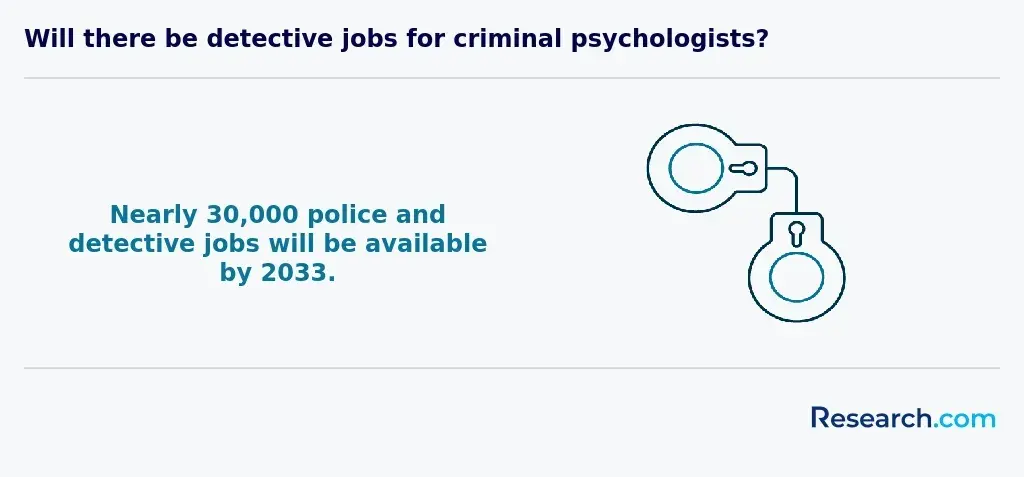
Minnesota’s labor market data do not always isolate “criminal psychologist” as a separate occupation, so job outlook is usually interpreted through related psychologist categories. The Minnesota Department of Employment and Economic Development projects 10% growth for clinical psychologists from 2022 to 2032 and 5% growth for all other psychologists during the same period. This growth is expected to produce more than 1,000 new job openings.
Several forces support demand for psychologists with criminal justice expertise:
- Greater focus on mental health in justice settings: Courts, jails, prisons, probation systems, and treatment programs increasingly need professionals who can evaluate mental health needs and recommend appropriate interventions.
- Complex clinical presentations: Justice-involved clients may have trauma histories, serious mental illness, substance use disorders, developmental concerns, or co-occurring conditions that require advanced assessment and treatment planning.
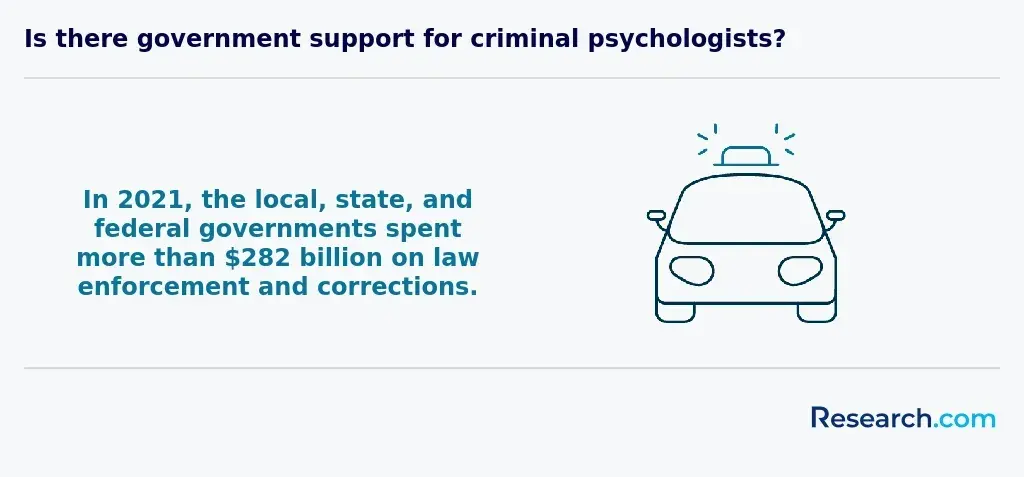
- Need for rehabilitation and reentry support: Minnesota has around 17,500 people locked up in prisons or jails (Prison Policy Initiative, n.d.), which underscores the need for mental health services during incarceration and transition back into communities.
- Multiple employment sectors: Opportunities may appear in correctional facilities, courts, hospitals, law enforcement consultation, community agencies, private practice, research, and public policy.
The outlook is promising, but it is not automatic. Employers often prefer candidates with strong assessment skills, supervised forensic experience, cultural competence, courtroom or report-writing familiarity, and comfort working in structured systems.
-
: "
“My journey as a criminal psychologist in Minnesota began with uncertainty but quickly turned into purpose as I started working with diverse populations. Early in my career, I focused on criminal profiling and mental health assessments, roles that required both patience and adaptability. The job market was demanding, but through persistence and continuous learning, I secured opportunities that allowed me to grow. Today, I lead treatment plans for individuals in correctional facilities and advocate for improved mental health services—it's rewarding, though not without its challenges.”
"
How much do criminal psychologists in Minnesota make?
Because “criminal psychologist” is not always separated in public wage datasets, salary estimates are commonly based on related psychologist categories. According to the U.S. Bureau of Labor Statistics, clinical psychologists in Minnesota earn $95,100 annually, while all other psychologists earn $84,670 annually. Actual pay depends on employer type, region, experience, credentials, supervision responsibilities, specialization, and whether the role is clinical, forensic, administrative, or consultative.
- Clinical psychologists and all other psychologists in the 25th percentile earn $37 and $26 per hour, respectively.
- Clinical psychologists and all other psychologists in the 75th percentile earn $60 and $58 per hour, respectively.
- Psychologists in the 90th percentile earn as much as $66 an hour.
- In La Crosse-Onalaska, clinical psychologists earn $135,760, and all other psychologists earn $120,320.
- In Duluth, salaries may be $78,440 yearly.
- Entry-level positions typically start at about $50,000, while experienced professionals can earn upwards of $90,000.
- Doctoral training can improve eligibility for licensed roles and may increase earning potential, especially when combined with forensic assessment, leadership, or expert consultation experience.
- Minnesota compensation is competitive compared with many locations, though it remains below the national average for the profession.
| Salary factor | How it can affect earnings |
| Location | Urban and regional labor markets can differ substantially, as shown by La Crosse-Onalaska and Duluth wage differences. |
| Experience | Early-career roles generally pay less than senior, supervisory, or highly specialized positions. |
| Degree and license level | Doctoral-level licensure can open roles that are not available to master’s-level graduates. |
| Employer type | Correctional systems, hospitals, courts, universities, agencies, and private practices may use different pay structures. |
| Specialization | Forensic assessment, expert testimony, risk evaluation, and program leadership may influence compensation. |
Students interested in income potential across justice-related fields can also compare psychology roles with high-paying criminal justice careers. Salary should be only one part of the decision, since this path requires years of training and a high level of ethical responsibility.
This chart displays the national annual wages of criminal psychologists.
Where do criminal psychologists in Minnesota typically work?
Criminal psychologists apply behavioral science in settings where mental health and legal decisions intersect. Some roles are treatment-focused, while others emphasize evaluation, consultation, policy, research, or testimony.
- Courts and legal services: Psychologists may assess competency, risk, mental state, trauma, or treatment needs and may provide reports or expert testimony. Their work can inform decisions about legal responsibility, sentencing, rehabilitation, or placement.
- Correctional facilities: In jails and prisons, psychologists may evaluate mental health concerns, design treatment plans, provide counseling, manage crises, support behavioral programming, and consult with correctional staff.
- Law enforcement agencies: Some psychologists consult on behavioral threat assessment, interviewing, crisis negotiation, training, suspect behavior, or officer wellness. The Minnesota Bureau of Criminal Apprehension is one example of a law enforcement setting connected to specialized behavioral expertise.
- Hospitals and forensic mental health programs: Psychologists may work with individuals who require secure treatment, competency restoration, civil commitment evaluation, or intensive psychiatric care.
- Community mental health and reentry programs: These roles focus on continuity of care, risk reduction, substance use, trauma, housing instability, family reintegration, and prevention of further justice involvement.
- Academic, research, and policy organizations: Some professionals study criminal behavior, treatment outcomes, recidivism, risk assessment, juvenile justice, or correctional mental health systems.
If you are comparing degree-to-career outcomes, this broader guide to forensic psychology careers can help clarify what jobs may be available with different levels of education and specialization.
How can interdisciplinary collaborations enhance criminal psychology practice in Minnesota?
Criminal psychology work rarely happens in isolation. Effective practice often requires collaboration with psychiatrists, social workers, counselors, probation officers, attorneys, judges, correctional staff, victim advocates, addiction specialists, educators, and family service providers.
Collaboration is especially important when a case involves family trauma, domestic violence, child welfare, relationship conflict, or reentry planning. Understanding family systems can improve assessment and treatment recommendations, which is why students may benefit from reviewing how related professionals train, including how to become a marriage and family therapist in Minnesota.
| Collaborating professional | How collaboration helps |
| Social workers | Support case management, benefits navigation, housing referrals, family coordination, and community reintegration. |
| Substance abuse counselors | Address addiction-related risk factors and coordinate integrated treatment plans. |
| Mental health counselors | Extend therapeutic support and continuity of care across community settings. |
| Law enforcement professionals | Improve crisis response, threat assessment, interviewing, and training. |
| Attorneys and courts | Clarify referral questions, report expectations, testimony needs, and legal standards. |
| School psychologists | Support early identification and intervention for youth at risk of justice involvement. |
Can criminal psychologists transition into industrial-organizational roles in Minnesota?
Some criminal psychologists develop transferable skills that can apply outside forensic settings, especially in workplace behavior, risk assessment, leadership consultation, conflict management, training, decision-making, and personnel evaluation. Industrial-organizational psychology is a separate specialty, so a transition may require additional education, experience, or rebranding of skills.
This move may make sense for professionals who enjoy systems-level consulting more than clinical treatment or court-related work. Those considering the shift should compare training expectations and role differences by reviewing how to become an I/O psychologist.
How can integrating forensic science enhance criminal psychology practice in Minnesota?
Forensic science and criminal psychology answer different questions, but they often support the same cases. Forensic science focuses on physical evidence, scientific analysis, and investigative procedures. Criminal psychology focuses on behavior, mental health, risk, assessment, and treatment. A professional who understands both areas may communicate more effectively with investigators, attorneys, and multidisciplinary teams.
Students who are drawn to the evidence side of criminal investigations can compare psychology training with a forensic science degree in Minnesota. This can clarify whether their long-term interest is clinical-forensic practice, laboratory science, investigation support, or a hybrid role involving consultation and interpretation.
Do additional certifications help criminal psychologists in Minnesota?
Additional credentials can help when they build relevant skills, meet employer needs, or support a clear specialization. Good examples include training in forensic assessment, trauma-informed care, violence risk assessment, substance use treatment, psychological testing, crisis intervention, cultural competence, or evidence-based therapy models.
Not every certificate is equally useful. Before enrolling, ask whether the credential is recognized by employers, whether it matches your role, whether it counts toward continuing education, and whether it supports ethical practice. Some programs marketed as health-related or behavioral credentials may not directly relate to criminal psychology. For example, if you encounter a listing such as an echocardiography certificate program online, verify that the curriculum and credential are actually relevant to your professional goals before investing time or money.
Which complementary certifications may improve career prospects in Minnesota?
Complementary credentials are most valuable when they expand what you can competently do with justice-involved clients. Behavioral analysis, addiction counseling, trauma treatment, crisis response, and advanced assessment training may be useful depending on your work setting.
For psychologists who work with behavior plans, developmental disabilities, autism, or structured intervention models, learning how to become a board certified behavior analyst in Minnesota may help clarify whether BCBA training complements their practice. However, psychologists should evaluate scope of practice, supervision rules, ethical standards, and employer expectations before adding any credential.
How can social work integration complement criminal psychology practice in Minnesota?
Social work and criminal psychology overlap in many justice-related settings. Psychologists may focus on assessment, diagnosis, treatment, and forensic opinions, while social workers often coordinate services, advocate for clients, manage resources, and support long-term community stability. Together, they can build more realistic treatment and reentry plans.
This collaboration is especially important when clients face housing instability, family separation, unemployment, trauma, poverty, child welfare involvement, or limited access to treatment. Understanding social worker education requirements in Minnesota can help psychologists collaborate more effectively and respect the training and scope of social work partners.
What are the continuing education and license renewal requirements for criminal psychologists in Minnesota?
Licensed psychologists in Minnesota must keep their knowledge current through ongoing professional education and license renewal. Continuing education is especially important in criminal psychology because laws, assessment tools, ethical guidance, correctional practices, trauma research, substance use treatment, and risk evaluation standards can change.
Useful continuing education topics may include forensic report writing, expert testimony, malingering assessment, competency issues, violence risk assessment, suicide prevention in correctional settings, cultural humility, telepsychology, ethics, and professional boundaries. For current procedures and credit rules, review the Minnesota psychology license requirements.
How can criminal psychologists address co-occurring mental health and substance abuse issues in Minnesota?
Many justice-involved clients experience both mental health disorders and substance use problems. Treating only one issue can leave major risk factors unaddressed. Criminal psychologists need assessment strategies that identify co-occurring conditions, trauma, withdrawal risk, medication needs, motivation for treatment, relapse triggers, and public safety concerns.
Integrated care may involve addiction professionals, psychiatrists, correctional staff, probation officers, family supports, and community treatment providers. Psychologists who want stronger addiction expertise may explore training pathways to become a substance abuse counselor in Minnesota, while still respecting licensure boundaries and role differences.
How can collaboration with mental health counselors optimize offender rehabilitation in Minnesota?
Mental health counselors can support rehabilitation by providing ongoing therapy, group interventions, coping-skills work, relapse prevention, crisis support, and continuity of care after release. Criminal psychologists can contribute assessment, diagnosis, risk formulation, treatment recommendations, and forensic consultation.
When these roles are coordinated, clients are less likely to receive fragmented care. Professionals interested in counseling pathways or cross-disciplinary collaboration can review the fastest way to become a counselor in Minnesota to understand how counseling training differs from doctoral psychology training.
How can school psychology knowledge support criminal psychology practice in Minnesota?
School psychology can be highly relevant to juvenile justice and prevention. Early behavioral concerns, learning disabilities, trauma exposure, school exclusion, family instability, and unmet mental health needs can influence later justice involvement. Criminal psychologists who understand educational assessment and intervention can better evaluate youth cases and recommend developmentally appropriate supports.
This perspective is also useful when working with adolescents, young adults, or adults whose histories include special education, school discipline, or childhood trauma. Reviewing how to become a school psychologist in Minnesota can help clarify how educational assessment and early intervention connect with forensic and correctional work.
What advanced roles can criminal psychologists explore in Minnesota?
After licensure and specialized experience, criminal psychologists may move into roles with more responsibility, narrower expertise, or broader systems impact. Advancement often depends on forensic assessment competence, court experience, leadership ability, research background, and reputation for ethical judgment.
- Forensic psychologist: Forensic psychologists evaluate people involved in the legal system, prepare reports, consult with attorneys or courts, and may testify as expert witnesses. They may work with forensic hospitals, correctional agencies, courts, or private practices.
- Clinical psychologist in correctional or forensic settings: These psychologists assess and treat individuals with complex mental health needs, including people with criminal histories, serious mental illness, trauma, or co-occurring substance use disorders.
- Criminal profiler or behavioral consultant: These specialists analyze behavior patterns, offense dynamics, and investigative information to support law enforcement. These roles are specialized and may not be as common as clinical or correctional psychology positions.
- Research psychologist: Researchers study criminal behavior, treatment outcomes, risk factors, policy, recidivism, juvenile justice, or correctional mental health systems.
- Law enforcement consultant: Psychologists may train officers, advise on crisis response, support threat assessment, or consult on behavioral dimensions of investigations.
- Program director or administrator: Experienced psychologists may lead treatment programs, supervise clinicians, develop policy, manage quality improvement, and coordinate multidisciplinary services.
These roles also intersect with larger social concerns. In Minnesota, one in six youths has an incarcerated or previously incarcerated parent, and parental incarceration is one of the most commonly reported Adverse Childhood Experiences (MN Department of Health, 2024). This makes prevention, family support, trauma-informed treatment, and community-based intervention important parts of the broader field.
Students comparing justice-related careers can use criminology degree salary information as one reference point, but they should also compare licensure timelines, graduate debt, work settings, emotional demands, and day-to-day responsibilities.
What professional resources are available to criminal psychologists in Minnesota?
Professional development is essential in criminal psychology because practitioners need current knowledge, peer consultation, ethical guidance, and interdisciplinary contacts. Minnesota offers several resources that can help students and licensed psychologists stay connected to the field.
- Minnesota Psychological Association Forensic Division: This division can be useful for networking, forensic training, ethics discussion, and professional development related to psychology and law.
- Minnesota Center for Psychology: Training sessions and seminars can help mental health professionals strengthen evidence-based practice, clinical skills, and professional competence.
- Forensic Services Program, Minnesota Department of Human Services: This program provides specialized resources and training connected to forensic mental health, civil commitment, dangerousness, treatment, and legal frameworks.
- Forensic psychology conferences and symposiums: Conferences allow professionals to discuss case trends, new research, assessment tools, ethics, and best practices with colleagues from psychology, law, corrections, and mental health.
Students should start networking before they need a job. Attend events, ask faculty about forensic research, seek informational interviews, join professional associations, and learn how experienced practitioners write reports, manage testimony, and handle ethical conflicts.
-
: "
“Throughout my career as a criminal psychologist in Minnesota, I’ve come to deeply value the role of professional resources and networks. From attending APA conferences to engaging with local law enforcement and mental health professionals, these connections have opened doors to new opportunities and experiences I couldn’t have navigated alone. The support and shared expertise have been vital during challenging moments, offering both advice and collaboration. My advice to any aspiring criminal psychologist is to prioritize building and nurturing these relationships—they will be a powerful tool in your journey.”
"
What criminal psychologists in Minnesota say about their careers
- “Pursuing a career in psychology in Minnesota has been incredibly rewarding. The strong emphasis on community mental health here allows me to make a real difference in people's lives, and the supportive network of professionals has fostered my growth and passion for this field.” - Sharon
- “Working as a psychologist in Minnesota has provided me with a unique opportunity to engage with diverse populations and tackle pressing mental health issues. The collaborative environment among practitioners and the state's commitment to mental health resources have truly enriched my professional journey.” - Vernon
- “I chose to build my career in psychology in Minnesota because of its focus on holistic approaches to mental health. The blend of research opportunities and hands-on practice has not only deepened my understanding but also filled me with a sense of purpose as I help individuals navigate their challenges.” - Jennifer
What ethical and legal challenges do criminal psychologists face in Minnesota?
Criminal psychologists work at the intersection of care, liberty, public safety, and legal decision-making. That creates ethical pressure. A poorly written report, unclear boundary, unsupported opinion, or failure to explain limits of confidentiality can have serious consequences for clients, courts, agencies, and communities.
- Confidentiality limits: Clients in forensic or correctional settings may not have the same expectations of privacy as clients in ordinary therapy. Psychologists must explain who receives information and why.
- Informed consent: Evaluations may be court-ordered, agency-requested, or conducted in secure settings. The psychologist must clarify the purpose, limits, and possible uses of the evaluation.
- Dual roles: Serving as both therapist and evaluator can create conflicts. Criminal psychologists must avoid roles that compromise objectivity or client welfare.
- Public safety and client care: Practitioners may need to balance treatment goals with reporting duties, risk concerns, institutional policies, and legal mandates.
- Cultural and disability considerations: Assessment tools and interpretations must be used carefully with diverse populations and individuals with language, cognitive, developmental, or cultural differences.
- Courtroom testimony: Opinions should stay within the psychologist’s competence and be grounded in data, methods, and professional standards.
Formal education, supervised practice, and strong ethics training are essential. Students comparing training options can review psychology colleges in Minnesota while paying close attention to licensure alignment, forensic coursework, and field placement quality.
Common mistakes to avoid when planning this career
- Choosing a program only because it says “forensic.” Verify accreditation, licensure alignment, faculty expertise, and placement outcomes.
- Ignoring Minnesota licensure rules until graduation. Licensure planning should begin before you enroll in a graduate program.
- Assuming a bachelor’s degree is enough for psychologist roles. Independent psychologist practice generally requires doctoral training and licensure.
- Focusing only on tuition. Compare total cost, fees, living expenses, internship relocation, lost income, and loan repayment.
- Overlooking research and statistics. Forensic work depends on evidence, assessment validity, report writing, and defensible conclusions.
- Waiting too long to get field experience. Volunteer work, internships, and research experience can shape your graduate applications and career direction.
- Assuming salaries are guaranteed. Wage data reflect categories, regions, and experience levels; individual outcomes vary.
- Confusing criminal psychology with forensic science. Psychology focuses on behavior and mental health; forensic science focuses on physical evidence and scientific analysis.
Key Insights
- Becoming a criminal psychologist in Minnesota usually means becoming a licensed psychologist first, then specializing through forensic, correctional, court, or law enforcement experience.
- The core pathway includes undergraduate preparation, doctoral psychology training, supervised experience, a Minnesota Board of Psychology application, a $500 application fee, a background check, 3,600 supervised hours, the EPPP, and the Professional Responsibility Examination.
- Psychology is the most direct undergraduate major, but criminal justice, social work, criminology, sociology, and forensic science can also support this career when paired with the right psychology prerequisites.
- Program choice matters. Prioritize accreditation, licensure alignment, supervised placements, faculty expertise, total cost, and support for internship and exam preparation.
- Minnesota projects 10% growth for clinical psychologists and 5% growth for all other psychologists from 2022 to 2032, but specialized criminal psychology roles still require strong credentials and relevant experience.
- BLS wage categories show Minnesota clinical psychologists earning $95,100 annually and all other psychologists earning $84,670 annually; actual criminal psychology pay depends on setting, experience, region, and specialization.
- Correctional facilities, courts, forensic mental health programs, hospitals, law enforcement agencies, community programs, and research organizations are common work environments.
- The strongest candidates combine clinical competence, forensic knowledge, ethical judgment, report-writing ability, cultural competence, and experience with complex mental health and legal issues.
Related Articles for Nearby States
- 2027 How to Become a Criminal Psychologist in Wisconsin
- 2027 How to Become a Criminal Psychologist in Iowa
- 2027 How to Become a Criminal Psychologist in North Dakota
- 2027 How to Become a Criminal Psychologist in South Dakota
- 2027 How to Become a Criminal Psychologist in Nebraska
- 2027 How to Become a Criminal Psychologist in Illinois
- 2027 How to Become a Criminal Psychologist in Missouri
- 2027 How to Become a Criminal Psychologist in Michigan
- 2027 How to Become a Criminal Psychologist in Kansas
- 2027 How to Become a Criminal Psychologist in Indiana
References:
- American Psychological Association. (2024). Degrees in Psychology [Interactive data tool]. Retrieved December 10, 2024, from https://www.apa.org/workforce/data-tools/degrees-psychology
- Minnesota Board of Psychology. (n.d.). Initial LP Licensure Application Checklist. Retrieved December 10, 2024, from https://mn.gov/boards/assets/INITIAL%20LP%20LICENSURE%20APPLICATION%20CHECKLIST%202024_tcm21-646655.pdf
- Minnesota Department of Employment and Economic Development. (n.d.). Occupational Employment and Wage Statistics. Retrieved December 10, 2024, from https://mn.gov/deed/data/data-tools/oes
- Minnesota Department of Health. (2024, October 5). Supporting Children of Incarcerated Parents. https://www.health.state.mn.us/communities/mentalhealth/jail.html
- National Alliance on Mental Illness. (n.d.). Mental Health Treatment While Incarcerated. Retrieved December 10, 2024, from https://www.nami.org/advocacy/policy-priorities/improving-health/mental-health-treatment-while-incarcerated
- Page, C., Stamm, K., Assefa, M., & Khaddouma, A. (2024, March 1). Datapoint: The most and least common specialty areas for licensed psychologists. American Psychological Association. https://www.apa.org/monitor/2024/03/top-psychology-specialties
- Prison Policy Initiative. (n.d.). Minnesota Profile. Retrieved December 10, 2024, from https://www.prisonpolicy.org/profiles/MN.html
- U.S. Bureau of Labor Statistics. (2024, April 3). May 2023 state occupational employment and wage estimates - Minnesota. Occupational Employment and Wage Statistics. https://www.bls.gov/oes/current/oes_mn.htm
Other Things to Know About Being a Criminal Psychologist in Minnesota
To become a criminal psychologist in Minnesota by 2026, start with a bachelor's degree in psychology, followed by a master's degree. Then, pursue a doctoral degree (Ph.D. or Psy.D.) in psychology, emphasizing criminology or forensic psychology. Licensure as a psychologist in Minnesota requires a doctoral degree and a passing score on the Examination for Professional Practice in Psychology.
In Minnesota, aspiring criminal psychologists typically need to earn a PhD or a PsyD in psychology to practice as a licensed forensic psychologist. The Minnesota Board of Psychology mandates that candidates complete a doctoral program accredited by the APA to qualify for licensure.
- A PhD focuses on research and academic training, while a PsyD emphasizes clinical practice.
Both degrees require extensive supervised experience, often including internships in forensic settings.
This rigorous educational requirement ensures that practitioners possess the necessary expertise to assess and treat individuals involved in the criminal justice system effectively.