2027 Best Online Nutrition Degrees for Community Nutrition Careers

Co-Founder and Chief Data Scientist
Professionals aiming to break into community nutrition often face a daunting barrier: balancing the demand for accredited credentials with inflexible program schedules and geographic limitations. Recent data from the National Center for Education Statistics shows a 15% rise in enrollment in online allied health programs from adult learners seeking career advancement, signaling a shift toward remote, flexible education but also highlighting the challenge of vetting quality programs amid rapid growth.
Time constraints and the need for relevant practicum experiences complicate decisions around selecting the right online nutrition degree for lasting workforce impact. This article evaluates top accredited online nutrition degrees optimized for community nutrition careers, focusing on accessibility, accreditation, and employer alignment to guide informed educational choices.
Key Things You Should Know
- Over 60% of US community nutrition jobs require RDN credentialing, but only 35% of online degree programs offer accredited dietetic internships, creating a bottleneck that delays workforce entry by 12-24 months per ACADEMY data.
- Employers prioritize candidates with applied community nutrition project experience; programs lacking competency-based practicum reduce graduate hiring potential by 22% according to the 2024 National Workforce Survey.
- Online programs averaging $550 per credit raise total costs beyond $40,000 when factoring state authorization fees, disproportionately impacting part-time students balancing employment per the 2024 NCES Tuition Report.
What is community nutrition and how do online nutrition degrees prepare you for it?
Online degrees in nutrition designed for community health careers must be evaluated beyond convenience, particularly regarding hands-on competencies and workforce expectations. The scarcity of fully online options-only 14 out of over 600 ACEND-accredited bachelor's programs-limits flexible pathways that also fulfill requirements for Registered Dietitian eligibility.
This creates a practical barrier for working professionals seeking a community nutrition degree benefits for online learning without geographic relocation. Such programs combine coursework spanning food science, behavioral psychology, public health, and program planning with supervised practice hours essential for real-world skill development.
However, securing local placements for supervised practice is critical since virtual formats do not inherently provide direct community engagement opportunities needed by employers who prioritize demonstrated cultural competence, program evaluation skills, and policy literacy. In public health agencies and nonprofits, professionals applying an online nutrition degree in community health contexts often translate theory to workplace projects, integrating modular learning with job responsibilities.
This balance can support career shifts or advancement if students proactively address the challenge of site-specific experience. Graduates must navigate a tradeoff: the flexibility of online formats against the imperative of building documented impact in community settings valued by employers. For a detailed comparison of program structures, costs, and pathway viability, sources like the online degree in nutrition provide practical guidance to prospective students weighing these complex factors.
Which types of online nutrition degrees best support community nutrition career paths?
Online bachelor's degrees in dietetics or community nutrition remain the most practical pathway into community nutrition roles requiring licensure. These programs combine foundational science and public health coursework with accredited supervised practice or eligibility for such internships, which are mandatory for Registered Dietitian Nutritionist (RDN) credentialing. Working students benefit from the flexible coursework but must secure local internship placements, a factor employers thoroughly verify during hiring.
For professionals with a bachelor's degree, pursuing a master's degree with a focus on community or public health nutrition sharpens skills in policy, program evaluation, and population-level interventions. However, these programs tend to be more theoretical and often necessitate supplemental volunteer or fieldwork to retain clinical competency, which can delay immediate practice readiness.
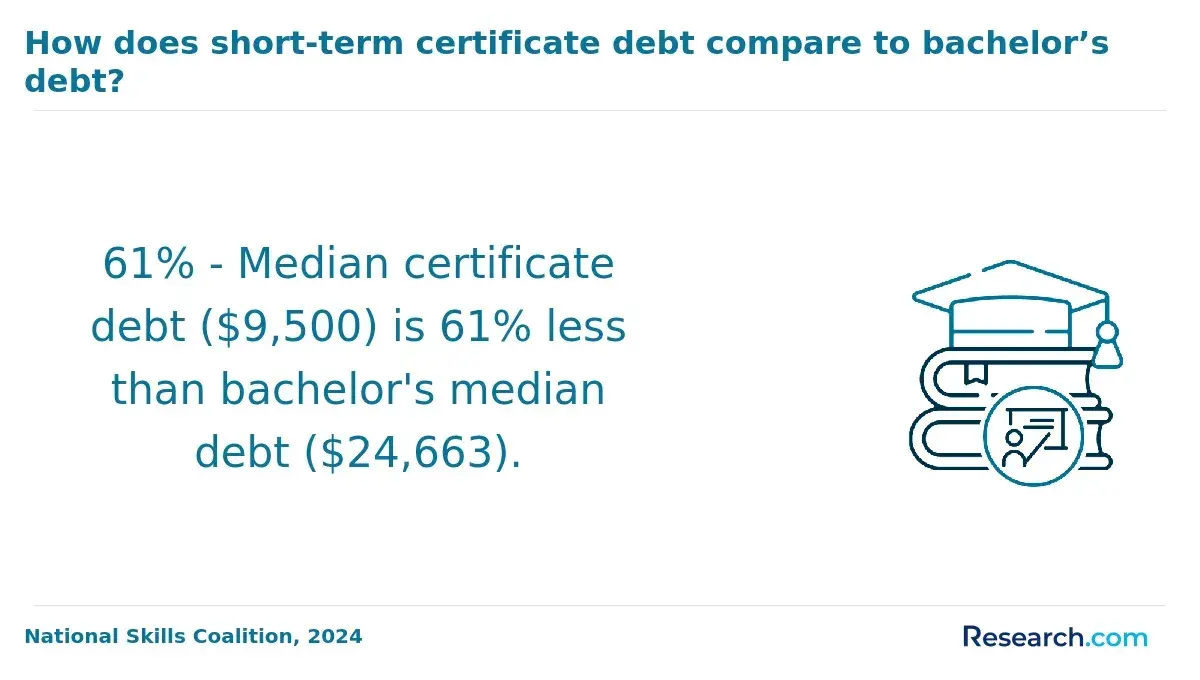
Certificate or associate degrees usually lack the scientific depth and supervised practice required for RDN licensure, limiting direct qualification for most community nutrition positions. With employment for dietitians and nutritionists projected to grow 7% between 2024 and 2034, applicants with credentials plus accredited internship experience hold a significant advantage.
Choosing programs verified for internships or local agency partnerships is essential, especially for career changers balancing work and study. For example, a working parent can better transition by selecting online community nutrition degree programs that pair coursework with accessible internships rather than purely academic options that delay hands-on skill development.
Those evaluating educational routes should also consider related opportunities, such as the fastest online master's in healthcare administration, which can enhance leadership prospects within nutrition-associated health contexts. Best online nutrition degrees for community health careers prioritize practical training alongside theory, reflecting workforce realities that prioritize job-ready skills and verified experience.
How do online nutrition programs compare with campus-based options for community nutrition work?
Online nutrition degree programs versus traditional campus degrees reveal critical differences in practical training access that directly affect employability in community nutrition careers. Despite maintaining academic rigor and accreditation parity, online programs depend heavily on students securing local internships to meet supervised practice requirements, which employers in public health sectors often mandate. This contrasts with campus programs that typically have built-in partnerships facilitating immediate hands-on experience.
The median annual wage of $69,680 for dietitians and nutritionists signals employer preference for candidates combining academic credentials with verified fieldwork. For example, an online student working concurrently in a community clinic can gain experiential skills on a parallel track, potentially shortening time to employment compared to peers in campus programs without simultaneous practicum engagement. However, coordinating quality practicum sites independently can introduce delays and added administrative burdens for online students.
Key tradeoffs include the flexibility of online study against the inherent networking and clinical skill-building advantages of campus settings. Students in rural or underserved areas may find online study paired with local service more scalable, though they must weigh the risk of uncertain practicum availability against credentialing timelines and employer expectations.
Prospective students should rigorously evaluate program accreditation, practicum support structures, and employer perceptions within target job markets before enrollment decisions. Those considering a pivot may also explore relevant credentials beyond nutrition, for instance, through a healthcare administration masters program to diversify their career prospects. Deciding between community nutrition careers online programs comparison requires balancing real-world practicums access and theoretical knowledge acquisition to maximize long-term workforce outcomes.
What accreditation and program quality standards should online nutrition degrees meet?
Accreditation standards for online nutrition degree programs directly influence whether graduates qualify for Registered Dietitian Nutritionist (RDN) certification, a non-negotiable credential for community nutrition employment. Without accreditation from bodies like the Accreditation Council for Nutrition Education and Counseling (ACNCP) or the Accreditation Council for Education in Nutrition and Dietetics (ACEND), degrees generally lack industry recognition, limiting graduate employability in governmental or nonprofit sectors.
Program quality criteria for community nutrition education degrees extend beyond accreditation. Coursework must thoroughly cover clinical nutrition, public health, and foodservice management aligned with the Academy of Nutrition and Dietetics' competencies. Supervised internships or practice components are indispensable, as employers prioritize candidates with measurable hands-on experience. For instance, graduates without practical training often face prolonged job searches for entry-level roles despite having theoretical knowledge.
Cost transparency is frequently overlooked but critical for long-term planning. Purdue Global's Bachelor of Science in Nutrition charges $371 per credit for military-affiliated learners using tuition assistance, exemplifying how clear pricing facilitates budgeting and debt evaluation. This pricing should be weighed against typical salary ranges of $50,000-$60,000 annually in community nutrition, emphasizing return on investment considerations. Comparing costs with other programs, such as the RN to BSN online programs cost comparison, can provide additional financial context.
Faculty credentials and student support structures must meet professional standards to adequately prepare students for certification exams and practical challenges. Program length and delivery mode should accommodate full-time employment without sacrificing timely career entry. Programs lacking these characteristics risk producing graduates who struggle to convert education into tangible workforce outcomes.
What courses and practical experiences are included in online community nutrition curricula?
Online community nutrition curricula address a critical workforce gap by combining foundational coursework with supervised, practical experience-essential for employer readiness in health-related roles. Core subjects such as nutritional biochemistry, public health nutrition, food systems, and counseling techniques prepare students to assess and intervene in diverse community dietary challenges through data-driven strategies aligned with current health standards.
Field placements in clinics, schools, or community organizations enable skill development in client communication, culturally competent education, and policy advocacy-competencies prioritized by public health agencies and nonprofits. For instance, an internship at a local health department working on food insecurity education offers direct experience in program implementation and evaluation, a valuable credential in this sector.
However, securing quality, accessible placements can be logistically challenging, often requiring coordination with program advisors. Online programs that partner with national organizations can help overcome geographical constraints and scheduling conflicts. Additionally, training in data management and grant writing equips students to sustain and measure program impacts over time.
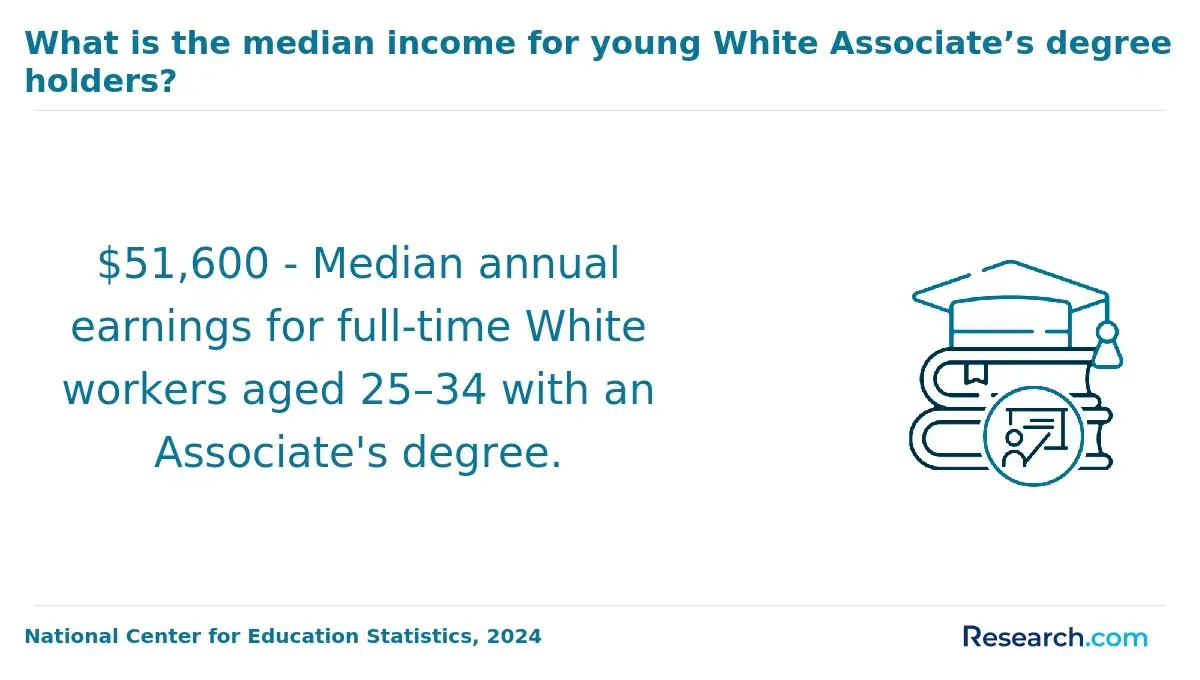
From a cost perspective, associate-level online programs average around $11,167, presenting a practical investment when weighed against early-career incomes averaging $41,700. This differential is vital for working adults or those balancing family obligations, emphasizing the importance of program affordability alongside rigorous practical training.
What are typical admission requirements for online nutrition bachelor's and master's programs?
Admission standards for online nutrition bachelor's programs reflect practical readiness more than academic prestige. Most programs expect a high school diploma (or equivalent) with a GPA near 3.0, alongside completed prerequisites in biology, chemistry, and math. While many still request transcripts and standardized test scores, several have eliminated SAT/ACT requirements for distance learners, acknowledging varied applicant contexts.
Additional materials like letters of recommendation and proof of relevant experience remain common to gauge genuine commitment. At the graduate level, a bachelor's in nutrition, dietetics, or a closely related science with a minimum GPA around 3.0 to 3.2 is standard. Applicants must submit official transcripts, references, and statements of purpose that clarify career goals and prior experience.
GRE scores are less frequently required, but clinical experience or research involvement strengthens applications, especially for programs integrating supervised practice. Advanced online master's programs-including Adelphi University's 62-credit curriculum-demand the capacity to balance academic rigor with remote experiential learning.
Employers prioritize graduates who complete sufficient practicum hours aligned with certification eligibility, emphasizing readiness for licensure and workforce entry. Prospective students must carefully arrange local internships or clinical placements, as these hands-on components cannot be fully substituted by online coursework. Failure to plan for these elements risks delaying graduation and restricting professional licensure options.
How long do online nutrition degrees take and what do they cost overall?
Accelerated online master's programs in community nutrition offer a compressed timeline, typically around one year for completion, compared to traditional part-time routes stretching two to three years. The tradeoff centers on intensity; students often commit more than 15 hours weekly, which can strain those balancing employment or family obligations.
Employers in public health sectors may value the quicker credential for roles requiring Certified Nutrition Specialist eligibility, yet this fast pace can restrict opportunities for in-depth research or extended networking. Costs for such programs usually range from $12,000 to $18,000 for a 30-credit-hour curriculum, though additional expenses-notably technology fees, textbooks, and practicum requirements-raise the true financial investment.
Residency status and institutional policies also influence overall tuition. Practical evaluation criteria include:
- Whether the program's accelerated format aligns with hands-on experience and employer credential expectations.
- The balance of upfront financial outlay against lost income or opportunity costs during longer degree paths.
- How time commitment affects current professional responsibilities.
For example, a working community nutritionist targeting a swift transition into Certified Nutrition Specialist roles may prioritize an accelerated online degree to minimize downtime. Others seeking broader career pathways or leadership positions might accept extended durations to deepen research skills and professional connections.
What community nutrition jobs can you get with an online nutrition degree?
Graduates with an online nutrition degree face a complex employment landscape where credentials and practical skills weigh heavily in hiring decisions. Many community nutrition jobs-such as community nutritionists, public health dietitians, and nutrition program managers-demand Registered Dietitian Nutritionist (RDN) certification, making additional certification beyond the degree a common necessity.
These roles typically require integrating nutritional science with program implementation, data analysis, and community-focused communication to improve dietary behaviors and reduce chronic disease risk. For example, nutrition program managers must balance grant administration and logistical oversight with leadership to ensure measurable program outcomes, while health educators craft culturally tailored materials to engage diverse populations effectively.
Employers increasingly prioritize candidates comfortable with electronic health records and virtual service delivery, reflecting shifts toward telehealth and hybrid models. State licensure requirements and supervised clinical hours further complicate the pathway, impacting timelines and costs for degree holders.
Salaries vary accordingly: community nutrition coordinators average $50,000 to $65,000 annually, while specialized public sector roles can exceed $75,000, reflecting the value of experience and advanced credentials. An online master's program with a graduation rate over 70%, like Auburn University's as reported by CollegeRank, signals both academic rigor and institutional support crucial for navigating these challenges.
What is the salary outlook and job demand for community nutrition professionals?
Salaries for community nutrition professionals reflect moderate growth, closely tied to public health priorities and funding cycles. Early-career wages for those with associate-level credentials average around $30,900, increasing to about $52,100 mid-career, illustrating how experience and credential upgrades directly impact earning potential.
The employment landscape is nuanced by employer types and program funding stability. For example, nutritionists in school wellness programs typically benefit from relatively steady public budgets, while roles in clinical outreach or grant-dependent initiatives might face more income variability, necessitating supplemental skills or certifications. This variability underscores the importance of adaptability and strategic credentialing.
Most employers require at least an associate degree, but advancement beyond entry-level roles often hinges on obtaining a bachelor's or higher, as well as specialized capabilities like data analysis or program management. Without additional education or certifications, professionals risk a career ceiling both in salary and responsibility, limiting long-term prospects.
Location further complicates the employment equation: urban areas offer more jobs but intensify competition and living costs, whereas rural roles may pay less but provide greater job stability. Candidates sharpening grant writing, public speaking, or multicultural communication skills can strengthen their employability in this landscape shaped by public health trends and evolving community needs.
Are certifications or licensure needed for community nutrition roles, and how do you qualify?
Professional licensure or certification is a decisive factor shaping eligibility and employability in community nutrition roles. The Registered Dietitian Nutritionist (RDN) credential remains the definitive industry standard, yet achieving it demands completing a CDR-accredited dietetics program or Didactic Program in Dietetics (DPD), logging approximately 1,200 supervised practice hours, and passing a rigorous national exam.
Students who opt for online nutrition degrees must verify their programs provide supervised practicum placements; without these, RDN eligibility is compromised regardless of academic coursework completion. State-specific licensure requirements further complicate the landscape: a community nutritionist interfacing with state health departments may face additional exams or continuing education mandates, directly influencing both hiring prospects and compensation.
Non-RDN certifications like Certified Nutrition Specialist (CNS) cater to specialized roles but typically require advanced degrees and documented clinical experience, narrowing their immediate value to those lacking licensure. These credentialing pathways impact employability and career trajectory markedly:
- RDN licensure unlocks government, healthcare, and nonprofit sector roles with clear reimbursement and regulatory advantages.
- State licensure mandates introduce variance, requiring candidates to navigate geographically distinct rules that affect salary and job scope.
- Non-RDN credentials often supplement but rarely replace RDN requirements for broader community nutrition employment.
With the nutrition workforce projected to grow by 21% in wellness and disease prevention fields, failure to secure proper certifications drastically narrows options and restricts practice scope across public and private sectors.
Other Things You Should Know About Nutrition
Most programs require prior coursework in biology, chemistry, and health sciences. Applicants usually need a high school diploma or equivalent, and some programs prefer an associate degree or relevant work experience. Check individual program details for specific prerequisites.
A strong online nutrition degree should come from a program accredited by ACEND, the Accreditation Council for Education in Nutrition and Dietetics. ACEND-accredited courses are the standard for supervised practice eligibility and for graduates who plan to pursue the RDN credential through the Commission on Dietetic Registration.
Working students must manage asynchronous coursework alongside job and personal commitments, which requires disciplined time management. Programs with flexible pacing and clear deadlines improve completion rates, but fully self-paced formats can lead to procrastination. Additionally, securing quality field experience can be harder remotely unless the program facilitates local placements. Select programs that provide structured support, practical experience guidance, and predictable schedules to maintain steady progress without burnout.
References
- Nutrition Major Jobs: 12 Best, Simple Career Paths - Liv Hospital https://int.livhospital.com/nutrition-major-jobs-career-paths/
- Nutrition & Dietetics https://www.frontrange.edu/programs-courses/program-list/nutrition-dietetics.html
- The Nutrition Institute https://www.thenutritioninstitute.com/us/en/blog-experience
- 2-Year vs 4-Year Nutrition Degree Online: What Is the Right Path for You? https://becomeanutritionist.org/blog/2-year-vs-4-year-nutrition-degree-online-what-is-the-right-path-for-you/
- Nutritionist Education Requirements | University of Bridgeport https://www.bridgeport.edu/news/nutritionist-education-requirements/
- Cert VS Degree: What Type of Nutrition Credential is Best? | ISSA https://www.issaonline.com/blogs/nutrition/cert-vs-degree-what-type-of-nutrition-credential-is-best
- Nutrition courses online | edX https://www.edx.org/learn/nutrition
- Best Online Master’s Degree Programs in Dietetics for 2025 https://www.onlinemastersdegrees.org/best-programs/nutrition/dietetics/
- Nutrition Courses https://www.open.edu.au/study-online/health-medical-science/nutrition
- Online Degrees - nutritioned.org https://www.nutritioned.org/online-degrees/