2027 Nutrition Specializations With the Strongest Employer Demand

Co-Founder and Chief Data Scientist
Mid-career professionals aiming to pivot into nutrition often confront a fragmented landscape of specializations with uneven employer demand, complicating decisions that can directly affect long-term job security. With the U.S. Bureau of Labor Statistics projecting a 15% growth rate in dietitian and nutritionist roles through 2032, demand exists but is concentrated in niche areas requiring precise credentials.
Meanwhile, 60% of adult learners in health-related fields now prioritize flexible, online programs according to the National Center for Education Statistics, underscoring a critical tradeoff between accessibility and specialization depth. This article maps current nutrition specializations to employer demand, assisting targeted educational investment decisions that align with workforce realities and career objectives.
Key Things You Should Know
- Specializing in clinical nutrition yields 20% higher median salaries per BLS 2024 data but requires credentialing delays averaging 12 months, demanding upfront investment and career pause tradeoffs.
- Employers prioritize registered dietitians with chronic disease management expertise, reflecting 18% sector employment growth in healthcare settings emphasizing value-based care outcomes.
- Community nutrition roles offer faster market entry yet average 15% lower wages, impacting long-term earnings but appealing for those balancing cost and immediate workforce access.
Which nutrition specializations are most in demand by employers today?
Employer demand in the US continues to concentrate on nutrition specializations that deliver measurable clinical and community health outcomes. Clinical nutrition roles within hospitals and outpatient care centers dominate this demand, where salaries reflect the intensity and expertise required-$73,670 median wage in hospitals versus $80,190 in outpatient settings as of May 2023. These positions necessitate proficiency in evidence-based medical nutrition therapy and patient counseling, with the practical consequence that candidates must secure registered dietitian credentials and supervised practice to qualify for many hospital-based openings.
In contrast, nutrition career paths prioritizing community and public health address broader, systemic issues such as obesity and food insecurity. Employers in agencies and non-profits emphasize skills in program evaluation, cultural sensitivity, and grant writing, often requiring a Master's degree but not always clinical licensure. Job seekers pursuing these roles should anticipate navigating longer credentialing timelines with tradeoffs between clinical rigor and policy-related flexibility.
Corporate wellness and private practice segments look for professionals skilled in behavioral change and sports nutrition, where entrepreneurial aptitude or experience collaborating with multidisciplinary teams influences job stability and income variability. Applying dietary guidelines individually within real-world constraints is a common challenge.
Students assessing specialization options must weigh employer expectations against credentialing timelines and geographic demand patterns. For example, hospital employment demands registered dietitian credentials, whereas public health nutrition roles may be accessible with different graduate credentials. Those considering pivots or advancement in nutrition will benefit from resources such as online PMHNP programs for parallel healthcare pathways.
What degrees and training do you need for specialized nutrition careers?
Entry into specialized nutrition careers in the United States hinges on navigating a balance between educational rigor and practical credentialing demands. A bachelor's degree in nutrition, dietetics, or a related health science is the minimum baseline for roles in clinical or community settings. However, eligibility for Registered Dietitian (RD) certification and state licensure depends heavily on completing an accredited dietetic internship or supervised practice program, usually requiring about 1,200 hours of hands-on experience in professional environments. For advanced positions in clinical nutrition management, research, or counseling, a master's degree focused on nutrition or public health nutrition becomes essential, integrating evidence-based assessment and specialized therapeutic knowledge.
Training programs for advanced nutrition specialization jobs increasingly incorporate interdisciplinary skills such as data analytics and nutritional genomics, reflecting evolving employer expectations. For instance, a nutritionist aiming to work in oncology nutrition must acquire additional certified training beyond core dietetic competencies to meet metabolic complexities unique to that specialty. This layered credential approach illustrates the practical hurdles faced by those lacking supervised practice, which severely limits hiring prospects regardless of academic background.
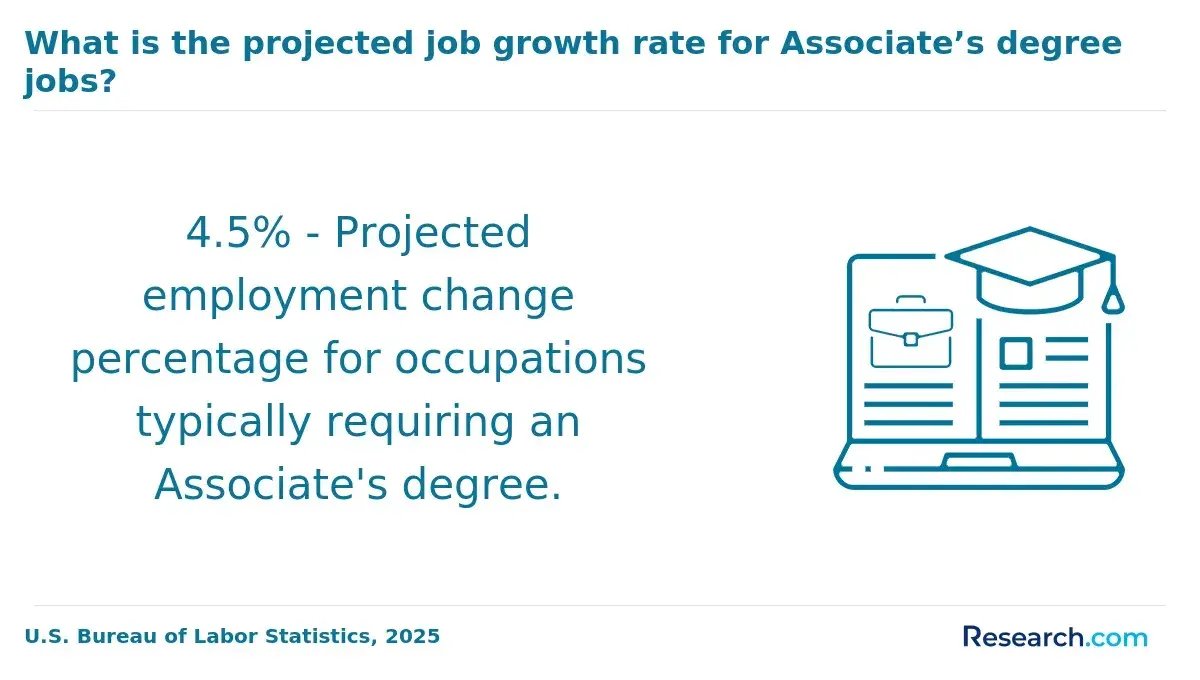
The widening nutrition specialist shortage projected by Canada's Job Bank from 2024 to 2033 suggests parallel U.S. market tightening, pushing demand for qualified professionals. Candidates should assess tradeoffs carefully: associate degrees or certificates offer quicker workforce entry but restrict access to regulated, higher-paying roles. Notably, securing a supervised internship remains the most significant bottleneck, and programs linked with strong employer networks yield measurable employability advantages. Prospective students often compare pathways and might explore a healthcare administration bachelor's degree online as an alternative route that can complement nutrition expertise with broader healthcare management skills.
Ultimately, successful navigation of degrees required for specialized nutrition careers in the United States demands prioritizing verified credentials and relevant practical experience over generic coursework. Selecting accredited programs offering robust supervised practice and emerging science topics aligns best with employer hiring criteria and long-term workforce viability.

How do online nutrition programs compare with campus-based options for specialization?
Choosing between online nutrition programs and campus-based options hinges on real-world employer demand and practical training requirements. Campus-based programs generally provide more rigorous experiential learning-such as supervised labs and face-to-face internships-critical for positions in dietetics and clinical nutrition. For instance, a professional aiming to transition into clinical nutrition will find campus programs better aligned with employer expectations for practicum hours and direct patient interaction.
Conversely, online nutrition program benefits compared to campus-based offerings include flexibility and accessibility, allowing students to balance work and study without relocating. Online curricula increasingly leverage virtual simulations and remote internships to compensate for less hands-on exposure, benefiting those targeting public health, digital health nutrition, or corporate wellness roles. However, candidates must proactively secure credible internships to remain competitive in these sectors.
The tradeoffs reflect employer priorities: campus-based studies tend to hold stronger recognition for clinical or research specialization, while online options reduce geographic barriers and serve emergent nutrition roles tied to prevention and community education. The healthcare sector's rapid growth, as highlighted in Wayne State University's analysis of BLS data, disproportionately favors adaptable learners able to upskill without income interruption.
Students weighing this choice should rigorously compare program accreditation, practicum integration, and employment outcomes aligned with targeted nutrition specialties, in order to meet evolving 2026 market demands. Those exploring healthcare pathways might also consider a healthcare administration degree for broader leadership opportunities within health services.
What accreditation and program quality standards matter for nutrition specializations?
Accreditation standards for nutrition specializations in the US are decisive in shaping employability and readiness for professional roles, with the Commission on Accreditation for Dietetics Education (CADE) setting the critical benchmark for registered dietitian pathways. Candidates targeting clinical or institutional employment risk limited hiring options if their programs lack CADE accreditation, which is essential for qualifying for credentialing exams. Employers in sectors like fitness and weight management increasingly seek graduates who combine applied exercise science and behavioral counseling with foundational nutrition knowledge, a reflection of the sector's 7% projected job growth and 5,100 new specialist roles from 2018 to 2028.
Program quality criteria for nutrition certification extend beyond mere accreditation to include verified clinical practicum affiliations, hands-on supervised practice, and transparency in graduate outcomes such as licensure pass rates. Non-accredited or exclusively online programs may reduce upfront costs but often lack these essential real-world experiences, increasing the likelihood of extended job searches or additional certifications before gaining employment. For professionals pursuing specialized roles in clinical nutrition, sports performance, or public health, these practical components are non-negotiable.
Key decision factors include:
- Accreditation status tied to eligibility for credentialing and employer recognition
- Integration of evidence-based curricula aligned with current dietary guidelines
- Availability of supervised clinical hours or practicum experiences
Prospective students balancing cost concerns might explore programs with demonstrable impact on license attainment and job placement. For example, those comparing affordable pathways may evaluate the cheapest BSN to MSN online options to weigh economic factors against practical outcomes.
What core courses and skills are taught in top nutrition specializations?
Nutrition specializations that effectively blend biochemistry, clinical dietetics, and behavioral science respond directly to rising employer demands for adaptable practitioners in complex care environments. Programs focusing on clinical nutrition typically incorporate advanced pathophysiology and medical nutrition therapy, preparing students to tailor dietary interventions for chronic illnesses like diabetes and cardiovascular disease. In contrast, public health nutrition emphasizes population-level strategies such as epidemiology and community program planning, which are essential for addressing dietary disparities at scale.
The skill set cultivated extends beyond theory, encompassing proficiency in nutrient analysis software, patient counseling, and interdisciplinary collaboration-capabilities increasingly sought after in emerging areas like nutritional psychiatry. Graduates lacking practical experience and data literacy frequently encounter barriers to employment in hospital systems and specialty clinics, where evidence-based practice and outcome evaluation are prerequisites. Supervised internships in settings from outpatient clinics to long-term care provide critical hands-on experience and serve as minimum hiring qualifications.
Workforce projections estimate about 6,200 openings annually for dietitians and nutritionists, driven by an aging workforce and service expansion in specialized clinical and mental health contexts. This dynamic highlights a tradeoff for candidates: prioritizing specialization that balances scientific rigor with applied skills significantly improves employability but requires navigating extended program demands and intensive internships.
How long do nutrition specialization programs take, and what do they cost?
Specializing in nutrition demands a nuanced evaluation of program duration, cost, and alignment with employer expectations, especially in elder-care sectors experiencing rapid growth. Shorter entry-level certificates, often lasting 6 to 12 months and costing $3,000 to $8,000, provide foundational gerontological knowledge but may limit immediate access to advanced clinical roles. Conversely, more comprehensive pathways like master's degrees or RDN credentials require 18 to 24 months with investments ranging from $20,000 to $50,000, reflecting deeper clinical training and regulatory preparation.
More than 50% of dietitians work in settings like hospitals and nursing homes where employers prioritize accredited clinical experience and updated regulatory expertise over mere program length. For professionals balancing work, part-time or hybrid models offer financial flexibility but delay entry into higher-paying roles requiring specialization. This tradeoff necessitates evaluating the net benefit of extended study and income postponement.
Additional budget considerations include certification exam fees ($200-$400) and supervised practice costs-critical expenses that can extend timelines and affect total investment. Securing quality practicum placements remains a pivotal factor for employability, especially given fast-expanding elder-care nutrition demands.
- Entry-level certificate: 6-12 months, $3,000-$8,000
- Advanced (master's/RDN): 18-24 months, $20,000-$50,000
- Certification exam: $200-$400 (additional)
What entry requirements do U.S. schools set for nutrition specialization programs?
Admission into U.S. nutrition specialization programs demands specific scientific prerequisites and measurable academic performance due to employer expectations and licensure requirements. Candidates typically need a bachelor's degree with completed courses in biology, chemistry (including organic), anatomy, physiology, and often biochemistry and microbiology. These foundational sciences are critical for developing evidence-based clinical skills essential to the profession.
Applicants usually must maintain a GPA above 3.0, particularly in science subjects, reflecting the high academic standard correlated with program success and eligibility for Registered Dietitian Nutritionist (RDN) credentialing. Some institutions require GRE scores, though this varies and may affect timelines and application strategies.
Professionals switching from non-science backgrounds face additional barriers, often needing post-baccalaureate prerequisites or coordinated programs that integrate didactic instruction with supervised practice. These routes increase costs and delay workforce entry, posing significant tradeoffs for career changers.
Employers prioritize graduates from accredited programs that incorporate both rigorous coursework and supervised practical experience, reducing hiring risks. In markets like Idaho, where Registered Dietitian Nutritionists saw nearly 21% wage growth from 2020-2022 plus another 9% by 2023 driven by telehealth, maintaining high entry standards is key to meeting growing service demand efficiently.
What jobs and practice settings can different nutrition specializations lead to?
Nutrition specializations directly shape career trajectories by aligning educational focus with workforce realities and employer demands. Clinical dietetics remains the most common role, engaging professionals in hospitals and outpatient care with direct patient counseling and medical nutrition therapy. About 68% of nutritionists enter this setting, but competition and credential requirements mean some must consider alternative paths.
Community-focused nutritionists represent roughly 27% of employment and often work in public health or nonprofits delivering preventive education and policy initiatives. These roles can face instability due to reliance on grant funding, meriting thorough evaluation of financial viability before commitment.
Management careers in foodservice or corporate wellness, accounting for about 5% of employment, require skills in budgeting, compliance, and cross-disciplinary coordination. For instance, a foodservice manager in a hospital is tasked with balancing menu nutrition standards against vendor contract constraints, a role demanding both clinical insight and operational savvy.
Positions in food industry research and product development further diversify the field, requiring scientific literacy distinct from clinical or community work. Transitioning between these sectors frequently necessitates supplemental training, signaling that graduates must weigh long-term educational investments against job market fit.
- Clinical roles dominate but have credential and competitive barriers.
- Community jobs offer impact but face funding variability.
- Management tracks blend nutrition expertise with administrative acumen.
- Research and industry roles demand specialized scientific competencies.
What salary ranges and advancement opportunities exist in leading nutrition specializations?
Salary trajectories in nutrition specializations present distinct patterns based on the chosen sector and credentials. Median pay starts around $68,200 for dietitians and nutritionists nationwide, with the top 10% earning $95,440 or more. Higher earnings correlate with advanced skills in areas like personalized nutrition and functional nutrition, where professionals apply genomics, metabolomics, and integrative health assessments to meet growing demands for individualized dietary strategies in clinical and corporate wellness settings.
Career advancement significantly differs by environment and role. For instance, clinical dietitians working within hospital systems can progress into managerial positions, often reaching salaries between $80,000 and $90,000 after several years and credentialing, whereas those in public health or community programs may experience slower financial growth but greater influence on policy and program leadership.
Private sector roles, such as consultancy or corporate wellness, often engage compensation models that include bonuses and profit-sharing, potentially pushing earnings beyond $100,000 for those who develop proprietary tools or lead workplace health initiatives. However, these roles typically require continuous education beyond entry-level degrees.
Employers prioritize candidates demonstrating applied expertise in emerging nutrition fields, emphasizing the value of graduate education and specialized certifications. Prospective students should weigh the costs and time investment against salary gains, recognizing that top positions usually demand a master's degree and over five years of experience.
What licenses and certifications are required for specialized nutrition practice in the U.S.?
Achieving a meaningful role in specialized nutrition practice in the United States demands navigating credentialing that directly impacts employability and scope of practice. The Registered Dietitian Nutritionist (RDN) credential, mandated by the Commission on Dietetic Registration, requires a bachelor's degree from an accredited program, a 1,200-hour supervised internship, and passing a national exam. Employers, particularly in clinical and chronic disease management settings, prioritize RDN certification due to legal restrictions and insurance reimbursement requirements.
State licensure adds another layer of complexity, with over 40 states enforcing laws that include background checks and continuing education. Specialized credentials such as Certified Specialist in Pediatric Nutrition (CSP) or Certified Renal Nutrition Specialist (CRNS) demand additional experience and exams, often necessary for hospital roles managing complex conditions like chronic kidney disease. For example, a dietitian managing renal patients in a hospital setting must hold active state licensure, the RDN, and typically a renal specialty certification to meet credentialing and insurer standards.
The U.S. Bureau of Labor Statistics reports a median wage near $73,850 and a 7% employment growth rate through 2033, indicating sustained demand driven by expanded chronic disease nutrition services. Yet, pursuing these credentials requires significant time and financial investment, including internships and exam preparation, which must be balanced against career ambitions and practical outcomes.
For those evaluating pathways, it is critical to recognize that bypassing formal credentials notably limits job market access, wage potential, and professional legitimacy in this regulated field.
Other Things You Should Know About Nutrition
Employers typically separate demand between nutrition researchers and applied practitioners. Research-intensive positions, often in academia or industry, require strong analytical skills and publication records, placing less emphasis on direct patient or community engagement. Applied practice roles prioritize hands-on experience, practical problem-solving, and communication skills. If aiming for immediate job placement and higher clinical or public health impact, prioritize applied practice training. For longer-term career flexibility that may include consultancy or innovation roles, investing in research specialization can be advantageous.
Generalist nutrition specializations offer broader employability across multiple sectors but often result in less competitive advantage for highly technical or niche roles. Focused specializations can deliver deeper expertise demanded by employers in areas like sports nutrition, pediatric nutrition, or renal dietetics, yielding higher starting salaries but narrower job markets. For career pivots where distinct differentiation is needed, a focused specialization is preferable. If maintaining flexibility for diverse employer types or roles is the priority, a generalist pathway will reduce hiring risk.
Certificate programs in nutrition specialization typically require less time and cost but may limit eligibility for certain professional roles or advanced credentials that employers prioritize. Degree programs provide comprehensive training, stronger recognition, and are often prerequisites for leadership and advanced clinical positions. When immediate workforce entry or skill augmentation is the goal, certificates can be strategically valuable. For sustained career growth or roles requiring licensure, degree programs offer essential long-term returns.
References
- The Nutrition Institute https://www.thenutritioninstitute.com/us/en/accreditations
- Become a Registered Dietitian Nutritionist https://www.eatright.org/become-an-rdn
- Online Degrees - nutritioned.org https://www.nutritioned.org/online-degrees/
- Why Choose an Accredited Nutrition Program? | University of Bridgeport https://www.bridgeport.edu/news/accredited-nutrition-programs/
- All Nutrition Careers https://becomeanutritionist.org/careers/
- Cert VS Degree: What Type of Nutrition Credential is Best? | ISSA https://www.issaonline.com/blogs/nutrition/cert-vs-degree-what-type-of-nutrition-credential-is-best
- Licensing and Renewals - Florida Department of Health https://www.floridahealth.gov/licensing-regulations/regulated-professions/dietitian-nutritionist/licensing/
- Nutrition Major Jobs: 12 Best, Simple Career Paths - Liv Hospital https://int.livhospital.com/nutrition-major-jobs-career-paths/
- Nutrition courses & training - Association for Nutrition https://www.associationfornutrition.org/careers-nutrition/becoming-nutritionist/nutrition-courses-training
- Questions? Fill out the form below and one of our specialists will get back to you in the next 1-2 business days. https://www.theana.org/certify/