2027 Best Online Nutrition Programs for Professionals Seeking Community Organization Careers

Co-Founder and Chief Data Scientist
Nutrition professionals aiming to transition into community organization roles often confront a dual challenge: maintaining work responsibilities while acquiring credentials that meet multidisciplinary employer expectations. The Bureau of Labor Statistics projects a 15% growth in community health education jobs over the next decade, signaling increased demand but also intensifying competition. Concurrently, a National Student Clearinghouse report finds that flexible, part-time online enrollment has surged by 33% since 2022, reflecting adult learners' growing preference for adaptable program structures due to time constraints. This landscape forces candidates to strategically prioritize programs balancing rigor, accessibility, and real-world applicability.
This article assesses the leading online nutrition programs tailored for professionals seeking careers in community organizations, offering actionable guidance to optimize education investments based on career mobility, admissions flexibility, and workforce alignment.
Key Things You Should Know
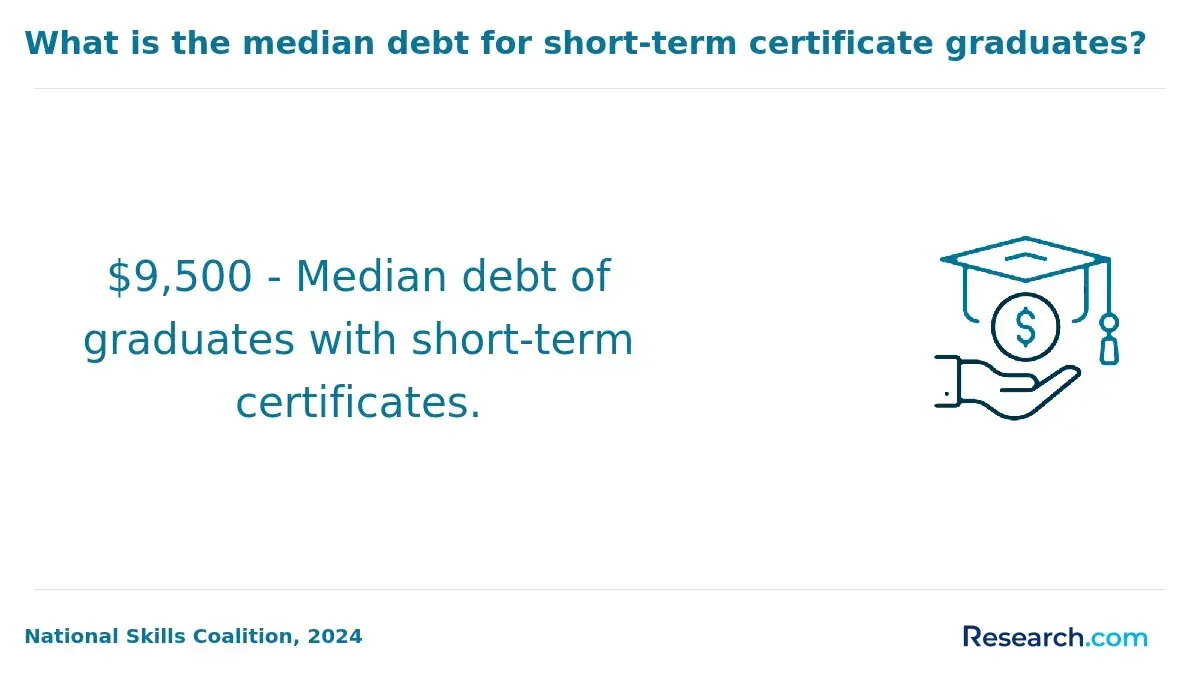
- Programs emphasizing community nutrition certifications often extend student debt by 15-20% on average versus clinical-only tracks, delaying career advancement and affecting entry-level salary growth trajectories per Georgetown University workforce data.
- Employers increasingly demand applied community outreach experience, with 68% of surveyed public health agencies in 2024 reporting lower hire rates for candidates lacking demonstrated program implementation skills, impacting job placement efficacy.
- Completion timelines exceeding 18 months correlate with a 12% dropout surge among working professionals, indicating that program duration critically influences career pivot feasibility and opportunity cost in nutrition fields, according to NCES studies.
What are the best accredited online nutrition programs for community organization careers?
Programs that fail to balance theoretical nutrition education with community-focused experience often leave graduates underprepared for managerial roles in community organizations, where employer demands emphasize grant management and local engagement skills. Choosing among the best accredited online nutrition programs for community organization careers requires scrutinizing how effectively a curriculum combines public health nutrition, community outreach, and program management while maintaining ACEND accreditation. The 2024 median salary for community service managers stood at $78,000, reflecting competitive job growth-factors signaling strong workforce demand but also higher entry barriers.
For professionals targeting this shift, especially those moving from clinical nutrition, a key tradeoff lies in program format. Flexible, cohort-based schedules provide essential peer networking and adaptability for working adults, while programs with embedded fieldwork or capstones demand logistical planning, particularly regarding local supervision or remote alternatives. State licensure requirements and prerequisites further complicate program selection and impact credentialing outcomes.
Specialized coursework covering social determinants of health, health promotion, and grant writing often distinguishes top online nutrition degrees for professionals in community service by equipping students with applicable skills for grant acquisition and program sustainability.
Prospective students should also explore proven internship placements within community settings to ensure practical readiness. For a detailed comparison of cost-effective options, consider reviewing this online degree in nutrition.
How do online nutrition degrees compare to campus-based programs for future professionals?
Online nutrition degrees now rival campus-based programs in core curriculum quality and ACEND accreditation, a baseline for professional legitimacy. Yet, practical differences between online and campus nutrition programs in the US persist, especially regarding supervised clinical practicum. These hands-on experiences remain challenging to replicate remotely and often require students to independently locate local placements. For career changers needing flexibility, this can create logistical hurdles and extend licensure timelines if practicum coordination is inefficient.
Employers in community organization careers often prefer candidates with verifiable supervised practice; campus program graduates sometimes have an edge simply due to the ease of documenting clinical competencies. However, recognition of online degrees is increasing, provided the candidate completes accredited practicum hours. Online students face higher administrative demands to secure and document these clinical experiences, frequently without institutional assistance.
Benefits of online nutrition degrees for community health professionals include essential flexibility for balancing work and family obligations, asynchronous course delivery, and reduced need for geographic relocation. However, this convenience comes at the cost of limited immediate peer networking and potentially slower practicum completion. Job placement rates generally align when accreditation and practicum completion are equivalent, but students must carefully weigh convenience against practicum challenges and hiring realities in their target sectors.
Students exploring healthcare-related career pivots might also consider a healthcare administration bachelor's degree as an alternative pathway with similar flexibility but different workforce dynamics.
What types of nutrition degrees support careers in community organizations and public health?
Graduates pursuing nutrition degree programs for community health careers face clear tradeoffs shaped by credential level and job scope. A bachelor's degree in nutrition or dietetics positions candidates for entry-level roles such as health education specialists, where applied nutrition knowledge supports outreach and program planning in settings like nonprofits targeting childhood obesity. However, this credential alone often limits advancement to frontline technical functions.
In contrast, public health nutrition certifications for professionals with master's credentials-like a Master of Public Health (MPH) emphasizing nutrition-meet employer demand for leadership capable of managing community health programs and policy development. This qualification suits professionals moving from clinical environments into strategic roles but requires added investment in time and money.
Registered Dietitian Nutritionist (RDN) licensure remains essential for community programs involving clinical nutrition assessment, compliance, and specialized services such as diabetes prevention or elder nutrition. Employers value this credential for ensuring quality service delivery under regulatory standards.
The labor market signals steady growth; a 7% increase in health education and community health roles by 2032 anticipates about 15,000 new openings annually. Success relies not only on academic credentials but on practical skills including culturally competent communication and grant writing. Geographic variations in licensure underscore the importance of aligning credential choices with intended work locations.
Prospective applicants should assess degree length, cost, and career goals carefully. Those comparing options might also explore a healthcare administration degree online accredited programs to complement nutrition expertise and broaden administrative competencies.
What accreditation and program approvals should online nutrition students look for in the U.S.?
For online nutrition students targeting community organization careers, prioritizing programs with Accreditation Council for Education in Nutrition and Dietetics (ACEND) accreditation is fundamental. Without ACEND accreditation, graduates often cannot enter dietetic internships, which blocks licensure pathways and practical eligibility for Registered Dietitian Nutritionist (RDN) roles-positions that employers increasingly require. This illustrates a direct tradeoff: cheaper or non-accredited programs may save upfront costs but can impose costly delays or limit career mobility.
State-specific licensure requirements shape program selection. Many states mandate supervised practice hours, systematically integrated only in ACEND-accredited curricula. Ignoring these can force re-education or certification delays, particularly problematic for career changers or remote learners needing practicum arrangements. Verifying availability of local or hybrid supervised fieldwork options is critical to completing qualifications.
Beyond ACEND, regional institutional accreditation-approved by U.S. Department of Education bodies-ensures educational quality and access to federal financial aid, crucial for accurate assessment of online programs offering accreditation standards for online nutrition programs in the U.S.
The wage gap between undergraduate and graduate nutrition credentials is significant in community health roles, with median salaries rising from $54,000 for bachelor's holders to around $69,000 for master's-level nutrition professionals. Employers expect advanced degrees for leadership and evidence-based program design.
Professionals evaluating options should also study pathways such as the RN to BSN no prerequisites routes, which offer adaptable frameworks for integrating healthcare education with nutrition community roles, broadening career flexibility.
What courses and skills do online nutrition programs teach for community-focused career paths?
Online nutrition programs with a community focus prioritize applied skills essential for navigating the complexities of public health environments. Graduates must balance technical knowledge like epidemiology and program planning with real-world constraints such as budget limits and shifting regulations. For instance, professionals managing school district nutrition programs often face the challenge of integrating nutrition education with regulatory compliance and cultural considerations in meal design.
Key curriculum components include: data analytics, grant writing, community assessment, behavior change theories, and food systems management tailored to vulnerable populations. A practical emphasis on stakeholder engagement and interprofessional collaboration prepares students to coordinate effectively with healthcare providers, local governments, and social services to address social determinants of health like urban and rural food insecurity.
The surge in telehealth and hybrid service delivery requires digital literacy alongside skills to navigate federally funded programs such as SNAP and WIC efficiently. According to data from BestColleges and Intelligent, over 60% of current health and nutrition professionals have completed online coursework, with more than 40% favoring online or hybrid options for continuing education, which underscores evolving workforce expectations.
Students should expect coursework designing targeted interventions that integrate applied research methods and case-based learning, fostering decision-making grounded in constraints typical of community nutrition roles, improving their effectiveness in environments like public health agencies and nonprofit organizations.
What are typical admission requirements for online nutrition bachelor's and master's programs?
Admission requirements for online nutrition bachelor's and master's programs reveal distinct barriers that directly impact student trajectories and workforce readiness. Bachelor's candidates typically need proof of competence in biology, chemistry, and math, a high school diploma or equivalent, and often minimum GPAs between 2.5 and 3.0. Standardized tests remain common but are increasingly optional. Letters of recommendation and personal statements often tip the scales for competitive slots, reflecting the field's demand for demonstrated commitment to public health or dietetics.
Master's applicants face more stringent demands: completed bachelor's degrees in related fields, minimum GPAs around 3.0, and prerequisite coursework in human physiology, biochemistry, and statistics to ensure scientific grounding. Practical exposure to nutrition-related work or volunteering enhances candidacy, sometimes becoming a hard requirement. Graduate Record Examination (GRE) scores are less routinely necessary but still influence admissions in some cases.
Professionals pivoting into nutrition without traditional academic backgrounds often confront additional coursework that increases time and expense. Programs that acknowledge professional certifications or prior experience offer faster routes but remain exceptions, not norms.
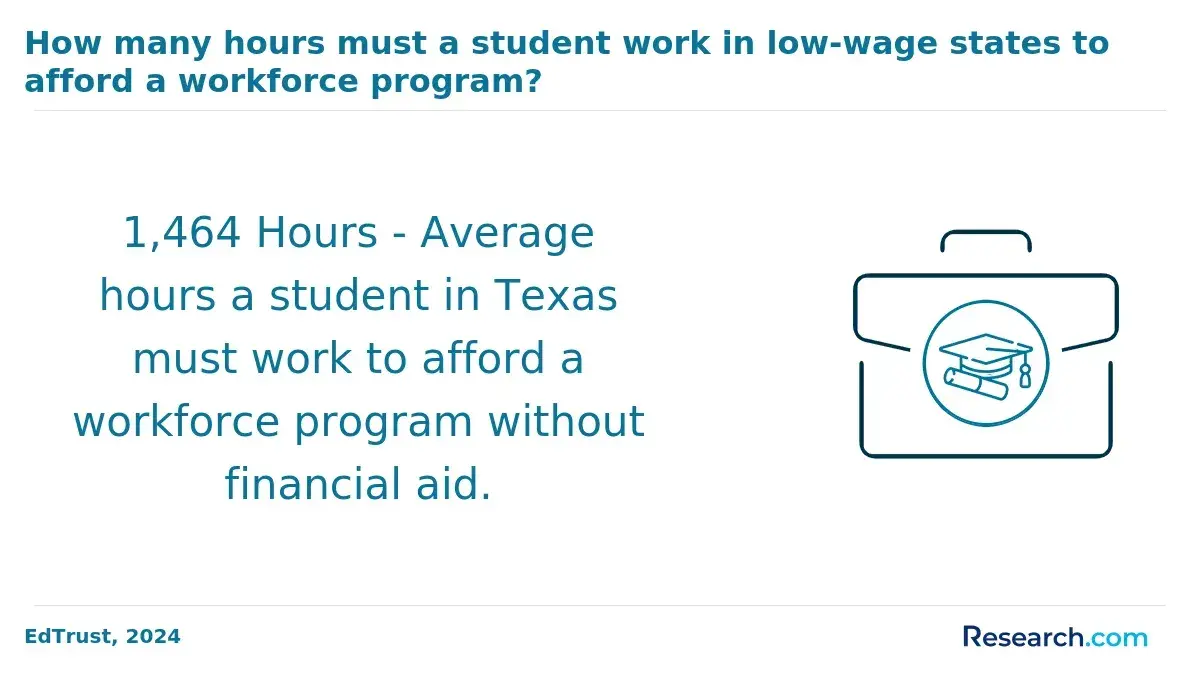
Cost analysis shows master's tuition ranges from $20,000 to $35,000, balanced against median starting salaries near $65,000 to $75,000 in community and public health roles. This differential highlights the practical need to weigh upfront investment against realistic employment outcomes-not all programs deliver proportionally stronger return-on-investment.
- Bachelor's admission emphasizes foundational science courses and stable academic records.
- Master's focuses on specialized prerequisites and relevant work experience.
- GRE and standardized tests see declining but still varied importance.
- Online program costs and career salaries must be evaluated for financial viability.
How long do online nutrition programs take, and what do they usually cost?
Master's programs in nutrition designed for community organization roles generally require two years full-time, with part-time options extending to three years or more. Over 40% of top-ranked online programs focus on areas like community nutrition and public health nutrition, aligning curricula with workforce demands in local health departments and non-profits. This specialization shapes hiring expectations and practical skill sets needed for public health nutrition roles.
Cost considerations can significantly impact decisions: tuition ranges from $15,000 to $40,000 depending on institution type and residency status, with additional fees for practicum placements or certification prep commonly adding $1,000-$3,000. For working professionals, balancing tuition expenses and opportunity costs is critical-accelerated paths shorten credential time but may reduce exposure to community engagement, which is key for employer-valued competencies.
The choice between accelerated versus extended completion times involves tangible tradeoffs:
- Accelerated programs allow quicker workforce entry but may limit practical public health experience.
- Longer part-time study supports income continuity but delays salary advancement and prolongs tuition payments.
These factors should be evaluated in light of specific career goals and employer expectations in the community nutrition sector to optimize education investments and workforce readiness.
What community organization and nonprofit career paths can nutrition graduates pursue?
Jobs in community and nonprofit sectors for nutrition graduates demand a blend of technical knowledge and practical skills in program design, evaluation, and partnership building. For instance, a community health educator may develop tailored nutrition workshops addressing chronic disease prevention within underserved urban populations, requiring not only evidence-based nutrition expertise but also cultural competency and effective communication.
Certifications geared toward public and community health nutrition carry significant weight among employers, as shown by Intelligent's 2025 review revealing these certificates comprise about one-third of the most recommended credentials. This emphasis signals a market preference for professionals who can manage grant-funded programs, interpret policy, and integrate social determinants of health into their strategies.
Graduates face tradeoffs between clinical and community nutrition specialization; nonprofit employers often prioritize credentials in population health or program management over purely clinical expertise. Moreover, successful candidates typically need proficiency in data analysis tools and policy interpretation to navigate funding instability and stakeholder complexity. Awareness of these operational realities helps align education choices with roles centered on advocacy, resource allocation, and outcome measurement, rather than direct nutrition counseling.
What salary ranges and job outlook can nutrition professionals expect in community roles?
Starting salaries for community nutrition professionals typically range from $45,000 to $60,000 annually, with experienced roles in larger healthcare systems or grant-funded programs potentially exceeding $80,000. Salaries are strongly influenced by employer type, geographic location, and the ability to demonstrate impact through data-driven program evaluation. For example, community nutritionists working in urban areas with a high cost of living often earn $5,000 to $10,000 above national averages, yet they also face intensified competition for limited federal and state grant funds.
The U.S. Bureau of Labor Statistics projects 11% employment growth for dietitians and nutritionists over a decade, reflecting sustained public health investments. However, success in community nutrition increasingly requires quantifiable outcomes, such as reducing food insecurity by 10-20% within a year, as reported in recent program evaluations. Candidates without skills in health outcome measurement or data analytics risk stagnation or contract nonrenewal, especially in organizations with stringent performance metrics.
Practical tradeoffs include salary caps due to finite grant resources and variable job stability. Professionals often need to diversify income through roles like policy consulting or wellness program development to enhance financial resilience. Early-career professionals should prioritize employers with proven funding reliability and invest in expanding competencies in analytics and community engagement to secure long-term employability and upward salary mobility.
How can students evaluate and choose a reputable online nutrition program?
Opting for an online nutrition program requires critical evaluation beyond surface-level attributes to ensure alignment with community-focused employer expectations and real job market outcomes. Accreditation by bodies such as the Accreditation Council for Education in Nutrition and Dietetics (ACEND) signals adherence to standards prioritizing population health, program planning, and intervention skills over mere clinical nutrition theory.
Graduate employment data often reveal the program's effectiveness in integration with nonprofit and governmental sectors. For instance, programs reporting approximately 80% placement in community health roles within a year demonstrate strong industry connections crucial for a workforce growing at a projected 10-12% CAGR through 2030, according to DigitalDefynd's 2026 review. Candidates should prioritize curricula incorporating coordinated practicums or internships with public health organizations to convert academic credentials into tangible career pathways.
Delivery formats impact peer interaction and applied learning: synchronous courses encourage networking vital for community nutrition work, whereas fully asynchronous options, while flexible, risk isolating students from collaborative learning beneficial in this field.
Key decision criteria include assessing technology reliability, student support services, and how the program cultivates cultural competence and policy fluency-elements increasingly non-negotiable for effective community intervention roles. Balancing cost and time investment against recognized credentialing and expected employer requirements, typically a bachelor's degree with community specialization, is essential for realistic career planning.
Other Things You Should Know About Nutrition
In 2027, best online nutrition programs often offer asynchronous learning options to help working professionals manage their schedules. Flexible deadlines and self-paced modules allow students to balance coursework with professional obligations, ensuring they can continue gaining skills without interrupting their careers.
Employer recognition hinges less on online versus traditional delivery and more on program credibility and accredited status. However, some community organizations may show preference for degrees from institutions with established reputations or in-person experiential learning, affecting immediate hire potential. Students targeting competitive roles should confirm employer preferences and consider hybrid programs that combine online coursework with on-site practicum opportunities.
Certification programs offer quicker entry and focused expertise useful for specific job roles but limit advancement into leadership or policy-making positions. Advanced degrees provide broader knowledge, research skills, and greater employability in managerial tracks but require significant time and financial investment. Professionals should prioritize certification if seeking rapid re-skilling and advanced degrees when targeting roles requiring strategic influence or interdisciplinary collaboration.
References
- Cert VS Degree: What Type of Nutrition Credential is Best? | ISSA https://www.issaonline.com/blogs/nutrition/cert-vs-degree-what-type-of-nutrition-credential-is-best
- 2-Year vs 4-Year Nutrition Degree Online: What Is the Right Path for You? https://becomeanutritionist.org/blog/2-year-vs-4-year-nutrition-degree-online-what-is-the-right-path-for-you/
- The Nutrition Institute https://www.thenutritioninstitute.com/us/en/accreditations
- How Hard Is a Master’s in Nutrition Degree? | University of Bridgeport https://www.bridgeport.edu/news/how-hard-is-it-to-earn-a-masters-in-nutrition-online/
- Blog https://www.futuresmartcareers.co.uk/blog/a-complete-guide-to-careers-in-nutrition-health-and-wellness/
- Accredited Programmes - Association for Nutrition https://www.associationfornutrition.org/degree-accreditation/accredited-programmes
- Online Degrees - nutritioned.org https://www.nutritioned.org/online-degrees/
- Unlock Your Career in Holistic Nutrition Through the Best Online Holistic Nutrition Program https://instituteofholisticnutrition.com/unlock-your-career-in-holistic-nutrition-through-the-best-online-holistic-nutrition-program/
- Is an Online Nutrition Certification Cost-Effective? | Edison https://edisoninst.com/is-an-online-nutrition-certifications-cost-effective/
- Best Online Master’s Degree Programs in Dietetics for 2025 https://www.onlinemastersdegrees.org/best-programs/nutrition/dietetics/