2027 First Nutrition Roles for Health-Focused Students

Co-Founder and Chief Data Scientist
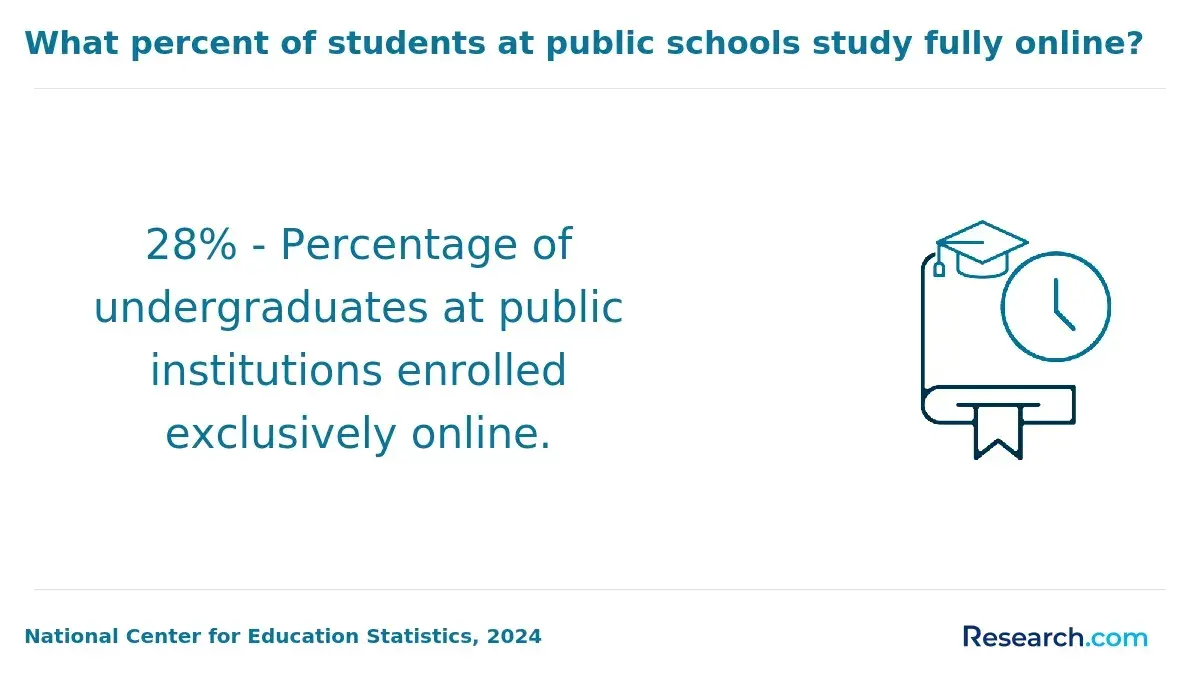
Registered dietitians and nutritionists entering the workforce increasingly face the challenge of balancing rapid career entry with evolving credential requirements and employer preferences. As remote learning options expanded by 75% since 2023 according to the National Center for Education Statistics, more students pursue flexible online programs-but this accessibility often complicates verification of hands-on experience demanded by many clinical or community roles. Additionally, adult learners juggling part-time study with current employment confront time constraints that affect program choice and completion speed. This article outlines realistic first-role opportunities for health-focused students, guiding decisions on educational formats and career pathways that align with evolving sector demands and time-sensitive workforce entry constraints.
Key Things You Should Know
- State licensure requirements and credentialing delays obligate students to anticipate 12-18 months post-degree for entry into dietetic roles, constraining workforce supply amid 15% projected job growth by 2032 per BLS data.
- Employers prioritize practical clinical exposure over academic pedigree; 62% of hiring managers in healthcare reported preferring internships completed in integrated health systems versus standalone labs, requiring strategic placement efforts.
- Cost barriers exceed $40,000 total for accredited programs plus supervision hours, disproportionately impacting low- and middle-income students and influencing diversity within entry-level nutritionist demographics per NCES 2024 stats.
What entry-level nutrition jobs can new graduates pursue in healthcare and wellness?
Entry-level nutrition jobs in healthcare and wellness present a distinct set of tradeoffs centered on credentialing requirements, job settings, and career trajectories. Clinical dietitian roles remain the most regulated and structured path, requiring completion of accredited dietetics programs and supervised practice hours followed by a registration exam. This route typically delays workforce entry but yields greater job security, higher median salaries, and clear professional advancement within hospitals and outpatient clinics. The U.S. Bureau of Labor Statistics projects a 6% growth rate for dietitians and nutritionists from 2024 to 2034, reflecting steady demand for clinical expertise and credentialing compliance.
In contrast, community nutritionist positions focus less on rigorous clinical certification and more on public health initiatives, such as food security and preventative education, often within non-profits or government agencies. These roles emphasize communication skills and population health knowledge, allowing faster labor market access but generally offering lower starting compensation and less formal advancement. Wellness coaching, prevalent in corporate or fitness sectors, offers an even quicker entry point without licensure requirements but carries variability in employer expectations and salary, highlighting a less standardized career path in health-focused nutrition careers for recent graduates.
Graduates deciding between these avenues should consider their tolerance for credentialing delays versus immediate employment, as well as their long-term goals in clinical versus community-based environments. For those weighing graduate education options to meet credentialing demands, reviewing the best dietetics masters programs can provide practical guidance in selecting programs with strong alignment to workforce realities.
What degrees or training do you need for your first nutrition role?
Entry-level nutrition positions in the U.S. overwhelmingly require a bachelor's degree in nutrition, dietetics, or a closely related field combined with supervised practical experience. This requirement is non-negotiable for licensure or registration as a dietitian nutritionist, which hinges on completing a Commission on Dietetic Registration (CDR)-accredited curriculum and passing a national exam. This process ensures candidates meet employer standards, particularly for clinical and public health roles.
Those pursuing nutrition degree requirements for entry-level positions should expect a minimum of 1,200 supervised internship hours. Failing to complete an accredited program often relegates candidates to lower-paying, limited-scope roles outside strict licensure boundaries, such as wellness coaching or foodservice management.
Essential training and certifications for beginner nutrition careers typically involve navigating varying state licensure regulations, which can add 1-2 years post-bachelor's to complete. Practical considerations include balancing internships with work obligations and researching state board specifics early to avoid certification delays.
Graduate degrees enhance prospects for specialized nutrition positions, including research and policy leadership, but remain extraneous for initial roles. Reflecting broader workforce trends, community nutrition roles show robust demand and competitive salaries.
- If a student wants advancement beyond clinical roles, combining a bachelor's degree with postgraduate education or certifications can be crucial.
- Variability in licensure complicates straightforward career planning; early strategic decisions reduce training time inefficiencies.
Those seeking broader administration roles related to public health might consider additional education pathways, such as doctorate in health administration programs, for extended leadership opportunities in healthcare settings. These programs provide a complementary foundation beyond traditional nutrition training.
How do accredited nutrition programs prepare students for beginner career paths?
Accredited nutrition programs for entry-level health careers combine foundational science with employer-driven applied skills, but their practical value depends heavily on curriculum focus. Core courses in biochemistry, anatomy, and food science provide essential understanding of physiological processes, while applied elements such as diet assessment and client communication prepare students for real-world roles. Yet, the balance between clinical dietetics and broader wellness coaching varies, affecting immediate employability beyond healthcare settings.
Experiential components like supervised internships in hospitals or community health centers remain pivotal for bridging theory and practice. This hands-on training sharpens abilities to create nutrition plans aligned with diverse goals, whether clinical or corporate. For example, in corporate wellness roles, mastery of behavior change strategies and health coaching is critical to meet employer expectations for measurable outcomes. Students aiming for such roles benefit from programs that integrate certifications like Certified Health Coach, which improve eligibility and market standing.
Given the nuanced demands of nutrition fields, prospective students should weigh program content against career ambitions, particularly where foundational nutrition training for beginner health students is concerned. Corporate wellness consultants and health coaches command substantial salaries-BestColleges reports averages of $108,000 and $93,000 respectively-demonstrating the value of specialized credentials and practical skills.
For those considering cost-effective educational paths, exploring affordable online healthcare degrees can provide strategic entry points without sacrificing key competencies.
What's the difference between online and campus-based nutrition degrees for career starters?
The distinction between online nutrition degrees vs campus-based programs for career starters lies predominantly in the depth of applied experience and direct employer engagement. Campus-based programs provide essential hands-on labs, immediate mentorship, and on-site internships that align with roles requiring practical skills, such as clinical nutrition or healthcare food service management. For instance, a student targeting a food service director position can leverage campus connections to secure hospital internships, which substantially increase hiring prospects in institutional settings.
Conversely, the differences between online and traditional nutrition education for health students become evident in the challenge of securing supervised practicums remotely. Online students benefit from flexibility but must independently arrange local or remote internships to meet employer expectations for verified applied experience. This additional effort often prolongs readiness for frontline positions and may reduce immediate employability compared to campus peers.
Employment data highlights these trade-offs: food service directors in healthcare settings earn an average of $69,791 annually, outpacing hospital food services managers who average $59,324, reflecting practical training's impact on competency and wage potential.
- Campus degrees often require relocation or commuting but facilitate structured access to internships and industry networking events crucial for early career placement.
- Online degrees offer scheduling flexibility but demand initiative to secure essential practical experiences through local healthcare partnerships.
- Employers increasingly seek graduates with hands-on practicum credentials; programs without these integrated components risk underpreparing students despite theoretical knowledge.
Students must weigh personal circumstances against desired career paths. For direct-entry into healthcare food service management, campus programs usually retain an advantage in embedding experiential learning proven vital for meeting employer expectations and achieving documented median wages from reliable labor data. Those seeking broader program comparisons may explore the Chamberlain vs Capella RN to BSN program analysis for additional insight into online versus traditional formats in related health fields.
What core courses and skills are most important for early nutrition careers?
Nutrition education programs that neglect real-world constraints risk producing graduates unprepared for employer demands. Core coursework must integrate applied biology with community health strategies and behavior change science to equip students beyond theory. For example, many school nutrition specialists confront a persistent deficit: U.S. students receive fewer than 8 hours of nutrition education annually compared to the 40-50 hours research indicates are needed for effective behavior change. Professionals must then design impactful curricula within limited contact time, balancing diverse cultural needs and institutional priorities.
Essential skills extend to data literacy and technological fluency as digital health records and nutrition apps become standard in clinical and community contexts. Graduates are expected to interpret complex dietary patterns and quantify intervention outcomes. Counseling and motivational interviewing competencies translate scientific insights into individualized guidance, a key step to sustained changes in eating habits.
Employers prioritize candidates blending rigorous biological science coursework with practical experience in program planning and implementation. Nutrition students developing proficiency in applied biostatistics alongside involvement in workplace or school wellness projects gain an adaptive advantage when navigating competing demands such as restricted educational hours and stakeholder diversity.
How long do nutrition programs typically take, and what do they cost?
Pursuing education in nutrition demands a clear weighing of time, cost, and career outcomes, especially given the fragmented pathways and varied employer expectations. Associate degrees or certificates require about 2 years and mainly prepare students for support roles like dietary aides. Bachelor's degrees, completed in 3 to 4 years, are the minimum for registration eligibility and open doors to many research positions; however, they also represent a significant financial and time investment.
Graduate study adds at least 2 more years, targeting specialized clinical or research careers, but often with diminishing salary gains relative to the extended commitment. For example, with the average nutrition researcher salary around $54,137 annually according to data from Northwest Missouri State University and ZipRecruiter, the return on an advanced degree may be modest compared to the upfront expense and additional years in school.
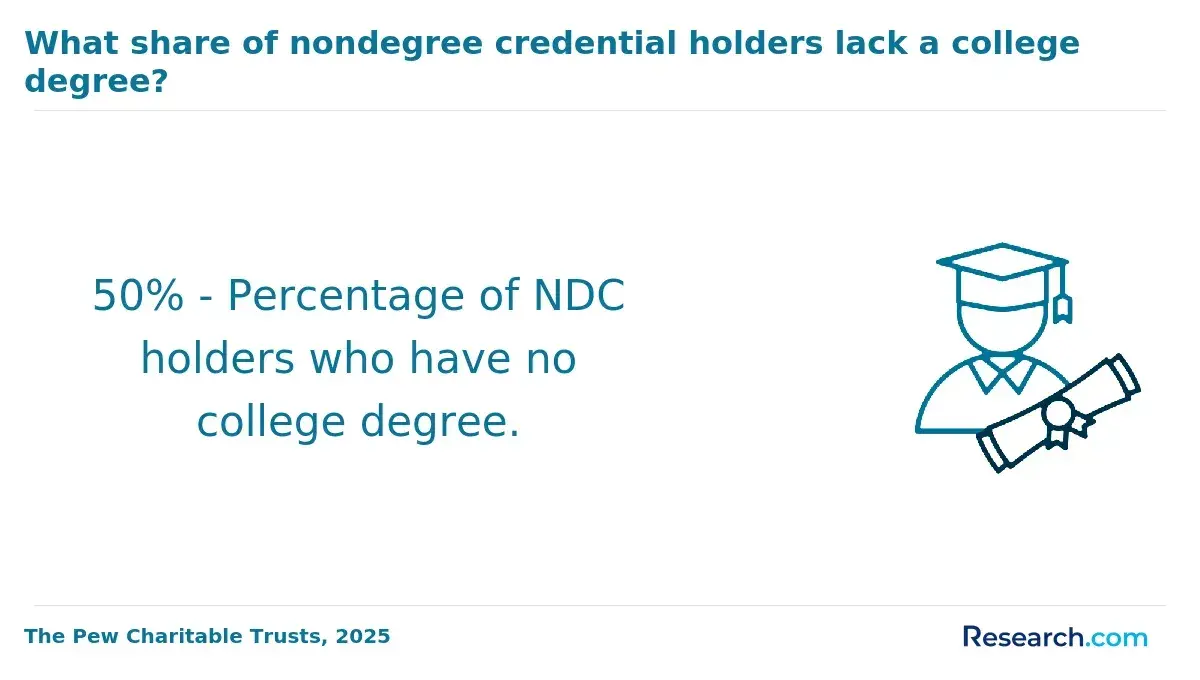
Costs vary widely: public in-state tuition typically ranges from $5,000 to $15,000 per year, whereas private institutions charge $20,000 to $50,000 annually. Non-degree certificates cost less but generally do not significantly improve employability or salary prospects. These factors accumulate into critical tradeoffs:
- Shorter credentials may limit long-term career growth yet reduce debt and time to entry.
- Bachelor's degrees are often required for clinical and many research-based jobs.
- Graduate degrees are necessary for advanced research or academic roles but should be carefully evaluated against realistic salary outcomes.
Prospective students must align their education choices with employer standards and personal financial resilience to optimize their professional trajectory in nutrition.
What are typical starting salaries and benefits in entry-level nutrition positions?
Entry-level positions in nutrition typically offer starting salaries between $40,000 and $55,000 annually, but the range varies considerably depending on the role, geographic context, and work environment. For instance, nutrition and dietetics technicians involved in sports, performance, or lifestyle programs often start closer to $42,000 in community or educational settings, whereas hospital or clinical roles can push salaries near $50,000. These positions usually require supervision by Registered Dietitian Nutritionists (RDNs), which both broadens employment settings-clinical, community, foodservice, education-and stabilizes job prospects.
Benefit structures reflect employer type, with government and academic roles generally offering more comprehensive healthcare and retirement benefits compared to private sector jobs, which may instead emphasize performance bonuses or flexible schedules. Nutrition professionals in sports or lifestyle niches might sacrifice some traditional benefits early on but gain scheduling flexibility that facilitates continuing education and credential upgrades.
Without RDN credentials, salary ceilings and limited advancement are significant realities, compelling many to pursue additional certifications or graduate degrees to progress. Technicians who cultivate hands-on skills within multidisciplinary teams can negotiate better pay or move into better-paying roles within 3 to 5 years. Employers expect entry-level candidates to demonstrate solid dietary assessment skills and clear client communication, with starting salaries tied closely to these applied competencies rather than solely academic credentials.
What certifications or licenses support first jobs in nutrition-related fields?
Pursuing Registered Dietitian Nutritionist (RDN) certification is essential for accessing entry-level roles with clinical responsibility, billing capacity, and regulatory compliance. Candidates must complete a Commission on Dietetic Registration (CDR)-accredited supervised practice and succeed on the national examination. Without the RDN, job options typically narrow to assistant roles offering lower wages and limited leadership potential.
Alternatively, the Certified Nutrition Specialist (CNS) credential suits professionals aiming for community health, corporate wellness, or advanced scientific roles requiring graduate-level training and 1,000 supervised practice hours. This distinction is pivotal when competing for positions emphasizing personalized nutrition strategy outside of traditional clinical domains.
State licensure requirements significantly affect employability and scope of practice, with roughly 40 states mandating licensure to provide independent nutrition counseling. For example, a dietitian engaged in federally funded research needing patient interaction must verify licensure prerequisites to comply with legal and grant terms.
Typical government or policy-related dietitian salaries range $67,000 to $80,000 annually, demanding RDN certification or equivalent licensure combined with demonstrated policy or community nutrition expertise.
Prospective students should weigh the substantial financial and time investments-often exceeding $5,000-in supervised practice and exam fees against their targeted work settings and employer expectations. Carefully evaluating state licensure variability and credential relevance is crucial to avoid career-path misalignment.
How can students evaluate job outlook and demand for beginner nutrition roles?
Job growth projections for entry-level nutrition roles vary significantly depending on the pathway chosen. For example, registered dietitians are forecasted to grow 11% from 2022 to 2032 according to U.S. Bureau of Labor Statistics data, surpassing average occupational growth. However, roles such as telehealth nutrition practitioners and private practice consultants present different tradeoffs: they often require entrepreneurial skills and client acquisition efforts but provide flexible hours and scalable income potential. InterviewGuy's 2024 career data indicates health coaches focusing on nutrition and lifestyle change earn between $45,000 and $70,000 annually, highlighting the viability of remote client-facing positions.
There are several practical considerations students must weigh when selecting a nutrition career path:
- Telehealth and subscription-based coaching demand digital proficiency and offer income scalability but lack the structured salary progression typical of clinical settings.
- Traditional clinical roles provide more predictable pay with established career ladders but come with higher credentialing hurdles and slower entry-level wage growth.
- State licensure and certification requirements differ widely, making local regulatory research essential to avoid costly credentialing setbacks.
Informed decisions require reviewing labor forecasts, analyzing salary surveys, and networking with professionals who understand shifting employer expectations. Students should also evaluate emerging models like integrative wellness centers, which can affect demand dynamics and educational ROI when pursuing nutrition-related credentials.
What criteria help you choose a reputable school for launching a nutrition career?
Choosing a program to build a career in nutrition demands scrutiny beyond accreditation-graduates' employment outcomes in specific fields such as clinical, community, or global nutrition are crucial indicators of a program's practical value. For example, the Australian Working in Nutrition Study (2024) reveals that over 40% of professionals work in policy, advocacy, and population-level program implementation, signaling that curricula lacking these emphases may produce graduates less competitive for public health roles.
Prospective students should weigh programs offering embedded internships or partnerships with NGOs and public agencies, as these provide vital exposure to real-world policy environments. A degree heavily centered on laboratory science might limit access to roles in program management or advocacy, creating a tradeoff between deep scientific grounding and applied skill sets.
Online or part-time formats offer flexibility but can constrain networking opportunities critical to entering competitive sectors of nutrition policy. Students targeting careers in global nutrition or public policy benefit from institutions with strong connections to international health organizations or government programs, which facilitate access to specialized job markets and professional validation.
Evaluating faculty expertise, alumni career trajectories, and employer partnerships reveals tangible tradeoffs related to each educational pathway's market alignment and practical employability. Such factors determine whether a program equips students to overcome the logistical and credentialing challenges inherent in nutrition-focused policy and population health roles.
Other Things You Should Know About Nutrition
Internships often provide structured learning environments with mentorship but may lack competitive pay, which can limit financial feasibility. Paid entry-level positions offer income and direct workforce integration but might require more immediate responsibility without guided training. Prioritize internships if your goal is skill-building with professional support; choose paid roles when financial stability and job market entry are urgent. Balancing both can maximize learning and income but requires clear schedule management and realistic expectations about workload.
Employers typically expect entry-level candidates to demonstrate solid foundational knowledge across nutrition domains rather than deep specialization. Early specialization can limit job opportunities and reduce adaptability in a diverse job market. Prioritize a broad skill set that includes clinical, community, and food service nutrition basics initially, then pursue specialization through certifications or advanced roles. This approach ensures better job placement chances and flexibility as career goals evolve.
Most employers value certifications more when candidates couple them with practical work experience, which validates applied skills. Immediate certification may enhance your resume but not substitute for real-world problem-solving abilities. Prioritize obtaining relevant job experience first, then pursue certifications to increase earning potential and advancement prospects. This sequence also reduces the risk of credential inflation without corresponding competency.
References
- How to Become a Nutritionist, Plus Career Path Options | ISSA https://www.issaonline.com/blogs/nutrition/how-to-become-a-nutritionist-plus-career-path-options
- How Much Does a Dietitian Nutritionist Cost? What You Need to Know https://www.healthline.com/health/nutrition/nutritionist-cost
- What can you do with a Nutrition degree https://www.torrens.edu.au/stories/blog/health/what-can-you-do-with-a-nutrition-degree
- Cost to See a Nutritionist? Starts At $50 | Breakdown of Fees & Factors https://www.myorthrive.com/post/cost-to-see-a-nutritionist
- 2-Year vs 4-Year Nutrition Degree Online: What Is the Right Path for You? https://becomeanutritionist.org/blog/2-year-vs-4-year-nutrition-degree-online-what-is-the-right-path-for-you/
- How to Become a Dietitian Archives – All Access Dietetics https://www.allaccessdietetics.com/category/how-to-become-a-dietitian/
- Online Nutrition Degree FAQ | University of Bridgeport https://www.bridgeport.edu/news/online-nutrition-degree-information/
- 7 Essential Skills You Gain From Professional Nutrition Training – BANT https://bant.org.uk/7-essential-skills-you-gain-from-professional-nutrition-training/
- Packages and Pricing: Dietitian and Nutritionist Fees | JM Nutrition https://www.julienutrition.com/packages-and-pricing/
- Nutritionist vs Dietitian https://www.publichealthdegrees.org/careers/become-registered-dietitian/dietitian-vs-nutritionist/