2027 Online Nutrition Degrees With Fitness and Performance Career Alignment

Co-Founder and Chief Data Scientist
Professionals aiming to shift into fitness and performance-focused nutrition degrees often confront rigid program schedules and limited clinical practicum options that clash with work and family commitments. Recent NSF data shows online enrollment among adult learners in health sciences programs rose over 17% since 2022, signaling demand for flexible, career-aligned pathways.
Yet, many face uneven accreditation standards and variable employer recognition, complicating choices between online and hybrid formats. Understanding these dynamics matters for selecting programs that balance rigorous science training with practical career credentials. This article evaluates current online nutrition degrees tailored to fitness and performance careers, guiding informed decisions on accessibility, program design, and workforce readiness.
Key Things You Should Know
- Online nutrition degrees with fitness and performance alignment face accreditation tradeoffs where some programs lack Didactic Program in Dietetics (DPD) approval, limiting eligibility for RDN licensure despite faster completion times.
- Employers in sports nutrition prioritize candidates with both evidence-based nutrition knowledge and hands-on experience; purely online coursework can delay employment readiness by up to 12 months without clinical practicums, per Academy of Nutrition reports.
- Federal data from 2024 shows online programs reduce geographic barriers but average total costs remain 15% higher than traditional degrees due to technology fees and extended prerequisite requirements, impacting ROI for mid-career pivots.
What is an online nutrition degree with a fitness and performance focus?
An online nutrition degree with a fitness and performance specialization addresses the growing need for expertise that merges nutritional biochemistry with practical sports applications. As the global sports nutrition market surpasses $47 billion, employers increasingly seek candidates who can design evidence-based protocols for athletes and tactical professionals. Graduates often transition into roles where they must tailor nutrient timing and hydration strategies to specific training cycles, a skill emphasized in many of the best online nutrition degrees for fitness and athletic career paths.
For example, a collegiate strength and conditioning coach uses these targeted strategies to optimize athlete recovery and performance, while corporate wellness professionals may adapt similar principles to enhance workforce productivity through nutrition. This practical focus necessitates competencies in both metabolic science and applied supplementation, often requiring completion of virtual labs and simulations due to the online format.
However, the limited opportunity for in-person clinical practice in these programs demands proactive pursuit of internships or externships within sports settings to gain hands-on experience and improve employability. Employers value measurable outcomes linked to scientifically informed nutrition protocols, underscoring the importance of blending theoretical knowledge with real-world application.
Students considering this pathway should evaluate programs carefully to balance academic rigor with practical exposure. Those aiming for accelerated progression may explore an accelerated nutrition degree to streamline entry into this competitive field while maintaining focus on performance-centered curriculum.
How do online nutrition programs compare to campus-based options for fitness careers?
Choosing between online nutrition programs versus campus-based degrees for fitness careers hinges primarily on the hands-on experience integrated into the curriculum. Campus programs generally provide in-person labs, internships, and supervised practice embedded in coursework, aligning well with employer expectations in fitness roles that demand applied competence and client interaction.
Online students often must independently secure local clinical placements, adding logistical challenges and potentially extending time to degree completion. The workforce outlook remains positive, with the U.S. Bureau of Labor Statistics projecting a 6% growth in dietitians and nutritionists employment through 2032, driven by preventive health trends and creating about 4,700 new openings annually.
Employers in gym chains and sports clinics prioritize candidates with practical and applied skills, requiring online graduates to consider supplemental certifications or supervised hours to meet these standards. Flexibility is a key advantage of online nutrition education in fitness, especially for working professionals who cannot relocate. However, it demands proactive coordination of clinical practice and local networking. Campus students benefit from institutional partnerships providing more streamlined job placement and internship support in fitness and performance contexts.
For instance, a fitness coach pursuing an online nutrition degree must verify local internship availability early to satisfy credentialing requirements, whereas campus students often have guaranteed site placements through university affiliations. For those evaluating related health degrees, exploring healthcare administration majors might offer additional career pathways that integrate with nutrition expertise.
What types of online nutrition degrees align with fitness and performance roles?
Choosing online nutrition degree programs for fitness professionals requires weighing the balance between theoretical rigor and applied experience. While bachelor's and master's degrees focused on sports nutrition or exercise science with nutrition emphasis prepare graduates for roles such as performance nutrition coach or wellness consultant, the practical components are critical.
Employers, especially in professional sports and rehabilitation, prioritize candidates with supervised practice or internships in real-world fitness settings. For example, a practitioner targeting elite athlete support must ensure an online program includes hands-on opportunities that extend beyond lecture content. The lack of in-person clinical rotations in many online programs can hinder eligibility for Registered Dietitian credentials, a significant tradeoff for careers aiming at clinical sports nutrition.
Prospective students should examine curricula emphasizing macronutrient timing, ergogenic aids, and biochemical sports food analysis. These elements align with certifications like the Certified Specialist in Sports Dietetics, which often requires specific academic pathways. Financial considerations also impact decision-making. Students may benefit from exploring an online health admin degree as a complementary credential, enhancing career flexibility.
The median wage for nutritionists and dietitians was $69,350 in 2024, with top earners exceeding $101,470, underscoring the value of advanced degrees aligned with employer expectations and practical skill application. Ultimately, online nutrition and performance degree options must be scrutinized not only for content depth but also for hands-on learning integration and career credentialing pathways to match diverse workforce demands.
How can you verify accreditation and program quality for online nutrition degrees?
Selective accreditation verification critically shapes employability and credential validity in online nutrition degrees. Prioritizing institutions recognized by the U.S. Department of Education or the Council for Higher Education Accreditation (CHEA) guards against wasting time on programs lacking essential credibility. Regional accreditation bodies like the Middle States Commission on Higher Education or the Higher Learning Commission strongly affect eligibility for federal aid and professional certifications, making them a foundational checkpoint.
For those targeting clinical roles or dietetics licensure, programmatic accreditation from the Accreditation Council for Education in Nutrition and Dietetics (ACEND) is non-negotiable. Without ACEND approval, graduates often face practical barriers to licensure and advanced credentials, directly limiting career outcomes. This nuance is vital when evaluating program quality and credibility in online nutrition education, as superficial accreditation claims mask deep employer expectations.
Program content should integrate applied components such as supervised internships or capstones linking nutrition with fitness performance. Employers demand evidence-backed competencies aligned with the global wellness market's sustained expansion, which currently exceeds $1.5 trillion and grows about 10% annually. Working professionals pivoting into nutrition benefit from curricula reflecting current industry standards and faculty expertise, which are decisive for real-world job readiness.
Finally, students balancing work and study must assess program flexibility, technology platforms, and support services. For comparative context, potential enrollees often review alternative pathways such as RN to BSN online programs to gauge structure and outcomes across disciplines.
What courses and specializations are common in nutrition programs for fitness careers?
Online nutrition programs focused on fitness and performance must balance rigorous scientific content with essential hands-on experience, a combination that shapes employability and career versatility. Core coursework covers applied human physiology, exercise metabolism, and sports nutrition, with an emphasis on macronutrient and micronutrient roles in energy and muscle recovery. Mastery of nutrient timing, hydration, and supplementation protocols prepares graduates for specialized roles supporting athletes and active clients.
Graduates face a key tradeoff: while digital delivery enables flexible study schedules, programs lacking integrated clinical practicums or supervised internships risk leaving students underprepared for credentialing or direct client engagement. For example, dietetics roles often mandate verified fieldwork that pure online models cannot fully provide, which can delay employment or require additional in-person commitments.
Employers increasingly expect professionals skilled in behavior change strategies and motivational interviewing to ensure adherence to nutrition plans. Data analysis and research methods courses equip students to critically assess new performance nutrition findings, supporting evidence-based adjustments in practice.
With over 60% of students taking at least one nutrition or health-related course online and 17% fully remote, program selection entails weighing convenience against the need for practical exposure. Those targeting career paths requiring clinical interaction should prioritize hybrid models or partnerships offering direct experience.
What are typical admission requirements for online nutrition degrees in the U.S.?
Admission for online nutrition degrees in the U.S. demands more than just holding a bachelor's degree; competitive programs expect applicants to have completed foundational coursework in related sciences like biochemistry and physiology, especially for performance or fitness-focused tracks. Many programs waive the GRE but require official transcripts and recommendation letters that confirm both academic capability and practical readiness.
For working professionals transitioning careers, demonstrating relevant certifications or experience in nutrition or fitness can be decisive, especially when prerequisites are satisfied. Graduate applicants must often submit personal statements clarifying career goals and provide evidence of quantitative skills such as statistics to handle research literature competently.
International candidates face additional hurdles like English proficiency tests (TOEFL/IELTS), which can delay admission timelines alongside securing recommendation letters and completing prerequisite courses. Cost considerations affect ROI significantly. For example, Lamar University's online Master of Science in Sport Nutrition charges $360 per credit hour, totaling $10,802-less than half the typical national master's tuition above $20,000.
Such pricing advantages may influence decisions for professionals balancing education expenses against career outcomes. Applicants should start assembling documents early to manage multi-month preparation phases. Employer preferences emphasize applicants who combine strong academic credentials with applied skills. Performance-focused nutrition degrees hold strategic value for professionals seeking advancement without excessive debt.
How long do online nutrition programs take, and what do they cost?
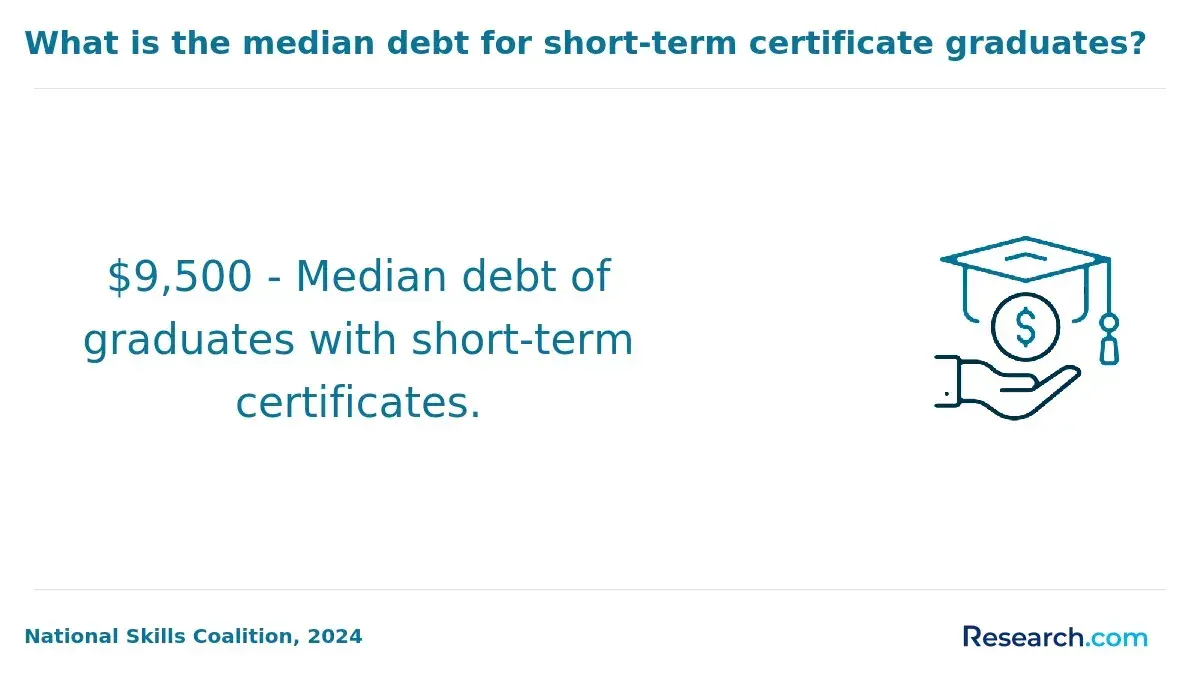
Choosing between short-term certificates and multi-year degrees in nutrition involves weighing time, cost, and employability within real labor market demands. Certificate programs, typically completed in 6 to 12 months, serve as pragmatic options for fitness professionals seeking foundational skills in sports nutrition or health coaching without long-term educational commitments. These programs usually cost between $1,000 and $5,000 and often come from community colleges or continuing education providers.
Associate degrees present a midpoint with a two-year timeframe and costs ranging from $6,000 to $15,000, offering a stronger base in nutrition science and applied human performance. In contrast, bachelor's degrees, often necessary for licensed dietitians or athletic trainers, require three to four years full time and can cost anywhere from $20,000 to over $60,000, influenced by institution type and residency. For example, a working trainer aiming to pivot as a performance nutrition coach might prioritize a 6- to 12-month certificate to expedite earning potential and market relevance.
Conversely, pursuing a licensure-required career demands a more significant upfront commitment but aligns with faster projected employment growth of 16% through 2030, according to U.S. Bureau of Labor Statistics data. These educational choices reflect not just credential acquisition but strategic alignment with workforce expectations, personal financial capacity, and realistic timelines for career impact in the nutrition and fitness sector.
What fitness and performance careers can you pursue with a nutrition degree?
Securing a role in fitness and performance nutrition increasingly requires a strategic blend of graduate education and practical credentials. Since 2024, the Commission on Dietetic Registration mandates that all new registered dietitian nutritionist (RDN) candidates hold a master's degree, signaling a decisive shift toward advanced qualifications as a baseline for entry. This raises the bar significantly for career entry and progression in fields like clinical sports nutrition or elite athletic performance.
For professionals within sports organizations or strength and conditioning environments, the ability to tailor meal plans and recovery protocols hinges on both academic grounding and hands-on experience. Employers expect evidence of applied skills through internships or collaborations, particularly in specialized roles intersecting nutrition and exercise prescription, which often require additional certifications beyond degrees. This reality can extend the timeline from education to employment.
Wellness roles in corporate or clinical settings emphasize behavioral coaching and data analysis capabilities, demanding graduates translate nutrition theory into scalable health initiatives. Candidates must navigate tradeoffs between immediately employable undergraduate credentials with certifications and longer, costlier graduate pathways that better align with professional standards.
What salary ranges and job outlook exist for nutrition-related fitness professions?
Salary trajectories for nutrition-focused fitness professionals vary significantly based on specialization, certifications, and geographic context. Registered dietitians working within elite athletic programs or sports medicine settings typically earn between $60,000 and $75,000 annually, often benefiting from integration with advanced performance data.
Conversely, entry-level roles like general fitness nutrition coaches or wellness app consultants start near $40,000, reflecting more limited technical responsibilities. Emerging cross-disciplinary positions that merge nutrition science with fitness technology and data analytics offer upward mobility, with salaries that can surpass $80,000.
These roles demand both advanced academic credentials and proficiency in interpreting biometric and user-generated health data, a skill set increasingly valued as the global digital fitness market exceeds $7 billion and grows at more than 17% CAGR through 2030. Employers actively prioritize candidates who complement accredited nutrition degrees with certifications in fitness technology or performance analytics.
Practical career growth often stalls without these supplementary qualifications, especially in dynamic settings like corporate wellness programs or professional sports teams where live biometric data informs personalized nutrition strategies. For those contemplating this pathway, it is critical to weigh the substantial commitment to ongoing training against the potential for differentiated employability and salary gains in a competitive, innovation-driven labor market.
Do fitness nutrition careers require certification or licensure, and how do you qualify?
Certification or licensure is a defining factor in fitness nutrition careers, directly influencing employability and the scope of practice. Roles involving clinical advice or medical nutrition therapy require a bachelor's degree in nutrition or dietetics, completion of an ACEND-accredited practicum, and passing the Commission on Dietetic Registration (CDR) exam to obtain Registered Dietitian Nutritionist (RDN) status.
Without these credentials, practitioners face constrained job opportunities, particularly in hospitals, clinics, or insurance-reimbursed settings. By contrast, fitness coaching or sports nutrition consulting roles, which exclude clinical interventions, typically rely on certifications such as Certified Specialist in Sports Dietetics.
However, these credentials are generally insufficient where state laws mandate licensure for nutrition advice. For example, a professional working with college athletes in Texas may operate under broader certification rules, but one counseling clients clinically in California must achieve state licensure post-RDN certification.
Key workforce implications include:
- Dietitian jobs growing at 10.7% annually with median salaries around $63,000 and top earners exceeding $77,000.
- The necessity of navigating varied, state-level licensure requirements before pursuing education.
- The critical role of supervised internships and national exams for eligibility in credentialed positions.
Those pivoting into nutrition from related fields should prioritize accredited online degrees that integrate required supervised practice to maintain competitive advantage. Failing to secure formal certification or licensure limits career mobility and earning potential, especially within medically oriented or performance-enhancement environments.
Other Things You Should Know About Nutrition
Most reputable online nutrition programs targeting fitness and performance careers require some form of supervised practical experience, such as internships or clinical placements. This is crucial because employers expect candidates to demonstrate applied skills, not just theoretical knowledge. When choosing a program, prioritize those with structured, facilitated fieldwork options that align with your career goals, as purely theoretical online degrees often limit immediate employability in hands-on roles.
Employers in fitness-focused nutrition roles emphasize evidence-based, sport-specific knowledge, alongside certifications or credentials related to exercise and performance. Graduates holding general nutrition degrees without specialized coursework or experience may face longer job search times or require additional certifications. Prioritize programs combining nutrition science with fitness and exercise modules to meet employer demand for professionals who understand the intersections of metabolism, physical training, and diet.
Accelerated programs can reduce time to completion but often come with increased weekly workload expectations and less flexibility. For working professionals, this tradeoff may lead to decreased learning retention or inadequate time for practical experience, especially if the program demands synchronous sessions. Evaluate whether an accelerated pace still includes hands-on components and if balancing work and study commitments will allow you to develop the applied skills employers expect.
References
- 38 high paying fitness jobs & careers in the wellness industry | Endeavour https://www.endeavour.edu.au/about-us/blog/high-paying-fitness-jobs-careers
- Best Sports Fitness Course: Online vs. In-Person Comparison https://www.thefitnessgrp.co.uk/which-sports-fitness-course-will-launch-your-career-compare-accredited-sport-fitness-courses-online-in-person/
- Distance Learning Course for Nutritionist | Oxford Learning College https://www.oxfordcollege.ac/news/distance-learning-course-for-a-nutritionist/
- Lift your Nutrition Knowledge and Career https://learning.optimumnutrition.com/
- Qualifications Needed to Become a Nutrition Coach | ISSA https://www.issaonline.com/blogs/nutrition/qualifications-needed-to-become-a-nutrition-coach
- Online ACE Personal Trainer from NHTI https://careertraining.nhti.edu/training-programs/health-nutrition-program/
- Home https://www.husson.edu/online/online-degrees/bachelor-of-science-in-nutrition-and-health
- How to Build a Career in Nutrition Coaching - Sigma Nutrition https://sigmanutrition.com/nutritioncareer/
- Become a Registered Dietitian Nutritionist https://www.eatright.org/become-an-rdn
- Best Online Master’s Degree Programs in Dietetics for 2025 https://www.onlinemastersdegrees.org/best-programs/nutrition/dietetics/