2027 Program Coordination Roles You Can Target With a Nutrition Degree

Co-Founder and Chief Data Scientist
Professionals with a nutrition degree often confront the challenge of identifying roles that leverage their specialized knowledge without requiring extensive clinical certification. As healthcare systems integrate broader community and wellness initiatives, an estimated 35% growth in program coordination positions related to nutrition and public health is predicted by the U. S. Bureau of Labor Statistics over the coming decade.
This shift reflects a demand for coordinators who can design, implement, and manage nutrition programs within schools, nonprofits, and corporate wellness plans. Navigating these emerging career paths requires clear insight into available program coordination roles and their varied qualifications. This article outlines targeted opportunities that align with a nutrition degree, enabling strategic career decisions focused on viable coordination roles.
Key Things You Should Know
- Program coordination roles tied to nutrition degrees face a 12% slower job growth than clinical dietitian positions, constraining advancement; candidates must weigh credential delays against roles emphasizing community outreach over clinical expertise.
- Employers increasingly prioritize candidates with combined skills in data analytics and nutrition, forcing degree holders into interdisciplinary reskilling or limiting entry to niche public-health program management roles.
- Median certification costs exceeding $2,000 and a two-year average credentialing timeline compress opportunities for rapid career pivoting, disproportionately affecting mid-career professionals targeting program coordination in government or nonprofit sectors.
What program coordination jobs can you pursue with a nutrition degree?
Program coordination roles with a nutrition degree typically demand balancing direct service design with administrative oversight, impacting both job function and career trajectory. For instance, a Community Nutrition Program Coordinator managing federally funded health initiatives must develop culturally sensitive nutrition curricula while ensuring strict regulatory compliance and budget adherence.
These positions require advanced project management abilities, interdisciplinary collaboration across healthcare and social services, and proficiency in measuring program effectiveness to secure ongoing funding. Nutrition degree career paths in program coordination frequently involve settings such as government agencies, healthcare systems, and non-profits. Employers emphasize demonstrated outcomes, like improved dietary habits or increased community participation, as key success indicators.
Transitioning professionals should weigh roles centered on grant writing and reporting against those involving hands-on nutritional counseling, as these focus areas shape daily responsibilities and satisfaction. Median annual wages for Community Nutrition Program Coordinators were $70,510 in May 2024, slightly below the overall occupational median of $73,850, illustrating the specialized yet public-sector-oriented nature of these jobs.
Selecting a career path aligned with strengths in data analysis, stakeholder communication, or program design is essential for sustainable advancement. Students evaluating this field should consider access to relevant training, including options such as an online bachelor's degree in nutrition, which can facilitate flexible entry into program coordination roles with a nutrition degree.
What does a nutrition program coordinator do in healthcare, community, and education settings?
The role of a nutrition program coordinator in healthcare settings involves more than aligning dietary services with patient care; it requires balancing regulatory compliance, patient preferences, and insurance constraints that directly impact program delivery. For example, coordinators must adapt nutrition therapy plans for chronic disease patients while navigating institutional policies, making real-time adjustments based on evolving clinical and budgetary realities.
This blend of operational oversight and clinical collaboration distinguishes coordinators who perform well. In community and education roles for nutrition program coordinators, the challenge multiplies. Coordinators in community organizations often work with vulnerable populations such as low-income families or the elderly, where securing funding and managing inconsistent participation are critical hurdles.
In educational settings, coordinators must manage food service compliance with federal and state meal standards. The sharp increase from 14% to 95% of U.S. schools meeting updated nutrition standards between 2010-2011 and 2022-2023 illustrates the intensified demand for coordinators able to juggle strict guidelines alongside budget and policy changes. This multifaceted responsibility calls for expertise in regulatory compliance, vendor supervision, and data-informed program revisions.
Often, successful coordinators engage in advocacy to sustain program viability while meeting diverse stakeholder expectations. For professionals seeking to pivot or advance their career, evaluating applicable academic pathways is paramount. Those considering such roles should examine various online programs for healthcare administration that emphasize both operational and community-engagement competencies.
Which types of nutrition degrees best prepare you for program coordination roles?
Nutrition degrees for program coordination careers must balance scientific expertise with administrative capacity, as employers seek candidates who can design and manage initiatives across diverse settings. For example, a corporate wellness coordinator develops scalable nutrition programs tailored to workforce demographics, drawing on courses in behavior change and organizational health. This operational demand favors bachelor's degrees in nutrition or dietetics that incorporate both food science and counseling skills.
More applied training such as a Bachelor of Science in Public Health Nutrition or Coordinated Dietetics Programs enriches employability by including supervised practice hours that establish competency in clinical, community, and food service settings. These programs offer versatility needed for managing cross-functional collaborations involving healthcare providers, HR, and vendors.
Master's degrees focusing on program development or policy improve strategic leadership qualifications but serve mainly advanced roles rather than entry-level positions. Employers also value candidates who complement nutrition expertise with project management or business administration credentials. For those considering advanced study, reviewing options like the master of healthcare administration may support effective program leadership beyond core nutrition knowledge.
Practical experience remains a critical hurdle: applicants without dietetic internships often find hiring more challenging despite academic credentials. With over half of large U.S. employers now offering wellness programs that include nutrition components, candidates must align training with employer preferences, choosing between clinically focused qualifications or interdisciplinary skills best suited for managing health initiatives.
How do online nutrition programs compare to campus-based options for future coordinators?
Students pursuing online nutrition programs benefit from scheduling flexibility and accessibility, especially when balancing employment, but the tradeoff often lies in limited direct patient interaction and hands-on clinical practicum opportunities critical for program coordination roles in clinical settings. Campus-based nutrition education advantages for future coordinators primarily stem from structured, supervised internships that cultivate skills aligned with employer expectations for hospital and healthcare facility nutrition services coordination.
For example, coordinators overseeing clinical nutrition must demonstrate real-time patient engagement skills, typically gained through campus programs' in-person labs and hospital rotations. The growing hospital demand for dietitians and nutritionists-up 36% between 2012 and 2024 per U.S. Bureau of Labor Statistics-reflects a shift to integrated nutrition services in inpatient care. Employers prioritize candidates with verifiable clinical experience tied to accredited programs, which campus-based pathways are better equipped to deliver.
Online offerings have adapted by integrating virtual simulations and remote practicum options, but these often fail to replicate the immediacy of supervisor feedback and multidisciplinary team exposure essential in coordinator roles. Decision-making for prospective students hinges on practical factors such as geographic mobility, access to clinical sites, and work-life balance. Students seeking best value nursing education online WGU models should proactively supplement online learning with in-person internships to remain competitive.
Graduates of fully online nutrition programs may need additional hands-on experience to overcome limited networking and mentorship opportunities that campus-based programs inherently provide. These distinctions shape the real-world readiness of coordinators who must translate academic knowledge into actionable care pathways in increasingly complex clinical environments where multidisciplinary collaboration is non-negotiable.
What accreditation and program quality standards should nutrition students look for?
Selecting an ACEND-accredited nutrition program is often a decisive factor in accessing credentialing routes like the Registered Dietitian Nutritionist (RDN) designation and meeting supervised practice components essential for program coordination roles. Non-ACEND pathways typically result in limited eligibility for such credentials, constraining employment opportunities, particularly in public health or complex community nutrition settings.
Program quality goes beyond accreditation. Employers expect demonstrable skills in policy analysis, population health management, and program evaluation-competencies crucial for managing scarce resources effectively. For example, with global nutrition funding reaching only half of estimated needs, coordinators must optimize limited budgets while satisfying diverse stakeholder requirements.
Applied learning opportunities in international and government agencies or community organizations are vital for developing practical coordination capabilities. Critical data literacy and impact measurement expertise enable coordinators to justify funding and adjust interventions responsively, shaping program success.
Nutrition curricula that foster interdisciplinary collaboration across sectors such as healthcare, agriculture, and education better equip graduates for leadership roles demanding both scientific insight and operational acumen. Absence of such integrated training risks producing professionals underprepared for evolving workforce expectations.
- ACEND accreditation directly influences credential eligibility and employer recognition.
- Program emphasis on evaluation and resource management aligns with real-world funding constraints.
- Hands-on experience in diverse settings develops essential coordination skills.
- Data proficiency supports continuous program improvement and accountability.
- Interdisciplinary training prepares students for cross-sector collaboration demands.
What core courses and skills are essential for nutrition program coordination work?
Effective coordination roles in nutrition demand more than foundational knowledge; they require navigating complex operational and management challenges within diverse settings. Core coursework-ranging from advanced nutrition science and biochemistry to public health principles and program evaluation-forms the baseline. However, success hinges on integrating these with proficiency in interpreting dietary guidelines and nutritional assessments to create practical, outcome-driven interventions.
For instance, a Sports and Performance Nutrition Program Director must balance deep metabolic and physiological expertise with managerial acumen to lead multidisciplinary teams for athletes with varying needs. With the U.S. sports nutrition market valued at $51.9 billion in 2024 and anticipated 7.5% annual growth through 2030, program directors must also adapt to evolving market demands and regulatory shifts.
Technical skills in nutrition-specific software and data platforms enhance reporting accuracy and compliance, while cultural competence is essential to effectively deliver nutrition education across populations. Employers expect candidates to translate scientific data into scalable programs within budgetary and logistical constraints, often managing tensions between clinical standards and community engagement.
Nutrition coordinators typically engage in cross-sector scheduling, grant writing, and rigorous program impact assessment, requiring strong project management and communication skills. These demands highlight real-world tradeoffs-such as balancing time-intensive coordination tasks with strategic planning-underscoring the importance of applied skills directly aligned with workforce needs.
What are typical admission requirements and program lengths for nutrition degrees?
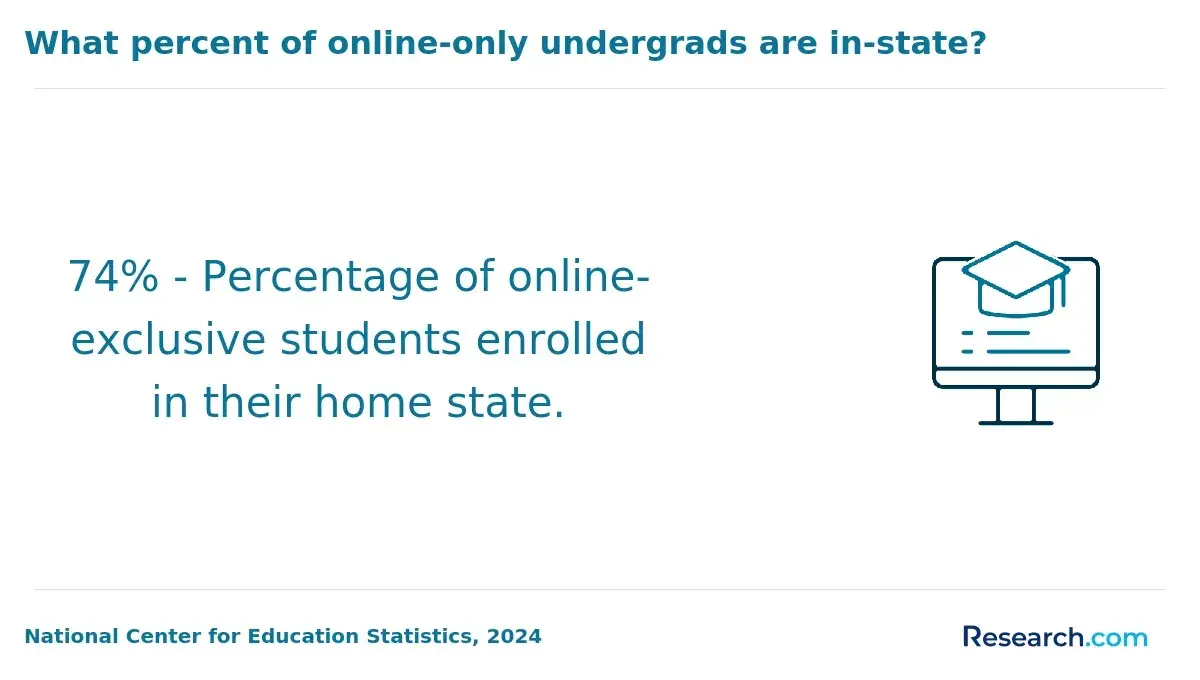
Entry into nutrition degree programs demands more than baseline academic credentials; selective programs often require a high school diploma supplemented by coursework in biology, chemistry, and mathematics with a GPA near 3.0. Applicants should anticipate standardized test submissions, although test-optional policies are growing. For graduate studies, candidates need a relevant undergraduate degree with courses in biochemistry and physiology, alongside letters of recommendation and healthcare or foodservice experience to remain competitive.
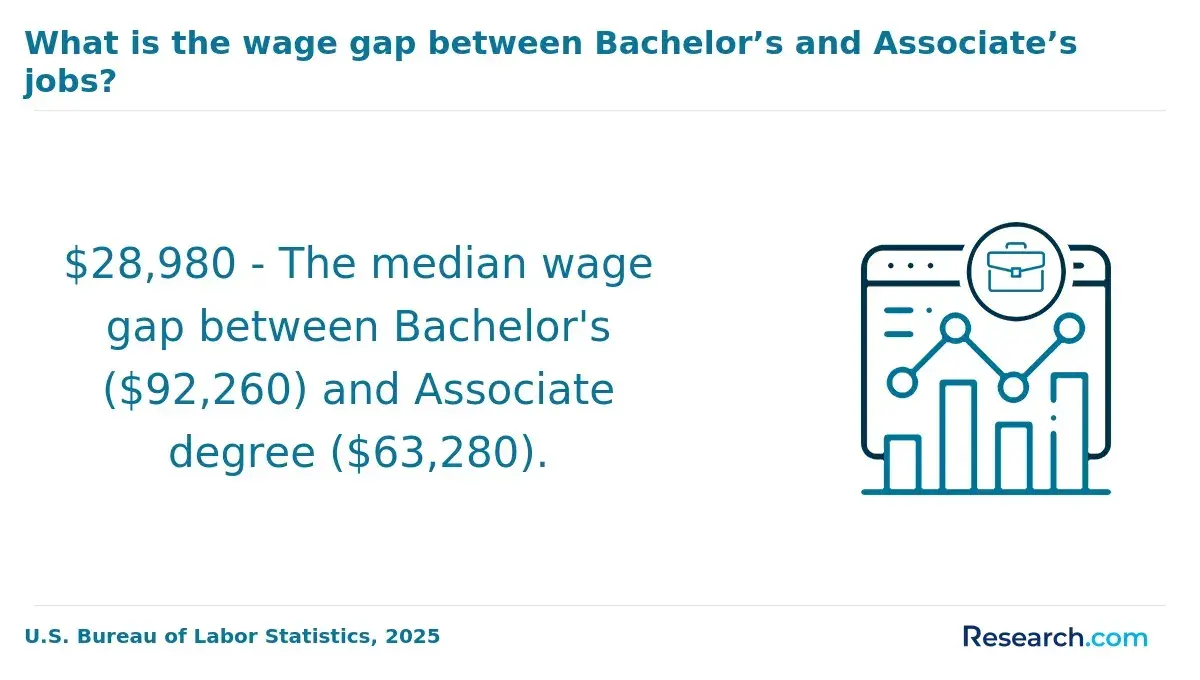
Program duration profoundly affects career trajectory. Associate degrees (~2 years) enable access to entry-level positions such as dietary technicians but may limit advancement potential. Bachelor's programs (typically 4 years) are critical for eligibility for the registered dietitian nutritionist (RDN) credential via accredited Didactic Program in Dietetics (DPD) curricula, essential for clinical and community nutrition roles.
Master's degrees (1.5-2 years post-bachelor's) are becoming the emerging baseline for RDN credentialing due to updated Commission on Dietetic Registration requirements effective 2024. Doctoral programs, which generally last 3-5 years, focus on research and leadership paths with fewer immediate job opportunities outside academia or specialized institutions.
The workforce landscape notably favors candidates with both foundational knowledge and applied skills in foodservice and menu planning, increasingly pertinent as 81% of U.S. hospitals implement formal healthier food policies by 2024. Graduates targeting nutrition coordinator roles in complex clinical or institutional settings should weigh programs offering accredited practicum hours and supervised internships, which correlate strongly with employer expectations for managing dietetic standards and regulatory compliance.
What is the salary range and earning potential for nutrition program coordinators?
Salary offers for nutrition program coordinators vary sharply based on organizational scale, funding source, and geography, ranging from about $45,000 to $75,000 annually. Federal and state-funded roles tied to large programs like SNAP-Ed demand advanced grant management and reporting abilities, placing salaries toward the upper spectrum due to regulatory complexity and accountability expectations. Conversely, coordinators at small nonprofits often confront budget constraints, aligning their pay closer to entry levels.
Real-world hiring decisions weigh skill diversification heavily; healthcare or corporate wellness employers increasingly expect data analytics and communication competencies beyond core nutrition expertise, influencing both salary and role suitability. Practitioners responsible for managing programs serving millions encounter intense performance scrutiny, with merit-based increases tied to demonstrated impact, not just tenure.
Geographic wage disparities reflect local cost-of-living adjustments, where urban roles can command 10-20% more than rural counterparts but often entail greater workload intensity and travel. Salary progression over five to seven years depends substantially on proven results in scaling nutrition education, as well as strategic funding acquisition, with managerial or policy-specialist tracks able to exceed $80,000 annually.
What is the job outlook for nutrition-focused program coordination roles in the U.S.?
Employers with large workforces increasingly demand coordinators who can translate complex nutrition policies into actionable business strategies. Amid a rise in formal food and nutrition programs-74% adoption among employers with 5,000+ employees-candidates must combine expertise in nutrition science with capabilities in program design, compliance tracking, and data analytics. These roles often situate within broader ESG frameworks and benefits management, requiring fluency in cross-departmental collaboration with HR, legal, and health insurers.
Practical challenges include selecting appropriate intervention metrics and reporting outcomes that reflect workforce diversity and meet shifting regional regulations. Compared to clinical nutrition roles, program coordinators in corporate or nonprofit settings face a tradeoff. Broader systemic influence comes at the cost of less direct patient contact.
Professional development in data-driven policy management is essential to navigate these demands and remain relevant. Employers' prioritization of employee wellness signals stable demand, but this growth favors candidates adept at integrating nutrition knowledge with organizational strategy and operational execution. For students or professionals considering this path, the reality involves mastering both scientific content and business acumen under evolving regulatory and corporate pressures.
How can students choose reputable schools and build a strong path into coordination roles?
Effective pathways into research and evaluation coordination roles in nutrition hinge on targeting accredited programs closely tied to government or public health projects. Students emerging from universities embedded in federally funded community health initiatives possess practical skills and competencies that align directly with employer priorities. For instance, candidates with internships linked to CDC- or USDA-backed nutrition intervention studies demonstrate real-world experience that significantly improves employability in these roles.
The recent 65% surge in PubMed publications on nutrition interventions between 2014 and 2024 reflects an expanding market for professionals proficient in data analysis, grant management, and applied research. Therefore, curricula that integrate biostatistics, project management, and hands-on community partnerships more accurately prepare students for the quantitative and collaborative demands intrinsic to research coordinator positions.
Decision-making about program selection involves a key tradeoff: large research institutions offer extensive resources and broad research opportunities but may lack targeted practitioner training, whereas smaller programs specializing in regulatory compliance and grant administration provide focused preparation particularly valued in nonprofit or governmental sectors.
Additional factors such as faculty expertise in federally recognized Nutrition research, a strong alumni network with demonstrable employment outcomes in evaluation roles, and courses incorporating applied research methods are critical for ensuring that educational investments translate into effective career trajectories.
Other Things You Should Know About Nutrition
In 2027, a nutrition degree can lead to roles such as community nutrition program coordinator, wellness program director, school nutrition program manager, or corporate wellness coordinator. These positions often require skills in nutrition science, program management, and community outreach.
Employers in nutrition program coordination prioritize hands-on experience alongside academic credentials. Internships, practicum placements, or volunteer roles offering direct program management and community engagement are often more influential for hiring than coursework alone. Candidates should focus on integrating real-world assignments during their studies to build relevant skills and demonstrate capability in overseeing nutrition initiatives effectively.
Choosing a specialization such as public health nutrition or clinical nutrition impacts the types of coordination roles accessible post-graduation. Public health nutrition specializations align better with community programs and policy implementation roles, while clinical nutrition may limit coordination opportunities largely to healthcare settings. When selecting a program, evaluate how each specialization directs you toward your preferred work environment and the scope of coordination responsibilities available.
Nutrition program coordinators must manage budgets, teams, and stakeholder communication in addition to understanding nutrition science. Programs that combine management, leadership, or business coursework with scientific nutrition content better prepare students for these multifaceted responsibilities. Prioritize programs offering interdisciplinary training to increase employability and effectiveness as coordinators in diverse organizational contexts.
References
- Health, Wellness, and Nutrition Coordinator | Truest https://www.truest.me/careers/health-wellness-and-nutrition-coordinator
- Building Pathways to Career, Connection, and Choice https://ilsuccessnetwork.org/building-pathways-to-career-connection-and-choice/
- Home https://www.husson.edu/online/blog/2024/03/careers-in-nutrition-and-wellness
- Nutrition Degree Programs Guide 2026 https://www.publichealthonline.org/nutrition/degree-programs/
- Top 35 Online Nutrition and Dietetics Programs https://becomeanutritionist.org/top-35-online-nutrition-and-dietetics-programs/
- Career Pathway Programs Fall Short and How States Can Improve https://tntp.org/blog/most-career-pathway-programs-arent-preparing-students-for-good-jobs/
- It's Time to Level the Post-Secondary Playing Field: Six Principles for Building a Career Pathways Program - FullScale https://www.fullscalelearning.org/cw/its-time-to-level-the-post-secondary-playing-field-six-principles-for-building-a-career-pathways-program/
- How Schools Can Support College and Career Readiness https://www.onegoal.org/about/blog/how-schools-can-support-college-and-career-readiness/
- Master's in Nutrition Prerequisites | University of Bridgeport https://www.bridgeport.edu/news/masters-in-nutrition-prerequisites/
- Achieving Balance in the Food Service & Nutrition Manager Role – Nutrition Month 2024 | CHA Learning https://chalearning.ca/achieving-balance-in-the-food-service-and-nutrition-manager-role/