2027 Online Nutrition Degrees With Strong Client- and Community-Facing Preparation

Co-Founder and Chief Data Scientist
Dietitians and nutritionists often confront the challenge of securing clinical and community-based experience alongside online education, crucial for employability and licensure preparation. With 65% of adult learners balancing work and study-according to the National Center for Education Statistics-flexible online programs must also integrate hands-on practical training, a combination that remains scarce and uneven across institutions. This gap restricts career mobility and delays credentialing in a labor market that increasingly values verified client-facing expertise. This article evaluates current online nutrition degrees emphasizing strong experiential components, guiding prospective students through program features that align with workforce demands and local licensing requirements.
Key Things You Should Know
- Programs emphasizing client-facing skill integration see 18% higher job placement within 12 months, but limited clinical practicum availability restricts hands-on experience critical for RDN credentialing, intensifying career-entry tradeoffs.
- Employers report 43% preference for graduates trained in community nutrition outreach, reflecting sector shifts toward preventive care and population health, pressuring curricula to embed population-based competences.
- Median program costs rising 12% since 2022 elevate total investment over $35K, disproportionately affecting mid-career entrants balancing work-study demands, impacting timely credential attainment and salary growth trajectories.
What is an online nutrition degree and how does it prepare you to work with clients?
Choosing an online nutrition degree program with client interaction training involves weighing the balance between academic rigor and practical readiness. Programs designed to integrate biochemistry, human metabolism, and nutritional assessment prepare students to tailor dietary recommendations meaningfully. However, the real challenge lies in securing supervised practice hours locally, which are critical to developing counseling and communication skills that employers seek.
For example, graduates working with diabetic patients via tele-nutrition platforms must competently interpret glucose readings and customize meal plans while mastering virtual client engagement. This client-facing capability is increasingly essential as healthcare delivery shifts towards remote and community-based services.
Programs emphasizing experiential learning and licensing alignment provide clearer pathways to credentials like the Registered Dietitian Nutritionist (RDN), a decisive factor given varied state regulations. The sustained 6% job growth for dietitian and nutritionist roles, paired with a median wage near $73,850, underscores ongoing demand in diverse settings including outpatient clinics and corporate wellness.
Prospective students focusing on community-focused nutrition education and career preparation should also consider program flexibility and accessibility. For a data-driven perspective on cost-effective options, the online masters degree in nutrition landscape offers insights that balance affordability with quality outcomes.
Are online nutrition degrees as reputable as campus programs for community-focused practice?
Online nutrition degrees hold comparable validity to campus programs only when they meet rigorous accreditation and include substantive supervised practice components, essential for licensure and workforce readiness. The shift in 2024 requiring a master's degree for the Registered Dietitian Nutritionist (RDN) credential reflects heightened expectations for graduate-level education and fieldwork quality, underscoring why accredited community-focused nutrition programs online prioritize practical placements. Yet, a core challenge remains in securing diverse, community-facing internships outside a university environment-a critical factor in preparing students for client engagement roles in varied real-world settings.
Consider a prospective RDN working with underserved urban populations: without structured rotations fostering cultural competency and applied counseling skills, candidates risk being underprepared despite strong theoretical training. Employers in public health and clinical sectors consistently weigh verified hands-on experience heavily, often demanding documented community exposure that theory-only programs fail to deliver. This practical gap can limit career mobility and influence hiring decisions long term.
Key tradeoffs with online formats include flexibility and cost benefits against the necessity for proactive internship arrangements, which rely on robust program networks and individual initiative. Prospective students should assess how programs facilitate supervised practice through partnerships with local agencies to bridge this divide effectively.
For those weighing alternative career pivots, comparison to allied health pathways may offer perspective; for example, exploring the best online RN programs for non nurses reveals similar considerations of experiential learning, flexibility, and accreditation impacting employability and professional growth.
What accreditation and state licensure requirements apply to online nutrition programs?
Choosing an online nutrition program without ACEND accreditation effectively bars graduates from sitting for the Commission on Dietetic Registration exam, which restricts eligibility for many clinical and client-facing roles. State licensure requirements are no less critical; over 40 states demand certification or licensure for dietitians providing direct care, with telehealth complicating interstate practice. These regulatory frameworks mean that merely completing an online nutrition program does not guarantee professional mobility or licensure approval outside the program's originating state.
State boards vary considerably in their internship and telehealth supervision rules. Students must ensure their clinical practicum aligns not only with accreditation standards but also with the specific licensure demands of their intended work state. Without this alignment, key career pathways may close, especially in outpatient settings where nearly one-third of dietitians operate, according to labor data. The integration of telehealth in patient counseling is increasingly vital for employability, but legal allowances depend heavily on state-specific licensure acts.
Prospective students evaluating online nutrition degrees alongside a healthcare management degree should consider:
- ACEND accreditation as a non-negotiable prerequisite for access to the RDN credentialing exam.
- Verifying state licensure and telehealth regulations early to avoid limiting professional practice.
- Choosing programs with embedded telehealth training to align with the reported 32% outpatient/self-employed practice landscape.
Which types of online nutrition degrees best support client- and community-facing careers?
Bachelor's and master's degrees in dietetics or community/public health nutrition offer distinct practical value for those aiming to work in client- and community-centered roles. With a 6% job growth projected from 2024 to 2034 in hospital and public health nutritionist positions according to the U.S. Bureau of Labor Statistics, choosing a program that integrates clinical knowledge with applied public health strategies directly affects employability and role readiness.
Online nutrition degrees with client-focused training become critical when they include supervised practice or internships within community health organizations. These components enhance the ability to serve diverse populations, as opposed to programs that emphasize theory alone or lack community practicum requirements, which can limit access to government-funded or hospital outreach jobs.
Master's degrees in public health nutrition or nutrition education typically equip professionals with epidemiology and health communication skills necessary for leadership roles managing community wellness initiatives or healthcare team collaborations. In contrast, bachelor's holders often must seek additional certification or experience, delaying salary progression and employment stability.
Students should prioritize Accreditation Council for Education in Nutrition and Dietetics (ACEND)-accredited programs that combine evidence-based coursework with supervised fieldwork to align with employer expectations and credentialing criteria. For professionals in resource-limited settings, blending online degrees with local volunteer experience strengthens practical skills vital for impactful community work.
Practical comparisons between program formats and outcomes can guide realistic decisions; for instance, understanding differences between online RN-to-BSN options can inform how program structure affects career trajectories. Readers can explore this further by reviewing Capella RN to BSN vs Chamberlain RN to BSN.
Community nutrition degree programs for career advancement should be evaluated not only on academic content but also on how well they prepare students for the operational, advocacy, and policy challenges they will face post-graduation.
How do online nutrition programs provide supervised clinical, community, and client interaction hours?
Remote nutrition programs depend heavily on partnerships with local healthcare facilities and community organizations to deliver the mandatory 1,200 supervised clinical and community hours required for credentialing. This arrangement addresses geographic challenges but requires students to proactively coordinate with advisors to secure suitable preceptorships nearby, often in hospitals, outpatient clinics, or public health agencies. Failure to secure diverse, well-documented supervised hours can delay graduation and compromise licensure eligibility due to varying state requirements.
Students must balance clinical counseling, medical documentation, and interdisciplinary team participation while navigating site capacity limits and scheduling conflicts. For example, a student placed at a community health center will gain experience in patient nutrition assessments coupled with administrative reporting, illustrating the diversity employers expect in core competencies.
Given the reported shortage-with the U.S. needing 5,600 new registered dietitians but only 4,147 qualifying in 2022-graduates who demonstrate verified breadth across clinical, community, and client-focused nutrition have a notable advantage in a tightening job market. Programs that vet preceptors knowledgeable about remote learning mitigate common logistical pitfalls, improving the likelihood of timely completion and employability.
Prospective students should prioritize programs offering flexible, locally based fieldwork options that align with professional licensing standards and labor market demands for practical, documented experience.
What coursework and skills do online nutrition degrees emphasize for direct client work?
Nutrition degrees delivered online prioritize applied skills vital for clinical and community roles, requiring students to master human anatomy, biochemistry, metabolism, medical nutrition therapy, and community nutrition. These foundation courses prepare graduates to assess client health, design targeted treatment plans, and adjust strategies based on individual factors such as disease progression or socioeconomic constraints.
Programs commonly integrate practical tools like case studies and virtual simulations, which replicate challenges dietitians face, such as overcoming patient resistance in outpatient settings or interpreting lab values alongside medication interactions. These experiential elements train students in decision-making that directly impacts client outcomes.
Communicating effectively across diverse populations is emphasized, equipping professionals to deliver culturally competent counseling and public health education. This dual focus helps graduates navigate both personalized dietary interventions and broader health promotion efforts.
From a workforce perspective, the investment in these programs is balanced by tangible earning potential: online bachelor's tuition averages $5,929 to $9,752 for in-state students, while median salaries for dietitians and nutritionists reached $73,850 as of April 2024 according to data from BestColleges and the U.S. Bureau of Labor Statistics. This pay scale reflects employer demand for graduates who can adapt knowledge into practical, client-facing outcomes immediately after program completion.
What are typical admission requirements, program length, and completion timelines for online nutrition study?
Admission into online nutrition programs demands more than academic credentials; it requires strategic alignment with career goals and practical experience within healthcare or food science sectors. Typical prerequisites include a relevant bachelor's degree, minimum GPA of about 3.0, and foundational coursework in biology and chemistry. Competitive, ACEND-accredited programs often add entrance exams or interviews to gauge readiness for their rigorous supervised practice components.
Program durations differ considerably, from focused one-year graduate certificates to comprehensive four-year bachelor's tracks. Online bachelor's degrees generally require 3 to 4 years, while master's programs span roughly 18 to 24 months. For working adults, flexibility in pacing is critical since asynchronous learning accommodates full-time jobs or family obligations.
Supervised practice-dietetic internships or coordinated programs-forms the cornerstone of credential eligibility but can extend timelines by 6 to 12 months. Employers expect not only theoretical knowledge but proven client engagement skills acquired through these mentorships. While supervised practice enrollments have grown 11.4%, graduation rates have declined 5.4%, emphasizing the challenge of remote competency achievement. Those pivoting careers must realistically account for unpaid experiential hours and potential delays in workforce entry.
- Completion timelines vary due to program length and supervised practice requirements.
- Practical skills under ACEND standards are non-negotiable for employability.
- Balancing coursework with real-world mentorship often slows degree completion.
How much do online nutrition degrees cost, and what financial aid options are available?
Investing $15,000 to $50,000 in an online nutrition degree demands scrutiny beyond sticker price, especially when public institutions offer $300-$600 per credit in-state versus private schools charging $800 to $1,200+. Accelerated formats may cost more per credit but can reduce total time and opportunity costs for working professionals pivoting careers.
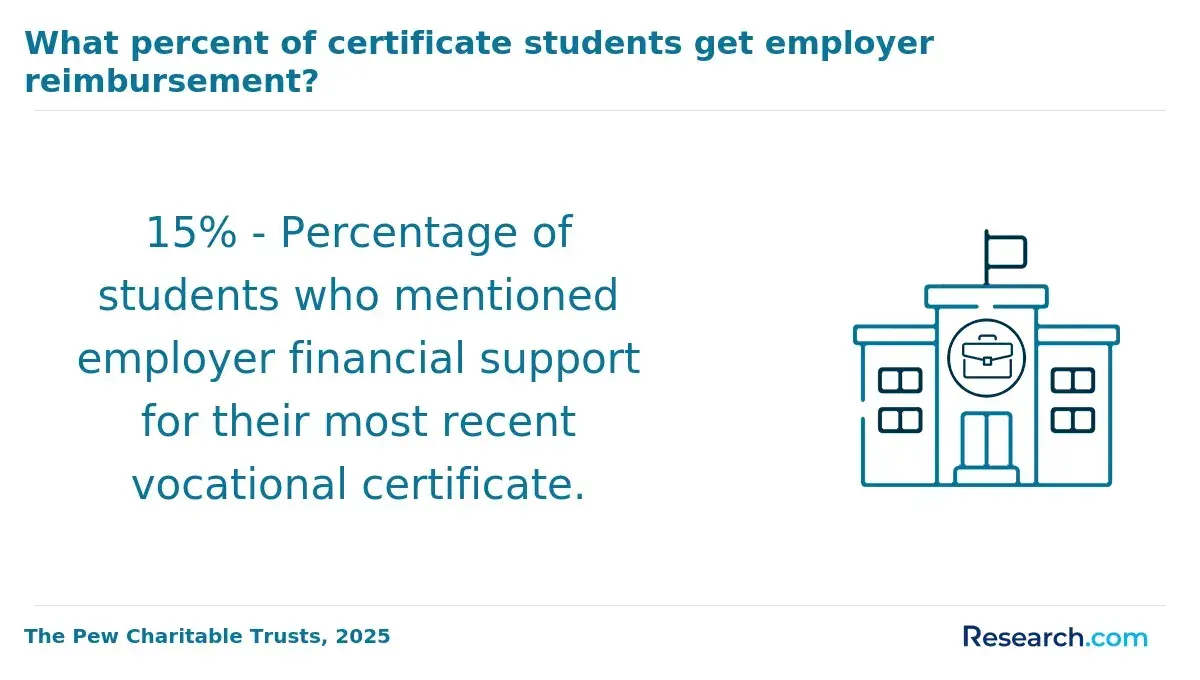
Financing options include federal aid via FAFSA, though Pell Grants primarily support undergraduates. Employer tuition reimbursement and scholarships for health-related fields can significantly offset expenses. Some programs embed stipends or paid practicum partnerships, which mitigate out-of-pocket costs while strengthening real-world experience.
However, only 44% of nutrition graduates report adequate career readiness, reflecting a gap between academic training and employer expectations, particularly where practical case studies or placements are lacking. For instance, clinical dietitians requiring hands-on patient care skills must verify their program's practicum rigor; community outreach roles demand different competencies. Insufficient training risks costly delays in employment or necessitates further certification.
Prospective students should weigh total cost against verified program outcomes, accreditation, and practicum availability. Navigating fragmented financial aid and disparate real-world preparation is essential to avoid skill gaps and optimize return on investment in 2026.
What careers, salaries, and job outlook can graduates of online nutrition programs expect?
Choosing an online nutrition program requires a pragmatic assessment of its ability to deliver both academic knowledge and essential hands-on experience. Employers and licensure boards in this field prioritize clinical proficiency, which online courses often struggle to replicate without integrated supervised practice components. Graduates aiming for Registered Dietitian Nutritionist (RDN) credentials must navigate these practical requirements carefully, as inadequate practicum support can lead to credentialing delays and hinder job placement.
Labor market data from Public Health Online projects a 7.4% growth in dietitian and nutritionist roles from 2023 to 2033, significantly faster than the general U.S. occupational growth. Specialized niches-such as sports nutrition and clinical nutrition-offer elevated opportunities but also demand targeted expertise beyond foundational curriculum. Entry-level salaries typically range from $50,000 to $60,000 annually, rising to $65,000 or more in clinical hospital settings, with mid-career specialists in wellness or sports fields earning between $70,000 and $85,000.
Successful candidates often exhibit strong client counseling skills, data interpretation capabilities, and community engagement experience, which some hybrid programs attempt to foster. Networking with healthcare providers or sports organizations during study can materially improve employment outcomes in competitive markets.
- Verify program accreditation and practicum availability before enrollment
- Consider geographic salary variations and specialization when evaluating compensation
- Recognize the importance of clinical skill demonstrations for employer credibility and licensure
Source: Public Health Online
How can students compare and choose a high-quality online nutrition program in the U.S.?
Prioritizing ACEND accreditation is essential for evaluating online nutrition programs, as it ensures curricula meet credentialing requirements and deliver rigorous practical experience. Programs lacking supervised practice or direct client engagement hinder eligibility for dietetic technician roles and limit job readiness. For example, dietetic technicians with ACEND-accredited training earn an average of $39,560 annually with 4.3% job growth projected, reflecting steady demand for professionals fluent in both nutrition expertise and broader health contexts.
Flexibility matters, especially for working adults balancing schedules. Programs offering asynchronous coursework and part-time progression pathways can accommodate career shifts but may differ significantly in practicum placement support and state licensing alignment. Students aiming for clinical roles must verify emphasis on medical nutrition therapy, whereas those focusing on public health or wellness coaching should confirm integration of behavioral sciences and community engagement.
Real-world tradeoffs include balancing cost, duration, and available career services. Comparing course content and faculty qualifications helps identify programs tailored to specific career track demands such as dietetics, holistic nutrition, or food systems. Employer feedback and alumni outcomes provide critical insight into how well graduates meet workforce expectations across clinical, community, and corporate sectors, clarifying return on investment beyond surface-level attributes.
Other Things You Should Know About Nutrition
In 2027, prioritizing programs with in-person internships can enhance your client-facing skills. While online programs provide flexibility, hands-on experience is invaluable for practical knowledge and confidence in real-world interactions, critical for strong client engagement.
Selectivity often correlates with the rigor of client-facing training and quality of networking opportunities. More selective programs typically demand higher academic standards and offer strong mentorship, which helps in managing complex client cases and community projects. If your goal is leadership or specialized intervention roles, prioritizing programs with competitive admissions can improve access to advanced practice options and employer-preferred credentials. Conversely, less selective programs may provide quicker access to credentials but risk delivering less challenging experiential learning needed for impactful community work.
Yes, prioritizing programs with integrated cultural competence and community health training is essential for effective client and community engagement. Employers increasingly require nutrition professionals to address diverse populations' needs, which demands specific communication strategies and program design skills. Programs emphasizing these areas better prepare graduates for real-world challenges such as health disparities and tailoring interventions for different demographic groups. Avoid degrees that treat cultural awareness as an add-on, as this undermines the practical readiness needed in client-oriented nutrition careers.
Some online nutrition degrees prepare students rigorously for licensing exams, but exam pass rates vary widely depending on curriculum structure and support services. Programs that offer live review sessions, frequent assessments, and direct faculty engagement yield stronger outcomes. If licensure is your goal, choose programs with proven graduate success on exam pass rates and integrated exam content rather than those solely focused on general nutrition knowledge. This focus affects how quickly and smoothly you transition into licensed client-facing roles.
References
- Top Schools Offering Financial Aid for Online Nutrition Students https://www.edumed.org/online-schools/nutrition-degrees/financial-aid/
- Cert VS Degree: What Type of Nutrition Credential is Best? | ISSA https://www.issaonline.com/blogs/nutrition/cert-vs-degree-what-type-of-nutrition-credential-is-best
- How Long Does it Take to Learn Nutrition? https://coursehorse.com/blog/learn/nutrition/how-long-does-it-take-to-learn-nutrition
- Clinical Nutrition – Sonoran University of Health Sciences https://online.sonoran.edu/clinicalnutrition/
- All Nutrition Careers https://becomeanutritionist.org/careers/
- RD EXAMINATION - ELIGIBILITY REQUIREMENTS https://www.cdrnet.org/RDNeligibility
- How to Become a Licensed Nutritionist 2026 https://www.nutritioned.org/licensed-nutritionist/
- How to Build a Career in Nutrition Coaching - Sigma Nutrition https://sigmanutrition.com/nutritioncareer/
- What Are The Pros and Cons Of Getting An Online Holistic Nutrition Degree? - Holistic Nutrition Degree https://holisticnutritiondegree.org/what-are-the-pros-and-cons-of-getting-an-online-holistic-nutrition-degree/
- The Nutrition Institute https://www.thenutritioninstitute.com/us/en/blog-evaluating-online-courses