2027 Best Online Nutrition Programs for Professionals Seeking Public Health Nutrition Careers

Co-Founder and Chief Data Scientist
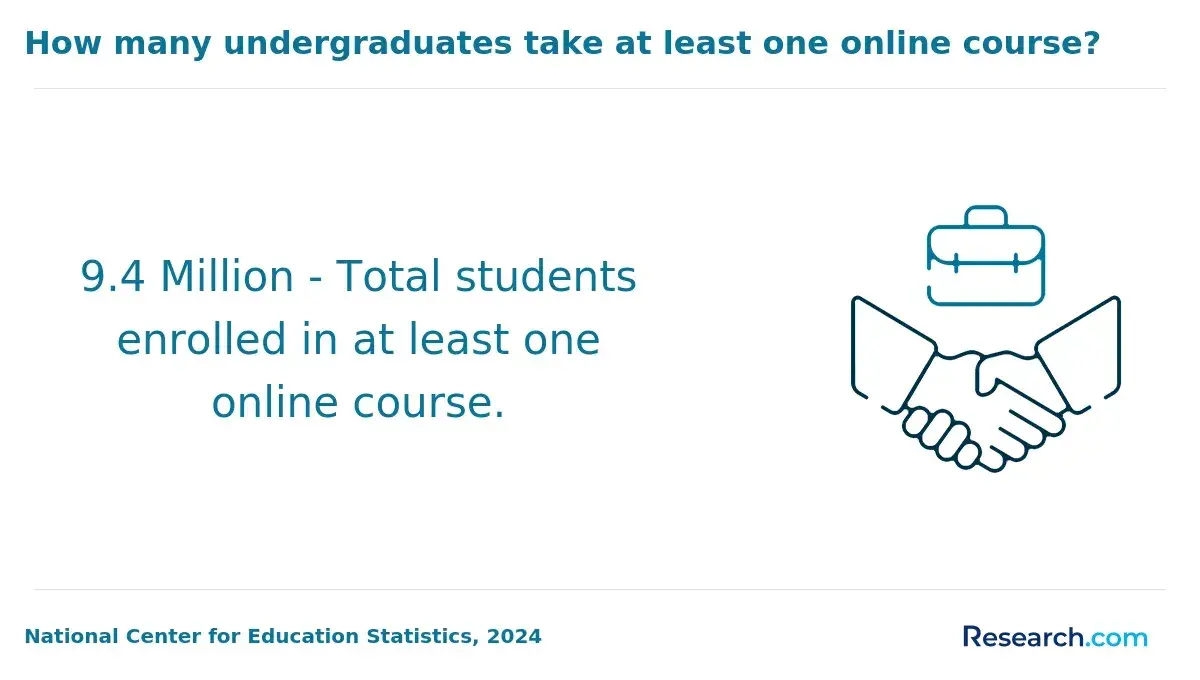
Balancing a full-time job with advancing your public health nutrition qualifications poses a significant barrier for many professionals. With employer demand for specialized knowledge rising steadily, delaying further education can narrow career progression and reduce long-term earning potential. A 2024 National Center for Education Statistics report found a 17% increase in online enrollments among adult learners in accredited nutrition and health programs, signaling a shift towards flexible, accessible education formats essential for working professionals. This article evaluates the top online nutrition programs tailored to those seeking strategic growth in public health nutrition, providing critical insights to help navigate program quality, flexibility, and workforce readiness efficiently.
Key Things You Should Know
- Employers in public health nutrition prioritize candidates with RDN credentials, underscoring that non-accredited online programs reduce immediate employability but may accelerate via supervised practice alternatives, per Academy data.
- The median wage for public health dietitians rose 8% from 2022 to 2024, while tuition inflation in fully online programs outpaces federal loan limits, forcing candidates to weigh return-on-investment against faster entry timelines.
- States vary significantly in licensing reciprocity; graduates from nationally accredited online nutrition programs face delayed credentialing in 17 states, creating regional workforce bottlenecks analyzed in recent CDC workforce reports.
What are the best online nutrition programs for public health careers?
Choosing among the best online nutrition programs for public health professionals requires evaluating how well curricula align with employer demands and workforce realities. In practice, program affordability-reflected in a median annual tuition near $11,255 and even lower in-state rates-can be a decisive factor for working adults balancing income and study.
Core competencies such as community health assessment, epidemiology, and program planning directly inform job readiness in government, non-profits, and health systems. For example, candidates targeting local health departments should prioritize programs with practical internships or capstone projects that offer tangible experience in population nutrition interventions.
Programs that integrate policy analysis, grant writing, and data analytics tend to accelerate placement, especially as social determinants of health grow central to public health nutrition strategies. The choice between self-paced asynchronous formats and structured synchronous cohorts hinges on individual work schedules and networking needs, reflecting real tradeoffs in flexibility versus peer engagement.
Professional credentialing pathways, including eligibility for Registered Dietitian Nutritionist or Certified Nutrition Specialist certification, significantly influence program ROI and employability.
Employers prioritize demonstrated applied skills over brand recognition, making accredited programs with substantial practicum components most effective for career transition. For additional perspective on advanced training options, consider reviewing top dietetics masters programs.
The landscape of top accredited online nutrition degrees for public health careers requires discerning selection based on these factors rather than surface-level prestige.
Are online nutrition degrees accredited and respected by employers?
Employers hiring for public health roles consistently prioritize accredited online nutrition degrees in the United States, particularly those aligned with the Accreditation Council for Education in Nutrition and Dietetics (ACEND) standards. This accreditation is critical because it ensures that graduates have met professional competencies necessary for Registered Dietitian Nutritionist (RDN) credentialing, a common requirement for many federal nutrition programs and government positions.
Graduates from accredited programs who have completed supervised practice hours generally compete equally with on-campus alumni in the hiring process. In contrast, candidates with degrees from unaccredited or clinically deficient programs often face restricted eligibility and may struggle to meet evidence-based competency requirements demanded by employers in public health nutrition.
The demand for dietitians and nutritionists is projected to grow 11% between 2018 and 2028, which is more than twice the average for all occupations, emphasizing the workforce value of choosing accredited online public health nutrition programs. Prospective students must carefully assess a program's accreditation and access to local supervised internships to avoid gaps in clinical training that can limit licensure options and employment prospects.
For those evaluating pathways to advance in health-related fields, considering alternatives like the easiest RN to BSN program may also be relevant when determining how best to position themselves within a competitive healthcare job market.
What coursework do online public health nutrition programs include?
Practical outcomes in online public health nutrition coursework hinge on mastering interwoven disciplines: advanced nutritional science, epidemiology, policy analysis, and program management. For instance, students assigned to tribal health services must not only apply culturally specific dietary frameworks but also handle complex federal grant reporting, a scenario rarely replicated in generic curricula. Core subjects in public health nutrition programs include biostatistics and data interpretation, essential for translating surveillance data into interventions targeting obesity, food insecurity, or chronic disease at the population level.
Employers increasingly demand familiarity with federal nutrition programs such as WIC and SNAP, coupled with an ability to navigate legal and economic frameworks underpinning these initiatives. Practical training often involves virtual or in-person internships within health departments or nonprofits, where real-world communication and cross-sector collaboration skills are tested-the gap between theoretical knowledge and workforce expectations can be significant here.
Current median wages for dietitians and nutritionists in the U.S. hover around $69,680 annually, with upper earners exceeding $95,000, underscoring the importance of data-driven policy skills and community-specific interventions in boosting employability and salary potential. Prospective students weighing their options should also consider pathways like a healthcare administration degree to complement nutrition expertise for broader leadership roles.
How do online nutrition programs differ from campus-based options?
Online nutrition programs offer distinct flexibility advantages compared to campus-based learning, influencing both career outcomes and student experience in public health nutrition education. Asynchronous coursework caters to working professionals balancing multiple obligations, enabling study without relocating or daily campus attendance. However, this flexibility often comes with challenges securing local practicum placements, which are critical for hands-on experience and timely licensure.
Conversely, campus programs provide direct access to supervised clinical hours, in-person labs, and immediate networking with faculty and peers, which employers frequently prioritize in clinical nutrition roles. For example, a public health nutritionist seeking a policy analyst position may prefer online programs emphasizing theory and research, while those aiming for clinical dietitian credentials typically require campus-based clinical training.
Key tradeoffs between these formats include:
- Online programs typically lower indirect costs and may allow accelerated completion.
- Campus programs involve higher time and logistical commitments but offer more robust experiential learning.
- Employer demand favors campus graduates for patient-care roles but increasingly recognizes online degree holders for data analysis and telehealth services.
Given these dynamics, students must assess how their career goals align with program features. Professionals interested in a strategic pivot may also explore alternatives like a 6-month RN to BSN program online for expedited credentialing pathways.
What admission requirements do online nutrition programs usually have?
Admission to online nutrition programs generally hinges on academic preparation balanced with practical prerequisites, reflecting distinct workforce expectations. A typical scenario involves a working adult with some college credits and relevant health experience leveraging transfer options to reduce time to degree completion. Most programs require a high school diploma or equivalent and a minimum GPA between 2.5 and 3.0, with foundational coursework in biology, chemistry, and sometimes physiology required upfront or during early semesters.
Applicants aiming for dietetic internships or graduate public health nutrition roles must hold a bachelor's degree in nutrition or a related field, provide recommendation letters, and submit a purpose statement aligned with sector-specific career outcomes. Remote pathways often ease access through rolling admissions and waive GRE requirements, addressing common barriers for employed students.
Key tradeoffs include balancing cost with program rigor and scheduling flexibility. Online bachelor's programs frequently cost under $10,000 annually for in-state students, compared to over $15,000 at many traditional campuses, making them a pragmatic option for those managing employment and family. However, prerequisite burdens in biochemistry or microbiology can extend time and effort despite flexible admissions. Employers in health and public nutrition fields increasingly recognize these credentials but expect competence demonstrated by relevant coursework and practical knowledge.
- Minimum GPA typically 2.5-3.0 with science prerequisites
- Transfer credits available to shorten program length
- Rolling admissions and waived GRE support working professionals
- Tuition cost differential favors online formats for budget-conscious students
How long does an online nutrition degree take to finish?
Choosing between full-time and part-time enrollment in an online nutrition master's program significantly impacts both duration and career trajectory. Accelerated MPH nutrition programs typically require 40 to 48 credits, often completed within two years if pursued full-time. Professionals balancing work and study usually extend this to three years or more, delaying potential advancement into roles demanding this credential.
Full-time study facilitates quicker entry into positions within government agencies, healthcare systems, and academic or community nutrition programs, reflecting stronger alignment with employer timelines. However, it demands rigorous time management and may necessitate income sacrifice during study. Part-time pathways offer flexibility but prolong access to higher-level opportunities.
Beyond credit requirements, critical considerations include the integration of fieldwork or practicum hours, which can extend program length by several months. Confirming transferability of prior coursework and certification prerequisites is essential for accurate planning.
- Accelerated MPH nutrition programs: 40-48 credits
- Full-time completion typical in 18-24 months
- Part-time schedules often extend duration to 3 years or more
- Fieldwork/practicum components can add months
Decisions about pacing affect employability and readiness to assume roles where timely on-the-ground nutrition expertise is valued. Utah State University's program exemplifies how structured curriculum pacing can meet workforce expectations and expedite practical impact.
How much do online nutrition programs cost?
Investing in online nutrition programs for public health careers involves weighing cost against accreditation and clinical experience quality. Programs with RDN/RD accreditation, particularly bachelor's completion or graduate degrees, often charge between $15,000 and $50,000 because they include rigorous curricula and hands-on practicum requirements. For instance, master's level programs typically cost $800-$1,200 per credit hour, totaling $24,000 to $54,000 for 30 to 45 credits.
Lower-cost certificate programs, ranging from $2,000 to $10,000, may appeal to working professionals seeking specialization but often lack the clinical components and credential exam eligibility essential for employment in hospitals, government agencies, or academia.
One practical scenario is a registered dietitian aiming to transition into government public health roles. Choosing a fully accredited, mid-priced program near $40,000 that includes clinical experience and government-recognized coursework significantly increases employability compared to cheaper, non-accredited options. This tradeoff highlights how employers prioritize graduates who meet credentialing standards over cost savings.
Opportunity costs must also be considered: reduced work hours, exam fees, and potential travel for practicums can affect total investment. Data from PublicHealthDegrees.org confirms graduates serve in diverse sectors such as military bases, rehabilitation centers, and pharmaceutical companies, indicating that program recognition correlates with broader job market access.
What jobs can you get with a public health nutrition degree?
Public health nutrition degrees open pathways to specialized roles requiring a blend of technical expertise and applied skills across diverse sectors. Candidates commonly secure positions as community nutritionists, public health program coordinators, or policy analysts where translating complex datasets into effective interventions is essential. For instance, a community nutritionist managing state-level programs must integrate nutritional epidemiology with stakeholder engagement to address population health disparities effectively.
The sector increasingly values professionals adept not only in nutritional science but also in grant writing, data analysis, and navigating regulatory frameworks - competencies often gained outside traditional curricula. Roles in nonprofit advocacy or corporate wellness emphasize collaboration and policy development skills distinct from clinically focused nutrition careers. Meanwhile, nutrition educators working in schools or clinics must demonstrate cultural competency to communicate tailored health messages across demographic diversities.
The evolving job market places premium on modular, targeted upskilling via online courses enabling learners to acquire niche specialties such as nutrition informatics or sustainable food policy without the resource demands of full degrees. This approach addresses the tension between advancing expertise and balancing time or financial constraints. Employers often prioritize candidates who proactively enhance their portfolio with such skills, reflecting a practical tradeoff between broad foundational education and specialized, market-relevant capabilities.
What is the salary outlook for public health nutrition careers?
Salary expectations for public health nutrition roles vary considerably based on employer type, location, and professional credentials, with typical median wages between $55,000 and $75,000 annually. Government and nonprofit positions generally offer starting salaries near the lower end, while corporate wellness and consulting roles may exceed $80,000 due to demand for specialized expertise like program evaluation and epidemiological nutrition interventions.
One practical example concerns a public health nutritionist in a state health department who might start at $58,000 but, after obtaining certifications and managing community projects, can increase earnings to around $70,000. Conversely, entry-level clinical research nutritionists in pharmaceutical companies typically begin closer to $75,000. These disparities illustrate the importance of targeted specialization and relevant practicum experience, especially when choosing online degree programs that match workforce demands.
Financial considerations remain pivotal. Many online nutrition degrees now offer in-state tuition discounts, with some public institutions charging under $6,500 annually. This can alleviate long-term debt burdens, enabling students to pursue supplementary certifications or advanced degrees that are often required to reach higher salary brackets.
- Advanced degrees and certifications typically boost salaries by 15-20% over entry levels.
- Employers prioritize practical experience as much as academic qualifications.
- Selecting programs with robust practicum opportunities enhances employability and salary potential.
Source: U.S. Bureau of Labor Statistics 2024 data, BestColleges 2025 guide
Do public health nutrition careers require licensure or certification?
Licensure distinguishes clinical dietitians from other public health nutrition roles, fundamentally shaping employability and earning potential. The Registered Dietitian Nutritionist (RDN) credential requires completing an accredited dietetics program, supervised internships, and passing a national exam-demanding at least 6-12 months post-degree. This credential unlocks access to clinical settings with higher pay and direct patient care responsibilities but imposes a rigid pathway that many policy- or research-focused professionals bypass.
By contrast, non-licensed roles, common in community nutrition policy, food systems development, or population health interventions, tend to prioritize advanced degrees such as a master's in public health or nutrition and certifications like the Certified Nutrition Specialist (CNS). While these credentials aren't federally mandated, employers in government and NGOs often expect them. This pathway limits clinical job eligibility but aligns with expanding public health nutrition competencies emphasizing systemic impact rather than individual treatment.
The tradeoffs are stark:
- Licensure offers clinical authority and reimbursement eligibility but requires significant preparation and narrows career focus.
- Certification and graduate degrees broaden policy and research opportunities but usually lead to lower starting salaries and less regulatory influence.
Understanding these distinctions helps candidates align educational investment with workforce realities, especially when navigating DigitalDefynd's noted shift toward food policy and health systems skills. Strategic decisions hinge on whether the goal is direct patient care or influencing health outcomes at scale.
Other Things You Should Know About Nutrition
Employers in public health nutrition prioritize candidates with applied skills over purely theoretical knowledge. Online programs with integrated practicum or fieldwork components significantly improve job readiness by allowing students to work on real community health projects or case studies. Without practical experience, graduates may find it harder to meet employer expectations for intervention design, client interaction, and program evaluation. Therefore, prospective students should prioritize programs that offer structured hands-on opportunities embedded within the curriculum.
Self-paced formats provide flexibility but often reduce opportunities for interactive learning and timely feedback, which are critical for mastering complex public health nutrition skills. These programs may delay networking, mentorship, and skill reinforcement compared to cohort-based or synchronous formats. For career advancement, especially in management or policy roles, structured programs with instructor guidance and peer engagement are preferable because they simulate professional collaboration and accountability.
Employers focused on population health and policy increasingly seek applicants with credentials explicitly linked to public health nutrition, as these demonstrate relevant expertise beyond clinical or food science nutrition. Specialized credentials often include training in epidemiology, program planning, and community outreach, aligning better with employer needs. Candidates holding general nutrition degrees without public health emphasis may require additional certifications or experience to compete effectively for these roles. Prioritizing programs with a clear public health nutrition focus improves alignment with job market demands.
Some top-ranked online nutrition programs for 2027 include Boston University’s Master of Public Health with a focus in nutrition and the University of North Carolina’s Nutrition Master’s program. These programs offer comprehensive coursework and flexibility for professionals aiming for careers in public health nutrition.
References
- Most Affordable Nutrition Programs | Degrees https://becomeanutritionist.org/most-affordable-nutrition-programs/
- Certification Scheme https://www.wphna.org/our-profession/certification-scheme
- Master of Public Health Salary and Career Outlook https://teach.com/online-ed/healthcare-degrees/online-masters-public-health/career-and-salary/
- How to Become a Licensed Nutritionist 2026 https://www.nutritioned.org/licensed-nutritionist/
- How Much Should You Charge as a Nutrition Coach? Complete Pricing Guide | ISSA https://www.issaonline.com/blogs/nutrition/what-should-i-charge-for-nutrition-coaching
- Home https://www.husson.edu/online/blog/2024/03/careers-in-nutrition-and-wellness
- Public Health Nutritionist https://www.careersinpublichealth.net/careers/public-health-nutritionist/
- Public Health Nutrition Course https://www.nestlenutrition-institute.org/e-learning/public-health-nutrition-course
- Unlock Your Career in Holistic Nutrition Through the Best Online Holistic Nutrition Program https://instituteofholisticnutrition.com/unlock-your-career-in-holistic-nutrition-through-the-best-online-holistic-nutrition-program/
- Benefits of Degree Accreditation - Association for Nutrition https://www.associationfornutrition.org/degree-accreditation/benefits