2027 Best Online Bachelor's in Nutrition With Integrative Nutrition Coursework

Co-Founder and Chief Data Scientist
Nutrition professionals often confront the challenge of advancing their qualifications while managing demanding work schedules or family commitments, making traditional campus programs impractical. With the U. S. Department of Education reporting a 17% increase in adult online degree enrollment since 2023, it's clear flexibility now drives many students' educational choices.
This shift signals a need for programs combining rigor with accessibility, especially those incorporating integrative nutrition approaches that employers increasingly value for addressing holistic health. Navigating program quality, accreditation, and practical relevance becomes vital for career-ready graduates. This article evaluates top online bachelor's degrees with integrative nutrition coursework, equipping prospective students to make informed decisions aligned with professional goals.
Key Things You Should Know
- Integrative nutrition bachelor's programs often lack full accreditation in dietetics, limiting RDN eligibility, which constrains employment in clinical roles despite rising demand projected at 8% growth through 2032 by the U.S. Bureau of Labor Statistics.
- Employers increasingly favor candidates with combined credentials; integrative nutrition coursework alone rarely substitutes for certified dietary credentials, affecting competitive standing in hospital and public health nutrition sectors.
- Programs with integrative focus typically extend completion time and cost by 10-20% due to specialized electives, imposing higher debt burdens without guaranteed wage premiums, per recent National Center for Education Statistics data.
What Is an Online Bachelor's in Nutrition With Integrative Nutrition Coursework?
An online bachelor's degree in nutrition with integrative coursework equips students to address health complexities through a broader lens than traditional programs. Beyond biochemistry and dietetics, this integrative nutrition bachelor's program online emphasizes lifestyle factors, mind-body connections, and complementary therapies. For instance, graduates are prepared to incorporate stress management and physical activity into dietary recommendations, a skillset increasingly valued in community health roles and wellness coaching.
Projected job growth for dietitians and nutritionists stands at 7% from 2024 to 2034, driven by demand for professionals who combine nutritional science with behavioral and interdisciplinary expertise. A public health nutritionist trained through integrative coursework may develop programs integrating mindfulness techniques to counter emotional eating, which traditional programs seldom emphasize. This nuanced approach aligns with employer preferences in expanding preventive care models.
However, prospective students must consider logistical and licensure implications. Online integrative programs often require reliable electronic access for diverse coursework and time management for synchronous sessions. Securing clinical hours or internships aligned with integrative methods can be more challenging, as some programs do not satisfy the Commission on Dietetic Registration's clinical prerequisites.
Employers typically expect supervised practical experience alongside a degree. Those navigating these factors should analyze programs carefully and may consult resources on the cheapest online master's in nutrition for comparative insights on affordable pathways that balance integrative content with licensure requirements.
How Do You Choose an Accredited Nutrition Program?
Accreditation by the Accreditation Council for Education in Nutrition and Dietetics (ACEND) remains the definitive threshold for valid credentials in dietetics careers. Graduates from programs lacking ACEND recognition typically encounter significant obstacles in licensure and credential exams, both essential for registered dietitians. For professionals seeking top accredited nutrition degree programs in the US, ensuring this accreditation is foundational to employability in clinical or community settings.
Program structure directly affects the feasibility of career pivots, especially through online options. Flexibility alone is insufficient without synchronous components or local practicum placements that fulfill supervised practice mandates. Without accessible quality field experience, certification eligibility is compromised, regardless of completed coursework. This operational reality is a common barrier within best online bachelor's in nutrition programs with integrative coursework.
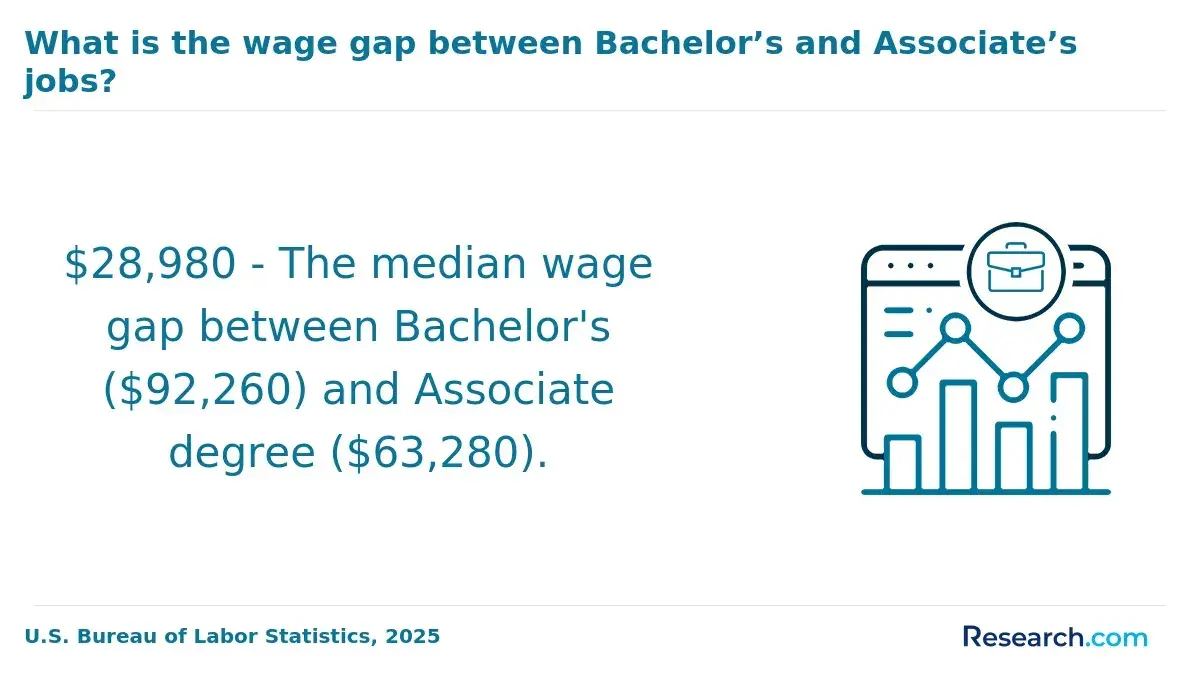
Curriculum focus should align with the intended sector. Biochemical and clinical-heavy curricula suit hospital or research roles, while programs integrating holistic nutrition better prepare for wellness coaching or private practice. Employer preferences intensify the need to scrutinize graduation rates, job placement, and salary data; median wages for dietitians and nutritionists were $73,850 in May 2025. Programs with strong internships and industry ties translate into tangible career advancement.
Cost and completion time remain decisive factors. Some pathways offer CLEP credits or prior learning assessments that shorten degree timelines, a practical advantage for reducing debt and accelerating workforce entry. Licensing demands vary by state, underscoring the risk of pursuing non-qualifying programs. For an accelerated alternative, consider exploring the fastest online MHA programs, which may complement nutrition careers in healthcare management.
How Does Online Nutrition Study Compare With Campus Learning?
Online bachelor's in nutrition programs vs campus learning involves tradeoffs that materially affect student outcomes and employability. While online formats offer superior flexibility and are essential for students outside metro areas or with complex schedules, they demand heightened self-discipline and time management. For working adults balancing professional and personal commitments, this difference can determine successful completion within typical four-year timeframes.
Purdue Global's online BS in Nutrition, costing approximately $11,130 annually per OnlineU, exemplifies a lower-cost option delivering measurable return on investment when balanced against program rigor. However, online students face challenges securing practical, supervised internships essential for clinical roles-networks and face-to-face mentoring common in campus programs are less accessible.
Employers increasingly emphasize hands-on experience alongside credentials. Students pivoting careers need programs offering accredited integrative nutrition coursework with hybrid lab or virtual simulations, ensuring clinical competencies align with licensing requirements. Without these, graduates risk limited job market competitiveness in dietetics and integrative nutrition fields.
Key considerations for choosing nutrition pathways online include:
- Access to remote mentorship and guaranteed internships.
- Balancing tuition savings against skill development needs.
- Proactive identification of local practicum sites to meet employer expectations.
Prospective students should also explore options for flexible continuing education, such as online MBA programs healthcare management, to supplement nutrition expertise with leadership skills. The flexibility and benefits of online nutrition study in the US are undeniable, but success depends on navigating practical barriers and aligning program features with career goals, rather than assuming parity with in-person education.
What Integrative Nutrition Courses Are Included in the Curriculum?
Integrative nutrition coursework in online bachelor programs intentionally veers from one-size-fits-all dietary models by prioritizing individualized physiology and lifestyle contexts. Core integrative nutrition classes for online degrees routinely include Nutritional Biochemistry, Clinical Nutrition, and Integrative Health Perspectives, which collectively prepare students to manage chronic disease, immune function, and gut health through diet and lifestyle interventions.
For instance, a clinical dietitian treating autoimmune disorders can leverage this specialized knowledge to design personalized, evidence-based care plans that typical programs may not emphasize. Curricula that incorporate nutrition research methods and ethics sharpen graduates' ability to critically assess expanding and sometimes conflicting scientific literature.
Employers increasingly value readiness for interdisciplinary teamwork and cultural competence, so courses covering community nutrition and health disparities are important components. Students must also evaluate how the scope of their integrative coursework aligns with licensure requirements, which vary by state and role.
Persistence and completion metrics matter when choosing such programs: Purdue Global's online BS in Nutrition, boasting an 83% graduation rate, reflects a balance of educational rigor and student support. Those weighing options alongside other pathways may consider comparisons like the best RN to BSN programs for a shorter timeline to clinical nursing roles, further illustrating critical decision points between distinct healthcare trajectories.
What Are the Admission Requirements for Nutrition Bachelor's Programs?
Admission criteria for nutrition bachelor's programs reflect the profession's complex demands and the practical challenges of entering this field. While a high school diploma and minimum GPA of around 2.5 to 3.0 are standard, applicants must navigate evolving testing requirements-SAT and ACT submission is increasingly optional as programs adjust to changing admissions models.
Foundational coursework in biology, chemistry, and math is non-negotiable, given the scientific rigor of upper-level integrative nutrition studies. Applicants with health-related work experience often gain an advantage through priority admission or credit recognition, which can accelerate degree completion and lessen financial strain.
Programs emphasize personal statements and letters of recommendation to assess motivation and communication skills, which employers highly value alongside scientific aptitude. Real-world entry into nutrition careers remains contingent on demonstrating critical thinking, research capability, and applied skills relevant to clinical, community, or wellness settings. Those pivoting from other professions benefit most from programs offering flexible formats and prior learning credits to reduce time-to-degree and maintain employment.
This operational balance affects admissions selectivity, as programs weigh applicant preparedness against workforce readiness. Graduates typically pursue roles such as registered dietitians, with median salaries near $69,680. This compensation benchmark shapes how programs manage intake and curriculum rigor to meet professional standards in a competitive labor market.
How Long Does an Online Nutrition Bachelor's Degree Take?
The duration of an online bachelor's degree in nutrition often shapes a student's ability to enter the workforce and manage financial commitments. Standard programs require 120 to 130 credit hours, typically spanning about four years full-time, but accelerated tracks can shorten this to roughly two and a half years for those with transferable credits or relevant prior experience. Working professionals frequently opt for part-time enrollment, which may extend completion to six years or more, affecting income timing and career trajectory.
Students aiming for roles such as registered dietitians must select accredited programs with practicum components that meet Commission on Dietetic Registration standards. These field experiences usually require in-person attendance, which can complicate scheduling and prolong program length beyond purely online coursework.
Per-credit tuition rates, like the $302 charged by Arkansas State University for its online B.S. in Nutrition and Dietetics, are useful for realistically projecting education costs when multiplied by credit requirements. The tradeoff between program length, cost, and credential recognition is significant, particularly for those transitioning from unrelated fields without transferable credits.
To mitigate delays and optimize educational investment, students should:
- Evaluate previously earned credits for transfer to reduce total credit load.
- Choose institutions with proactive academic advising and career support.
- Plan internships early to avoid scheduling bottlenecks.
- Balance course intensity with current professional obligations to sustain progress.
How Much Does an Online Nutrition Degree Cost?
Cost considerations for an online nutrition degree hinge heavily on program type and accreditation, with total expenses ranging from $40,000 to $90,000. This variation reflects credit load calculations-typically 120 credits or around 40 courses over four years-and whether the institution is public, private, in-state, or out-of-state. Professionals weighing accelerated or part-time formats must factor in extended timelines that can shift overall costs beyond typical per-credit charges.
Additional fees including textbooks, lab supplies, and technology are frequently overlooked yet materially affect the financial outlay, especially in programs that incorporate integrative nutrition's experiential components. Postgraduate licensure or certification exams also add to total investment, influencing practical budget planning.
Employer preferences shape the value of degrees, particularly for clinical roles requiring accreditation recognized by the Commission on Dietetic Registration, limiting lower-cost program options. Conversely, less expensive integrative nutrition programs may suffice for health education or wellness coaching but often correlate with lower salary ceilings.
Tradeoffs extend beyond price: program reputation and alignment with career goals determine employability and long-term earnings more than tuition alone. Evaluating pathways should explicitly account for total time-to-degree, financial aid available, and how curricula correspond to intended employment sectors to optimize return on investment in this competitive field.
What Jobs Can You Get With a Nutrition Bachelor's Degree?
Graduating with a bachelor's degree in nutrition often leaves candidates facing significant hurdles in clinical employment without further credentialing. Registered dietitian roles, commonly available in healthcare settings, require completion of an accredited dietetic internship and passing the Commission on Dietetic Registration exam. Those without these credentials find their opportunities within hospitals or outpatient centers sharply limited.
Alternate career paths use nutrition knowledge in wellness coordination, food industry product development, and public health program roles. For example, corporate wellness programs increasingly seek professionals who blend integrative nutrition with science-based approaches to address preventative care for diverse workforces. Government agencies also hire nutrition graduates for community outreach and policy support, emphasizing practical education skills over clinical certification.
Job market saturation for non-credentialed nutrition roles, especially in metropolitan areas, often forces graduates to either pursue further certifications, such as Certified Nutrition Specialist, or accept geographic flexibility. Salary data indicates registered dietitians earn a median annual wage near $65,000, whereas nutritionists outside healthcare may earn from $40,000 to $75,000 depending on sector and location.
Prospective students should carefully evaluate the time, financial cost, and proven employability benefits of additional certification against entry-level salary gains. Networking with active dietitians and securing internship experience remain pivotal for competitive hiring outcomes. Programs integrating holistic nutrition with core science show enhanced graduate versatility, a factor well-established by OnlineU's 2026 rankings based on extensive student feedback.
How Much Do Nutrition Graduates Earn?
Salary outcomes for nutrition graduates depend heavily on credentials and work setting, with considerable range that reflects practical tradeoffs in specialization and certification. For instance, dietitians employed in clinical environments typically start near $45,000, but incorporating additional qualifications like Registered Dietitian Nutritionist (RDN) status or focusing on integrative nutrition consulting can push earnings above $65,000 within five years.
Entry-level roles in food service management or community health usually offer lower pay but provide foundational experience vital for advancement. A close comparator, health education specialists, earn a median salary of about $62,860, illustrating the monetary value of pivoting toward public health or preventive care roles accessible to many nutrition graduates.
Key factors shaping earning potential include state licensure requirements and employer preference for integrative skills such as data literacy and behavior change methodologies. Graduates targeting schools or corporate wellness programs can expect starting salaries near $50,000, with growth tied to ongoing certification and experience.
- Without advanced credentials, job seekers face stiff competition and limited upward salary mobility.
- Those investing in advanced degrees or certifications aligned with dietetics or public health have wider career options and higher starting salaries.
- Demand favors candidates blending practical skills with recognized nutrition credentials to meet evolving employer expectations.
This understanding emphasizes that strategic credentialing and sector choice are decisive in navigating the nutrition job market and maximizing compensation.
Do Nutrition Graduates Need Licensure or Certification?
Licensure and certification requirements sharply delineate workforce entry points in nutrition, directly impacting employability and job function. For clinical roles offering medical nutrition therapy, such as hospital dietitians, the Registered Dietitian Nutritionist (RDN) credential is effectively mandatory-demanding rigorous accredited education, supervised practice, and a national exam administered by the Commission on Dietetic Registration. Without it, access to regulated healthcare settings is blocked.
State regulations add complexity by controlling use of titles like "dietitian" or "nutritionist," with significant variability that requires graduates to investigate local mandates early. Meanwhile, community nutrition roles, wellness coaching, or corporate settings often tolerate non-licensed entrants but favor certifications such as Certified Nutrition Specialist (CNS) or Certified Dietary Manager (CDM) for credibility and competitive advantage.
Graduates deciding whether to pursue formal credentialing must balance the unavoidable investment in time and money against tangible benefits: higher earning potential, legal clearance to practice clinically, and stronger employer preference. This creates a practical tradeoff between faster workforce entry with limited scope versus longer credential paths enabling broader, secure employment.
Continuing education and state board renewals are typical constraints post-licensure to maintain professional status. For example, Purdue Global's online BS in Nutrition, noted for its producing over 250 graduates, may align well with certification eligibility, illustrating how program scale can influence post-graduation credentialing access and industry recognition.
Other Things You Should Know About Nutrition
Employer acceptance of online nutrition degrees varies by setting but is increasing when programs are regionally accredited and include clinical components. Integrative nutrition coursework alone does not guarantee qualification for clinical dietitian roles, which often require supervised practice. When evaluating programs, prioritize those with accredited internships or practicum experiences to improve employability in clinical or public health nutrition careers. Purely theoretical online programs without practical elements may limit job prospects in registered dietitian roles.
Integrative nutrition courses can add value by broadening perspectives on lifestyle and holistic health, which align with preventive public health strategies. However, public health employers typically expect a solid grounding in epidemiology, biostatistics, and policy alongside nutrition science. If your goal is public health nutrition, prioritize programs that combine integrative content with rigorous population health and research training to meet employer expectations and secure leadership or policy roles.
Students should anticipate a workload that integrates both science-intensive courses and broader holistic health subjects, which can vary in complexity. Integrative coursework adds diversity but may require managing varied content styles and independent research projects. Time management is critical since online learning demands self-discipline, especially when balancing internships or practicums. Evaluate programs based on how clearly they structure clinical and integrative content to avoid uneven workload spikes that can affect academic progress.
References
- MHS in Functional & Integrative Nutrition Curriculum | NWHSU https://www.nwhealth.edu/online/functional-integrative-nutrition-curriculum/
- Become a Registered Dietitian Nutritionist https://www.eatright.org/become-an-rdn
- Cheapest Online Nutrition Degrees | GreatValueColleges https://www.greatvaluecolleges.net/rankings/online-bachelors-nutrition-dietetics/
- Bachelor of Nutrition https://www.unisc.edu.au/study/courses-and-programs/bachelor-degrees-undergraduate-programs/bachelor-of-nutrition
- Certified Health Coach Training | Institute for Integrative Nutrition https://www.integrativenutrition.com/
- How to become a dietitian https://www.bda.uk.com/about-dietetics/how-become-a-dietitian.html
- Online Bachelor of Science in Holistic Nutrition | American College of Healthcare Sciences https://achs.edu/programs/online-bachelor-science-holistic-nutrition/
- Integrative and Functional Nutrition Academy - Functional Nutrition Certification & Credential - IFN Academy https://www.ifnacademy.com/
- RD EXAMINATION - ELIGIBILITY REQUIREMENTS https://www.cdrnet.org/RDNeligibility
- Top 35 Online Nutrition and Dietetics Programs https://becomeanutritionist.org/top-35-online-nutrition-and-dietetics-programs/