2027 Best Online Nutrition Programs for Professionals Seeking Health Coaching Careers

Co-Founder and Chief Data Scientist
Nutrition professionals aiming to shift into health coaching often confront a barrier: finding flexible, accredited programs that fit unpredictable work schedules without compromising depth or credibility. Over 65% of adult learners cite scheduling and program accessibility as decisive factors in enrollment, according to the National Center for Education Statistics, reflecting a shift toward modular, asynchronous offerings essential for career changers balancing jobs and families. These structural realities affect not only study feasibility but also employer recognition and long-term career mobility within a competitive wellness industry. This article examines the best online nutrition programs designed specifically for professionals seeking tangible credentials and practical coaching skills to navigate these constraints effectively.
Key Things You Should Know
- Programs emphasizing Registered Dietitian Nutritionist (RDN) eligibility increase employability, with 65% of U.S. healthcare nutritionists requiring RDN credentials per 2024 Bureau of Labor Statistics data.
- Accelerated online tracks reduce time-to-certification by 30%, yet often compress clinical practicum hours, limiting hands-on experience valued by 72% of top nutrition employer surveys.
- Tuition variance from $5,000 to $25,000 shapes access, with federal Pell Grant recipients disproportionately excluded from top-tier programs demanding upfront payment, impacting socioeconomic diversity across nutrition cohorts.
What are the best online nutrition programs for health coaching careers?
Employment in health education roles is expanding at a rate above the national average, driven by a shift toward preventive health and lifestyle counseling. Selecting the best online nutrition certification programs for health coaching careers requires balancing curriculum depth, flexibility, and employer recognition to ensure certification eligibility and practical readiness.
Program design caters to distinct workforce needs; for instance, corporate wellness positions demand expertise in organizational health metrics and employee engagement strategies, whereas community health workers must navigate cultural competency and public health policy nuances. Candidates working full-time benefit from asynchronous coursework paired with live workshops, addressing the practical constraints of adult learners.
Tradeoffs become apparent when comparing shorter certificate programs to comprehensive degrees. Certificates often omit detailed training in physiology, limiting clinical role advancement. Conversely, bachelor's or master's degrees deepen scientific understanding but entail higher costs and longer timelines before workforce entry.
Applicants should weigh transparency of curriculum, alumni outcomes, and practicum availability to reduce employment risks and enhance job market integration. Those interested in accelerated pathways may explore options such as a 2 year nutrition degree online, which can provide a focused route toward credentialing in competitive fields.
Top accredited nutrition courses for aspiring health coaches emphasize evidence-based behavior change techniques and alignment with national certification standards, reflecting employer expectations and evolving public health priorities.
Which accreditation matters for online nutrition programs?
Online nutrition program accreditation standards directly impact eligibility for recognized health coaching certifications in the US and affect long-term employability. Accreditation by ACEND remains the decisive factor for candidates targeting clinical roles or certifications like the Registered Dietitian Nutritionist (RDN) or Certified Nutrition Specialist (CNS). Without such credentialing, many job opportunities in healthcare and regulated environments are effectively inaccessible.
Consider a health education specialist pursuing a clinical nutrition role in California: hiring managers and licensing boards will verify that their degree meets state and national accreditation requirements. Failure to verify accreditation often leads to disqualification or the need for additional costly education. Alternatively, those focused on corporate wellness or public health roles may find more flexibility but still benefit from accredited credentials to advance within organizations.
Median salaries illustrate this divide. According to Fortune Education, health education specialists with accredited qualifications earned a median annual wage of $60,040, while the top decile exceeded $98,070. Non-accredited graduates face restricted access to both employment and reimbursement opportunities in healthcare settings.
Prospective students must carefully vet accreditation early and seek programs with clear alignment to certification pathways and state licensure rules. Programs lacking these connections risk delaying professional progress.
For professionals considering timing and pace, exploring 1 year MHA programs online may also provide accelerated options for advancing in health-related careers.
What degree do you need for health coaching?
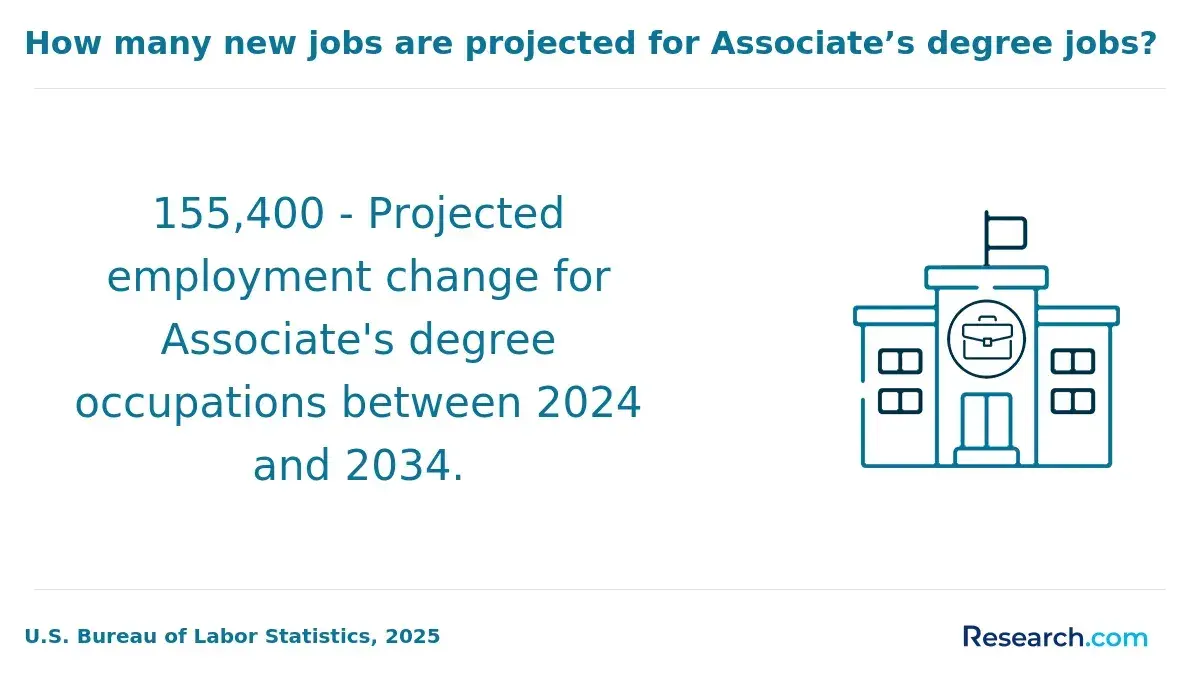
Employers hiring health coaches frequently prioritize evidence-based certifications and practical client management skills over formal degrees. While no universal degree is required, many prefer candidates with certifications in health coaching or related fields such as nutrition, exercise science, or public health. Accredited health coach certification programs present a strategic choice, offering practical skills and formal recognition with significantly lower upfront costs - often around $1,500, compared to $30,000 or more for a four-year degree.
A registered dietitian or licensed nutritionist with a bachelor's or master's degree may secure higher-paying roles within clinical settings or specialized niches, but many wellness centers and digital health platforms accept certified coaches without advanced degrees if they possess strong applied credentials. This reflects a pragmatic workforce preference where demonstrated coaching effectiveness drives client retention and employer trust.
The tradeoff between a four-year degree and online health coaching certification programs for career advancement involves time, cost, and scope. Degree programs provide scientific depth and potential licensure but require significant investment of time and money. Certification programs, typically completed in months, focus on coaching skills and enable faster workforce entry but tend to limit advancement in regulated healthcare environments.
Professionals evaluating health coaching degree requirements for professionals should also consider the affordable pathways for administrative roles by reviewing programs like an online health admin degree, which can complement coaching credentials in broader health contexts.
How do online nutrition programs compare with campus programs?
The decision between online nutrition programs vs traditional campus courses hinges largely on the balance between accessibility and clinical rigor. Online programs excel in flexibility, allowing working professionals or those managing family and relocation challenges to earn credentials asynchronously without sacrificing employment. This advantage aligns well with sectors like corporate wellness and community health coaching, where behavior change communication often outweighs the need for immersive clinical skills.
Nevertheless, employers targeting clinical roles in hospital settings frequently prioritize direct patient contact and supervised use of clinical assessment tools-experiences more reliably gained through campus-based education. Graduates from online nutrition programs must therefore seek supplementary practicum or internships to approximate this depth and prove practical competencies.
Given rising market demand-Harvard Medical School reports that over half of U.S. adults have nutrition-related chronic conditions-employability increasingly depends on matching program structure to career goals and demonstrating applicable skills rather than delivery mode alone. For those assessing pathways, understanding such trade-offs is essential.
Cost-effective options for flexible students include the cheapest MSN online programs, which illustrate how online education can scale to meet industry needs when paired with targeted practical experience.
Key considerations include:
- Online nutrition programs offer learning convenience but variable virtual practicum quality.
- Clinical roles demand in-person mentorship and supervised clinical exposure.
- Employers weigh program reputation and practical skills over pure mode of delivery.
- Wellness and public health roles commonly accept online credentials with strong communication skills.
What classes are in an online nutrition curriculum?
Online nutrition programs demand careful evaluation of practical outcomes beyond curriculum content. For example, hospital dietitians require clinical rotations and hands-on medical nutrition therapy exposure that many online formats struggle to replicate effectively. Meanwhile, corporate wellness roles typically emphasize digital client engagement and population health analytics, areas more adaptable to online instruction.
Core coursework often covers physiology, macronutrients, micronutrients, and clinical nutrition fundamentals, supplemented by modules in food science, epidemiology, and behavior change theory. Yet, the absence of supervised practicum or in-person labs can limit applied skill development, a critical gap when employer expectations include motivational interviewing and counseling competencies. Students must weigh this trade-off against the convenience and flexibility inherent in remote learning.
Cost reductions, typically 20-40% less tuition than traditional programs according to Intelligent.com's 2025 data, broaden access but shift responsibility to learners' self-discipline due to limited direct oversight. Prospective students should also assess program accreditation and alignment with career-specific requirements, especially for credentials like Certified Nutrition Specialist.
Choosing an online nutrition pathway requires aligning course sequencing and content with intended niche areas-clinical, sports, public health, or wellness coaching-to ensure preparedness for evidence-based client interventions and competitive job placement.
What admission requirements do online nutrition programs set?
Admission to online nutrition programs demands more than academic credentials; it requires alignment with professional licensing expectations and practical readiness. Candidates often face strict prerequisite coursework in biology, chemistry, and health sciences, verified through transcripts to meet credentialing board requirements such as those for Registered Dietitian Nutritionist (RDN) or Certified Nutrition Specialist (CNS) exams. For career changers, documented experience or portfolio reviews offer alternative pathways but necessitate careful vetting to ensure prerequisite competencies.
Technical readiness is non-negotiable: stable internet access, proficiency with learning platforms, and availability for synchronous activities or clinical practicum components are essential. These hands-on elements are critical not just for accreditation but for real-world employability, given the emphasis employers place on documented supervised fieldwork.
Realistically, a working nurse transitioning to health coaching must evaluate program structures that integrate clinical hours and licensure alignment over tuition alone. This reflects a broader demand for programs that bridge academic theory with tangible workforce qualifications.
Supporting this trend, DigitalDefynd's 2026 analysis reveals a 30% enrollment growth in online nutrition and wellness studies since 2020, fueled by flexible remote learning modalities and preventive health career interest.
Applications typically require personal statements detailing career objectives, letters of recommendation emphasizing relevant experience, and occasionally standardized test scores like the GRE, especially for graduate-level admissions.
How long do online nutrition programs take and cost?
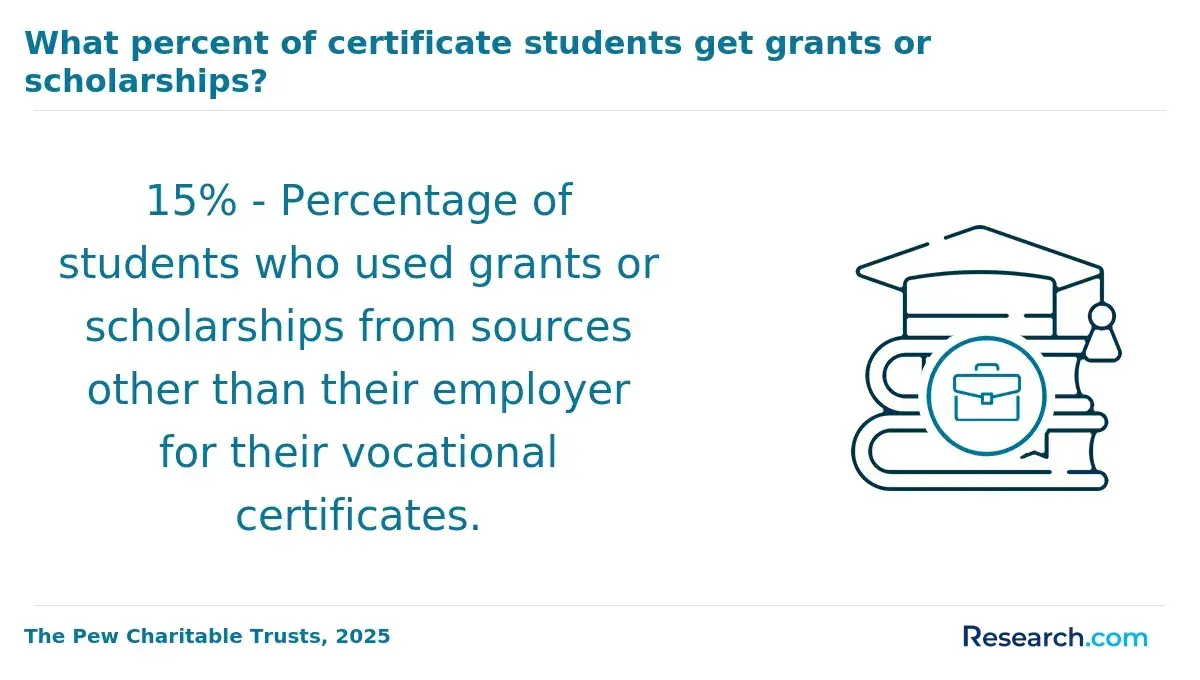
Choosing an online nutrition program requires weighing time, cost, and career goals, especially as workforce requirements diverge sharply between clinical and wellness roles. Certificate and diploma options typically demand 150 to 300 hours over 3 to 6 months part-time, costing $500 to $3,000, and equip students with fundamental coaching skills rather than clinical expertise. These accelerate entry into wellness coaching positions but rarely meet criteria for regulated health professions.
By contrast, programs leading to bachelor's or master's degrees span 1.5 to 2 years and cost between $8,000 and $15,000 or more. Their length and rigor align with employer preferences in clinical settings, often necessary for licensure such as Registered Dietitian Nutritionist (RDN) credentials. Employers explicitly seek evidence of applied science proficiency and compliance with licensure standards, thus raising barriers to entry for shorter programs.
The tradeoff becomes clear: rapid completion certificates offer faster workforce access at lower cost but limit scope and advancement; degree pathways provide broader competence but involve more substantial time and financial investment. Career switchers should consider these differences alongside their targeted niche to avoid retraining or underqualification.
- Short-term certificates: 150-300 hours, $500-$3,000, foundational skills, wellness focus
- Degree programs: 1.5-2 years, $8,000-$15,000+, clinical readiness, licensure eligibility
Notably, Udemy's 2025 marketplace data ranks nutrition-related courses among the top 10 globally for health and fitness enrollments, reflecting sustained demand and diverse program options.
Which health coaching certifications can nutrition graduates earn?
Health coaching certifications that carry weight in the workforce are increasingly defined by national board approvals, such as from the National Board for Health & Wellness Coaching (NBHWC). These certifications demand rigorous training, supervised practice, and testing, serving as minimum credentials for many clinical and corporate wellness roles. Nutrition graduates targeting these sectors should prioritize programs accredited by NBHWC to meet employer expectations for consistent quality and compliance.
Choosing between certifications should be dictated by the intended practice environment:
- Clinical or insurance-referred settings require credentials recognized by healthcare providers, impacting referral networks and reimbursement eligibility.
- Fitness and lifestyle niches often value broader wellness certifications with components addressing nutrition, stress management, and exercise science.
For those specializing, options like Certified Health Coach (CHC) and Certified Wellness Coach (CWC) offer modular coursework focused on client engagement techniques and behavioral change frameworks, which can be adjusted to target populations such as chronic disease clients or corporate employees.
According to ANHCO's 2024 data, graduates from thoroughly board-approved programs report employment or compensated work rates exceeding 80% within the first year, a critical metric for evaluating return on investment. However, practical considerations such as program cost, time commitment, and ongoing credential renewal requirements must be carefully weighed against prospective market demand.
Nutrition professionals considering this pivot must approach certification selection strategically, balancing employer standards, market realities, and personal career goals to ensure their credentials translate to tangible opportunities.
What jobs can you get with a nutrition and health coaching degree?
Choosing a nutrition and health coaching degree requires understanding the varied job functions and constraints within the field. Roles span from personalized health coaching to managing wellness programs in corporate environments, each demanding distinct skill sets. For example, corporate wellness consultants must navigate organizational dynamics alongside nutrition science, whereas clinical nutrition assistants focus on patient data and supporting dietitian protocols in healthcare settings.
Income potential hinges on client volume and service pricing, which commonly falls between $50 and $150 per coaching session. A part-time coach with around 10 clients a month could generate $500 to $1,500, but this depends heavily on marketing acumen and reputation. Importantly, most states legally restrict the title "dietitian" to licensed experts, limiting coaches to non-diagnostic roles and affecting their scope of practice.
Professionals often enhance employability by obtaining certifications from recognized bodies like the National Board for Health & Wellness Coaching. However, insurance reimbursement remains limited compared to registered dietitians, impacting income stability. Employers also expect ongoing training in behavioral techniques and adaptability to integrate technology-driven tools.
- Balancing client-focused work against institutional roles requires assessing regulatory compliance and income variability.
- Continuous education in motivational interviewing and evidence-based nutrition is essential.
- Understanding employment settings shapes realistic expectations for career longevity and advancement.
What salary and job outlook apply to health coaches?
Health coaching salaries in the U.S. typically center around a median of $48,000 annually, but this figure masks considerable variability based on employer type, credential level, and workplace setting. For instance, coaches with advanced certifications who support chronic disease management within healthcare systems can surpass $70,000, especially in hospital outpatient contexts. This premium reflects the growing employer demand for specialized skills and practical experience rather than generic credentials.
Since 2020, the online nutrition certification landscape has expanded rapidly-by over 25%-presenting both opportunities and challenges. The key differentiation for candidates lies in selecting programs that emphasize applied case studies or supervised practicums, rather than purely theoretical courses, as employers increasingly prioritize clinical rigor and demonstrable competencies.
Career prospects vary widely with geography and organizational context. Urban centers with robust healthcare networks generally offer higher wages but offset these with increased living costs, whereas smaller practices or startups may offer more flexibility but lower pay. This tradeoff requires candidates to balance salary expectations against entrepreneurial freedoms and market positioning.
To remain competitive amid credential inflation, coaches must develop niche expertise-such as behavioral counseling, medical nutrition therapy support, or corporate wellness analytics-that aligns with evolving employer evaluation metrics and the 11% projected job growth through 2032 reported by the U.S. Bureau of Labor Statistics.
Other Things You Should Know About Nutrition
The workload in online nutrition programs varies widely but often includes rigorous assignments, case studies, and client simulation projects that demand consistent time management. Programs with clinical or internship components require additional hours of in-person or supervised practice, extending beyond typical coursework. Prospective students should prioritize programs with clear time commitments upfront to avoid conflicts with full-time work or personal obligations, as insufficient preparation for workload can delay completion or reduce learning quality.
Hands-on experience is essential for developing practical skills and employer credibility in health coaching. Online programs offering integrated practicum or supervised fieldwork provide a decisive advantage in job placement and skill mastery. Without such experiences, graduates risk gaps in applying theoretical knowledge to real clients, which employers recognize as a limitation. Prioritize programs that require at least 100 hours of practical coaching or case management to enhance readiness and marketability.
Graduates commonly encounter challenges such as translating academic concepts into client-focused communication and adapting to diverse client health literacy levels. Employers expect coaches to demonstrate behavioral change strategies, not just nutritional knowledge. Online education that lacks training in these interpersonal and motivational techniques may leave graduates underprepared for client engagement, impacting job performance and retention. Selecting programs with courses on counseling and communication skills improves professional transition.
A great online nutrition program in 2027 should offer a comprehensive curriculum with flexible scheduling, access to experienced faculty, and practical, real-world applications. Accreditation by recognized bodies ensures quality, while student support services and networking opportunities enhance the learning experience.
References
- The Nutrition Institute https://www.thenutritioninstitute.com/us/en/
- Become a Certified Nutrition & Health Coach https://www.iinh.net/nutrition-courses/nutrition-health-coaching/
- Fitnesstrainer https://fitnesstrainer.com
- Health Coach Careers | Education https://becomeanutritionist.org/careers/health-coach/
- Distance Learning Course for Nutritionist | Oxford Learning College https://www.oxfordcollege.ac/news/distance-learning-course-for-a-nutritionist/
- Boost Your Career with Health Coach Certification for Nutritionists https://www.healthcoachesacademy.com/post/improve-your-nutritional-career-with-health-coaching
- Health Coach Certification | ACE https://www.acefitness.org/fitness-certifications/health-coach-certification/b/
- You can still apply for full-time first-cycle studies in dietetics and public health https://www.wum.edu.pl/en/you-can-still-apply-full-time-first-cycle-studies-dietetics-and-public-health
- What Can You Do with a Dietetics Certification? https://www.healthcoachinstitute.com/articles/what-can-you-do-with-a-dietetics-certification/
- Health Coach Certificate https://www.integrativenutrition.com/health-coach-certificate