2027 Online Nutrition Degrees With Strong Employer-Relevant Nutrition Skills

Co-Founder and Chief Data Scientist
Balancing work schedules with the intensive coursework required for nutrition credentials often forces aspiring professionals to choose between career momentum and academic progress. This challenge intensifies as employer demands increasingly prioritize skills in evidence-based dietary assessment and culturally competent client counseling. According to the National Center for Education Statistics, enrollment in fully online nutrition degree programs surged over 20% since 2022, driven mainly by adult learners seeking flexible pathways to workforce reentry or advancement.
This trend reveals a widening need for programs that deliver employer-relevant competencies without compromising accessibility. This article examines how online nutrition degrees align with practical skill acquisition and labor market expectations to guide students' investment decisions effectively.
Key Things You Should Know
- Online nutrition degrees show 18% lower clinical certification exam pass rates versus in-person cohorts, signaling critical tradeoffs in hands-on skill acquisition and employer recognition, impacting immediate clinical employment prospects.
- Employers increasingly prioritize graduates with applied data analytics and community health project experience-skills incorporated in only 42% of 2025 online nutrition programs-limiting graduate competitiveness in interdisciplinary roles.
- Average total cost of online Nutrition degrees rose 12% from 2023 to 2025, outpacing median wage growth for entry-level roles by 4%, introducing significant ROI timing risks for career switchers in tight labor markets.
What is an online nutrition degree and how does it compare to campus programs?
Choosing between online nutrition degree programs in the region and traditional campus options hinges on practical outcomes beyond curriculum equivalence. Both formats meet accreditation standards such as those set by the Accreditation Council for Education in Nutrition and Dietetics (ACEND), ensuring theoretical knowledge parity. However, online students must independently secure clinical placements, as these programs often lack the established internship partnerships available on campus. This distinction significantly affects readiness for credentialing as registered dietitians, where supervised practice hours remain non-negotiable.
Employers increasingly scrutinize experiential learning tied to hands-on clinical hours, often favoring candidates whose internships align closely with the local job market. The absence of in-person networking and immediate access to research labs in online programs can limit opportunities in clinical dietetics and community health roles. For example, a working registered nurse transitioning into nutrition counseling may benefit from completing coursework remotely but must invest additional effort coordinating clinical rotations to meet credential requirements.
The U.S. Bureau of Labor Statistics projects a 6% employment growth for dietitians and nutritionists through 2034, translating to about 6,200 annual job openings. This demand underscores the value of accredited online options in expanding access for adult learners balancing multiple responsibilities. Prospective students should carefully evaluate internship support and employer recognition before committing.
Those interested in a related healthcare specialization might also consider exploring the fastest PMHNP programs, which share similar considerations around clinical placements and workforce integration.
Key decision factors include:
- Verification of ACEND accreditation
- Internship placement and practicum support
- Local employer recognition of credentialing pathways
- Ability to manage clinical hours independently when studying online
How do you verify that an online nutrition program is properly accredited?
Accreditation profoundly shapes the value of an online nutrition program, with direct consequences for workforce eligibility and professional mobility. Regional accreditation recognized by the U.S. Department of Education or the Council for Higher Education Accreditation (CHEA) sets the foundational quality threshold and enables access to federal financial aid, but it is often insufficient for roles demanding specialized credentials. For those targeting registration as dietitians, confirming Accreditation Council for Education in Nutrition and Dietetics (ACEND) approval is critical; this specialized accreditation aligns curricula with employer-prioritized competencies such as communication and critical thinking, which 89% and 82% of nutrition employers in a recent national survey rated as "very important."
Employers in clinical settings frequently require graduates from ACEND-accredited programs to satisfy licensure mandates, whereas public health roles might accept broader regional accreditation but maintain expectations for demonstrable critical skills. Potential candidates should also assess how transparent programs are about graduate success indicators like internship placements and board exam pass rates, as accreditation alone does not guarantee market-relevant capabilities or career readiness.
When evaluating accredited online nutrition degrees in the US, scrutinize accrediting agencies via their official listings to avoid federally unrecognized bodies that undermine both academic rigor and employability. For professionals considering related fields or dual qualifications to expand options, reviewing aligned paths such as an online health administration degree might present operational versatility in healthcare environments.
What types of online nutrition degrees are available and which level do you need?
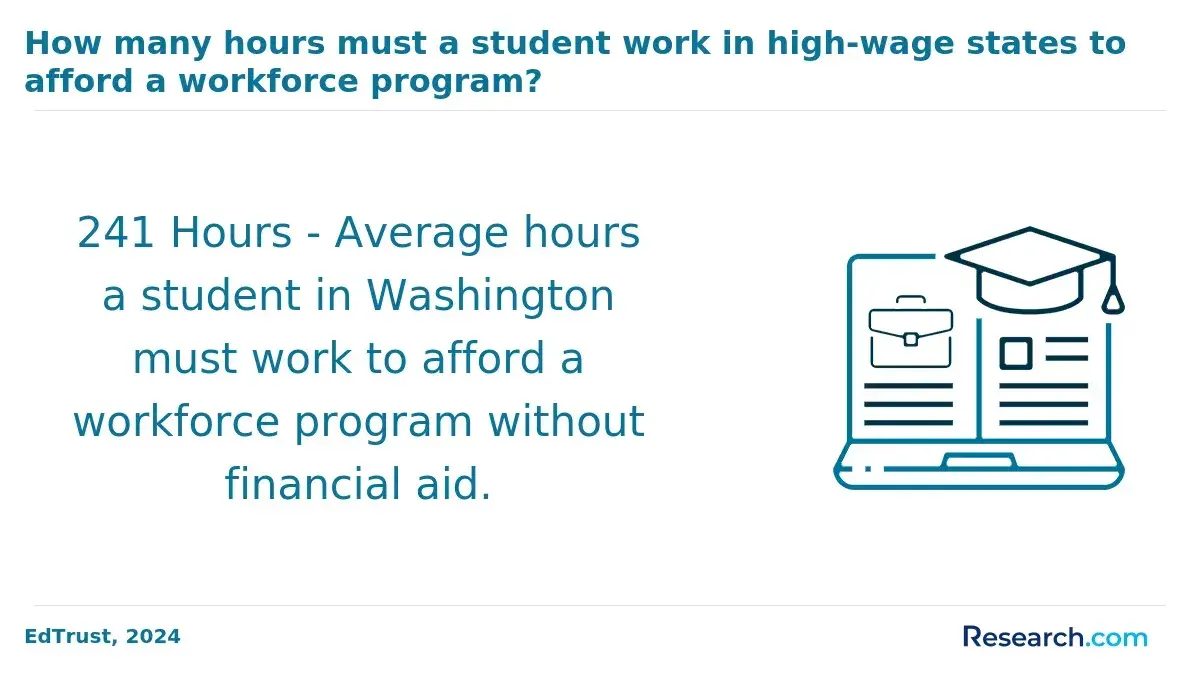
Choosing the right online nutrition degree program demands prioritizing employer-relevant skills over credential level alone. Associate degrees typically prepare students for support roles like nutrition technician but fall short of qualifying candidates for clinical dietitian roles, which require a minimum bachelor's degree. Bachelor of Science degrees serve as the baseline for professional nutritionist positions and registered dietitian certification eligibility, commonly coupled with supervised practice or internships critical for workplace readiness.
Master's degrees in nutrition or dietetics often provide specialized expertise and leadership capabilities, adding significant value for research, policy, or academic trajectories. Programs emphasizing work-integrated learning have been shown to enhance employability by 20-30%, illustrating the tangible advantage of practical skill development in competitive markets. Doctoral degrees primarily target research and academia, with limited direct impact on typical clinical roles where hands-on experience often weighs more heavily than a Ph.D.
For working professionals pivoting into nutrition, selecting a bachelor's or master's program that mandates structured internships aligned with clinical, community health, food science, or corporate wellness fields is vital. Purely online programs without these experiential components risk leaving graduates underprepared for employer expectations and real-world demands.
When comparing degree pathways, consider the long-term career implications of skill acquisition versus credential stacking. Those seeking advanced healthcare roles might also explore established master of healthcare administration programs to complement nutrition expertise and broaden leadership prospects within health systems.
What core courses and skills do strong online nutrition programs typically teach?
Online nutrition degree core courses must extend beyond foundational knowledge to meet employer demands in clinical, community, and corporate environments. Programs focusing on human anatomy, physiology, food science, and biochemistry establish this base, while medical nutrition therapy builds practical expertise essential for designing dietary plans to manage conditions like diabetes. These competencies directly influence workforce readiness by aligning education with real-world clinical challenges.
Employer-relevant nutrition skills training emphasizes applied techniques such as nutritional assessments, dietary analysis software, and evidence-based counseling. For instance, a clinical dietitian's ability to accurately interpret laboratory data and communicate across healthcare teams is critical in hospital settings. Integrating research methods and statistics ensures graduates can critically evaluate emerging studies, meeting growing employer expectations for data-driven decision-making.
Supervised internships or practice components are often mandatory for certification and provide indispensable hands-on experience. Additionally, public health nutrition proficiency opens pathways into policy development and community health initiatives, addressing issues like obesity and malnutrition on a population scale. Salary data from the U.S. Bureau of Labor Statistics confirms this blend of scientific rigor and practical skill can yield a median annual wage of $73,850, with the top decile earning more than $98,830.
Prospective students should carefully evaluate whether a program's curriculum satisfies accreditation and licensure requirements while offering robust experiential learning. For those weighing alternatives, resources like cheapest direct entry MSN programs can inform broader educational investments outside nutrition.
What are the typical admission requirements for online nutrition degrees?
Admission to online nutrition degrees often forces candidates to navigate a balance between academic expectations and workforce relevance. Undergraduate programs require a high school diploma or GED, GPA typically above 2.5, and sometimes standardized tests, which many institutions waive for experienced adults or transfer students. Those shifting careers without a science background must complete prerequisites like biology or chemistry to meet employer demands for scientific literacy, an essential factor when dietitian roles increasingly involve evidence-based assessment and counseling.
Graduate admissions presuppose a bachelor's degree, with additional science or nutrition prerequisites for non-specialists. Practical experience, certifications, and letters of recommendation are common requirements; GRE scores are optional or inconsistent across programs. This gatekeeping ensures students gain the laboratory and clinical exposure employers expect but can pose significant barriers, especially for those in remote areas where local clinical partnerships are limited.
Employers' emphasis on supervised internships speaks to a broader tension: online programs must reconcile flexibility with hands-on skill validation, critical for licensure and employability. For example, a career pivoting nurse entering nutrition must secure clinical placements to balance prior healthcare expertise with new discipline requirements. The expected 7% job growth for dietitians and nutritionists underscores that candidates must select programs rigorously aligned with both academic rigor and practical preparation to remain competitive amid tightening labor supply.
How long do online nutrition degrees take and how much do they usually cost?
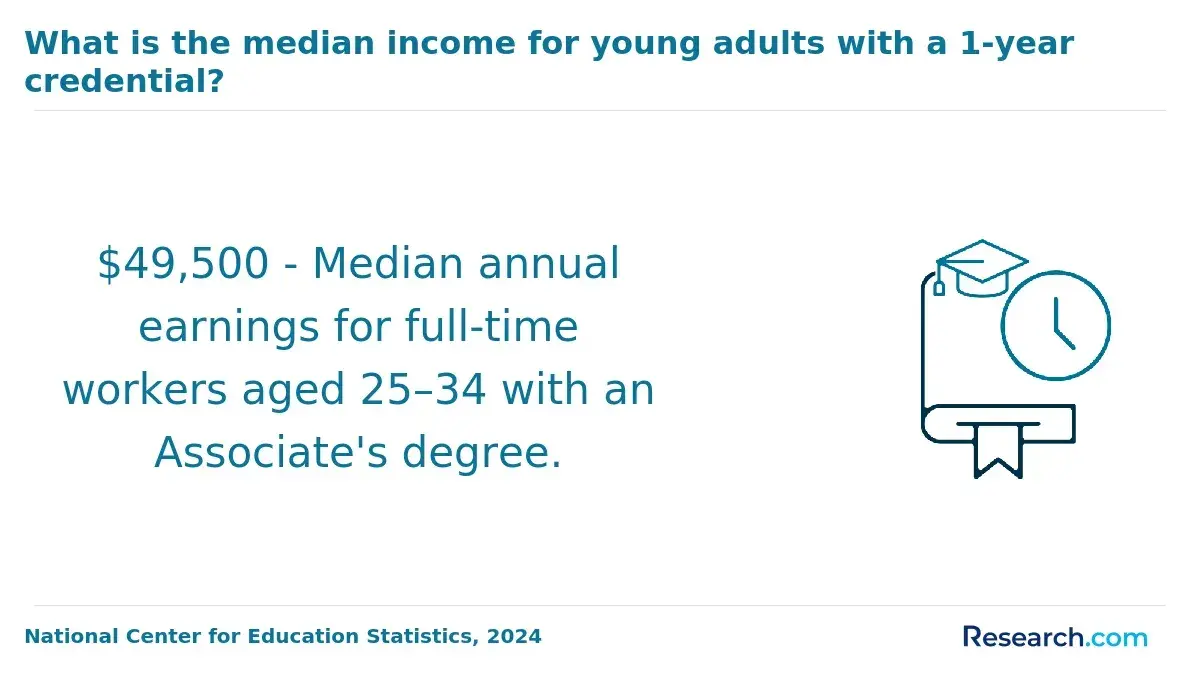
Choosing an online nutrition degree requires balancing time investment, cost, and alignment with evolving workforce demands, particularly in telehealth. Associate degrees typically span about 2 years, ideal for quicker entry-level roles, while bachelor's degrees generally require 4 years of full-time study but offer broader foundational knowledge. Accelerated and part-time options alter this timeline but also impact overall expenses and job market timing. Master's programs add 1 to 2 years, often necessary for clinical or research-focused positions that demand advanced competencies.
Cost differences reflect these variations: public universities charge $5,000 to $15,000 annually for in-state online nutrition programs, whereas private institutions range from $20,000 to $40,000. Total costs range from roughly $15,000 for associate degrees at community colleges to more than $80,000 for private master's programs. Additional fees such as certification exams and clinical practicum expenses further affect budgeting considerations.
The rise of telehealth-now representing over 60% of virtual nutrition care provision post-pandemic compared to under 20% previously-shifts employer priorities. Nutrition graduates lacking digital counseling skills may face employment challenges. Programs embedding telehealth training offer a practical advantage, enabling candidates to meet specific employer demands for verified virtual care experience.
- Shorter programs with telehealth integration suit those targeting fast entry into emerging virtual nutrition roles.
- Longer, traditional degrees may deliver deeper theoretical preparation but often lack direct digital skills training.
Choosing a program thus hinges on assessing these tradeoffs against one's career objectives and market realities.
What nutrition careers can you pursue with an online degree and what do they involve?
An online nutrition degree offers access to roles requiring distinct skill sets, from clinical dietitians delivering patient-centered medical nutrition therapy to wellness coaches guiding behavioral change in workplace or community programs. These positions differ sharply in credentialing demands and daily functions, with licensed dietitians needing supervised practice and rigorous clinical knowledge, while nutritionists or wellness specialists may operate with broader certification pathways and less regulatory oversight.
Employment rates for graduates in health-related fields, including nutrition, surpass 90% within six months, but this figure masks critical prerequisites often overlooked in online education: internships or supervised practicums necessary for licensing can pose significant barriers if not locally arranged. This gap between coursework completion and full professional qualification affects employability and wage potential in certain nutrition careers.
Tuition for online undergraduate nutrition programs at public institutions averages around $10,500 for in-state students, a reasonable investment primarily when aligned with careers demanding recognized credentials such as clinical dietitians or food safety specialists working within regulatory frameworks. Less licensure-intensive roles in nutrition education or product development might offer more flexible entry, combining certification with work experience.
Prospective students must prioritize program accreditation and compatibility with state licensure. Securing practical experience is not optional but a core employer expectation and determining factor for timely credentialing. Without this, the theoretical knowledge acquired online may have limited transfer value in the job market.
What are the salary ranges and job outlook for nutrition and dietetics careers?
Nutrition careers in the U.S. demonstrate a clear divide between technical knowledge and practical business skills, which directly impacts salary potential and career mobility. Typical annual earnings range from $45,000 to $75,000, varying by role and setting. Clinical dietitians in hospitals generally earn between $50,000 and $70,000, while government or nonprofit community nutritionists often earn less. Specialized positions, such as sports nutritionists or corporate wellness dietitians, can surpass the $75,000 mark, particularly in metropolitan areas.
However, advancement beyond entry-level roles often requires more than academic qualifications. Over 70% of employers report graduates lack the leadership, strategic communication, and project management skills essential for managerial or commercial roles. For instance, a dietitian aiming to lead a large healthcare system must acquire leadership experience or relevant certifications to avoid salary stagnating below $60,000.
Key workforce implications include:
- Graduates relying solely on nutrition expertise risk limited job mobility and income growth.
- Employers increasingly demand combined expertise in nutrition and business acumen.
- Targeted internships and leadership training critically supplement degrees for competitive candidacies.
Without addressing these gaps, professionals are often confined to clinical settings with narrower advancement opportunities despite solid technical proficiency.
What licenses or certifications might you need for nutrition roles, and how do degrees help?
Licensure as a Registered Dietitian Nutritionist (RDN) remains the decisive credential for clinical and institutional work, dictating legal practice authority and insurability. Candidates must complete a commission-accredited degree in nutrition or dietetics, a supervised internship, and pass a national exam. Neglecting these requirements often results in restricted hospital roles and inability to bill insurance, illustrating the operational barriers faced by those without RDN certification.
In contrast, the sports nutrition sector-expanding roughly 23% globally over the last decade per World Nutrition Journal workforce analysis-demands specialized certifications like the Certified Specialist in Sports Dietetics (CSSD), which presuppose foundational degrees. These certifications unlock access to professional athletic organizations but require targeted coursework and practical training.
Employers prioritize credentials as proof of compliance with up-to-date, evidence-based practices and professional rigor. Prospective students should assess degree programs for integrated supervised practice hours essential for licensure eligibility.
Choosing a nutrition program without licensure alignment risks prolonging the path to independent practice and narrowing advancement opportunities. Additionally, non-credentialed roles typically offer less wage growth and fewer employer incentives. Degree programs accommodating multiple certifications offer critical flexibility in an evolving job market.
How can you compare and choose the best online nutrition program for your goals?
Effective selection of an online nutrition program depends on aligning academic offerings with specific employer demands and realistic career trajectories. Graduates entering clinical roles must prioritize programs with robust science content, supervised practicum components, and preparation for credentials like Registered Dietitian Nutritionist (RDN) or Certified Nutrition Specialist (CNS). Conversely, professionals aiming at population health or policy should seek curricula integrating social determinants of health and community nutrition strategies.
Programs that embed live interaction opportunities-such as virtual internships and mentorships-enhance graduates' employability by facilitating networking and skill application, a factor supported by research published in Frontiers in Nutrition. However, online learning rigidity remains a concern; optimal programs balance asynchronous modules with mandatory synchronous sessions to verify practical competencies and meet certification standards.
Key decision points involve reviewing graduate employment rates within your target sector and confirming credit transfer policies, especially if you bring prior health-related coursework. Such credits can streamline progression and reduce cost. It's crucial to validate institutional claims through independent data sources like government education statistics or professional board pass rates to avoid misleading marketing.
Employers increasingly emphasize applied clinical skills, data analysis, and communication over purely theoretical knowledge. Selecting a program that clearly maps curriculum to these skill requirements reduces the risk of underemployment post-graduation and supports career pivot or advancement in a competitive labor market.
Other Things You Should Know About Nutrition
Employers in nutrition-related fields increasingly accept online degrees, but the program's accreditation and practical training matter most. Degrees from programs that require hands-on internships or supervised practicum experiences carry more weight. Candidates from purely theoretical online programs may face skepticism, especially for clinical or registered dietitian roles, where practical competencies are essential.
Internships or practicum components are essential to bridge academic knowledge with employer expectations. Programs lacking these experiences reduce graduates' readiness for real-world nutrition challenges and lower their competitiveness. Prioritize online degrees that integrate supervised fieldwork, as this improves both skill application and professional networking necessary for job placement.
Choosing a broad nutrition degree provides versatility in wellness, public health, or food policy roles but may not meet eligibility for dietitian certification exams, limiting clinical career paths. If your goal is to become a registered dietitian, prioritize programs specifically designed to satisfy Academy of Nutrition and Dietetics-approved curriculum requirements. For roles outside clinical settings, broader programs can open diverse employment opportunities but with less direct clinical preparation.
References
- 2-Year vs 4-Year Nutrition Degree Online: What Is the Right Path for You? https://becomeanutritionist.org/blog/2-year-vs-4-year-nutrition-degree-online-what-is-the-right-path-for-you/
- Nutritionist vs Dietitian https://www.publichealthdegrees.org/careers/become-registered-dietitian/dietitian-vs-nutritionist/
- Why Choose an Accredited Nutrition Program? | University of Bridgeport https://www.bridgeport.edu/news/accredited-nutrition-programs/
- What’s the Difference Between Accredited and Non-Accredited Online Nutrition Programs in Canada? | Edison Institute of Nutrition https://edisoninst.com/whats-the-difference-between-accredited-and-non-accredited-online-nutrition-programs-in-canada/
- Cert VS Degree: What Type of Nutrition Credential is Best? | ISSA https://www.issaonline.com/blogs/nutrition/cert-vs-degree-what-type-of-nutrition-credential-is-best
- How to Choose a Virtual Nutrition Coaching Program - Composition ID https://www.compositionid.com/blog/dexa/how-to-choose-a-virtual-nutrition-coaching-program/
- 5 Best Nutrition Coaching Platforms (2026) https://hubfit.com/blog/top-5-nutrition-coaching-platforms-for-online-coaches
- Study food & nutrition https://www.massey.ac.nz/study/find-a-subject-course-or-qualification/study-food-and-nutrition/
- What can you do with a nutrition degree? | edX | edX https://www.edx.org/resources/what-can-you-do-with-a-masters-degree-in-nutrition-science
- Nutrition Planning Software for Health Professionals | That Clean Life https://thatcleanlife.com/