2027 Nutrition Salary by State Report

Co-Founder and Chief Data Scientist
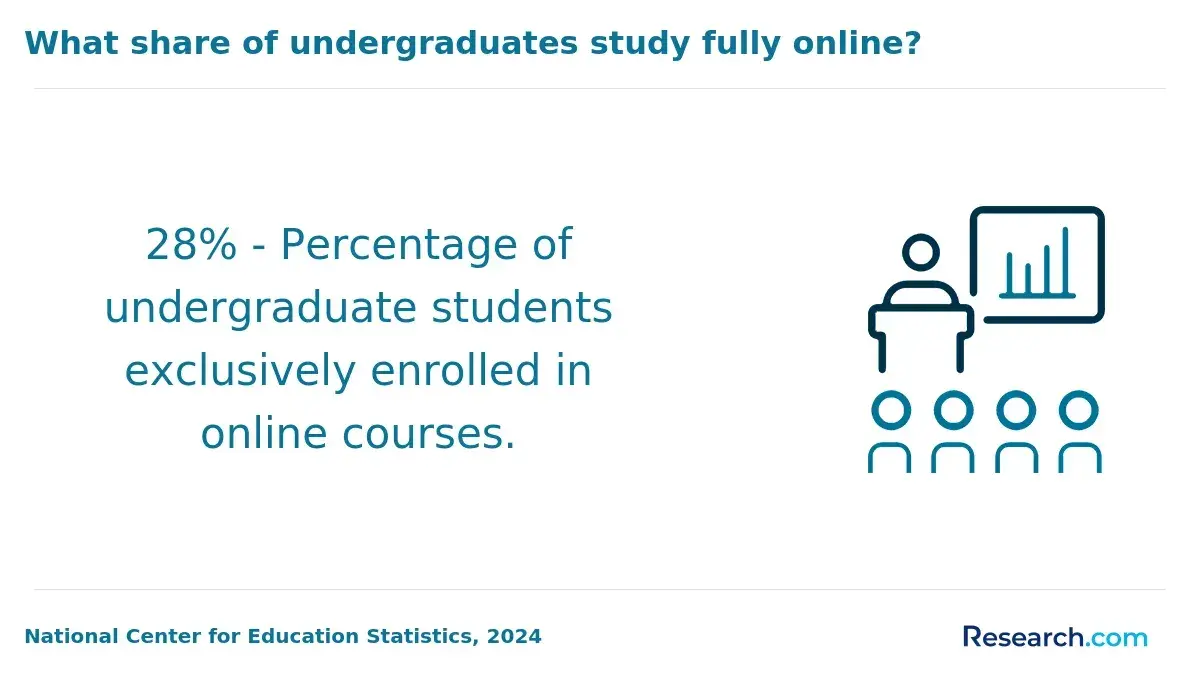
Facing uneven salary prospects across states, nutrition professionals must weigh relocation risks against career advancement to avoid prolonged underemployment. The U. S. Department of Education recently reported a 30% surge in online nutrition program enrollments, especially among adult learners balancing work and family, signaling growing interest in flexible education but also increasing competition for top-tier positions. This shift challenges candidates to optimize credentials that match local job markets and employer expectations. Understanding state-specific salary variations and workforce demands becomes essential for informed timing, credential selection, and geographic strategy. This article analyzes nutrition salaries by state to guide practical decisions for salary maximization and career mobility.
Key Things You Should Know
- States with the highest nutrition salaries, such as California averaging $72K annually per BLS 2024 data, risk workforce shortages due to cost-of-living tradeoffs limiting entry-level hiring.
- Employers in Medicaid-heavy states show 15% slower hiring growth in nutrition roles, indicating reimbursement structures are critical in shaping labor demand across regions.
- Nutrition credentialing costs averaging $4,000 combined with variable licensure timelines narrow geographic mobility, disproportionately affecting candidates from lower-income areas seeking state licensure reciprocity.
What is the average nutritionist and dietitian salary by state in the United States?
Salary variations for nutritionists and dietitians across US states are primarily driven by regional healthcare demand, cost of living, and licensing requirements. The average nutritionist and dietitian salary across US states ranges widely, with national median earnings at $73,850 annually but dipping as low as $48,830 in lower-cost areas and reaching up to $101,760 in high-demand markets, according to the U.S. Bureau of Labor Statistics.
Professionals in states like California or New York might earn near or above the 90th percentile, but must contend with significantly higher living expenses.
Choosing where to work involves balancing these salary differences against real-world factors such as housing costs, state-specific credentialing, and local job availability. For example, a nutritionist relocating to a top-paying state might see minimal net financial gain after elevated expenses are considered. Conversely, working in lower-wage states could mean a lower salary with potentially less competitive credential requirements and reduced cost pressures.
Employers increasingly require credentials aligned with state scope-of-practice laws, influencing both salary potential and role types. Focus areas like clinical hospital nutrition command higher pay but involve more stringent credentialing versus roles in community or wellness settings. Those mapping out their path should weigh these tradeoffs carefully.
For students and professionals exploring pathways-including those considering a nutrition degree online-understanding a state-by-state nutritionist salary comparison in the United States alongside licensing nuances is critical for aligning education investments with sustainable career outcomes.
Which states offer the highest and lowest salaries for nutrition professionals?
Salary discrepancies for nutrition professionals across U.S. states translate into tangible tradeoffs between income potential and living costs. California leads with an average annual wage near $84,600 as of May 2023, about $28,000 higher than Mississippi's $56,500 average. Yet, this top-tier compensation comes with steep expenses in housing, taxes, and daily living, eroding net financial gains.
Conversely, Mississippi's lower salaries often coincide with more affordable living but limited scope for specialization or career progress within nutrition roles.
Employers in higher-paying markets typically require advanced certifications and specialized clinical experience, raising the bar for entry but rewarding those who meet it. This accentuates a widening divide where states offering lower wages may simultaneously lack the dense professional ecosystems that foster growth and skill diversification.
For individuals weighing educational paths aligned with nutrition salary by state trends, it is essential to consider how regional labor markets influence credentialing demand and job complexity, not merely raw salary figures. Professionals targeting upward mobility would benefit from analyzing employer expectations in their desired locales.
Students and career changers should also factor in access to educational resources tailored to their goals, such as healthcare administration courses online, which can support strategic navigation through credential requirements and sector-specific skills.
How do nutrition salaries compare across urban, suburban, and rural regions within states?
Salary disparities across urban, suburban, and rural areas reflect underlying employer priorities and infrastructure differences that deeply affect nutrition professionals' earning potential. Urban settings typically offer 10% to 20% higher wages due to larger hospitals, research facilities, and private practices with more robust budgets.
For example, a dietitian employed by a metropolitan hospital in California or New York can surpass $70,000 annually, while suburban positions in smaller clinics or school districts average closer to $60,000.
Conversely, rural nutrition salary differences by urban suburban and rural areas within states can be stark, with wages often 15% below suburban levels. These roles carry tradeoffs such as broader scope and autonomy but come with funding constraints and fewer career advancement opportunities. Community health centers and local government programs typify these environments, emphasizing practical workload over pay scale.
Specialized fields like pediatric or renal nutrition may reduce wage gaps in urban centers where demand for expertise is highest, aligning with national growth projections of 6% for dietitians and nutritionists through 2034, creating about 6,200 annual job openings.
Professionals weighing rural employment must consider both lower pay and cost of living advantages, along with potential loan forgiveness, while suburban roles present moderate earnings with better work-life balance.
Individuals pursuing nutrition careers should also evaluate relevant educational pathways carefully. A targeted health administration degree can enhance employability in diverse settings, responding to the regional nutrition wage comparison across urban suburban and rural locations and aligning education with local market dynamics.
What education levels and degrees most strongly influence nutrition salary ranges?
Salary variations in nutrition are strongly tied to education level, with bachelor's degrees in nutrition, dietetics, or related health sciences forming the baseline for entry-level roles. However, those holding advanced degrees, such as a master's or a registered dietitian (RD) credential, access higher-paying specialized roles, typically exceeding national salary averages by 10-15%.
For example, a public health nutritionist managing urban community programs often earns $5,000-$7,000 more annually than a similarly qualified peer working in rural or regional departments. This disparity illustrates how nutrition degree impact on state salary ranges intersects with geographic and market factors.
Employer preferences increasingly emphasize formal education combined with professional certifications, which can add $4,000 to $8,000 yearly, especially in metropolitan areas where competition and cost of living are higher. The 2024 data highlight states like District of Columbia ($83,550), Maine ($82,480), and California ($82,380) where salaries surpass the national average by $8,000-$10,000, reflecting both higher educational attainment and demand.
Those balancing immediate employment goals might consider bachelor-level qualifications supplemented by certification, while individuals focused on long-term advancement need to weigh the costs and time of advanced degrees to overcome salary plateaus and assume leadership roles in healthcare, research, or policy.
Proven educational pathways for those aiming to upgrade include programs like the RN BSN. Evaluating education requirements for nutrition salary by state and the strategic value of credentials against job market realities remains essential for informed decision-making.
How do online vs campus nutrition degree programs affect career outcomes and earnings?
Campus-based nutrition degree programs confer a distinct advantage in clinical and healthcare employment due to embedded supervised practice hours and robust professional networks. Employers seeking hospital dietitians or clinical specialists frequently prioritize candidates with these hands-on experiences, which correlate with faster licensure, earlier career advancement, and notably higher salaries.
Entry-level registered dietitians from campus programs typically start near $48,830, with mid-career earnings reaching approximately $73,850 and seasoned professionals surpassing $101,760, according to data from the U.S. Bureau of Labor Statistics and the Academy of Nutrition and Dietetics.
In contrast, graduates of online programs often face delayed income progression, especially when internships are absent or unaccredited. Working professionals who value flexibility and income maintenance may accept this tradeoff by leveraging online formats while employed. This approach suits roles oriented around public health or wellness coaching rather than direct clinical care where immediate supervised practice is critical.
Key considerations for prospective students include:
- Whether clinical placements are essential for licensure and accelerated salary growth.
- The ability to balance employment with study when choosing program format.
- Long-term career trajectory differences linked to hands-on experience and employer credential verification.
Deciding between online and campus-based nutrition degrees demands weighing immediate employability versus study flexibility-both factors shape career momentum and income potential.
Which nutrition credentials, certifications, and licenses lead to higher salaries by state?
Holding RD/RDN credentials remains the most effective route to substantially higher salaries for nutrition professionals across the U.S., raising annual earnings by $25,000-$30,000 compared to non-credentialed counterparts. This premium stems from the credential's rigorous requirements in education, supervised practice, and national exams, which employers view as a reliable indicator of clinical and corporate competence.
Other certifications such as Certified Nutrition Specialist (CNS) and Certified Diabetes Educator (CDE) provide smaller salary uplifts, typically $8,000-$12,000 in states with robust healthcare systems like California or New York, but these gains are not consistently replicated nationwide. This variability illustrates an important tradeoff: while these credentials may be more accessible, their economic return is more regionally dependent.
Licensure status further influences wages, with states enforcing dietitian or nutritionist licensure-Florida and Texas, for example-offering premiums of $5,000-$7,000. Employers note that licensure reduces legal risk and streamlines hiring, which can justify salary differentials even if broader credentialing is lacking.
For practitioners weighing credential options, the decision involves balancing the time and cost of RD/RDN certification against the moderate and less predictable benefits of alternative certifications or licensing. Strategically, aligning credentialing choices with state licensure requirements enhances access to higher-paying roles and wider professional opportunities.
What are the typical entry-level, mid-career, and senior nutrition roles and pay ranges?
The nutrition career trajectory distinctly balances credential demands against salary potential and sector-specific tradeoffs. Entry-level roles-clinical dietitians, community nutritionists, and nutrition educators-typically require a bachelor's degree plus supervised internships, offering salaries between $45,000 and $60,000. Mid-career professionals aiming for specialized positions such as sports dietitians or wellness consultants generally need advanced certifications or a master's degree paired with 5-10 years of experience, earning $60,000 to $75,000.
Senior-level nutrition roles-spanning director-level hospital nutrition services, research leads, or policy advisors-command upwards of $80,000 to over $100,000 and expect leadership skills alongside graduate education and demonstrated programmatic impact.
Professionals must weigh several factors:
- Public health roles often provide slower wage growth but broader community impact experience.
- Private sector work can yield faster advancement but entails adapting to market volatility and corporate goals.
- Educational investments should align with the target sector's expectations to maximize employability.
Sector choice profoundly affects compensation and career development speed. For instance, dietitians employed by merchant wholesalers of nondurable goods earn an average of $85,880, considerably outpacing those in local government roles averaging $59,290 annually. This gap underscores how private sector demand for profitability contrasts with public-sector budget constraints.
How do employer types and work settings impact nutrition salaries in different states?
Employer type and work setting heavily influence nutrition salaries by shaping demand, funding, and role specialization. Clinical hospital positions generally offer moderate, stable salaries between $50,000 and $70,000, tied closely to insurance reimbursements and state cost-of-living variations noted by the U.S. Bureau of Labor Statistics. However, private sector roles-such as corporate wellness and food industry consulting-often exceed these figures due to profit-driven pay structures.
Remote and telehealth nutrition jobs have shifted traditional salary landscapes, particularly benefiting professionals in lower-cost states. The average listed salary on ZipRecruiter is $76,000 annually, with top earners making up to $100,000, indicating strong competition with clinical roles.
This trend allows practitioners to leverage digital skills and serve national or international clients, sometimes increasing income by 20-40% compared to comparable local hospital jobs.
Public health and school nutrition roles prioritize job security and benefits but deliver lower pay, influenced by urban funding disparities and credential requirements limiting salary growth.
Choosing work settings involves weighing tradeoffs among income potential, certification relevance, and licensure demands.
- Clinical roles: stable salaries, moderate growth, geographic limitations
- Private sector: higher pay, less stability, profit-driven
- Telehealth: flexible geography, competitive compensation, depends on tech skills
- Public/government: lower pay, secure with clear career paths
Understanding these dynamics is crucial for making informed decisions about education and career planning in nutrition, especially when seeking roles outside traditional healthcare environments.
What is the current job outlook and demand for nutritionists and dietitians by state?
Starting salaries for nutritionists and dietitians vary widely by state, influenced by local healthcare infrastructure, demographic trends, and public health funding. While new graduates nationally begin around $48,830, states like California and Minnesota offer higher entry wages due to elevated living costs and a concentrated need for specialized clinical services.
For instance, in California's healthcare environment, nutritionists often find swift employment opportunities linked to extensive hospital networks and programs addressing diet-related chronic conditions. Conversely, states with limited healthcare resources may require candidates to obtain additional certifications or develop expertise in niche populations such as pediatric or geriatric nutrition.
Employers increasingly expect skills in electronic dietary assessments, interdisciplinary teamwork, and insurance reimbursement navigation, especially in competitive job markets.
Selecting a region with a growing elderly population or expanding school nutrition programs may provide steadier employment but typically involves accepting lower starting pay and slower progression. Practical field experience and advanced credentials remain essential in densely populated markets.
Students should carefully balance relocation costs against potential salary gains and investigate the varying state licensure requirements that affect job flexibility and income potential.
According to Department of Labor Statistics projections, nutritionist roles will grow 15% overall by 2026, though this growth is uneven, underscoring the importance of detailed, state-specific market analysis before committing to this career path.
How can students choose an accredited nutrition program that maximizes salary potential?
Accreditation by the Accreditation Council for Education in Nutrition and Dietetics (ACEND) decisively impacts earning potential and employability in nutrition careers. Graduates from ACEND-accredited programs are distinctly preferred by employers for meeting competency benchmarks necessary for Registered Dietitian Nutritionist (RDN) credentials, which generally correlate with salaries above the national average of $49,877 documented by the U.S. Bureau of Labor Statistics. In contrast, technician certifications or non-accredited training often result in lower starting wages.
Practical partnerships with clinical and industry organizations enhance real-world skills and access to higher-paying positions. For instance, graduates connected to hospital networks typically report incomes 10-15% higher than the average, demonstrating how training beyond theory influences market value.
State licensure requirements directly affect salary ceilings; nutritionists in licensure-mandated states like California and New York command wages near or exceeding $55,000, while those in unregulated states often earn less.
Matching program completion with these regulatory environments is vital for maximizing returns.
- Institutional reputation and internship availability strongly influence mid-career outcomes.
- Understanding state credentialing paths is essential to align education with employment laws.
- Salary growth since 2014 has been moderate, reinforcing the need for strategic program selection rather than credential accumulation alone.
Program structures also carry tradeoffs: accelerated bachelor's-to-master's routes shorten time to credentialing but may limit critical internship opportunities crucial for RDN eligibility. Online programs offer flexibility but frequently restrict access to local clinical experiences and networking needed for competitive markets.
Other Things You Should Know About Nutrition
Private practice offers control over client selection and pricing, potentially leading to higher earnings, but income is highly variable and depends on business acumen and patient volume. Institutional settings such as hospitals or government agencies provide stable salaries and benefits, with slower growth but more predictability. Choose private practice only if you have strong entrepreneurial skills and risk tolerance; otherwise, institutional roles provide a more reliable income trajectory and clearer benchmarks for salary growth by state.
Moving to states with higher nutrition salaries can accelerate income growth but often comes with higher living costs and increased competition. Graduates must evaluate whether salary gains outweigh relocation expenses and lifestyle changes. For many, gaining two to three years of experience in a stable location before relocating provides stronger negotiation leverage and portfolio development, improving long-term salary potential more than immediate moves to top-paying states with limited networks.
Employers in high-paying states or settings often expect higher caseloads, detailed documentation, and measurable client outcomes, which can lead to increased stress and longer hours. Salary offers that appear competitive may compensate for demanding workloads that reduce work-life balance. When evaluating opportunities, assess whether higher pay aligns with reasonable workload expectations and whether peak salary states impose productivity standards that could limit professional growth or job satisfaction.
References
- 15 Best Master’s Degrees in Nutrition - Healthcare Administration Degree Programs https://www.healthcare-administration-degree.net/best-masters-degrees-nutrition/
- Online Nutrition Degrees | OnlineColleges.net https://www.onlinecolleges.net/degrees/nutrition/
- Why Choose an Accredited Nutrition Program? | University of Bridgeport https://www.bridgeport.edu/news/accredited-nutrition-programs/
- The 13 Highest Paying Nutrition Jobs - Well Resourced Dietitian https://wellresourced.com/highest-paying-nutrition-jobs/
- Associate Degree in Nutrition 2025 - Programs & Careers https://www.nutritioned.org/associates-degree-in-nutrition/
- Home - Global Nutrition Report https://globalnutritionreport.org/
- Dietitian Salaries - Dietitian Salaries https://dietitiansalaries.com/
- Become a Registered Dietitian Nutritionist https://www.eatright.org/become-an-rdn
- Nutritionist Salary https://becomeanutritionist.org/salary/
- Dietitian — Career Path Guide https://jobcannon.io/careers/dietitian