2027 Best Online Nutrition Degrees for Community and Clinical Hybrid Careers

Co-Founder and Chief Data Scientist
Registered dietitians and nutritionists seeking a hybrid career across community outreach and clinical settings often confront a critical barrier: finding flexible degree programs that accommodate full-time work and clinical practicum requirements without sacrificing academic rigor. According to the National Center for Education Statistics, online enrollment increased by 12% in 2023, reflecting a surge in demand for adaptable programs by adult learners balancing professional duties with education. This growth highlights an urgent shift toward hybrid Nutrition degrees that merge virtual coursework and in-person clinical experience, addressing credentialing standards and workforce needs. This article evaluates the best options for pursuing such degrees to optimize career flexibility and employer readiness.
Key Things You Should Know
- Hybrid nutrition degrees often extend total program duration by 20%-30% versus fully online options due to required clinical hours, impacting workforce re-entry timing and tuition accumulation per National Center for Education Statistics data.
- Employers prioritize graduates with clinical practicum exposure 67% more for community nutrition roles, according to 2024 Academy of Nutrition and Dietetics workforce analyses, elevating hiring competitiveness over purely theoretical training.
- State licensure variability mandates hybrid programs include in-state clinical placements, limiting geographic mobility during education and adding logistical costs that average 15% of program expenses per recent Council on Higher Education reports.
What is an online nutrition degree?
Choosing an online nutrition degree program demands balancing flexible digital coursework with mandatory, often challenging, clinical placements. These hybrid nutrition degree online for community and clinical settings allow students-especially working professionals and career changers-to pursue credentials without relocating or pausing employment.
However, securing quality internships requires early planning and geographical flexibility, because clinical sites are limited and prioritized by accreditation standards vital for employability.
Curricula typically encompass biochemistry, dietetics, food service management, and public health nutrition, preparing graduates for roles such as dietetic technicians or clinical nutritionists. Employers give preference to candidates who demonstrate verified clinical experience and accredited credentials aligned with U.S. healthcare standards.
In this sector, trade-offs involve managing self-directed online learning while meeting hands-on skill requirements that cannot be completed remotely.
Early-career salary data indicates the tangible value of these degrees. For example, graduates from Purdue Global's online BS in Nutrition report a median salary of $41,644 one year after graduation, offering a benchmark for workforce entry compensation. These figures help frame return-on-investment considerations when comparing community health versus clinical nutrition career paths.
Students evaluating options can find detailed comparative analyses of program quality and outcomes at best online nutrition degree resources, supporting informed decisions based on practical program delivery and labor market realities.
Which accreditation should nutrition programs have?
ACEND accreditation remains the decisive factor separating online nutrition degree programs that unlock clinical and public health opportunities from those limited to wellness coaching or non-clinical roles. Employers in healthcare and federal nutrition assistance programs strictly require graduates from ACEND-accredited programs because these meet established nutrition program accreditation standards for hybrid clinical careers.
Without this credential, students face near-insurmountable barriers to taking the Registered Dietitian Nutritionist (RDN) exam, the credential most employers use to verify competence and eligibility for reimbursement.
For example, a graduate from a non-ACEND program may find doors closed in hospital dietetics or community nutrition, where licensure hinges on supervised practice components embedded in accredited curricula. These requirements extend the time and complexity of completing degrees but facilitate smoother licensure and employment nationwide.
The cost for accredited online programs tends to range moderately between $5,929 and $9,752 annually for in-state students, making the investment practical given the broader career flexibility gained. Prospective students should weigh this financial commitment against the potential necessity of completing additional supervised hours if their program lacks ACEND approval.
Those aiming for related health fields might also explore pathways such as a degree in healthcare administration, which can complement nutrition credentials and diversify career options.
Careful evaluation of accredited online nutrition degree programs in the United States remains essential to align educational choices with both immediate goals and longer-term workforce realities.
How do online and hybrid nutrition programs compare?
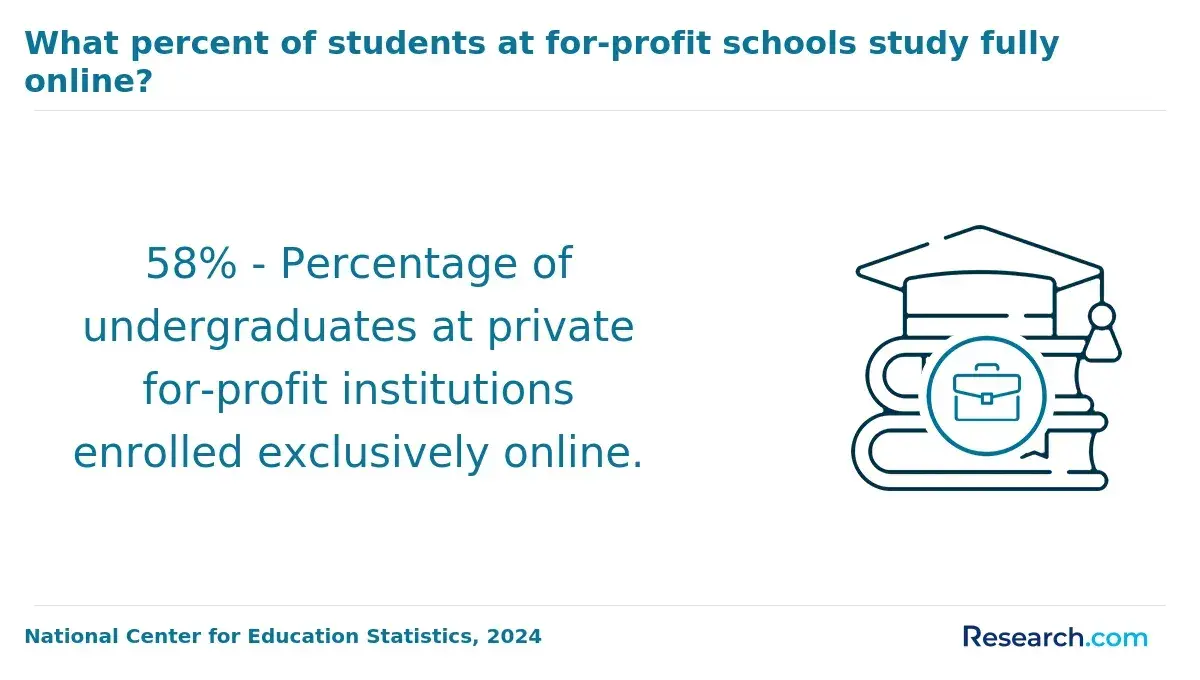
The critical distinction between online and hybrid nutrition degree programs lies in how each manages the supervised practice components essential for credentialing and employment readiness. Fully online options offer scheduling flexibility, appealing to working professionals, but they typically require students to independently secure clinical internships or supervised hours.
This can introduce logistical challenges that extend timelines and complicate licensure pathways. In contrast, hybrid community and clinical nutrition education benefits include built-in, in-person practicums or residencies that reduce this coordination burden and generally align better with employer expectations.
Employers prioritize candidates with verified supervised practice and demonstrated applied skills, often favoring hybrid program graduates. Those pursuing fully online nutrition degrees must verify both program accreditation and local internship availability to avoid credentialing setbacks.
The U.S. Bureau of Labor Statistics projects a 6% employment growth for dietitians and nutritionists, intensifying competition for roles where practical clinical experience is non-negotiable. Candidates lacking integrated supervised experiences may encounter longer job searches or require additional training.
Decision-making for prospective students balances the need for flexibility against direct employability outcomes. Hybrid programs, especially those linked with local hospitals or community health agencies, streamline clinical placement logistics.
Online-only pathways suit individuals with existing professional networks and the ability to manage separate clinical arrangements, which may involve commuting or relocation. Thoroughly evaluating program accreditation, supervised practice support, and career fit is essential when comparing online nutrition degree programs.
For those considering advanced credentials, exploring the cheapest online MBA healthcare options alongside nutrition education pathways can provide strategic advantages in leadership and administration within health settings.
What courses are in a nutrition degree?
Choosing a nutrition degree focused on hybrid community and clinical roles demands attention to both practical application and workforce relevance. Clinical nutrition coursework online programs typically emphasize dietetics principles such as nutrition assessment, meal planning, and therapeutic diets tailored for chronic illnesses like diabetes or cardiovascular disease, equipping graduates for settings requiring actionable expertise rather than abstract theory.
Community nutrition degree courses hybrid in format integrate public health strategies, behavior change communication, and epidemiology to prepare professionals for designing interventions in diverse populations. For example, working at a local health department requires managing food safety and microbiology risks while aligning with policy and program planning-skills not easily acquired in purely theoretical programs.
Beyond content, essential competencies include statistics, research methods, and evidence-based practice to evaluate program effectiveness in real-world environments like hospitals or community centers. Internship or practicum experiences force students to balance client interaction complexities and time management demands, factors often overlooked in online curricula.
Employers value specialized certifications and advanced clinical expertise, which correlate with the $69,350 median annual salary for dietitians and nutritionists, with top earners exceeding $98,830. The choice between community and clinical emphasis affects both immediate employability and long-term career trajectory.
Students evaluating this pathway should also consider articulation opportunities with programs like RN to BSN online programs that can complement nutrition credentials and expand interdisciplinary scope.
What are the admission requirements for nutrition programs?
Admission to hybrid nutrition programs requires navigating a balance between academic readiness and practical prerequisites tied to clinical and community settings. Prospective students need a foundation in biology, chemistry, and math, with transcripts showing at least a 3.0 GPA to signal they can thrive under rigorous coursework and maintain eligibility for supervised clinical rotations.
Standardized tests like the SAT or ACT remain common, particularly for bachelor's nutrition tracks combining in-person lab work and online learning, though some programs waive these for prior college credits or extensive work experience. Applicants also should prepare personal statements and recommendation letters that emphasize commitment to public health and patient-centered nutrition roles, as these documents directly influence acceptance decisions.
Clinical hybrid tracks introduce additional logistical challenges including background checks and immunization records, which require early coordination with practicum sites to avoid delays impacting graduation timelines or credential eligibility.
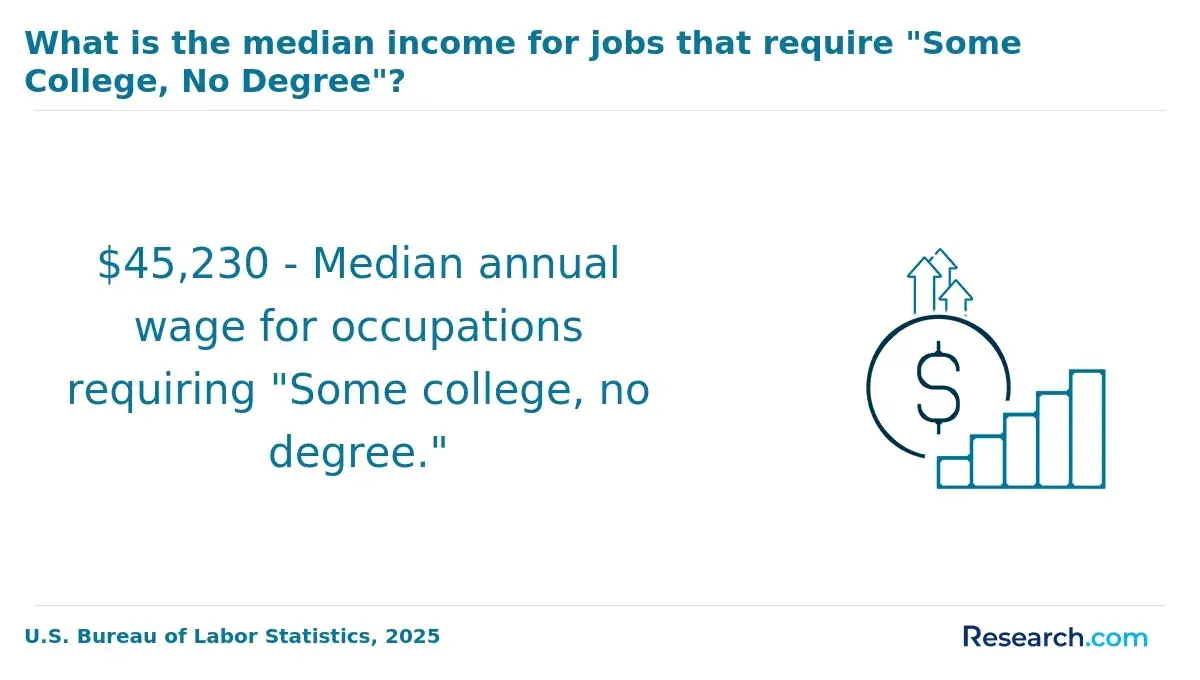
Economic outcomes further complicate decision-making: OnlineU data reports that graduates of top online nutrition bachelor's programs earn a median of $41,644, often outpacing on-campus counterparts. This dynamic forces applicants to weigh program accessibility, curriculum intensity, and post-graduate market value rather than selecting solely on convenience or reputation.
How long does a nutrition degree take?
A bachelor's degree in nutrition typically spans four years of full-time study, aligning with 120 to 130 semester credits that combine foundational science, specialized nutrition courses, and clinical practica. For individuals balancing work or shifting careers, part-time or hybrid formats extend completion to five or six years, reflecting the challenge of integrating coursework with employment and internships.
Accelerated tracks rely heavily on prior credits or demanding course loads, often limiting the feasibility of sustained jobs or family commitments. In contrast, traditional programs require significant synchronous lab hours or on-site experiences, creating accessibility challenges for those in remote areas or with limited daytime availability.
Prerequisites add further time for students entering from unrelated fields, delaying access to core nutrition content. This preparatory phase is critical since employers in clinical and community settings prioritize candidates with accredited, comprehensive training and verified supervised experience.
Cost differences notably affect program viability: public online nutrition bachelor's degrees reduce annual net expenses by approximately 39% compared to private counterparts, freeing financial resources for costly unpaid internships and additional certifications that increasingly influence hiring decisions.
Those pursuing clinical track degrees face extra time commitments for licensure preparation and supervised internships, a necessity for meeting state regulations and employer standards in medical environments versus community nutrition roles with more flexible timelines.
How much do online nutrition degrees cost?
Choosing an online nutrition degree entails balancing significant cost variation against employer expectations and workforce needs. Tuition ranges widely, from $15,000 to beyond $50,000, influenced by institution type, program length, and accreditation. Public universities typically charge between $300 and $600 per credit hour for in-state students, whereas private schools can demand $700 to $1,200 or more.
Beyond tuition, applicants must factor in technology fees, textbooks, and local clinical practicum costs that can reach an additional $1,000 to $3,000 annually, affecting the total financial outlay.
The practical value of accreditation cannot be overstated. For professionals aiming to work in hospital dietetics, programs accredited by relevant bodies justify higher tuition-sometimes 20-30% above average-as employers expect verification of clinical competencies.
Flexible pacing in program delivery offers tradeoffs: part-time enrollment lowers immediate spending but delays workforce entry, whereas accelerated options increase upfront cost but reduce time to credentialing, advantageous where labor demand is urgent.
Additional expenses also include licensing or certification examination fees, typically between $200 and $500, necessary for clinical roles and not covered by tuition. Prospective students must critically assess total cost versus anticipated outcomes, including employer recognition and credential portability, to ensure economic feasibility when pursuing hybrid community and clinical nutrition careers.
What jobs can you get with a nutrition degree?
Choosing an online master's in nutrition for career progression involves evaluating how clinical, community, and hybrid roles align with licensure and employer demands. Clinical nutrition careers-such as registered dietitian nutritionists (RDNs) or clinical nutrition specialists-require mastery of medical nutrition therapy and supervised practice leading to credentialing. This ensures readiness for complex patient cases in hospitals or outpatient clinics managing chronic illnesses like diabetes or renal failure.
By contrast, community nutrition positions prioritize preventative health and program delivery across schools, government, or non-profits, focusing less on individualized treatment and more on population health outcomes. Often, this sphere has different certification and licensing expectations, which can affect job scope.
Online master's programs, typically spanning 30-36 credits over about two years, appeal to working adults needing minimal career interruption. These programs frequently blend clinical and policy leadership training, supporting transitions into hybrid roles that require both direct care and community health administration.
- Relevant certification, such as RDN, requires national exam passage and supervised clinical hours.
- State licensing differences impact eligibility for direct patient care roles.
- Two-year online formats enable working professionals to upskill without significant income loss.
- Choosing programs that integrate evidence-based clinical practice with policy enhances employability in hybrid roles.
This pathway demands navigating state-specific licensure variations and strategically selecting programs aligned with target roles. Misalignment can delay practice rights or limit employment options. Success hinges on understanding tradeoffs between clinical rigor, community focus, and leadership preparation upfront, particularly when balancing ongoing employment.
What is the salary for nutrition graduates?
Salary outcomes for nutrition graduates hinge heavily on credentialing, setting, and geography rather than solely on degree format. For instance, Registered Dietitians (RDs) holding ACEND-accredited online degrees generally earn salaries comparable to those from traditional campus programs, underscoring licensure eligibility as the primary wage determinant. Public health nutritionists typically see annual salaries between $55,000 and $65,000, while clinical dietitians in hospitals often surpass $70,000 depending on specialty and experience.
Employers prioritize candidates with supervised practice hours and licensure, regardless of whether their education was completed online or on campus, affecting both hiring and salary potential. Professionals switching into nutrition without RD credentials usually start near $50,000 and face slower career progression unless they supplement with certifications.
Salary ranges expand to $58,000-$75,000 in hybrid roles combining patient counseling, program management, or research. Location remains a significant cost-of-living and demand factor, with metropolitan healthcare markets delivering 10-20% higher wages than rural areas. These distinctions emphasize that education mode must be weighed alongside licensure pathways and local market conditions for realistic career planning.
Decision-makers should consider that, while online ACEND-accredited pathways facilitate licensure equivalently to traditional programs, successful employment hinges on navigating credentialing logistics, internship completion, and geographic variability in opportunity.
Which certifications or licenses may nutrition careers require?
Securing the Registered Dietitian Nutritionist (RDN) credential remains the non-negotiable entry point for clinical dietetics roles nationwide, as hospitals and insurance-based counseling require this license. Without it, candidates face substantial barriers to employment and reduced earning potential. Prospective professionals must invest heavily in supervised practice hours-often exceeding 1,200-alongside rigorous state and national examinations to qualify.
Advanced certifications such as Certified Nutrition Specialist (CNS) or board certifications in sports or pediatric nutrition offer distinct competitive advantages in specialized markets where demand for expert niche skills is rising. These credentials align with workforce trends in emergent domains like sports nutrition and community wellness, increasingly incorporated into online curricula.
Licensure requirements for community nutrition roles vary by state but commonly mirror the RDN framework with additional local mandates, particularly affecting eligibility to provide reimbursable services or collaborative care within public health systems.
Therefore, candidates targeting public health departments or federally funded initiatives must navigate complex regulations that influence their scope of practice.
- Mandatory 1200+ supervised practice hours for RDN candidacy
- State-specific licensure requirements impacting service reimbursement
- Specialty certifications crucial for emerging nutrition fields and niche markets
- Continuous education and dual certification for maintaining competitive edge in hybrid roles
The practical reality for hybrid practitioners is the need for dual certification and continuous education credits to sustain credentials across clinical and community settings, addressing employer preferences for versatile professionals able to fluidly operate in diverse environments.
Other Things You Should Know About Nutrition
Hands-on clinical experience is essential for hybrid nutrition programs because it directly affects graduate readiness for clinical roles and employer expectations. Programs that integrate supervised practicums or internships provide real-world exposure to patient care, which is critical for credentialing and licymetric requirements. Choosing a program with robust clinical components ensures practical skill development, making candidates more competitive for registered dietitian or clinical nutritionist positions, unlike programs with minimal or optional onsite experiences.
Hybrid nutrition degrees offer a flexible blend of online and in-person learning, allowing students to manage their studies alongside personal and professional commitments. This model helps enhance time management skills while ensuring that students can access both theoretical and practical components effectively.
Hybrid degrees generally demand stronger time management because they blend asynchronous online coursework with scheduled in-person sessions, which can create scheduling conflicts for working students. The in-person requirements often include labs or clinical hours that cannot be completed remotely, requiring careful coordination. Students must be prepared for concentrated periods onsite and a consistent online workload, which can be more intensive than fully online programs but more flexible than fully in-person programs.
Employers increasingly accept hybrid nutrition degrees, especially when the program is accredited and includes clinical training. However, some clinical or hospital employers may give preference to candidates from traditional, fully in-person programs due to perceived rigor of hands-on training. Prioritize hybrid programs that have established partnerships with healthcare facilities and clear pathways for supervised practice, as these elements mitigate employer concerns and enhance employability.
References
- Dietitians of Canada https://www.dietitians.ca/Become-a-Dietitian/Education-and-Training
- Nutrition Careers Guide 2025 | Jobs & Salary https://www.nutritioned.org/careers/
- Medical University of GdaÅsk https://admission.mug.edu.pl/38292.html
- Master's in Nutrition Prerequisites | University of Bridgeport https://www.bridgeport.edu/news/masters-in-nutrition-prerequisites/
- How to become a dietitian https://www.bda.uk.com/about-dietetics/how-become-a-dietitian.html
- The Nutrition Institute https://www.thenutritioninstitute.com/us/en/pricing
- Nutrition degrees https://www.whatuni.com/degree-courses/search
- Integrative Nutrition, MS (Online) https://calbaptist.edu/academics/programs/online-master-of-science-integrative-nutrition/
- Unpacking Non-Dietitian Nutrition Credentials - Today's Dietitian Magazine https://www.todaysdietitian.com/unpacking-non-dietitian-nutrition-credentials/
- Nutrition Courses https://www.open.edu.au/study-online/health-medical-science/nutrition