2027 Best Online Nutrition Programs for Professionals Seeking Community Nutrition Careers

Co-Founder and Chief Data Scientist
Professionals juggling full-time roles and family commitments often struggle to find online nutrition programs that balance rigorous credentialing with flexible pacing, without sacrificing community engagement critical for career advancement. According to the National Center for Education Statistics, over 40% of graduate students enrolled in online programs in 2024 prioritize programs offering asynchronous options and cohort-based support, reflecting a broader shift toward accessible, career-driven education.
This trend affects how aspiring nutritionists navigate enrollment timing and employer expectations for practical experience. This article evaluates top online nutrition programs tailored for professionals seeking community nutrition careers, focusing on flexibility, networking, and actionable outcomes to guide informed decisions.
Key Things You Should Know
- Data from the U.S. Bureau of Labor Statistics shows a 15% job growth in nutrition careers through 2032, but programs lacking supervised practice hours limit eligibility for RDN licensure, creating a critical credential bottleneck.
- Employer surveys reveal 62% prioritize applied community nutrition experience over degree prestige, pressing candidates to weigh accelerated online curriculums against proven fieldwork integration in hiring outcomes.
- Cost analysis indicates programs exceeding $30,000 increase debt-to-income risk given median nutritionist salaries near $63,000, making shorter, competency-based online tracks financially advantageous yet potentially less comprehensive.
What are the best online nutrition degrees for careers in community nutrition?
Choosing the best online nutrition degrees for community health careers requires prioritizing accreditation, practical experience, and employer expectations. Degrees accredited by the Accreditation Council for Education in Nutrition and Dietetics (ACEND) are paramount, as they fulfill Registered Dietitian Nutritionist (RDN) eligibility requirements-often non-negotiable for community-based roles. Bachelor of Science in Nutrition or Dietetics programs combined with supervised practice prepare graduates for diverse public health, nonprofit, and school nutrition environments.
Master's degrees in Public Health Nutrition or Community Nutrition enhance prospects for leadership but assume foundational undergraduate training. Part-time or asynchronous options support working professionals seeking certified credentials without interrupting their careers. Employers consistently favor candidates demonstrating applied skills in nutrition assessment, program design, and culturally competent communication, typically gained through internships or practicum-integrated curricula rather than purely academic coursework.
The projected 6% job growth rate for dietitians and nutritionists over the next decade implies around 5,600 openings annually, underscoring competitive demand. Graduates from accredited online programs for community nutrition professionals avoid delays tied to additional certifications, which reduce early earning potential and market competitiveness.
For those evaluating program options, understanding this dynamic is critical to avoid costly detours. Realistic program selection should account for these factors and could benefit from exploring online degrees in nutrition that balance accreditation, flexibility, and direct licensure pathways.
How do online nutrition programs prepare graduates for community nutrition and public health roles?
Online nutrition programs tailored for community roles prioritize competencies beyond clinical patient care, focusing on program planning, policy analysis, and cultural adaptability. Graduates gain skills in needs assessment, population health metrics, and grant writing-essential for sustaining community initiatives. This orientation aligns with labor market data showing that growth in community and social services nutrition jobs is projected at 10% from 2024 to 2034, outpacing traditional clinical roles.
Practical experience often comes through virtual simulations or required internships with health departments and nonprofit agencies, bridging theoretical expertise with field realities such as resource constraints and behavior-focused interventions. For instance, navigating USDA guidelines while crafting culturally relevant communication is a common challenge for those in WIC programs.
Curricula are increasingly comprehensive, integrating data analytics, public health law, and remote communication tools, reflecting public health nutrition's evolving landscape. Students must critically evaluate programs for measurable community-focused practicum opportunities and instruction on navigating regulatory and funding environments, as graduates lacking these focus areas risk diminished employability in public health nutrition careers.
This analysis reflects on the role of accredited online programs in preparing graduates for public health nutrition careers and how online nutrition programs enhance practical skills for community nutrition professionals. Those pursuing a strategic pivot in nutrition might also consider a parallel pathway in online masters healthcare management to broaden cross-sector collaboration capabilities.
What accreditation should online nutrition programs have to qualify for community nutrition jobs?
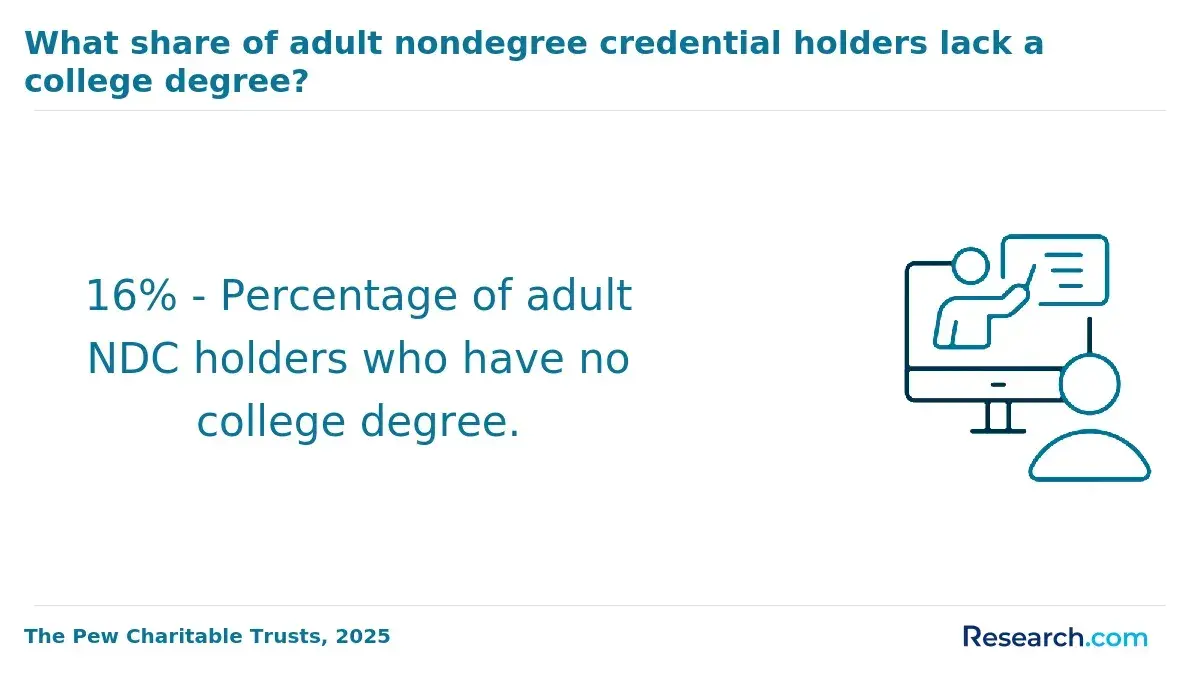
Choosing an online nutrition program accredited by the Accreditation Council for Education in Nutrition and Dietetics (ACEND) is essential for those aiming at community nutrition careers that require Registered Dietitian Nutritionist (RDN) credentials. Employers in public health, hospitals, and nonprofits consistently prefer ACEND-accredited degrees because they comply with the Commission on Dietetic Registration's standards. Graduates from non-ACEND programs generally cannot take the RDN exam, blocking access to roles with median wages near $69,920 and limiting eligibility for federally funded nutrition initiatives that require verified clinical competencies.
For students considering accredited online nutrition programs for community nutrition careers, a key operational detail is supervised practice or internships included in the curriculum. Without this ACEND-recognized practical experience, remote learners may face multi-year delays and additional costs to qualify for certification. Some employers accept regionally accredited but non-ACEND programs for education and outreach roles without clinical duties, but this often suppresses upward mobility and salary potential.
Prospective students weighing alternatives should also consider how investing in an ACEND-accredited pathway minimizes obstacles for career pivoting and immediate certification eligibility. Community nutrition professionals at the top of the pay scale earn over $98,830 annually, reflecting the importance of recognized nutrition program accreditation for community health jobs. Those evaluating options might also review related fields, including accelerated nursing programs as a parallel route in healthcare workforce diversification.
What types of online nutrition degrees and certificates lead to community nutrition careers?
Employers in community health increasingly demand master's degrees rather than just bachelor's credentials for nutrition roles, reflecting the sector's shift toward more specialized, population-oriented expertise. Bachelor's degrees in nutrition science or dietetics remain gateways for entry-level positions like nutrition assistants, but advancement typically hinges on graduate education emphasizing program development, culturally competent interventions, and grant management.
Graduate certificates can serve professionals aiming to pivot without committing to full degrees, offering focused skills in nutritional epidemiology or food policy. However, these certificates rarely fulfill Registered Dietitian Nutritionist (RDN) qualifications, limiting access to top-tier roles and salary brackets. This distinction is critical when assessing certified nutrition certificates leading to public health jobs.
Tuition for online master's programs in community nutrition ranges widely, roughly from $8,000 to $32,000 total according to BestColleges' 2026 analysis. Given the median salary surpasses $69,000 in relevant community roles, this investment tends to offer tangible returns-particularly in public agencies or nonprofits responsible for federally funded programs.
Students balancing work and study should prioritize programs integrating policy application and grant-writing training. For example, a professional shifting from clinical nutrition to community health must focus on curriculum emphasizing community interventions. Those exploring pathways often also consider credentials like BSN completion programs as part of broadening their public health skill set.
How do online nutrition programs compare to campus-based options for community nutrition training?
Choosing between online and campus-based nutrition education hinges on more than convenience; it affects employability and practical readiness. While online programs offer unmatched flexibility and a broad reach-Udemy lists over 1,800 active courses with 2 million learners enrolled-the lack of supervised, hands-on practicums limits preparation for community-focused roles.
Employers often require evidence of in-field experience, which campus programs typically facilitate through structured internships. This distinction matters deeply in community nutrition careers, where roles like public health nutritionists demand embedded fieldwork to navigate government programs and meet credentialing standards.
Online nutrition curricula excel at delivering updated theory and asynchronous learning modules, enabling working professionals to progress quickly. However, they rarely provide the localized mentorship and networking crucial for mastering collaborative skills essential in community settings. For example, a state agency nutritionist must develop practical coordination capabilities that only embedded, face-to-face experiences can effectively build.
Decision-makers should consider that shorter online course durations might necessitate additional time and effort securing credible local internships independently, potentially offsetting cost savings. Balancing online theoretical breadth with campus-based practical exposure is key to aligning with employer expectations and satisfying credentialing requirements in community nutrition.
What courses and practicum experiences are included in community-focused online nutrition programs?
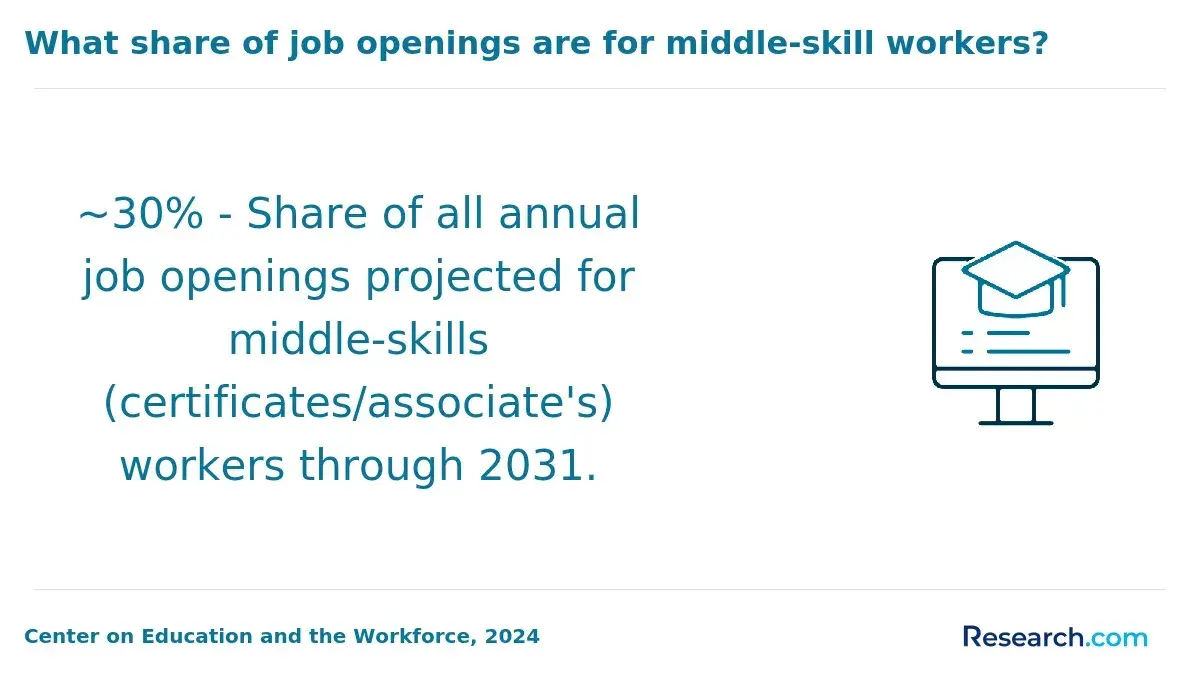
Community-focused nutrition programs blend advanced coursework with mandatory practicum placements designed to build measurable public health impact. Core modules cover epidemiology, community assessments, policy advocacy, and health promotion-subjects that directly prepare students to address nutritional disparities at scale. However, navigating practicum logistics poses a significant barrier, especially as site availability tightens amid a 30% surge in public health nutrition certifications since 2020.
Typical practicum experiences require 300 to 500 hours in real-world settings such as public health departments or federally qualified health centers. These supervised hours critically expose students to applying behavior change theories and crafting culturally sensitive interventions. For instance, working within a WIC program might involve delivering nutrition education workshops and gathering outcome data, which align education with employer expectations prioritizing community nutrition experience, policy fluency, and data literacy.
Prospective students and career changers should weigh the operational tradeoffs between program accessibility and practicum quality: remote supervision can complicate placement agreements, potentially diluting hands-on experience. The best programs offer flexible, locally relevant practicum options integrated tightly with contemporary public health nutrition data and intervention frameworks.
What are typical admission requirements for online nutrition programs emphasizing community nutrition?
Online master's programs focusing on community nutrition often filter candidates by prerequisites that directly impact employability and practical readiness. A bachelor's degree in nutrition, dietetics, or a related health science-with a minimum GPA around 3.0-is commonly required to ensure foundational knowledge in sciences like biochemistry and physiology, critical for grasping public health nutrition challenges.
Applicants with hands-on experience, such as volunteering in school nutrition programs or public health initiatives, tend to be more competitive; this practical exposure aligns with employer expectations for community-based roles. Letters of recommendation from supervisors familiar with such contexts carry significant weight.
Additionally, some programs mandate GRE scores, though waivers exist depending on career background or academic record, which can influence entry speed and affordability. A clear personal statement articulating specific career aims in community nutrition clarifies candidate motivation and fit, which admission committees value especially as programs adapt to remote and hybrid learning models.
Flexibility with digital collaboration tools is increasingly essential since over 70% of graduates report improved access to remote or hybrid nutrition roles post-graduation. These admissions factors not only filter for academic ability but also signal a candidate's adaptability to evolving workforce demands-important when balancing program rigor against real-world job market requirements.
How long do online nutrition programs take, and what tuition and fees can students expect?
Completing an accredited online nutrition program requires careful consideration of time and financial commitments, especially for working professionals balancing employment or family. Associate degrees and certificates typically take 18 to 24 months, while bachelor's degrees extend to 3-4 years. Graduate programs often demand 1.5 to 2 years full-time, but part-time study or hybrid formats can prolong timelines significantly. This extension affects workforce reentry timing and income interruptions.
Tuition varies sharply by institution type and residency. Public university in-state rates range from $5,000 to $15,000 annually, with out-of-state costs rising to $30,000, while private institutions can charge $20,000 to $40,000 per year. Beyond tuition, students must plan for expenses linked to ACEND-required supervised practice, which may include unpaid internships or placement fees vital for licensure as a Registered Dietitian Nutritionist.
NutritionEd's 2026 guide shows over 110 ACEND-accredited online or hybrid programs, but employers consistently expect completion of accredited internships and degrees for clinical or community nutrition roles. Internship matching delays add further unpredictability to career timelines. Prospective students should weigh these factors to avoid underestimating total program duration and costs.
What jobs, salaries, and career advancement opportunities exist in community nutrition fields?
Community nutrition roles vary widely in salary and responsibility, often influenced by employer type, geography, and experience level. Entry-level public health nutritionists begin near $45,000 annually, with mid-career salaries between $65,000 and $80,000, while senior managers can exceed $90,000. Agencies such as federal, state, and non-profit entities generally follow structured pay scales; private and healthcare organizations may emphasize performance-based raises.
Advancing in this field requires more than time served; measurable impact in program delivery is critical. For instance, professionals able to document a 3-5 percentage point reduction in obesity rates over several years become strong candidates for leadership and grant-backed projects. Such outcomes often distinguish applicants for policy development roles or regional oversight positions.
Effective community nutrition work demands balancing direct community engagement with robust data analysis. Employers seek those proficient in designing adaptive intervention strategies tailored to local demographics, including addressing challenges like food deserts and culturally relevant diets. Success in managing multifaceted stakeholder relationships correlates directly with improved salary and promotion prospects.
Certification pathways such as becoming a Certified Nutrition Specialist or Registered Dietitian, alongside relevant state licensure, remain essential for employability and salary growth. Transitioning from clinical to community roles involves a noticeable shift in skill sets, requiring mastery of population health frameworks and program evaluation methods to navigate this pivot effectively.
Are there certifications or licenses needed for community nutrition practice, and how do online programs help?
Certification in community nutrition hinges on meeting rigorous credentialing requirements that significantly affect employability and career timelines. Credentials like Registered Dietitian Nutritionist (RDN) or Certified Nutrition Specialist (CNS) demand accredited education, extensive supervised practice hours, and passing national exams. Employers consistently prioritize these qualifications for direct client and public health roles, while program management or research positions may accept broader academic backgrounds but still favor credentialed candidates to align with legal and professional standards.
Online programs can streamline coursework and didactic requirements, offering greater flexibility for working professionals. However, the main bottleneck remains securing eligible supervised practice placements, which must meet credentialing bodies' standards. Programs providing coordinated local internships address this hurdle, preventing delays that often extend certification timelines and hamper salary growth.
A practical scenario: a public health professional shifting into community nutrition can complete required online classes while arranging local supervised experience, avoiding relocation costs and disruption. Yet, due diligence in verifying program accreditation and internship partnerships is critical; insufficient oversight can render candidates ineligible for national exams.
Market data reflects a rising demand for such flexible, well-integrated education paths, demonstrated by Harvard's nutrition portfolio growing enrollment by over 40% recently. Despite upfront challenges, choosing programs with robust internship coordination yields a competitive advantage in a field where credentials directly influence job access and income trajectory.
Other Things You Should Know About Nutrition
Online nutrition programs vary widely in academic rigor and hands-on training opportunities, which directly impacts preparedness for community nutrition work. Programs that integrate mandatory practicum hours, case studies, and community engagement projects better simulate real-world conditions, while purely lecture-based formats may leave gaps in practical skills. Prospective students should prioritize programs offering supervised field experiences and evidence of graduate employment rates in relevant roles to ensure they acquire applicable competencies.
Online nutrition programs commonly provide asynchronous coursework, allowing working professionals to manage their schedules flexibly. However, this flexibility can lead to compressed deadlines or heavier weekly workloads to meet program milestones within standard timeframes. Students should evaluate the program's weekly time commitment and whether support services such as academic advising and peer collaboration are accessible, as managing self-paced learning demands strong time-management skills and discipline compared to the structured environment of traditional programs.
While online nutrition programs lack face-to-face interactions, many incorporate virtual networking through discussion boards, group projects, and career services. However, the quality and extent of these virtual connections vary and can limit spontaneous mentorship and professional relationship-building common on campus. For career advancement, students should select programs with robust alumni networks and synchronous virtual events, but should also proactively seek external professional associations and local community engagements to supplement online networking.
Renowned online nutrition programs in 2027 include Arizona State University’s Online Master of Science in Nutritional Science, Tufts University’s Online Master of Nutrition Science and Policy, and the University of North Carolina's MPH in Nutrition. These programs offer comprehensive curricula tailored for aspiring community nutrition professionals.
References
- The Nutrition Institute https://www.thenutritioninstitute.com/us/en/accreditations
- All Nutrition Careers https://becomeanutritionist.org/careers/
- Become a Registered Dietitian Nutritionist https://www.eatright.org/become-an-rdn
- Feeding the Future: A Complete Guide to a Career in Public Health Nutrition https://masterspublichealth.com/public-health-nutritionist/
- Master's in Nutrition Prerequisites | University of Bridgeport https://www.bridgeport.edu/news/masters-in-nutrition-prerequisites/
- Online Degrees - nutritioned.org https://www.nutritioned.org/online-degrees/
- Unpacking Non-Dietitian Nutrition Credentials - Today's Dietitian Magazine https://www.todaysdietitian.com/unpacking-non-dietitian-nutrition-credentials/
- Nutrition and Dietetics, B.S. - NCCU Online https://nccuonline.nccu.edu/programs/nutrition-and-dietetics-b-s/
- How to become a dietitian | edX https://www.edx.org/become/how-to-become-a-dietitian
- Highest-Paying Jobs in Nutrition [With Responsibilities, Skills, & Salary] https://internshala.com/blog/highest-paying-jobs-in-nutrition/