2027 Nutrition Specializations for Community Nutrition Careers

Co-Founder and Chief Data Scientist
Community nutrition professionals face a critical decision: how to select a specialization that aligns with shifting market demands while balancing the constraints of work, family, and educational access. National Center for Education Statistics data from 2024 shows a 35% surge in online and hybrid program enrollments for adult learners pursuing health-related careers-a clear signal that flexibility increasingly drives enrollment choices. This shift affects how prospective students must evaluate specialization areas not only for content relevance but also for delivery format, accreditation, and employer recognition. This article maps current nutrition specializations tailored for community nutrition, clarifying their practical fit for diverse career trajectories and real-world constraints.
Key Things You Should Know
- Specializing in community nutrition program management delivers 12% higher median salaries per BLS, yet demands dual expertise in public health policy, often lengthening education by 1-2 years versus clinical tracks.
- Employers increasingly require RDN credentials combined with population health analytics skills; failure to develop both narrows job prospects in government and nonprofit sectors by over 15%, as reported by the Academy of Nutrition and Dietetics.
- Certificate programs focusing on food systems and social determinants cut costs by 30% but risk underpreparing candidates for complex federal grant roles, slowing career progression in resource-constrained environments.
What community nutrition specializations can you pursue through U.S. nutrition degree programs?
Deciding on a community nutrition degree specialization in the U.S. requires careful evaluation of licensure hurdles, employer expectations, and practical experience. Clinical nutrition demands completing accredited Didactic Programs in Dietetics and supervised practice to become a registered dietitian (RD), a non-negotiable step for hospital or long-term care roles where wages average $73,850 annually.
By contrast, public health nutrition degrees emphasize policy design and population interventions, targeting government or nonprofit sectors where grant writing and intersectoral collaboration are vital but clinical licensure is unnecessary.
Specializations in food policy suit those aiming to shape legislation or address systemic issues like food deserts, often involving advocacy within NGOs or industry. Nutrition education careers require adapting behavioral communication to diverse communities, particularly in public schools or community centers.
Research-focused tracks prioritize advanced quantitative skills and often necessitate graduate degrees to contribute evidence shaping clinical and public health protocols.
The reality of nutrition career tracks offered by U.S. universities is that wage ranges and sector demands vary widely, making alignment with specific career objectives essential. Balancing clinical versus policy impact, practical training requirements, and market saturation ultimately informs sustainable choices.
For professionals considering a strategic shift, exploring related fields such as online Psych NP programs may expand interdisciplinary opportunities and address workforce gaps.
Which degrees and training pathways best prepare you for community nutrition careers?
Community nutrition degree programs must align tightly with employer expectations emphasizing credentialing and supervised practice. Bachelor's degrees in dietetics, public health with a nutrition focus, or food science remain the primary gateways for those targeting roles requiring registered dietitian nutritionist (RDN) status.
Without graduation from an ACEND-accredited program and completion of internships, candidates typically face challenges securing jobs centered on nutrition assessments, program execution, or policy work.
Mid-career professionals pursuing training pathways for community nutrition careers often turn to master's degrees in nutrition or community health for advanced skills. However, program content varies widely; community-oriented tracks demand practicum experience in local settings plus competencies like grant writing or program evaluation, skills absent from many research-focused degrees.
For example, managing Women, Infants, and Children (WIC) program interventions requires applied knowledge beyond theoretical nutrition science.
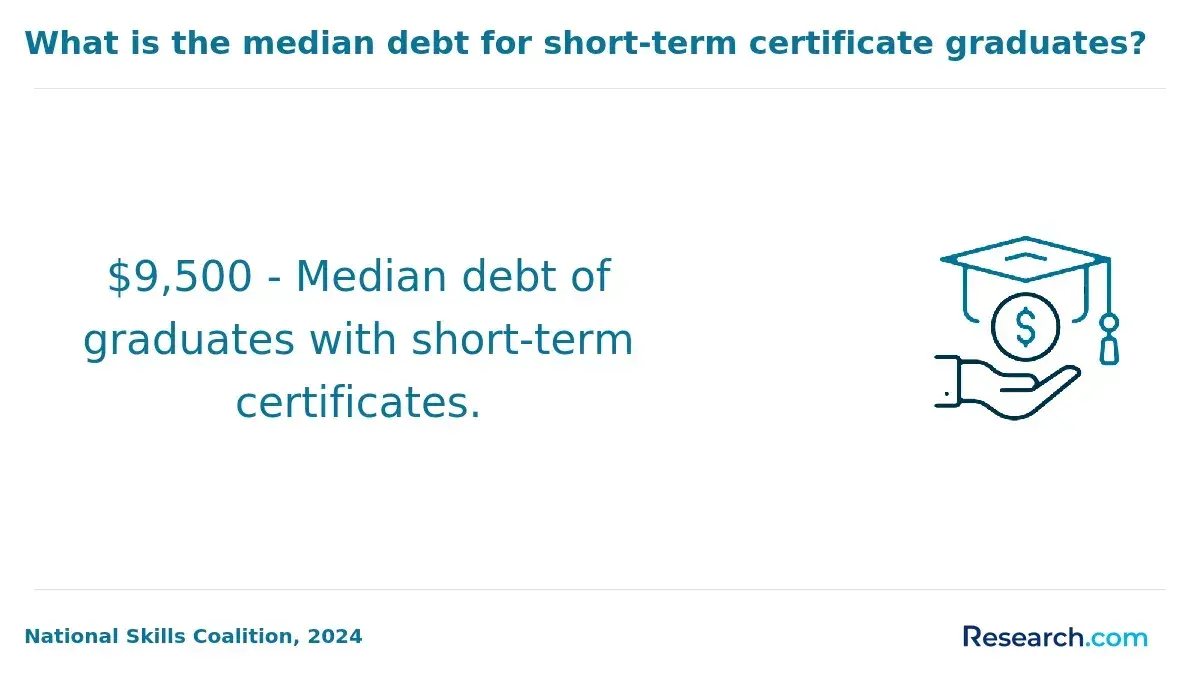
Certificate programs and online courses may support continuing education but generally fall short of supervised practice requirements critical for entry-level employment. This gap can slow hiring and compel candidates to seek internships or volunteer roles for practical exposure.
Prospective students must also consider the projected 6% employment growth for dietitians and nutritionists over the next decade, translating to about 6,200 openings annually-a demand that favors candidates with accredited, comprehensive training emphasizing real-world experience.
For those weighing program options, understanding practical credentialing pathways parallels considerations in related fields such as nursing, where questions like what is the easiest RN to BSN online program influence decisions on time, cost, and job readiness.
How do online and campus-based community nutrition programs compare for flexibility and outcomes?
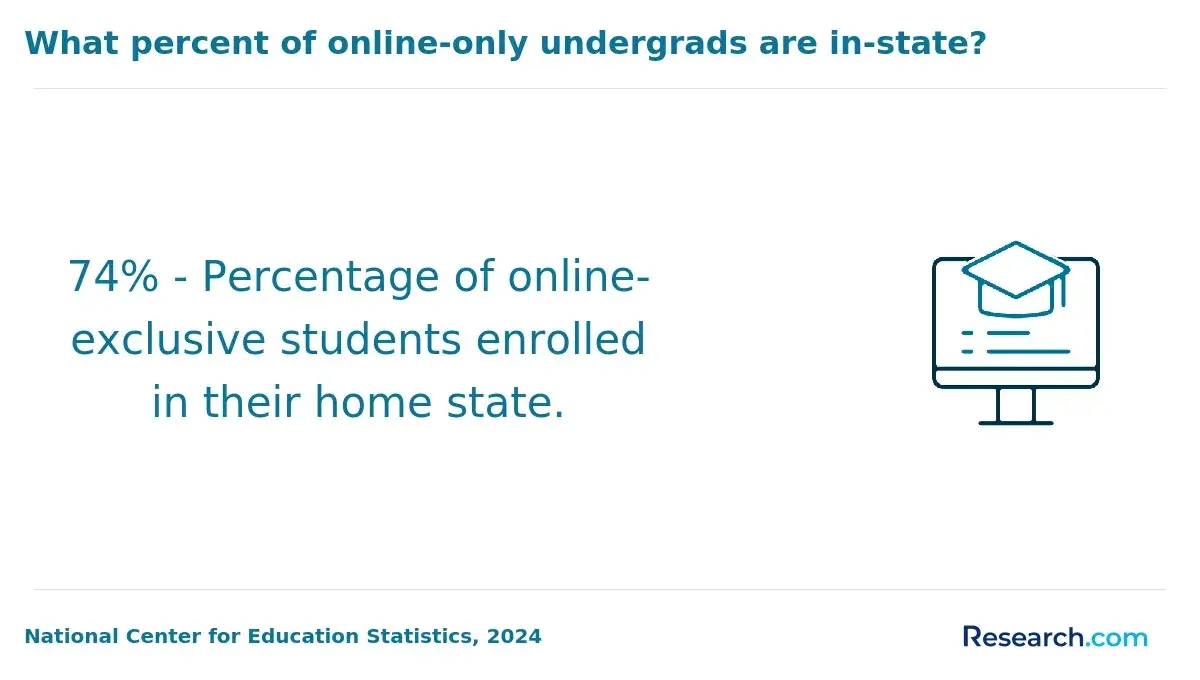
Online community nutrition programs offer greater flexibility essential for working professionals but generally lack the robust hands-on clinical training found in campus-based programs. This tradeoff affects early career opportunities, particularly in clinical and hospital environments where practical skills in patient nutrition assessment are critical.
Campus-based education integrates direct supervision and lab work, resulting in a reported 12% higher employment rate within six months post-graduation, according to a 2024 Bureau of Labor Statistics analysis.
The new requirement for registered dietitian nutritionists (RDNs) to hold a master's degree starting January 1, 2024, intensifies the need for programs that combine rigor with practical exposure. While some online master's degrees incorporate supervised practice affiliations, securing quality placements often requires navigating geographic limitations and additional coordination.
Professionals pursuing policy or administrative roles may prioritize the scheduling adaptability of online pathways without significant employability sacrifices.
Deciding between campus-based versus online community nutrition education effectiveness hinges on one's target role. Employers prioritize candidates with verifiable clinical internships and accreditation regardless of delivery mode. Those aiming for clinical competence must evaluate programs against these criteria, while others may consider programs that align with work-life balance demands.
For individuals comparing the cost and accessibility of advanced healthcare degrees, considering the cheapest master's in healthcare administration can offer alternative strategic pathways within health-related fields.
What accreditation and program quality standards should community nutrition students look for?
Accreditation by the Accreditation Council for Education in Nutrition and Dietetics (ACEND) is the defining standard for community nutrition program accreditation standards, directly impacting eligibility for Registered Dietitian Nutritionist (RDN) credentials and thus federal and institutional employment access. Candidates lacking an ACEND-accredited education face limited job opportunities and must often pursue costly additional internships, delaying workforce entry.
For example, federal executive branch roles, where the mean wage reached $101,180 in May 2024, typically require RDN certification, illustrating the income premium tied to accreditation and credentialing.
Beyond accreditation, quality criteria for community nutrition education programs include measurable outcomes such as Commission on Dietetic Registration exam pass rates and timely job placement. Programs must integrate supervised practice to avoid expensive post-degree internships that reduce career momentum.
Faculty expertise and curriculum content aligned with public health imperatives-policy, health disparities, program evaluation, and cultural competence-add operational relevance. Students pursuing higher-paying government roles must verify that curriculum aligns with federal job competency models and that internship connections facilitate placement within public agencies.
Such alignment smooths career pivots into nutrition roles with stronger advancement prospects. Those evaluating educational pathways should consider practical tradeoffs between program rigor, supervised experience availability, and institutional network strength.
For a comprehensive understanding of affordable academic options supporting career transitions, reviewing RN BSN programs offers insight into comparable workforce-aligned degree planning.
What courses and skills are typically included in community nutrition specialization curricula?
Community nutrition specialization requires balancing advanced scientific knowledge with practical, culturally informed skills adaptable to diverse populations and settings. Core coursework extends beyond foundational nutrition to include epidemiology, program planning, biostatistics, and qualitative methods. These areas are essential for professionals aiming to design and evaluate effective interventions that address complex social determinants of health.
Employers prioritize candidates who demonstrate both technical proficiency-such as dietary assessment, grant writing, and database management-and communication abilities tailored to community-specific contexts. For example, a nutritionist working in tribal health programs must adjust intervention strategies to fit unique cultural norms and constrained resources, demanding nuanced interpersonal skills alongside technical expertise.
Real-world experience through internships in public health agencies or federally qualified health centers often determines graduate employability. Decision-makers view this practical exposure as critical because it familiarizes students with policy advocacy challenges and funding realities, which are frequently absent from purely academic programs.
The wide wage disparity among dietitians, with the lowest 10% earning $50,120 or less per the May 2024 Bureau of Labor Statistics, underscores how specialization and role setting impact income. Emphasizing grant acquisition and advanced epidemiological skills typically aligns graduates with higher-paying roles in government or research entities, rather than entry-level counseling-focused positions.
What are the admission requirements for community nutrition-focused nutrition programs?
Admission to community nutrition programs is contingent on more than just basic academic credentials; it requires strategic preparation aligned with workforce expectations. Most programs mandate a high school diploma or GED along with prerequisite coursework in biology, chemistry, anatomy, and general nutrition, underscoring the technical foundation essential for applied roles. In practice, applicants often face entrance exams or competency assessments in math and reading, filtering candidates likely to manage demanding curricula.
Competitive admission frequently hinges on GPA thresholds of 2.5 or higher and, in some cases, preference is given to those with healthcare experience or certifications like Certified Nursing Assistant (CNA).
This prioritization mirrors employer demand for candidates familiar with community health protocols and outreach realities. Background checks and immunization records reflect the clinical responsibilities nutrition technicians assume in the field.
Practical experience-through internships or relevant employment-can be a decisive factor. Given the 2024 median annual wage of $34,940 for nutrition and dietetics technicians, the decision to pursue such programs must weigh the return on investment relative to more credentialed roles.
Programs with more selective admissions often translate into stronger job placement outcomes and employer recognition, directly influencing career trajectory.
For working professionals, balancing these academic prerequisites with current employment demands requires evaluating program flexibility, including transfer credit policies and part-time or online options. This pragmatic approach offsets the risk of credential mismatches and income disruption while positioning candidates for sustainable employment.
How long do community nutrition programs take, and what do they cost to complete?
The decision to pursue community nutrition credentials presents a clear tradeoff between speed and scope of practice. Certificate programs allow mid-career professionals to shift quickly within 12 to 18 months, often via online platforms, with tuition between $10,000 and $20,000. In contrast, full master's degrees, typically requiring 2 years of full-time study including practicum work, cost up to $40,000 but prepare candidates for broader roles and leadership in public health nutrition.
Part-time study extends time to credential but preserves income flow, which is critical given persistent workforce shortages: vacancy rates can reach 33% in some public health nutrition roles.
Employers expect both formal education and applied experience, underscoring that shorter pathways may limit initial responsibilities, as seen when working nurses opt for certificates to enter the field faster but accept a narrower scope.
Students should account for indirect costs like supervised fieldwork fees that can increase overall expenses and time. Choosing between certificate and master's paths requires balancing immediate entry and longer-term employability, especially for those targeting leadership roles in public health agencies.
Practical planning aligned with labor market demands clarifies these tradeoffs and enhances education-to-employment alignment.
What community nutrition jobs can you get and what do professionals actually do?
Community nutrition roles reflect diverse employer priorities, demanding specific skill sets tied to context and population needs. Public health dietitians, for instance, must navigate complex data on obesity, diabetes, or malnutrition to develop targeted programs with measurable outcomes. Their work often requires collaboration with local governments or nonprofits and the ability to pivot strategies based on evolving epidemiological trends.
Nutrition educators operate in varied environments-schools, clinics, or community centers-where cultural competence and socioeconomic awareness shape effective messaging. In resource-limited urban settings, educators confront food insecurity alongside dietary education, necessitating skills in client engagement and connecting individuals to broader community resources.
Policy analysts translate multifaceted research and socioeconomic data into actionable recommendations, shaping federal programs like SNAP or WIC. Their role demands analytical rigor to assess regulatory impacts and financial efficiency, directly influencing the nutrition assistance landscape for millions.
Program coordinators balance operational challenges such as budgeting, stakeholder communication, and regulatory compliance. This role combines nutritional knowledge with business acumen and organizational strategy.
- Understanding how public health priorities shape job functions and required skills is critical for targeting education and training pathways.
- Balancing technical knowledge with practical competencies like policy analysis or program management affects workforce readiness and employability.
- Regional wage and demand differences should inform strategic career pivots, especially for working professionals.
Wages vary notably by region, with California offering top-tier salaries for dietitians and nutritionists per the Bureau of Labor Statistics. Such disparities influence relocation decisions and career planning.
Advancing in the field hinges on specialized certifications adapted to public health emergencies and chronic disease management, underscoring the need for continuous skill realignment to meet emergent community nutrition challenges.
What salary ranges and job outlook can you expect in community nutrition careers?
Community nutrition roles exhibit a wide salary range influenced heavily by sector and specific expertise, typically spanning from $45,000 at entry-level public health positions to upwards of $75,000 for those with specialized or leadership responsibilities. Registered dietitians in community settings generally earn between $50,000 and $70,000, with geographic and funding factors causing variability.
The workforce demand for nutritionists and dietitians is projected to grow by 15%, driven in part by increasing government and non-profit investments in population health interventions.
Professionals with skills targeting emergency nutrition response, disaster planning, or crisis communication are more likely to secure roles that offer premium compensation due to national shortages in rapid response capabilities. For example, a public health nutritionist able to integrate routine community engagement with emergency preparedness plans will be positioned favorably in increasingly strained health departments.
Those weighing career pathways face tangible tradeoffs: government positions tend to provide stability but lower upfront salaries, whereas NGO or consulting roles may offer higher pay but less security.
Advancing beyond base salary bands commonly requires credentials and documented experience in crisis-focused nutrition interventions, which directly address documented workforce gaps. Employers increasingly seek candidates able to navigate both steady community outreach and the exigencies of emergency scenarios.
Are certifications or licenses required for community nutrition roles, and how do you qualify?
Licensure and certification create a critical employment gateway in community nutrition, especially within public health settings. Holding the Registered Dietitian Nutritionist (RDN) credential is often non-negotiable, requiring completion of a Commission on Dietetic Registration-accredited program, a supervised internship of around 1,200 hours, and passage of a national exam. Nearly 46 states mandate licensure that aligns closely with RDN standards, providing legal and professional validation. Without this, many direct client care and public program roles remain inaccessible, limiting practical job opportunities.
Specialized certifications like Certified Nutrition Specialist (CNS) or Certified Health Education Specialist (CHES) may broaden access to niche roles but rarely replace the RDN or licensure in more regulated environments. For example, diabetes prevention programs at state health departments typically insist on licensed dietitians due to liability issues and funding requirements.
Prospective candidates face real tradeoffs: time and financial investment in accredited degrees and extensive supervised practice versus eligibility for a more limited set of roles. Continuing education post-licensure also factors into employment sustainability.
- The 2024 Compensation and Benefits Survey notes 57% of employers in dietetics offer incentives like signing bonuses and loan repayment to attract certified professionals.
- Such incentives highlight both persistent hiring challenges and premium market value placed on fully credentialed nutritionists.
Choosing a pathway without licensure may reduce upfront burdens but restricts access to funded and regulated positions, impacting long-term career trajectory within community nutrition.
Other Things You Should Know About Nutrition
Programs with substantial practicum or internship components provide critical exposure to real-world community nutrition challenges, improving job readiness. However, these requirements extend program duration and workload, which may affect working students. When selecting a program, weigh the value of hands-on experience against personal capacity to manage time and finances, as employers often prioritize candidates with demonstrated field experience.
Government roles typically offer greater job stability, structured advancement paths, and standardized pay scales but can involve bureaucratic constraints and slower innovation adoption. Nonprofits often provide more dynamic environments with broader responsibilities and opportunity for impact but tend to have lower pay and less job security. Decide based on your tolerance for risk, desired work environment, and long-term career trajectory.
Immediate pursuit of advanced degrees can fast-track eligibility for leadership or specialized roles but increases financial burden and delays income generation. Gaining work experience before returning to school sharpens career focus, making advanced training more targeted and practical. Prioritize early career experience unless aiming specifically for research or high-level clinical leadership positions that mandate advanced credentials upfront.
References
- Nutrition https://www.publichealthdegrees.org/program/short-courses/nutrition/
- MS in Clinical Nutrition (starting fall 2026) https://www.unthealth.edu/college-of-pharmacy/health-professions/ms-in-clinical-nutrition-starting-fall.html
- Types of Nutrition Professionals - Nutritionist Resource https://www.nutritionist-resource.org.uk/content/dietitians-nutritionists-and-nutritional-therapists.html
- All Nutrition Careers https://becomeanutritionist.org/careers/
- You can still apply for full-time first-cycle studies in dietetics and public health https://www.wum.edu.pl/en/you-can-still-apply-full-time-first-cycle-studies-dietetics-and-public-health
- 6 High-Paying Jobs with a MS in Nutrition| University of Bridgeport https://www.bridgeport.edu/news/high-paying-jobs-with-a-masters-in-nutrition/
- Curriculum https://www.kumc.edu/school-of-health-professions/academics/departments/dietetics-and-nutrition/academics/online-masters-program/curriculum.html
- Blog https://www.futuresmartcareers.co.uk/blog/a-complete-guide-to-careers-in-nutrition-health-and-wellness/
- Community Health and Nutrition Training Course https://upskilldevelopment.com/community-health-and-nutrition-training-course
- Top Diet and Nutrition Courses After 12th for a Healthy Career Path https://jims.in/blogs/diet-nutrition-courses-after-12th