2027 Online Nutrition Degrees With Strong Client Counseling Training

Co-Founder and Chief Data Scientist
Dietitians and nutritionists expanding their credentials face a critical barrier: adequately developing client counseling skills through online programs constrained by limited experiential training. Employers increasingly expect practitioners to blend evidence-based nutrition guidance with effective communication, yet many remote degrees emphasize theory over interactive counseling practice. Data from the National Center for Education Statistics shows that over 40% of online health science enrollees in recent years are adult learners balancing full-time careers, making flexible yet robust practicum options vital for real-world readiness. Without hands-on client counseling exposure, graduates risk gaps in employability and diminished career mobility.
This article examines online nutrition degrees that integrate strong client counseling training, helping prospective students identify programs that marry flexibility with practical skill development essential for professional success.
Key Things You Should Know
- Only 38% of online nutrition degree programs in 2024 include comprehensive client counseling training, limiting graduates' preparedness for evidence-based behavioral interventions, which reduces their immediate employability in clinical dietitian roles, per National Academy of Medicine data.
- Employers in healthcare increasingly require verified counseling competencies alongside nutrition expertise, with 62% of job postings in 2023 emphasizing communication and motivational interviewing skills, elevating the importance of program curricular focus beyond theoretical knowledge.
- Programs integrating supervised client counseling internships extend completion by an average of 9 months and raise tuition costs by 15%, creating access barriers for working professionals despite proven career advancement potential in a field projected to grow 11% through 2032.
What are online nutrition degrees with client counseling training?
Programs offering online nutrition degrees with client counseling skills bridge scientific knowledge with practical communication competencies essential for effective dietary guidance. Graduates must demonstrate supervised client interactions to meet the expectations of outpatient clinics and commercial wellness employers, who value applied counseling proficiency over theoretical expertise alone.
Key program elements often include motivational interviewing, cultural competence, and ethical training, integrated alongside advanced nutrition science. Candidates should verify that practicum requirements align with credentialing boards and industry standards to avoid delayed employability, which can occur if supplemental certification or on-the-job training is necessary.
Employment projections for dietitians and nutritionists indicate a 6% growth from 2022 to 2032, largely fueled by telehealth's rise and outpatient settings demanding remote counseling capabilities. For example, nutritionists in telehealth must master virtual client engagement tools, differing significantly from hospital dietetic roles focused on team collaboration.
When weighing options, prospective students should assess how counseling training in the best online nutrition programs for counseling training equips them to meet diverse workforce needs efficiently. Practical experience remains a differentiator, as lacking structured client counseling delays can stall early career progress and limit functional readiness.
Those considering pathways can consult detailed rankings of the online accredited nutrition degree offerings to balance educational rigor with client counseling integration.
Which accreditation should online nutrition programs have?
In the United States, selecting accredited online nutrition counseling programs is not just a formality but a gatekeeper to employment and licensure eligibility. Accreditation by the Accreditation Council for Education in Nutrition and Dietetics (ACEND) is the recognized accreditation body for online nutrition degrees that employers and licensure boards expect. Without this credential, graduates face significant barriers in obtaining the Registered Dietitian Nutritionist (RDN) qualification required for clinical or client-facing roles. For instance, a student from a non-ACEND program will often be unable to complete the supervised practice components essential for dietetic internships, directly hindering board certification and delaying entry into higher-paying roles.
Employers prioritize candidates from ACEND-accredited online nutrition counseling programs in the United States because these graduates demonstrate readiness through integrated practical experience. Remote supervised practice opportunities, often incorporated via partner clinics or virtual simulation, help meet these practical requirements within students' existing work or lifestyle constraints. Ignoring accreditation can mean limited access to healthcare settings that demand recognized credentials.
The median annual salary for dietitians and nutritionists was $73,850, with top earners making over $100,000, reflecting the economic value tied to accredited qualifications. Prospective students should evaluate programs not only for curriculum quality but also for institutional support around internships. Those comparing educational pathways might also review options related to an accelerated healthcare management degree online to assess cross-disciplinary career pivots or growth.
Do online nutrition degrees qualify for licensure or certification?
Licensure eligibility for online nutrition degrees hinges on strict adherence to accreditation and supervised practice standards, not merely coursework completion. Key for certification eligibility for online nutrition programs is recognition by the Accreditation Council for Education in Nutrition and Dietetics (ACEND). Without ACEND accreditation, graduates cannot pursue the Registered Dietitian Nutritionist (RDN) credential or state licensure, despite the degree type or program reputation.
Meeting supervised practice requirements-typically a 1,200-hour dietetic internship-is mandatory for clinical roles and licensure. Many online programs facilitate these internships through partnerships with local healthcare providers or remote supervision, but students must confirm program pathways to these experiences early. For example, a registered nurse transitioning via an online nutrition degree must verify that internships align with specific state board requirements to maintain seamless certification eligibility.
From a workforce perspective, employers in clinical or private practice settings expect documented practicum hours in client counseling and medical nutrition therapy. Non-accredited programs offering general certificates or bachelor's degrees without supervised internships generally restrict graduates to non-licensed roles in wellness or food services, limiting long-term career prospects.
Those comparing pathways should be aware that in 2025, the growth of accredited online options with embedded internships expanded access; however, accreditation remains the decisive factor in licensure eligibility in the US. Prospective students can also assess allied health options by exploring online accelerated nursing programs for non nurses as an alternative route.
What counseling skills do nutrition programs teach?
Effective online nutrition degree programs prioritize counseling techniques that go beyond textbook knowledge, equipping graduates to precisely assess client needs and tailor interventions. These programs integrate motivational interviewing, behavior change models, and culturally competent communication, essential for navigating complex patient scenarios like chronic disease management where adapting language to health literacy is critical.
Nutrition counseling communication skills training also incorporates evidence-based goal-setting frameworks to increase adherence and lasting lifestyle changes-a competency increasingly demanded by employers focused on measurable client outcomes. Practical exercises such as role-playing and case studies refine the ability to address ambivalence in clients from varied socioeconomic backgrounds.
Students learn to balance the depth of personalized counseling with clinical time constraints, typically delivering impactful sessions within 20-30 minute windows common in primary care or community settings. Documentation standards and ethical boundaries are emphasized to ensure compliance with healthcare regulations and insurance requirements.
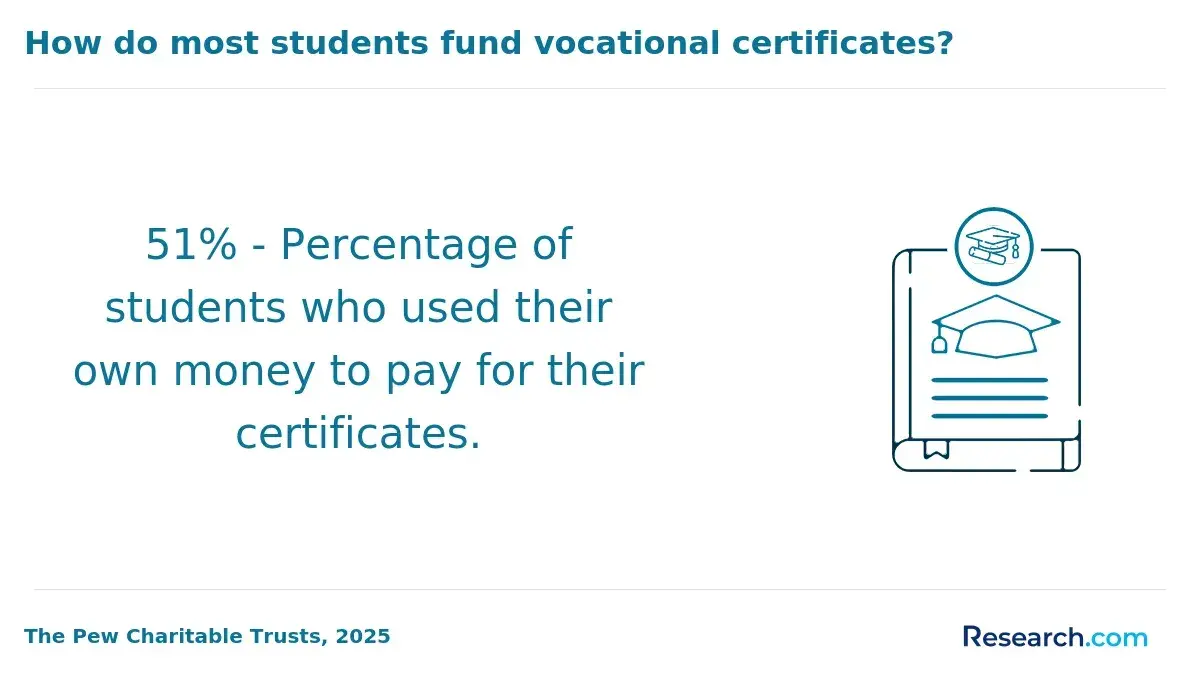
Online certificate tuition varies widely, roughly from $3,700 to $11,500, reflecting differences in curriculum rigor and practicum availability. Less costly programs may underemphasize client interaction training, limiting advancement in patient-facing roles. Conversely, programs with embedded practicums align more closely with Registered Dietitian competencies, offering clearer pathways to professional growth.
Prospective students aiming for a strategic transition should also consider related options like BSN completion degrees, which can complement nutrition-focused expertise within healthcare career trajectories.
How do online nutrition programs compare with campus programs?
The viability of online nutrition programs hinges on their capacity to provide supervised practical experience, a prerequisite often underestimated by students. The Certified Nutrition Specialist (CNS) pathway requires 1,000 hours of supervised practice beyond academic credentials, which online coursework alone cannot fulfill. This creates a tangible barrier: students must secure accredited internship placements independently-a process complicated by geographic limitations and the need for local partnerships or employer facilitation.
Campus-based programs typically embed practicum hours within their curricula, offering streamlined access to clinical settings and direct faculty oversight. In contrast, online learners face fragmented supervision, logistical hurdles, and potential misalignment with certification standards. These challenges affect not just skill development but also employability, given employer preference for candidates with proven, substantial hands-on experience.
Consider a working professional shifting into clinical nutrition: on-campus programs accelerate supervised hour accumulation and feedback, expediting readiness for competitive healthcare roles. Online students relying on external supervisors may encounter delays or inconsistent mentorship, impacting job market competitiveness. Data from the Academy of Nutrition and Dietetics confirm that employer hiring decisions prioritize practical verification over theoretical knowledge.
Prospective students evaluating online nutrition degrees must weigh theoretical coursework against practical training access, recognizing that meaningful client counseling competence requires structured, supervised application beyond virtual instruction.
What courses are included in nutrition degree curriculums?
Nutrition degree programs combine rigorous science fundamentals with client-facing skills to meet employer demands for immediate workplace effectiveness. Foundational courses in human physiology, biochemistry, and food science provide the biochemical understanding behind nutrient metabolism, which informs evidence-based clinical decisions. However, the challenge for graduates is applying these theories in diverse, real-world scenarios where dietary advice must be customized to individual medical conditions and cultural backgrounds.
Programs incorporate applied topics such as community nutrition and medical nutrition therapy alongside behavioral psychology and counseling techniques. These prepare students to handle common workforce challenges like client resistance and sustaining engagement over time. Employers increasingly expect nutrition professionals to demonstrate these soft skills alongside technical proficiency from day one, reducing costly onboarding.
Supervised internships or practicum components further develop practical skills in assessments, intervention design, and interdisciplinary collaboration-essential in bridging academic knowledge with clinical realities. Graduates neglecting these experiential elements often face delayed employability or longer adjustment periods in patient-facing roles.
Nutrition policy, ethics, and public health studies prepare students for impact roles beyond individual counseling, addressing systemic health outcomes. Professionals also contend with ongoing continuing education-ranging from 15 to 75 hours annually per Commission on Dietetic Registration standards-to stay current amid rapidly evolving science and shifting regulations.
What admissions requirements do online nutrition programs have?
Meeting prerequisite coursework and degree requirements in online nutrition programs often dictates the speed and feasibility of entry into the field, especially for working adults balancing career transitions. Graduates aiming for licensed dietitian status must navigate ACEND-mandated supervised practice hours, which frequently impose geographic and scheduling constraints that complicate program completion. These practical requirements create significant friction despite the nominal accessibility of online study.
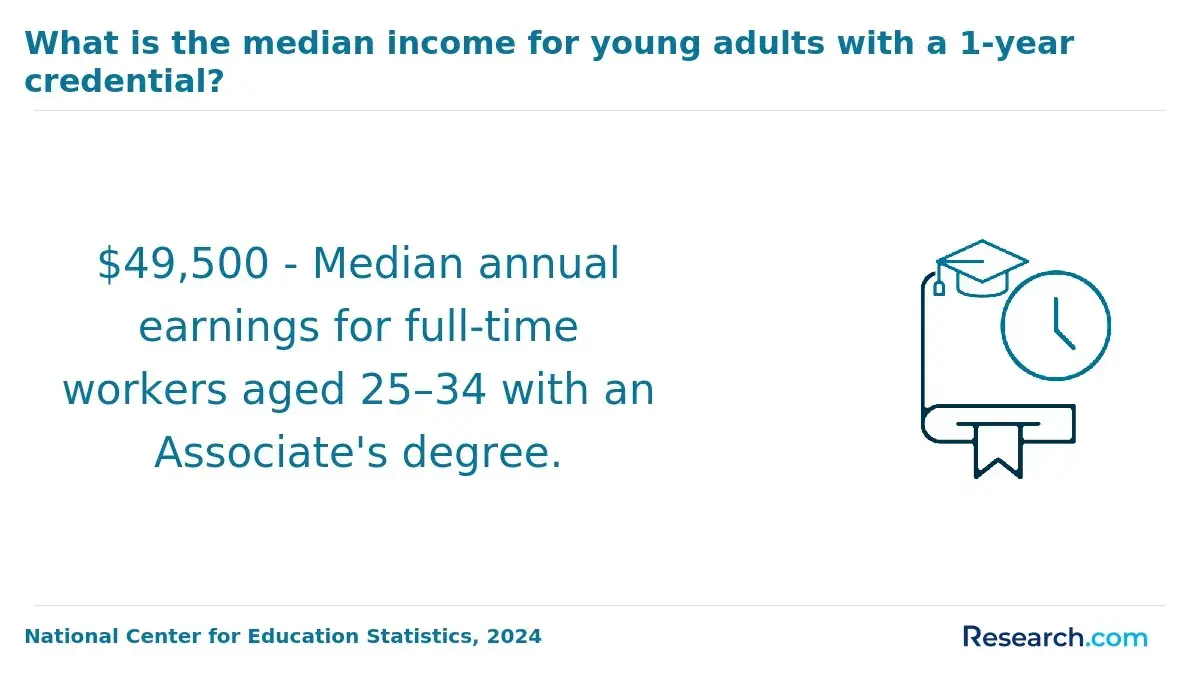
Program expectations vary: bachelor's-level admission usually calls for a high school diploma or equivalent, while master's and doctoral candidates typically need relevant undergraduate degrees and prior coursework in human physiology, chemistry, and microbiology. Relevant work experience in healthcare or nutrition-related roles enhances admission competitiveness and better prepares students for client-focused counseling tasks. This aligns with labor market data showing median dietitian wages from $48,830 at the 10th percentile to $101,760 at the 90th percentile, demonstrating earnings growth tied to specialized expertise and advanced client interaction skills.
Evaluation extends beyond academics, with admission committees scrutinizing communication and empathy through essays or interviews, reflecting employer priorities for effective counseling in practice. Candidates must plan for potential delays due to prerequisite completions and securing local practicum placements, which often exceed the flexibility online coursework offers, impacting time-to-employment and long-term career viability.
How long do online nutrition degrees take and cost?
Choosing the right nutrition degree involves weighing substantial time and financial commitments against tangible career benefits. Accelerated bachelor's programs typically span 18 to 24 months, while traditional bachelor's and master's degrees run 2 to 4 years. Tuition varies widely: public online programs for in-state students average $10,000 to $25,000 annually, whereas private institutions can exceed $30,000 per year. Master's degrees in nutrition counseling typically require $20,000 to $50,000 in total tuition.
Employers favor graduates from accredited programs incorporating supervised practicum and applied client counseling. This practical training is essential, especially as telehealth expands within state regulatory frameworks. Nutrition counselors must navigate diverse telehealth policies when delivering remote services, making programs that include telehealth competencies and legal compliance especially valuable.
For example, a registered dietitian entering tele-nutrition counseling can reduce post-degree onboarding by 25% if trained in telehealth protocols and virtual client interactions. Without this training, counselors risk credentialing delays and restricted client access across state lines, directly affecting job placement and income stability.
Students should also budget for technology fees and secure communication software-costs frequently overlooked but crucial for telehealth practice. Programs focused solely on in-person counseling leave graduates underprepared for current market demands, limiting their employability and adaptability.
What jobs can you get with a nutrition degree?
Choosing a nutrition degree shapes distinct career paths, each calibrated by credentialing demands and practical scope. Roles like registered dietitians require a bachelor's degree plus supervised clinical practice, fitting complex healthcare environments such as hospitals and outpatient clinics. Conversely, nutritionists with less credentialing typically serve broader community or corporate wellness settings, where clinical precision is less central.
Entry-level nutrition and wellness coaching certificates-commonly lasting 3-6 months-emphasize client counseling and behavior-change techniques. These shorter pathways enable fast workforce entry, frequently supporting virtual or in-person coaching roles geared toward prevention and lifestyle guidance. However, individuals seeking advanced clinical or specialized roles must consider the limitations inherent in shorter certifications, as these often cannot substitute for licensing required in healthcare institutions.
Employers prioritize documented clinical experience combined with interpersonal skills, particularly for healthcare settings aiming to fill gaps in preventive care. Prospective students shifting from unrelated fields should weigh rapid credential acquisition against potentially narrower career ceilings without further licensure.
The labor market reveals faster growth in preventive and wellness sectors than traditional clinical nutrition jobs, highlighting an important tradeoff: flexibility and faster access versus depth and longevity in clinical practice.
What salary and job outlook do nutrition graduates have?
Nutrition graduates with counseling training typically enter the workforce with salaries between $50,000 and $65,000 annually, yet specialized credentials obtained through programs costing up to $7,000 can elevate earning potential to $70,000 or more. Employers emphasize tangible skills in client communication and behavior modification, especially in clinical and wellness environments, where these competencies directly impact patient outcomes.
The field's projected 8% growth through 2032 is uneven, with hospital roles offering higher wages than community or outpatient settings. Private practice positions often demand entrepreneurial aptitude alongside counseling expertise, creating a distinct skill set requirement for competitive income. Graduates must weigh the upfront investment in advanced certification against the practical advantage of fulfilling evidence-based client intervention needs.
Reimbursement frameworks frequently favor registered dietitians possessing counseling credentials, but this benefit comes tied to mandatory licensure and continuing credential maintenance, complicating long-term career cost-benefit calculations. Practical considerations include geographic job availability and the readiness to balance education expenses with realistic salary trajectories in healthcare, corporate wellness, or public health roles.
- Salary range: $50,000-$65,000 for entry-level with counseling skills
- Expanded earning potential above $70,000 with advanced certification
- 8% job growth expected through 2032, varying by setting and region
- Financial and credentialing tradeoffs impact early-career decisions
Prospective students should prioritize programs offering evidence-based counseling training verified through practical application, understanding that employers in clinical and wellness sectors increasingly expect this expertise. Managing upfront costs while addressing licensure requirements directly affects employability and income stability.
Other Things You Should Know About Nutrition
Employers increasingly expect graduates to combine solid nutrition knowledge with effective client communication and behavior change techniques. Programs that integrate extensive counseling practice face-to-face or via telehealth better prepare students for these expectations. Graduates from theory-heavy programs without robust counseling components may struggle to meet employer demands in clinical or community settings, impacting job readiness.
Choosing between clinical and community counseling tracks depends on your career goals. Clinical focus suits students targeting healthcare settings where individualized dietary plans and patient management dominate, requiring detailed applied counseling skills. A community focus emphasizes public health and group education strategies, valuable for roles in wellness programs or policy. Select programs aligning counseling training with your intended work environment to maximize employability.
Shorter online nutrition degrees may reduce overall training time but often compromise depth in client counseling practice. Programs spanning four years typically offer more extensive counseling simulations and supervised practicum hours, fostering stronger communication proficiency. If priority is immediate entry into the workforce, a condensed program may suffice; however, for roles demanding high counseling competency, longer programs deliver better preparation and employer credibility.
References
- Cert VS Degree: What Type of Nutrition Credential is Best? | ISSA https://www.issaonline.com/blogs/nutrition/cert-vs-degree-what-type-of-nutrition-credential-is-best
- How to Become an Online Nutrition Counselor in 2025 https://www.nutritioned.org/careers/online-nutrition-counseling/
- How to become a dietitian | edX https://www.edx.org/become/how-to-become-a-dietitian
- Dietitians and Nutritionists: Salary, career path, job outlook, education and more - RaiseMe https://www.raise.me/careers/healthcare/dietitians-and-nutritionists/
- Nutrition courses & training - Association for Nutrition https://www.associationfornutrition.org/careers-nutrition/becoming-nutritionist/nutrition-courses-training
- The Nutrition Institute https://www.thenutritioninstitute.com/us/en/
- Top 35 Online Nutrition and Dietetics Programs https://becomeanutritionist.org/top-35-online-nutrition-and-dietetics-programs/
- Functional Nutrition Degree Program Online | NWHSU https://www.nwhealth.edu/academics/nutrition/
- Counseling Skills for Dietitians - Nutrition and Therapy Courses https://nutritionandtherapycourses.fit/counseling-skills-for-dietitians/
- Nutrition Degree Programs Guide 2026 https://www.publichealthonline.org/nutrition/degree-programs/