2027 Nutrition Careers That Reward Strong Communication Skills

Co-Founder and Chief Data Scientist
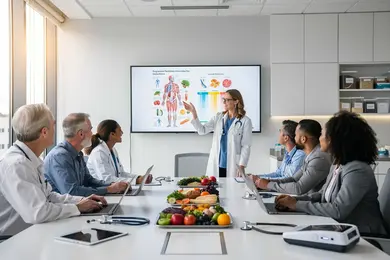
Nutrition professionals frequently encounter clients with complex, culturally influenced dietary needs that require more than technical knowledge to address effectively. According to the U. S. Bureau of Labor Statistics, communication skills rank among the top competencies sought by employers in healthcare and nutrition roles, reflecting a broader shift toward interdisciplinary collaboration and patient engagement. Meanwhile, over 60% of Nutrition program enrollees in 2024 opted for hybrid or fully online formats, signaling that flexibility in education delivery increasingly shapes career entry and advancement. This article examines the Nutrition careers where strong communication skills unlock higher impact and mobility, helping readers prioritize paths aligning with these evolving workforce demands.
Key Things You Should Know
- Strong communication skills enhance patient adherence by 40%, yet programs focusing heavily on clinical competencies often underemphasize these soft skills, creating a workforce gap between technical knowledge and effective counseling.
- Employers report 62% of nutrition roles require interpersonal abilities for cross-disciplinary collaboration, prioritizing candidates demonstrating measurable communication proficiency, which shifts hiring toward experience-based assessments over pure credentialing.
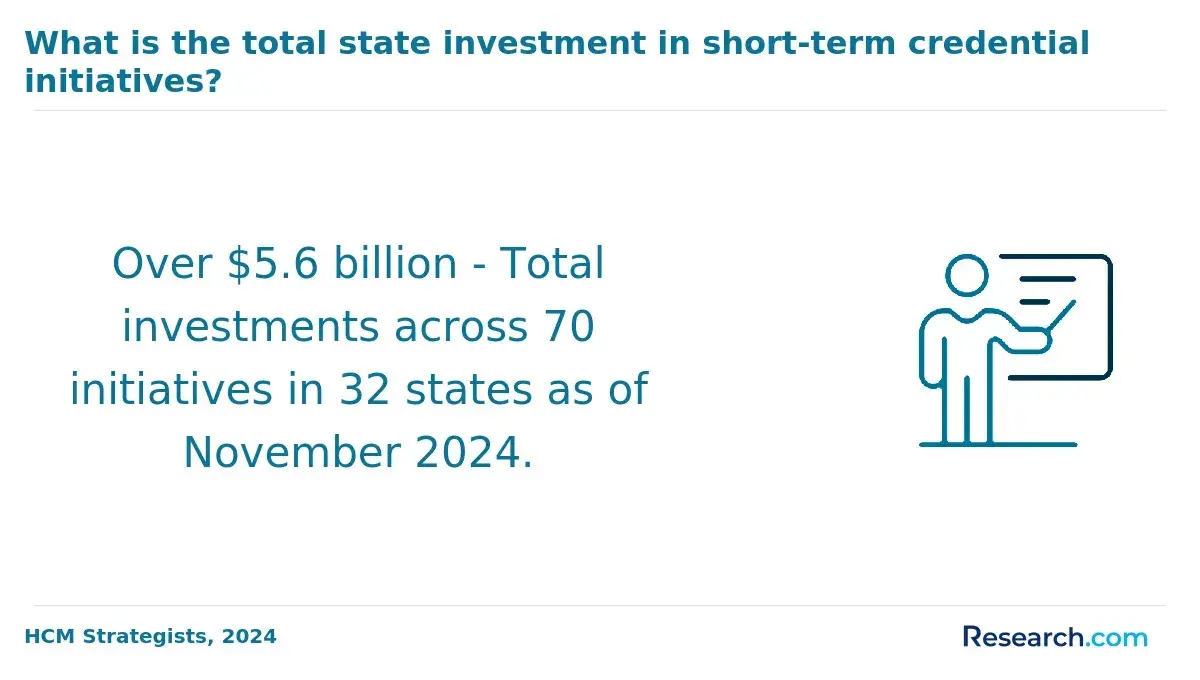
- Programs extending beyond 18 months increase tuition by 25% on average, limiting access for career changers seeking rapid entry; tradeoffs between depth and speed shape candidates' choices in an evolving labor market.
What nutrition careers rely most on strong communication and interpersonal skills?
Nutrition counseling careers with strong communication skills demand candidates who can navigate complex interpersonal dynamics while translating scientific information into practical guidance. For instance, clinical dietitians must tailor counseling to accommodate variable literacy levels and cultural contexts, often managing skepticism or misinformation among patients with chronic diseases. Public health nutritionists similarly rely on persuasive interaction to implement and evaluate community-based programs aiming at behavioral change.
Top nutrition jobs requiring excellent interpersonal abilities have expanded beyond traditional roles to include nutrition content creators and influencers, where digital storytelling and audience engagement shape public health narratives. The U.S. influencer marketing sector reached $7.14 billion in ad spending, reflecting the growing significance of communication in this niche. Professionals must balance scientific accuracy with compelling messaging across evolving platforms.
Employers prioritize mastery in motivational interviewing, cultural competence, and health literacy, which entails ongoing education to keep pace with emerging research and communication technologies. Pursuing a nutritionist degree online can provide foundational knowledge, but success also hinges on developing these advanced soft skills.
Tradeoffs include significant time investment in continual skill refinement and challenges in maintaining credibility while adapting to diverse audiences. These realities highlight that pathways into nutrition counseling careers with strong communication skills must be chosen with awareness of both technical and interpersonal demands.
Which nutrition roles involve patient education, counseling, and everyday client interaction?
Roles centered on nutrition patient education careers demand a balance between technical expertise and interpersonal communication, with registered dietitians (RDs) illustrating this duality. They often engage in one-on-one counseling, adapting dietary plans for chronic disease management where nuanced communication translates complex science into actionable guidance. This direct patient interaction requires familiarity with motivational interviewing and continuous learning to remain effective and relevant.
Clinical nutrition specialists in hospital or outpatient settings extend this role by managing medication-nutrition interactions and tailoring meal plans that encourage patient adherence. These positions call for empathetic communication personalized to each patient's needs, reflecting a tradeoff between scientific precision and accessible messaging. Nutrition counseling and client interaction jobs in these clinical environments hinge on such skills to produce sustainable health outcomes.
Outside healthcare, corporate wellness nutrition professionals focus less on individual patients and more on population health engagement. Their roles often involve behavior change communication delivered via webinars, group coaching, or digital tools, navigating challenges tied to diverse literacy and cultural backgrounds.
Given that 53% of U.S. employers and 78% of larger firms increasingly offer wellness initiatives, those pursuing this pathway must adapt to variable employer metrics and privacy expectations.
Practical career pivots in this field benefit from understanding these contextual realities and the associated workforce implications. Professionals without clinical credentials often explore training options, such as a health administration degree online, to complement their client-facing nutrition competencies and align with complex program demands.
What degree do you need to start a nutrition career focused on communication?
Employers hiring for roles that blend nutrition and communication expect candidates to have a bachelor's degree encompassing biological sciences alongside counseling and public health skills. This combination ensures professionals can translate complex Nutrition science into clear, actionable advice-a critical capability for telehealth nutrition counseling where clinicians must engage effectively through digital platforms.
The notable rise of virtual care, with 28% of U.S. adults reporting telehealth visits recently, elevates digital literacy and communication proficiency as essential workforce competencies.
Students evaluating nutrition communication degree requirements should weigh programs offering practical communication training and opportunities for telehealth internships. These experiences align directly with evolving employer demands and improve readiness for remote client interactions.
While graduate degrees deepen specialization, they are not mandatory for entry-level positions, though credentialing such as the Registered Dietitian Nutritionist (RDN) certification demands accredited bachelor's education, supervised clinical hours, and national exam passage.
Non-credentialed professionals may access roles in community outreach or health education but encounter clear limitations in clinical settings. Balancing curriculum elements-science, counseling methods, and technology use-shapes employability and long-term career flexibility.
Prospective students should also assess the costs associated with relevant programs, comparing tuition with outcomes. For reference on affordable program costs affecting related healthcare fields, consider hospital administration course fees.
Degrees for careers in nutrition and communication demand this integrated skill set to meet the realities of a digitally evolving health landscape and the clinical rigor expected in dietetics practice.
How do online nutrition programs compare to campus options for developing communication skills?
Communication skills developed through campus-based nutrition education differ significantly from those fostered in online programs. The latter often depends on asynchronous, text-based formats that lack the spontaneous interaction necessary for mastering persuasive and adaptive messaging, which is critical in public health roles.
For instance, a dietitian at a community health center must interpret patient cues in real time and adjust counseling accordingly-an ability sharpened by in-person role-playing and live seminars. This distinction is especially relevant given the rising obesity rates reported by the CDC National Health Interview Survey, which demands proficient community education strategies.
Campus nutrition education vs online communication training reveals practical tradeoffs: campus programs integrate mandatory group projects and presentations that build interactive skills within the core curriculum, while online nutrition programs for communication skill development require students to seek additional resources such as webinars and internships.
Working professionals balancing multiple commitments might favor online options but should anticipate investing extra effort to compensate for limited direct engagement.
Employers prioritize candidates with demonstrated synchronous communication experience, especially in community nutrition and health education roles emphasizing behavior change. Prospective students evaluating pathways should consider how skill acquisition aligns with workplace realities to avoid gaps in employability and effectiveness.
Those interested in advancing within allied health may explore complementary routes like an RN to BSN online program that similarly balances flexibility with workforce demands.
What courses and practical experiences build counseling and communication skills in nutrition majors?
Programs in nutrition that fail to integrate hands-on communication and counseling training risk producing graduates unprepared for complex patient interactions. Effective nutrition counseling demands translating specialized dietary concepts into practical, culturally sensitive guidance-skills best developed through immersive clinical rotations or internships.
For example, a dietitian advising diabetic patients must adjust carbohydrate counting explanations to varied literacy levels and socioeconomic backgrounds, requiring adaptable communication strategies often overlooked in purely theoretical curricula.
The labor market reflects this need: with a 6% projected employment increase and about 6,200 annual openings for dietitians and nutritionists through 2034, credentials alone do not guarantee employability. Employers emphasize behavioral counseling proficiency and cultural competence, elevating candidates who demonstrate experiential learning in real-world settings.
Nutrition majors benefit from coursework emphasizing Medical Nutrition Therapy, Behavioral Health Counseling, and Communication Ethics combined with role-playing simulations and case-study analyses. These elements build critical listening and adaptive skills suited for diverse clinical and community environments.
Students should prioritize programs offering robust clinical internships with supervised patient caseloads, ensuring exposure to motivational interviewing and individualized education plans. This approach bridges academic knowledge to workforce expectations, preventing extended post-graduate adjustment periods and enhancing long-term career sustainability.
How can prospective students evaluate accredited nutrition programs and verify program quality?
Verifying institutional accreditation recognized by the U.S. Department of Education alongside specialized accreditation from agencies such as the Accreditation Council for Education in Nutrition and Dietetics (ACEND) is essential for program credibility and credit transferability. Furthermore, evaluating program outcomes like graduation rates, credentialing exam pass rates, and employment statistics provides an evidence-based gauge of alignment with employer expectations.
Programs incorporating real-world communication training address a critical skill gap: the ability to translate scientific nutrition concepts into clear, accessible language. This competency is increasingly valuable given the functional foods and beverages market's rapid expansion, valued near $216 billion with a sustained 9% growth rate, demonstrating industry demand for interdisciplinary expertise spanning public health, food science, and marketing.
Students aiming for industry roles must assess experiential learning options such as internships or collaborations with food companies and media, which enhance portfolios and practical readiness. Employers prioritize graduates with evidence-based communication abilities, regulatory knowledge, and science literacy. Absent these components, graduates may face significant hurdles competing for roles in dynamic nutrition communications or consulting sectors.
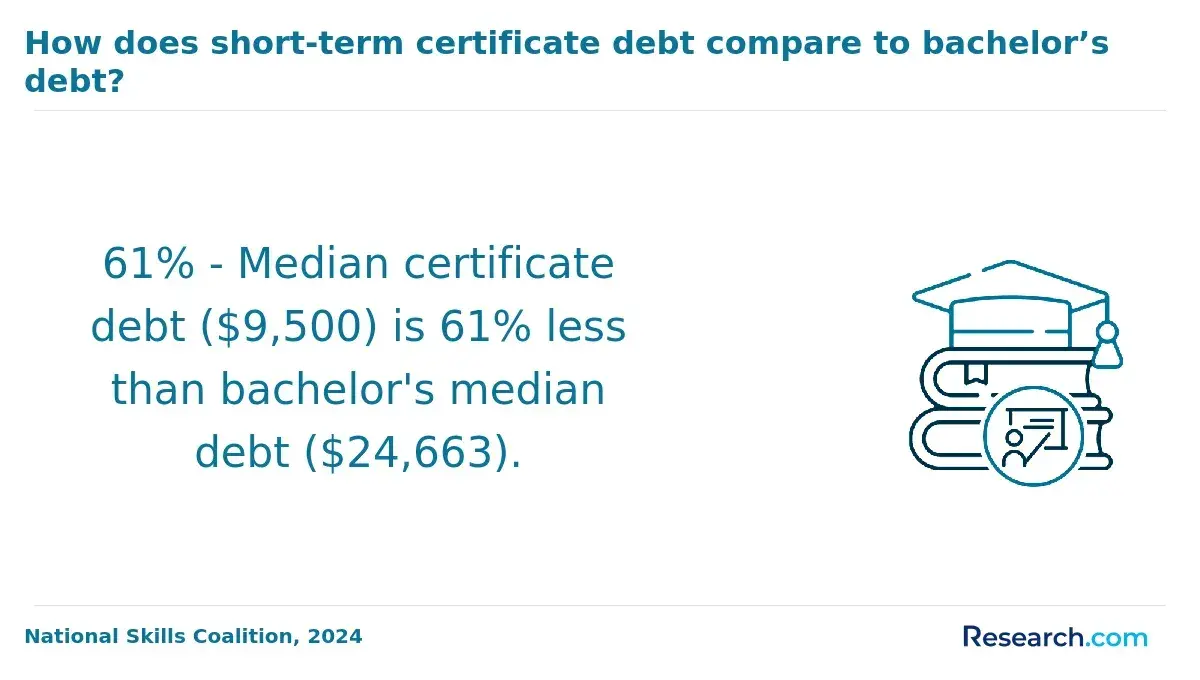
Cost considerations must be weighted against transparent salary data available through resources like College Scorecard, ensuring investment is measured against realistic return potential rather than marketing claims.
What licenses or certifications are required for communicative nutrition roles like dietitians and counselors?
Licensure or certification is a practical necessity rather than an optional credential for dietitians and nutrition counselors aiming for credible practice within the United States. The Registered Dietitian Nutritionist (RDN) credential remains the dominant standard, requiring completion of a Commission on Dietetic Registration (CDR) accredited program, a minimum of 1,200 supervised practicum hours, and passing a national exam. Nearly all states-47 as of 2024-demand licensure or certification to legally provide medical nutrition therapy or counseling, directly impacting employability and reimbursement.
By contrast, Certified Nutrition Specialist (CNS) status, aimed at those without an RDN, has more demanding education criteria (a relevant master's or doctoral degree) and a rigorous exam, but offers more restricted practice rights and variable state recognition. This creates a strategic tradeoff: pursuing an RDN pathway often unlocks broader clinical opportunities and establishes stronger employer trust, especially in medical or managed care settings.
For professionals focused on sports nutrition-an industry with a $51.8 billion valuation growing at about 9-10% annually according to Fortune Business Insights-specialized credentialing enhances marketability. However, the financial and time investments involved in supervised hours and exam preparations can discourage midcareer pivots. Evaluating state law and employer preferences upfront is critical to mitigate risks of underqualification that restrict job roles or reimbursement eligibility.
Key considerations include:
- RDN licensure is often mandatory for clinical roles and eligible reimbursement
- CNS certification carries variability in acceptance and narrower scope
- Sports nutrition jobs increasingly demand validated credentialed expertise
- Supervised practice hours and exams require multi-year commitment and resources
Strategic pathways hinge on realistic assessments of workforce demands, legal requirements, and practical constraints-especially for those balancing career shifts or working within different state jurisdictions.
What are typical salaries and earning potential for communication-intensive nutrition careers?
Salary outcomes in communication-focused nutrition careers vary sharply based on specialization, sector, and geography, with meaningful implications for educational and professional choices. Entry-level roles like outreach and client education typically offer salaries between $60,000 and $75,000. Conversely, positions in health journalism start lower, near $50,000, but experienced professionals at media or research institutions can make upwards of $90,000. This disparity highlights how role complexity and audience impact directly influence compensation.
Higher salaries-ranging from $80,000 to $110,000-are frequently tied to regulatory communication roles within pharmaceutical or food industries, where precision in translating scientific data meets legal and consumer scrutiny. This demand indicates that advanced communication skills paired with nutrition expertise substantially elevate earning potential and job security.
Job seekers should consider the tradeoff between shorter-term entry wages and longer-term value derived from acquiring technical communication credentials, possibly at the graduate level, and from building expertise in digital media and statistical literacy. Employers increasingly prioritize nutrition professionals who can deliver accurate, evidence-based content clearly, driving premium compensation and career durability.
Effective communication skills are not ancillary but core to standing out in public health nutrition, corporate consulting, and media; candidates who navigate these domain-specific demands position themselves best for growth amid misinformation challenges affecting 72% of U.S. adults exposed to inaccurate nutrition content.
What is the job outlook for nutrition professionals specializing in education, counseling, and advocacy?
Demand for nutrition professionals in education, counseling, and advocacy is sustained by community programs like SNAP, which served over 41 million people monthly in fiscal year 2024. This environment requires experts who can adapt communication to diverse populations with different literacy and cultural backgrounds while collaborating across disciplines such as social work and healthcare. For example, nutrition educators working with low-income SNAP recipients must translate complex science into clear, actionable advice and coordinate care effectively.
The workforce prioritizes candidates with skills in both one-on-one counseling and group education, alongside data literacy to manage grant reporting that tracks client outcomes. These roles typically offer broader job availability than clinical dietetics but tend to provide moderate compensation and demand flexibility for irregular hours or community travel. Key tradeoffs include balancing impactful multidisciplinary work against potential variability in income and schedules.
Prospective students should focus on programs with training in cultural competency, practical communication, grant writing, and engagement technologies. Mastery of these areas supports managing multidisciplinary teams and client retention, which directly affect professional advancement and job durability in public health settings.
Understanding these operational realities grounds expectations in realistic workforce challenges and long-term career implications.
How can students choose the best nutrition program to prepare for client-facing career paths?
Programs that embed practical communication training directly linked to client interactions consistently yield graduates better prepared for roles in clinical, community, and corporate nutrition settings. For instance, dietitians working in community centers are expected not only to design meal plans but also to conduct motivational interviews and tailor educational materials to diverse populations-skills best developed through supervised internships and role-playing exercises.
Evaluating curricula for applied communication theory, cultural competency, and digital engagement tools is vital, especially given the nearly 50% growth in nutrition education research documented on PubMed between 2013 and 2023. Such training aligns with workforce demand highlighted in government labor reports, where outreach and education positions are expanding faster than general nutrition roles.
Key factors influencing program utility include availability of practicum sites reflecting varied client demographics, faculty expertise in nutrition communication research, and program flexibility for working students. Without significant client-facing experience, new graduates often face delayed job readiness and require supplementary on-the-job training.
Aligning program selection with career goals, whether clinical dietitian, community nutritionist, or corporate wellness coach, determines both skill relevance and employability outcomes.
Other Things You Should Know About Nutrition
Programs that incorporate interprofessional education-collaboration with fields like medicine, nursing, or social work-offer a clear advantage in building communication skills relevant to multidisciplinary teams. Employers in healthcare settings place high value on such experience because effective communication across disciplines impacts patient outcomes directly. Prioritizing these programs prepares students for complex organizational environments but may demand adapting to diverse professional language and workflows.
Choosing to specialize in nutrition communication limits technical depth but enhances skills in client interaction, counseling, and advocacy, which broadens career opportunities in public health and community settings. Conversely, a broad nutrition science focus supports roles in research and clinical nutrition with less emphasis on communication. Students must assess employer expectations upfront: healthcare employers often expect combined technical and communication competence, demanding balanced program selection.
Employers seek nutrition professionals who can translate complex information into actionable advice, requiring demonstrated communication skills rather than just academic knowledge. Certifications alone rarely guarantee this ability; practical experience in client-facing roles weighs more heavily. Job candidates with documented success in varied communication contexts-such as group education and one-on-one counseling-garner stronger consideration, especially in community health and outpatient environments.
References
- Nutrition Regulations by Profession https://www.theana.org/nutrition-regulations-by-professions/
- Home https://www.husson.edu/online/blog/2024/03/careers-in-nutrition-and-wellness
- How to Become a Nutritionist | Public Health Online https://www.publichealthonline.org/nutrition-education-guide/
- Nutrition Promotion and Communication Specialist (ESC) https://massanf.taleo.net/careersection/jobdetail.ftl
- Nutrition Communication (MHSc) https://www.torontomu.ca/nutrition/graduate/nutrition-communication-mhsc/
- 10 Career Paths in Nutrition - International Career Institute Australia https://ici.net.au/blog/interested-in-nutrition-10-career-paths-to-consider/
- 15 Careers in Food and Nutrition: High-Growth Opportunities You Should Know - NFNA https://www.nfna.in/15-careers-in-food-and-nutrition/
- Counseling Skills for Dietitians - Nutrition and Therapy Courses https://nutritionandtherapycourses.fit/counseling-skills-for-dietitians/
- Academic Verification in Dietetics https://www.messiah.edu/dept-hnes/student-resources/nutrition-and-dietetics/academic-verification-in-dietetics
- Nutrition and Dietetics Careers | RD, DTR & Nutritionist Guide https://www.nutritioned.org/