2027 Community Nutrition Roles You Can Target With a Nutrition Degree

Co-Founder and Chief Data Scientist
Balancing a full-time job while pursuing a nutrition degree increasingly pressures professionals to choose programs that fit tight schedules without sacrificing career relevance. The National Center for Education Statistics reports that over 40% of undergraduate nutrition enrollments now come from adult learners seeking flexible online options, signaling a shift toward adaptable pathways that accommodate work and life demands. This evolving enrollment landscape challenges students to identify community nutrition roles that not only align with their academic investment but also offer concrete employment mobility. This article examines targeted community nutrition careers suited to diverse educational routes and provides actionable guidance for informed, strategic career planning.
Key Things You Should Know
- Community nutrition roles requiring Registered Dietitian Nutritionist credentials reportedly offer 16% higher median salaries but demand 1,200+ supervised practice hours, extending education costs and delaying workforce entry, per the Academy of Nutrition and Dietetics 2024 workforce report.
- Employers increasingly value cross-disciplinary skills like data literacy and public health knowledge in community nutrition, with 63% signaling these competencies as essential for impact in government-funded programs, influencing hiring and advancement prospects.
- The expanding demand for nutrition educators in underserved areas faces workforce shortages, where 28% of vacancies remain unfilled over six months (Bureau of Labor Statistics 2024), creating both opportunity and pressure to accept geographic tradeoffs.
What community nutrition careers can you pursue with a nutrition degree?
The practical value of a nutrition degree is often measured by its direct routes into community-focused roles that impact public health, education, and program management. Among these, community nutritionists often provide the most accessible entry point, typically working for local public health departments with a median wage near $71,940 and a steady 6% projected growth over the next decade. Responsibilities in this role balance designing population-level interventions for obesity or diabetes with navigating limited public budgets, requiring sharp organizational and advocacy skills.
Careers in community nutrition for nutrition degree graduates also include public health dietitians in nonprofits or clinics, where crafting culturally sensitive dietary guidance and managing food assistance programs demand adept communication and evaluation capabilities. Nutrition education roles lean heavily on curriculum development and community outreach, underscoring the importance of data literacy for needs assessments and resource distribution.
Advancement into program coordination or policy advising introduces additional layers of complexity such as grant writing and stakeholder collaboration, highlighting the gap between frontline service and strategic influence. A significant tradeoff exists between government jobs, known for stability and benefits, and nonprofit roles that offer flexible scope but less security. Students weighing these paths should consider internships and certifications that align with community nutrition careers to pursue with a nutrition degree, ensuring alignment with real-world workforce expectations.
For those exploring further specialization, reviewing affordable graduate options is advisable. Resources like the masters in nutrition can provide both practical skills and credential advancement tailored to evolving job requirements.
What education and training do you need for community nutrition roles?
Community nutrition careers require more than foundational clinical knowledge; employers expect candidates with education in population health, food security, and behavioral change communication, reflecting the realities of public and nonprofit work. A bachelor's degree in nutrition, dietetics, public health, or similar fields must be complemented by substantial supervised internships totaling 1,000 to 1,200 hours to develop practical skills in designing and managing nutrition interventions.
For example, a school nutrition coordinator role demands expertise not only in nutrition science but also in administrative tasks like budgeting and regulatory compliance, illustrating the benefits of advanced certificates in nutrition program management. Licensure varies by state, but the Registered Dietitian Nutritionist (RDN) credential remains the primary gateway. Alternatives like Certified Nutrition Specialist (CNS) certifications often require a master's degree and additional supervised experience, adding complexity to credential timelines. In British Columbia, WorkBC projects 870 openings between 2025 and 2035 for community dietitians and nutritionists, with average annual earnings of $77,188, signaling robust demand alongside high qualification expectations.
Choosing suitable training programs for community nutrition careers means weighing program accreditation and practicum quality against one's targeted employment setting-whether school-based or nonprofit. Graduates lacking adequate supervised practice should anticipate workforce entry delays or consider graduate education, which extends preparation time but enhances leadership eligibility. Awareness of exam scheduling and certification processes is crucial to avoid early career disruptions.
Those interested in shifting into related health roles might explore online RN programs for non nurses in Florida, representing a strategic alternative pathway depending on career goals.
How do salaries and job outlook compare across community nutrition careers?
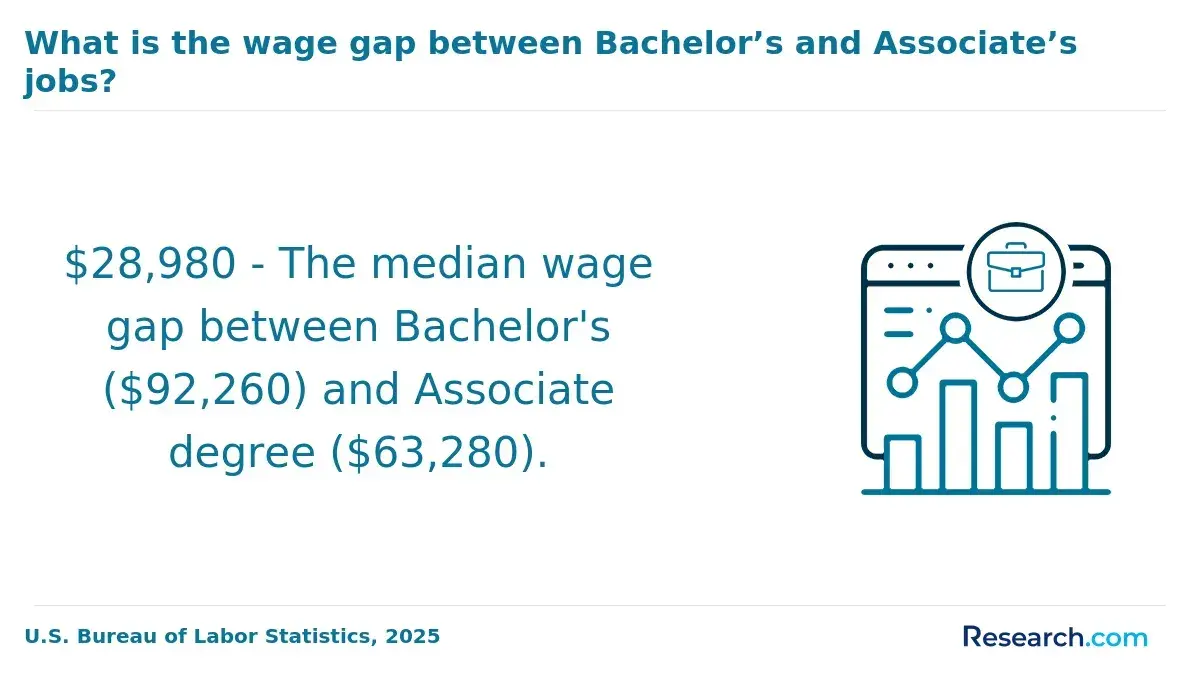
Salary expectations in community nutrition vary widely, reflecting differences in employer types, geographic location, and specific roles. For example, public health nutritionists in the U.S. typically earn between $50,000 and $75,000 annually, with entry-level positions in non-profits or local health agencies near the lower end due to budget constraints. Hospital and government roles may offer salaries exceeding $80,000, especially for candidates with supervisory duties or advanced credentials. These figures represent the average salaries for community nutrition careers but mask significant local and sector-specific variation.
The job outlook and growth in community nutrition roles reveal moderate but steady expansion. Australian data projects an increase in nutrition professionals from 6,600 in 2021 to 8,500 by 2026, while the U.S. Bureau of Labor Statistics forecasts a 7% growth rate from 2024 to 2034 for dietitians and nutritionists. Competition intensifies particularly in major urban centers where nutrition degrees are popular, influencing hiring dynamics and salary negotiation leverage.
Real-world hiring expectations emphasize practical skills-program evaluation, grant writing, cultural competence-over mere academic pedigree. Navigating the tradeoff between competitive urban salaries and rural opportunities with higher social impact but lower pay is crucial. Candidates aiming for federal or state positions should anticipate lengthy credentialing and hiring processes, whereas private or educational outreach may offer faster entry but less income stability.
Specialized certifications in chronic disease management or policy analysis strengthen bargaining power in a field where workforce growth only modestly expands salary ranges. Prospective professionals might consider alternative pathways such as hybrid ABSN programs to pivot strategically or supplement their qualifications in related healthcare areas.
What types of nutrition degrees best prepare you for community roles?
Choosing a community nutrition degree program involves weighing immediate employability against long-term leadership potential in public health settings. A bachelor's degree remains the tangible foundation for entry-level roles, especially in programs like WIC, providing essential grounding in public health, food science, and nutrition education. However, for those aiming at director-level community nutrition roles, advancing to a master's degree specifically focused on public health nutrition or community nutrition is almost a practical necessity. This often means engaging with part-time or online options that combine applied practicum experience and flexibility, aligning education with workforce realities.
Entry-level nutrition educators typically earn around $50,000 annually, while directors managing community nutrition initiatives command upward of $70,000. The gap illustrates how advanced credentials translate into both higher responsibility and increased compensation. Employer preferences extend beyond credentials to practical experience and demonstrated skills in grant writing, program management, and cultural competency. Accreditation by the Academy of Nutrition and Dietetics and certifications like Registered Dietitian Nutritionist (RDN) are valuable but not universally decisive.
For professionals interested in the best degrees for community nutrition careers, the ability to merge nutrition science with public health strategy is increasingly important. Candidates whose undergraduate backgrounds lack this integration may encounter barriers without supplemental graduate education focused on community impact.
Understanding program affordability and format options is also crucial. Those exploring flexible pathways should consider programs such as BSN online offerings that combine cost efficiency with practical competencies.
How do online nutrition programs compare to campus-based options for community work?
Direct access to supervised, hands-on experience remains a critical differentiator between campus-based and online nutrition programs, especially for roles that involve managing complex food security challenges onsite. For instance, California schools face staffing shortages that demand candidates well-prepared through embedded fieldwork to navigate real-time operational issues.
Campus programs provide structured community engagement internships and immediate instructor feedback, forming networks essential for securing positions in state agencies or school districts. Conversely, online students often bear the burden of independently arranging externships, which can delay workforce entry. This gap affects preparedness for key employer expectations, such as competency in nutrition assessment combined with community interaction skills.
For working professionals or those with family responsibilities, online nutrition education offers necessary flexibility. However, such programs require proactive planning for experiential requirements and thorough assessment of local internship support and accreditation status to avoid practical setbacks post-completion.
Employer priorities in community nutrition emphasize:
- Verified technical skills through in-person or closely supervised fieldwork
- Evidence of collaborative problem-solving in diverse settings
- Networks cultivated during cohort-based service projects
Choosing the right pathway hinges on balancing flexibility with the operational demands of community nutrition employment amid current labor shortages.
Which accredited schools offer strong pathways into community nutrition careers?
Selecting a pathway into community nutrition requires prioritizing accredited programs with proven alignment to employer demands, notably those with ACEND accreditation and embedded public health training. Graduates from universities like the University of California, Davis, University of North Carolina at Chapel Hill, and University of Minnesota benefit from curricula that combine community nutrition theory with practical fieldwork, offering essential exposure to government and nonprofit nutrition settings.
Programs affiliated with government institutions generally enhance employment prospects by aligning graduate skills with sectors that offer higher compensation. For example, data from BestColleges' 2024 nutrition jobs analysis indicate that roles such as Faith-Based or Nonprofit Nutrition Outreach Coordinator can command salaries near $80,000 annually in these sectors. This underscores the value of training that facilitates clinical-to-community transitions and formal internships within public or nonprofit agencies.
Choosing unaccredited or internship-deficient programs creates barriers to licensure and narrows job options, especially where regulatory compliance and applied skills are critical. Prospective students need to verify the availability of practicum placements and assess graduate outcomes in community-focused roles. Given the evolving public health landscape, programs offering continuing education pathways better equip candidates to sustain credentials while addressing multifaceted community nutrition challenges.
What coursework and skills are emphasized in community-focused nutrition programs?
Community-focused nutrition programs demand interdisciplinary skills that extend beyond traditional coursework to include cultural competence, data analysis, and behavior modification strategies. Graduates face real-world challenges such as adapting nutrition education to resource-limited rural settings, where a dietitian may need to tailor guidance based on local food availability and community-specific health concerns. This practical orientation requires well-honed communication and problem-solving abilities, often developed through internships in public health environments like WIC clinics or government health departments.
Practical training is not merely supplemental; it prepares students to navigate complex stakeholder dynamics, manage multi-layered program logistics, and evaluate interventions using measurable indicators. Employers expect new entrants in this field to contribute both direct educational efforts and advocacy grounded in policy understanding. The median annual salary for community health workers with this nutrition focus is approximately $62,860 in 2024, presenting a tangible benchmark for assessing return on investment against the rigorous interdisciplinary demands of these programs.
Students should consider their tolerance for extended academic rigor and service requirements, especially if immediate employment is a priority. Career pathways often entail balancing hands-on experience with systemic change advocacy, influencing both job scope and professional development trajectories. Those assessing options may benefit from evaluating program emphasis on public health nutrition versus clinical or research-oriented nutrition roles.
What certifications or licenses are required for specific community nutrition jobs?
The pathway to community nutrition roles is defined more by credentialing barriers than by academic content alone. Achieving Registered Dietitian Nutritionist (RDN) status is indispensable for access to federally funded programs and reimbursement structures; without it, many practitioners face immediate employment restrictions. Earning the RDN credential demands completing a Commission on Dietetic Registration (CDR)-accredited internship, passing a national exam, and ongoing education, which adds significant time and financial investment beyond a degree.
Specific government or nonprofit positions often require additional certifications such as Certified Health Education Specialist (CHES) to demonstrate expertise in public health program implementation. For example, Maternal and Child Nutrition Program Specialists must navigate endorsements linked to federal initiatives like WIC or school meal programs, where employer expectations include mastery of evolving standards.
State licensure laws introduce further complexity: some states require licensure for all nutrition services, while others impose minimal regulation. This inconsistency affects career mobility and program eligibility. A nutritionist lacking RDN or state licensure will often be excluded from leadership roles managing school meal improvements or federal grants, limiting both scope and income potential.
- RDN status is critical for evidence-based counseling and reimbursement access.
- CHES certification supports roles focused on health education and outreach.
- State licensure requirements vary widely and impact employment eligibility.
- Program-specific certifications align professionals with funding and compliance demands.
Strategic educational planning must integrate credential requirements with role ambitions, as missing certifications can preclude key job functions despite related experience or education.
How long do nutrition programs take, and what do they typically cost?
Choosing the right nutrition educational path involves weighing time, cost, and career trajectory with realistic employment outcomes. Associate degrees take about two years and allow faster entry as dietetic technicians, but this often caps earning potential and advancement opportunities. Bachelor's degrees span roughly four years and align with most dietitian research roles, balancing comprehensive education with workforce readiness.
Graduate-level options, including master's degrees and dietetic internships lasting one to two years, target specialized community nutrition and research assistant roles, typically offering higher median salaries-in fact, Community Nutrition Research Assistant dietitians earned a median annual income of $70,040 in 2024. This indicates a tangible return on investment if advanced skills open doors in public health agencies or data-driven nutrition programs.
Cost remains a critical factor: public institutions charge between $7,000 and $10,000 annually for in-state students, while private programs often demand $30,000 or more. Online and hybrid formats may reduce relocation costs but rarely cut tuition itself.
Decisions must also factor in program accreditation and alignment with credentialing bodies like the Commission on Dietetic Registration, which affect employability in research contexts. Scholarships and employer tuition assistance can alleviate financial barriers, influencing the feasibility of longer, higher-level training versus quicker workforce entry.
How can you choose a reputable, accredited nutrition program for community practice?
Accreditation by CEPH or ACEND is a critical filter when selecting a nutrition program aimed at practical community or corporate wellness roles. Employers increasingly require these credentials to trust candidates' readiness for certification such as the Registered Dietitian Nutritionist (RDN), especially in fields where direct client advisement and wellness program management intersect. For example, corporate wellness community liaison roles, where certified health coaches earn a median annual salary of $108,000 in 2024 per BestColleges, demonstrate the tangible value of outcome-driven programs.
Programs emphasizing applied learning within public health environments or corporate wellness settings better prepare candidates for real-world challenges. Candidates targeting corporate wellness should prioritize practicum opportunities aligned with community and workplace health frameworks rather than clinical dietetics exclusively, ensuring relevant experience for liaison positions.
Working professionals often face decisions over fully online versus hybrid formats; verifying hands-on components and their local accessibility is essential. Additionally, variable state licensure requirements and employer networks affect employability and salary potential, making geographic and sector alignment vital considerations. Graduates from programs with robust industry connections typically enjoy improved job placements, balancing potentially higher tuition against long-term returns.
- Confirm program accreditation by CEPH or ACEND
- Evaluate graduation, certification, and job placement rates
- Prioritize experiential learning relevant to corporate or community wellness
- Assess format and practicability of hands-on training
- Understand state licensure implications and employer networks
Other Things You Should Know About Nutrition
Practical experience through internships, community projects, or supervised practice often outweighs the degree level alone in hiring decisions. Employers prioritize applicants who demonstrate applied skills and real-world problem-solving ability over those with purely academic credentials. While a bachelor's degree is typically the minimum, integrating hands-on experience early improves job prospects and readiness for diverse community settings.
Specializing in areas like public health nutrition, clinical nutrition, or food policy narrows job options but builds expertise sought by specific employers. However, over-specialization can limit flexibility if funding shifts or community needs change. For broader employability, prioritize programs offering foundational community nutrition knowledge combined with flexible electives that allow pivoting between roles.
Government roles usually provide more structured career paths, benefits, and defined workloads but may involve slower advancement and bureaucratic limitations. Nonprofit positions often offer more diverse responsibilities and direct community engagement, but funding instability can mean job insecurity and varied workloads. Candidate priorities should guide the choice: stability and structure versus impact and adaptability.
Deciding whether to pursue certification or gain experience hinges on your career goals and job market demands. Certifications like Registered Dietitian Nutritionist can enhance job prospects, but gaining hands-on experience might be crucial for roles emphasizing practical skills. Consider employer expectations in your desired community nutrition role.
References
- Online Master’s in Nutrition Degree Programs - OnlineEducation.com https://www.onlineeducation.com/healthcare/masters-in-nutrition-programs
- How to Become a Public Health Nutritionist https://www.naturalhealers.com/blog/public-health-nutritionist/
- Become a Registered Dietitian Nutritionist https://www.eatright.org/become-an-rdn
- Nutrition courses & training - Association for Nutrition https://www.associationfornutrition.org/careers-nutrition/becoming-nutritionist/nutrition-courses-training
- 6 High-Paying Jobs with a MS in Nutrition| University of Bridgeport https://www.bridgeport.edu/news/high-paying-jobs-with-a-masters-in-nutrition/
- Online Degrees - nutritioned.org https://www.nutritioned.org/online-degrees/
- How to Choose the Right Nutrition Professional for You – Dietetically Speaking https://dieteticallyspeaking.com/how-to-choose-the-right-nutrition-professional-for-you/
- Nutrition Major | SUNY Plattsburgh https://www.plattsburgh.edu/programs/nutrition-major.html
- Community Nutrition - Western Colorado University https://western.edu/undergraduate/community-nutrition/
- How Much Does a Dietitian Nutritionist Cost? What You Need to Know https://www.healthline.com/health/nutrition/nutritionist-cost