2027 Best States for Nutrition Career Growth

Co-Founder and Chief Data Scientist
Securing a foothold in the nutrition field amid regional disparities in employment opportunities and credential recognition poses a critical challenge for both graduates and mid-career professionals. With the U. S. Bureau of Labor Statistics projecting a 11% growth in dietitians and nutritionists' jobs by 2032, states vary widely in how they support workforce integration through licensure, continuing education access, and employer networks. Meanwhile, 43% of adult learners enroll part-time, signaling a need for flexible programs aligned with local labor demands. This article evaluates which states offer the most conducive environments for nutrition career growth, factoring in job market volume, licensure facilitation, and educational accessibility to guide strategic decision-making.
Key Things You Should Know
- States with the highest projected nutrition-related job growth, such as California and Texas with 15%+ increases per BLS 2024 data, offer rapid advancement but face fierce competition and credential inflation, requiring strategic credentialing choices.
- Employers prioritize candidates with combined clinical and community nutrition experience; regions lacking integrated education-to-employment pipelines, notably in the Midwest, risk workforce shortages despite growing demand.
- Cost and duration of accredited nutrition programs vary widely; states like New York average 24 months and $35K tuition, delaying entry versus accelerating states where 12-18 months and under $20K improve time-to-career and minimize opportunity cost.
Which states offer the strongest long-term career growth for nutrition professionals?
District of Columbia, Maine, and California represent the best states for nutrition career growth when balancing salary potential with labor market demand. Dietitians and nutritionists in D.C. earn an average of $83,550 annually, followed by Maine at $82,480 and California at $82,380. These figures reflect robust healthcare investment, public health initiatives, and workforce expansion in these areas.
The top states for long-term nutrition professional opportunities differ in workforce dynamics and cost of living. D.C. favors those pursuing leadership or public health nutrition roles within complex policy environments but demands extensive credentialing and advanced networking. Maine offers faster advancement potential in less saturated markets with significant geriatrics-focused needs, although it has lower overall salary ceilings and fewer large employers. California provides diverse urban healthcare settings but presents a higher living cost tradeoff, requiring strategic consideration for entry-level candidates.
Nutritionists must also align their qualifications with state-specific licensure requirements and employer expectations, which influence practical employability and career mobility.
For professionals considering specialization, a public health nutrition analyst role in D.C. offers unmatched salary growth but intense competition, while clinical nutritionists specializing in aging care in Maine might accept moderate pay for demographic stability.
Those interested in interdisciplinary shifts or nursing-related fields might explore online PMHNP programs that complement nutrition expertise with mental health specialization, expanding options in integrated care settings.
How do education, licensing, and certification requirements for nutrition careers differ by state?
Meeting state-specific education and licensing demands is a pivotal factor influencing employability and career trajectory within the nutrition field. States like California require both a bachelor's degree and a state license to practice nutrition, while Texas prioritizes national certification recognition over state licensure, illustrating the fragmentation professionals must navigate when planning their paths. For students considering a nutrition career education requirements by state, understanding these differences upfront prevents costly credential mismatches and delays.
Licensing mandates vary significantly: 33 states and the District of Columbia enforce licensure or certification, generally tied to passing the Registered Dietitian Nutritionist (RDN) exam. States without mandatory licensing-New York being a prime example-may still demand certification for positions in clinical or institutional settings, complicating cross-state employment transitions. This fragmentation forces many practitioners relocating between states to pursue additional exams or supervised practice to maintain their qualifications.
Certification remains an essential baseline in hiring, even where state licensure is absent, as employers often require the RDN credential to qualify for reimbursement and institutional roles. Those targeting high-demand markets like California, New York, or Texas should strategically align educational credentials, potentially augmenting them with programs such as a degree in healthcare management to increase their competitive edge.
Ignoring nuances in state licensing and certification differences for nutrition careers risks limiting access to government-funded programs, hospitals, and insurance networks, ultimately constraining professional flexibility and earning potential in a fragmented regulatory landscape.
Where do nutritionists and dietitians earn the highest salaries and best benefits?
Top-paying states for nutritionists and dietitians-California, New York, and Massachusetts-demonstrate a clear link between advanced specialization, comprehensive benefits, and competitive salaries. California's mean annual wages exceed $75,000, largely due to its dense healthcare market and dual demand in clinical and corporate wellness settings. New York offers approximately $72,000 with state-funded programs and insurance policies that underpin private practice development, while Massachusetts combines an emphasis on multidisciplinary healthcare teams with annual pay near $70,000 and generous healthcare and education stipends.
These variations illustrate significant operational tradeoffs when considering nutritionist salary by state ranking. Higher pay coincides with increased living costs and taxes, which may neutralize financial gains for relocators. In contrast, states like Texas and Florida, with moderate salaries from $55,000 to $62,000, balance this with lower living expenses and growing demand focused on aging populations and public school nutrition programs.
The dietitian benefits and salary comparison across top states signals employer preferences for credentials tied to chronic disease and oncology nutrition, often including employer-paid licensure renewals and robust benefit packages. With BLS projecting 6% job growth through 2034, candidates must weigh these factors carefully.
For professionals pursuing shortcuts to relevant credentials, options like 12-month accelerated nursing programs online provide alternative pathways that intersect with Nutrition-related clinical roles, expanding workforce flexibility beyond traditional timelines.
Which states have the healthiest job outlook and employer demand for nutrition careers?
Washington stands out for the healthiest job outlook and employer demand for nutrition careers, anchored by an average nutrition specialist salary of $98,779 and a strong wage floor near $59,000 for the lowest 10%. This relatively narrow pay range suggests consistent employer valuation at all experience levels, making Washington a strategic choice for both new entrants and seasoned specialists targeting one of the best states for nutrition career growth. By contrast, states like California, Massachusetts, and New York, while offering higher pay ceilings, tend to present wider income disparities that can challenge newcomers seeking stability.
The state's healthcare, community health, and private wellness sectors actively recruit nutrition professionals, driven by investments in population health and preventive care. Employers consistently favor candidates credentialed as State Registered Dietitian Nutritionists and proficient in electronic health records and telehealth tools. For practitioners moving to or starting in Washington, this concentrated employer base offers clearer advancement paths and job security rarely matched elsewhere among the top states with highest employer demand for nutrition jobs.
Cost of living differences play a critical role in evaluating salary advantages. Washington's higher wages offset above-average housing costs, unlike states such as Texas or Florida, where lower salaries create a less favorable return on training investment. Professionals should weigh these geographic tradeoffs alongside employer expectations.
Candidates considering expedited educational routes might explore a 6 month RN to BSN program to pivot efficiently into allied health fields adjacent to nutrition, enhancing versatility and employability.
What degrees and training pathways are required to start a nutrition career in each state?
Licensing and credentialing protocols shape nutrition career pathways in practice, making compliance with state-specific requirements a strategic consideration for prospective professionals. A bachelor's degree in nutrition, dietetics, or a closely related field is a baseline across all states, but entry into clinical roles generally demands completion of an ACEND-approved program plus 6 to 12 months of supervised practice to qualify for the Registered Dietitian Nutritionist (RDN) exam. States like California and Texas strictly enforce licensure tied to this credential, restricting many clinical jobs to those fully licensed. Conversely, less regulated states such as Florida allow practice with a bachelor's and supervised experience without mandatory licensure, offering greater flexibility but fewer clinical opportunities.
Idaho presents a distinct case where coordinated accelerated programs fuse coursework and internships, supporting rapid wage growth-21% from 2020 to 2022, then an additional 9%-demonstrating how targeted educational design aligns with labor demand and salary gains. For those targeting advanced roles in research or leadership, graduate degrees become imperative, especially in expanding healthcare markets like New York and Massachusetts.
Continuing education requirements across states also impose ongoing commitments to maintain licensure. In sum, students must weigh state licensure rigor, program structure, and long-term field segment goals. Selecting pathways aligned with clear licensing timelines reduces workforce entry delays and optimizes initial compensation prospects.
How do online nutrition programs compare to campus-based options for career advancement?
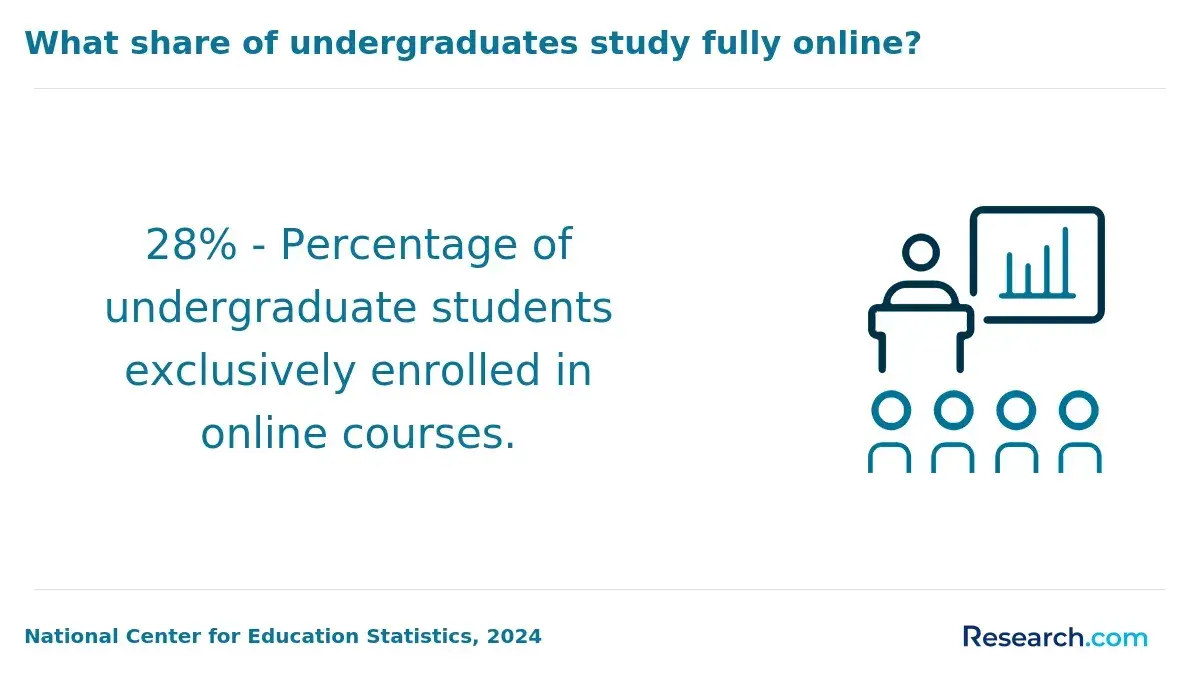
Employers in clinical and institutional nutrition roles routinely require candidates to complete accredited, supervised internships-an area where online-only programs often fall short. Campus-based programs maintain stronger partnerships with local healthcare providers, offering structured, in-person practicums that align with professional registration standards. For example, hospital dietitian positions demand supervised practice within recognized frameworks not typically deliverable through purely remote formats. This gap limits fully online students' ability to secure essential hands-on experience, delaying credentialing and entry into competitive job markets.
The U.S. Bureau of Labor Statistics reports a median annual wage of $73,850 for dietitians and nutritionists, reflecting the profession's competitive nature. Graduates from campus internships often leverage better practical skills and local networks, facilitating job placement and salary negotiation. Conversely, online learners who rely on hybrid or coordinated partnerships navigate more fragmented pathways with potential delays and increased effort to find quality field placements.
Hybrid models that combine online coursework with local practicum requirements offer a practical balance for working professionals. Purely online routes, while flexible, risk leaving gaps in clinical skills and reduce opportunities for mentorship and peer collaboration, which influence long-term career growth. Distinguishing between career goals is essential: clinical and public health nutrition roles necessitate integrated hands-on training, while wellness coaching or corporate nutrition roles may advance effectively through accredited online credentials paired with voluntary practice.
Which states require registered dietitian credentials versus other nutrition certifications?
In the U.S., the Registered Dietitian (RD) credential remains the dominant qualification for clinical and institutional nutrition work, particularly where state licensure laws are strict. States like California, New York, and Texas mandate RD licensure to deliver medical nutrition therapy, effectively limiting reimbursement from Medicare and similar programs to credentialed RDs. This regulatory environment creates a clear tradeoff: those pursuing RD credentials face longer paths involving accredited degrees and supervised internships but gain broader employability and higher earning potential, with entry-level salaries around $61,260 and experienced clinicians surpassing $100,000.
Conversely, states including Florida and Colorado offer more latitude, accepting certifications such as Certified Nutrition Specialist (CNS) or Health Coach for roles focused on wellness, lifestyle coaching, or corporate settings. These alternatives typically require less time and financial investment but come with narrower job prospects, especially where clinical licensure is non-negotiable.
Employment context sharply influences credential value:
- Hospitals and government-funded programs favor RDs for compliance and reimbursement simplicity.
- Private wellness centers often prioritize broader wellness certifications that emphasize holistic coaching approaches.
- Career-focused students must weigh regulatory hurdles against intended practice settings-clinical versus wellness.
State-by-state licensure variance and employer expectations demand that prospective nutrition professionals strategically assess whether the RD path aligns with their ambitions or if alternative certifications better serve their targeted roles.
How can students verify that a nutrition degree program is properly accredited?
Choosing a nutrition program without Accreditation Council for Education in Nutrition and Dietetics (ACEND) approval effectively bars students from sitting for the Registered Dietitian Nutritionist (RDN) exam, posing a significant barrier to most professional roles. Students often underestimate how essential this accreditation is for eligibility in competitive supervised practice programs and state licensure, both crucial for legally working and gaining employment in nutrition.
For example, a student opting for a lower-cost, non-accredited degree might initially save money but face longer-term career delays and additional expenses to meet qualification requirements through alternative pathways or risk reduced employability. Idaho State University forecasts a 7% growth in nutrition-related jobs through 2033, reflecting higher-than-average demand, which further amplifies the importance of streamlined credentialing.
Aside from ACEND, verifying an institution's regional accreditation ensures broader academic credit transfer and access to financial aid, which impacts educational flexibility and affordability. State licensing boards serve as a critical resource to confirm that specific programs align with local regulatory standards, a step often overlooked yet vital for avoiding costly missteps.
Key considerations include:
- Direct verification of program accreditation through ACEND's public database
- Confirmation of regional institutional accreditation recognized by the U.S. Department of Education
- Consultation with state licensing authorities to confirm compliance with regional licensure requirements
What tuition, financial aid, and cost-of-living factors affect state-by-state career decisions?
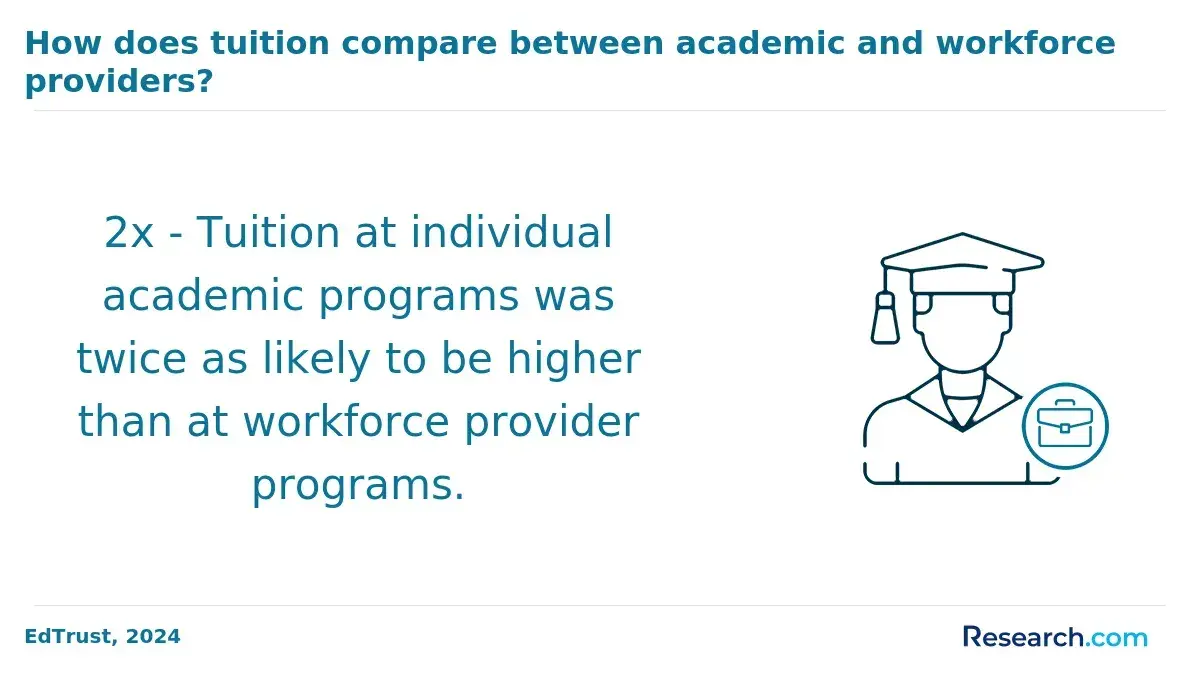
Tuition disparities heavily shape nutrition career decisions by state, with annual costs ranging from under $10,000 at public in-state institutions to more than $40,000 for private or out-of-state enrollments. This wide range significantly impacts student debt burdens and long-term financial outcomes. Access to financial aid varies dramatically, often dictating whether students rely more on loans or grants. For example, states with robust need-based aid reduce the likelihood of students delaying workforce entry due to financial pressures-an important factor given nutrition's entry-level salaries near $44,910 for the lowest 10%, based on 2024 BLS data analyzed by BestColleges.
Cost of living further complicates net income for dietitians, whose top 10% earn up to $98,830 annually. In high-cost regions like California or New York, housing and transportation can consume 40% or more of this income, eroding expected financial gains and influencing job location choices and retention. Professionals shifting careers benefit from employer tuition reimbursement programs prevalent in healthcare-heavy states, mitigating upfront expenses while advancing credentials.
Deciding on a nutrition program requires weighing tuition against probable wage outcomes within each region's cost-of-living context and considering sector-specific salary structures-clinical roles versus corporate wellness or research-since earning potential and educational investment vary substantially depending on career trajectory.
How should prospective students choose the best state and school for a nutrition career plan?
State licensing requirements significantly shape the practical outcomes for nutrition professionals, impacting whether graduates can independently practice or must operate under supervision. For example, nutritionists in states with rigorous licensing often endure lengthy credentialing but benefit from higher hourly rates-ranging nationally from $90 to $200-and a broader scope of practice. This licensing environment directly influences employability and income potential.
Choosing a program accredited by recognized bodies and aligned with specific state licensure standards is critical. Students targeting private practice in California, for instance, should select schools familiar with the California Board of Behavioral Sciences to avoid costly recertification delays. Likewise, programs based in states with strong healthcare sectors or expanding wellness markets typically offer richer internship placements and better job prospects.
Workforce trends provide additional context for decision-making. States experiencing increased obesity rates, aging demographics, or corporate wellness growth predict sustained demand for qualified nutrition professionals. Prospective students must also weigh the limitations of online programs, which may restrict clinical practicum opportunities essential for meeting some state licensing prerequisites.
- Licensure feasibility and variable credentialing timelines affect market entry speed and independence.
- Location of study influences exposure to clinical experience and regional employer networks.
- Interpreting local demand data can guide long-term career stability expectations.
Ultimately, the optimal balance involves selecting states and schools where licensing practicality, local salary benchmarks, and educational rigor intersect, supported by verified employment data and evolving credentialing standards.
Other Things You Should Know About Nutrition
Hands-on experience through internships or supervised practice is essential for nutrition careers, often mandated for licensure and certification in many states. Programs with structured, supervised practical components produce graduates who meet employer expectations more efficiently and adapt faster to clinical or community settings. Prioritize programs that integrate these experiences early and throughout the curriculum, as this significantly improves job readiness and professional competence compared to purely theoretical pathways.
In 2027, states like California, New York, and Texas are leading for nutrition career growth due to their robust healthcare sectors, diverse job markets, and demand for nutrition experts. Opportunities for advancement, competitive salaries, and numerous educational institutions make them ideal for aspiring nutritionists.
In healthcare settings, employers demand rigorously verified credentials such as registered dietitian credentials aligned with state licensure, emphasizing clinical skills and adherence to regulated standards. Wellness and corporate sectors may accept certifications with less regulatory oversight but expect demonstrated impact on client outcomes and program management capabilities. Candidates should match their credential strategy to target employers, prioritizing formal licensure for clinical roles and relevant certifications plus measurable results for wellness roles.
States with higher employer demand often have intense workloads and may require longer hours or on-call responsibilities, especially in clinical or hospital environments. Alternatively, some states offer more balanced opportunities with community nutrition or corporate wellness roles that emphasize standard business hours and less emergency duty. For career longevity, candidates should weigh job availability against typical work demands in target states, prioritizing regions that support sustainable work-life balance aligned with their personal and professional goals.
References
- REGISTRATION ELIGIBILITY PROCESSING SYSTEM (REPS) - FREQUENTLY ASKED QUESTIONS https://www.cdrnet.org/reps-faq
- How to Become a Nutritionist, Plus Career Path Options | ISSA https://www.issaonline.com/blogs/nutrition/how-to-become-a-nutritionist-plus-career-path-options
- The Highest Paying Dietitian Jobs: An Overview of RD Salaries https://www.therdcoach.com/the-highest-paying-dietitian-jobs-an-overview-of-rd-salaries/
- Nutrition Careers Guide 2025 | Jobs & Salary https://www.nutritioned.org/careers/
- New Analysis Finds That You Get What You Pay For: State Higher Education Funding Directly Impacts Student Success | SHEEO https://sheeo.org/new-analysis-finds-that-you-get-what-you-pay-for-state-higher-education-funding-directly-impacts-student-success/
- Pathway to Become a Registered Dietitian Nutritionist (RDN) - Be Well Solutions Dietetic Internship https://bwsdi.com/helpful-resources/pathway-to-become-a-registered-dietitian-nutritionist-rdn/
- Why Choose an Accredited Nutrition Program? | University of Bridgeport https://www.bridgeport.edu/news/accredited-nutrition-programs/
- The Effects of Rising Student Costs in Higher Education - Ithaka S+R https://sr.ithaka.org/publications/the-effects-of-rising-student-costs-in-higher-education/
- Nutritionist vs Dietitian Salary: What’s the Real Difference? - Become A Nutritionist https://becomeanutritionist.org/blog/nutritionist-vs-dietitian-salary-whats-the-real-difference/
- Nourishing Paths: A New Career Advancement Program for Registered Dietitians - ASC Blog https://www.asccare.com/nourishing-paths-a-new-career-advancement-program-for-registered-dietitians/