2027 Nutrition Career Paths With the Best Advancement Potential

Co-Founder and Chief Data Scientist
Professionals seeking advancement within nutrition often confront a fragmented landscape of credentials, varying state licensure requirements, and evolving employer expectations, complicating strategic career moves. The 18% projected job growth for dietitians and nutritionists through 2032, according to the U. S. Bureau of Labor Statistics, signals strong demand but intensifies competition for specialized roles. Simultaneously, nearly 40% of nutrition program enrollees in 2024 are adult learners balancing work and study, reflecting a shift toward flexible online education formats. This trend influences access and completion rates, shaping who can realistically pursue advanced positions or certifications. This article examines current nutrition career paths offering the most reliable advancement, addressing these practical barriers and opportunities.
Key Things You Should Know
- Master's degrees in nutrition science correlate with 18% higher wage growth over bachelor's alone, yet delay workforce entry by two to three years, intensifying early-career opportunity costs per National Center for Education Statistics data.
- Employers in clinical nutrition increasingly require RDN credentialing and hands-on internship completion, narrowing advancement channels for theoretical-only graduates, per Academy of Nutrition and Dietetics 2024 workforce survey.
- The rise of tech-driven roles in personalized nutrition demands multidisciplinary skills, pressuring candidates to supplement core nutrition education with data literacy, limiting straightforward credential-to-employment pipelines observed in traditional settings.
What are the main nutrition career paths with the strongest advancement potential?
Clinical dietitians offer the most straightforward advancement in nutrition career paths with highest advancement opportunities in the US, particularly in hospitals or outpatient settings. Specializing in fields like oncology or pediatrics often leads to senior clinical or management roles, reflecting a wage premium-May 2024 median annual earnings were $68,200, with the top 10% exceeding $95,000. The financial upside correlates strongly with experience and recognized expertise.
Public health nutritionists expand their impact through leadership in large-scale wellness programs and policy shaping, but their advancement hinges on mastery of epidemiology and grant management- bottlenecks that shape employability and progression.
Food service managers pivot advancement toward operational leadership marked by regulatory compliance and cost efficiencies, relying heavily on practical, on-the-job skill accumulation rather than formal credentials.
Research nutritionists must align their output with measurable impacts such as published studies or funded projects, often collaborating across medical or pharmaceutical sectors. Transitioning professionals benefit from targeted graduate degrees or certifications, reflecting the best nutrition job tracks for fast career growth in America.
For students seeking cost-conscious options, the cheapest online nutrition degree programs can balance affordability with essential credentialing.
What degrees do you need to start and advance a career in nutrition?
Employers within nutrition-related fields emphasize credentialed expertise, making a bachelor's degree a baseline for entry but insufficient for meaningful progression into specialized or leadership roles. Registered dietitian nutritionists (RDNs), for example, must combine accredited programs with supervised practice and national certification to meet hiring standards, framing a clear case where the best degrees to start and grow a nutrition career balance practical credentials and foundational knowledge.
Job growth projections of 6-7% in community and public health nutrition favor candidates holding master's degrees, such as an MPH with a nutrition focus or clinical nutrition master's, which equip professionals to handle epidemiology, program design, and policy roles beyond routine practice.
Without graduate credentials, advancement risks plateauing in wellness or entry-level healthcare functions. This creates a substantial tradeoff: the financial and time costs of graduate education versus expanded labor market opportunities and influence.
Professionals considering a pivot to clinical dietetics or research must weigh advanced degrees as an investment linked to roles demanding data analysis or policy advocacy. Certification alone, particularly without accredited degrees, often limits access to these areas.
Prospective students should prioritize ACEND-accredited programs that align with employer expectations and certification eligibility. For working learners who value flexibility, an online health administration degree might complement nutrition credentials in administrative or leadership pathways.
Understanding nutrition degree requirements for career advancement means evaluating whether a program's curriculum and accreditation meet real-world credentialing and job specifications, especially given sector-specific nuances and practical workforce demands.
How do salaries and earning potential compare across different nutrition careers?
Salary trajectories within nutrition career salaries by job type reveal distinct tradeoffs shaped by industry demands and credentialing barriers. Corporate wellness roles command median annual wages above $73,850, driven by their measurable impact on organizational productivity and healthcare cost containment. However, this sector demands not only clinical nutrition knowledge but also strong business and program management skills, requiring professionals to invest in targeted continuing education.
In contrast, public health dietitians and community nutrition practitioners typically start near $50,000 with steady, incremental growth potential. Clinical dietitians in hospital settings earn $60,000 to $70,000 but face stricter licensing and credentialing hurdles that can delay entry and advancement.
Registered Dietitian Nutritionists (RDNs) consistently earn more than non-certified nutritionists, highlighting the value of certification despite the educational and financial commitments involved.
Nutrition career salaries by job type underscore that those seeking higher earnings often pivot from clinical or community roles to corporate wellness or private consulting, where pay exceeds $70,000. Such moves require proficiency in client engagement and data interpretation beyond foundational nutrition degrees.
Awareness of credential requirements, experience levels, and sector-specific skills is essential to navigating earning potential and career stability.
Prospective students should weigh these factors carefully alongside program costs and delivery formats. Those exploring routes to maximize returns might consider affordable online healthcare degrees as a supplemental option to build interdisciplinary expertise and enhance employability in evolving nutrition roles.
What is the job outlook and industry demand for nutrition professionals in the United States?
The nutrition professional job outlook in the United States is shaped by a sustained demand far beyond entry-level roles, with a 15% projected employment growth for dietitians and nutritionists through 2032. This growth concentrates in specialized sectors such as clinical care, sports performance, and chronic disease management, where employers prioritize candidates with advanced credentials and applied experience.
One practical workforce implication is the contrast between clinical nutrition managers in athletic or healthcare contexts-earning between $80,000 and $100,000 annually-and wellness coaches who may experience slower growth and less financial upside.
Employers increasingly require interdisciplinary skills including data analysis, patient outcome tracking, and collaboration with healthcare teams. These requirements raise the entry barrier, emphasizing accredited internships or residencies as critical filters.
Students and professionals must weigh the costs and timelines of specialization against expected demand and salaries. For example, registered dietitians aiming for management roles in sports medicine need to navigate fluctuating healthcare funding and insurance reimbursements that influence job stability.
Meanwhile, supply pressures in entry-level nutrition careers elevate the importance of distinctive credentials or advanced degrees to stand out in a growing but highly qualified workforce.
For those exploring viable educational pathways, including the transition from nursing roles, researching affordable RN to BSN online programs can provide strategic guidance in parallel healthcare fields.
Industry demand for nutrition careers in the US continues to shift towards nuanced specialization rather than generalist certifications, making strategic educational and experiential planning essential.
How do online nutrition degree programs compare to campus-based options for career growth?
Campus-based nutrition degree programs maintain a distinct advantage in clinical and institutional job markets due to embedded practicum requirements and direct faculty mentorship. Hospitals and community health employers often prefer candidates from these traditional tracks for roles demanding registered dietitian nutritionist licensure, partly because these programs facilitate access to competitive internships and residencies.
This structured training pipeline typically yields higher starting salaries in institutional settings but involves fixed schedules and potential relocation.
By contrast, online nutrition degrees offer flexibility valuable to self-directed professionals pursuing entrepreneurship or private practice. These programs allow students to simultaneously work and build business skills, providing specialized certifications and electives at lower opportunity costs.
According to Liv Hospital's 2024 salary data, private practice dietitian nutritionists earn between $50,000 to over $100,000 annually, underscoring the link between personal initiative and financial outcomes.
Students should weigh their career aims carefully:
- Clinical employment favors campus degrees with strong institutional networks and state licensure pathways.
- Entrepreneurial or private practice paths align better with online programs offering convenience and supplemental business training.
Ultimately, employers prioritize licensure and proven competency regardless of program format, making supplemental practical experience essential for online graduates who aim for clinical roles.
Which accredited nutrition and dietetics programs best support long-term career advancement?
Nutrition and dietetics programs that integrate food industry applications and product development equip graduates with in-demand skills that directly influence hiring and salary trajectories. Employers prioritize practical experience in product formulation, regulatory compliance, and consumer behavior analysis over solely clinical expertise.
For instance, food industry nutritionists earning $72,000 to $115,000 typically demonstrate proficiency in cross-functional teamwork and business processes beyond traditional nutrition roles.
Pathways that embed internships or cooperative education within food corporations provide immediate advantages by closing experience gaps and enabling networking critical for promotions. In contrast, programs lacking these links delay professional growth, particularly for mid-career individuals pivoting into nutrition.
Part-time or evening options with food science and corporate wellness electives better serve working professionals focused on industry rather than clinical environments.
Successful candidates often engage in research on food safety and nutrition trends, preparing for advanced roles such as product manager or R&D lead. Credentials like Certified Nutrition Specialist alongside accredited dietetics certificates enhance competitiveness in expanding sectors. Strategic program choices thus affect job prospects, compensation potential, and the ability to navigate evolving food industry demands.
What are the licensing and certification requirements for dietitians and other nutrition roles?
Securing the Registered Dietitian Nutritionist (RDN) credential remains the definitive gateway to most clinical nutrition roles in the U.S., as employers consistently require completion of an accredited bachelor's or graduate program, a 1,200-hour supervised internship, and a national exam. Without the RDN, professionals face sharply constrained opportunities, largely limited to entry-level or low-growth jobs.
Additionally, state licensure often demands verification of RDN status and payment of fees, which can delay employment start dates and complicate transitional timelines.
Other titles, like "nutritionist," offer less clarity, as many states do not regulate these designations. This ambiguity risks reliance on non-accredited certificates with little labor market value. In contrast, certifications such as Certified Nutrition Specialist (CNS) or Certified Clinical Nutritionist require graduate degrees plus extensive supervised experience, offering alternatives that enhance market standing but entail additional training time and expense.
Nutrition research roles typically bypass clinical licensure, prioritizing advanced academic credentials like PhDs. For example, research positions in India show monthly stipends between ₹25,000 and ₹50,000, illustrating modest compensation compared to direct patient-care roles and underscoring the importance of publications and grant experience over licensing.
Employers in healthcare settings enforce licensure compliance rigorously, making RDN certification essential. Private sector roles may be more flexible but usually offer lower pay and fewer advancement pathways without formal credentials.
Prospective candidates must realistically weigh the upfront investment of supervised internships and exam preparation against broader job prospects and salary premiums that the RDN credential provides.
What coursework and skills are most important for progressing in nutrition careers?
Success in nutrition careers depends on integrating advanced science coursework with applied skills that meet specific employer demands. For instance, registered dietitians must translate complex lab results and patient data into tailored therapeutic diets, requiring mastery of biochemistry, physiology, and clinical nutrition alongside critical thinking. This blend of rigorous science and practical application distinguishes candidates in clinical and public health roles.
Soft skills, particularly communication and motivational interviewing, are indispensable in nutrition-adjacent roles such as health coaching. The median national salary of $47,708 for health coaches, reported by Indeed's 2024 nutrition and food science career data, reflects market value tied closely to proficiency in behavior change models and coaching strategies.
Certifications augment these skills but involve ongoing education to maintain relevance amid shifting health paradigms.
• Mastery of nutritional assessment and evidence-based interventions enhances employability.
• Proficiency in soft skills shapes career trajectories beyond technical roles.
• Data management and health technology competence differentiate candidates in evolving interdisciplinary settings.
Specializations in public health nutrition, food safety, and nutrition policy become pivotal for leadership or regulatory positions, where employers expect familiarity with nutrition informatics and digital health tools. Students must balance the costs and time of advanced degrees or certifications against the opportunity to enter the workforce sooner in less specialized roles.
How long do common nutrition programs take, and what costs should students expect?
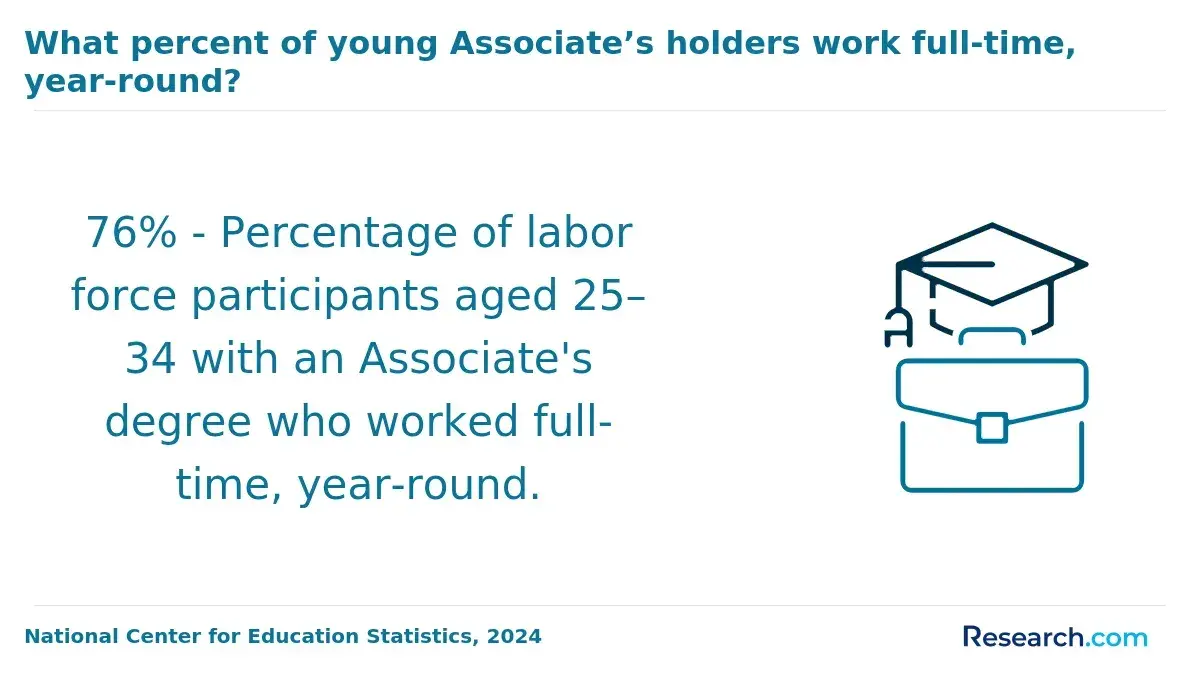
Choosing the appropriate nutrition credential hinges on balancing program length, cost, and career trajectory. Associate degrees offer an accessible, low-cost pathway-typically 2 years at community colleges costing $6,000 to $20,000 annually-geared toward entry-level or technician roles but rarely sufficient for registered dietitian status or advanced leadership.
Bachelor's degrees require about 4 years, with tuition ranging from $20,000 to $50,000 yearly, and are effectively the minimum credential for RDN eligibility and broader employment options.
Master's programs, often extending 1.5 to 2 years post-bachelor's and ranging from $15,000 to over $40,000 annually, cater to those aiming for specialization, research, or media roles. The tradeoff here includes longer time-to-employment and higher debt but access to leadership or research-related positions.
For example, students targeting nutrition writing and communication might prioritize faster entry via an accelerated bachelor's plus certification, accepting narrower role access and average media salaries around $53,537, as per Indeed's 2024 data.
Additional costs-supervised practice hours, exams, textbooks, relocation-can add thousands. Employers seek accredited education coupled with hands-on experience, and financial aid can vary widely across programs. Prospective students must weigh total investment against realistic job market outcomes rather than just credential level alone.
How can prospective students choose a reputable nutrition program aligned with their career goals?
Selecting a nutrition program requires aligning curriculum and credentials with career goals, balancing speed, cost, and advancement potential. Accredited associate degrees provide credentials like Nutrition and Dietetics Technician, Registered (NDTR), enabling entry into support roles with a median wage around $34,940. This path suits those focused on community nutrition or clinical support but offers limited upward mobility without further education.
For registered dietitian nutritionist (RDN) roles, ACEND-accredited programs with integrated supervised practice or dietetic internships are essential. Programs lacking these reduce competitiveness and extend credentialing time, complicating entry into hospital or public health settings. For instance, a student targeting a clinical dietitian role in a large hospital benefits from programs with hospital clinical rotations, rather than purely online options.
Decision factors include graduate licensure pass rates, employment placements, and connections to internship sites or healthcare employers. These elements strongly influence career trajectories in specialized areas such as sports nutrition or oncology nutrition.
Tradeoffs between relocation and tuition versus immediacy and practical skill acquisition are real: high-quality programs with internships shorten credentialing time but may increase costs and logistical burdens. Conversely, online or part-time paths aid career changers but often delay hands-on learning valued by employers.
Prospective students should weigh career goals, degree level, accreditation, practical training, and outcome metrics to select a program that aligns strategically with their projected Nutrition career path in 2026.
Other Things You Should Know About Nutrition
Advancement opportunities often increase with a master's degree, especially for roles in clinical nutrition, research, and leadership positions. However, the return on investment depends on your career focus: for clinical dietitians, the master's is becoming a de facto requirement for entry-level practice due to credentialing changes, while in community or wellness nutrition, experience and certifications may outweigh an advanced degree. Prioritize graduate programs with strong practicum components and employer connections if advancement is your goal.
Specializations such as pediatric nutrition, sports nutrition, or renal nutrition can open niche markets with less competition and higher earning potential, but they may limit the geographic and institutional options available. Employers often value specialized credentials alongside broad foundational knowledge because they signal expertise in addressing complex, targeted needs. Choose specializations that align with both your interests and regional workforce demands to maximize career stability and advancement.
Healthcare settings typically require strict adherence to clinical protocols and offer structured career ladders but often involve longer hours with high caseloads and regulatory oversight. Private industry roles, such as in food companies or wellness consulting, provide more flexibility and potentially higher salaries but may lack formal advancement frameworks and require self-driven professional development. Your decision should weigh job security and structure against autonomy and compensation potential.
While certification programs provide a quicker entry into nutrition careers, formal degrees offer comprehensive education and broader advancement opportunities. In 2027, having both a degree and specialized certifications can enhance career growth potential, catering to the increasing demand for qualified nutrition professionals.
References
- Online Degrees - nutritioned.org https://www.nutritioned.org/online-degrees/
- How to become a dietitian https://www.bda.uk.com/about-dietetics/how-become-a-dietitian.html
- Top 35 Registered Dietitian Schools https://becomeanutritionist.org/top-35-registered-dietitian-schools/
- How to Choose a Nutrition MS Program | University of Bridgeport https://www.bridgeport.edu/news/choosing-a-nutrition-masters-program/
- 6 Interesting Nutrition Career Paths You Should Consider https://online.federation.edu.au/interesting-nutrition-career-paths/
- How to Build a Career in Nutrition Coaching - Sigma Nutrition https://sigmanutrition.com/nutritioncareer/
- What Does It Cost to Feed a Child? New Global Evidence on the Economics of School Meals | Center For Global Development https://www.cgdev.org/blog/what-does-it-cost-feed-child-new-global-evidence-economics-school-meals
- Career profiles - Association for Nutrition https://www.associationfornutrition.org/careers-nutrition/becoming-nutritionist/career-profiles
- Become a Registered Dietitian Nutritionist https://www.eatright.org/become-an-rdn
- Do You Have the Skills Needed to Be a Nutritionist? | ISSA https://www.issaonline.com/blogs/nutrition/do-you-have-the-skills-needed-to-be-a-nutritionist