2027 Nutrition Careers Most Resilient to Automation

Co-Founder and Chief Data Scientist
Professionals pursuing a career in nutrition increasingly confront uncertainties as automation reshapes healthcare roles, threatening tasks like data entry and basic meal planning. This transformation pressures individuals to identify positions that remain resistant to algorithmic replacement. Federal statistics reveal a 15% annual surge in online enrollments for nutrition-related programs, reflecting adult learners' drive for flexible, career-resilient education that aligns with evolving workforce demands.
Such trends highlight the necessity of choosing specializations emphasizing critical thinking, personalized client interaction, and interdisciplinary knowledge-skills less vulnerable to automation. This article evaluates the nutrition careers demonstrating the strongest resistance to automation, guiding informed choices for sustainable employment and advancement.
Key Things You Should Know
- Advanced clinical nutrition roles involving personalized metabolic intervention show less than 5% automation risk per 2024 Bureau of Labor projections, but require costly, multi-year credentialing delaying workforce entry by up to 4 years.
- Employers prioritize candidates with integrated data analytics skills alongside nutrition expertise, reflecting a 38% rise in hybrid job postings since 2023, signaling a shift away from traditional dietitian-only roles.
- The scarcity of scalable, affordable post-baccalaureate nutrition analytics programs constrains rapid career pivots, forcing many professionals to accept lower-automation-risk positions with narrower scopes and limited leadership potential.
What nutrition careers are most resistant to automation?
Nutrition careers least likely to be automated are anchored in critical thinking, adaptive judgment, and personalized client interaction, functions that current AI systems cannot duplicate. Dietitians and nutritionists fall squarely into this category by tailoring dietary strategies based on complex health histories, cultural factors, and shifting lifestyle demands. For instance, when managing patients with chronic kidney disease, dietitians must integrate nuanced clinical assessments with behavioral counseling-an intricate process resistant to automation.
The workforce realities underscore that positions emphasizing repetitive tasks or standard meal planning face higher automation risks, while roles requiring supervised practice, interdisciplinary coordination, and real-time decision-making remain in demand. Employment for dietitians and nutritionists is projected to grow 5.5% from 2024 to 2034, reflecting sustained need for skills combining technical knowledge with empathic communication.
Students and professionals targeting high demand nutrition jobs resistant to automation should prioritize accredited dietetic programs with practical experience components. Employers value adaptability, advanced clinical credentials, and communication proficiency as indicators of resilience in evolving healthcare environments. Continuous education is essential to maintain relevance amid changing technical and regulatory landscapes.
For those considering educational pathways, an accessible option is pursuing a nutritional science degree online, offering flexibility while building foundational expertise relevant to varied nutrition career trajectories.
Which nutrition jobs require licensure or certification?
Licensure and certification serve as critical gateways shaping where and how nutrition professionals practice, with registered dietitians and certified nutrition specialists subject to stringent credentialing due to clinical and regulatory demands. For instance, Registered Dietitian Nutritionists (RDNs) must complete accredited coursework, supervised practice, and pass a national exam before obtaining state-specific licensure, enabling them to provide medical nutrition therapy and bill insurance. This regulatory environment directly influences employer expectations, as roles linked to healthcare settings or public institutions typically require verified credentials. Unlicensed practitioners, including many nutrition consultants, face notable restrictions against delivering dietary prescriptions or clinical advice.
Many nutrition careers requiring state licensure reflect tangible operational tradeoffs: while licensed professionals command broader responsibilities and clearer advancement, dietary technicians often navigate a balance between limited licensure mandates and employer preference for certification such as the Dietary Technician, Registered (DTR). The 2024 AI Changing Work report rates dietary technicians as relatively resistant to automation, ranking a 26/100 risk with 45% AI exposure, a factor influencing job stability in healthcare support roles.
Certification and licensure processes demand strategic planning around application fees, continuing education, and state-specific rules, affecting timing and career trajectory. Prioritizing accredited programs aligned with credentialing eligibility is essential to avoid dead ends. For those considering educational pivots, an online health administration degree can complement nutrition credentials by expanding career flexibility and administrative competencies.
Employers consistently cite certification as mandatory for compliance with third-party payers and federal regulations, impacting salary scales and leadership opportunities. Prospective candidates should weigh the interplay of certification requirements, workforce realities, and the certifications needed for nutrition professionals to optimize employability within evolving healthcare landscapes.
What degrees do nutrition careers usually require?
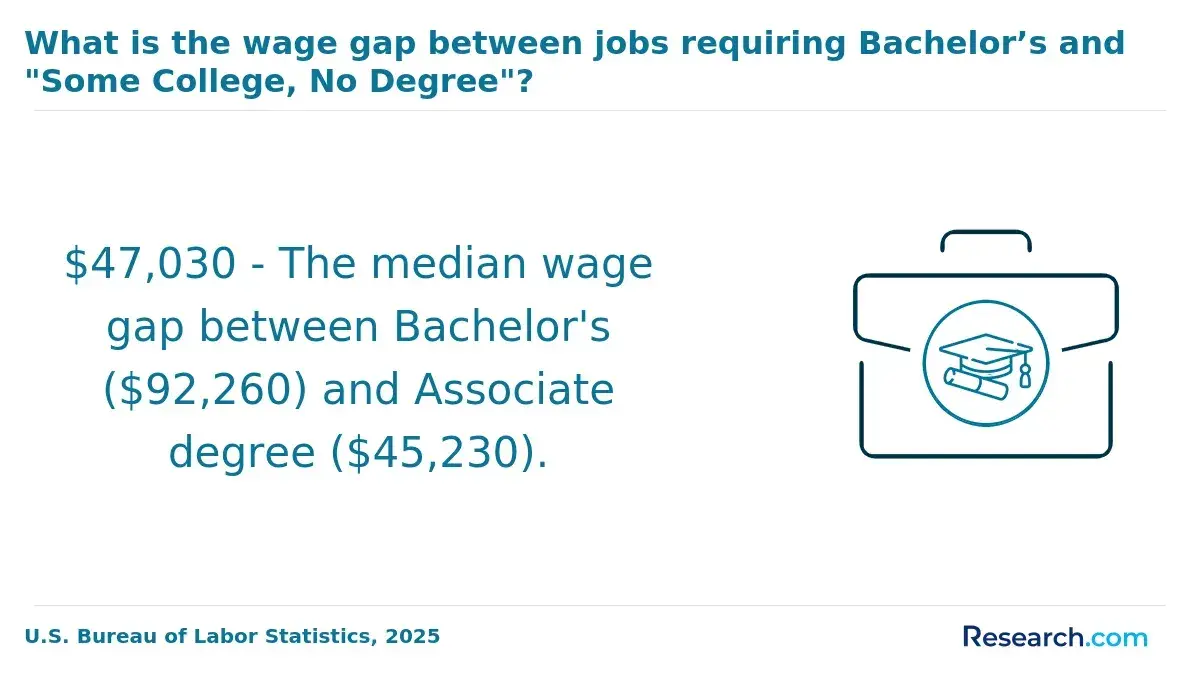
Employers in the nutrition sector increasingly demand candidates who combine accredited credentials with hands-on experience, especially given the 59% AI displacement risk projected for Registered Dietitians over the next decade. A nutrition science degree requirements extend beyond academic coursework; they necessitate supervised practice hours and successful completion of national credentialing exams to meet licensure standards. Without these components, even advanced degrees may limit eligibility for clinical roles tied to insurance reimbursement and regulatory oversight.
Practically, pursuing best degrees for nutrition careers means prioritizing ACEND-accredited programs that emphasize coordinated internships or supervised practice, which remain mandatory in many states. While master's or doctoral degrees can improve research and policy opportunities, their incremental value for entry-level clinical positions diminishes, affecting return on investment and time-to-employment. Working professionals may benefit from flexible accredited online bachelor's or master's paths that maintain certification eligibility while accommodating career pivots.
Ignoring supervised practicum requirements often channels graduates into less regulated, lower-paying roles lacking clear growth trajectories. Balancing degree level with certification and real-world training is vital as automation reshapes workforce expectations, putting a premium on nuanced clinical judgment and personal care skills AI cannot replicate.
Students aiming for sustainable career entry or advancement in nutrition should also consider broader healthcare qualifications, such as a healthcare administration degree, to diversify professional pathways and enhance adaptability.
Are online nutrition programs as credible as campus programs?
Online nutrition programs only align with campus counterparts in credibility when they secure accreditation and mandate supervised, hands-on clinical experiences. Employers and credentialing bodies prioritize accredited online nutrition degree programs combined with practical internships, because roles such as registered dietitians demand applied skills unavailable through purely virtual coursework. Graduates without documented supervised practice face hurdles in qualifying for registered dietitian exams or clinical positions, underscoring how real-world competencies are non-negotiable.
When you compare credibility of online versus campus nutrition education, program structure emerges as a key dividing line. Campus programs often feature real-time labs, in-person mentorship, and strong local healthcare partnerships that ensure immediate clinical application. Conversely, online students typically depend on virtual simulations or external internship arrangements, which can vary widely in quality and logistics, leaving employers to scrutinize practical readiness closely-especially in clinical roles susceptible to automation, where nuanced judgment remains essential.
Prospective students should confirm that online degrees include structured practicum placements and recognized certifications, since credentialing for registered dietitians mandates supervised experiential hours regardless of delivery mode. For those contemplating career shifts, the impact of integrated clinical hours on employability outweighs the convenience of remote learning. Navigating this balance might also mean exploring complementary programs geared for healthcare, such as RN to BSN no prerequisites, to broaden practical credentials.
Ultimately, the practical value of an online nutrition program depends on its accreditation, clinical integration, and alignment with credentialing standards. Without these elements, degrees risk being academically sufficient but limited in advancing clinical nutrition careers amid evolving workforce demands.
What coursework do nutrition degree programs include?
Choosing a nutrition degree demands an appraisal of the practical interplay between coursework and evolving workforce demands, especially as AI automates routine functions. Core science classes like biochemistry and food science equip students with essential understanding of nutrient-body interactions, but the retention of roles hinges on skills requiring nuanced human judgment. For example, clinical nutrition courses prepare professionals to design tailored dietary plans in hospital settings, where AI tools assist but cannot replace complex decision-making influenced by patient variability.
Key workforce considerations include the moderate AI exposure in counseling roles (GenAI exposure 72/100), where emotional intelligence and motivational strategies remain pivotal, underscored by an AI risk score of 34/100 for dietitians and nutritionists. Employers prioritize applied competencies gained through supervised practicums in clinical or community environments-an experience critical for translating theory into decisions amid real-world uncertainty.
Strategic course selection can differentiate students by aligning with targeted career niches such as policy implementation or research. Electives in nutritional genomics, sustainability, or health informatics anticipate industry shifts and thus offer pragmatic resilience against automation-driven displacement.
- Mastery of dietary assessment methods complements technology use by contextualizing biometrics beyond AI processing.
- Ethics and counseling build communication proficiencies essential for human-centered intervention roles.
- Hands-on practicum experiences remain the definitive factor for sustaining employability as software advances.
Students and professionals should weigh these elements carefully to optimize employability in nutrition fields increasingly shaped by AI integration.
How do admissions requirements vary for nutrition programs?
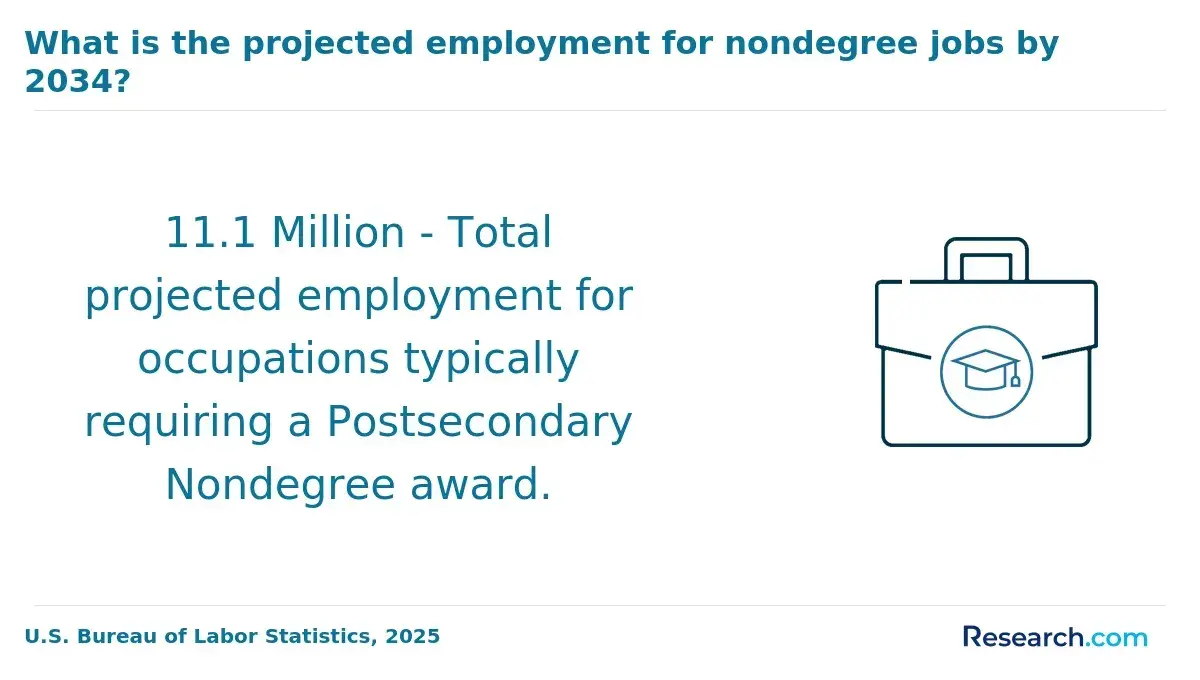
Admissions criteria for nutrition programs are a decisive factor shaping career outcomes, with significant tradeoffs between accessibility and long-term employability. Bachelor's degrees generally require strong STEM foundations and competitive GPAs, limiting immediate entry for many but preparing students for accredited paths essential in clinical or research roles. For example, failing to meet these rigorous thresholds often redirects candidates to associate or certificate programs, which offer quicker entry yet restrict advancement to higher-level positions.
Master's-level programs demand relevant undergraduate preparation and often professional experience, embedding expectations for advanced integration of science and public health. GRE requirements and recommendation letters are not mere formalities; they filter candidates equipped to navigate the complexities of clinical nutrition or research specialization. This selectivity corresponds with a labor market projecting 7.4% growth by 2033 and median wages near $69,680, emphasizing the premium on advanced expertise.
Entry-level certificate or continuing education programs provide flexibility for working professionals but generally presuppose foundational knowledge or licensure. These credentials serve pivot opportunities rather than direct routes to clinical or research roles requiring accredited status.
Ultimately, aligning admissions logistics with career goals is critical. Employers prioritize accredited completion and demonstrated applied skills, so students who bypass prerequisite rigor may face limited employment prospects, underscoring the value of comprehensive preparation in nutrition training.
How long do nutrition degree programs take to finish?
Completing a nutrition degree in the U.S. typically demands a minimum of four years of full-time study for a bachelor's degree, aligning with employer expectations for foundational competence and supervised clinical experience. Given the dietitians and nutritionists workforce of 90,900 with 6,200 annual openings reported by the AI Resilience Report for Dietitians and Nutritionists 2026, this timeline directly impacts entry to the job market. Graduate degrees add complexity and time, with master's programs requiring an additional two years, mainly benefiting those targeting research or specialized roles rather than typical entry-level positions.
Students should weigh program formats carefully: accelerated or part-time options might shorten duration but often compromise hands-on training and critical networking opportunities which employers prioritize. For example, working professionals pivoting into nutrition must consider prerequisite coursework that can add 1-2 years before official enrollment.
Supervised internships lasting 6-12 months are federally mandated for credentialing by the Commission on Dietetic Registration, making practical experience a non-negotiable component of credential attainment. Employers consistently favor candidates with completed, accredited programs and verified supervised practice over provisional certificates or incomplete degrees.
Planning realistically for 4-6 years from program start to workforce readiness is essential to avoid mid-career delays. Underestimations risk stalled entry amid a competitive labor market that values demonstrated clinical competence and completed academic prerequisites.
What do nutrition careers pay in the United States?
A median annual wage of $73,850 for dietitians and nutritionists in the United States indicates measurable demand but also notable variance depending on sector and location. Clinical dietitians working in hospital environments tend to earn more than their counterparts in public health or food service due to the specialized expertise and acute care responsibilities required. For example, a registered dietitian nutritionist (RDN) employed in a large medical center will likely see a faster salary trajectory than one working in community outreach or administrative roles.
Wage potential significantly hinges on professional credentials and certifications. Employers often require RDN status for reimbursement and regulatory compliance, which directly affects earning capacity. Without such credentials, individuals face narrower job options and salary penalties.
Long-term income growth is closely tied to specialization and leadership roles. Pursuing certifications in niche areas like renal nutrition or sports dietetics can increase earnings by 10-20%, while advancing to roles such as nutrition program director or corporate wellness consultant tends to command higher compensation.
Job security in this field demands ongoing adaptation to emerging health technologies and upskilling. Those relying solely on basic nutrition knowledge risk stagnating, especially as automation and AI tools integrate into dietetics practice.
Key points for prospective students and professionals:
- Clinical settings generally offer higher salaries but require rigorous credentials.
- Specialized certifications amplify earning power and role versatility.
- Continuous professional development mitigates obsolescence amid technological changes.
What is the job outlook for nutrition professionals?
The employment stability of nutrition professionals is bolstered by a notably lower AI exposure risk score of 34/100, beneath the national average of 44. This differential reflects the profession's dependence on complex clinical judgment, personalized care, and contextual decision-making-capabilities that current automation struggles to replicate. For example, clinical dietitians in hospital settings must dynamically adjust patient care plans based on evolving medical information and collaborate with diverse healthcare teams, a process demanding nuanced human expertise.
Nutrition roles require strong interpersonal skills and ethical judgment, which are critical in community settings where cultural and socioeconomic variables influence program design. AI's inability to adapt to such nuanced contexts highlights the need for hands-on experience and accredited supervised practice during training. Without these, graduates encounter barriers to employment and are vulnerable to underemployment as technology advances.
Employers prioritize candidates with practical experience because it directly impacts outcomes in chronic disease management and prevention. Specializing in areas such as pediatric nutrition, renal dietetics, or oncology can further insulate professionals from automation, enhance job security, and support wage growth consistent with labor market forecasts.
Prospective students should weigh the tradeoff between investment in accredited programs with clinical rotations against the significant risk of displacement in routine roles lacking such expertise. Maintaining adaptability and pursuing credentials where complex human judgment remains irreplaceable are essential for sustained viability in nutrition careers.
How do you choose an accredited nutrition program?
Accreditation from recognized authorities such as the Accreditation Council for Education in Nutrition and Dietetics (ACEND) directly impacts eligibility for Registered Dietitian credentials and signals curriculum rigor aligned to workforce expectations. With displacement.ai projecting 59% of the RD workforce susceptible to automation-driven shifts within 5-10 years, programs that integrate supervised practice hours alongside coursework better position graduates amid automation vulnerabilities. Employers prioritize hands-on experience, especially where complex patient care or community engagement cannot be replaced by technology.
Choosing between clinical or community nutrition paths requires evaluating graduate outcomes like licensure pass rates and job placement tied to specialized internships. For example, those targeting clinical nutrition should seek programs embedded with hospital partnerships to handle nuanced patient scenarios, while community-focused candidates benefit from exposure to public health agencies, given evolving demands in government and nonprofit sectors.
Flexibility in program delivery matters but must be weighed against supervised practice components, which cannot be fully remote. Regional accreditation and compliance with the Commission on Dietetic Registration ensure credential portability and wider job market access. Financial aid availability and total cost should be measured against realistic salary trends affected by automation compressing entry-level opportunities and wages.
Key considerations include:
- Accreditation status ensuring credential legitimacy
- Graduate success metrics supporting employment prospects
- Integration of supervised practical experience
- Program delivery modalities aligned with personal commitments
- Financial investment balanced against market pressures
Other Things You Should Know About Nutrition
Advancement in nutrition careers often depends on specialized credentials beyond a basic degree, such as becoming a registered dietitian or obtaining certifications in clinical specialties. Employers frequently expect candidates to demonstrate hands-on experience and proficiency with data-driven tools, which can extend the time before reaching senior roles. For professionals seeking fast advancement, prioritizing practical internships and continuing education aligned with industry demand is essential.
Automation reduces time spent on routine tasks like dietary data analysis and meal planning, shifting nutrition professionals' focus toward personalized counseling and clinical decision-making. This change increases the demand for strong interpersonal and critical thinking skills rather than just technical knowledge. Nutritionists should prepare for workloads that emphasize client engagement and complex problem-solving instead of repetitive data processing.
Early specialization can secure roles in growing areas like clinical nutrition or sports nutrition but may limit flexibility if job markets shift. Broad experience provides adaptability and a wider range of job options but may slow initial career progression. For those targeting stable, automation-resistant positions, an initial broad foundation followed by targeted specialization often yields the best balance between employability and advancement.
References
- Is an Online Nutrition Diploma Worth It? | A Real Career For 2026 https://www.nutritionalmedicineschool.com/blog/is-an-online-nutrition-diploma-worth-it-here-s-what-the-data-says
- Cert VS Degree: What Type of Nutrition Credential is Best? | ISSA https://www.issaonline.com/blogs/nutrition/cert-vs-degree-what-type-of-nutrition-credential-is-best
- 23 AI-Proof Jobs That Will Still Matter in 2025 (Career Guide) https://create.fit/ai-proof-jobs/
- The Evolving Professional Roles of Dietetics: Trends and Career Opportunities — Diversify Dietetics https://www.diversifydietetics.org/ddblog/2025/7/18/the-evolving-professional-roles-of-dietetics-trends-and-career-opportunities
- Nutritionist Requirements by State 2026 | License Guide https://www.nutritioned.org/state-requirements/
- Why Choose an Accredited Nutrition Program? | University of Bridgeport https://www.bridgeport.edu/news/accredited-nutrition-programs/
- Nutrition courses & training - Association for Nutrition https://www.associationfornutrition.org/careers-nutrition/becoming-nutritionist/nutrition-courses-training
- Bachelor of Nutrition https://www.unisc.edu.au/study/courses-and-programs/bachelor-degrees-undergraduate-programs/bachelor-of-nutrition
- Dietitians of Canada https://www.dietitians.ca/Become-a-Dietitian/Education-and-Training
- Master of Nutrition and Dietetics application requirements https://www.bluffton.edu/ags/grad/dietetics/admission-requirements.aspx