2027 Nutrition Specializations That Best Match Service-Oriented Health Careers

Co-Founder and Chief Data Scientist
Professionals entering service-oriented health careers often confront the challenge of selecting nutrition specializations that align with both immediate workforce demands and evolving patient needs. With employment for dietitians and nutritionists projected to grow 11% through 2034 according to the U. S. Bureau of Labor Statistics, choosing a path that balances clinical rigor with community impact is critical. Concurrently, the rise of flexible online learning options has transformed access for adult learners, permitting skill upgrades without disrupting current roles, yet this introduces complexity in evaluating program credibility and career outcomes. This article analyzes nutrition specialization options suited for service-focused health professionals, aiding informed decisions that optimize employability and long-term career advancement.
Key Things You Should Know
- Specializations like clinical nutrition offer 15% higher median salaries but require extended internships, creating an accessibility barrier for midcareer pivots due to time and financial constraints, according to 2024 BLS data.
- Employers increasingly prioritize RDN credentials combined with service-oriented soft skills, leading to 40% greater job placement rates within 12 months post-certification, per the Academy of Nutrition and Dietetics workforce survey.
- Emerging public health nutrition roles grow 8% annually but depend heavily on interdisciplinary graduate education, which raises entry costs and delays workforce integration by up to 2 years, limiting short-term employability.
Which nutrition specializations best align with service-oriented health and community care careers?
The most strategic nutrition specializations for community health careers emphasize direct service over research, demanding a balance between patient interaction and system-level impact. Clinical nutrition focuses on individualized medical nutrition therapy within hospitals and outpatient settings, requiring credentialing as a Registered Dietitian Nutritionist. This track offers a median annual wage of $73,850, indicating steady demand but also competition in healthcare employment.
Community nutrition, essential for public health initiatives, involves designing targeted programs in nonprofits, government agencies, and schools to address food insecurity and nutritional education specifically in underserved areas. Professionals in these roles must navigate complex cultural dynamics and funding variability while directly combating health disparities, which distinguishes the best nutrition fields aligned with service-oriented healthcare roles.
Gerontological nutrition targets the aging population's multifaceted nutritional needs in long-term and rehabilitative care. As older adults often manage chronic conditions and multiple medications, this specialization improves patient outcomes and reduces hospital readmissions, factors increasingly valued by employers.
Service-driven candidates should note that these fields entail extended supervised practice and high communication demands. For example, a dietitian in community clinics manages evolving public health guidelines amid fluctuating budgets, requiring adaptability. Prospective students should weigh these practical career challenges and consult credible educational resources-such as programs highlighted for affordability and relevance like a nutritionist degree-to align education with regional workforce needs.
What types of degrees prepare you for service-focused nutrition and health roles?
Degrees in nutrition and dietetics for health careers demand more than academic credentials; they require alignment with employer expectations and regulatory mandates. Bachelor's programs provide foundational science knowledge and qualify graduates for dietetic technician roles, but lack the clinical depth and supervised practice needed for RDN credentialing, a non-negotiable for most clinical and institutional employers. Master's degrees build on this foundation, integrating advanced clinical competencies and leadership preparation essential for overseeing patient nutrition and community health programs.
Service-oriented nutrition and health degree programs that incorporate public health or healthcare administration content better position graduates for roles such as clinical nutrition management, where management responsibility and evidence-based dietary decision-making converge. For instance, nutrition managers in hospitals with combined clinical training and administrative skills can access higher salary tiers, with the top 10% earning over $98,830 annually. However, this trajectory usually requires completion of dietetic internships post-degree, which are critical for hands-on clinical experience and interdisciplinary collaboration. Without these, job prospects narrow significantly to education or industry support functions rather than direct patient care.
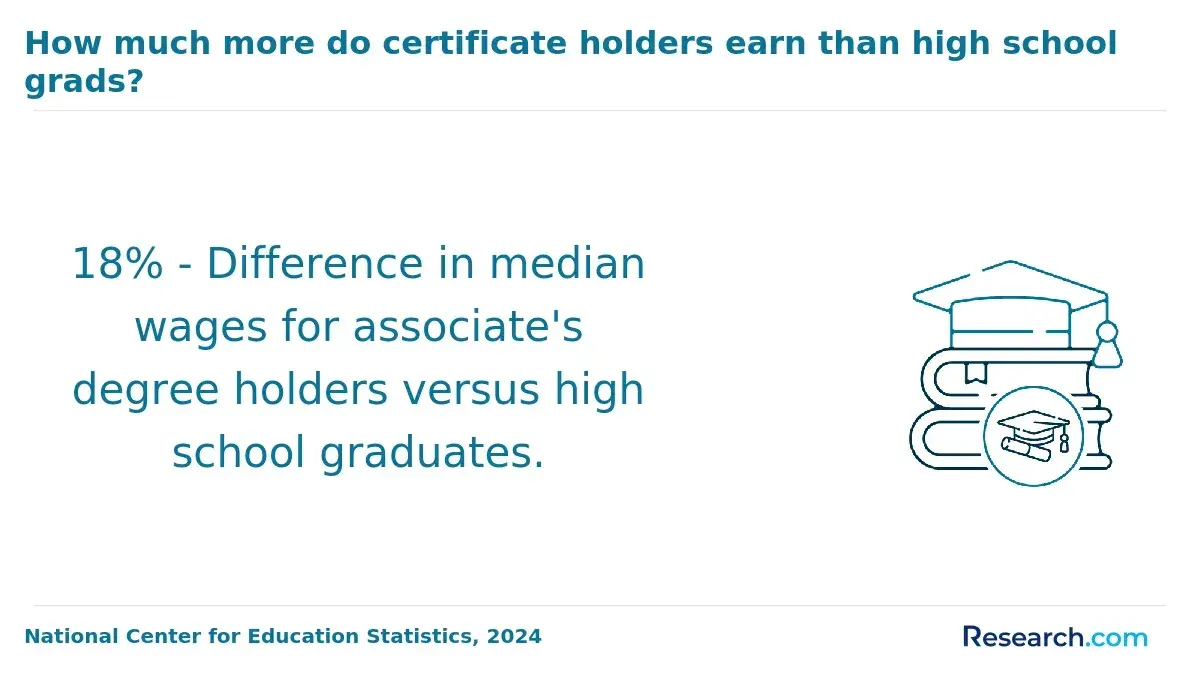
Associate and technical degrees serve primarily as entry points for support roles but lack the comprehensive training or credentialing pathways for autonomous practice or leadership. Professionals considering a pivot within the field must therefore prioritize programs with accredited practicum components linked to credentialing bodies to ensure workforce relevance.
For working professionals balancing career advancement with education, options such as the fast online master's in healthcare management may provide strategic advantages by merging administrative expertise with nutrition-focused service roles.
How do clinical, community, and public health nutrition specializations differ in practice settings?
Clinical, community, and public health nutrition specializations present distinct operational challenges tied to their practice environments and workforce expectations. Clinical nutrition focuses on individualized patient care in health services settings such as hospitals, where credentialing and clinical hours are mandatory. Providers must navigate acute medical complexities and coordinate within multidisciplinary teams. Community nutrition roles emphasize program development and education targeting localized populations, often involving administrative tasks like grant writing and population data analysis. This sector aligns with projected annual openings around 6,200 dietitians and nutritionists from 2024 to 2034, reflecting sustained demand for preventive health initiatives.
Public health nutrition operates on a systemic level, concentrating on policy influence, epidemiological research, and large-scale program implementation, often inside government agencies. This specialization requires fluency in policy advocacy and research methodology rather than direct client interaction. Professionals face tradeoffs between hands-on clinical roles and broader policy impact. Understanding these distinctions is crucial for candidates weighing operational realities and credentials aligned with employer benchmarks within clinical nutrition practice settings in health services.
Those pivoting careers should consider that community and public health nutrition roles in healthcare offer broader population impact but demand skills in stakeholder coordination and statistical surveillance. Selecting the right educational pathway often involves evaluating program rigor and workforce outcomes. For example, prospective students seeking to complement clinical expertise with leadership skills might explore a masters in healthcare administration to broaden their scope.
What accreditation should nutrition programs have to qualify you for service-oriented roles?
Nutrition programs without accreditation from the Accreditation Council for Education in Nutrition and Dietetics (ACEND) significantly limit a candidate's eligibility for credentialing exams critical to service health careers. ACEND accreditation validates that a program meets federally recognized standards and incorporates supervised practice hours essential for clinical and community nutrition roles. Employers in healthcare, public health departments, and non-profits expect graduates from ACEND-accredited programs because only they can proceed to the Commission on Dietetic Registration (CDR) exam and achieve the Registered Dietitian Nutritionist (RDN) credential.
Choosing programs aligned with approved certification standards for nutrition service roles directly affects employability and licensure pathways. For example, a candidate aiming to join government-funded public health nutrition initiatives must complete an ACEND-accredited Didactic Program in Dietetics (DPD) and an ACEND-accredited Dietetic Internship. Without these, the RDN credential is unattainable, restricting access despite a projected 6% employment growth for dietitians and nutritionists from 2024 to 2034.
Prospective students aiming for clinical or policy roles should carefully verify program accreditation upfront, avoiding non-ACEND options focused on general wellness coaching or food science without recognized pathways. Many who seek flexible educational formats may consider hybrid or online routes, but it's critical these integrate at least 1,200 supervised practice hours aligned to current CDR competencies.
For professionals considering advancement through online study options, programs like BSN online reveal the value of accredited pathways combined with practical training for sustainable career pivots and compliance with employer credentialing criteria.
How do online nutrition specializations compare with campus programs for hands-on training?
Online nutrition specializations often fall short in delivering the hands-on training critical for service-oriented health careers, especially compared to campus-based programs. This gap places a practical disadvantage on students pursuing fields such as sports dietetics, where clinical expertise and patient interaction in outpatient care settings are indispensable. For example, dietitians in these environments earn an average annual wage of $80,190 as of May 2023, per Bureau of Labor Statistics data, reflecting employer demand for applied skills.
Campus programs embed supervised practicums, laboratory work, and clinical rotations directly into the curriculum, facilitating earlier development of competencies relevant to patient assessment and real-world care. In contrast, online learners must independently secure practicum opportunities or rely on virtual simulations, often without structured support, adding logistical challenges related to licensure and credentialing requirements.
Decision-makers should weigh key tradeoffs: campus programs provide integrated mentorship and verified clinical hours critical for hiring preferences, whereas online pathways require significant self-direction and may delay readiness for employment in demanding nutrition roles.
- Campus programs guarantee structured clinical exposure and mentorship.
- Online programs offer flexibility but often shift responsibility for practicum arrangements onto students.
- Employers prioritize documented hands-on experience, impacting employability.
Prospective students must assess their capacity to navigate these operational differences when planning strategic pivots within nutrition careers.
What core courses and competencies are essential in service-focused nutrition specializations?
Programs specializing in service-focused nutrition must integrate strict food safety mastery with advanced operational skills, as these directly affect health outcomes and organizational efficiency. For example, dietitians in hospital settings require precise knowledge of therapeutic diets tailored to complex patient needs, while food service managers in eldercare facilities balance cost constraints with nutritional adequacy. These roles demand applied competencies beyond theory, including menu planning responsive to medical and cultural factors amid supply challenges.
Core curriculum content spans nutritional biochemistry, metabolic assessment, and communication strategies that facilitate translating technical nutrition guidance into practical care plans. Employers expect familiarity with digital health tools, such as electronic dietary records, reflecting an industry shift toward data-informed decision-making. Graduates without integrated skills in counseling and interprofessional collaboration frequently encounter barriers to effective workplace adaptation.
Leadership and operations management knowledge is critical given the Bureau of Labor Statistics projects a 25% employment increase for food service managers and head cooks. Budgeting, staff training, and regulatory compliance form essential workforce expectations, underscoring that food service roles in healthcare and institutional settings require more than basic nutrition knowledge-they demand managerial acumen that influences patient safety and resource optimization.
Students must weigh the tradeoffs inherent in these programs: a rigorous combination of science and applied service skills can complicate study but better positions graduates for dynamic career environments. Those aiming for service roles in schools, military, or clinical nutrition settings should prioritize curricula offering real-world scenario training that prepares them to rapidly adjust menus for allergies or emergencies.
What admission requirements and prerequisites do service-oriented nutrition degrees typically have?
Service-oriented nutrition degree programs demand a blend of academic readiness and practical experience tailored to client-centered roles, often imposing prerequisites that impact student timelines and workforce entry. Applicants typically need a high school diploma with a GPA between 2.5 and 3.0, alongside coursework in biology, chemistry, and human anatomy to build a scientific foundation essential for applied health sciences.
Beyond academics, programs prioritize documented service experience-such as internships or volunteer work in hospitals, wellness centers, or schools-to verify interpersonal skills and cultural competence necessary for effective client engagement. For example, a prospective corporate wellness coordinator, targeting an average health coach salary of $68,915 (Salary.com data cited by Concordia University Chicago), must provide client-facing experience and pass relevant credentialing exams to meet employer expectations.
Applicants should also anticipate background checks and immunization requirements aligned with healthcare standards, which contribute to professional readiness but may extend time-to-completion. These prerequisites act as both gatekeepers and safeguards, with significant variation between institutions based on the intensity of service roles demanded.
Understanding these tradeoffs is essential: rigorous entry criteria can delay workforce entry but ultimately enhance career resilience and ethical practice. Selecting a program involves weighing how these requirements align with one's immediate career goals and the long-term nature of service-oriented nutrition professions.
Which service-oriented nutrition careers offer the strongest salary potential and benefits?
Positions in clinical dietetics, food industry research, and public health program management offer the highest earning potential and benefits within nutrition careers, yet each path demands specific credentials and tradeoffs. For example, dietitians in scientific research roles typically earn around $80,000 annually, a reflection of specialized skills in applied research and innovation that extend beyond patient care. These roles often require advanced competencies in research methods, which can limit entry to candidates with graduate-level education or demonstrated proficiency.
Clinical dietitians working in hospitals or outpatient environments command competitive salaries enhanced by comprehensive benefits, but require registered dietitian credentials and clinical specialization, often in disease management. This credentialing prerequisite narrows the field but commands employer demand tied to patient-specific nutrition needs.
Public health nutritionists operating community programs may experience lower pay relative to clinical and research peers, yet benefit from stable government or nonprofit sector employment and consistent benefits. Transitioning to roles in food safety, regulatory affairs, or product development within the food manufacturing industry can improve salary prospects but usually necessitates additional certifications or food science knowledge, with implications for workload and geographic flexibility.
Job seekers must weigh upfront educational investment against long-term salary and career resilience, prioritizing credentials such as the Registered Dietitian Nutritionist (RDN) coupled with proven skills in policy or research to maximize employability and benefits eligibility.
What is the job outlook for community-based and patient-facing nutrition professionals?
The shift to requiring graduate degrees before sitting for the registered dietitian nutritionist (RDN) exam imposes a pragmatic filter on the applicant pool, demanding a more advanced knowledge base that aligns with evolving healthcare demands. Employers now seek candidates versed not only in patient care but also skilled in navigating insurance complexities and collaborating across multidisciplinary teams, especially in outpatient and community health settings.
For example, a dietitian in a community health center must coordinate with social workers and physicians while managing reimbursement protocols-responsibilities that a graduate-level education better prepares professionals to handle. This dynamic elevates the value of master's-level credentials by creating a meaningful distinction over those holding only undergraduate degrees.
Projected employment growth of roughly 15% over the next decade in patient education, chronic disease nutrition counseling, and public health program roles reflects intensified demand for professionals who combine direct care skills with data interpretation and policy implementation capabilities. However, this increase also tightens competition for those entering without graduate credentials.
Prospective students and career changers face a tradeoff: the upfront time and expense of graduate education versus enhanced job security and higher earning potential. This rigorous pathway narrows the talent supply but raises overall professional standards, making graduate credentials a strategic consideration rather than a mere credentialing formality.
How can you evaluate and choose a reputable nutrition program for service-focused careers?
Choosing a nutrition program that aligns with employer requirements means prioritizing accredited options, specifically those recognized by the Accreditation Council for Education in Nutrition and Dietetics (ACEND). Accreditation confirms curriculum relevance to evidence-based practice and mirrors industry expectations, especially for roles in clinical, community, and public health sectors. Programs including supervised practice or internships offer practical experience employers seek, as hospitals and community agencies often expect immediate proficiency with diverse populations.
Prospective students must weigh how programs incorporate interprofessional collaboration since nutrition professionals commonly work within multidisciplinary teams including medical and social services. Credentialing pathways like the Registered Dietitian Nutritionist (RDN) remain strongly linked to employability; this is reinforced by Bureau of Labor Statistics data showing an average annual salary of $73,670 for dietitians and nutritionists in hospital settings as of May 2023.
Assessing a program's graduation and job placement rates reveals tangible outcomes-for example, programs boasting a 90% placement rate for hospital dietitian roles in metropolitan areas demonstrate robust networks and relevant training. Tradeoffs involve balancing tuition costs with expected earnings and evaluating schedule flexibility for working professionals. Candidates targeting underserved communities should verify curricular emphasis on cultural competence and program evaluation, critical for effectiveness in those settings.
Faculty qualifications, especially active clinical or research involvement, matter for maintaining current practical knowledge rather than relying on outdated theory, strengthening long-term career relevance.
Other Things You Should Know About Nutrition
In 2027, specializations like Clinical Nutrition, Community Nutrition, and Public Health Nutrition are optimal for service-oriented careers. They provide practical skills for addressing diverse health needs, equipping students to work in hospitals, community programs, and wellness initiatives.
Longer, intensive programs generally offer more comprehensive clinical and community practicum experiences, which employers prioritize for service-focused positions. Shorter or less rigorous programs may reduce hands-on exposure and limit development of critical interpersonal skills needed in client-facing roles. Prospective students should prioritize programs that integrate substantial supervised practice hours and real-world service learning to ensure preparedness for the workload and expectations of health-oriented nutrition careers.
Graduates often encounter gaps between academic training and real-world demands, particularly in communication with multidisciplinary teams and navigating institutional protocols. Employers expect immediate competence in clinical judgment and culturally sensitive care, which requires experiential learning beyond theory. Prioritizing internships or residencies embedded in healthcare environments during education improves job performance and eases transition stress.
Accreditation ensures baseline educational quality and eligibility for licensure but does not guarantee specialized skills needed in service roles. Specialized certifications aligned with community nutrition, counseling, or clinical practice provide targeted competencies that enhance employability in service-oriented careers. Students aiming for competitive positions should select accredited programs that also offer pathways to relevant certifications to balance foundational knowledge with applied expertise.
References
- Nutrition Careers Guide 2025 | Jobs & Salary https://www.nutritioned.org/careers/
- The Nutrition Institute https://www.thenutritioninstitute.com/us/en/accreditations
- Master's in Nutrition Prerequisites | University of Bridgeport https://www.bridgeport.edu/news/masters-in-nutrition-prerequisites/
- The Evolving Professional Roles of Dietetics: Trends and Career Opportunities — Diversify Dietetics https://www.diversifydietetics.org/ddblog/2025/7/18/the-evolving-professional-roles-of-dietetics-trends-and-career-opportunities
- 9 Types of Nutritionists: Clinical, Functional, Sports, Public Health, and More https://www.nutritionandhealthcenter.com/types-of-nutritionists/
- Cert VS Degree: What Type of Nutrition Credential is Best? | ISSA https://www.issaonline.com/blogs/nutrition/cert-vs-degree-what-type-of-nutrition-credential-is-best
- How to Become A Registered Dietitian (Without a Bachelor’s in Nutrition) https://www.emilieeats.com/how-to-become-a-registered-dietitian-without-a-nutrition-bachelors-degree/
- Home https://www.husson.edu/online/blog/2024/03/careers-in-nutrition-and-wellness
- 6 Online vs In-Person Nutrition Courses: Pros and Cons | NaturalTherapyPages.com.au https://www.naturaltherapypages.com.au/article/6-online-vs-in-person-nutrition-courses-australia
- The 13 Highest Paying Nutrition Jobs - Well Resourced Dietitian https://wellresourced.com/highest-paying-nutrition-jobs/