2027 Online Nutrition Degrees With Strong Public Health Nutrition Training

Co-Founder and Chief Data Scientist
Facing a workforce that demands specialized expertise in both nutrition and public health, many prospective students struggle to find programs balancing clinical knowledge with community-level impact. The National Center for Education Statistics reports a 35% increase in online enrollments in health-related fields since 2022, reflecting urgent needs for accessible adult-friendly education that fits around jobs and family commitments. This shift indicates a rising preference for adaptable learning models but also raises concerns about program rigor and applied public health training. This article evaluates online nutrition degrees emphasizing robust public health nutrition curricula to guide strategic enrollment decisions aligned with evolving labor market requirements.
Key Things You Should Know
- Online nutrition degrees emphasizing public health nutrition average 25% lower tuition over campus programs in 2024, but internship placement rates dip 15%, requiring candidates to proactively secure field experience for licensure pathways.
- Employers increasingly prioritize certifications combined with community-based practicum; federal workforce data shows graduates lacking direct public health engagement face 18% slower job placement in government nutrition roles.
- Programs accredited after 2023 integrate social determinants of health modules, critical as CDC projections indicate 30% growth in roles addressing diet-related chronic diseases by 2030, pressuring students to finish faster or face outdated curricula.
What is an online nutrition degree with a public health nutrition focus?
An online nutrition degree with a public health specialization equips students to address dietary issues on a systemic level, focusing on policy, community interventions, and epidemiology rather than individual clinical care. This distinction matters for professionals aiming to influence public health frameworks-such as developing statewide nutritional initiatives or consulting for government agencies-because the curriculum typically demands proficiency in data analysis, socio-economic determinants of diet, and health promotion strategies.
In 2024, poor diet was the leading behavioral risk factor for premature mortality worldwide, driving demand for professionals trained beyond traditional nutrition roles. Students pursuing online nutrition degree programs with public health specialization must balance asynchronous lessons with practical experiences like virtual fieldwork or internships, since employers often value direct exposure to public health environments. These components impact employability in settings such as health departments, nonprofits focused on food security, or policy research organizations.
While universities vary in the depth of policy and program planning training offered online, graduates' effectiveness hinges on curriculum rigor and networking within health systems. Program selection should consider accreditation and post-graduation outcomes to ensure market relevance. Supplementing study with hands-on roles can mitigate the limitations of remote learning modalities.
For working professionals aiming to pivot strategically, an online nutrition degree with a public health nutrition focus is an option that demands clear tradeoffs between flexibility and experiential learning. Specialized training builds skills essential for community-level impact rather than clinical practice. Professionals exploring interdisciplinary healthcare pathways might also find value in accelerated MSN psychiatric NP programs, available at accelerated MSN psychiatric NP programs.
How do online nutrition degrees compare to campus programs for public health training?
Choosing between campus and online nutrition programs for public health hinges on tangible professional outcomes rather than theoretical content alone. Both formats cover core competencies including epidemiology, community assessment, and policy analysis, but campus programs maintain a distinct advantage through integrated hands-on labs and clinical simulations unavailable online. This difference critically impacts experiential learning and networking opportunities essential for roles requiring supervised internships or practica, typically organized and quality-controlled within campus programs.
Employers in public health nutrition consistently weigh practical experience and mentoring relationships gained during these internships as decisive hiring factors. For example, community-based project leadership demonstrated through campus networks often strengthens candidate profiles more visibly than independently arranged placements common in online pathways. Given a 7% projected employment growth for dietitians and nutritionists by the U.S. Bureau of Labor Statistics Occupational Outlook Handbook 2024, competition intensifies, motivating candidates to secure structured fieldwork and connections.
Working professionals pursuing an online nutrition degree public health training comparison often find flexibility necessary for career pivots but face the added burden of proactively managing internship logistics and remote mentorship. Meanwhile, campus students benefit from immediate peer support, on-site career services, and live workshops that deepen applied skills tied directly to employment outcomes. Those weighing campus vs online nutrition programs for public health must balance the strategic value of embedded experiential training against the convenience of remote study.
For individuals interested in advancing into healthcare leadership roles beyond nutrition, exploring programs such as a doctorate of healthcare administration can complement practical nutrition expertise with broader management skills.
What types of online nutrition degrees offer strong public health preparation?
Prioritizing an online nutrition degree with public health focus is vital for practitioners aiming to influence population health rather than individual patient care. Programs integrating epidemiology, biostatistics, and health policy prepare students for roles requiring evidence-based interventions in government or nonprofit settings. For example, MPH degrees with nutrition concentrations often include practicum opportunities that develop skills in community health promotion and disease prevention tailored to diverse demographics.
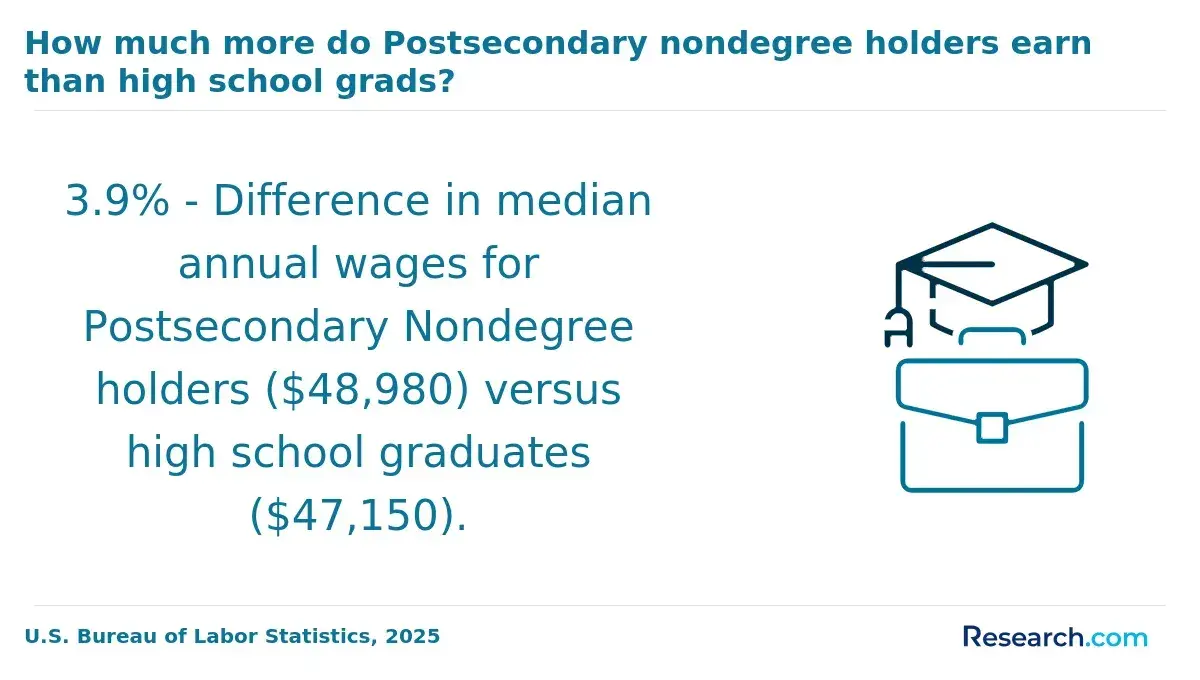
Choosing best accredited nutrition programs for public health training means ensuring coursework and practical experience align with state licensure standards and employer expectations. This alignment is critical because dietitians with public health expertise command higher median salaries-approximately $69,640 annually, with the top decile exceeding $98,000-reflecting demand for advanced, applied knowledge.
Meanwhile, programs focused narrowly on clinical nutrition or dietetics may limit readiness for leadership in public agencies that require population-level analytics. Working professionals must also balance program flexibility with comprehensive practicum requirements. Hybrid online degrees that incorporate local placements offer a pragmatic solution by accommodating working schedules without compromising training quality.
Those evaluating options would benefit from researching online accelerated nursing programs as viable comparative benchmarks for structure and pacing when managing professional responsibilities alongside study.
How can students verify accreditation and program quality for online nutrition degrees?
Choosing accredited online nutrition degree programs in the United States requires more than institutional prestige; specific programmatic credentials directly affect career trajectories and licensure eligibility. Regional accreditation from agencies such as the Higher Learning Commission provides foundational assurance, but the Accreditation Council for Education in Nutrition and Dietetics (ACEND) accreditation determines whether graduates meet the competency standards crucial for roles including dietetic registration and public health nutrition.
Employers in healthcare and community settings often filter candidates based on ACEND-accredited qualifications, creating a barrier for those from programs lacking this endorsement even if regional accreditation is present. For public health nutrition professionals seeking state licensure, the absence of ACEND accreditation can delay certification and restrict mobility, emphasizing the practical consequence of this distinction.
Students evaluating how to evaluate public health nutrition program quality online should also scrutinize faculty credentials, practicum placements, and institutional support-a reflection of program robustness that complements accreditation. Current data indicate that with nearly 3.7 million students enrolled in distance education, these factors serve as proxies for tangible educational outcomes beyond certificates.
Practical steps include:
- Confirming regional accreditation via the U.S. Department of Education's official database.
- Verifying ACEND or equivalent program-specific accreditation through official listings.
- Assessing faculty expertise and practicum success either through disclosures or direct inquiry.
- Checking licensure reciprocity in target employment states to ensure alignment.
- Reviewing employer job postings for accreditation preferences to guide applications.
Prospective students should balance these standards while exploring program options, including for advanced qualifications such as BSN to MSN online programs, which provide parallel examples of how accreditation and quality metrics interplay with career advancement.
What public health nutrition courses and competencies are taught in these programs?
Effective public health nutrition programs demand skills beyond nutrition science, focusing on community-specific assessment and policy evaluation under real-world constraints. Fluency in interpreting health databases like NHANES and applying biostatistics is essential for designing interventions aimed at reducing chronic disease and addressing social determinants. For instance, developing nutrition programs for low-income urban populations requires navigating federal programs such as SNAP and WIC, balancing regulatory requirements with measurable impact.
Curricula often include epidemiology, behavioral science, and health promotion adapted to diverse environments-from schools to clinical settings-preparing practitioners for culturally sensitive, cost-efficient program delivery. Graduates must demonstrate interdisciplinary collaboration and leadership, capabilities increasingly valued for coordinating community health initiatives.
Attention to global nutrition and food systems sustainability reflects employer demand for flexible expertise in both local and international contexts. However, prospective students should weigh tuition costs carefully; Liberty University's online MPH in Nutrition, charging $580 per credit full-time and $645 part-time with military discounts halving the rate, stands in the higher tier of affordability within peer programs. This investment may align with the program's emphasis on policy-driven, evidence-based nutrition training, which correlates with employer preferences for candidates who can translate data-driven insights into actionable public health strategies.
What are typical admission requirements for online nutrition programs in the U.S.?
Admission to online nutrition programs in the U.S. requires a prioritized demonstration of relevant academic background and foundational knowledge, directly tied to workforce expectations. Undergraduate applicants typically need a high school diploma or equivalent. Graduate-level programs, such as a Master's in Public Health Nutrition, demand a bachelor's in nutrition, dietetics, biology, or related sciences, paired with coursework or professional experience in health sciences. This ensures candidates can handle the technical rigor and specialized knowledge required.
Standardized testing requirements have relaxed in recent years; however, competitive programs may still require GRE or SAT scores as part of a holistic review process. Applicants must also present letters of recommendation that emphasize academic performance or healthcare-related experience, alongside a personal statement articulating career objectives within public health nutrition. These materials help admissions committees gauge alignment with specific workforce needs.
Practical prerequisites include verified access to reliable technology for interactive coursework, such as virtual labs and live seminars. Additionally, programs incorporating community-based internships may require background checks or health verifications. This connects with significant employment trends: approximately 23% of employed dietitians and nutritionists work in outpatient care centers, local government, or community settings, according to U.S. Bureau of Labor Statistics data. These fieldwork components influence admission criteria and reflect the breadth of real-world nutritional roles.
- Minimum academic credentials vary by program level, focusing on science-based preparation.
- Test and recommendation requirements serve as indicators of candidate readiness.
- Technology and health clearance demands affect accessibility and candidate eligibility.
How long do online nutrition degrees take, and what do they cost?
Choosing an online nutrition degree involves weighing study duration, cost, and market relevance against tangible workforce demand. Associate degrees offer a 2-year timeline, but bachelor's degrees demand about 4 years, with some accelerated pathways shortening this to 3 years for those leveraging prior credits. Graduate programs vary around 1.5 to 2 years full-time but often extend for part-time learners balancing professional and academic responsibilities.
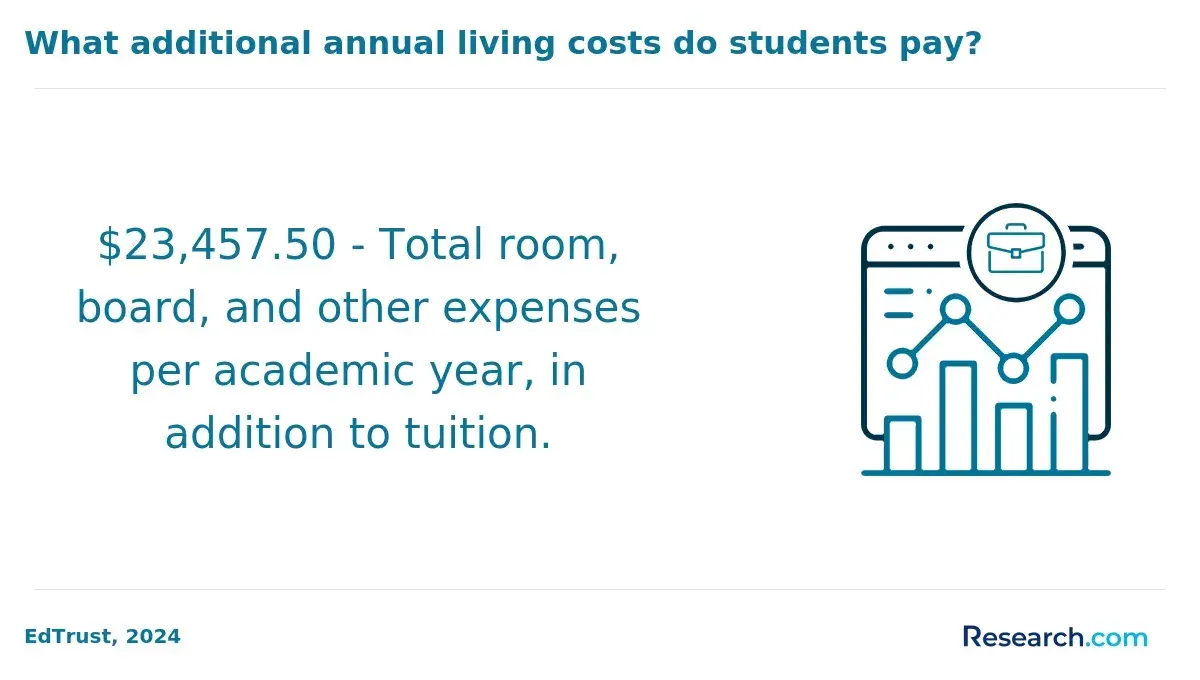
Expense ranges are significant: public universities generally charge $5,000 to $15,000 annually for in-state students, escalating to $25,000 or more for out-of-state. Private institutions frequently exceed $30,000 yearly, not including additional fees often between $500 and $1,500. Part-time enrollment mitigates upfront costs but can increase total tuition long-term.
From an employability angle, employers typically expect at least an accredited bachelor's degree or a relevant master's paired with practical experience. Digital competencies are increasingly critical; meta-analyses show digital health and nutrition interventions achieving 1.9 kg more weight loss over conventional care within 6-12 months, illustrating the tangible advantage of programs embedding such training.
Pragmatically, candidates must consider how online programs equip them with transferable skills aligned to remote or technology-aided public health roles, balancing upfront investment with career outcomes in a field where employer expectations are tightly linked to specific credentialing and applied knowledge.
What public health nutrition careers can graduates pursue with these degrees?
Careers stemming from online nutrition degrees with a public health focus require navigating complex employer demands and certification hurdles. Registered Dietitian Nutritionist (RDN) credentialing remains a pivotal but time-intensive step that delays immediate employment yet opens doors to higher-impact roles and better compensation. Candidates must balance this credentialing tradeoff against labor market competition and the necessity of demonstrable skills in data analysis and health communication.
Practical roles typically involve applying epidemiological insights to large-scale chronic disease prevention efforts, especially given that diet-related risk factors contribute to around 45% of cardiovascular disease disability-adjusted life years (DALYs) worldwide. These jobs emphasize translating scientific data into community-facing interventions targeting vulnerable groups.
- Public health program coordinators often manage outreach for local agencies or nonprofits, where grant writing and program evaluation are essential.
- Chronic disease prevention specialists work on intervention design for hospitals or public agencies, integrating nutritional epidemiology with behavioral strategies.
- Nutrition policy advisors engage in legislation and policy formulation, necessitating expertise in health economics and stakeholder negotiation.
- Research assistants or coordinators support evidence-based guideline development by analyzing population health data in academic or governmental research.
Employer preference skews toward candidates able to address malnutrition in resource-poor settings with applied data skills and effective health messaging. Supplementing degrees with targeted certifications or internships often proves essential to standing out in competitive hiring environments.
What salary ranges and job outlook exist in public health nutrition roles?
Salary trajectories in public health nutrition reflect clear sector and role-based disparities, with starting pay typically between $50,000 and $65,000. Mid-career professionals often earn $70,000 to $85,000, while senior specialists can exceed $100,000, though location and employer type heavily influence these figures. Government and nonprofit roles generally offer lower compensation than private sector consulting or industry positions.
Rising regulatory demands, such as sugar-sweetened beverage taxes and front-of-pack labeling implemented in 90+ countries, drive growth in nutrition policy expertise. Professionals who can navigate these complex policies and evaluate broad public health impacts find increased opportunities. For instance, nutrition policy analysts at state health departments blend analytical rigor with advocacy, starting with moderate salaries but benefiting from rapid advancement tied to successful program outcomes. In contrast, roles in multinational organizations require advanced credentials and cross-cultural skills, offering higher pay but greater entry barriers.
Career progression often hinges on acquiring specialized certifications or graduate degrees focused on epidemiology, health policy, or food systems to maintain competitiveness. Candidates who translate nutrition science into actionable policy solutions are preferred over those with purely academic backgrounds. However, funding variability in public health programs can impact job stability and salary growth, requiring professionals to balance practical skill development with strategic credentialing to navigate these uncertainties effectively.
How do licensing and certifications work for nutrition and public health practice?
Licensing requirements for nutrition roles vary widely in the U.S., impacting educational and career choices fundamentally. Registered dietitian nutritionists (RDNs) must complete accredited supervised practice programs, pass a national exam, and pursue continuing education, which many online MPH nutrition programs partially address-but often without the crucial clinical hours embedded. Approximately 34 states require licensure for nutritionists, but the criteria differ considerably in scope, title protection, and prerequisites, mandating keen attention to state-specific regulations before program selection.
For professionals targeting clinical roles in hospitals or government agencies, supervised practice and licensure are non-negotiable. These settings demand credentials verifying both education and practical experience. Conversely, graduates focused on community nutrition or health policy may bypass licensure, although certifications like Certified Nutrition Specialist (CNS) or Certified Public Health (CPH) enhance credibility and employability.
Key practical considerations include:
- Evaluating program accreditation and availability of supervised internships, especially in online formats that often omit clinical hours
- Verifying state-specific licensure requirements early to avoid delays or barriers to practice
- Balancing the time and financial costs of supervised practice against career goals
For a working professional aiming to become a clinical nutritionist in a hospital, programs that integrate local supervised experiences or hybrid options are essential. Meanwhile, those pursuing policy or education roles should prioritize certifications relevant to public health nutrition to bolster job prospects.
Other Things You Should Know About Nutrition
Online public health nutrition degrees often require equal or greater self-discipline than in-person programs due to asynchronous learning and limited direct supervision. Students must manage complex scientific content alongside public health system frameworks, demanding consistent time management. Candidates should evaluate their capacity for sustained independent study when considering online options, as lower structure can lead to higher dropout risk or delayed completion.
Specialized public health nutrition degrees focus on population-level interventions, epidemiology, and policy impact, which enhances suitability for governmental and nonprofit roles. Broader nutrition degrees may provide greater clinical or food service depth but less public health context. Students targeting roles in community health or policy should prioritize programs with explicit population health curricula, while those aiming for individual clinical practice might prefer generalist degrees with hands-on dietetics components.
Most public health nutrition employers expect certification such as Registered Dietitian Nutritionist (RDN) or Certified Nutrition Specialist (CNS), which usually require supervised practice beyond degree completion. Graduates should plan for credentialing pathways when selecting online programs, ensuring they meet prerequisites such as internship hours and coursework alignment. Without professional certification, career advancement and license eligibility in public health nutrition remain significantly limited.
References
- Eligibility & Requirements https://www.kumc.edu/school-of-health-professions/academics/departments/dietetics-and-nutrition/academics/online-masters-program/eligibility-and-requirements.html
- Online RD Programs 2026 | ACEND-Accredited https://www.nutritioned.org/online-rd-programs
- Highest Paying Jobs in Public Health and their Salaries - MPH Online https://www.mphonline.org/highest-paying-jobs-public-health/
- Highest Paid Public Health Careers https://www.publichealthdegrees.org/careers/highest-paid-public-health-jobs/
- The Nutrition Institute https://www.thenutritioninstitute.com/us/en/accreditations
- Become a Registered Dietitian Nutritionist https://www.eatright.org/become-an-rdn
- Top 35 Online Nutrition and Dietetics Programs https://becomeanutritionist.org/top-35-online-nutrition-and-dietetics-programs/
- 3 Types of Nutrition Certifications | University of Bridgeport https://www.bridgeport.edu/news/nutrition-certifications/
- How to Become a Public Health Nutritionist https://www.naturalhealers.com/blog/public-health-nutritionist/
- Cert VS Degree: What Type of Nutrition Credential is Best? | ISSA https://www.issaonline.com/blogs/nutrition/cert-vs-degree-what-type-of-nutrition-credential-is-best