2027 Best Online Master's in Nutrition for Nutrition Education Careers

Co-Founder and Chief Data Scientist
Balancing full-time work with advancing a career in nutrition education forces many professionals into a difficult tradeoff between rigid class schedules and timely credentialing. The challenge amplifies when geographic constraints limit access to accredited master's programs offering specialized curricula.
Meanwhile, recent data from the U.S. Department of Education reveals that online graduate enrollment rose by over 12% in 2023, driven largely by adult learners seeking flexible, competency-aligned options-signaling a growing expectation for programs that adapt to diverse life demands without sacrificing rigor. This article evaluates the best online master's in nutrition for education careers, focusing on program flexibility, industry relevance, and employment outcomes to guide strategic decision-making.
Key Things You Should Know
- Employers in healthcare and public sectors prioritize candidates with integrated dietetics credentials; online master's-only degrees reduce clinical eligibility, impacting roles demanding RD licensure per Academy of Nutrition and Dietetics 2024 employment data.
- Programs averaging $30K to $50K in 2024 tuition often lack accelerated tracks, extending career pivot timelines over two years and increasing opportunity costs amid rising inflation and wage stagnation in nutrition fields.
- Workforce growth in community nutrition roles projected at 14% through 2032 by the U.S. Bureau of Labor Statistics, but uneven regional demand and credential fragmentation require strategic program selection to optimize job placement prospects.
What is an online master's in nutrition and how does it prepare you for nutrition education careers?
Choosing an online master's in nutrition education programs requires evaluating how well a curriculum balances scientific rigor with actionable teaching skills that address diverse populations. This graduate-level degree integrates advanced subjects like biochemistry and clinical nutrition with methods for public health communication and community outreach.
In practice, professionals often apply their training in settings such as chronic disease management programs, where they translate complex dietary research into clear guidance tailored for patients with different cultural or literacy backgrounds. Employers increasingly seek candidates from these programs who can design, implement, and evaluate nutrition interventions that demonstrate measurable health outcomes. This demand aligns with a projected 6.8% employment growth for dietitians and nutritionists through 2034, driven by healthcare's focus on prevention and education.
However, navigating an online nutrition master's degree entails challenges, including securing supervised internships that fulfill accreditation requirements and managing coursework alongside ongoing professional duties. Passing credentialing exams and committing to continuing education remain essential for sustained employability. Students must assess programs for integrated practicum opportunities and flexible pacing to ensure practical readiness.
For those weighing timelines, the 2 year nutrition degree online options can offer accelerated paths but may intensify workload demands.
Career preparation through online nutrition master's degrees requires a strategic approach that focuses on real-world applicability and long-term workforce relevancy rather than solely academic credentials.
Which accredited online master's in nutrition programs offer the strongest pathways into nutrition education?
Programs labeled as accredited online master's in nutrition education programs deliver measurable value when they integrate Commission on Accreditation for Dietetics Education (CADE)-aligned curricula with practicum placements embedded in diverse healthcare or public school settings. These programs matter because eligibility for Registered Dietitian Nutritionist (RDN) credentials hinges on supervised practice, a hurdle that some online pathways uniquely overcome by partnering with local agencies to accommodate working professionals. For example, school nutrition coordinators can maintain employment while completing mandatory clinical rotations through hybrid scheduling designed for flexibility and compliance.
Cost differentials between online and in-person education substantially affect decisions, with tuition for online options averaging $11,229 versus $19,048 for campus programs, according to BestColleges data from 2019-2020-almost a 41% savings. Those savings allow students to allocate resources toward certification exams and continuing education, factors often overlooked but directly impacting long-term employment trajectories.
Employers emphasize outcomes over format, favoring graduates from programs demonstrating clear pathways into RDN credentialing paired with faculty research activity and tangible practicum results. Candidates targeting community or school nutrition roles should look for strong support in field experience, documented graduate employment rates, and coursework that accommodates professional schedules through asynchronous formats. Exploring the fastest online master's in healthcare management can also provide insights into accelerated formats worth considering alongside traditional nutrition education.
Ultimately, the strongest online master's in nutrition education pathways balance academic rigor with logistical adaptability and financial feasibility, aligning with real-world employer expectations while mitigating common barriers faced by working adults.
How do online master's in nutrition programs compare to campus-based options for future nutrition educators?
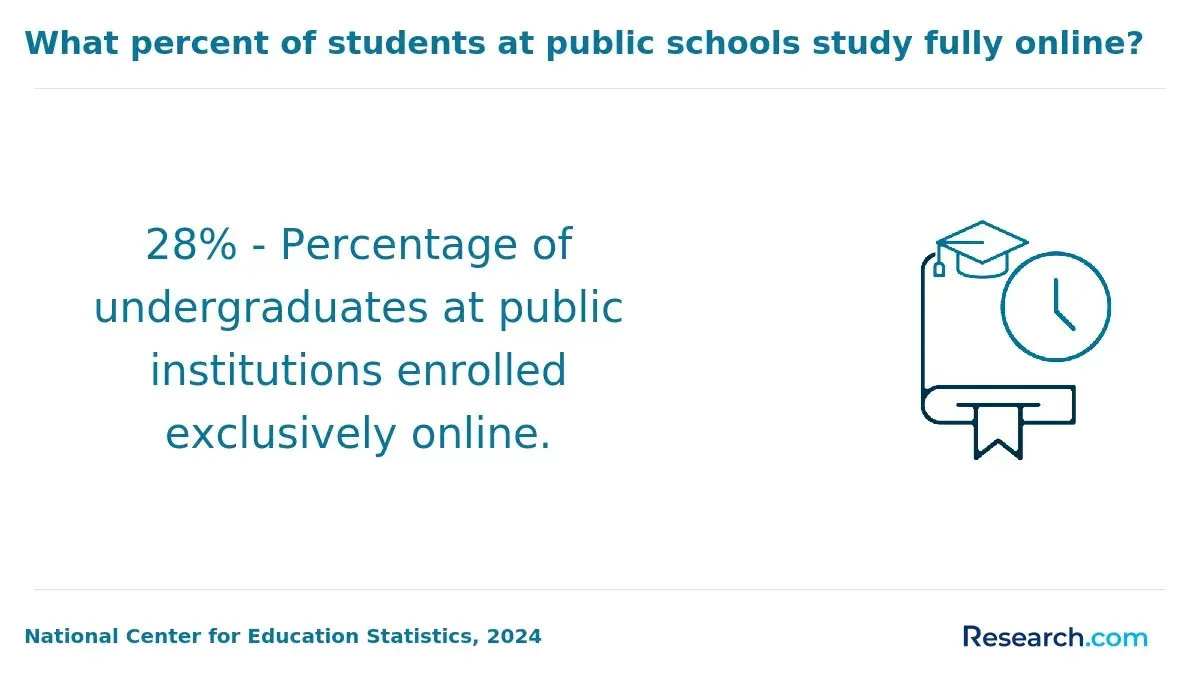
Deciding between online master's in nutrition education vs traditional programs requires weighing curriculum flexibility against immediate access to hands-on experiences. While online degrees often match campus-based academic rigor and provide vital scheduling adaptability for working professionals, they may lack integrated internships and lab work common on-campus. This gap means some online students must independently secure practical placements, potentially delaying professional readiness.
Employers increasingly value accredited online degrees when coursework aligns with licensure standards, but the absence of structured practicums remains a significant consideration. For example, a registered dietitian aiming to transition into public health nutrition might prioritize an online program offering virtual practicums and regional internships to avoid relocation and income loss. Conversely, recent bachelor's graduates seeking direct, on-site mentorship and laboratory experience might find campus-based programs more suitable despite their higher tuition costs.
Cost variation among top online programs is substantial; annual in-state tuition spans approximately $6,535 to $37,332 according to Intelligent's 2025 data, influencing return on investment. Candidates must carefully evaluate each program's blend of cost, practicum availability, and professional networking opportunities in line with their career goals and life circumstances.
Mid-career professionals juggle full-time work or caregiving responsibilities often find the timing flexibility of online education essential. However, verifying that any chosen program meets state credentialing requirements remains critical, as regulations vary by jurisdiction. Those assessing benefits of campus-based nutrition master's degrees should factor in the immediate access to labs and internships that can accelerate workforce entry.
For budgeting students considering related fields, exploring a healthcare administration degree online can also offer strategic alternatives with different practical and cost tradeoffs.
What admissions requirements and prerequisites do online master's in nutrition programs typically have?
Admission to online master's nutrition programs hinges on more than just academic qualifications; practical readiness often separates candidates with similar GPAs and test scores. While a bachelor's degree in nutrition, dietetics, biology, or related life sciences sets the foundation, many applicants face significant hurdles from prerequisites such as anatomy, physiology, chemistry, biochemistry, and introductory nutrition. These requirements can inflate total costs and extend timelines, especially for those without relevant undergraduate coursework. This dynamic affects the overall investment in an online master's nutrition program admission criteria and influences program selection strategies.
Applicants typically need a competitive GPA of 3.0 or higher and, where required, GRE scores, but many programs have dropped this mandate since 2023, reflecting shifting admissions standards and concerns about standardized testing's predictive value for success.
Work experience in nutrition-related roles or healthcare settings is increasingly critical in distinguishing candidates. Programs balancing theory and applied practice give preference to those who have completed internships or demonstrated relevant professional engagement, which correlates with better employment outcomes post-graduation.
Letters of recommendation and personal statements must clearly articulate career goals tied to nutrition education and workforce realities. International students should prepare additional documentation for English proficiency and credential verification. Given tuition variations from $13,000 to $36,000 and potential prerequisite expenses, applicants must carefully assess entry barriers and program flexibility-especially those seeking to integrate prior learning without undue repetition.
For professionals evaluating options, direct entry MSN programs for non nursing majors offer a contrasting model that, while outside nutrition, exemplifies how streamlined pathways reduce friction for career pivots.
What core courses and specializations should you expect in a nutrition education-focused master's curriculum?
Master's programs focused on nutrition education demand balancing technical expertise with applied skills tailored to specific career pathways. For example, those pursuing Community Nutrition Education must navigate the complexities of public health interventions and policy influence, requiring proficiency in epidemiology and health communication to address diet-related disparities. Employers in government and nonprofit sectors prioritize candidates with this targeted expertise.
Conversely, Clinical Nutrition Education caters to a healthcare setting where precision in medical nutrition therapy and patient counseling is essential. This specialization often involves practicums that allow students to develop competencies in behavioral counseling and pathophysiology, preparing them for managing chronic conditions in clinical environments.
Students must also manage logistical constraints such as practicum placements and varying state licensure standards. Online programs may offer convenience but often depend on local partnerships for supervised hours, which can extend credentialing timelines and require proactive coordination.
Financial considerations also play a critical role. According to BestColleges, the average net price for online master's degrees in health professions, including nutrition, was $9,621 in 2019-2020 after aid-about 14% less than published tuition. This cost structure necessitates weighing education expenses against realistic job market outcomes and salary trajectories in nutrition education careers.
How long does it take to earn an online master's in nutrition, and what study formats are available?
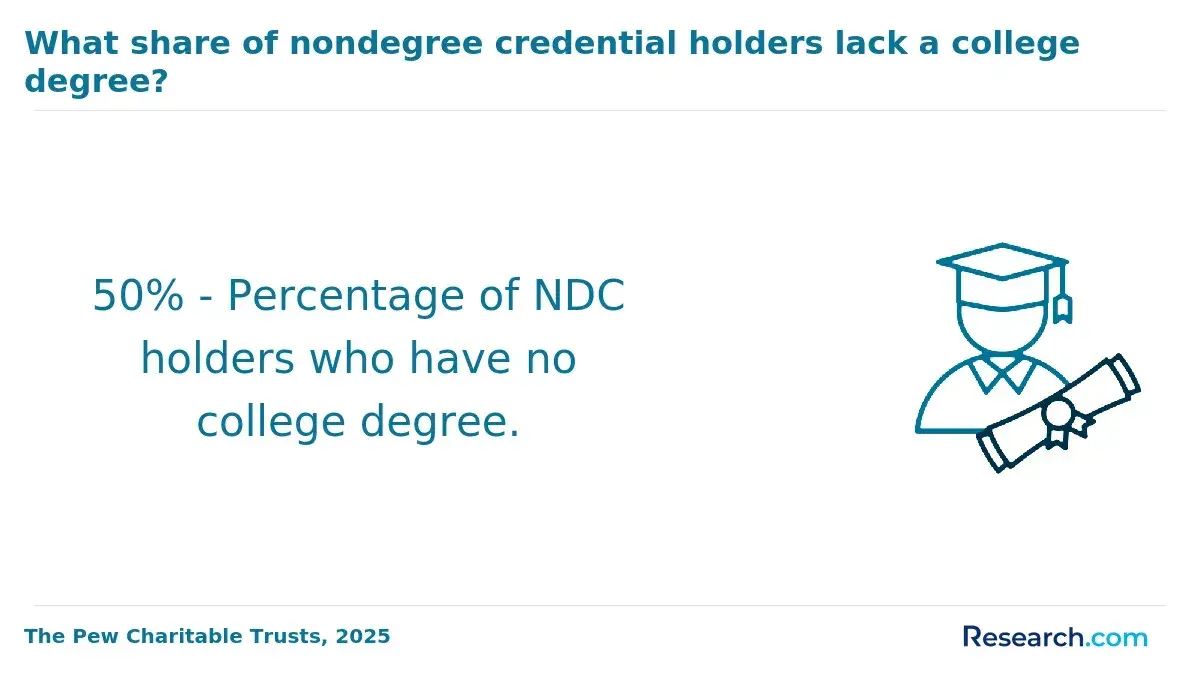
Completing an online master's in nutrition now demands navigating extended program durations largely driven by the requirement of at least 1,000 supervised practicum hours, a mandate aligning with ACEND standards that shapes employability in clinical, community, and foodservice sectors. This experiential learning component effectively lengthens study time to 18-24 months or more, compressible to 12-15 months only through sustained full-time enrollment paired with intensive scheduling-an option viable mostly for early-career professionals without significant outside commitments.
Part-time and hybrid study formats offer flexibility but involve stretched timelines, often delaying entry into advanced roles that require both academic credentials and hands-on competency. Students competing for limited, compliant internship sites add a layer of logistical complexity that can influence program selection.
Key considerations for prospective students include:
- Balancing supervised practical experience with coursework to meet rigorous RDN graduate-degree practice standards.
- The impact of program structure on workforce readiness, especially where employers prioritize comprehensive experiential learning.
- The tradeoff between accelerated full-time tracks and extended, part-time pacing aligned with professional or familial obligations.
Ultimately, this pathway demands strategic planning to align educational choices with realistic capacity for internships and scheduling, ensuring that the advanced credentials translate into tangible professional opportunities rather than just credential accumulation.
How much does an online master's in nutrition cost, and what financial aid options can help pay?
Estimating online master's in nutrition costs requires examining how program length and credit requirements shape financial commitments. Tuition typically ranges from $15,000 to $40,000, influenced by institution type, residency, and program design. A full-time student completing 30-36 credits within a year incurs significantly less total expenditure than a part-time learner who may take up to three years, particularly when supervised practice extends timelines. This tradeoff means working professionals balancing jobs and hands-on experience face prolonged payment periods and opportunity costs that often exceed initial tuition figures.
Financing options hinge on federal and state aid accessibility. Federal aid via FAFSA commonly offers unsubsidized loans and Pell Grants for eligible students, though part-time enrollment can reduce grant opportunities. Employer tuition reimbursement can offset costs but usually requires employment verification tied directly to the nutrition field, limiting applicability. State-sponsored grants and scholarships are available but demand proactive research and application efforts.
Private scholarships from nutrition associations pose competitive but valuable financial relief. Students must also account for additional expenses beyond tuition, including fees, textbooks, and board certification preparation. Career outcomes correlate with educational paths: research or policy-oriented roles often offer faster wage growth compared to clinical or community settings that require extensive supervised practice hours. Selecting accelerated versus extended tracks influences not only expense pacing but also how quickly graduates can return to full earning potential.
What nutrition education careers can you pursue with an online master's in nutrition?
Master's-level training in nutrition often steers graduates into specialized roles shaped by distinct certification and licensure demands. For instance, clinical nutrition positions typically require Registered Dietitian Nutritionist (RDN) credentials, blending master's coursework with supervised practice and national exams. Those focused on public health or policy must navigate evolving USDA and CDC standards while proving grant writing and program evaluation expertise. This complexity means selecting a program with hybrid clinical practica versus fully asynchronous formats directly affects time to licensure and employability.
Employers in hospitals, outpatient care, and public health departments prioritize candidates who can lead intricate patient care or community interventions targeting chronic conditions like diabetes and obesity. Nutrition graduates working as informatics analysts or in industry product development face pressures to integrate data science with regulatory compliance, a combination demanding both technical and communication skills.
Pragmatically, students weighing master's programs should assess:
- State-specific nutrition licensure requirements influencing where they can practice
- Employer demand for emerging competencies such as nutritional genomics and behavioral counseling
- Program support for asynchronous learning balanced with hands-on clinical experience
- Longer-term earning potential relative to tuition and career sector choice
This nuanced approach helps clarify that a master's in nutrition is not a generic credential but a launching point shaped by real-world tradeoffs in credentialing, practical skill acquisition, and sector alignment.
What salary ranges and job outlook can nutrition educators expect with a master's in nutrition?
Starting salaries for nutrition educators with a master's degree typically range from $50,000 to $75,000, but this varies significantly by workplace and location. For instance, federal government or academic roles often push earnings beyond $70,000 annually, while community health and nonprofit positions tend to start nearer $50,000. These differences reflect distinct sector demands and funding structures, highlighting the importance of aligning employment targets with realistic salary expectations.
Employment projections from the U.S. Bureau of Labor Statistics (2024) indicate a 9% growth in jobs for dietitians and nutritionists through 2032, signaling steady demand, especially within public health, schools, and corporate wellness programs. However, advancement into clinical management or research roles usually requires credentials beyond a master's, affecting both entry points and salary trajectories. This shift necessitates assessing the value of advanced degrees against career goals.
Tuition costs for master's programs vary dramatically, with per-credit rates ranging from $450 up to $2,000, potentially quadrupling total student debt in more expensive programs. Nutritionally focused master's candidates must weigh these costs against likely regional salary outcomes and job market realities.
- Programs offering experiential components such as internships or healthcare partnerships tend to improve employment prospects.
- Strategic selection of program curriculum and cost is essential for maximizing long-term financial stability.
How do you evaluate accreditation, certification, and licensing factors when choosing a nutrition master's?
Choosing an online master's in nutrition without recognized accreditation or certification can severely limit professional prospects. Accreditation from agencies like the Council for Higher Education Accreditation (CHEA) or U.S. Department of Education ensures a program meets academic standards that employers and credentialing bodies require. More importantly, only programs approved by the Accreditation Council for Education in Nutrition and Dietetics (ACEND) make graduates eligible to sit for the Registered Dietitian Nutritionist (RDN) credentialing exam-a non-negotiable for many clinical and community roles.
Licensing mandates vary by state, with some requiring specific credentials to legally practice or use certain job titles. Prospective students should confirm their program's curriculum aligns with state licensure eligibility criteria to avoid costly remediation or delays in workforce entry.
Cost structures also influence decision-making. Some public universities offer flat full-time tuition rates for exclusively online graduate students, which can lower per-credit costs for those taking nine or more credits per term-an advantage for working professionals seeking efficient credentialing.
Consider a working professional targeting a clinical nutrition role in California: they must enroll in an ACEND-accredited program that meets California's board standards and, ideally, benefits from tuition caps to minimize time to certification and maximize post-degree earnings.
Other Things You Should Know About Nutrition
Many employers in nutrition education expect candidates to have practical skills alongside academic knowledge. Online master's programs often include practicum or internship components that are critical for meeting these standards. When evaluating programs, prioritize those requiring supervised fieldwork or community-based projects, as they better prepare you for real-world education roles and improve job prospects.
Online nutrition master's programs vary widely in pacing, with some offering accelerated tracks and others structured for part-time study. Working professionals should choose programs with flexible deadlines and asynchronous coursework to balance employment and study demands effectively. Rigid, cohort-based models can increase stress and reduce performance on practical components important for nutrition education careers.
Online programs with live sessions, cohort interactions, and faculty mentorship offer more robust networking opportunities than fully asynchronous formats. Nutrition education careers often benefit from connections to public health organizations and educational institutions, which are easier to access through interactive program structures. If networking is a priority for job placement or career advancement, select programs with built-in collaborative and mentorship components.
References
- Is Getting a Master's in Nutrition Online Worth It? | University of Bridgeport https://www.bridgeport.edu/news/is-getting-a-masters-in-nutrition-online-worth-it/
- Best Online Master’s Degree Programs in Dietetics for 2025 https://www.onlinemastersdegrees.org/best-programs/nutrition/dietetics/
- Nutrition Careers Guide 2025 | Jobs & Salary https://www.nutritioned.org/careers/
- 15 Best Master’s Degrees in Nutrition - Healthcare Administration Degree Programs https://www.healthcare-administration-degree.net/best-masters-degrees-nutrition/
- Course List https://www.idea.edu/programs/curriculum/dietetics/masters-degree
- What can you do with a nutrition degree? | edX | edX https://www.edx.org/resources/what-can-you-do-with-a-masters-degree-in-nutrition-science
- Online Master's Degrees in Nutrition | Guide to Top Schools https://www.edumed.org/online-schools/nutrition-degrees/masters/
- 5 Trusted Online Masters in Clinical Nutrition Programs for Hospitals https://www.zandax.com/education-blog/5-trusted-online-masters-in-clinical-nutrition-programs-for-hospitals
- Become a Registered Dietitian Nutritionist https://www.eatright.org/become-an-rdn
- Nutritional Sciences, M.S. (Distance Education Program) https://www.nccu.edu/academics/graduate-programs/family-and-consumer-science-ms-nutritional-sciences-concentration