2027 Best Online Nutrition Programs for Health-Focused Professionals

Co-Founder and Chief Data Scientist
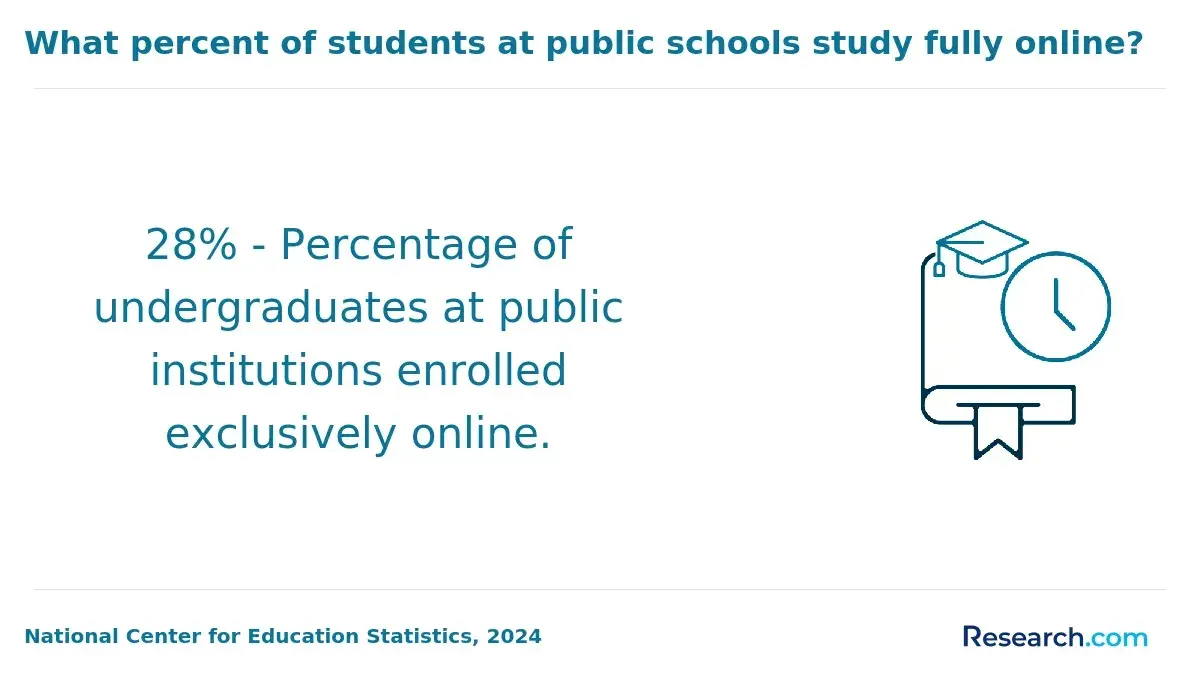
Professionals aiming to enter or advance in nutrition frequently confront scheduling bottlenecks and program inflexibility that conflict with ongoing work or family commitments. A 2024 National Center for Education Statistics report shows that over 45% of adult learners prefer online courses to accommodate career and life demands, reflecting a persistent gap between traditional program structures and real-world accessibility. Employers increasingly seek candidates with credentials earned through rigorous yet adaptable formats, pushing prospective students to prioritize programs balancing credibility with flexibility. This article evaluates top online nutrition programs to help health-focused individuals identify pathways that align academic rigor with practical career advancement needs.
Key Things You Should Know
- Programs emphasizing evidence-based clinical nutrition see 22% higher employer demand for roles requiring RDN credentials, yet this narrows options for professionals targeting community health or wellness sectors.
- The average completion time of accredited online nutrition programs ranges from 18 to 36 months, creating a timing-cost tradeoff where accelerated tracks often sacrifice in-depth practical clinical exposure.
- Employers increasingly prioritize verified internship hours and real-world scenario training, meaning online programs lacking integrated practicums may limit graduate hiring potential within top-tier healthcare systems.
What are the best online nutrition degree and certificate programs for aspiring professionals?
Employers in clinical and public health sectors increasingly demand graduates from accredited programs that integrate supervised practice, reflecting a practical requirement for Registered Dietitian Nutritionist (RDN) eligibility. For example, clinicians aiming to transition into nutrition therapy must choose degrees embedding clinical rotations rather than standalone certificates, which often lack essential depth in pathology and intervention strategies. Conversely, corporate wellness professionals benefit from certificate programs emphasizing behavioral change and applied counseling skills, offering faster entry points with lower costs but limited clinical credentials.
The rise in demand since 2020, highlighted by a 16% increase in nutrition-related degree completions, intensifies workforce competition, particularly favoring those with rigorous experiential learning. Working professionals require flexible, asynchronous formats paired with clear practicum pathways and opportunities for networking tied to professional bodies. Cost and credential portability remain key tradeoffs: degrees require multi-year investment but afford broader licensing options, while certificates accelerate market entry with narrower scope.
The best online nutrition degree programs for health professionals balance accreditation standards and employer expectations, supporting both entry and advancement in varied roles. For those evaluating pathways, comprehensive curriculum content and practicum structure should weigh heavily alongside personal career goals. Data on online nutrition masters reveal that affordability and program design significantly impact return on investment.
Top accredited online nutrition certificate programs for aspiring professionals focus on practical application and counseling, positioning graduates for roles outside clinical restrictions but inside wellness and corporate sectors.
How do online nutrition programs compare with campus-based options in flexibility and learning quality?
Flexibility in nutrition education increasingly favors online options, which grew by over 30% in ACEND-accredited programs from 2020 to 2024. This shift enables working professionals to manage coursework asynchronously, an important advantage reflected in the flexibility comparison of online and campus nutrition programs. Enhanced digital platforms now support real-time discussions, virtual simulations, and remote clinical case studies, partially offsetting traditional campus-based experiential disadvantages.
Nonetheless, learning quality varies markedly between online and traditional nutrition courses. Programs demanding intensive lab or clinical practice often still benefit from in-person settings where immediate faculty feedback and direct experience are critical. However, hybrid practicum models with local-approved sites help online learners meet credentialing exposure without relocation.
Consider a full-time hospital dietitian who leverages evening and weekend online lectures to advance skills without sacrificing income, contrasting with recent graduates who may prefer immersive, peer-driven campus environments that foster rapid practical competence development. Employers increasingly accept accredited online credentials if candidates demonstrate equivalent clinical expertise and evidence-based knowledge, making professional circumstances and program design key factors in pathway selection.
For prospective students assessing rigorous, flexible options in allied health, comparing nutrition pathways alongside other degrees like RN to BSN online programs can contextualize workforce entry points and practical tradeoffs inherent in distance learning versus campus immersion.
Which accreditation and programmatic standards should online nutrition programs meet in the United States?
Selection of an online nutrition program in the United States requires careful scrutiny of accreditation standards, given their direct influence on career options and licensure eligibility. Programs accredited by the Accreditation Council for Education in Nutrition and Dietetics (ACEND) are essential for those aiming at registered dietitian nutritionist (RDN) credentialing, as these standards confirm that curricula cover critical competencies like medical nutrition therapy and evidence-based practice aligned with employer expectations.
Beyond ACEND, regional institutional accreditation recognized by the U.S. Department of Education ensures academic rigor and credit transferability, vital for professionals considering further graduate study or certification. This dual recognition defines the concrete boundaries of program quality.
Practical training is a decisive factor. Successful programs incorporate supervised practice hours or coordinated experiential learning, which online learners must navigate through local placement coordination, translating theory into employer-valued skills. For example, a working professional balancing job demands will face logistical tradeoffs securing quality experiential components, influencing program choice and outcome.
Beyond clinical dietetics roles, fields like nutrition policy analysis or corporate coaching demand interdisciplinary coursework and data analysis proficiency; however, ACEND accreditation remains the baseline validation of program credibility.
The workforce impact is clear: median wages for dietitians and nutritionists increased to $69,660 in 2024, a 12% rise since 2020, reflecting robust demand for credentialed professionals. Employers prioritize graduates from ACEND-accredited programs combined with licensure, emphasizing the practical imperative of selecting programs meeting these standards.
Those interested in healthcare administration may consider related pathways as well. Resources such as healthcare administration online programs provide additional perspectives on educational investment and career options.
What types of online nutrition credentials can you earn, from certificates to graduate degrees?
Choosing an online nutrition credential must be anchored in realistic workforce demands and the intended professional trajectory. For instance, while short-term online nutrition certificate programs for health professionals can rapidly upskill individuals in wellness coaching or food service management, they do not suffice for licensing or clinical roles. This distinction reflects employer preferences where accredited bachelor's degrees are baseline requisites for dietitians and clinical nutritionists, commanding tuition that can vary by a factor of five based on program attributes and added value like internship access.
Graduate-level options, including advanced nutrition graduate degrees for working professionals, target leadership roles or specialized settings such as public health or research. These demand greater time and financial investment but open pathways to policy influence or academic work. Doctoral study, though limited online, typically requires extensive prior practitioner experience and focuses heavily on research or consultancy applications.
Prospective students must weigh program cost against practical outcomes, considering factors such as duration, accreditation, and employer expectations. For those comparing healthcare education options, understanding differences like those presented in Capella vs Chamberlain RN to BSN programs can provide insight into curriculum depth and academic quality, a useful parallel when evaluating nutrition credentials designed for working adults.
What core courses and specialized concentrations are typically offered in online nutrition programs?
Mastering core areas in online nutrition programs-such as nutrient biochemistry, human metabolism, clinical nutrition, research methods, and public health-is essential but not sufficient for all career paths. Selecting a program concentration aligned with specific roles profoundly affects employability and credentialing outcomes.
For instance, registered dietitians seeking hospital or clinical roles must focus on Medical Nutrition Therapy and disease-specific management to meet licensure and clinical requirements. In contrast, professionals targeting community health settings gain more relevant skills through coursework in behavioral nutrition, policy development, and program evaluation, supporting roles like WIC program administration.
The rise of specialized fields like nutrigenomics and integrative nutrition introduces additional certification challenges, often beyond standard master's level training. Students should weigh these emerging trends against the need for accreditation compliance-especially ACEND-to ensure graduates remain competitive in clinical settings.
Cost considerations are more than sticker price: East Carolina University's 2026 online master's program charges $304.84 per in-state credit hour, presenting a cost-efficient option for clinicians balancing tuition with practical practicum availability and curriculum depth.
- Core coursework provides scientific literacy crucial for evidence-based practice.
- Specializations vary dramatically in applicability depending on intended workplace.
- Balancing innovation with accreditation impacts job market acceptance.
- Financial decisions must factor in total program value beyond per-credit costs.
What admission requirements and prerequisite coursework do online nutrition programs usually expect?
Meeting educational prerequisites is a decisive filter in nutrition career pathways, shaping access to specific credentials and roles. For most professional certifications and advanced degrees, a bachelor's degree in fields like dietetics, exercise science, or biology is a minimum requirement. Yet, this baseline masks crucial distinctions: programs emphasizing clinical or sports nutrition demand foundational coursework in human anatomy and physiology, reflecting their specialized scope. For example, a fitness coach shifting focus to nutrition must have completed at least one university-level anatomy course to qualify for certain certifications.
Typical prerequisite classes include:
- General biology with lab
- Chemistry or biochemistry fundamentals
- Human anatomy and physiology
- Basic nutrition principles (sometimes)
Some online nutrition certifications catering to working professionals deliberately minimize prerequisites, often costing under $1,000, which is more accessible than traditional university courses. While cost-effective and less time-consuming, these programs usually lack the depth required for clinical positions or registered dietitian tracks, which require accredited degrees accompanied by supervised practice.
Hiring expectations differ significantly by sector: healthcare employers strictly enforce accredited coursework aligned with Academy of Nutrition and Dietetics standards, whereas fitness employers prioritize practical certification and current science knowledge over formal academic credits. Thus, candidates must weigh the tradeoff between expedited credentialing through affordable online options and the comprehensive preparation needed for clinical or research-focused roles.
How long do online nutrition programs take to complete, and what do they cost?
Choosing an online nutrition program requires assessing tradeoffs between credential depth, duration, cost, and intended workforce outcomes. Shorter certificates, typically 3 to 6 months and costing under $600, cater to wellness consultants or holistic health coaches aiming for rapid entry into client-facing roles without clinical licensing. These programs prioritize foundational nutrition knowledge and coaching skills but hold limited weight in employer contexts that demand accredited dietitian credentials.
In contrast, comprehensive diplomas or advanced certifications extend toward 12 months or more, often exceeding $5,000, suitable for candidates targeting licensed dietitian or clinical nutritionist roles. These longer programs require greater time investment and often include synchronous learning, clinical practica, or certification exams, which lengthen actual commitment beyond nominal duration.
From an employability perspective, the choice hinges on realistic career trajectories: a working professional pivoting quickly to holistic health coaching may favor affordability and flexibility, accepting tradeoffs in regulatory recognition. Conversely, individuals pursuing dietitian licensure must anticipate significantly higher costs and time frames, with employer expectations focusing on rigorous curriculum and applied competencies rather than price alone.
- Duration: 3-6 months for basic certificates, up to 12+ months for advanced diplomas
- Cost spectrum: under $600 for entry-level programs, $5,000+ for accredited clinical tracks
- Workforce relevance: coaching roles versus clinical, licensed dietitian positions
- Additional factors: time management for assignments, synchronous sessions, certification exams
These distinctions shape the realistic viability of each pathway depending on career ambitions, learner circumstances, and employer expectations in evolving nutrition-related fields.
What nutrition careers can online program graduates pursue, and in which work settings?
Online nutrition programs funnel graduates into distinct career streams that entail markedly different requirements and workplace expectations. For instance, clinical nutrition roles demand meeting rigorous credentials such as the Registered Dietitian Nutritionist (RDN) and completing supervised practice, emphasizing patient-facing skills and medical nutrition therapy expertise. By contrast, corporate wellness consultants focus more on project management, behavior change, and interpreting workplace health data without necessarily requiring licensure. These distinctions significantly affect employability and skill readiness.
Public health nutritionists employed in government agencies prioritize epidemiology and community outreach capabilities-competencies not uniformly addressed by general online programs. Foodservice managers merge nutrition knowledge with operational tasks like budgeting and regulatory compliance in institutional food settings. So, program selection must align tightly with target roles to bridge gaps between credential pathways and employer expectations.
Consider a graduate aiming for corporate wellness: Udemy's August 2025 marketplace data shows enrollment growth over 40% in workplace wellness nutrition courses, highlighting rising demand but also competition. Successfully navigating this path requires education that incorporates behavior science and workplace health metrics rather than solely clinical nutrition content. Such pragmatic alignment enhances real-world job readiness and professional sustainability.
Graduates should evaluate program content against prospective roles, focusing on clinical practicum components or corporate-focused coursework accordingly. Understanding these operational differences is key to leveraging online education for durable career outcomes in diverse nutrition fields.
What are typical salary ranges and earning potential for nutrition and dietetics professionals?
Salary ranges in nutrition and dietetics reflect clear divisions tied to credentials and work settings, with most professionals earning between $50,000 and $75,000 annually. Entry-level roles hover near $48,000, but clinical dietitians with experience can exceed $90,000. Specialty areas like private practice or consultancy typically push earnings above $85,000, where specialized knowledge in chronic disease management or personalized nutrition adds tangible value.
The presence of a registered dietitian nutritionist (RDN) credential remains a baseline expectation, and value increases markedly with targeted microcredentials or certifications. For example, Harvard's online nutrition short courses cost around $1,600-$1,980 per course, placing them in a practical price range that balances accessibility with employer recognition. These microcredentials serve as strategic investments, especially for those seeking roles beyond traditional clinical work.
Professionals pivoting to corporate nutrition roles-such as food service leadership or health technology advising-can command salaries between $75,000 and $100,000 but must intentionally pursue niche credentials and relevant experience to avoid stalling in lower-wage roles.
Key workforce considerations include:
- Balancing tuition costs and credential prestige for measurable ROI
- Choosing educational pathways aligned with targeted job sectors
- Understanding clinical roles versus corporate opportunities require distinct skill sets and credentials
Strategic credentialing and sector awareness distinguish growth pathways from stagnation, making educational choices with clear career impact essential for nutrition professionals.
What licensing, certification, and continuing education requirements apply to nutrition and dietetics roles?
Licensing and certification in Nutrition and dietetics impose significant barriers that shape career pathways and employer eligibility. Registered Dietitian Nutritionists (RDNs) must navigate a rigorous sequence of accredited coursework aligned with Accreditation Council for Education in Nutrition and Dietetics (ACEND) standards, a supervised internship lasting six to twelve months, and the Commission on Dietetic Registration (CDR) national exam. This pathway is non-negotiable for clinical, community, and certain corporate roles that require direct medical nutrition therapy.
In contrast, certifications like Certified Nutrition Specialist (CNS) or Certified Nutritionist offer entry points for wellness or health coaching but often lack consistent state licensure recognition, affecting broader employment opportunities and interstate practice mobility. For example, a dietitian leaving hospital work for private wellness consulting must contend with limited insurance reimbursement and employer preferences that emphasize recognized licensure over certificate programs.
Continuing education further restricts field access; RDNs need 75 continuing professional education units (CPEUs) every five years to maintain credentials critical for hospital and long-term care jobs. The expanding online education landscape-with over 700 programs identified by Online Nutrition Planet-adds complexity, as employers increasingly prioritize program accreditation and state licensure eligibility rather than mere certificate completion.
Prospective students should evaluate whether program curricula meet state licensure demands, the robustness of internship placement, and alignment with ACEND standards. Choosing the appropriate credential upfront minimizes costly delays and ensures compliance with evolving state regulations and employer expectations.
Other Things You Should Know About Nutrition
In 2027, top online nutrition programs for health-focused professionals include the Precision Nutrition Level 1 Certification, University of Western States' Master of Science in Human Nutrition and Functional Medicine, and the Stanford Center for Health Education's Nutrition Science. Each offers tailored coursework to meet the needs of busy professionals aiming for excellence in the field.
Flexibility depends on program structure; most fully online programs offer some ability to pause or reduce course loads temporarily, but navigating curriculum requirements can complicate mid-study shifts in focus or career goals. For individuals pivoting career paths, selecting programs with clear specialization options or stackable certificates allows you to tailor credentials incrementally without restarting entirely. Prioritize programs that provide academic advising specifically attuned to professional reorientation to avoid losing progress or extending time to completion.
Employer acceptance hinges on accreditation, program reputation, and evidence of practical skills rather than delivery format alone. Registered Dietitian positions still require accredited, supervised practice components that many online-only programs cannot fully replace, creating limited direct equivalence for clinical roles. For health-focused professionals aiming at wellness coaching, corporate nutrition, or public health sectors, reputable online programs with applied projects and networking opportunities deliver credentials that align well with employer expectations.
Certificate programs offer faster entry into the field with targeted skills but lack the depth and credential weight of degrees required for licensure or clinical work. Prioritize degrees if your career goals require RDN licensure or leadership roles in clinical nutrition. Certificates suit those aiming to enhance existing qualifications or enter adjacent roles like nutrition education or wellness consulting but typically have narrower job market recognition and less salary growth potential.
References
- Nutrition Careers Guide 2025 | Jobs & Salary https://www.nutritioned.org/careers/
- Nutrition courses & training - Association for Nutrition https://www.associationfornutrition.org/careers-nutrition/becoming-nutritionist/nutrition-courses-training
- Top 35 Online Nutrition and Dietetics Programs https://becomeanutritionist.org/top-35-online-nutrition-and-dietetics-programs/
- Online Nutrition and Wellness Courses https://nursinglicensemap.com/resources/health-certificate-courses/nutrition-certificate-course-online/
- Nutrition Online Course: Helpful Guide for Healthcare Prerequisites [2025] - Prereqcourses https://www.prereqcourses.com/nutrition-online-course/
- Why Choose an Accredited Nutrition Program? | University of Bridgeport https://www.bridgeport.edu/news/accredited-nutrition-programs/
- Master’s Degree, a New Requirement to Become an RDN by 2024: A Comparison of Nutrition Graduate Programs Offered in the USA https://www.scirp.org/journal/paperinformation
- The Nutrition Institute https://www.thenutritioninstitute.com/us/en/blog-evaluating-online-courses
- Cert VS Degree: What Type of Nutrition Credential is Best? | ISSA https://www.issaonline.com/blogs/nutrition/cert-vs-degree-what-type-of-nutrition-credential-is-best
- My Journey To Becoming a Registered Dietitian Nutritionist: Prerequisites - Tara Rochford https://tararochford.com/prerequisites-needed-to-become-a-registered-dietitian/