2027 Best Online Nutrition Degrees for Sports Nutrition Careers

Co-Founder and Chief Data Scientist
Balancing a full-time job while pursuing advanced qualifications in sports nutrition can derail even the most committed professionals, especially when rigid campus schedules hinder timely graduation. Nearly 40% of postsecondary students are now adults managing work and family responsibilities, a trend documented by the National Center for Education Statistics that reveals growing demand for flexible learning models. This shift reshapes how aspiring sports nutritionists must select programs to maintain career momentum without sacrificing income or practical experience. This article evaluates the top online nutrition degrees tailored for sports nutrition careers, focusing on program flexibility, employer recognition, and the credential's impact on career advancement.
Key Things You Should Know
- Online sports nutrition degrees often require supervised practicum that limits completion speed; a 2024 National Center for Education Statistics report shows 62% of programs extending past traditional two-year timelines due to practical components.
- Employers prioritize candidates with accredited certifications combined with online degrees, as 71% of sports nutrition roles in a 2025 Bureau of Labor Statistics survey explicitly demand evidence of applied clinical experience alongside formal education.
- Cost disparities remain acute: public institutions offer average online tuition 43% lower than private counterparts, but limited scholarship availability for non-traditional students increases total debt risk, influencing long-term career return on investment.
What is an online nutrition degree and how does it prepare you for sports nutrition careers?
Online nutrition degree programs designed for sports nutrition careers require significant self-direction, especially since clinical internships must be arranged locally despite the remote coursework. Employers prioritize candidates who combine solid theoretical knowledge-often gained through courses in biochemistry, exercise physiology, and clinical nutrition-with verifiable practical experience. Programs that integrate virtual labs and case studies with field placements at local sports clinics tend to better prepare students for job readiness in this niche.
For professionals transitioning from fitness or related fields, an online degree offers the advantage of maintaining income while acquiring credentials, but this pathway demands deliberate pursuit of targeted fieldwork to validate hands-on skills. Traditional in-person degrees might provide easier access to institutional internships, though they lack the flexibility favored by working adults balancing multiple responsibilities.
Salary data reinforces the sector's viability: the median annual wage for dietitians and nutritionists was $73,850 as of April 2024 according to the U.S. Bureau of Labor Statistics. Prospective students should scrutinize program accreditation, clinical support infrastructure, and curriculum alignment with certification requirements to ensure their chosen online nutrition degree benefits for sports nutrition careers translate into competitive employment.
Those evaluating how online nutrition programs prepare students for sports nutrition jobs will find comprehensive reviews and program analyses at nutrition school online.
Which types of online nutrition degrees best support a sports nutrition career path?
Sports nutrition roles demand educational pathways that balance foundational science with practical application-a bachelor's degree in nutrition science or dietetics provides this baseline through coursework in biochemistry, human anatomy, and nutritional biochemistry. However, advanced positions such as clinical sports dietitian often require master's programs focusing on exercise physiology, metabolic adaptations, and sport-specific nutrient timing, reflecting a strategic differentiation in program selection.
Online nutrition degrees for sports nutrition careers must also integrate accreditation components like the Didactic Program in Dietetics (DPD) to qualify for the Registered Dietitian Nutritionist (RDN) credential. Yet, securing the supervised practice hours essential for RDN often involves navigating partnerships with local clinical or sports facilities, which may present logistical challenges for remote learners.
Programs that couple curriculum alignment with the Commission on Dietetic Registration standards alongside structured internship support better prepare practitioners for competitive job markets. For example, a working professional embedded in a sports team setting benefits greatly from part-time scheduling and access to virtual metabolic labs, which directly address real-world competency requirements.
Employment growth projections indicate a 7% increase in dietitian and nutritionist roles between 2021 and 2031, suggesting sustained demand alongside roughly 5,600 annual openings according to U.S. Bureau of Labor Statistics data cited by ASU Online. Candidates must weigh theoretical depth against practical obstacles when selecting from the best accredited sports nutrition degree programs online.
An analytical comparison to allied health education pathways reveals that transitioning credentials can affect timelines and costs, evident when considering easiest online RN to BSN programs as an example of streamlined approaches in health education that parallel some nutrition accreditation challenges.
How do online nutrition programs compare to campus-based options for sports-focused students?
Choosing an online nutrition degree benefits for sports students primarily when balancing cost and flexibility, but this advantage carries practical challenges that affect readiness for sports-specific roles. Average net prices for online bachelor's nutrition programs ranged from $5,929 to $6,430 in 2019-2020, significantly more affordable than campus tuition. Yet, online learners often lack integrated access to hands-on athletic training and specialized facilities that campus-based peers routinely experience.
The distinctions between campus-based vs online sports nutrition programs become apparent in experiential learning. Campus students engage with sports teams directly, gaining applied knowledge in biomechanics and exercise physiology through on-site labs and internships. In contrast, online students need to independently secure external clinical placements, potentially delaying graduation or requiring them to relocate. Working professionals may particularly find this coordination difficult without employer support for sports nutrition fieldwork.
Employers in elite sports settings expect candidates with supervised practical experience, not just theoretical knowledge. Online program enrollees should confirm whether their curriculum ensures guaranteed clinical hours via formal partnerships to meet credentialing requirements; otherwise, their employability could be compromised.
For those weighing the operational realities of an online nutrition degree for sports students, the savings and scheduling flexibility must be reconciled with demands for proactive internship acquisition and limited on-campus networking. Campus programs still generally provide smoother pathways to professional sports nutrition careers through embedded practical training and employer connections. More broadly, students interested in allied healthcare fields may also consider options such as a health administration degree to expand their career prospects beyond traditional nutrition.
What accreditation should you look for in online nutrition degrees for sports nutrition?
Choosing an accredited online nutrition degree directly influences a candidate's ability to meet professional standards and enter the workforce efficiently. The Accreditation Council for Education in Nutrition and Dietetics (ACEND) remains the pivotal benchmark for sports nutrition programs, ensuring graduates qualify for the Registered Dietitian Nutritionist (RDN) credential required in clinical, collegiate, and professional sports environments. Without this recognized accreditation, students risk being ineligible for credentialing exams or necessary licensure, a critical employer expectation.
Regional accreditation by U.S. Department of Education-recognized agencies further validates institutional quality and access to federal aid, offering practical parity to traditional campus programs. This alignment supports the rigorous + supervised practice components employers demand, particularly important for working professionals transitioning into sports nutrition roles. Graduates from programs lacking structured internships or supervised practice may face costly delays before entering the profession.
Arizona State University's online BS in applied nutrition demonstrates how accredited online programs can match the academic and clinical depth of on-campus degrees by combining 120 credits across 40 courses with thorough supervised practice. This adherence to recognized accreditation standards for sports nutrition programs ensures graduates possess both theoretical knowledge and applicable skills.
For students comparing program formats and outcomes, resources like Capella RN to BSN vs Chamberlain RN to BSN offer insight into decision factors balancing accreditation and real-world readiness.
What courses and specializations are included in sports nutrition-focused online nutrition programs?
Online sports nutrition programs demand more than theoretical knowledge; they prepare students to navigate the complexity of athlete-specific dietary planning and performance optimization. The curriculum's focus on exercise physiology, biochemistry, and macronutrient metabolism equips graduates to translate nutrient science into practical interventions tailored to differing athletic demands, such as endurance versus power sports.
Students must complete around 120 credit hours, often fully online with faculty credentials matching those of campus-based programs, as seen at institutions like Kansas State University Online. However, the virtual format limits hands-on experience, a key challenge partially addressed through case studies and virtual labs. These practical components simulate scenarios requiring collaboration with exercise physiologists or coaches to adjust nutrition strategies dynamically during competition phases.
Employers in sport and fitness sectors increasingly expect candidates to combine nutrition science expertise with applied exercise knowledge, enabling them to design and adapt individualized plans rather than relying on generic protocols. Graduates with integrated skills meet workforce demands better but should anticipate supplementing online learning with real-world experience to remain competitive.
The absence of extensive hands-on opportunities necessitates critical evaluation of program design for those seeking immediate employability without traditional internship access. Choosing a program that balances academic rigor with experiential learning improves readiness for roles addressing athlete dietary needs and injury prevention in fast-paced, results-driven environments.
What are typical admission requirements for online nutrition degrees in nutrition and sports?
Admission standards for online degrees in nutrition and sports reflect the demanding synthesis of science proficiency and practical readiness required to succeed and remain competitive in this workforce segment. Programs typically mandate a high school diploma or its equivalent, verified through official transcripts, alongside a cumulative GPA ranging roughly from 2.5 to 3.0. This threshold indicates a baseline academic competence necessary for navigating biology, chemistry, and mathematics-heavy content.
Applicants often face prerequisite hurdles that gauge their capacity to handle such coursework, either by prior college credits or placement tests, before they can engage with specialized nutrition and sports curricula. These steps serve as gatekeepers, balancing accessibility with the rigorous expectations of science-driven programs.
Additional admissions elements like personal statements or application essays provide insight into motivation and career direction-particularly vital for candidates shifting careers or targeting niche roles in sports nutrition. Around 30% of selective programs request professional recommendations, aligning academic credentials with experiential verification. Practical experience in coaching, fitness, or health support roles can significantly strengthen an application, especially where internships incorporating clinical or performance-based components are graduation requisites.
Fiscal considerations are a practical dimension often overlooked; applicants should weigh tuition trends and cost stability. For example, Liberty University's modest tuition increase, under 5% over ten years, places its online offering in a more affordable bracket, a notable factor when balancing program quality against personal financial capacity.
- Minimum high school diploma or equivalent with official transcript verification
- Cumulative GPA requirement between 2.5 and 3.0
- Competency in biology, chemistry, and math demonstrated via coursework or testing
- Application essays assessing motivation and career goals
- Professional recommendations in about 30% of programs
- Practical experience or certifications in coaching, fitness, or health support roles valued
- Financial readiness considerations given variable funding and tuition costs
How long do online nutrition degrees take and what do they cost for sports-focused students?
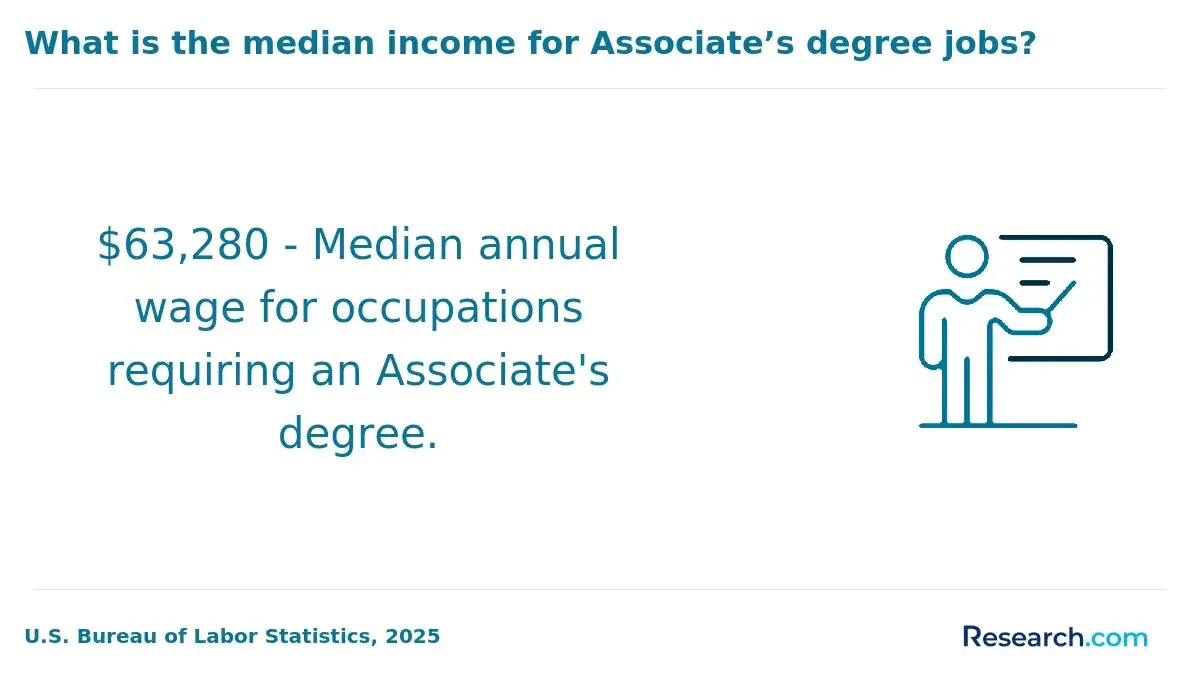
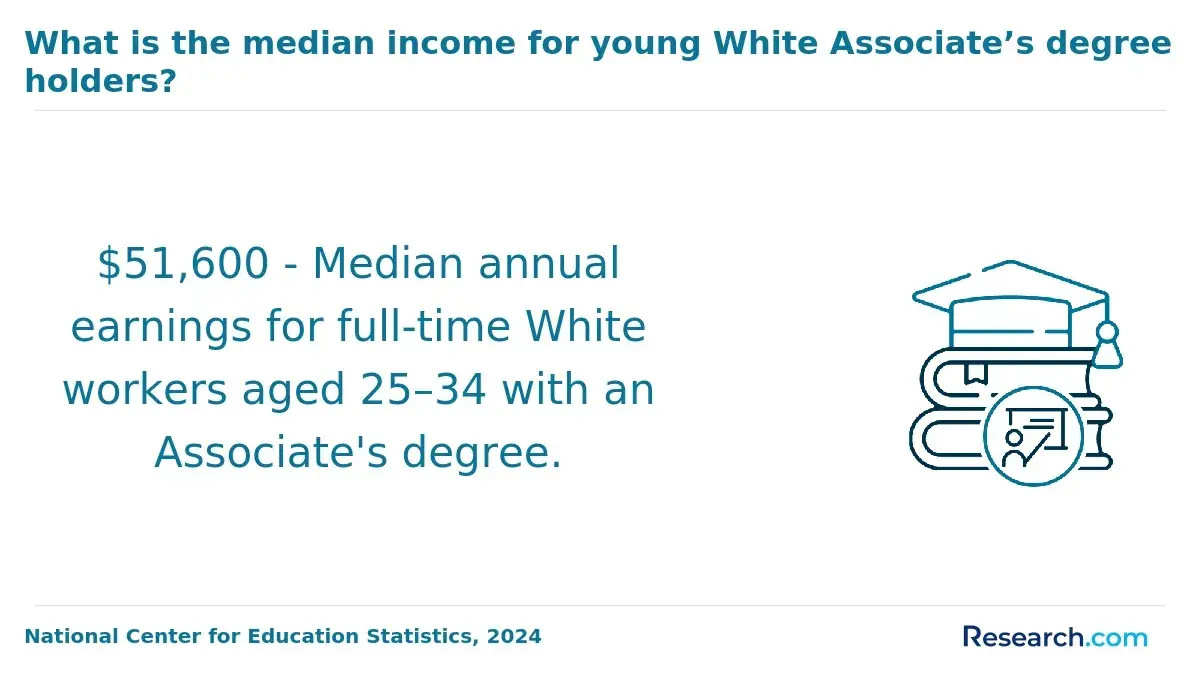
Completing an online degree in nutrition with a focus on sports nutrition demands careful consideration of time, cost, and workforce expectations. Associate degrees, typically two years, provide entry-level access but lack depth for specialized roles. Bachelor's degrees require approximately four years and are essential for roles like certified sports nutritionist, often supplemented by professional certifications. Accelerated or transfer options can shorten this path but may dilute clinical practice exposure.
Master's programs, taking 1.5 to 2 years post-bachelor's, enhance specialization crucial for competitive positions such as sports dietitian or performance nutritionist. However, these programs come with substantial cost variations: public institutions charge $100-$300 per credit, totaling $12,000 to $36,000, while private or specialized schools can exceed $50,000. Master's-level programs range from $20,000 to $40,000, often justifying the investment through higher earnings potential.
Practical tradeoffs include balancing budget constraints with program features like integrated internships or credential prep. For example, athletic trainers expanding into nutrition must account for extended timelines and additional certifications. Graduates aiming to work with professional athletes should prioritize programs emphasizing applied sports nutrition and clinical practice to meet employer expectations.
The financial upside is noteworthy: the top 10% of dietitians and nutritionists earn over $93,640 annually, suggesting solid returns for those combining advanced degrees with field experience. This indicates a clear link between educational depth, real-world applicability, and market value.
What sports nutrition careers can you pursue with an online nutrition degree?
Holding an online nutrition degree can open doors to roles like sports dietitian or performance nutrition specialist, but each pathway demands distinct certifications and practical training beyond academic coursework. For instance, licensed sports dietitians must complete an accredited dietetic internship and pass a national registration exam-requirements that many online programs cannot fully replicate without additional in-person experience.
By contrast, performance nutrition specialists typically engage directly with athletes or teams to tailor meal plans that support training and recovery, relying on applied metabolic knowledge rather than formal licensure. Strength and conditioning coaches also incorporate nutrition guidance but need certifications such as the NSCA's CSCS alongside their degree to meet employer standards.
The relatively lower tuition of online programs, averaging around $9,700 for in-state students and roughly $9,200 for out-of-state according to BestColleges' 2025 data, makes credential stacking financially viable. This is critical since securing competitive positions usually requires layering certifications, supervised internships, or professional exams beyond the online degree itself.
Employers in professional sports, collegiate athletics, and wellness centers prioritize candidates combining recognized credentials with hands-on experience. Graduates targeting clinical roles must pursue registered dietitian status, whereas those aiming for athletic-focused positions often navigate a more flexible certification landscape but still face intense credential scrutiny.
What are the salary expectations and job outlook for sports nutrition professionals?
The U.S. sports nutrition job market demands strategic credentialing and targeted experience to reach salaries above $75,000. Positions within professional teams or elite performance groups often pay above $80,000, contrasting with entry-level roles in clinical or wellness settings that start near $45,000. Geographic location and institutional budgets heavily influence these figures, requiring candidates to factor these variables into their salary expectations.
Projected growth of 11% through 2034 exceeds typical occupational increases, propelled by diet's expanding role in athletic performance and chronic disease management. Still, rising graduate numbers and employer preferences for credentials like Certified Specialist in Sports Dietetics (CSSD) heighten competition for premium roles. Candidates must weigh these market realities against program costs and timelines.
Graduate tuition per credit ranges approximately from $434 at lower-cost institutions like Arizona State University to over $924 at higher-priced universities such as Penn State. This disparity can more than double total educational debt for comparable degrees, making accreditation and employer recognition key considerations in program selection.
Securing positions that integrate sports nutrition within multidisciplinary health teams can elevate earning potential and career longevity, but these roles demand clinical internships or supervised practice. For many, balancing affordable education, credential requirements, and regional demand determines the practical feasibility of advancing in this specialized field.
What certifications or licenses are needed to practice sports nutrition in the United States?
Securing certification is the decisive barrier for practicing sports nutrition professionally in the U.S., as no national license exists to regulate this specialty. The Certified Specialist in Sports Dietetics (CSSD) credential, granted by the Commission on Dietetic Registration, requires candidates to be registered dietitian nutritionists (RDNs) with 1,500 hours of supervised sports nutrition practice. This credential is often a prerequisite for roles in collegiate athletics, professional teams, and clinical nutrition settings, reflecting employer preference for verified clinical competence.
For nutrition professionals outside the RDN pathway, the International Society of Sports Nutrition (ISSN) offers the Certified Sports Nutritionist (CISSN) certification. While this adds credibility, it does not replace state dietitian licensure, which remains mandatory for clinical practice across many jurisdictions. Navigating licensing constraints necessitates understanding that certification alone rarely qualifies one to deliver clinical nutrition services legally.
Education choices impact both eligibility and market competitiveness. Online bachelor's programs typically charge about $493.95 per credit hour, whereas master's programs average $360 per credit hour, with total costs around $10,802. Though more expensive upfront, a master's degree often correlates with CSSD qualification and higher earning potential.
- Employers frequently require accredited degrees paired with certification.
- Without certification, job prospects narrow significantly in professional or regulated environments.
- The time investment in supervised practice is substantial but essential for credible recognition.
The alignment of educational investment, licensing, and certification determines access to advanced roles and compliance with state regulations, shaping realistic career trajectories in sports nutrition.
Other Things You Should Know About Nutrition
Yes. Many online nutrition degrees that lead toward sports nutrition careers require supervised practice, usually 1,000 to 1,200 hours, completed through an accredited internship or coordinated experiential learning. Programs aligned with the RDN pathway must meet ACEND standards for supervised practice and competencies.
Specialization embedded in a nutrition degree provides a comprehensive foundation alongside focused expertise, which employers prefer over narrow certificates. Standalone sports nutrition certificates may enhance knowledge but rarely substitute for the depth and accreditation credentials valued in clinical or elite sports settings. Prioritizing fully accredited degrees with a sports nutrition track maximizes long-term career flexibility and credibility.
To enroll in an online sports nutrition degree program in 2027, you typically need a high school diploma or GED, satisfactory SAT/ACT scores, and sometimes prerequisite courses in biology and chemistry. Check with specific programs for any additional requirements or recommendations.
References
- How to Become a Sports Nutritionist: All You Need to Know https://www.husson.edu/online/blog/2024/02/sports-nutrition-jobs
- Study Sports Nutrition Online With The Sports Nutrition Association https://sportsnutritionassociation.com/certificate-in-applied-sports-nutrition/
- Specialization Course in Sports Nutrition https://www.icns.es/en/sports-nutrition
- Accredited Programmes - Association for Nutrition https://www.associationfornutrition.org/degree-accreditation/accredited-programmes
- Best sports nutrition certification guide [Revamped] https://traineracademy.org/certifications/sports-nutrition-certifications/
- How to become a sports nutritionist in the UK: Career paths and salaries - Regent College London | RCL https://www.rcl.ac.uk/news/how-to-become-a-sports-nutritionist-in-the-uk-career-paths-and-salaries/
- EDUCATION IN SPORTS NUTRITION https://pinesnutrition.org/education-in-sport-nutrition/
- An evidence-based sports nutrition curriculum for youth – The Sport Journal https://thesportjournal.org/article/an-evidence-based-sports-nutrition-curriculum-for-youth/
- 7 Career Opportunities for Graduates of the Masterâs in Sports Nutrition https://fsi.training/en/blogs/football-nutritionist-career-paths
- Online NCSF Sports Nutrition Specialist (Voucher Included) from Alabama State University https://careertraining.alasu.edu/training-programs/ncsf-sports-nutrition/