2027 Nutrition Specializations for Hospital and Community Roles

Co-Founder and Chief Data Scientist
Clinicians and public health nutritionists increasingly face shifting workforce demands that blend clinical expertise with community-centered skills, yet many encounter rigid program structures that limit timely credentialing. The National Center for Education Statistics reports a 35% surge in enrollment among adult learners seeking flexible, hybrid nutrition degree programs since 2023, reflecting professionals' need to balance ongoing employment with education. This trend signals a critical pivot in how aspiring nutrition specialists must strategically select pathways that accommodate work schedules while meeting evolving employer expectations for interdisciplinary competence. This article examines specialized nutrition tracks tailored to hospital and community roles and evaluates their accessibility, career alignment, and practical credentialing outcomes.
Key Things You Should Know
- Hospital nutrition specializations grew 18% in demand from 2023 to 2025 per BLS data, but require 1.5-2 years of clinical rotations limiting rapid workforce entry compared to community nutrition roles.
- Employers prioritize RDN credentials with acute care expertise in hospitals, where malpractice risks and interdisciplinary coordination elevate hiring standards beyond general community nutrition programs.
- Community nutrition certifications cost 30-40% less and offer immediate employment in public health settings, yet yield 15% lower median salaries, creating tradeoffs between upfront investment and long-term earnings potential.
What nutrition specializations prepare graduates for hospital and clinical care roles?
Specializing in hospital nutrition clinical specializations requires mastering medical nutrition therapy combined with the ability to operate effectively in critical, multidisciplinary hospital environments. Graduates who lack clinical competencies or supervised hospital practice hours often face limited employability or are confined to less technical, community-focused roles. Employers in acute care demand professionals who can manage complex dietary interventions for chronic diseases, malnutrition, and specialized feeding protocols, with an emphasis on evidence-based, regulatory-compliant decision-making.
Practical clinical nutrition certifications for healthcare roles must include skills such as:
- Performing detailed nutritional assessments in surgical recovery to minimize complications.
- Developing individualized diet plans that address multiple comorbidities in chronic illness management.
- Collaborating closely with physicians and nursing teams to streamline patient care pathways.
Hospital roles pay an average of $73,670 annually versus $80,190 in outpatient care centers, reflecting a tradeoff between acute care complexity and reimbursement. Candidates must balance rigorous theoretical knowledge with case-based learning to function in fast-paced settings where rapid, evidence-driven decisions affect outcomes. Familiarity with electronic health records and registered dietitian credentials also weigh heavily in hiring decisions.
Those evaluating paths toward clinical nutrition certifications for healthcare roles can find programs that align with workplace realities and advanced skill demands by exploring options such as an online nutrition degree. Choosing wisely influences not only employability but potential income trajectories within increasingly specialized clinical fields.
What community and public health nutrition specializations lead to outreach and education careers?
Community nutrition outreach programs for public health careers demand a blend of specialized skills that differ from traditional clinical nutrition. Public Health Nutrition, Community Nutrition, and Nutrition Education and Behavioral Science specializations focus on program development, policy advocacy, and culturally competent education. These areas align closely with employer needs in clinics, HMOs, community agencies, and physicians' offices, where 27% of dietetics professionals work in community settings according to the American Society for Nutrition.
Choosing a program with embedded community engagement and applied internships significantly enhances employability for outreach roles. For example, public health nutrition education specializations in hospitals often require trainees to create and assess education campaigns targeting underserved populations, a key metric for employer evaluation. Pure clinical tracks, conversely, prioritize individualized patient care and may limit readiness for population-level education positions.
Employers prioritize candidates skilled in behavioral change strategies, data collection for program outcomes, and grant writing to overcome funding constraints. Real-world practice shows that dietitians in community health centers improve chronic disease prevention through group workshops, a function demanding expertise in Nutrition Education. Those lacking outreach experience or policy knowledge risk stalling early in this sector.
Prospective students should note the necessity of practical experience and community-focused curricula to navigate tradeoffs between broad educational objectives and resource challenges. For professionals exploring a strategic pivot, resources on the best online RN programs for non nurses may offer complementary pathways to expand scope in healthcare outreach beyond traditional nutrition roles.
What degrees and credentials are required for clinical and community nutrition careers?
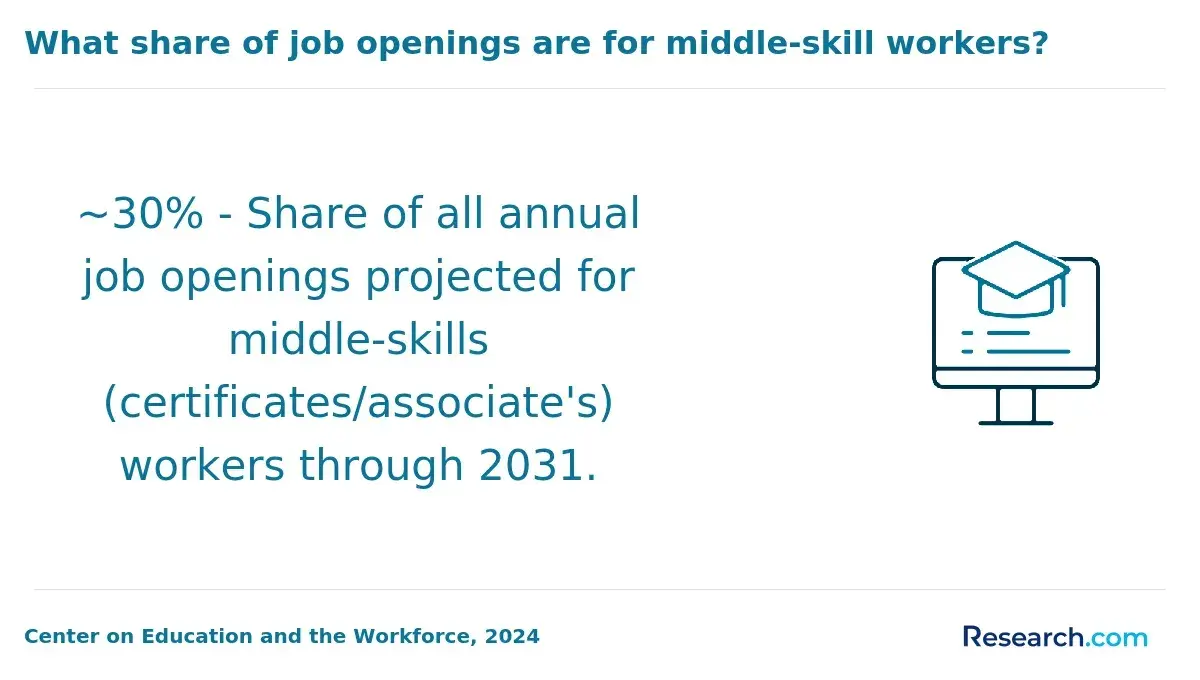
Securing clinical nutrition positions in the U.S. demands navigating a rigid credentialing path centered on the Registered Dietitian Nutritionist (RDN) credential. Candidates without an accredited bachelor's degree and completion of a supervised dietetic internship-typically 1,200 hours-face significant barriers to hospital and institutional employment, which accounts for over half of dietitian roles nationwide. This credential remains a gatekeeper, with hiring managers prioritizing candidates who demonstrate practical readiness beyond academic credentials alone.
Those targeting community nutrition roles should recognize the additional emphasis on graduate-level education. Community nutrition degree programs in North America often require a Master's focused on public health nutrition or community health to manage population-based interventions and policy demands. Licensure requirements vary by state and may include specialized testing or continuing education to meet the federal program standards driving much of this sector's hiring.
Professionals considering administrative roles within hospital nutrition or healthcare systems may find advantage in augmenting their RDN credential with certifications in healthcare management or business administration. Prospective candidates are advised to strategically evaluate educational investments, particularly when exploring a pivot through a healthcare administration masters, which aligns with operational leadership demands while expanding career options.
Without completion of accredited supervised practice, entry to clinical roles narrows considerably. Many such candidates ultimately fill support or educator roles with less stringent credential requirements, highlighting the critical tradeoff between credentialing rigor and job function scope.
How do online nutrition programs compare with campus-based options for these specializations?
Hospital and community employers hiring dietitians and nutritionists increasingly demand accredited supervised practice, favoring campus-based programs that integrate structured clinical rotations. This hands-on experience is vital in complex settings such as renal or pediatric nutrition, where in-person patient interaction develops critical diagnostic and communication skills. In contrast, online nutrition program benefits for hospital and community roles include flexibility for working professionals and rural students, allowing part-time study without relocation. However, many online options fall short in meeting Commission on Dietetic Registration (CDR) criteria for supervised practice, which can hinder eligibility for credentialing exams.
Community nutrition roles focusing on public health initiatives align more naturally with online education. These programs can quickly incorporate evolving policies and foster virtual engagement with diverse populations, enhancing cultural competence beyond campus-based networking opportunities. Yet, campus programs still provide stronger direct access to job fairs and faculty mentorship, which influence post-graduation placement in competitive hospital systems.
Consider a registered nurse shifting to clinical nutrition: an online program with local internship partnerships enables maintaining employment while gaining credentials. Conversely, a recent graduate targeting hospital-based dietetics benefits from campus programs offering guaranteed clinical slots, matching employer expectations. Evaluating accreditation, clinical access, and employer reputation is essential to navigate these tradeoffs amid the field's evolving demands.
For those exploring pathways with a focus on affordability and flexibility, examining BSN to MSN options can provide insight into structured progressions that support career pivots.
What coursework and practicum experiences are typical in hospital-focused nutrition programs?
Hospital-focused nutrition programs demand specialized coursework paired with rigorous clinical practicum to prepare students for roles in acute and complex care settings. Core courses such as advanced medical nutrition therapy and disease-specific nutrition management provide essential knowledge but cannot replace hands-on experience interpreting patient data or adjusting care plans under pressure. Clinical rotations in intensive care units and emergency departments expose students to critical scenarios, such as managing feeding protocols for mechanically ventilated patients, where precision and multidisciplinary communication are non-negotiable.
Employers expect graduates to demonstrate both technical competence and adaptability in high-stress environments, making practicum diversity a significant hiring factor. Students navigating scheduling conflicts due to hospital shift patterns face real challenges that testing laboratory scenarios cannot replicate. Additionally, familiarity with electronic health records and outcome tracking tools enhances workforce readiness.
Practical implications include:
- Limited availability of specialized hospital rotations necessitates careful program selection to secure sufficient hands-on hours.
- Exposure to chronic and rehabilitative care settings is valuable since about 26% of practitioners work in these environments.
- Insufficient clinical variety can hinder placement in specialized hospital units, impacting early career options.
Therefore, balancing advanced nutrition coursework with a well-rounded clinical practicum is critical for candidates aiming at hospital nutrition roles, emphasizing decision-making that aligns educational investments with real employment landscapes.
What classes and fieldwork define community nutrition and public health nutrition programs?
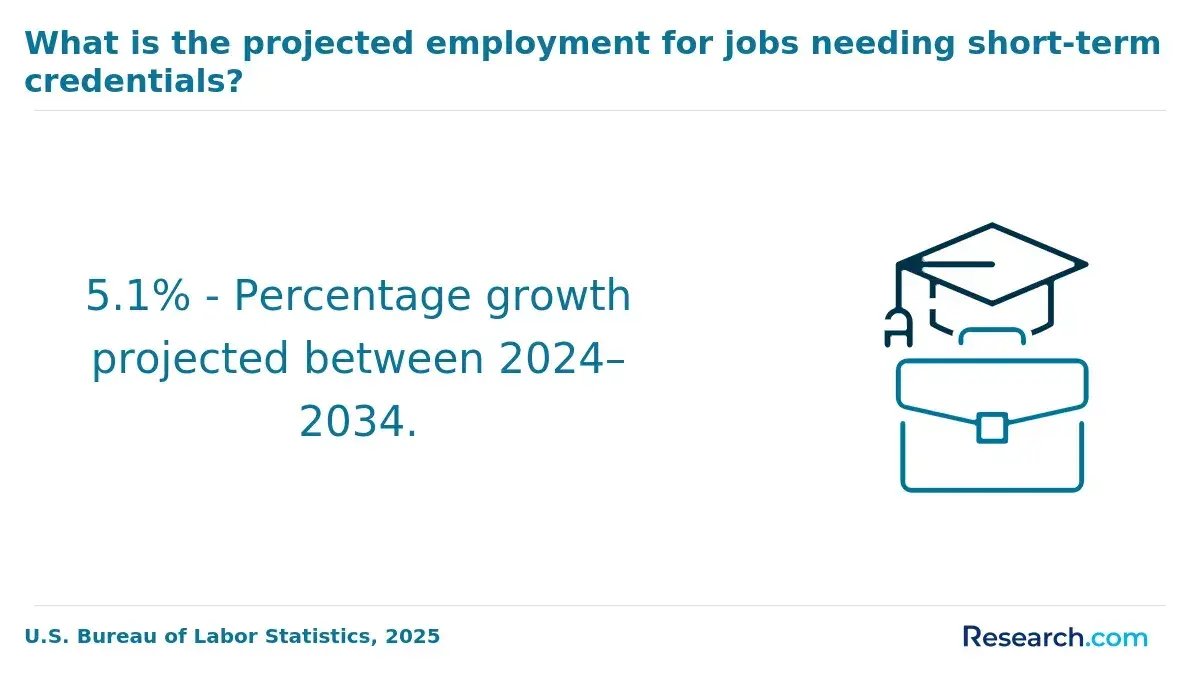
Success in community nutrition hinges on melding rigorous academic training with hands-on experience that aligns with employer demands in public health settings. Coursework in epidemiology, socio-behavioral interventions, food security, and chronic disease prevention establishes the foundation, but the ability to translate theory into effective, measurable programs is what employers prioritize. This practical emphasis often requires navigating policy challenges and addressing cultural complexities at the community level.
Field placements in health departments or federally funded programs such as WIC expose students to essential real-world tasks-nutritional risk assessment, eligibility screening, and tailored counseling-that prospective employers value for roles bridging clinical and community nutrition. Demonstrated success in managing cross-sector collaborations is frequently a differentiator in hiring for hospital liaison or public sector management positions.
The wage range for dietitians and nutritionists, with a median around $73,850 and top earners near $98,830, reflects a labor market where leadership and grant-writing skills combined with population health competence enhance upward mobility. Candidates lacking this integrated skill set may encounter limited advancement opportunities, especially in competitive urban settings.
- Core coursework: Epidemiology, biostatistics, nutrition policy, program planning
- Fieldwork: Practical placements in public health agencies, WIC, nonprofits
- Employer expectations: Data-driven program development, cultural competency, cross-sector collaboration
- Career outcomes: Managerial roles require blended clinical and population health expertise
How can students verify that a nutrition program is properly accredited and respected?
Choosing a nutrition program without ACEND accreditation imposes significant practical limitations. Employers in hospitals and community settings widely accept only graduates of ACEND-accredited programs, as this credential ensures foundational competencies required for most clinical roles and eligibility to sit for the Registered Dietitian Nutritionist (RDN) exam. Opting for a non-accredited program may accelerate completion but often blocks access to licensure, insurance reimbursements, and hospital employment.
Prospective students must verify accreditation status directly through ACEND's publicly accessible listings and confirm the program's relevance to their intended career path, whether clinical dietetics, community nutrition, or private practice. For example, community dietetics roles typically demand substantial fieldwork experience, which only select accredited programs provide at scale.
Verification steps also include consulting state dietetic licensure boards to confirm local requirements and assessing graduate outcomes such as clinical placement rates and employment statistics. The personalized nutrition sector, which is projected to expand rapidly to USD 82.66 billion by 2035, increasingly demands credentialed professionals who apply evidence-based methods in entrepreneurial environments.
Students should weigh these tradeoffs carefully: non-accredited pathways might reduce initial investment but at the cost of narrowing long-term professional flexibility and recognition. Employer preference for accredited program graduates reflects a risk-averse approach to compliance with evolving standards and practical assurance of competence.
What admission requirements, program length, and total costs should applicants expect?
Choosing between hospital-focused and community-oriented nutrition specializations involves critical tradeoffs tied to curriculum, program length, and admission criteria. Hospital-track programs typically mandate a bachelor's degree with strong clinical competencies, often requiring Registered Dietitian Nutritionist (RDN) eligibility and a GPA above 3.0. These programs span 12 to 24 months and combine intensive coursework with supervised clinical rotations, reflecting employer demands for accredited training and hands-on experience in acute care settings.
Conversely, community nutrition pathways favor public health knowledge and social service engagement. They usually allow broader academic backgrounds but extend program duration to 18-36 months to accommodate in-depth fieldwork. This longer timeline helps prepare candidates for roles focused on maternal and child nutrition, aligning with workforce trends that foresee nearly 50% of new U.S. jobs in health and social services.
Financially, public institutions offer certification or master's programs between $15,000 and $30,000, while private programs can cost $30,000 to $60,000, excluding exam and licensing fees. Prospective students must weigh these costs against the practical constraints of their schedules, as accelerated programs often exclude part-time learners.
Decision-making should center on employer expectations: hospital roles demand accredited clinical hours and credentials, whereas community roles require broader networking and longer fieldwork, impacting job placement speed and career trajectory.
What job titles, work settings, and career paths follow each nutrition specialization?
Choosing a nutrition specialization deeply influences workplace environments and long-term career trajectories, with clear tradeoffs based on focus areas. Clinical nutrition roles-such as registered dietitians or clinical nutrition managers-demand rigorous credentialing and emphasize patient-specific medical nutrition therapy, primarily in hospitals or care facilities. These roles require precision, interdisciplinary coordination, and typically involve set shifts.
By contrast, community nutrition specialists operate in government agencies, nonprofits, or educational settings. Their work centers on population health interventions, requiring grant writing, advocacy, and public communication skills, often with more flexible schedules but varied compensation models.
Nutrition informatics professionals represent a rapidly growing sector valued at an anticipated USD 4.52 billion market, expanding at nearly 24% annually. They combine nutrition expertise with data analytics and AI, driving personalized nutrition strategies within tech companies and research institutes. This path demands robust IT competencies and the ability to translate complex data insights into practical health recommendations.
Decision-making involves weighing stability, licensure demands, interpersonal versus technical skills, and industry growth potential. For example:
- Clinical roles offer stability but require intensive certification and adherence to medical protocols.
- Community nutrition demands adaptability and public engagement with less predictable funding.
- Informatics roles promise high growth but necessitate cross-disciplinary expertise bridging nutrition and technology.
Evaluating one's strengths against these factors is essential for strategic career planning. Refer to Diversify Dietetics for current workforce trends and detailed role distinctions.
What salary ranges and job outlook apply to hospital and community nutrition roles?
Salary prospects in hospital and community nutrition fields reflect significant variance tied to education level, job setting, and role complexity. Median salaries range from $60,000 to $75,000 annually, with advanced hospital roles surpassing $90,000. These figures underscore how a master's degree, now typically required for entry-level clinical dietitians, shifts earning potential and access to leadership tracks-especially in specialized hospital units such as oncology or neonatal care, where salaries often exceed $80,000 due to the technical demands.
Community nutrition positions-including public health dietitians or program coordinators-usually command lower pay, between $50,000 and $70,000, influenced heavily by organizational funding and sector. Government or nonprofit roles offer stability but limited salary growth, whereas private-sector jobs may reward program performance or grant success, highlighting differing tradeoffs depending on the employer type. Notably, hiring practices increasingly favor candidates with graduate-level skills in evaluation and leadership, narrowing opportunities for those without advanced credentials.
Job growth for registered dietitian nutritionists is forecast at 9% over the next decade, outpacing overall labor markets due to aging populations and chronic disease burdens demanding complex nutritional care. However, evolving credential standards pose barriers for bachelor's-only candidates, restricting long-term upward mobility. Prospective students should weigh the upfront costs of further education against these realistic salary trajectories and the potential for access to administration or research roles within public health agencies and hospital systems.
Other Things You Should Know About Nutrition
Certification alone may qualify candidates for entry-level nutrition roles but often limits advancement into leadership or research positions. Advanced degrees, particularly master's or doctoral programs, better align with employers seeking specialized expertise, management capabilities, or academic credentials. Prioritizing a graduate degree over certification improves opportunities in hospitals offering multidisciplinary teams and in community organizations managing complex health initiatives. Candidates should assess if immediate job entry or long-term career growth drives their education decisions.
Employers in hospital settings place greater emphasis on verified clinical experience and internship completion, as direct patient care skills significantly impact performance. Community nutrition roles also value hands-on program delivery and measurable outcomes but may accept broader academic credentials paired with fieldwork. Applicants lacking extensive experience must emphasize practicums within accredited programs to meet employer standards. For career pivots, gaining focused practical experience alongside credentials delivers stronger employment prospects than academics alone.
Early specialization suits students certain about their career path, allowing targeted skill development and stronger ties to relevant employers. However, maintaining a broader curriculum can be advantageous amid evolving health trends or geographic job market shifts, providing flexibility and adaptability. Students aiming for diverse work settings or uncertain about their niche should prioritize foundational knowledge before selecting a specialty. Early specialization risks narrowing options but supports quicker entry into focused roles when aligned with workforce demand.
References
- Public Health Overview https://explorehealthcareers.org/careers/public-health/
- Community and Public Health Nutrition - Nutritionbynusrat https://nutritionbynusrat.com/courses/community-and-public-health-nutrition/
- Careers https://www.publichealthdegrees.org/careers/
- Nutritionist & Dietitian Careers - Salaries & Certifications https://www.medicaltechnologyschools.com/nutritionist/guide-to-nutritionist-careers
- Verification Statement Requirements https://www.nutraco.com/graduate-program-new/verification-statement-requirements-new/
- Improving Hospital Internship Course for Nutrition Students Using a Comprehensive Checklist for Nutritional Assessment and Patient Treatment https://brieflands.com/journals/semj/articles/145124
- Cert VS Degree: What Type of Nutrition Credential is Best? | ISSA https://www.issaonline.com/blogs/nutrition/cert-vs-degree-what-type-of-nutrition-credential-is-best
- Nutrition Degree Programs Guide 2026 https://www.publichealthonline.org/nutrition/degree-programs/
- Exploring Pathways for Developing Clinical Nutrition Internship Teaching Competencies from a New Medical Perspective https://www.scirp.org/journal/paperinformation
- Exploring Diverse Careers in Health Education and Promotion https://www.nchec.org/news/posts/exploring-diverse-careers-in-health-education-and-promotion