2027 Best Online Bachelor's in Nutrition With Career-Focused Nutrition Projects

Co-Founder and Chief Data Scientist
Nutrition professionals often confront a major bottleneck: acquiring real-world project experience while managing career or personal obligations. Traditional programs can demand full-time campus presence or rigid schedules that clash with job hours, limiting who can enter or advance in the field. Amid this, the National Center for Education Statistics reports a 28% rise in adult enrollment in online bachelor's programs since 2022, driven by workforce mobility and the need for flexible learning.
This shift signals growing opportunities but also demands careful program selection to ensure projects align with career realities and employer expectations. This article evaluates top online bachelor's in nutrition emphasizing career-focused nutrition projects designed to bridge education with practical expertise effectively.
Key Things You Should Know
- Graduates from programs emphasizing career-focused nutrition projects report 15% higher initial employment rates in clinical and community health roles compared to peers in standard curricula, underscoring market preference for applied skills.
- Employers increasingly demand proficiency in data-driven dietary analysis tools, with 68% of surveyed healthcare organizations listing this as a non-negotiable skill, prioritizing candidates with integrated project experience.
- Extended program durations tied to hands-on projects add up to 18 months of study, increasing tuition by over 20%, which necessitates weighing upfront cost and completion time against accelerated career entry benefits.
What is an online bachelor's in nutrition and who is it best suited for?
Careful program selection is essential for students pursuing an online bachelor's degree in nutrition to meet specific career demands or workforce realities. For instance, aspiring registered dietitians must seek accredited programs that integrate supervised internships, while those targeting wellness coaching or corporate consulting may opt for broader curricula emphasizing applied projects over strict accreditation. This distinction affects employability and credential recognition in health and wellness sectors.
Working professionals frequently consider online bachelor's in nutrition programs for career development due to asynchronous coursework that accommodates employment schedules, minimizing relocation and commuting challenges. However, such flexibility requires strong self-motivation and reliable technology access. Tuition ranges from approximately $5,929-$9,752 in-state to $6,430-$9,209 out-of-state annually, demanding a cost-benefit analysis relative to salary prospects and timeline to entry.
Employers typically prioritize candidates with demonstrable practical skills, often acquired through internships or capstone projects embedded in these degrees. Students without foundational science backgrounds should anticipate preparatory work in biology and chemistry conducted online, which can extend program duration. Given these factors, the best online bachelor's in nutrition degrees for working professionals emphasize realistic schedules, applied learning, and alignment with targeted nutrition-adjacent roles rather than purely academic theory. For those evaluating options, detailed program comparisons are available at online bachelor's degree in nutrition.
How do online nutrition bachelor's programs compare to campus-based programs in quality and outcomes?
Online nutrition bachelor's degrees, when accredited and paired with mandated supervised practice, offer outcomes comparable to campus-based programs despite differences in delivery. This parity depends heavily on students securing quality local internships to fulfill experiential learning components, a necessary step since online formats lack inherent lab access and spontaneous peer collaboration common on campus. Employers in healthcare and wellness regard these qualifications seriously only when practical criteria are met.
From a workforce perspective, online programs provide flexibility that can accelerate skill application for working professionals. For instance, a clinical dietitian engaging in an online program can integrate evidence-based protocols into patient care immediately, a practical advantage over rigid campus schedules. Yet, the quality differences between online nutrition bachelor's and campus programs manifest mainly in networking and hands-on opportunities, requiring online students to be proactive.
Graduation and job placement statistics show marginal variation after accounting for demographics, suggesting comparable career outcomes from online versus traditional nutrition bachelor's degrees if experiential requisites are rigorously satisfied. Cost efficiency further enhances accessibility, with many online options falling below the $14,688 average undergraduate tuition nationwide.
- Core curricula in biochemistry, food science, and clinical nutrition adhere to consistent accreditation standards
- Employers expect supervised practical experience regardless of delivery mode
- Online students face the challenge of independently cultivating professional networks
- Flexibility benefits working professionals pivoting careers or enhancing credentials
Students considering broader educational and career strategies may also explore progression routes such as the online PhD in healthcare management for advanced leadership roles, leveraging foundational nutrition knowledge within larger healthcare frameworks.
How can you verify that an online bachelor's in nutrition is properly accredited?
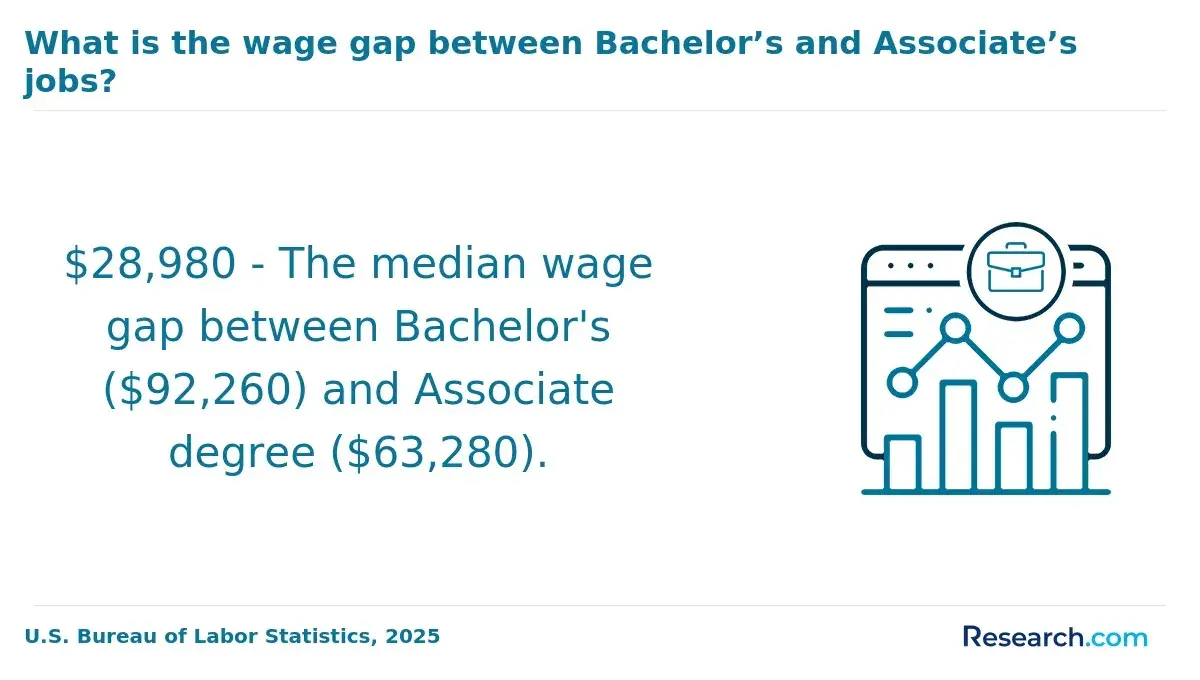
Accreditation rigor directly shapes the professional credibility and practical utility of an online bachelor's in nutrition degree. Regional accreditation recognized by the U.S. Department of Education or the Council for Higher Education Accreditation (CHEA) is the essential baseline; lacking it, graduates often encounter obstacles in licensure, credit transfers, and employer acceptance.
More than baseline legitimacy, specialized Accreditation Council for Education in Nutrition and Dietetics (ACEND) approval determines eligibility for Registered Dietitian Nutritionist (RDN) certification, a gatekeeper for many nutrition-related clinical roles. Employers and clinical placements prefer candidates from ACEND-accredited programs because they meet stringent competency standards established by the Commission on Dietetic Registration.
Practical evaluation steps include:
- Verifying regional accreditation on official U.S. DOE or CHEA websites.
- Requesting explicit accreditation and ACEND documentation from program advisors.
- Comparing curriculum and clinical prerequisites against ACEND requirements.
- A critical, often overlooked factor is residency-based tuition differentiation in online programs. For example, Purdue Global charges $5,302 annually for in-state students versus $28,164 for out-of-state students despite delivering equivalent nutrition coursework. This pricing disparity significantly impacts budgeting strategies and should influence enrollment decisions independent of program quality.
Choosing programs that lack ACEND accreditation or hold only regional accreditation narrows licensure pathways and diminishes employer confidence, especially in healthcare and public health roles where documented competency matters. Financial planning for nutrition degrees must also consider institutional cost variances not reflected in program content. For comparative cost analysis in related fields, consult hospital administration course fees for broader perspective on pricing structures.
What admission requirements and prerequisites do online nutrition bachelor's programs typically have?
Admission criteria for online nutrition bachelor's programs typically extend beyond a diploma or GED to encompass minimum GPA thresholds-often between 2.5 and 3.0-and submission of standardized test scores such as the SAT or ACT. Increasingly, programs waive these test requirements based on prior academic history or relevant professional experience. Foundational prerequisites in biology, chemistry, and math are common, ensuring a baseline capability for the rigorous science-based curriculum that follows.
Students without adequate background face extended timelines and costs by needing prerequisite courses in anatomy, physiology, or general chemistry. This reality is critical when budgeting, considering programs like Kansas State University's online dietetics degrees where per-credit tuition ranges from $468.75 to $611.13. Such costs amplify when accounting for 120-credit degree requirements and any additional prerequisites.
Transfer students must verify previous coursework via transcripts and meet credit minimums to enroll, while working professionals often submit letters of recommendation and résumés to demonstrate commitment and readiness for online learning platforms with virtual labs. These requirements reflect the practical challenges embedded in the admission criteria for online nutrition bachelor's programs.
For students navigating these complexities alongside employment, understanding transfer credit value and technological readiness can shape outcomes significantly. Related health education pathways, such as RN to BSN online programs, offer a comparative view on managing rigorous admission and prerequisite standards.
What courses, projects, and hands-on learning are included in an online nutrition curriculum?
A curriculum heavily weighted toward nutrition and sciences-as seen in the University of Alabama's BS in Food and Nutrition, which allocates 79 of 120 credits to major and foundational coursework-is a clear response to employer demands for candidates with robust scientific literacy. This depth is necessary for roles spanning dietetics, food service management, and community health, where applied biochemistry and physiology knowledge underpin effective interventions.
Core components balance theory with skill-building:
- Scientific coursework in metabolism and life cycle nutrition builds the analytical foundation expected in clinical and public health environments.
- Applied projects, such as diet analysis and nutrition software utilization, provide concrete abilities relevant to wellness coaching and dietitian practices.
- Supervised internships or virtual simulations offer avenues to practice patient communication and regulatory standards despite the absence of on-site labs.
However, purely online programs often compel students to supplement practical training with in-person clinical hours or certified fieldwork, presenting logistical challenges for working adults. Prospective students must carefully evaluate whether program credit distributions align with their desired career focus and if adequate hands-on exposure is available.
Those targeting public health should confirm the inclusion of community nutrition projects using real-world datasets. Conversely, students aiming for direct clinical roles must ensure sufficient lab-based experience or accessible practicums to meet credentialing standards without delay. The interplay of academic rigor and experiential requirements directly impacts time-to-employment and long-term job readiness.
How long does it take to complete an online bachelor's in nutrition and can you study part-time?
The timeline for completing an online bachelor's in nutrition varies significantly with the chosen study format, and these differences shape critical career and financial outcomes. A traditional full-time path spans about four years, while accelerated options condense this to 2-3 years by increasing coursework intensity or offering year-round study. This accelerated route suits those able to prioritize their education heavily but can strain students managing full-time jobs or family responsibilities.
Conversely, part-time enrollment extends the program to 5-6 years, providing needed flexibility for professionals balancing work and caregiving but potentially slowing skill acquisition and delaying readiness for roles demanding practical nutrition experience. This slower track may limit exposure to hands-on projects vital for employment in clinical or community settings, where applied competencies often outweigh theoretical knowledge.
Key tradeoffs to consider include:
- Accelerated study accelerates workforce entry but increases the risk of burnout and academic pressure.
- Part-time study offers manageable pacing yet may affect networking opportunities and timely skill development.
- Program formats must maintain sufficient experiential learning components to meet employer expectations.
For example, a registered dietitian transitioning from a related health sector may opt for accelerated study to leverage prior experience quickly, while a parent returning to education might prioritize part-time flexibility to sustain income without overload.
How much does an online nutrition bachelor's cost, and what financial aid options are available?
Choosing an online bachelor's degree in nutrition involves navigating substantial cost variability and ancillary expenses that impact the total investment. Public, in-state programs generally cost between $15,000 and $25,000, while private institutions often exceed $35,000 before adding fees for materials or exam proctoring, which can tack on $1,000 to $3,000 annually. This wide range requires prospective students to weigh the tradeoffs between tuition savings and potential hidden costs that may not be obvious upfront.
Financial aid options play a critical role in managing these expenses. Federal aid such as Pell Grants and low-interest student loans form the baseline for most applicants, but institutional scholarships tied to healthcare priorities or diversity can materially reduce net costs if secured early. Employer tuition assistance, often reimbursing 50% to 100% of tuition, is an underutilized lever for working professionals shifting into nutrition fields, though it typically requires work commitments post-graduation.
Practical financial planning must also consider program eligibility for FAFSA and state aid initiatives, as well as the costs associated with dietitian certification preparation after graduation. These certification expenses can significantly affect the overall budget for those targeting credentialed careers.
From a workforce perspective, median wages of $69,680 for dietitians and nutritionists versus $62,860 for health education specialists indicate a meaningful return on investment for students able to leverage strong financial aid. This differential highlights the strategic value of selecting programs aligned with employability and long-term income potential.
What entry-level nutrition and health careers can you pursue with this online degree?
Online bachelor's degrees in nutrition primarily open pathways to support and educational roles rather than immediate clinical practice. Graduates often enter positions such as nutrition assistants, community health educators, dietary technicians, or program coordinators. For instance, a nutrition program coordinator at a public health agency might oversee outreach targeting at-risk populations like diabetics, which requires a blend of applied nutrition knowledge and project management skills acquired through career-focused curricula.
While regionally accredited online degrees, including BS in Nutrition and Dietetics or BS in Nutritional Science, align with ACEND accreditation frameworks facilitating licensure pathways, employers in clinical dietetics expect supervised practice or graduate credentials for Registered Dietitian (RD) eligibility. This limits direct entry into clinical dietetics for most bachelor's graduates from online programs.
Non-clinical entry-level roles emphasize communication, data management, and proficiency with electronic health records and nutrition software. Nutrition outreach positions in government or nonprofit sectors focus on designing community-based interventions grounded in evidence-based nutrition science.
Career trajectories improve with internships or supervised practice aligned with ACEND standards. Without such experience, graduates face constrained advancement toward licensed clinical roles, though demand persists for nutrition education and program support professions across diverse settings.
What certifications, licenses, or graduate study might be required for advanced nutrition roles?
Securing advanced roles in nutrition demands more than a bachelor's degree; employers and state regulations consistently prioritize credentialing that validates both knowledge and supervised experience. For clinical and many community-oriented positions, the Registered Dietitian Nutritionist (RDN) credential remains the benchmark, requiring candidates to complete approximately 50-56 credit hours in specialized nutrition coursework plus 20 credit hours in related sciences-making up about 60%-63% of their degree. These academic standards align with Accreditation Council for Education in Nutrition and Dietetics (ACEND) requirements and are coupled with mandatory supervised internships, which can create bottlenecks for students in programs lacking clear internship pathways.
Specializations such as sports nutrition or obesity management typically require additional certifications like Certified Specialist in Sports Dietetics (CSSD) or Board Certified Specialist in Obesity and Weight Management (CSOWM). These credentials demand demonstrated field experience and successful examination, reflecting employer expectations for focused expertise in competitive markets.
In some states, professional practice requires Licensed Dietitian Nutritionist (LDN) status, imposing distinct requirements for education, practice hours, and continuing education. Without these credentials, nutrition graduates often find their job prospects limited to entry-level roles with restricted responsibilities. Prospective students should verify that their chosen programs comply with ACEND standards and facilitate accredited internships to avoid costly delays in credentialing and workforce entry.
How can you choose a reputable, career-focused online nutrition bachelor's program that fits your goals?
Selecting a career-oriented online nutrition bachelor's program demands careful evaluation of accreditation, curriculum focus, and real-world project experience that collectively enhance employability. Accreditation by recognized bodies such as the Accreditation Council for Education in Nutrition and Dietetics (ACEND) is critical; it signals program legitimacy and aligns with employer expectations. Programs incorporating applied nutrition projects-like community assessments or clinical case studies-offer practical skills essential for roles in diverse settings, from wellness centers to food service management.
Cost differences among programs can be significant, ranging roughly between $5,900 and $9,700 annually for in-state tuition, and similar figures for out-of-state, based on aggregate data. Prospective students must weigh expenses against measurable outcomes such as job placement rates, certification exam success, and the value of internships. For example, a working parent pursuing a clinical dietitian career might prioritize a mid-tier accredited program that provides strong internship opportunities over a cheaper but less rigorous option lacking hands-on exposure.
Faculty expertise and established employer relationships also influence the program's relevance to current workforce demands, especially in specialized nutrition roles within hospitals or research settings. Additionally, flexible online scheduling and reliable technical support are essential factors to maintain academic progress alongside professional obligations.
Ultimately, prioritizing programs that demonstrate tangible graduate success and integrate applied nutrition projects ensures a more strategic educational investment and practical readiness for evolving nutrition careers.
Other Things You Should Know About Nutrition
Online nutrition programs in 2027 often integrate virtual labs, simulations, and career-focused projects to ensure students develop practical skills. These innovative approaches help students gain hands-on experience essential for success in nutrition careers, often matching on-campus programs' effectiveness.
Specializations like dietetics, community nutrition, or sports nutrition shape your job market opportunities and potential salary. Without a clear focus, graduates might face challenges differentiating themselves in the job market. If your goal is clinical or licensed nutrition roles, prioritize programs with strong dietetics tracks aligned with supervised practice; otherwise, choose concentrations with demonstrated employer demand relevant to your career targets.
Online formats reduce in-person networking opportunities, which can impact building professional connections critical for job referrals and mentorship. However, some online programs mitigate this through active career services, virtual job fairs, and strong alumni networks. When selecting a program, emphasize those with robust support for professional networking and industry engagement, as these services directly correlate with improved job placement outcomes.
Balancing coursework, career projects, and possibly internships with full-time work creates a significant time commitment. Online programs vary sharply in flexibility; asynchronous courses offer easier scheduling but may require more self-discipline, while synchronous classes can constrain work hours. Working professionals should prioritize programs explicitly designed for adult learners with flexible pacing options, to avoid burnout and ensure steady progression toward their degree.
References
- Nutrition Degree Programs Guide 2026 https://www.publichealthonline.org/nutrition/degree-programs/
- 3 Types of Nutrition Certifications | University of Bridgeport https://www.bridgeport.edu/news/nutrition-certifications/
- Most Affordable Nutrition Programs | Degrees https://becomeanutritionist.org/most-affordable-nutrition-programs/
- Home https://www.husson.edu/online/online-degrees/bachelor-of-science-in-nutrition-and-health
- Tuition for Holistic Nutrition Programs | Holistic Nutrition https://ihn-on-line.com/tuition/
- Nutritionists & Health Professionals https://www.theana.org/certify/become-a-cns/nutritionists-health-professionals/
- Nutritional Science Distance Learning Germany – Compared https://www.fernstudi.net/en/onlinestudies/health-social/nutritionalscience
- The Nutrition Institute https://www.thenutritioninstitute.com/us/en/course
- Eligibility & Requirements https://www.kumc.edu/school-of-health-professions/academics/departments/dietetics-and-nutrition/academics/online-masters-program/eligibility-and-requirements.html
- QQI Nutrition course - Online Courses Ireland. https://www.cmit.ie/healthcare-elearning-courses-distance-learning-courses/qqi-nutrition-5n2006/