2027 Nutrition Specializations for Health Coaching Careers

Co-Founder and Chief Data Scientist
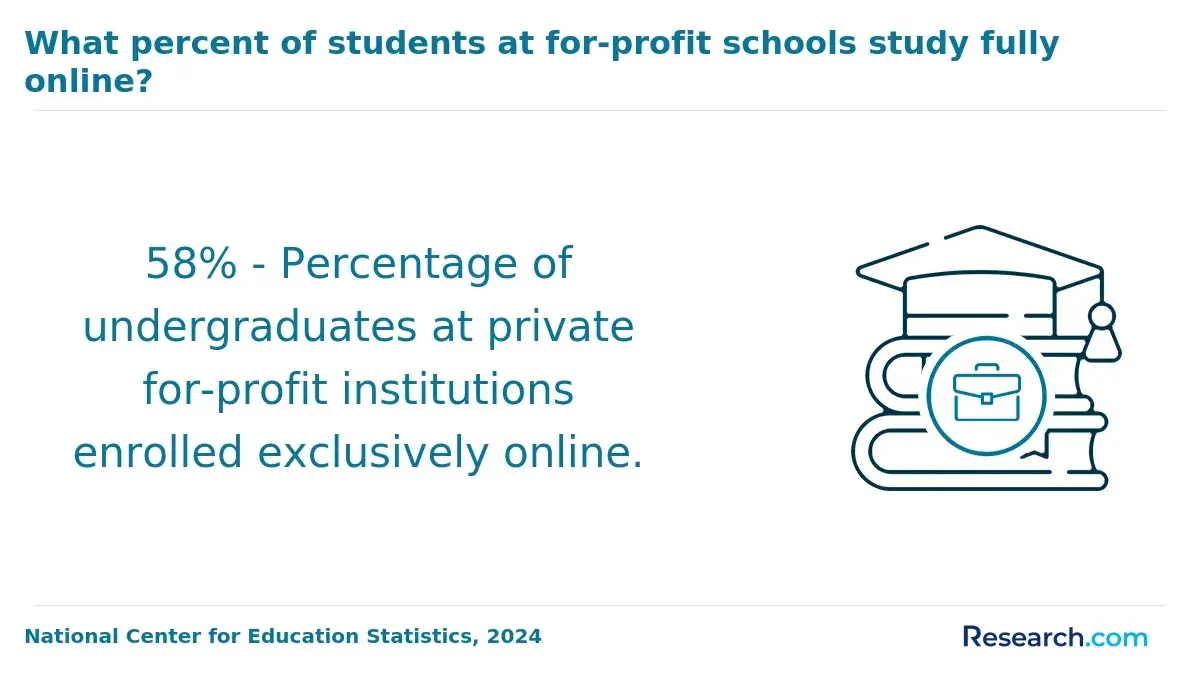
Aspiring health coaches specializing in nutrition confront a critical dilemma: how to select a program that balances accelerated career entry with credible specialization. With workforce demand for credentialed nutrition coaches projected to grow over 15% by 2030 according to the U. S. Bureau of Labor Statistics, delayed credentialing risks missing expanding job opportunities. Meanwhile, data from the National Center for Education Statistics indicate that nearly 60% of nutrition learners enroll via flexible online or hybrid formats, underscoring the need for accessible options amid shifting adult learner priorities and busy schedules. This article evaluates current nutrition specialization pathways for health coaching careers, focusing on program flexibility, credential relevance, and long-term career viability to guide strategic educational decisions.
Key Things You Should Know
- Specializing in sports nutrition yields 12% higher median earnings but requires 1,000+ practical hours for certification, limiting access for working adults, according to the Academy of Nutrition and Dietetics 2024 workforce data.
- Employers in clinical settings now prioritize candidates with integrated behavioral nutrition credentials, reflecting a 35% growth in demand since 2022 per the U.S. Bureau of Labor Statistics.
- Fast-track certifications reduce time-to-employment by 30% but trade off depth of biochemical training, affecting long-term career advancement in precision nutrition roles as reported in 2024 university program outcomes.
What is a nutrition specialization for health coaching careers?
Specializing in nutrition within health coaching demands navigating a complex intersection of scientific knowledge and practical constraints. More than half of health coaches (55%) identified this focus in the 2023 YourCoach Health Coaching Industry Report, signaling widespread employer demand for nutrition specialization options for health coaching that deliver measurable client dietary improvements and health outcomes.
Health coaches who pursue this path must integrate nutritional science, individualized meal planning, and behavioral strategies tailored to conditions like diabetes or cardiovascular disease. However, licensure limitations in many states restrict who may provide nutrition advice, an operational barrier that influences scope of practice and liability. For example, a coach embedded in primary care must carefully balance nutritional guidance with medical treatment plans, requiring expertise in nutrient-drug interactions and patient adherence challenges.
Programs that effectively prepare students mix applied nutrition sciences with motivational interviewing and case-based learning. Candidates aiming for a master of science in dietetics should evaluate whether curricula comprehensively address regulatory requirements and real-world cultural or economic client variability. Staying current with evolving dietary guidelines and government nutrition accuracy standards is imperative for compliance and effectiveness.
Key workforce implications include the need for ongoing professional development and practical coaching skills that meet employer expectations in clinical, corporate, and wellness sectors. These factors underscore the benefits of nutrition certification in health coaching careers while highlighting tradeoffs in educational investment and regulatory navigation.
Prospective students can explore detailed program options such as the master of science in dietetics to align their education with these complex demands.
Which nutrition programs are accredited for health coaching?
Programs accredited by recognized bodies such as the National Commission for Certifying Agencies (NCCA) or regional higher education accreditors provide the necessary rigor and workforce relevance for nutrition coaching careers. These accredited nutrition coaching programs in the US align their curricula with the Academy of Nutrition and Dietetics standards, often through Didactic Programs in Dietetics (DPDs) or focused certificate programs emphasizing behavioral coaching and clinical foundations.
Employers in clinical and corporate wellness sectors commonly prefer candidates with accredited bachelor's or master's degrees incorporating health coaching components. Without such accreditation, health coaches risk limited eligibility for insurance reimbursements, clinical partnerships, and regulated employer frameworks.
For example, a registered dietitian transitioning to corporate health coaching can benefit from accredited advanced certificates that include training on motivational interviewing and chronic disease management. In contrast, holders of non-accredited certificates may face restricted employment benefits or insurance collaborations.
The growth of the global digital nutrition and diet coaching market-projected from USD 2,440.6 million to USD 4,973.6 million by 2030-makes program accreditation a key differentiator for long-term career resilience. Practical decision-making should weigh program endorsement alongside curricula that meet evolving industry standards.
Prospective students weighing options should also consider complementary education pathways; for example, exploring healthcare administration courses online can broaden opportunities in integrated health services roles.
Choosing among the best certified nutrition courses for health coaches requires balancing accreditation status, curriculum depth, and employer expectations to maximize real-world impact and career viability.
What education do nutrition health coaches need?
Targeted postsecondary education is essential for nutrition health coaches to meet employer and client expectations. Basic certificates teach macronutrients, micronutrients, and counseling techniques, but demand is rising for credentials that reflect a deeper understanding of physiology, biochemistry, and behavior change. Education and training programs for nutrition health coaching careers must be chosen with clear employment goals in mind-clinical or corporate wellness roles often require four-year degrees accredited to satisfy regulatory and insurance criteria.
This distinction is not academic alone; it affects earning potential significantly. Full-time nutrition coaches earn an average of USD 47,000 annually, compared to just USD 9,000 for part-time practitioners, emphasizing the need for credentials that support sustained employment. Furthermore, nutrition certification requirements for health coaches include legal and ethical training to navigate scope of practice limits and state licensing rules, vital for avoiding costly missteps and qualifying for higher-paying positions.
In practice, a coach employed by a medical rehabilitation center must hold formal credentials recognized by healthcare providers to collaborate effectively-demonstrating the divergence between clinical credentialing and lifestyle or fitness-focused coaching education. For prospective students evaluating options, a healthcare management degree may complement nutrition credentials for roles involving administrative or broader health services.
Are online nutrition programs better than campus programs?
The choice between online nutrition programs and campus programs hinges largely on career objectives and workforce demands. For working professionals aiming to build scalable, entrepreneurial health coaching careers, online nutrition programs offer unparalleled flexibility and access to digital coaching tools essential for client engagement and retention. Meanwhile, campus programs tend to align better with roles requiring clinical rigor and regulatory compliance, such as dietitians in hospital or institutional settings where hands-on practice is non-negotiable.
Employers in health coaching increasingly prioritize demonstrated client outcomes and practical skills over the education delivery format. For instance, an independent coach leveraging credentials from the best online nutrition courses for health coaching careers can capitalize on flexible, virtual client models that reflect current market demand. In contrast, campus programs often come with higher upfront costs and lengthier completion times, potentially delaying a practitioner's income stream.
Several real-world tradeoffs merit consideration:
- Online programs reduce geographic barriers and facilitate immediate application of telehealth protocols.
- Campus-based education provides deeper peer networking and clinical mentorship.
- Regulated health professions requiring medical nutrition therapy depend on the foundational clinical training campus programs provide.
Pricing data also underscores these differences: 80% of industry revenue in nutrition coaching flows from individualized online coaching, with average packages around $254 monthly. Those weighing program length and cost might also explore pathways such as the 6 month RN to BSN program for accelerated credentials in related health fields.
What courses are included in nutrition specialization programs?
Effective nutrition specialization programs extend beyond foundational science, prioritizing practical competencies that align with distinct workforce demands. Employers value graduates who can integrate clinical nutrition knowledge-such as managing dietary interventions for diabetes or cardiovascular disease-with behavioral strategies to enhance client adherence. This synthesis equips professionals to handle complex health profiles rather than only delivering generic advice.
Key curriculum elements include food science and culturally competent diet planning, ensuring interventions resonate across diverse populations. Moreover, proficiency in digital health and data literacy is increasingly essential, allowing professionals to interpret client metrics from apps and wearables, a capability linked to a near-doubling of the nutrition coaching market by 2030, per Grand View Research.
Practical experience through supervised internships or clinical practicums significantly improves job readiness but varies widely among programs. Ethical and legal training focused on scope of practice delineations versus registered dietitian requirements remains important as telehealth and private practice expand. Students must weigh programs for those balancing applied practice and up-to-date digital content, avoiding purely theoretical curricula that may hinder immediate employability.
In selecting a program, prospective nutrition coaches need to consider that lacking experiential learning or digital fluency can create skill gaps, especially as roles demand both scientific literacy and technological adaptability for effective nutrition care delivery.
What admission requirements do nutrition programs usually have?
Admission into nutrition programs often hinges on more than a high school diploma, reflecting employer expectations for candidates who can bridge scientific knowledge with applied skills. Competitive bachelor's or associate pathways typically require prerequisite courses in biology and chemistry, critical for understanding human health. Graduate-level credentials commonly demand an undergraduate degree in health sciences or biology and coursework demonstrating quantitative proficiency, such as statistics, signaling a readiness for data-driven decision-making in the field.
Workforce outcomes favor applicants bringing relevant client-facing experience. For example, a working professional shifting into nutrition coaching improves employability by documenting volunteer or work exposure to health counseling, an asset that programs may mandate or reward. This practical background mitigates the often-lengthy prerequisite burden for those without formal science training, a key consideration given the average annual salary near $71,700 and a 7% employment growth forecast through 2033 according to NutritionED's analysis of Bureau of Labor Statistics data.
Flexible program formats supporting part-time or online study cater to working adults but may add layers of requirement such as proof of digital literacy. Aspiring nutrition coaches must also carefully confirm program accreditation and compliance with state licensure demands, especially where registered dietitian credentials unlock broader counseling or clinical roles. Failure to align prerequisites and credentials with individual career goals risks costly delays in entering a labor market that weighs analytical skill, practical experience, and verified qualifications heavily.
How long do nutrition specialization programs take?
The duration of nutrition specialization programs significantly influences career trajectories and employer expectations in this competitive field. Certificate programs lasting 3 to 6 months provide foundational skills suitable for roles like wellness coaching but typically do not fulfill criteria for clinical or registered dietitian positions.
Longer diploma or associate degree pathways, spanning 1 to 2 years, combine coursework with supervised practice, which better prepares candidates for recognized credentialing exams and more advanced employment settings such as healthcare facilities. For instance, clinical dietitian roles often require a bachelor's degree plus supervised practice over approximately four years, highlighting a more extensive commitment.
Workforce data from FeastGood's 2024 survey reveals that nutrition coaches allocate an average of USD 960 annually to continuing education, demonstrating that initial training length is only part of career sustainability. Shorter programs may lead to frequent recertification and ongoing education costs to remain competitive, whereas longer programs tend to reduce this recurrent burden by delivering deeper expertise upfront.
- Short-term certificates enable rapid market entry but restrict advancement and often increase continuing education expenses.
- Multi-year programs require greater initial investment but enhance eligibility for diverse roles and reduce repetitive credentialing demands.
Prospective students must carefully evaluate these tradeoffs in time, cost, and career goals to align educational choices with employer standards and the dynamic nature of nutrition credentials.
How much do nutrition specialization programs cost?
Cost remains a defining factor when selecting a nutrition specialization program, directly influencing employability outcomes and professional trajectory. Entry-level certificate programs priced between $1,200 and $3,500 typically cover foundational nutrition knowledge and basic coaching skills. These suit working professionals seeking expedited credentialing with minimal financial risk but may limit advancement in clinical or reimbursed coaching roles.
Conversely, more comprehensive programs, often embedded within graduate certificates or health coaching certifications, range from $4,000 to $10,000, reflecting their in-depth curricula on clinical nutrition science, behavior change, and business application. Employers in healthcare or private practice often require such rigor, making this investment necessary for roles demanding recognized credentials.
Key tradeoffs in choosing a path include:
- Balancing upfront cost against program credibility and long-term job market value
- Considering additional expenses such as exams, materials, or retakes which inflate total investment
- Aligning program scope with target employment sectors-from fitness-focused wellness roles to clinical or insurance-based coaching
Given that 55% of practicing coaches specialize in nutrition, competition intensifies, incentivizing well-priced programs that deliver market-relevant skills. A practical scenario: a wellness coach seeking entry-level positions may prudently select a lower-cost certificate, whereas a clinician targeting insurance reimbursement must prioritize rigorous, accredited credentials despite higher expenses.
What jobs can nutrition health coaches get?
Nutrition health coaching roles demand a clear alignment between credentialing and employment settings, with NBC-HWC board certification frequently unlocking higher-paying hospital or outpatient clinic positions. Those without such certifications often find themselves restricted to community or entry-level roles, which impacts both salary ceilings and job scope. Employers increasingly prioritize candidates who combine clinical knowledge with measurable client engagement, technological skills, and the ability to collaborate across disciplines.
In hospital-affiliated outpatient programs, coaches act as care coordinators overseeing personalized dietary interventions for chronic conditions such as diabetes or gastrointestinal disorders, operating under physician guidance. Conversely, corporate wellness programs focus on preventive nutrition through scalable initiatives, requiring proficiency in behavior change tactics and data analysis to demonstrate return on investment.
Private practice or entrepreneurial paths necessitate niche specialization-like pediatric nutrition or sports performance-and marketing acumen to differentiate services in a crowded marketplace. Public health roles expand responsibilities to population health metrics and grant writing, demanding a broader policy and community impact perspective.
Practical tradeoffs include balancing deep specialization with ongoing certification demands and interdisciplinary communication. Candidates must map credential acquisitions to desired work environments while addressing employer expectations for both clinical expertise and operational effectiveness.
- Board certification correlates with median annual salaries near USD 97,000, reflecting market valuation of advanced specialization.
- Functional nutrition expertise, especially in gut health and autoimmune conditions, presents stronger career and income prospects.
What certifications improve nutrition health coaching careers?
Certification choices within nutrition health coaching substantially define employability and income potential, with the Certified Nutrition Specialist (CNS) credential demanding a master's degree and 1,000 supervised practice hours, making it a high-barrier yet high-value qualification favored by clinical employers. In contrast, the National Board for Health & Wellness Coaching (NBHWC) certification emphasizes evidence-based behavior change and is increasingly required by health systems and insurers integrating coaching services. These certifications leverage distinct employer expectations and yield access to roles commanding salaries near USD 60,000 in a market valued at USD 7.8 billion, reflecting the premium on validated expertise amidst competitive demand.
Industry segmentation influences certification relevance: sports nutrition certifications align with roles supporting athletes in specialized clinics or teams, while diabetes education credentials better position coaches in chronic disease prevention settings driven by insurers or healthcare providers aiming to reduce costs. Candidates must weigh the cost, time, and renewal expenses of specialized credentials against their alignment with targeted employer needs and local market dynamics.
Overextension through multiple or excessively broad certifications can stall earnings growth and diffuse professional focus. As the field projects to reach USD 9.17 billion by 2028, early alignment with employer priorities and clearly defined career goals materially impact placement, client volume, and financial return over time.
Other Things You Should Know About Nutrition
Broad nutrition education offers versatility, enabling health coaches to address general dietary needs, while niche specialization allows focus on specific areas like sports nutrition or gut health for targeted expertise. In 2027, balancing both can enhance career prospects by meeting diverse client needs and market demand.
Programs with high intensity and heavy workloads can accelerate competency but may limit time for practical application and reflection, which are crucial for effective coaching. Overloading students often leads to superficial understanding rather than mastery, especially in behavioral coaching skills. Choosing a program with balanced course pacing and integrated experiential learning improves skill retention and real-world readiness. Evaluate not just credit hours but how programs structure fieldwork or internships to measure true training quality.
Employers increasingly value demonstrated coaching skills and client interaction experience alongside formal education credentials. In many health coaching roles, practical experience directly correlates with job performance, especially in behavior change and client engagement. Formal education establishes foundational knowledge but without real-world experience, candidates may struggle to meet employer expectations for effective communication and individualized guidance. Prioritize gaining supervised practice opportunities during or immediately after your program.
References
- The Role of a Health Coach in Nutrition: Empowering Change within our Scope of Practice https://www.healthcoachesacademy.com/post/the-role-of-a-health-coach-in-nutrition-empowering-change-within-our-scope-of-practice
- How Long Does It Take to Become a Nutritionist? - Become A Nutritionist https://becomeanutritionist.org/blog/how-long-does-it-take-to-become-a-nutritionist/
- NASM Certified Nutrition Coach (CNC) | Science-Backed Nutrition https://www.nasm.org/products/certified-nutrition-coach
- The Jobs You Can Do as a Nutrition Coach (Career Opportunities) https://www.foodmattersinstitute.com/article/jobs-you-can-do-nutrition-coach-career-opportunities
- Health Coach vs Nutritionist: Which Certification to Pursue? | ISSA https://www.issaonline.com/blogs/nutrition/health-coach-vs-nutritionist-which-certification-to-pursue
- Nutrition, Health & Wellness Coaching Diplomas https://www.wellcollegeglobal.com/
- Understanding the Difference Between a Health Coach, Nutritionist and Dietitian - Wellness Coaching Australia https://www.wellnesscoachingaustralia.com.au/understanding-the-difference-between-a-health-coach-nutritionist-and-dietitian/
- Nutrition Degree Programs Guide 2026 https://www.publichealthonline.org/nutrition/degree-programs/
- Health Coach vs. Registered Dietitian Nutritionist | Dietitians On Demand Blog https://dietitiansondemand.com/health-coach-vs-registered-dietitian-nutritionist/
- Become A Health & Nutrition Coach https://www.beckhealth.com.au/health-nutrition-coaching/