2027 Online Nutrition Degrees With Strong Population Nutrition Training

Co-Founder and Chief Data Scientist
Registered dietitians and public health professionals often confront bottlenecks when seeking advanced population nutrition training due to rigid campus schedules and limited specialized programs aligned with community health needs. Recent data from the National Center for Education Statistics reveal a 45% increase in online degree enrollment among adult learners since 2022, signaling a shift toward flexible education that better accommodates working professionals balancing family and career demands. Yet, not all online nutrition degrees equally prepare graduates for population-focused roles, where epidemiological methods and policy applications are critical. This article evaluates online nutrition programs offering strong population nutrition training, helping prospective students choose paths that maximize workforce readiness and practical impact.
Key Things You Should Know
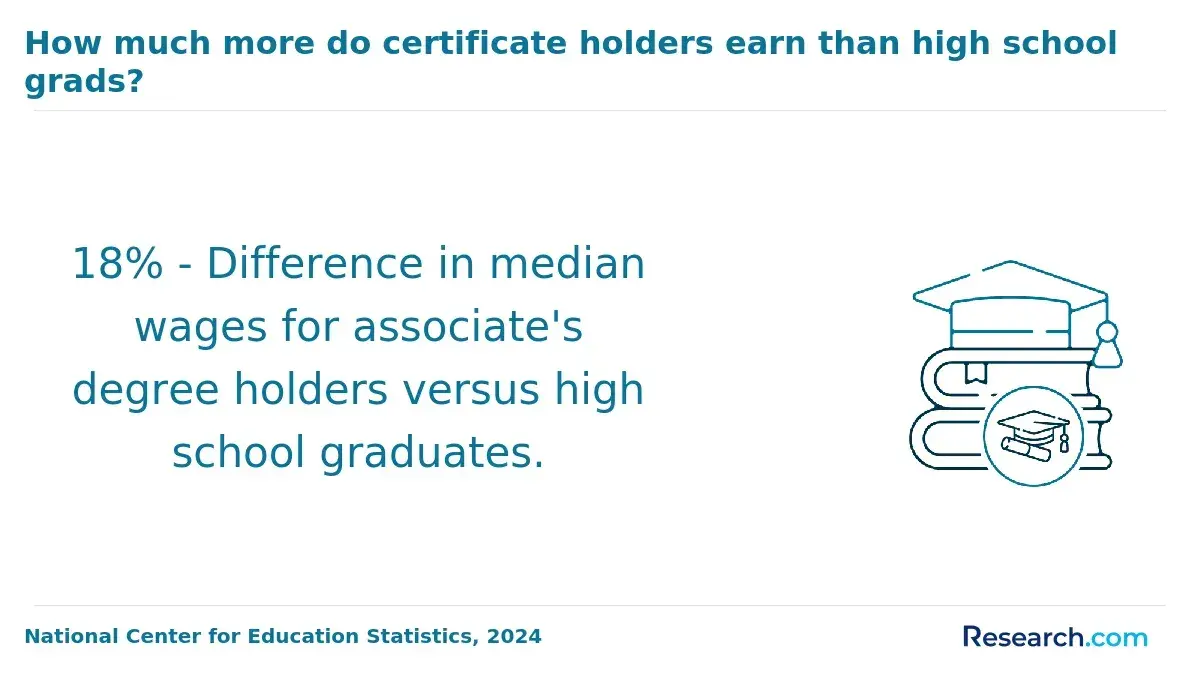
- Only 35% of online nutrition degrees in 2024 integrate population nutrition competencies, causing strategic skill gaps that limit graduates' eligibility for public health nutrition roles with median salaries 18% above individual nutrition professionals, per Bureau of Labor Statistics data.
- Employers prioritize experiential community nutrition project experience; purely didactic online programs yield 24% lower internship placement rates, reducing competitive advantage in credentialed roles within government and non-profit sectors.
- Programs with population nutrition focus average a 22-month completion timeline versus 15 months for traditional nutrition degrees, imposing higher opportunity costs-critical for career switchers balancing lost income and upskilling timelines, according to National Center for Education Statistics.
What is an online nutrition degree with a population nutrition focus?
Population nutrition-focused online degrees concentrate on equipping students to address nutritional challenges at the community or public health level instead of individual clinical care. These programs prioritize epidemiology, public health data analytics, and policy development to create scalable interventions. Graduates are expected to navigate complexities such as coordinating cross-sector initiatives and interpreting diverse socio-economic and cultural factors impacting diet-related health outcomes.
For example, a state health department professional might apply this training to design campaigns that reduce childhood obesity in underserved areas by leveraging environmental and demographic data. This contrasts significantly with clinical dietetics, which centers on individualized patient care.
The population nutrition training in accredited online programs demands proficiency in biostatistics tools and practicum experience in varied community settings-components that require synchronous collaboration and locally arranged fieldwork.
Employment projections from the U.S. Bureau of Labor Statistics indicate a 6% growth rate for dietitians and nutritionists through 2032, reflecting steady demand in both public and private sectors. Employers seek candidates who can translate population-level data into effective programs addressing food security and health education at scale.
Prospective students assessing a nutrition school online with a population health emphasis should weigh the logistical challenges of remote practicum coordination against the expanded career pathways that emphasize policy and program management over direct patient interaction.
How do online nutrition programs compare to campus-based options for population nutrition?
Online nutrition degree population nutrition training comparison reveals critical differences in experiential learning and networking that affect employability in public health roles. Campus-based programs typically mandate supervised field practicum hours and provide direct access to labs, internships, and community projects, which employers view as proof of practical competence beyond academic theory.
In contrast, online nutrition degree population nutrition training faces challenges replicating real-world exposure. For example, public health nutritionists working in school or health department settings require verified field experience, often more systematically embedded in on-campus curricula. Online students must therefore be proactive in securing local internships or supervised fieldwork if these are not offered by their programs.
Students balancing full-time jobs or family commitments benefit from the flexibility of online programs but encounter limitations in spontaneous peer collaboration and network building crucial for mid-career mobility in population nutrition roles. The surge in remote learning includes a 30% increase in online bachelor's programs from 2019-20 to 2024, intensifying competition among graduates with mainly virtual training.
Evaluating programs requires attention to:
- Verification of compulsory supervised field experiences in population nutrition.
- Availability of interactive virtual labs or case studies.
- Institutional support for local internship placement and mentorship.
Those seeking pathways comparable to campus-based training may also explore healthcare administration courses online to broaden their public health credentials, as detailed in healthcare administration courses online. Navigating these tradeoffs ensures alignment with workforce expectations and meaningful career progression.
Which U.S. online nutrition degrees offer strong population nutrition training?
In U.S. online nutrition degrees that emphasize population nutrition training, practical skills in data interpretation and culturally sensitive program design are essential. Graduates ready for public health roles must handle nutritional epidemiology datasets and devise community outreach strategies addressing diet-related disparities. For instance, state health department nutritionists routinely analyze regional health trends and implement cost-efficient interventions, reflecting the workforce's demand for such competencies.
Top accredited online nutrition programs in the United States-such as those at Arizona State University, Purdue University Global, and the University of Alabama-integrate epidemiology, community health, and public policy with core nutrition science.
This alignment prepares students for careers with government agencies and NGOs targeting large-scale nutrition challenges. However, flexibility varies: Purdue Global offers fully asynchronous courses suitable for working professionals, while other programs may require synchronous attendance or local internships.
Accreditation by the Accreditation Council for Education in Nutrition and Dietetics (ACEND) significantly affects eligibility for registered dietitian certifications, which remain important for certain population nutrition roles.
Cost differences between in-state and out-of-state tuition for online bachelor's degrees are relatively narrow-$9,752 average in-state tuition versus $9,209 out-of-state-but students should prioritize program quality and specialization over marginal savings. Those weighing options should also consider program outcomes beyond price.
Prospective students evaluating the best U.S. online degrees with population nutrition focus should examine tradeoffs between operational demands, accreditation status, and alignment with employer expectations. For a broader view of healthcare education pathways with similar workforce relevance, consult healthcare administration courses.
What accreditation should online nutrition and public health nutrition programs have?
Accreditation from bodies like the Accreditation Council for Education in Nutrition and Dietetics (ACEND) is a pivotal factor for online public health nutrition programs, directly influencing graduates' eligibility for licensure and employment. Programs without ACEND or comparable regional accreditation often leave students unable to sit for the Registered Dietitian Nutritionist (RDN) exam, a requirement many public health agencies and nonprofits enforce.
This reality creates significant practical barriers, especially for those aiming to work in population nutrition roles that demand community-based assessment and policy expertise.
Employers consistently prefer candidates from accredited nutrition degrees with population nutrition focus because these programs ensure critical competencies and supervised practice hours. Graduates from non-accredited schools frequently face extended credentialing timelines or diminished salary prospects.
Given that dietitians and nutritionists earn a median annual salary of $73,850, surpassing the general workforce by more than $20,000, choosing accredited programs mitigates costly credential delays and reinforces market competitiveness.
Prospective students should also confirm that an online program aligns with their state's licensure criteria, where graduation from ACEND-accredited schools is commonly required. Selecting non-accredited paths can stall career pivots and restrict access to federal funding or tuition reimbursement options.
For those navigating educational decisions, comparing pathways alongside criteria like supervised practice and accreditation can clarify value-which is why consulting resources such as the best value nursing education online WGU analysis can offer practical guidance beyond nutrition alone.
What coursework and skills are taught in population-focused online nutrition degrees?
Population-focused online nutrition degrees equip graduates with critical skills to navigate complex public health challenges but require deliberate evaluation of practical tradeoffs. Core training involves epidemiology centered on chronic disease, biostatistics for analyzing health data, and advanced human nutrition emphasizing macronutrient and micronutrient impacts at the community level.
However, employers increasingly demand proficiency in applied statistical software and health communication, competencies often underrepresented unless the program incorporates hands-on practica or capstone projects.
Graduates working in public health departments, for example, must analyze diet-related disease trends using epidemiological methods and develop tailored nutrition education campaigns. This demands combining data-driven policy skills with an understanding of social determinants of health and behavioral science applications.
Such practical focus often distinguishes programs that better prepare students for roles in governmental and NGO settings.
The rapid expansion from fewer than 15 to over 25 fully or primarily online MPH public health nutrition concentrations in the U.S. parallels rising employer expectations for nuanced policy insight and technical rigor. Prospective students should weigh how programs balance foundational theory with experiential learning to meet demands of reducing nutrition-related health disparities at scale.
Key considerations include:
- Depth of statistical training highlighting program evaluation and intervention design
- Integration of social determinants and behavioral theories affecting dietary outcomes
- Opportunities for applied learning to bridge classroom theory with workforce realities
These factors will affect a candidate's ability to convert scientific data into actionable community programs, an essential capability in the evolving nutrition workforce landscape.
What are typical admission requirements for online nutrition programs in the U.S.?
Admission criteria for online nutrition programs often reflect the practical demands of the field, emphasizing academic readiness and relevant experience. Typically, applicants must have a bachelor's degree from an accredited institution-commonly in health-related or biological sciences-with a minimum GPA around 3.0. For master's-level programs in public health nutrition, GRE scores may be required but are sometimes waived when applicants present substantial professional experience, which can ease entry for career changers.
Functioning within the employment landscape, candidates benefit from work or volunteer experience in nutrition, dietetics, or public health, especially when aligning with specialized roles focusing on populations. References and personal statements play a strategic role, revealing sustained commitment and career direction, which employers scrutinize to assess candidate seriousness beyond academic metrics.
Practical hurdles such as transcript collection from multiple institutions can delay matriculation. Programs like Utah State University's MPH in Public Health Nutrition mitigate residency-based financial challenges by applying a uniform tuition rate for all students, a meaningful consideration for out-of-state professionals managing budgets and time constraints.
Applicants without a nutrition background need to factor in prerequisite coursework and confirm supervised practice or internships locally, as employers prioritize supervised experience during hiring. This prerequisite coordination can impose geographic and scheduling limits, which professionals must address to avoid jeopardizing employment continuity.
How long do online nutrition degrees take, and what do they cost?
The duration and cost of an online nutrition degree hinge on enrollment intensity and program design, directly impacting a student's ability to balance work and study. Full-time accelerated tracks may conclude within 18 months, appealing to those seeking rapid career shifts, though higher tuition per credit can offset savings in living expenses.
Conversely, part-time pathways extend up to three years, allowing working professionals to manage fieldwork and employment concurrently but potentially delaying credentialing and income gains.
Practical experience remains non-negotiable in public health nutrition credentials, with 180 to 200 supervised hours required in community or population health settings. This mandate often entails logistical challenges, especially for full-time employees needing flexible or localized internship placements.
Programs integrating fieldwork close to students' locations mitigate additional costs and scheduling conflicts, whereas nationally oriented formats may impose travel or complex virtual arrangements.
- Accelerated programs reduce opportunity costs but increase per-credit tuition
- Field placement logistics strongly influence completion time and total expenses
- Employer support frequently dictates net affordability
Tuition costs vary widely-from approximately $15,000 to $45,000 at accredited public institutions, rising to $30,000-60,000 or more at private universities-making financial aid and employer tuition assistance critical factors.
For mid-career practitioners considering a sector pivot, weighing the tradeoffs between accelerated intensity, cost, and practical placement feasibility is essential to ensure the investment aligns with realistic workforce entry timelines.
What careers can graduates of population nutrition programs pursue?
Graduates of population nutrition programs face a labor market characterized by specialized public health roles that hinge on applying data-driven strategies to improve community dietary outcomes. For instance, a state health department professional might directly tackle urban obesity through coordinated initiatives with local healthcare providers and schools, illustrating the demand for multifaceted collaboration and epidemiological expertise.
Key employers include federal and state agencies such as the Centers for Disease Control and Prevention and the Department of Agriculture, which prioritize candidates proficient in statistical software, policy analysis, and program evaluation-skills critical for regulatory compliance and impactful interventions.
Nonprofit sectors focused on food security and maternal-child health create openings requiring grant writing and culturally responsive programming, although competition and geographic constraints frequently necessitate flexibility and regional mobility. The limited availability of positions and sector-specific demands mean graduates must weigh career passion against practical job market realities.
The global expansion to 138 master's-level nutrition programs by 2025 reflects increasing cross-border collaboration, with graduates often engaging in international consultancy or remote research roles. Online and hybrid degrees further enable current professionals to upskill without interrupting employment, responding to employer calls for adaptable, continuously trained talent.
Successful career pivots in nutrition hinge on blending analytical rigor with culturally informed communication-a balance that shapes employability across public health and international agencies.
What salary ranges and job outlook can population nutrition specialists expect?
Population nutrition specialists face a salary spectrum heavily influenced by their work setting and experience. Entry-level roles within local health departments or nonprofits typically provide $50,000 to $60,000 annually, while government and specialized clinical positions often surpass $80,000. Leadership roles with advanced qualifications and significant supervisory experience can approach or exceed $95,000.
This wide range reflects the varied employer expectations and regional labor markets, notably the persistent staffing shortages in rural areas that complicate retention despite generally lower wages.
Practical training requirements create a critical dividing line for employability and compensation. Programs integrating intensive hands-on components-like the University of South Florida's online MPH in Nutrition and Dietetics, with over 1,500 supervised practice hours-align better with federal or research-based roles demanding clinical and community experience.
Conversely, applicants who pursue less practice-intensive pathways often find themselves limited to entry-level community nutrition positions, which tend to offer lower starting salaries and slower career progression.
Decision makers must weigh several factors:
- Balancing the resource and time investment of experiential training against projected salary outcomes and job market demands
- Navigating geographic disparities, especially the challenges and tradeoffs of rural positions
- Understanding employer preferences for practical experience as a non-negotiable for advanced roles
Steady job growth projected at around 8% through 2032 indicates sustained demand, yet nuances in employer expectations and practice training heavily influence which candidates gain competitive leverage. This scenario underscores that educational pathways in population nutrition require tailored selection based on realistic career goals and expected workforce conditions.
How can students evaluate and choose a reputable online population nutrition program?
Accreditation and curriculum substance directly influence employability in online population nutrition programs. Prioritizing programs endorsed by the Accreditation Council for Education in Nutrition and Dietetics (ACEND) or regionally accredited institutions ensures course content aligns with employer expectations. Essential coursework should include epidemiology, community nutrition interventions, and data analytics to prepare students for population-level challenges.
Cost considerations impact the accessibility of these programs. For instance, Texas Tech University offers a fully online Master's in Nutrition at roughly $15,000 for 31 credit hours, a model balancing affordability and comprehensive training. Working professionals must weigh asynchronous delivery models and technology demands against personal schedules, as these affect program completion feasibility.
Practical experience is critical. Students should verify opportunities for hands-on learning via virtual projects or collaborations with public health agencies, which directly influence the ability to affect nutrition policy or community interventions. Program outcomes, particularly job placement rates in public health nutrition, reflect real-world relevance. Connections to entities like the CDC or USDA can enhance internship and network access.
Faculty with active research or policy expertise contribute essential insights that bridge academic theory with current workforce needs. Consider career paths carefully: those targeting government nutrition policy roles should confirm RDN eligibility and training in program evaluation or grant writing, while community educators should seek programs emphasizing cultural competence and engagement strategies.
The total time to degree completion must be weighed against employer expectations and opportunity costs in career transition planning.
Other Things You Should Know About Nutrition
Balancing full-time work and an online degree in nutrition is possible but challenging. Programs with asynchronous coursework offer more flexibility, allowing students to study evenings or weekends, but population nutrition degrees often require group projects and applied research that demand scheduled collaboration. Prioritize programs that clearly outline time commitments and support services to avoid overloading yourself, especially if employer flexibility is limited.
Hands-on experience is critical for translating theoretical knowledge into practical skills employers expect. Many online programs include or require internships or practicum placements, often arranged locally by the student. Prioritize programs with formal support for securing quality experiential learning, as lack of guided practical training can weaken your job readiness despite the online degree's academic value.
Yes, many 2027 online nutrition degree programs with a focus on population nutrition offer opportunities for advanced research. These programs often include virtual labs, access to research journals, and opportunities for collaboration with faculty engaged in cutting-edge public health studies.
Specialized population nutrition degrees focus deeply on nutrition's role in community health, typically covering policy, program design, and epidemiology, which suits careers in government and NGOs. Broader public health nutrition programs integrate more general public health topics but may dilute nutrition-specific content. Choose the specialized path if you plan to work primarily in nutrition-focused roles; opt for broader programs if you prefer versatile public health positions that include nutrition as one component.
References
- Nutrition Degree Programs Guide 2026 https://www.publichealthonline.org/nutrition/degree-programs/
- The Nutrition Institute https://www.thenutritioninstitute.com/us/en/
- Become a Registered Dietitian Nutritionist https://www.eatright.org/become-an-rdn
- Nutrition Major Jobs: 12 Best, Simple Career Paths - Liv Hospital https://int.livhospital.com/nutrition-major-jobs-career-paths/
- Nutritionist Salary 2025: RD Pay by State & Experience https://www.nutritioned.org/nutritionist-salary/
- 2-Year vs 4-Year Nutrition Degree Online: What Is the Right Path for You? https://becomeanutritionist.org/blog/2-year-vs-4-year-nutrition-degree-online-what-is-the-right-path-for-you/
- Considering a Career in Clinical Nutrition? | RUSH University https://www.rushu.rush.edu/news/reasons-why-you-should-consider-career-clinical-nutrition
- Accredited Programmes - Association for Nutrition https://www.associationfornutrition.org/degree-accreditation/accredited-programmes
- LICQual Level 3 Diploma in Public Health Nutrition (Dip Public Health Nutrition) https://licqual.com/licqual-level-3-diploma-in-public-health-nutrition-dip-public-health-nutrition/
- 6 High-Paying Jobs with a MS in Nutrition| University of Bridgeport https://www.bridgeport.edu/news/high-paying-jobs-with-a-masters-in-nutrition/