2027 Public Health Nutrition Roles You Can Target With a Nutrition Degree

Co-Founder and Chief Data Scientist
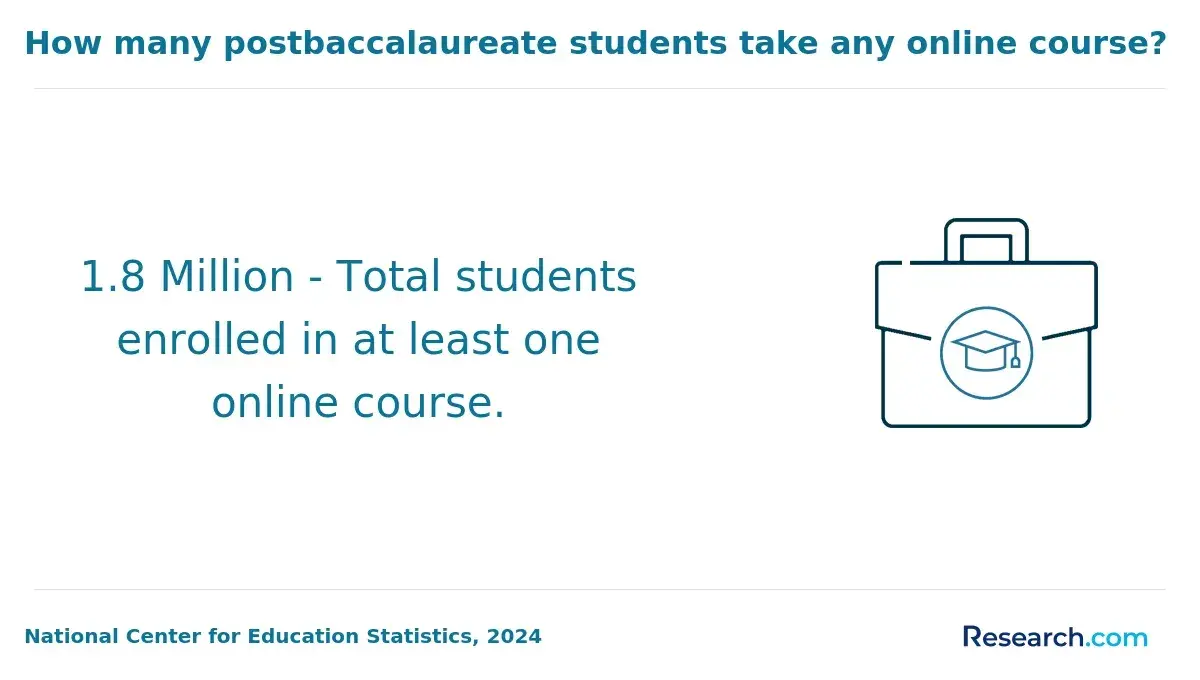
Confronted with a rapidly expanding roster of public health challenges, nutrition degree holders must navigate a competitive job market shaped by shifting employer demands and evolving educational models. With 45% of graduate-level learners now opting for online or hybrid formats, according to the National Center for Education Statistics, the flexibility of program delivery has become a decisive factor for professionals balancing work, family, and upskilling.
This trend influences how quickly entrants can pivot into roles requiring specialized expertise or credentials while managing financial and time constraints. Identifying targeted public health nutrition roles relevant to diverse education pathways is critical for making informed career decisions. This article outlines specific public health nutrition roles aligned with degree qualifications and accessibility, empowering candidates to strategically match educational choices with realistic employment opportunities.
Key Things You Should Know
- Public health nutrition roles requiring RDN credentials command 18% higher median wages but add 6-12 months and $12K+ to education cost, influencing ROI when time-to-employment is critical (Bureau of Labor Statistics, 2024).
- The workforce shift toward data-driven program design demands advanced epidemiology and biostatistics skills, limiting roles accessible with only a bachelor's degree and pushing employers to prefer candidates with combined public health/nutrition master's qualifications (ASHSPH 2024 data).
- Federal grant funding volatility reduces stable public sector jobs by 8% since 2022, intensifying competition and driving applicants toward private sector or consulting roles with higher pay variability but faster hiring cycles (NIH and USDA funding reports, 2023-2024).
What public health nutrition careers can you pursue with a nutrition degree?
Employment prospects for professionals with a nutrition degree reflect a steady 6% growth over the next decade in the United States, driven by approximately 6,200 annual job openings. However, navigating public health nutrition job opportunities in the United States demands more than academic credentials. Employers increasingly seek candidates proficient in data analysis, epidemiology, culturally competent communication, and grant writing, especially in roles within government agencies, nonprofits, and healthcare systems.
Careers in community nutrition for public health graduates often entail program evaluation and health promotion metrics, as seen in federally qualified health center positions. Public health dietitians typically develop population-targeted chronic disease prevention policies, while clinical nutrition specialists collaborate in medical settings requiring licensure beyond a degree.
Nutrition educators working in schools and corporate wellness initiatives translate guidelines into practical behavioral interventions, further illustrating role diversity. The path to licensure and supervised practice hours presents a tradeoff for students weighing immediate workforce entry against long-term professional mobility.
Candidates who combine technical capability with applied knowledge of social determinants of health gain a competitive advantage in a market where demand is consistent but selective. Those seeking affordable education options can explore a curated list of the best online registered dietitian programs to balance cost with credentialing requirements.
What are the education and training requirements for public health nutrition roles?
Hiring standards for public health nutrition roles hinge on more than just holding a bachelor's degree-it requires targeted preparation aligned with practical workforce demands. A bachelor's degree in nutrition, dietetics, public health, or a related area typically forms the baseline, but employers expect accredited coursework in biochemistry, physiology, community health, and food science.
Additionally, completion of 1,200 hours of supervised practice or internships often separates competitive candidates from less-prepared ones. Obtaining Registered Dietitian Nutritionist (RDN) credentialing is mandatory for many clinical roles and significantly boosts employability even outside clinical settings.
State and federal health agencies commonly look for advanced expertise in epidemiology and health program planning, often preferred through a master's in public health (MPH) specializing in nutrition. For instance, managing a Medicaid nutrition assistance program may require both an MPH and RDN credentials to navigate regulatory complexity while delivering effective interventions.
This exemplifies how paired credentials serve as practical decision points affecting employability and job scope within the field. The median annual wage for dietitians and nutritionists was $73,850 in May 2024, with the upper 10% earning nearly $99,000. This wage disparity correlates strongly with advanced degrees, certifications, and substantial supervised experience, illustrating the tradeoffs between investing time in education and gaining financial rewards.
For professionals evaluating public health nutrition education requirements in the US, understanding these real-world salary and credentialing dynamics is critical. Maintaining credentials mandates ongoing continuing education, reflecting evolving dietary guidelines and public health challenges. Credential renewals every five years require documented learning hours; failure to comply can restrict employment options.
For those considering the educational pathway, integrating practical supervised experience and credentialing with academic pursuits proves essential. Prospective students may find value in comparing pathways, including programs like healthcare administration bachelor's degree accelerated online options, when aligning training and certification for public health nutrition careers with long-term workforce goals.
How does a nutrition degree prepare you for community and population-level nutrition work?
A nutrition degree targeting community health roles demands proficiency beyond dietary knowledge, requiring skills in epidemiology, program planning, and policy analysis to influence population-level health outcomes. Graduates must translate complex data into actionable strategies, often working with government agencies, schools, and non-profits to design culturally sensitive interventions that adhere to regulatory frameworks.
For instance, addressing local food access inequities to develop a school meal program involves balancing limited budgets and diverse community needs, illustrating the practical challenges inherent in these roles. Employers prioritize candidates with not only technical competencies but also the ability to communicate effectively with stakeholders and leverage data analysis software.
The differentiation in median salaries-$60,110 for public health nutritionists, $50,060 for community nutritionists, and $62,860 for health education specialists-reflects the scope of responsibilities and analytical demands associated with each path. Those entering at entry-level community roles face limited upward mobility without additional specialization or credentials.
Securing meaningful positions that merge fieldwork with policy advocacy requires targeted internships and strategic networking, underscoring the real-world friction in population-level nutrition career pathways. Committing to focused skill enhancement correlates with increased access to leadership roles influencing statewide nutrition policies. Prospective students looking to complement their nutrition degree with management skills might consider an MBA healthcare management to better navigate complex organizational structures and advance their impact.
Which U.S. nutrition programs and specializations best align with public health nutrition careers?
Public health nutrition careers in the U.S. require targeted degrees that align with workforce realities, notably those integrating community nutrition, global health nutrition, or nutrition policy and management. Employers consistently prioritize candidates from accredited programs like those recognized by the Accreditation Council for Education in Nutrition and Dietetics (ACEND), as these pathways qualify graduates for the Registered Dietitian Nutritionist (RDN) credential.
Without this credential, securing roles in federal or state public health agencies-where evidence-based interventions form the core skillset-becomes significantly more difficult. Specializing in community nutrition prepares professionals to design solutions for dietary disparities in vulnerable populations. For instance, dietitians in state health departments rely heavily on epidemiology and program planning skills embedded in Master of Public Health (MPH) curricula, without which access to policy-based or grant-funded positions is often limited.
Programs focusing on nutrition policy and management emphasize health economics and regulatory affairs, essential for leadership roles that influence food systems and public regulations but lacking in clinical dietetics tracks. Prospective students should critically examine workforce placement and internship match rates, as demand for nutrition and dietetics professionals is projected to grow 1.7-2.4% annually, translating into 39-59 new specialists per year through 2040.
Graduates with robust experiential training demonstrate stronger employability in government and nonprofit organizations. Evaluating the top public health nutrition degree programs in the U.S. requires balancing these program features with practical outcomes. Comparing pathways can be complex, akin to decisions studied in the Chamberlain vs Capella RN to BSN program context, where curricular focus and workforce integration substantially impact career trajectories.
How do online nutrition degrees compare with campus-based programs for public health roles?
Online nutrition degrees provide foundational knowledge similar to campus programs but often fall short in practical skill development critical for public health roles. Many employers, especially state and local health departments, prioritize candidates with verified hands-on experience. A 2024 survey by the Association of State and Territorial Public Health Nutrition Directors reported 47% of state nutrition units face vacancies or unmet staffing needs, underscoring the workforce urgency.
Graduates from online programs may struggle to secure immediate placement in community nutrition roles without integrated practicum or internship components. Campus-based programs typically incorporate supervised fieldwork-such as community assessments and internships-helping students meet licensure or certification requirements in states where registered dietitian credentials or public health certifications are mandated.
Online learners can bridge this gap but must independently arrange local field placements, a process that varies widely in availability and quality. For those targeting roles in research, policy, or remote nutrition education, online degrees emphasizing critical analysis and self-directed learning can suffice.
However, career pivots into leadership or community engagement roles often demand the networking and direct employer connections more accessible through campus environments. Practical experience remains a decisive factor for employer hiring decisions. The flexibility of online programs trades off with reduced structured mentorship and fieldwork. Licensure requirements and immediate workforce deployment are often better supported by traditional programs.
What accreditation and program quality standards matter for public health nutrition degrees?
Choosing a public health nutrition program without ACEND accreditation often results in inadequate preparation for the workforce's increasing demands in prevention and population health management. ACEND accreditation ensures that curricula meet nationally recognized competencies essential for addressing chronic diseases through evidence-based strategies and intersectoral collaboration.
Employers focus on objective indicators of quality, such as programs with national RDN exam pass rates above 80% and documented graduate employment within one year. Students aiming for roles in state health departments, nonprofits, or global agencies should prioritize programs offering practicums that build skills in social determinants of health, epidemiology, and program evaluation-areas critical for current public health nutrition challenges.
Workforce data from the Australian Institute of Health and Welfare reveals a mismatch: while 63% of public health dietitians work in prevention, over 40% feel ill-equipped to manage obesity and chronic disease burdens. This gap reflects the necessity for rigorous experiential learning integrated into curricula, beyond traditional clinical nutrition.
Effective programs balance theory with field experience, enabling graduates to function in complex prevention environments requiring data-driven intervention design and community engagement. Non-accredited degrees risk leaving graduates unable to meet these expectations, narrowing employability especially in competitive or specialized sectors.
What core courses and skills are most important in public health nutrition curricula?
Public health nutrition education demands a heavier commitment than many other public health paths, primarily due to the mandatory 1,000 hours of supervised practice for Registered Dietitian Nutritionist (RDN) credentialing, as noted by Public Health Online. This extensive hands-on training equips candidates to integrate clinical, administrative, and community skills necessary for real-world roles such as dietitians working in healthcare or public program coordination.
Employers seek candidates who can interpret complex medical data and communicate effectively across culturally and socioeconomically diverse populations. This practical need reinforces why curricula emphasize biochemistry, human physiology, epidemiology, and applied nutrition education theory alongside health behavior change models. Internships and experiential learning foster these crucial competencies.
When selecting a program, students must consider a clear tradeoff: purely didactic courses may shorten time to degree but provide less preparation for workforce demands compared to interdisciplinary programs combining coursework with extensive supervised practice. This choice impacts employability and readiness for responsibilities like grant writing, leadership, and program management that employers in government, healthcare, and non-profits prioritize.
Key practical considerations:
- Completion of >1,000 supervised hours lengthens training, affecting employment timelines and financial costs.
- Data analysis and policy planning skills are integral to designing measurable public health nutrition interventions.
- Strong interpersonal and culturally competent communication skills are essential for workplace success.
What are typical salaries and benefits for public health nutrition professionals in the U.S.?
Compensation for public health nutrition professionals in the U.S. reflects significant variability driven by geography, employer category, and experience level. Salaries typically range from $55,000 at entry-level, especially in local or state health agencies, to over $80,000 in federal roles or large NGOs located in metropolitan regions. Registered dietitians with advanced certifications or leadership responsibilities tend to reach salary levels at the upper end of this scale.
For example, a public health nutritionist working for a state agency in a rural area may face slower salary growth and fewer funded development opportunities than counterparts in urban federal positions offering structured pay grades and professional training budgets.
This scenario illustrates the tradeoff between community-oriented impact roles and financial or professional advancement. Workforce projections indicate a shortfall of 17-23% in public health nutrition services by 2040 without strategic expansion.
Employer retention concerns rise from stagnating wages compared to clinical dietetics, emphasizing the importance for candidates to acquire cross-disciplinary skills such as program management, epidemiology, or policy analysis to enhance employability and command better pay. Navigating these dynamics is essential for individuals seeking meaningful career pivots or advancement within the public health nutrition field.
What is the job outlook and demand for public health nutrition specialists nationwide?
The demand for public health nutrition specialists is growing steadily, driven by an aging population and expanding public health initiatives. Yet, this demand masks a competitive entry landscape, especially for candidates lacking hands-on experience in program management or policy development. State and local health departments and healthcare systems often prioritize applicants who can navigate complex community outreach alongside evolving health priorities.
For nutrition graduates, non-clinical roles typically offer lower salaries compared to alternative careers, such as food science, where median earnings are higher by a notable margin-$82,090 annually reported for food scientists versus lower earnings in public health nutrition. This disparity warrants careful consideration for those evaluating career pivots.
Practical success in public health nutrition depends heavily on:
- Securing internships or applied training to demonstrate multidisciplinary readiness.
- Obtaining credentials like Registered Dietitian Nutritionist (RDN) certification.
- Networking strategically within public health systems.
- Willingness to relocate to underserved or rural areas with more openings but broader responsibilities.
Candidates should anticipate managing multiple intersecting health priorities shaped by policy changes and recent pandemic impacts, requiring ongoing adaptability. This underscores that the pathway extends beyond degree completion into continuous professional navigation of shifting public health landscapes.
Which certifications or licenses can enhance your public health nutrition career prospects?
Achieving Registered Dietitian Nutritionist (RDN) status is a pivotal step for those targeting impactful roles in public health nutrition, especially within government agencies where a bachelor's degree alone is insufficient. Employers expect RDN credentials accompanied by state licensure, which requires passing the Commission on Dietetic Registration exam and completing approximately 1,200 supervised practice hours.
These licensure requirements directly affect salary prospects, with federal nutrition roles averaging around $80,000 annually, according to Public Health Online and Bureau of Labor Statistics data. The Certified Dietitian Nutritionist (CDN) credential remains essential, but mid-career professionals seeking leadership or policy positions benefit from the Certified Specialist in Public Health Nutrition (CSPHN) certification.
This credential signals advanced expertise in epidemiology, health promotion, and nutrition policy, aligning with employers focused on evidence-based program development. Specialized certifications like Certified Diabetes Care and Education Specialist (CDCES) or Certified Nutrition Support Clinician (CNSC) offer added differentiation but typically require foundational RDN status to carry weight with employers.
Practical considerations warrant careful evaluation: the substantial time investment and expenses in accredited dietetics programs and clinically supervised internships often conflict with immediate workforce entry. Without licensure or advanced certifications, many candidates are limited to technician roles or community outreach positions lacking influence in program design or research leadership.
Other Things You Should Know About Nutrition
In 2027, public health nutritionists focus on developing nutrition programs, assessing community health needs, and collaborating with public health agencies to promote healthy eating. They balance these tasks with evidence-based interventions to address nutritional issues within different populations.
Internships usually provide more direct exposure to community-based nutrition work, policy implementation, and stakeholder engagement, which are critical for public health nutrition roles. Research experience can strengthen analytical and data management skills but often lacks the applied scope employers prioritize. For career entry or pivot, prioritizing internships embedded in public health departments or non-profits offers clearer outcomes in skill acquisition and networking. If balancing both is possible, target internships with measurable community impact and research that informs population-level nutrition policy.
A bachelor's degree in nutrition can qualify for entry-level roles, but most advancement beyond technician or coordinator positions requires a master's degree, such as an MPH with a nutrition focus. Employers frequently set this as a baseline for supervisory, policy-making, or program development roles. Skip master's programs lacking applied practicum components or public health integration; those offering strong fieldwork and community nutrition modules deliver significantly higher return on investment for career growth.
Government agencies emphasize compliance with regulations, quantitative reporting, and program scalability, requiring strong skills in data interpretation and inter-agency collaboration. Non-profits prioritize flexibility, community engagement, and advocacy skills, valuing interpersonal communication and program innovation. Choose educational experiences that mirror your target sector: government roles benefit from formal policy and data coursework, while non-profits reward creativity and grassroots program management exposure. Understanding these differences supports strategic credentialing and skill development.
References
- What can you do with a Nutrition degree https://www.torrens.edu.au/stories/blog/health/what-can-you-do-with-a-nutrition-degree
- Public Health Nutritionist https://becomeanutritionist.org/careers/public-health-nutritionist/
- Public Health Nutritionist Career Overview - School of Public Health https://publichealth.tulane.edu/blog/public-health-nutritionist/
- Nutrition https://www.publichealthdegrees.org/program/short-courses/nutrition/
- Online Degrees - nutritioned.org https://www.nutritioned.org/online-degrees/
- Blog https://www.futuresmartcareers.co.uk/blog/a-complete-guide-to-careers-in-nutrition-health-and-wellness/
- Considering a Career in Clinical Nutrition? | RUSH University https://www.rushu.rush.edu/news/reasons-why-you-should-consider-career-clinical-nutrition
- Online Master’s in Nutrition Degree Programs - OnlineEducation.com https://www.onlineeducation.com/healthcare/masters-in-nutrition-programs
- Feeding the Future: A Complete Guide to a Career in Public Health Nutrition https://masterspublichealth.com/public-health-nutritionist/
- Certification Scheme https://www.wphna.org/our-profession/certification-scheme