2027 Nutrition Specializations for Program Coordination Careers

Co-Founder and Chief Data Scientist
Professionals aiming to coordinate nutrition programs frequently confront a fragmented landscape of specializations, complicating their ability to target roles that align with evolving employer expectations. The U. S. Department of Education notes a 35% increase in enrollment in flexible online nutrition programs since 2023, reflecting a surge in adult learners balancing work and education. This trend signals shifting access and timing constraints that influence curriculum choices and credential validity in program coordination careers. Navigating these variables requires discerning which specializations maximize employability and meet licensure or certification standards. This article evaluates key nutrition specializations, addressing their practical fit for program coordination and career advancement decision-making.
Key Things You Should Know
- Specializations in clinical nutrition yield 15% higher employment rates in hospital program coordination roles but require an additional 9-12 months certification, delaying workforce entry and increasing upfront costs.
- Employers prioritize candidates with interdisciplinary skills linking nutrition epidemiology and data management, creating a competitive edge yet raising training expectations and potential role overqualification risks.
- Public health nutrition pathways present wider geographic job availability but average salaries 10% lower than private sector counterparts, demanding nuanced cost-benefit analysis of career location versus long-term earning potential.
What are the most in-demand nutrition specializations for program coordination careers today?
The demand for nutrition program coordination specializations with highest employer demand centers on clinical nutrition, community nutrition, and public health nutrition, each reflecting distinct operational realities and workforce priorities. Clinical nutrition coordinators typically require licensure and manage dietitian teams within healthcare systems where chronic disease management impacts institutional funding and quality metrics.
Community nutrition coordinators navigate more complex socio-political environments such as government and nonprofit sectors, where the focus lies on culturally adapted programs addressing food insecurity and compliance with federal assistance regulations. This specialization often calls for a nuanced understanding of demographic-specific dietary needs and stakeholder collaboration.
Public health nutrition roles expand with increased preventive health investments, requiring coordinators adept in multi-sector partnerships, outcome evaluation, and grant management to reduce obesity and diabetes prevalence.
The top nutrition career specializations for program coordinators embed a balance of specialization tradeoffs: clinical roles emphasize scientific rigor and licensure, community roles demand policy literacy and regulatory navigation, and public health coordinators focus on cross-sector data-driven program design.
According to the U.S. Bureau of Labor Statistics, dietitians and nutritionists earned a median annual wage of $73,850 with a 6% growth projection through 2034. Success in these fields often depends on targeted certifications or graduate credentials, which enhance the capacity to meet employer expectations for measurable program impact.
Prospective students should consult resources like the best dietetics programs to align educational choices with labor market realities.
How do nutrition program coordinators differ from nutritionists and dietitians in their job roles?
The divergence between nutrition program coordinators and nutritionists or dietitians centers on the nature of their roles: coordinators emphasize operational leadership and strategic management, whereas dietitians engage directly in clinical care. Nutrition program coordinator job differences become evident in settings like hospitals, where dietitians earn a median salary ranging approximately from $73,670 in inpatient facilities to $80,190 in outpatient care centers, reflecting their patient-centered clinical expertise.
In contrast, coordinators focus on program implementation, funding acquisition, compliance monitoring, and interdepartmental coordination-functions that require proficiency in project management and evaluation metrics rather than hands-on nutritional assessment.
Employers expect coordinators to navigate evolving healthcare regulations and community needs, placing a premium on organizational acumen and leadership. This creates a tradeoff: professionals moving toward coordination roles trade clinical application for broader population-level impact and administrative oversight.
Challenges for coordinators include aligning multidisciplinary teams and quantitatively measuring program outcomes-responsibilities less common among dietitians and nutritionists.
The distinctions in nutritionists versus dietitians roles explained here help clarify individual career planning. Students and practitioners should weigh these operational versus clinical skill sets carefully based on personal strengths and career objectives.
For those exploring a pivot, especially outside traditional clinical pathways, considering structured educational options like online accelerated nursing programs for non nurses can complement or expand qualifications in program coordination.
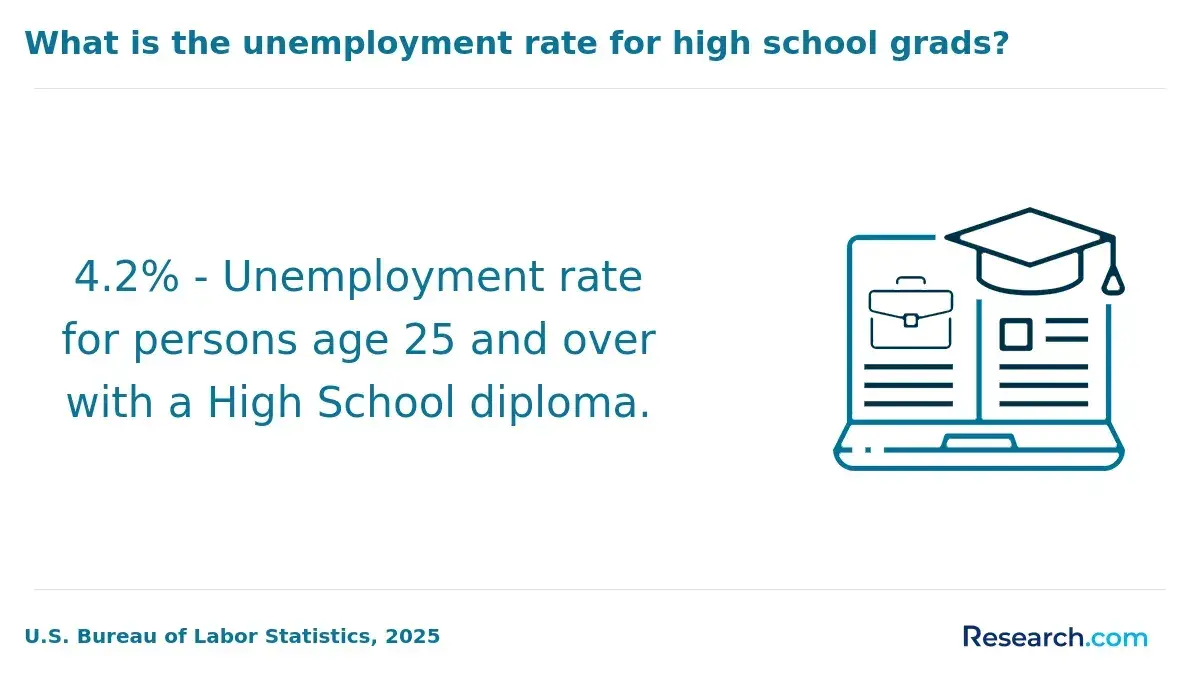
What degrees and education pathways prepare you for nutrition program coordination positions?
Positions coordinating nutrition programs typically require a bachelor's degree in public health, dietetics, community nutrition, or health education, with employers favoring accredited undergraduate programs that integrate nutrition science, program planning, and epidemiology paired with applied experience.
For instance, a Bachelor of Science in Nutrition focused on community health prepares graduates to develop educational materials and manage local outreach, meeting common nonprofit or public health workforce needs. This reflects practical education pathways for nutrition program coordinator roles focused on real-world applicability rather than purely academic study.
Progression to advanced roles often necessitates a Master of Public Health (MPH) specializing in nutrition or health promotion. This level introduces skills in policy analysis, grant writing, and program evaluation essential for overseeing complex, multi-stakeholder initiatives.
Employers prefer candidates with demonstrated success securing grants and managing evidence-based efforts; those without graduate credentials may compete by emphasizing leadership and applied research relevant to coordination duties.
Certificates and continuing education in project management or community health fill typical gaps in administrative and organizational competencies critical to nutrition program coordinators.
Given that community and public health nutrition positions align with health education specialists earning about $69,800 annually and experiencing a 7% job growth through 2032, choices among nutrition degree programs for program coordination careers demand balancing specialized nutrition knowledge with broader public health management skills.
Working professionals considering a strategic pivot might also evaluate an affordable online master's in healthcare administration to complement nutrition expertise with leadership and operational competencies, thereby enhancing competitiveness in complex program environments.
Which nutrition credentials, certifications, or licenses are required or preferred for program coordinators?
Program coordinators in nutrition programs must balance regulatory compliance with operational realities, where possession of a valid State Child Nutrition Program Coordinator License or Certificate is non-negotiable in many states. This credential ensures legal oversight of USDA meal programs, a baseline requirement reflecting the high stakes of managing over 4.9 billion meals annually under the National School Lunch Program.
Preferred credentials for nutrition program coordinators often include the Registered Dietitian Nutritionist (RDN) certification, especially for those responsible for menu design and nutritional quality, signaling verified expertise aligned with federal dietary guidelines.
In less clinical or menu-focused roles, alternatives like the Certified School Nutrition Specialist (CSNS) may suffice, emphasizing program management and operational oversight rather than detailed nutrition science. Candidates aiming for multi-district coordination must obtain at minimum their state's child nutrition certification to maintain compliance with audit and reporting standards.
Wearers of the RDN credential can access higher-level roles, including policy advising and nutrition education leadership, while those without recognized certifications often remain in entry-level assistant positions, limiting career scalability. Coordination positions demand ongoing credential renewal and up-to-date knowledge of USDA regulations, requiring sustained professional development.
Selecting credentials involves weighing the time and financial costs of an RDN against program-specific certifications based on one's target responsibilities and income expectations. For those exploring educational pathways in related health fields, exploring options like cheapest RN to BSN online Texas can also impact career flexibility and cross-sector transitions.
Nutrition program coordinator certification requirements include formal training in federal nutrition policy, food safety, and program evaluation; holding certificates in these domains can distinguish candidates in competitive job markets.
How do online nutrition programs compare to campus-based options for future coordinators?
Choosing between online and campus-based nutrition programs requires weighing flexibility against immersive, hands-on training essential for roles involving direct client interaction and team leadership. Employers in Corporate Wellness & Employee Nutrition Programs increasingly favor candidates with practical experience, especially as health services grow to nearly half of new service sector jobs added to the U.S. economy.
Campus programs offer distinct advantages with live clinical practicums, internships, and established employer partnerships that facilitate placement in structured experiential learning. This embedded support enhances skills like stakeholder communication and group management crucial for program coordinators.
Conversely, online students must independently seek quality internships, often facing significant barriers to accessing real-world, supervised experience.
Consider a candidate aiming to lead hospital-based nutrition initiatives: campus education supports real-time collaboration exercises and leadership training aligned with employer expectations. Meanwhile, online learners typically experience slower network growth and delayed ability to assume highly relational roles requiring cross-departmental coordination.
Those balancing remote access needs or geographic constraints may find online programs suitable for theoretical mastery but must proactively address practical skill gaps through local opportunities. Success in program coordination correlates strongly with exposure to applied practice and nuanced interpersonal skill development, factors that campus options inherently facilitate more robustly.
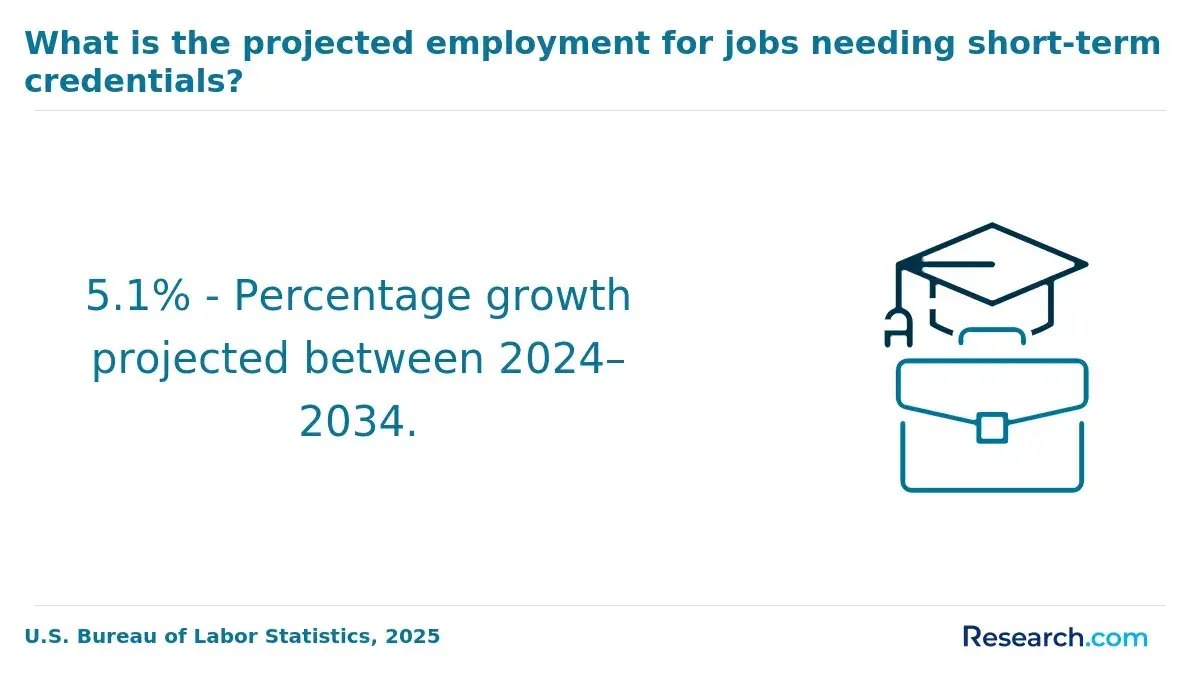
What core courses and skills are included in nutrition specializations focused on program coordination?
Success in nutrition program coordination demands more than scientific background; it requires administrative precision and regulatory insight, particularly in long-term care settings where compliance has tightened. Core coursework often covers advanced human metabolism, clinical nutrition, public health nutrition, and foodservice management, establishing the biochemical foundation necessary for accurate assessment and intervention design.
Practical proficiency extends into organizational behavior and health communication to effectively lead interdisciplinary teams and engage diverse populations. For example, managing eldercare nutrition programs means meticulously tracking dietary needs and adhering to regulations to directly impact patient outcomes under strict federal and state mandates.
Key skills include budgeting, resource allocation, and electronic health records (EHR) management-competencies frequently underemphasized but indispensable in real-world settings.
Developing grant writing and policy advocacy capabilities enables coordinators to secure funding and influence institutional priorities, often dictating career mobility. Program evaluation and data analysis expertise are critical for demonstrating program effectiveness and compliance in a shifting regulatory landscape.
Prospective students should carefully assess whether a curriculum includes project management and leadership training, which significantly affect employability within hospital systems, public agencies, and private sector partners.
Continuous professional development aligned with practicum experience in long-term care or community health providers enhances practical readiness amid evolving nutritional guidelines and healthcare policies. Realistic educational pathways weigh the balance between clinical skills and administrative competencies, shaping a nutrition coordinator's capacity to meet complex workforce demands.
How can students verify accreditation and program quality in nutrition coordination specializations?
Accreditation verification is a non-negotiable step for candidates targeting coordination roles in nutrition specializations, particularly within sports and performance contexts. Without regional or national institutional accreditation combined with programmatic certification from bodies like the Accreditation Council for Education in Nutrition and Dietetics (ACEND), eligibility for licensure exams and professional credentials is effectively blocked. This gatekeeping shapes workforce entry and directly influences earning potential.
Beyond accreditation, prospective students must evaluate graduate outcomes-graduation rates, employer hiring stats, and salary benchmarks-to separate programs with strong employer networks from those offering limited market value. For example, programs aligned with Bureau of Labor Statistics data report median annual salaries near $66,450 for advanced-degree roles. This figure signals the premium placed on specialized coordination skills integrated through curriculum and experiential learning.
Assessing curricula for alignment with competencies endorsed by the Academy of Nutrition and Dietetics reveals whether programs address employer demands for skills in interdisciplinary collaboration, data analysis, and practical coordination. Verifiable connections to professional sports teams or healthcare organizations mark programs that exceed theory, preparing students for real-world complexities.
Key evaluation criteria include:
- Verified ACEND accreditation and institutional recognition
- Graduate employment and salary outcomes
- Curriculum relevance to industry-endorsed competencies
- Availability of supervised practice or internships
- Faculty expertise and active research involvement
- Documented partnerships with professional entities
Deciding without these insights risks enrolling in programs that limit credentialing eligibility or market competitiveness, reducing long-term career and income trajectories in a field where specialization and credentials markedly impact opportunities.
What are typical salaries, career advancement paths, and work settings for nutrition program coordinators?
Nutrition program coordinators typically earn about $69,800 annually, a figure that aligns with their responsibilities managing educational initiatives. The U.S. Bureau of Labor Statistics projects a 7% employment growth through 2032 for nutrition educators and related specialists, signaling steady market demand primarily within public health, nonprofit, education, and corporate wellness sectors.
Practical considerations differentiate coordinator roles by setting. For instance, a school district coordinator might concentrate on aligning curricula with government nutrition standards and compliance, whereas a nonprofit program coordinator often navigates multi-agency collaborations targeting underserved populations.
Each environment demands proficiency in stakeholder engagement, grant writing, and rigorous data tracking to demonstrate program impact.
- Common work environments include public health departments, community health centers, schools, nonprofit organizations, and corporate wellness programs.
- Key skills involve strategic communication, adaptability, grant management, and data-driven reporting.
- Gaining certifications in project management or public health can accelerate advancement.
Effective coordinators balance resource limitations with community needs and ensure staff training adapts to changing dietary guidelines. Leadership progression often hinges on developing expertise in program evaluation and policy advocacy, which align with employer expectations for higher-level positions like program director or public health manager.
What is the job outlook and employer demand for nutrition program coordination specialists?
Job growth for nutrition program coordination specialists is concentrated in community health and long-term care rather than hospitals, where opportunities are shrinking due to slower industry expansion. This shift means candidates must develop skills beyond clinical nutrition to thrive in diverse operational environments.
Employers increasingly require specialists who can design and manage nutrition programs aligned with public health policies and regulatory demands in ambulatory and community-based settings. For instance, a nutrition coordinator in a state-funded long-term care facility balances federal guidelines with patient-centered care, navigating inter-agency collaboration and adaptable project management.
- Success depends on integrating policy advocacy, stakeholder engagement, and grant management to secure funding and embed nutrition efforts within broader public health campaigns.
- Specializing solely in clinical nutrition coordination risks limiting employability amid this market realignment.
- Credentials emphasizing community program administration and data-driven evaluation enhance practical value and job stability.
For professionals weighing educational pathways, this means prioritizing experience and credentials relevant to ambulatory and community nutrition program contexts rather than hospital-centric roles. Accepting fewer traditional hospital positions reflects a tradeoff for stronger growth trajectories and operational relevance verified by the U.S. Department of Labor job market data.
How should prospective students choose the best nutrition specialization for program coordination careers?
Selecting a nutrition specialization for program coordination roles demands prioritizing applied skills over generic credentials. Specializations oriented toward community nutrition, gerontological nutrition, clinical program management, or public health nutrition align with the sector's growth and evolving employer needs.
For instance, a candidate seeking pediatric hospital program coordination must focus on clinical nutrition combined with administrative practicum experience, while leadership in community wellness benefits from public health nutrition paired with grant writing and population data analysis.
The labor market projects a 7% employment increase for nutritionists and dietitians through 2031, translating to roughly 5,100 annual openings, primarily driven by specialized program design and implementation roles. However, deciding between narrow clinical specializations and broader systems-focused tracks involves clear tradeoffs:
- Clinical nutrition offers depth for direct patient program management but limits cross-sector flexibility.
- Broader areas like public health nutrition provide adaptability for multi-sector coordination but may lack clinical specificity.
Credentialing and employer expectations increasingly emphasize integrated capabilities: data-driven metrics, stakeholder engagement, and health communication alongside core nutrition expertise.
Evaluating program outcomes-including graduate placement in relevant settings and experiential learning opportunities-is essential for aligning education with the practical demands of evolving nutrition program administration.
Other Things You Should Know About Nutrition
Nutrition program coordinators can integrate their administrative duties and expertise by leveraging time management skills and continuing education opportunities. Tools like project management software, coupled with regular professional development, ensure coordinators remain knowledgeable while efficiently managing program logistics.
Clinicians often face difficulty shifting from patient-centered work to population-focused program management, which requires different communication and leadership skills. The transition demands new abilities in budgeting, stakeholder engagement, and policy compliance, which are not typical in clinical practice. Without targeted training in these areas, former clinicians may struggle with the broader scope and slower feedback loops of programs versus direct care. Ideally, pursuing a specialized program coordination credential alongside clinical experience offers the best pathway for smooth role adaptation.
Yes, specialization tracks vary significantly depending on target settings. Programs focused on community nutrition emphasize cultural competency, public health principles, and grant writing, which are critical for nonprofit or government employment. Corporate-oriented tracks prioritize employee wellness, data analytics, and behavior change marketing, aligning with employer expectations in private sector initiatives. Candidates should choose specialization tracks aligned with their desired work environment to ensure relevant skills and improved job fit.
Nutrition program coordination degrees often combine science courses with practical project management training, resulting in substantial workload demands. Students balancing employment or personal obligations must assess whether programs offer flexible scheduling or asynchronous components. Heavier lab or practicum requirements extend time commitments beyond typical lecture hours, which may affect completion timelines. Prioritizing programs with clear expectations and support resources improves success rates and reduces attrition in this challenging interdisciplinary area.
References
- Nutritionist vs Dietitian Salary: What’s the Real Difference? - Become A Nutritionist https://becomeanutritionist.org/blog/nutritionist-vs-dietitian-salary-whats-the-real-difference/
- How to Become a Nutritionist, Plus Career Path Options | ISSA https://www.issaonline.com/blogs/nutrition/how-to-become-a-nutritionist-plus-career-path-options
- Dietitian vs Nutritionist: What’s the Difference in Australia? https://fleethealthcare.com/dietitian-vs-nutritionist/
- Blog https://www.futuresmartcareers.co.uk/blog/a-complete-guide-to-careers-in-nutrition-health-and-wellness/
- Home https://www.husson.edu/online/blog/2024/03/careers-in-nutrition-and-wellness
- Curriculum https://www.kumc.edu/school-of-health-professions/academics/departments/dietetics-and-nutrition/academics/online-masters-program/curriculum.html
- Nutrition Careers Guide 2025 | Jobs & Salary https://www.nutritioned.org/careers/
- MS in Clinical Nutrition (starting fall 2026) https://www.unthealth.edu/college-of-pharmacy/health-professions/ms-in-clinical-nutrition-starting-fall.html
- Nutrition Careers | PublicHealthOnline.org https://www.publichealthonline.org/nutrition/
- Health, Wellness, and Nutrition Coordinator | Truest https://www.truest.me/careers/health-wellness-and-nutrition-coordinator